Skis
Nordica Spitfire DC 74 Review: A Smooth and Energetic Front Side Ski
A 74 mm front side ski built around a double core, titanal damping, and a race inspired shape that suits advanced and expert skiers on firm groomers.
Introduction
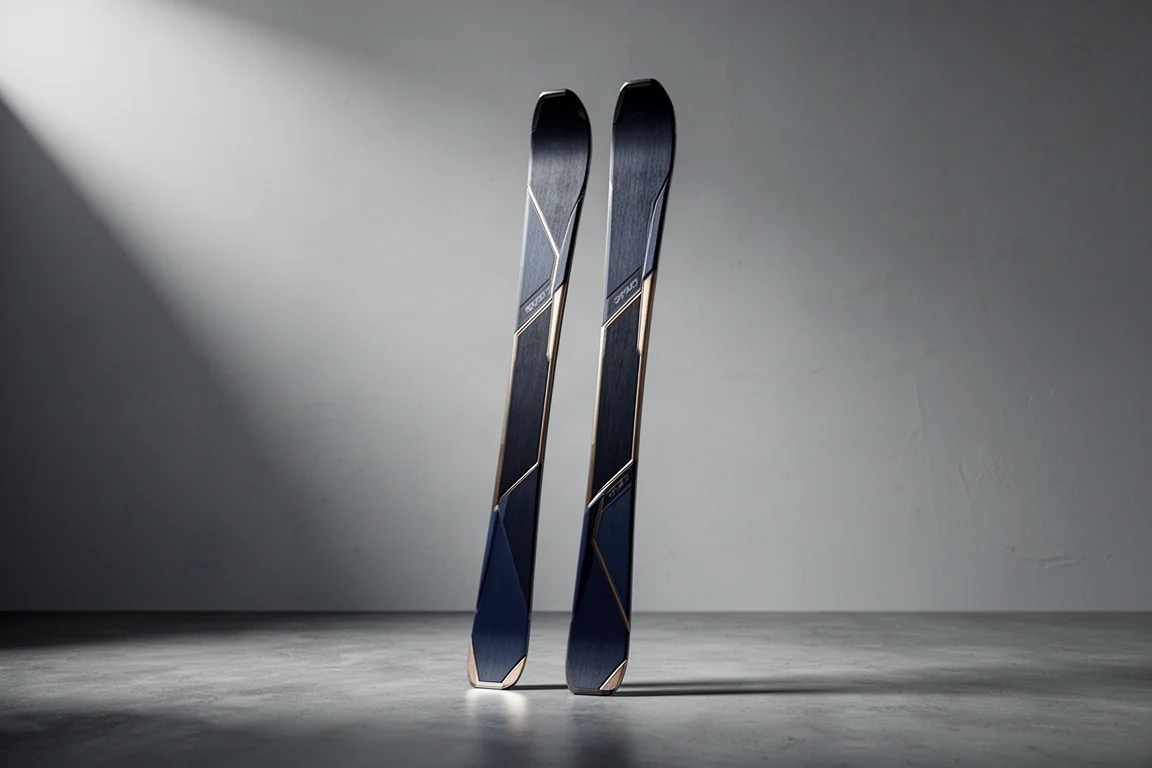
The Nordica Spitfire DC 74 is now in the second year of its current cycle, and that matters more than it might first appear. The shape and core updates arrived last year, and they carry straight through to this season without revision. What that leaves you with is a ski that has already proven itself, rather than one still being sorted out on the hill.
At 74 mm underfoot, the Spitfire DC 74 sits firmly in front side territory. That waist width is a deliberate choice. Race shapes at 68 or 70 mm dig in hard and demand commitment, while a 74 mm platform keeps a little extra surface area for the softer, cut up groomers that most skiers actually encounter as the day wears on. Nordica also builds this ski in an 80 mm version, which opens up more all mountain carving versatility, but the 74 is the more focused front side tool of the two.
Who the Nordica Spitfire DC 74 Is For
Nordica positions this ski for advanced and expert skiers, and for former racers in particular. If your typical day starts on firm, freshly groomed runs and you like to ski them with intent, the Spitfire DC 74 lines up well with that routine. Many resorts deliver a good amount of groomed terrain that stays on the firm side, which is exactly the surface this ski was shaped for.
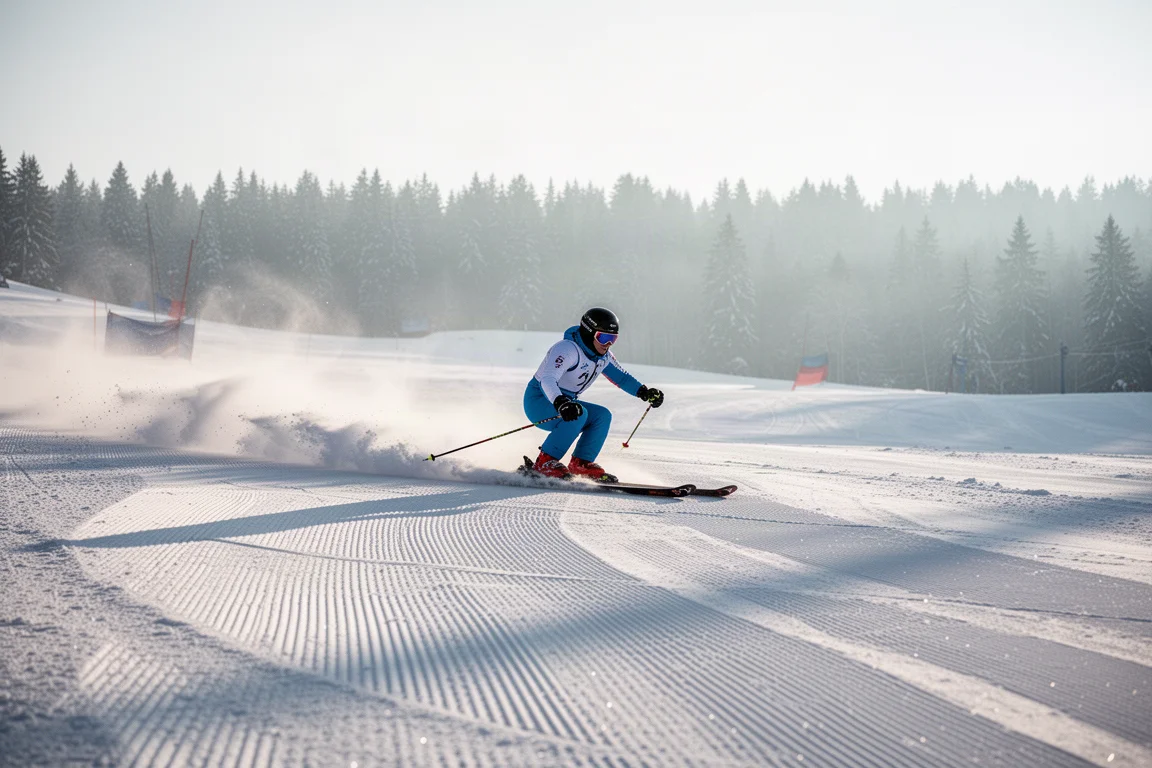
It is also a sensible option for anyone dabbling in a ski bum race or a beer league series. The ski has the profile and the composure to handle a course without turning every run into a fight, and you do not need to be a dedicated racer to get something out of it. Skiers who already have solid technical skills will get the most from it, since the design rewards a skier who can hold a carve and manage edge pressure rather than one still building those habits.
Construction: Double Core, Titanal, and Pulse Core
The headline feature here is the double core construction, and it is the reason this ski feels the way it does. Nordica builds it with two horizontal layers of wood, sandwiching a titanal laminate and a pulse core laminate between them. Reading that stack from top to bottom, it runs wood, titanal, pulse core, wood.
The pulse core is an elastomer, and its job is to quiet vibration running through the ski. The titanal layer in the middle keeps the ski extraordinarily damp while staying totally powerful. Together they produce a ski that blends smoothness and quietness with energy, which is a harder combination to pull off than it sounds. A ski can easily be damp and lifeless, or energetic and harsh. This one manages both ends of that spectrum at once.
That construction has since filtered into most of Nordica’s front side skis. The Doberman and Multigara models use two sheets of metal, while this ski and the Steadfast 80 and 85 double core models use a single titanal layer in the middle. The Spitfire DC 74 pairs that single metal layer with a more angular, race inspired shape, which is what cements its identity as a true front side ski.
Main Strengths on Firm Groomers
The first thing that stands out is how smooth the ride feels underfoot. The elastomer and metal combination does exactly what it is meant to do, filtering out the chatter that firm, refrozen corduroy normally sends up through a ski. That calmness gives you a stable platform to work from, and it makes long groomer laps far less tiring than they would be on a stiffer, more demanding shape.
The second strength is energy. Despite all that damping, the ski stays lively and responsive when you load it. It is not a dull, dead feeling plank that only wants to go straight. Push into it and it gives something back, which is a big part of why this shape has been such a favourite in the front side category.
Third, the construction holds up to speed. The ski stays composed when you let it run, and it does not start to feel vague or nervous as velocity climbs.
Shape, Turn Radius, and Edge Grip
At 180 cm, the Spitfire DC 74 carries a 17.7 metre turn radius. That figure is on the longer side for a front side ski, and it is intentional. It opens the ski up to higher speeds and a more GS style turn shape, which is precisely what makes it a credible choice for informal racing.
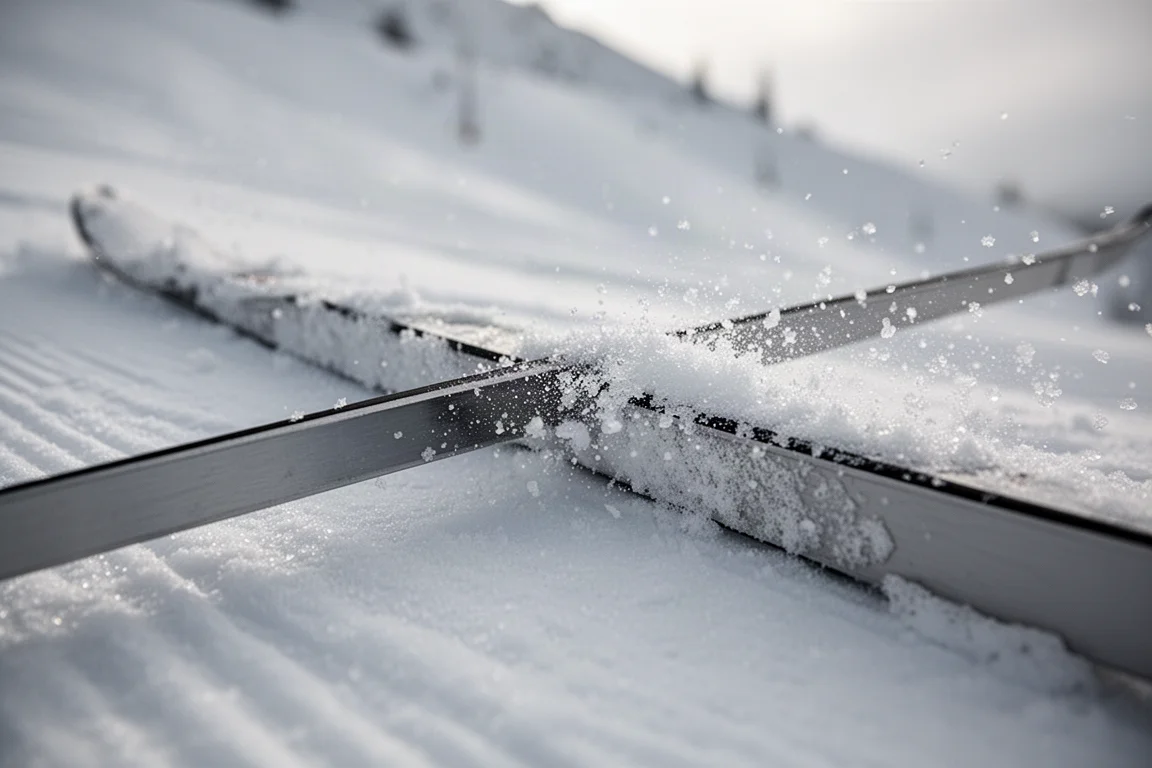
The profile supports that intent. There is a lot of long positive camber underfoot, and very little tip rocker or taper, if any at all. This is effectively a fully cambered ski, and with no taper the edge runs all the way to the tip. When the ski is low and in contact with the snow, that geometry produces really pure initiation and engagement. You get a clean, immediate connection to the snow rather than a vague, rounded entry.
The same philosophy carries to the tail, which has a sharp, angular shape. That makes the ski responsive and precise throughout the turn. It is happiest when you hold the carve all the way through rather than releasing into a skidded finish, which is worth knowing before you commit to the shape. There is also more drift available out of the back of the turn than you would get from a Doberman series ski with two sheets of metal, thanks to the single titanal layer here. It is still very responsive and very precise, but it is not quite as locked in as the brand’s heavier metal builds.
Things to Consider Before Buying
The most important consideration is honesty about your own skiing. This is a front side ski for accomplished skiers. The sharp tail and the long effective edge are assets for someone who can use them, but they are less forgiving for a skier still developing turn shape. If you want a ski that allows a lazy, skidded finish at the end of every turn, this is not the most accommodating option.
The 74 mm waist is the second thing to weigh up. It is a genuine strength on firm groomers and cut up piste, but it is not designed for deep snow or off piste exploration. If your season involves a meaningful amount of soft snow, the 80 mm version of this ski broadens the picture considerably. Within the front side realm, the 74 mm width is a sweet spot, but it is still a front side width.
Finally, consider how much of your skiing happens on hard, groomed surfaces. If the answer is most of it, the trade-offs here work in your favour. If it is only a portion, a wider or more versatile ski may serve you better.
How It Fits Alongside Other Nordica Front Side Skis
The Spitfire DC 74 shares its double core, single titanal construction with the Steadfast 80 and 85, but the shape is where they diverge. The Spitfire has the more angular, race inspired profile, which sharpens its focus on groomed terrain. Step up to the Doberman or Multigara models and you get two sheets of metal instead of one, which adds grip and further damps the ski at the cost of some of the drift this model allows out of the turn. The Spitfire DC 74 sits in a useful middle ground, with enough metal to stay calm at speed and enough liveliness to remain fun.
Buying Advice
If you are an advanced or expert skier who spends most mornings on firm groomers, the Spitfire DC 74 is a straightforward recommendation. It gives you a smooth, quiet ride, genuine energy underfoot, and a race inspired shape that holds up when you push the pace. For informal racing, the 17.7 metre radius at 180 cm makes it a natural fit.
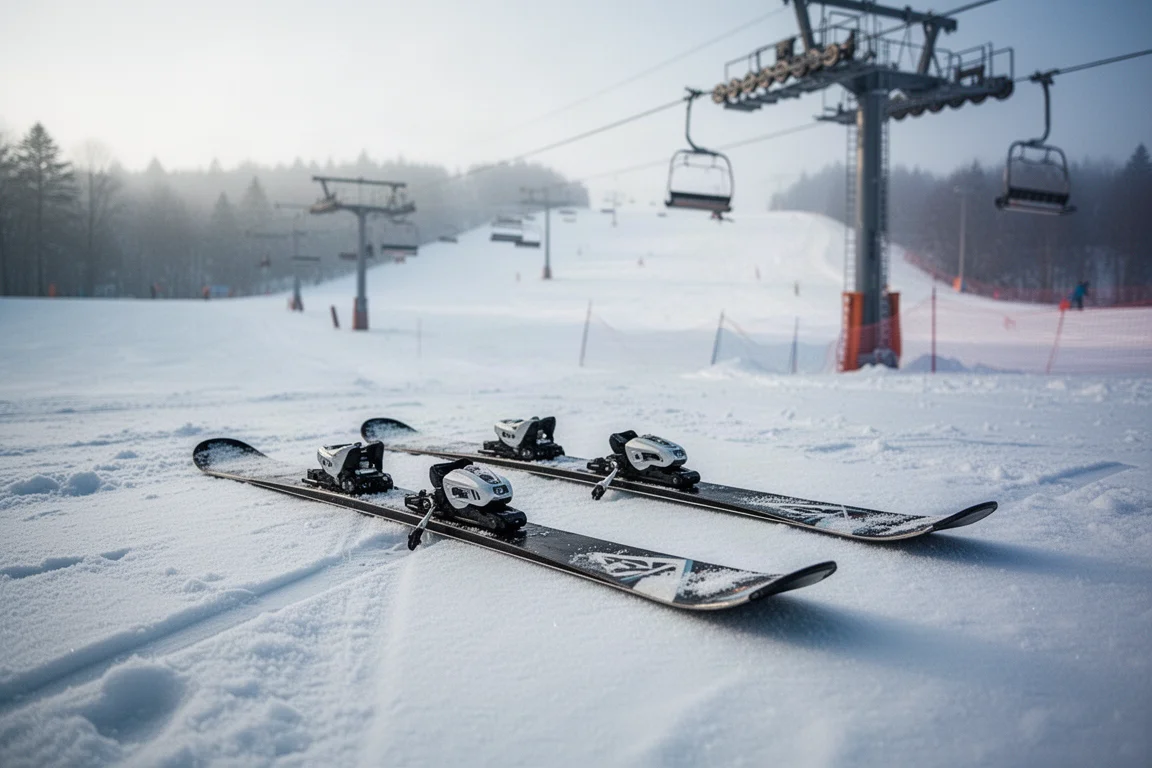
Buy it if you want a dedicated front side companion that rewards skill and holds an edge cleanly. Look at the 80 mm version instead if you need more all mountain range, or toward a two-sheet metal model if maximum grip is the priority. As long as you are clear about where you ski and how you like to turn, this is an easy ski to feel confident about.
Conclusion
The Nordica Spitfire DC 74 has earned its place in the front side category over the past two seasons, and the carryover build for this year keeps everything that made it work. The double core construction delivers a rare combination of quietness and energy, the fully cambered profile with a sharp tail provides precise edge engagement, and the 74 mm waist threads the needle between a race shape and everyday groomer practicality. For advanced and expert skiers, and especially former racers, it is a well resolved choice.
Product link
View more details for Nordica Spitfire DC 74
This product is mentioned in the review. Check the specifications, options, and compatibility before buying.
View more details for Nordica Spitfire DC 74Further reading
Related Reviews

Skis
Armada Anti Matter 82 W Review: A Light, Approachable All-Mountain Carver
Armada's Anti Matter 82 W pairs a lightweight Karuba and carbon build with an easygoing all-mountain shape, aimed at intermediates through lighter-footed advanced skiers.

Skis
Armada Anti Matter 88W Review: A Light, Playful 88mm All-Mountain Ski Plus Two Alternatives
The Armada Anti Matter 88W returns unchanged in spirit from its Reliance 88C days, and it remains one of the most versatile 88mm skis around. We also look at the Nordica Santa Ana 87 and Anti Matter 92 W as alternatives.

Skis
Armada ARV 100 vs Atomic Bent 100: Which 100mm Freestyle Ski Should You Buy?
Two of the best all-mountain freestyle skis of the season compared: one leans playful and park-ready, the other holds up better everywhere else.