Skis
Nordica Spitfire 74 Review: A Fully Cambered Frontside Carver
A close look at Nordica's 74mm frontside ski, its Energy Double Core construction, and the riders who will get the most from it.
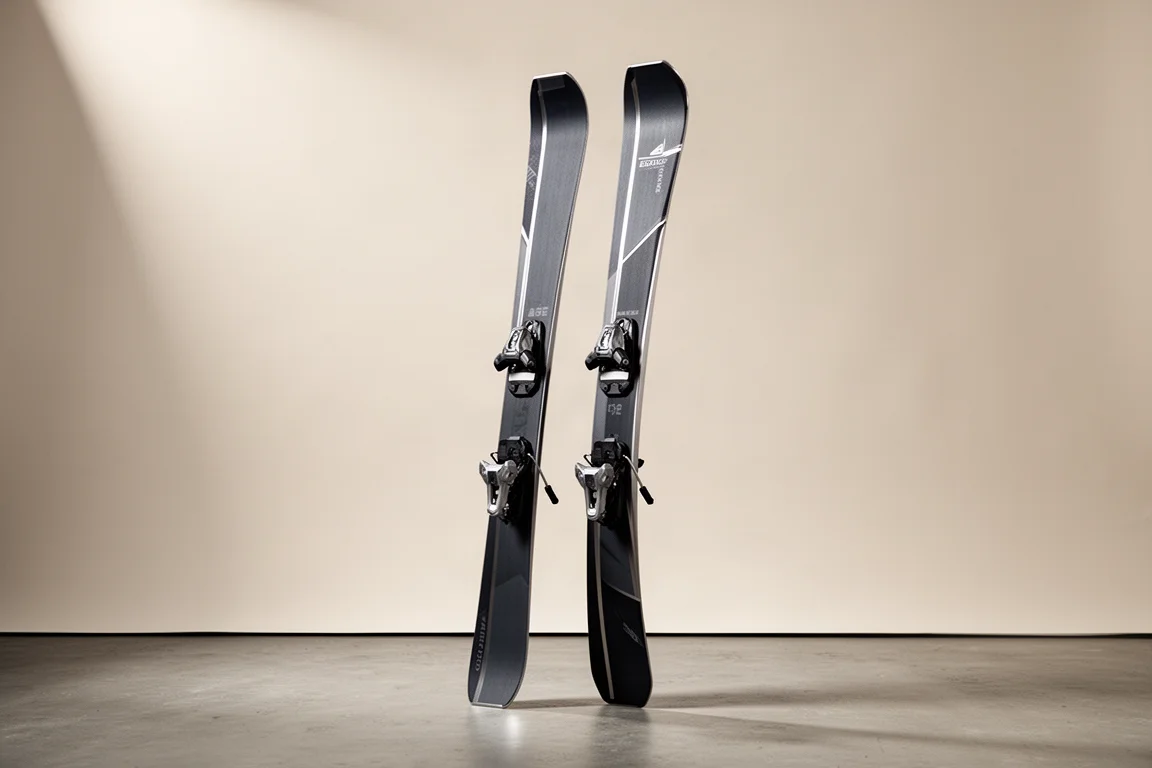
Introduction
Nordica’s Spitfire family has long been a reference point for skiers who spend their time on groomed terrain, and the range has been simplified for this generation. The previous spread of 72mm, 76mm, and 80mm models has been condensed into two widths, with the Spitfire 74 taking over the narrower end of the lineup. That leaves the 74 as the most carving-oriented option in the collection, sitting alongside an 80mm sibling for riders who want a little more width underfoot.
The headline change is the Energy Double Core construction. It is a genuinely different approach to building a ski, and it shapes almost everything about how the Spitfire 74 behaves on snow. This review covers what that construction does, where the ski performs best, and what to weigh before committing.
Who This Ski Is For
The Spitfire 74 is aimed squarely at frontside skiing. If a typical day means groomed runs, hardpack, and the occasional stretch of chopped-up or loose snow rather than fresh powder, this is the profile Nordica designed it around. In a region where new snow is the exception rather than the rule, it is a ski that can handle most days of the season without feeling like a compromise.
It also suits skiers who like to run gates. A shorter giant slalom style course, the kind used in local beer league or ski bum races, plays directly to the ski’s strengths.
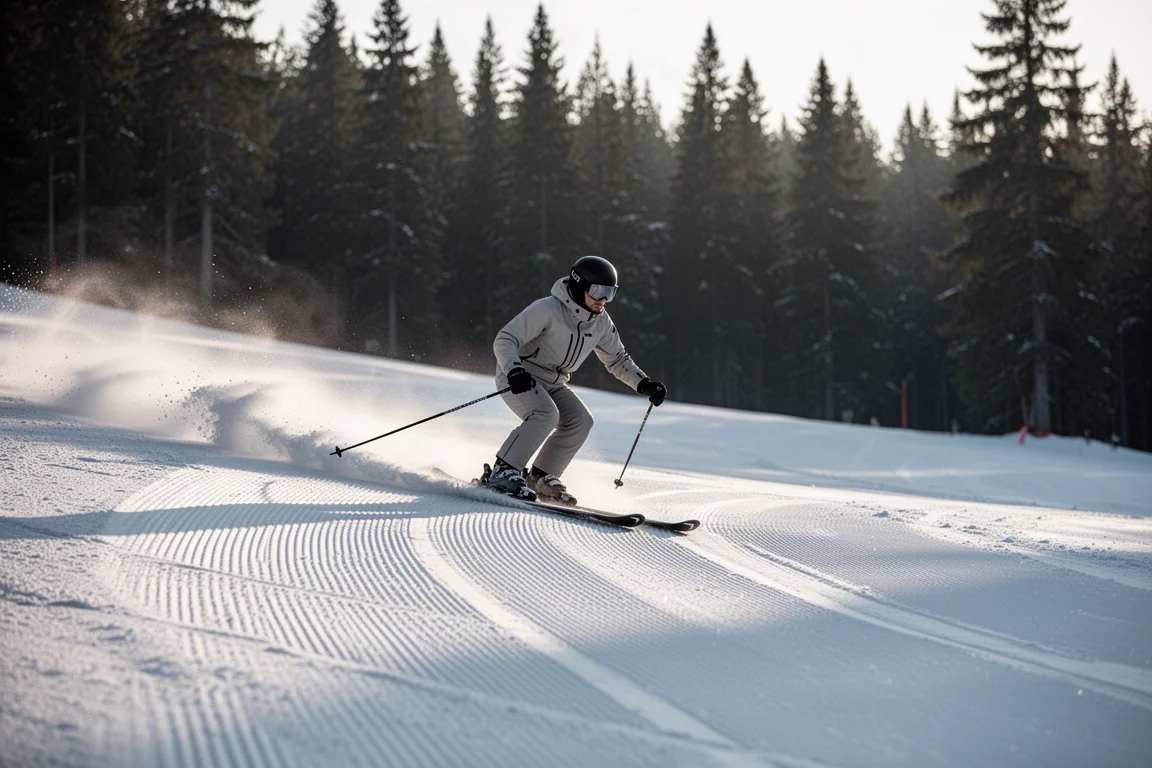
Riders who prefer a directional, edge-driven style will feel most at home here, because the ski rewards commitment to the fall line rather than a loose, surfy approach.
Design and Construction
The core is where the Spitfire 74 separates itself from most metal skis. Instead of running vertical wood stringers from tip to tail, Nordica builds two horizontal laminates of wood and places a layer of metal between them. The wood core is denser than the one used in the Steadfast series, and the metal layer is a Titanal laminate.
The result is a ski designed to harness energy and deliver it in a smooth, powerful manner. Nordica also adds a Pulse Core laminate to damp vibration further, which is intended to keep the ride quiet at speed and on firm surfaces.
The profile is fully cambered with essentially no rocker. There is a very small amount of play in the tail, but for practical purposes this is a squared-off, traditional camber build with a long effective edge.
Main Strengths
Smoothness is the defining trait. The double core construction is noticeable from the first turns, with a character that feels distinct from a conventional metal-laminate ski. Power arrives progressively rather than in a spike, and the ski stays composed when the surface turns rough.
Stability is the other standout. The Spitfire 74 has enough backbone to motor through chopped-up and loose snow without losing its footing. On firm groomers it feels planted and precise, and the long effective edge helps it hold a clean line.
Turn shape is versatile for a carving-focused ski. At 175cm the sidecut produces a 16.5m turn radius, which sits in the mid-range: short enough to feel lively, long enough to arc at speed. The ski crosses the fall line well and finishes each turn with a snappy release out of the tails.
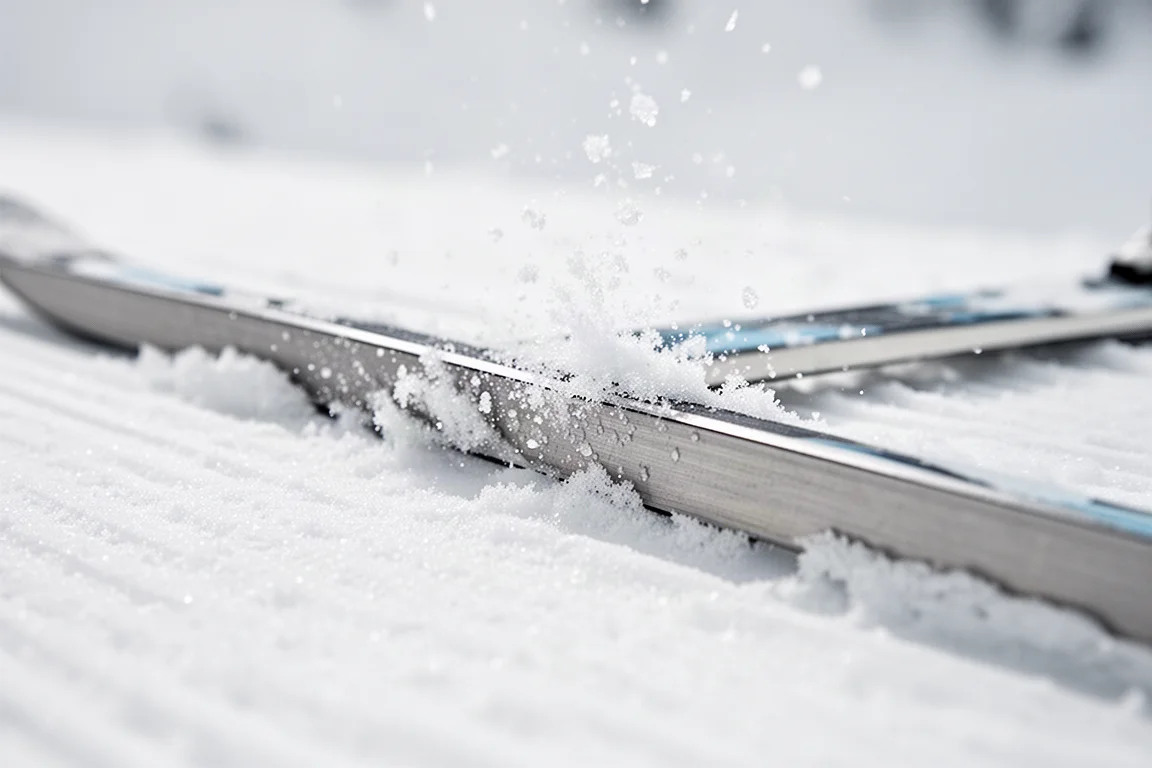
The damp feel comes from the metal layer working together with the wood and the Pulse Core laminate. That combination keeps vibration low, which is what makes the ski feel so settled on hard snow.
Performance on Firm Groomers
Firm, groomed snow is where this ski makes its strongest case. The fully cambered profile engages early and holds through the arc, and the edge grip is exactly what you would expect from a metal-layered core. It is a ski that encourages you to tip it over and let the sidecut do the work.
Carving at moderate to high speed feels natural. The 74mm waist keeps edge-to-edge transitions quick, so the ski feels responsive rather than sluggish, and the energy stored in the camber gives back a lively exit from every turn.
Handling Mixed and Chopped Conditions
The Spitfire 74 is more than a hard-snow specialist. Its stability carries over into adverse conditions and terrain, and it handles chopped-up or loose snow with more confidence than the narrow waist might suggest. The mass and damping in the core keep the ski from being pushed around when the surface breaks down.
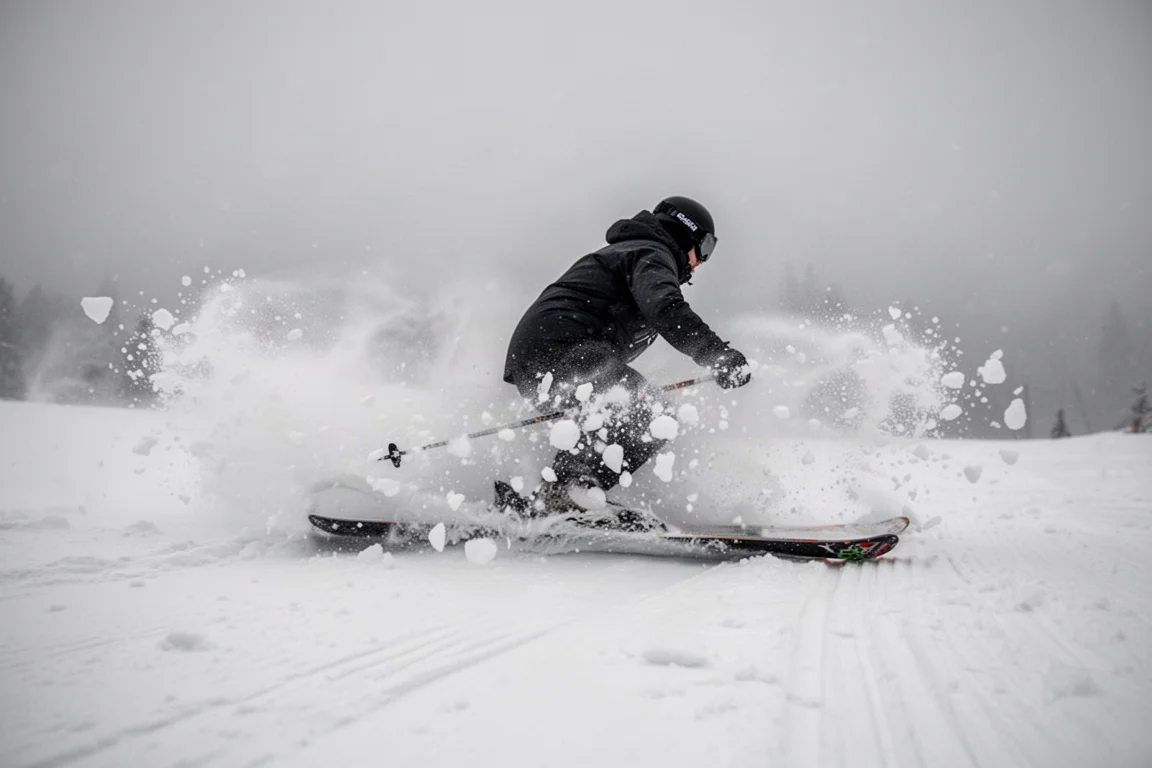
That said, the fully cambered shape is a frontside design. It is built to hold an edge and drive through variable snow, not to float. Riders who want soft-snow performance should be looking at a wider, rockered ski.
Things to Consider Before Buying
The most important consideration is the camber profile. With essentially no rocker, the Spitfire 74 is a directional ski that wants an active, edge-driven pilot. Skiers accustomed to a rockered, pivot-friendly feel will need to adapt, and anyone splitting time between groomers and off-piste will find the shape limiting.
Width is the second factor. At 74mm underfoot this is a dedicated frontside ski. It will feel out of its element in deep snow, and it is a specialised tool rather than a one-ski quiver for riders who chase storms.
Buying Advice
As a frontside carving ski with a Titanal-layered double core and a system binding included, the Spitfire 74 brings a lot of construction to its place in the market. The bundled Marker system binding adds value and keeps the setup simple: one purchase, one mounting, and no separate binding choice to agonise over.
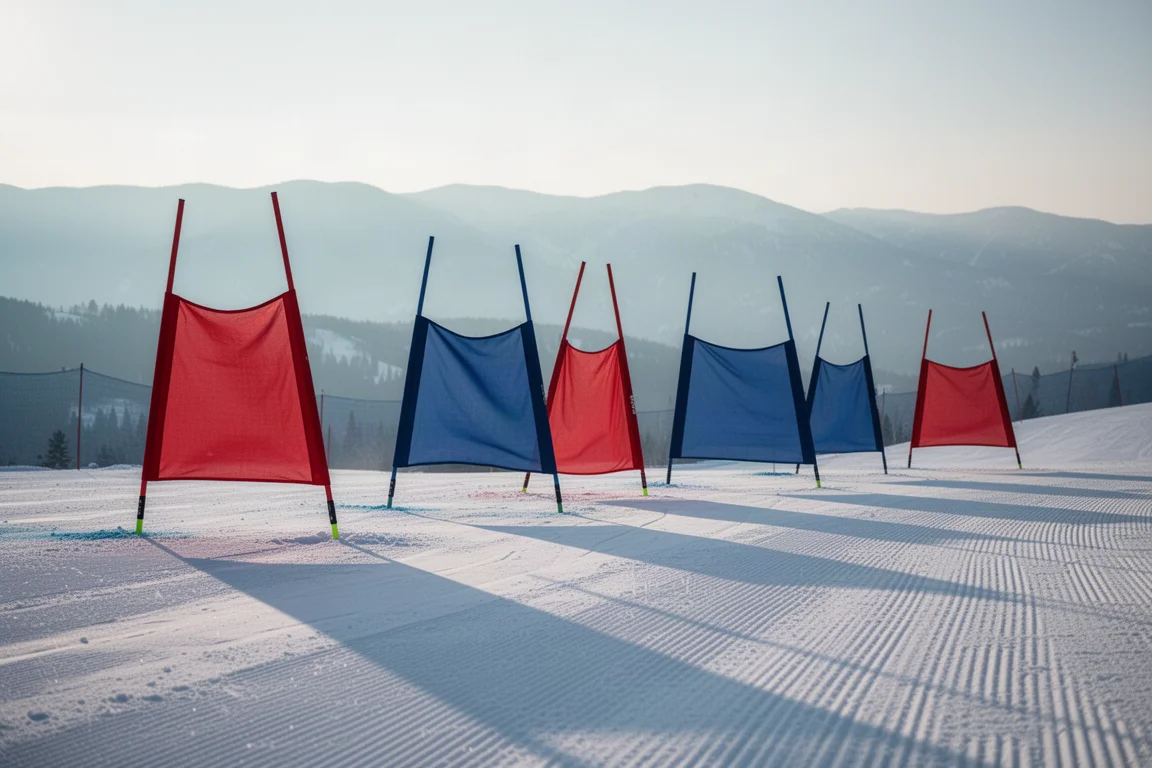
Length matters here. The 175cm build produces a 16.5m turn radius, a good middle ground for a capable frontside skier who wants a ski that can arc on piste and still hold up in a recreational race course. Skiers who prefer tighter, slower turns should think about how that radius matches the terrain and speeds they actually ski.
Conclusion
The Nordica Spitfire 74 is a focused, well-executed frontside ski. The Energy Double Core with its Titanal layer gives it a smooth, powerful, and unusually damp character, the fully cambered profile delivers strong edge hold on firm groomers, and the 16.5m radius keeps it versatile enough for both everyday carving and recreational gate running. If your skiing lives on groomed terrain and you value stability over float, this is a ski worth putting on your shortlist.
Product link
View more details for Nordica Spitfire 74
This product is mentioned in the review. Check the specifications, options, and compatibility before buying.
View more details for Nordica Spitfire 74Further reading
Related Reviews

Skis
Armada Anti Matter 82 W Review: A Light, Approachable All-Mountain Carver
Armada's Anti Matter 82 W pairs a lightweight Karuba and carbon build with an easygoing all-mountain shape, aimed at intermediates through lighter-footed advanced skiers.

Skis
Armada Anti Matter 88W Review: A Light, Playful 88mm All-Mountain Ski Plus Two Alternatives
The Armada Anti Matter 88W returns unchanged in spirit from its Reliance 88C days, and it remains one of the most versatile 88mm skis around. We also look at the Nordica Santa Ana 87 and Anti Matter 92 W as alternatives.

Skis
Armada ARV 100 vs Atomic Bent 100: Which 100mm Freestyle Ski Should You Buy?
Two of the best all-mountain freestyle skis of the season compared: one leans playful and park-ready, the other holds up better everywhere else.