Ski Reviews
What Changed With the Overhauled Nordica Rustler Line: Rustler 9, 10, and 11
The Rustler line was reworked for the 2023/24 season. Here is what actually changed, why the hinge problem is gone, and which model improved the most.
Introduction
The Rustler line got a full overhaul for the 2023/24 season, and if you loved the old skis, the first question is simple: did Nordica ruin a good thing? The short answer is no. Everything that made the old Rustler 9, 10, and 11 popular is still there, and the weaknesses the old skis had have been addressed.
What Changed in the New Rustler Line
The old Rustler had a well-known problem: hinging. When you moved into heavier snow, especially on steeper terrain, the ski would fold under you in a way that felt like you were about to pitch forward over the top. A lot of that came down to how the metal integrated with the True Blend wood core.
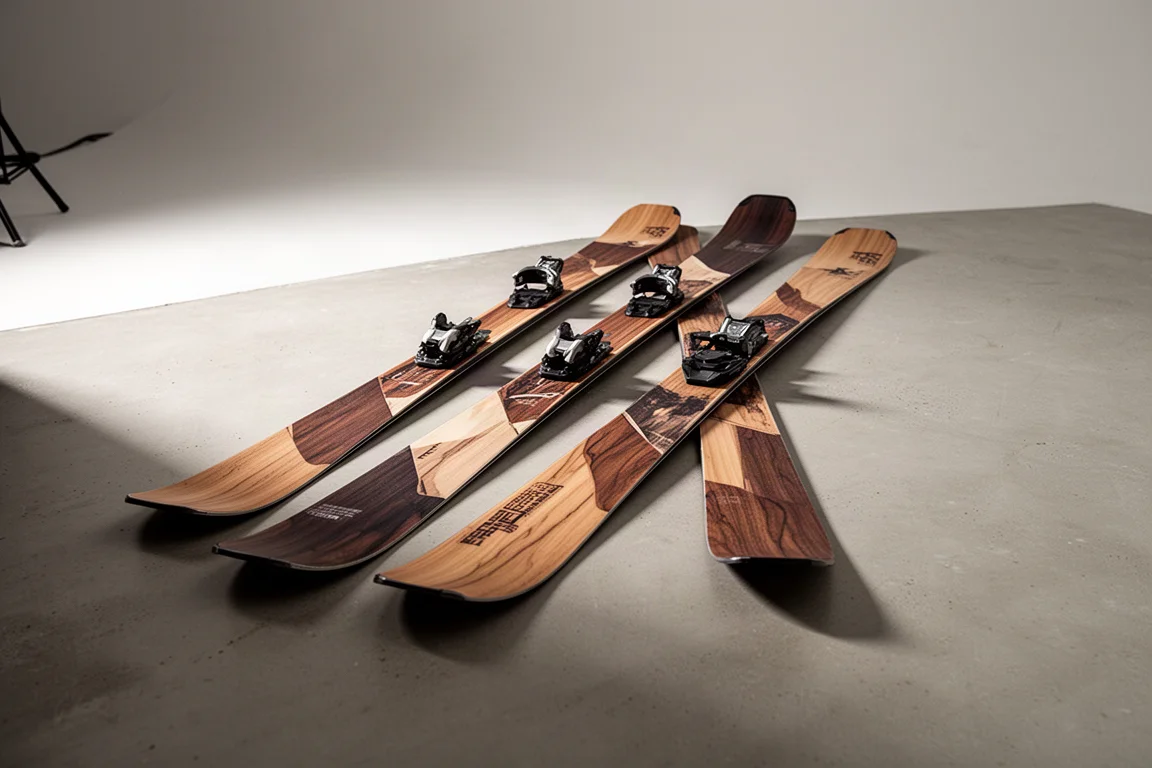
The new line keeps the True Blend wood core but improves the metal layout. The DRT metal now stops differently and the Flux Form metal integrates better with the core, extending all the way from tip to tail across all the Rustler models.
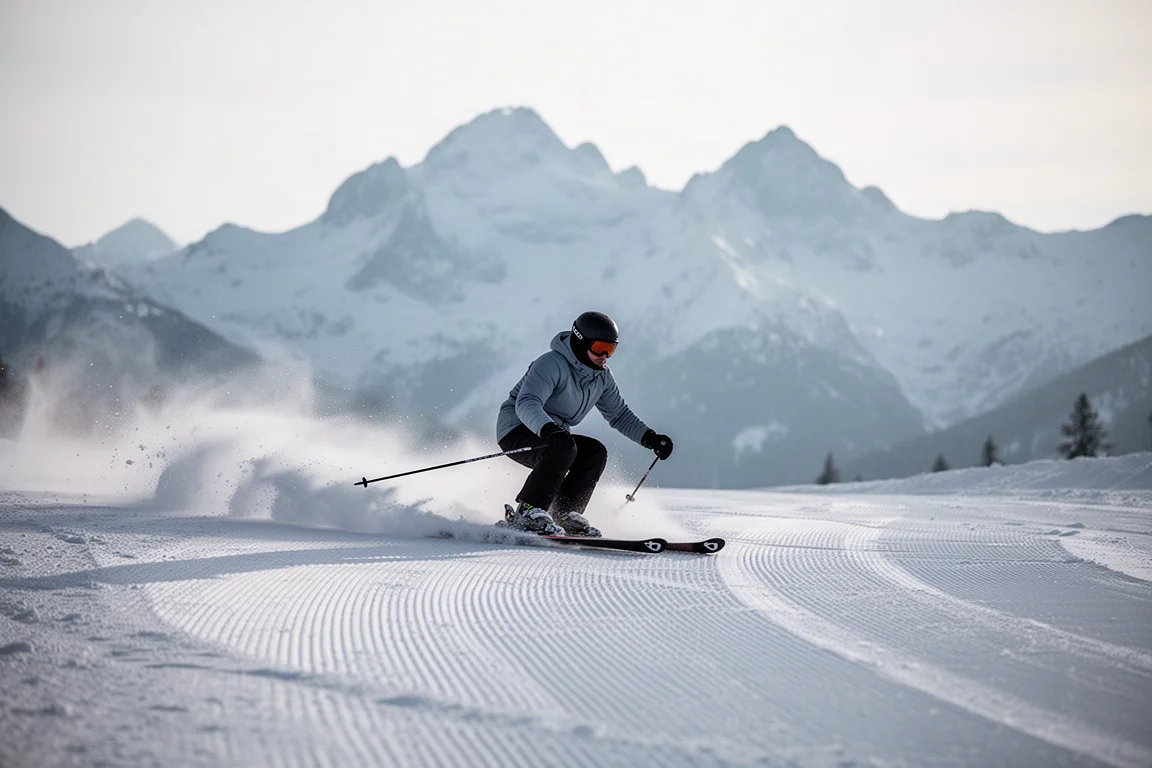
A common misconception is that more metal makes a ski stiffer. What it really does is make the ski more damp and reduce deflection, and it does that more effectively now that the metal runs full length through the tip and tail. The result is significantly better hard snow performance without giving up the playfulness people loved in the old skis.
Rustler 9
The Rustler 9 is the most improved ski in the line. Going from the old Rustler 9 to the new one, you will notice the biggest difference of any model in the update. The main gains show up on harder snow, where the new ski grips noticeably better thanks to the extended metal, while keeping the freeride character intact.
Rustler 10
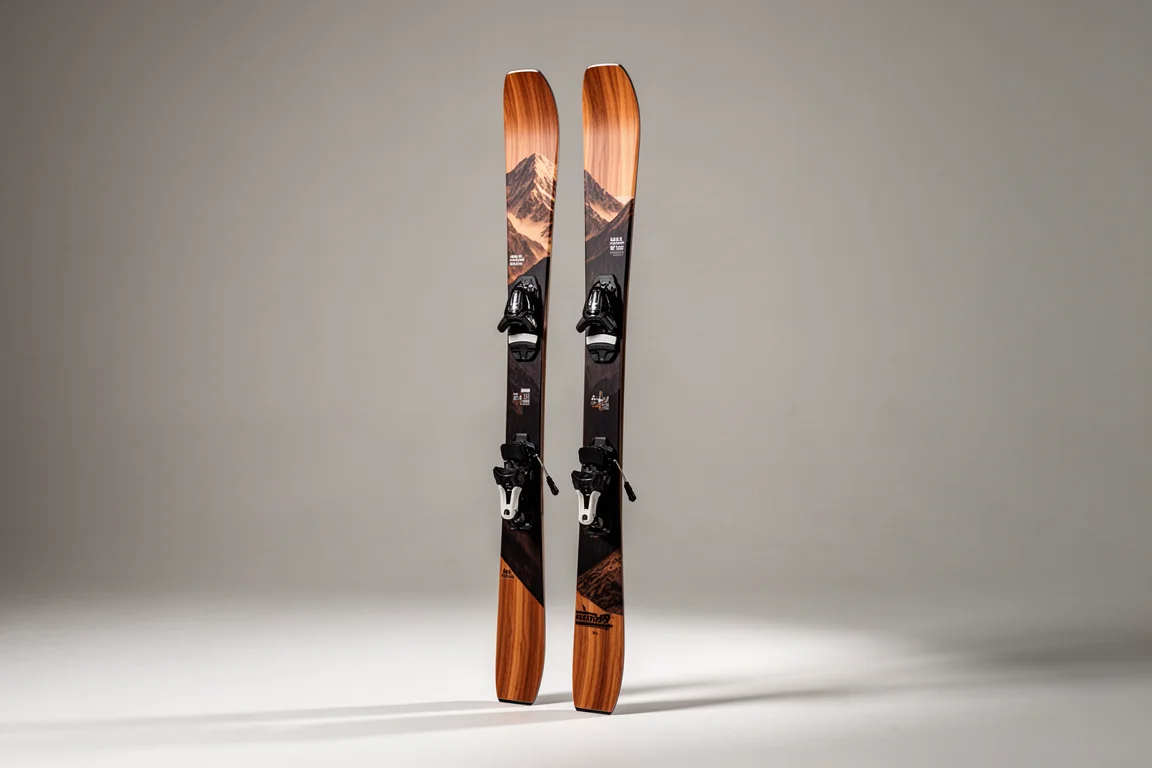
The Rustler 10 also benefits from the update, though the difference between the old and new version is smaller than on the 9. It still holds the same playful all-mountain feel, and the added damping gives it more confidence when snow conditions firm up or the terrain steepens.
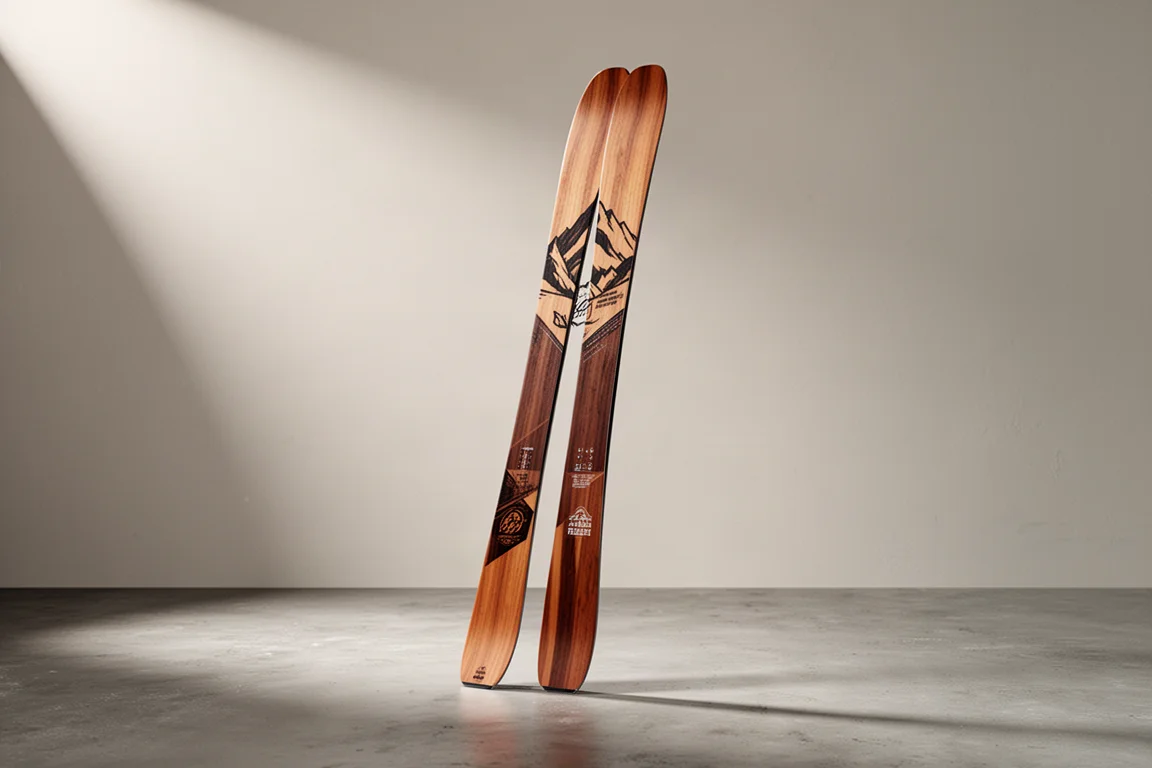
Rustler 11
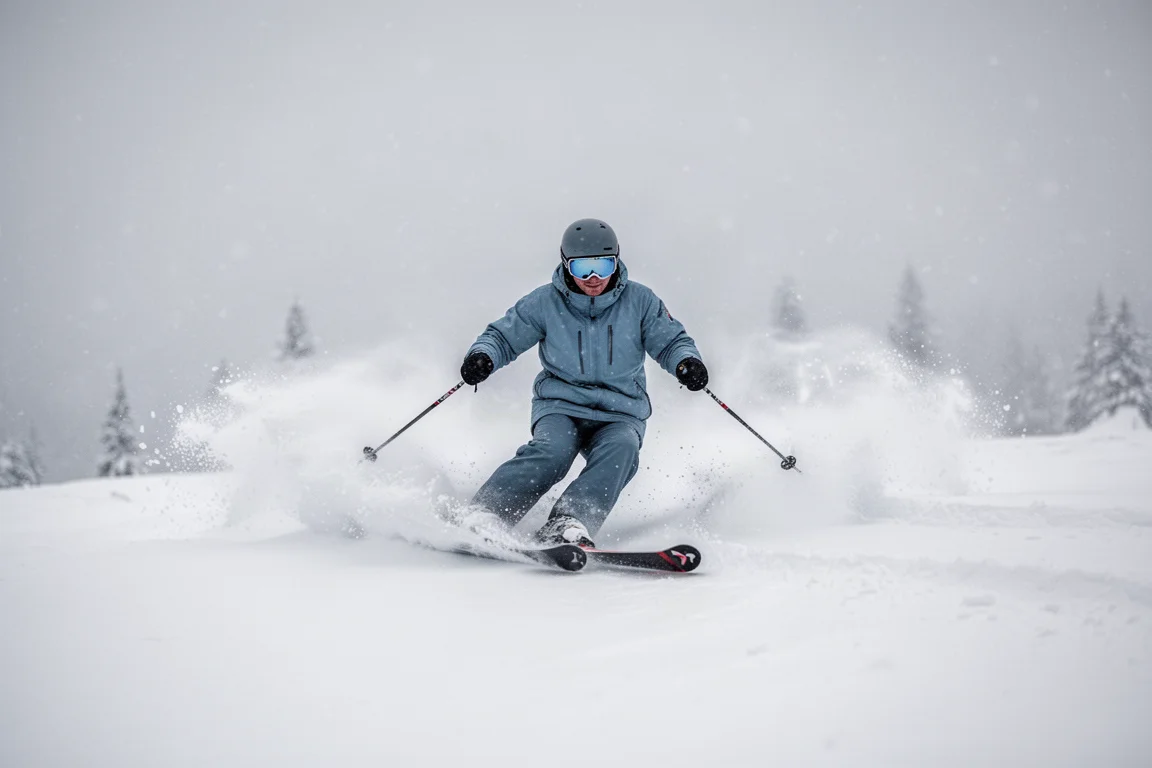
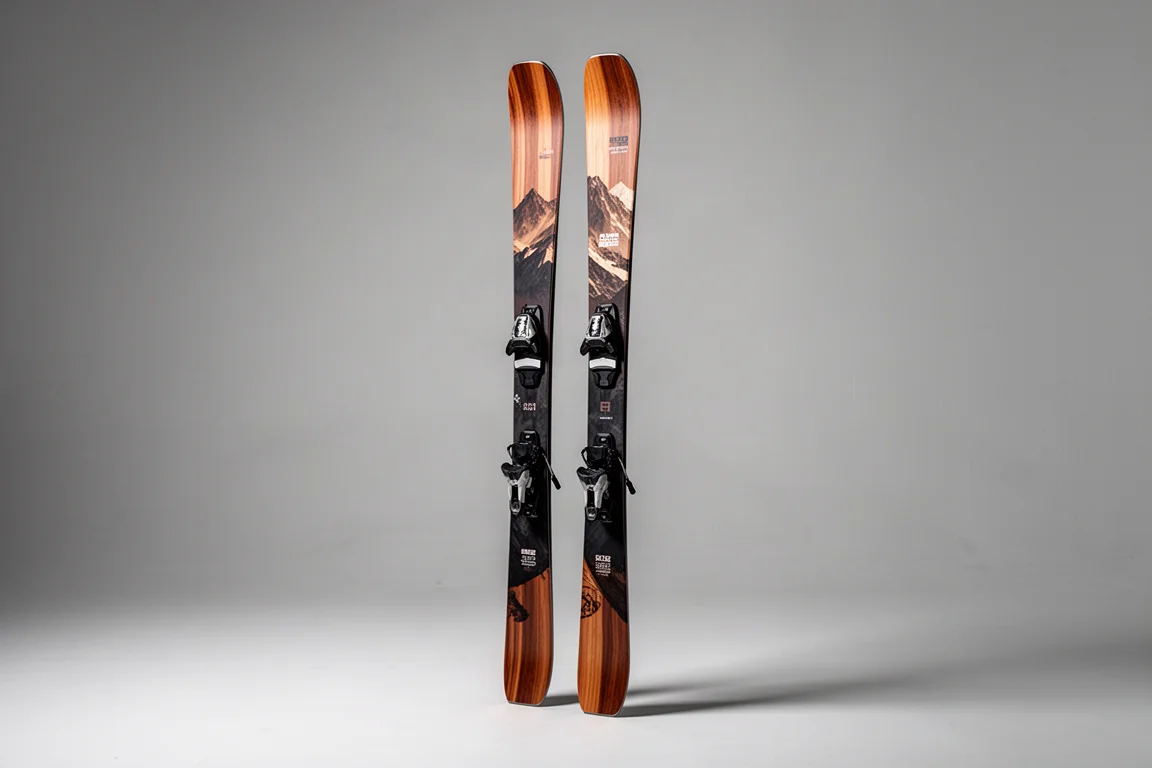
The Rustler 11 feels like an improvement as well, though again the change is more subtle than the leap on the Rustler 9. For bigger riders or those who spend most of their time in deeper snow, the updated metal layout simply adds composure without dulling the ski.
Which Rustler Improved the Most?
If we had to rank the updates, the Rustler 9 shows the largest jump from old to new. The Rustler 10 follows with a somewhat smaller but still noticeable improvement, and the Rustler 11 feels refined rather than transformed.
That ranking matters if you are choosing between last season’s discounted stock and the new version: the older Rustler 9 is the one where the upgrade is most worth chasing.
Should You Worry About the Update?
The testing that informed this comparison involved two full days of skiing the old and new skis side by side, swapping between them in every combination of runs to isolate the differences. The conclusion was consistent: the playfulness people came to love in the old Rustler 9, 10, and 11 has not been lost.
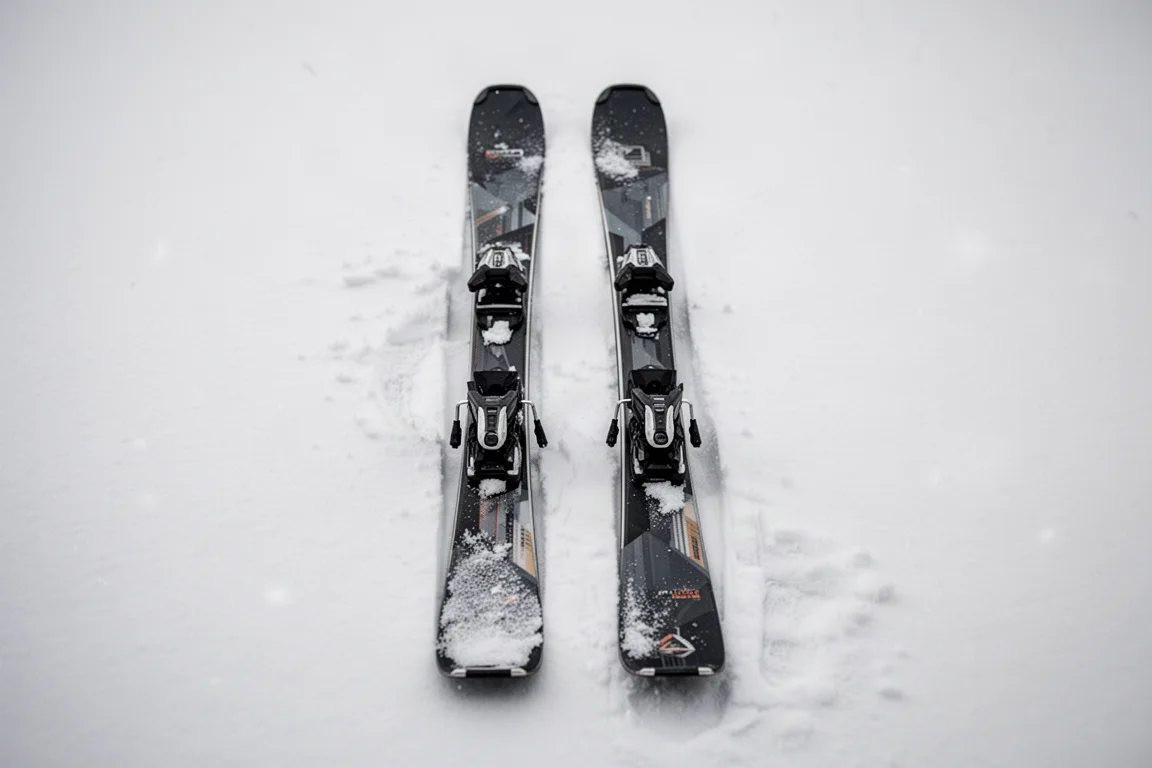
Instead, you get all-new hard snow performance on top of it. Do not worry about losing that character; just appreciate the added grip and damping the new construction brings.
Conclusion
The overhauled Rustler line is a targeted fix rather than a reinvention. Better tip-to-tail metal integration with the True Blend core removes the hinging issue, improves hard snow grip, and keeps the playful feel intact. The Rustler 9 gained the most, the Rustler 10 a solid step, and the Rustler 11 a subtle refinement. If you ski variable or firmer snow and loved the old Rustlers, the new versions should feel like the skis you already enjoy, just more secure underfoot.
Further reading
Related Reviews
Ski Reviews
Armada Antimatter 108 Review: A Freeride Ski Built for Speed and Deeper Snow
The Armada Antimatter 108 carries over the beloved Declivity X 108 shape with new construction that adds compliance in soft snow and composure in crud, aimed squarely at strong, aggressive skiers.
Ski Reviews
Armada Antimatter 92 vs Invictus 92: Two All-Mountain Skis Compared
A closer look at two Armada all-mountain skis, one playful and nimble, the other composed and smooth, to help you pick the right one for your skiing.
Ski Reviews
Armada Antimatter 92W Review: A Smoother Take on a Proven All-Mountain Footprint
The Antimatter 92W keeps the trusted Reliance 92Ti footprint but softens the ride with a new metal construction, making it more versatile in softer snow without losing on-trail grip.