Skis
Nordica Dobermann Spitfire 80 Review: A Frontside Carver With a Wider Waist
A detailed look at the Nordica Dobermann Spitfire 80, a frontside ski with race-room construction, an 80 mm waist and a stiff flex aimed at advanced and expert skiers.
Introduction
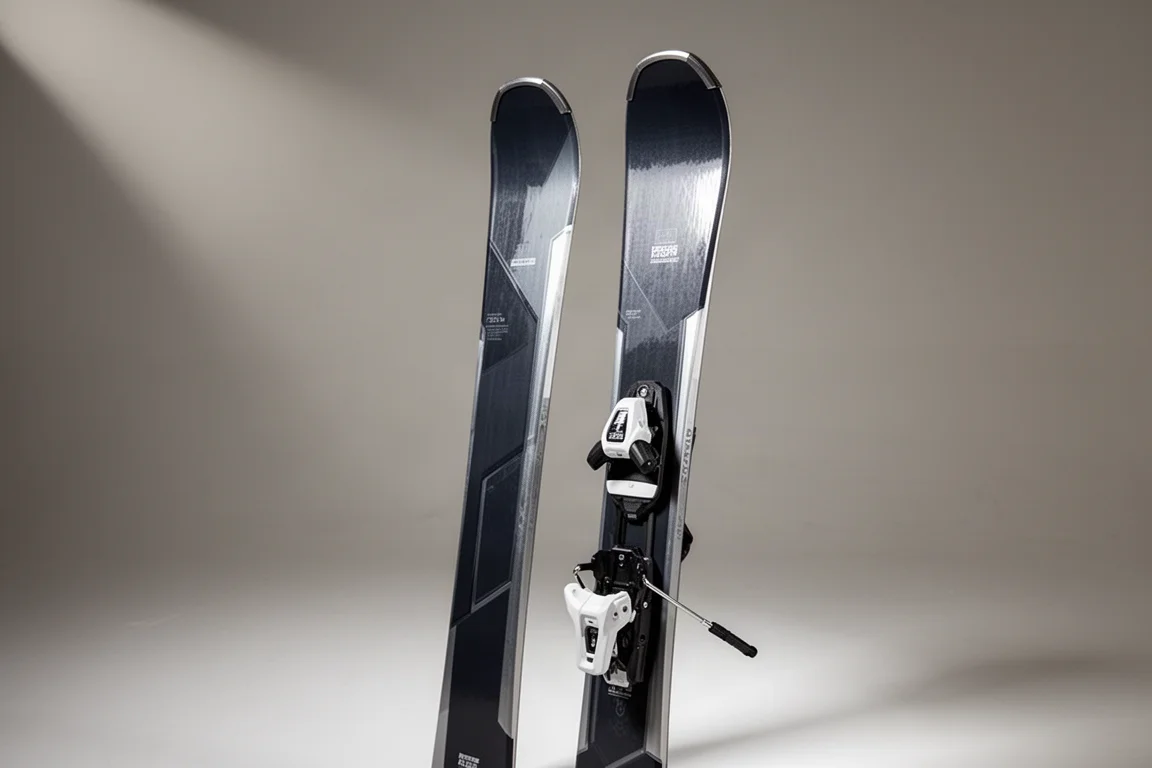
The Nordica Dobermann Spitfire 80 is a frontside cruiser with a wider body than a traditional carving ski, and that extra width changes how it behaves. With 80 mm underfoot, the ski offers a better balance point and more material beneath the foot, which adds a measure of versatility without pushing it out of the frontside category. It is worth being precise here: this is not an all-mountain or freeride ski. The shape and construction lean clearly toward groomed terrain, and the design rewards skiers who spend most of their time on piste.
Nordica also builds the model in 76 mm and 72 mm widths, which makes the range appealing for skiers working out how they intend to use the ski. The 72 mm version is aimed squarely at groomers and frontside performance, while the 80 mm version opens up a little more room for varied conditions without abandoning its frontside character.
Who This Ski Is For
The Spitfire 80 is built around a stiff flex, and that single trait shapes who should consider it. Advanced to expert skiers are the natural fit, because the ski carries enough backbone that lighter or less experienced skiers may not be able to access the whole of its performance. The construction and the shape both assume a confident, assertive edge angle and a willingness to drive the ski rather than ride it passively.
Former racers are likely to feel at home quickly. The wider platform and the more balanced stance point suit long, powerful GS-style turns on firm snow, and the race-room style of construction gives the ski a familiar level of feedback and grip. Skiers who want that race-inspired feel without moving onto a dedicated race ski are the other obvious audience, along with anyone who wants a stable, planted companion for early morning groomer laps and recreational race courses.
Build and Flex Profile
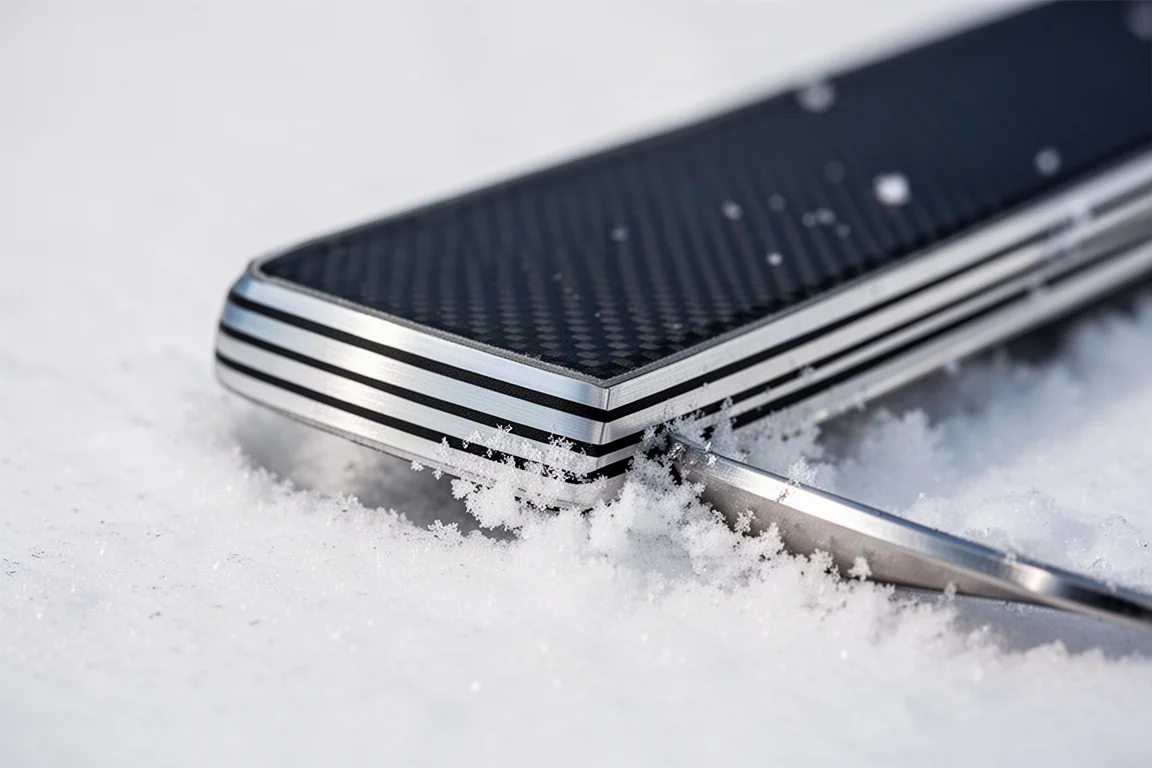
Under the topsheet, Nordica uses its energy wood core with two sheets of metal, a clear nod to the race room builds in the Dobermann line. Metal contributes dampness and edge grip, and it is a large part of why this ski feels so strong both underfoot and through the tip and tail.
Carbon race bridge technology is the other headline piece of the construction. Nordica places a carbon laminate in the forebody and the tip of the ski, which increases the responsiveness of the initiation phase of the turn specifically, and raises both the torsional and the longitudinal stiffness of the ski.
The ski is fully cambered, which helps it hold well on any type of snow, and it has a strong kick out of the tail. In the 174 cm length, the 80 mm waist carries a 16 metre turn radius, a number that suits shorter, GS-style turns. As the model changes in width, Nordica widens the overall shape to match, so the 76 mm and 72 mm versions keep the same frontside intent in a narrower package.
Main Strengths
The first thing that stands out is how strong the ski feels underfoot and through the tip and tail. That stiffness is not wasted: it translates into a very planted platform that holds well on any type of snow, and a tail with a strong kick that finishes a turn cleanly.
The turn radius and the shape work together for shorter GS-style turns, which makes the ski effective in a recreational race course and equally at home on groomers first thing in the morning. The fully cambered profile keeps the edge engaged through the arc, and the metal in the core gives the ride a damp, composed quality that holds up as speed builds.
There is also the question of weight and stability. A 174 cm setup with the included plate measures around 2,283 grams, and that extra material is exactly what a frontside ski of this type needs to deliver power and composure. The result is race-like performance delivered in a wider body, which is what separates the Spitfire 80 from a pure carving ski.
Things to Consider Before Buying
The most important thing to understand is what this ski is not. There are plenty of 80 mm underfoot skis built with an all-mountain orientation, and this is not one of them. The shape and construction lean toward the frontside, so skiers who want one ski to cover off-piste terrain as well as groomers should look at a different category entirely.
The stiff flex is the second consideration. The ski is designed for the advanced to expert range, and buying above your ability level means paying for performance you cannot access. If you are not comfortable driving a ski hard on firm snow, a softer flex will be a better use of your money.
Weight is the third factor. With the plate and a Marker Excel 12 binding included, the setup carries some heft, and that is expected for a frontside ski worth its salt, because the extra material is what creates the stability and power. It does mean the package is not a light option, so if easy carrying and minimal swing weight matter more than planted grip, keep that trade-off in mind.
Sizing and Setup Notes
The 174 cm length is the reference point for the 16 metre turn radius, which is the figure that shapes the ski’s shorter, GS-style turn behaviour. Width selection matters as much as length here. The 72 mm version is the most groomer-focused of the three, the 76 mm version sits in the middle, and the 80 mm version adds the widest platform and the most versatility of the group while remaining a frontside ski.
The ski is supplied with a plate and a Marker Excel 12 binding, so the mounting hardware is part of the package rather than a separate decision. Skiers who already own a compatible binding should confirm what is included before buying.
Buying Advice
If you are a frontside skier at all, this ski should be on your list. The combination of a race-room style build, a metal-laminate core and an 80 mm waist is unusual enough to be worth seeking out, and it delivers a level of grip and stability that suits confident, aggressive skiing on groomed terrain.
Choose the 80 mm version if you want the widest platform and a touch more versatility within frontside skiing. Choose the 72 mm version if your days are almost entirely on groomed runs and you want the most frontside-focused shape in the range, and the 76 mm version if you want something between the two. The stiff flex should be the deciding factor in every case: this is a ski that gives its best to advanced and expert skiers who will use it hard, and former racers in particular will recognise the feel immediately.
Conclusion
The Nordica Dobermann Spitfire 80 does one job very well. It brings race-inspired construction, a metal and wood core, carbon reinforcement in the forebody and tip, and a 16 metre turn radius in the 174 cm length into a wider 80 mm body that adds balance and a little versatility while staying firmly in the frontside category. For advanced and expert skiers who spend their time on firm, groomed snow and want a strong, stable ski that rewards a committed turn, it is a straightforward and well-considered choice.
Product link
View more details for Nordica Dobermann Spitfire 80
This product is mentioned in the review. Check the specifications, options, and compatibility before buying.
View more details for Nordica Dobermann Spitfire 80Further reading
Related Reviews

Skis
Armada Anti Matter 82 W Review: A Light, Approachable All-Mountain Carver
Armada's Anti Matter 82 W pairs a lightweight Karuba and carbon build with an easygoing all-mountain shape, aimed at intermediates through lighter-footed advanced skiers.

Skis
Armada Anti Matter 88W Review: A Light, Playful 88mm All-Mountain Ski Plus Two Alternatives
The Armada Anti Matter 88W returns unchanged in spirit from its Reliance 88C days, and it remains one of the most versatile 88mm skis around. We also look at the Nordica Santa Ana 87 and Anti Matter 92 W as alternatives.

Skis
Armada ARV 100 vs Atomic Bent 100: Which 100mm Freestyle Ski Should You Buy?
Two of the best all-mountain freestyle skis of the season compared: one leans playful and park-ready, the other holds up better everywhere else.