Skis
Nordica Dobermann Multipista 80 and 74: Two Firm-Snow Carvers Compared
A close look at the Nordica Dobermann Multipista 80 and 74, two race-inspired frontside skis built for grip on hard snow and a wide range of turn shapes.
Introduction
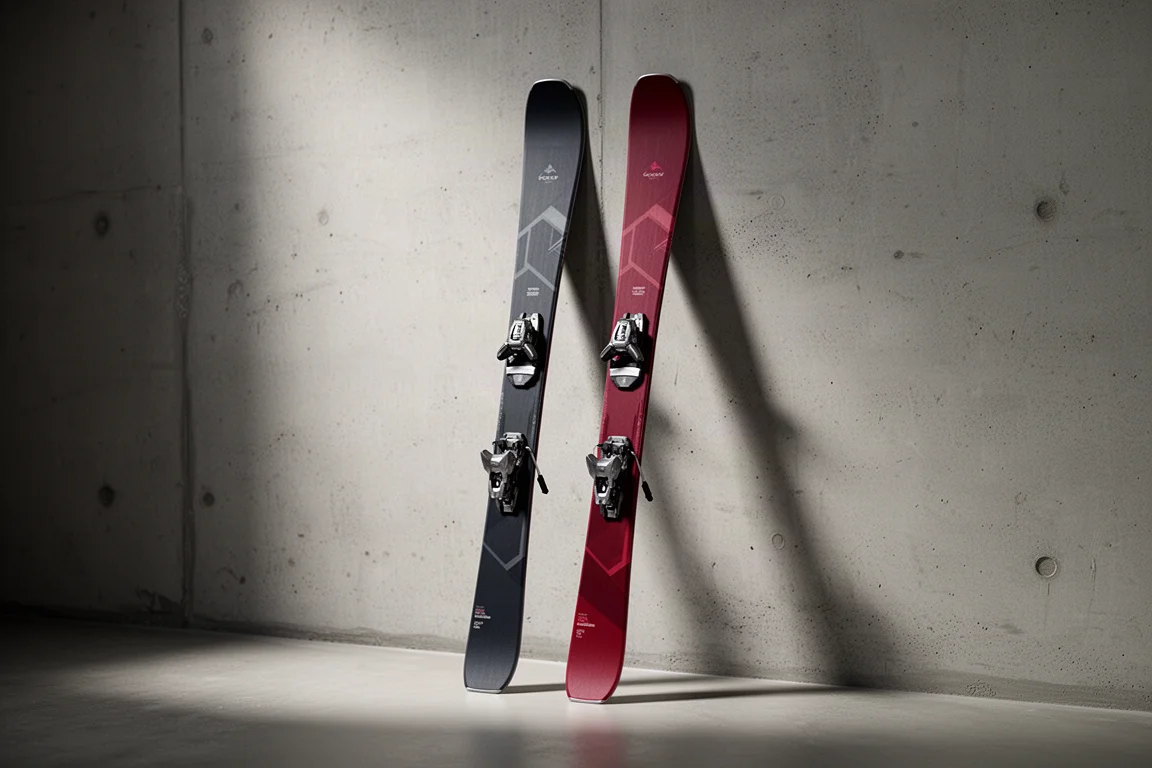
The Nordica Dobermann Multipista 80 and Multipista 74 sit in an interesting spot within the frontside category. Both take a race-inspired construction and wrap it in a rounder, more forgiving shape, with a little rocker and roundness at the tip and tail. The 80 mm version is a new width for this season, while the 74 mm version is the narrower, quicker option.
They were put through their paces on a day that served up hard, glossy ice and loose granulated piles, and that turned out to be a revealing combination. A ski that can hold an edge on wet frozen water and still stay composed once the surface breaks up is doing something genuinely useful.
This guide covers what each width does well, how they differ, and which one is the better match for a given skier.
What These Skis Are Designed For
The Multipista design pairs a race-style build with a shape that is noticeably rounder than a pure race ski. That is a harder combination to pull off than it sounds. Most skis that grip like a race ski also feel locked into a narrow band of turn shapes and styles.
The tip shape carries a lot of the character here. It uses a gradual, rounded profile that smooths out the rest of the ski, and that is a big part of the confidence these models inspire.
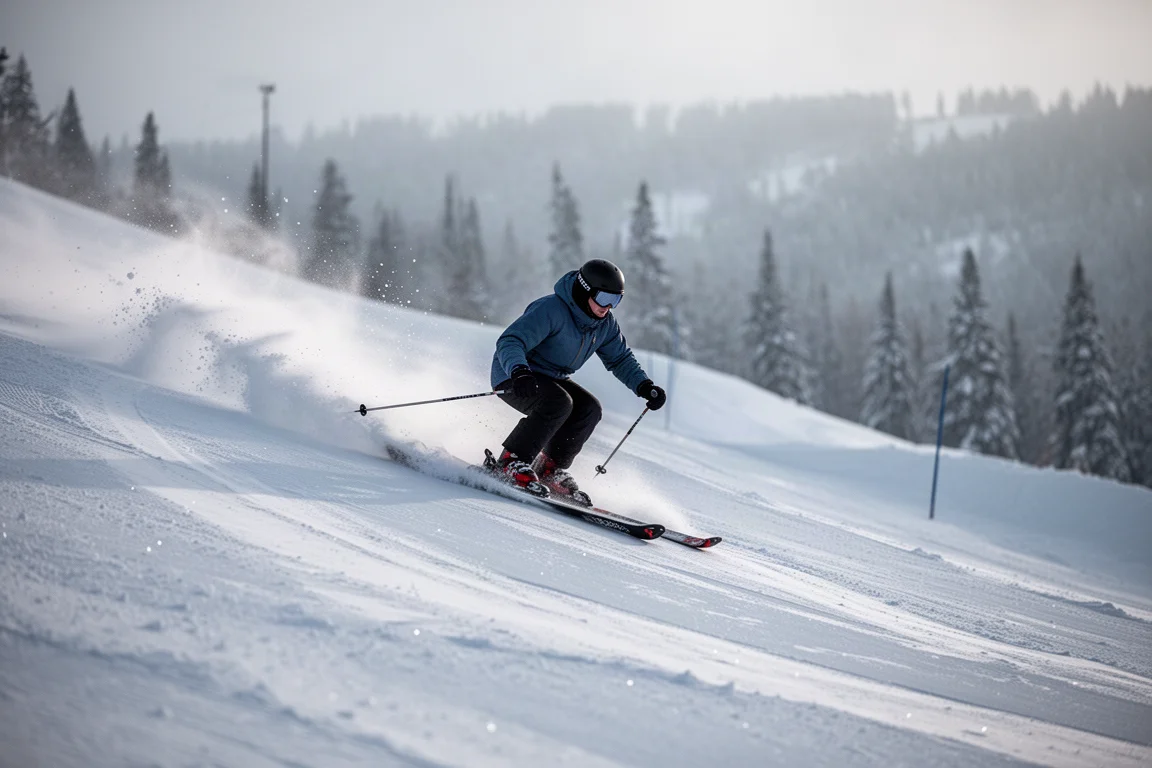
A generous amount of camber underfoot is the other half of the equation. It gives the ski real snap and rebound out of the turn, but not so much that you ever feel like you have to fight it back underneath you.
The 80 mm version adds a wider platform to stand on, while the 74 mm version trades a little of that platform for faster side-to-side transitions. Both are aimed at groomed terrain first, with enough shape and tip rocker to stay manageable when the surface breaks into piles and chop.
Nordica Dobermann Multipista 80: Grip and Composure
The Multipista 80 is the wider of the two, and on hard, icy snow it was the standout of the day. Edge grip is the headline: the ski held on genuine ice with only the occasional washout, and it did so without demanding a race background from the person standing on it.
It is also calm when the surface falls apart. In granulated piles, the 80 mm waist, the tip rocker, and the rounded tail keep the ski tracking instead of catching, so the run stays comfortable even as conditions get worse further down the mountain.
Coming over rollers, the 80 felt planted and predictable, and landing on either edge came easily. It is a ski that lets you stand on it and lean in.
Nordica Dobermann Multipista 74: Quickness and Agility
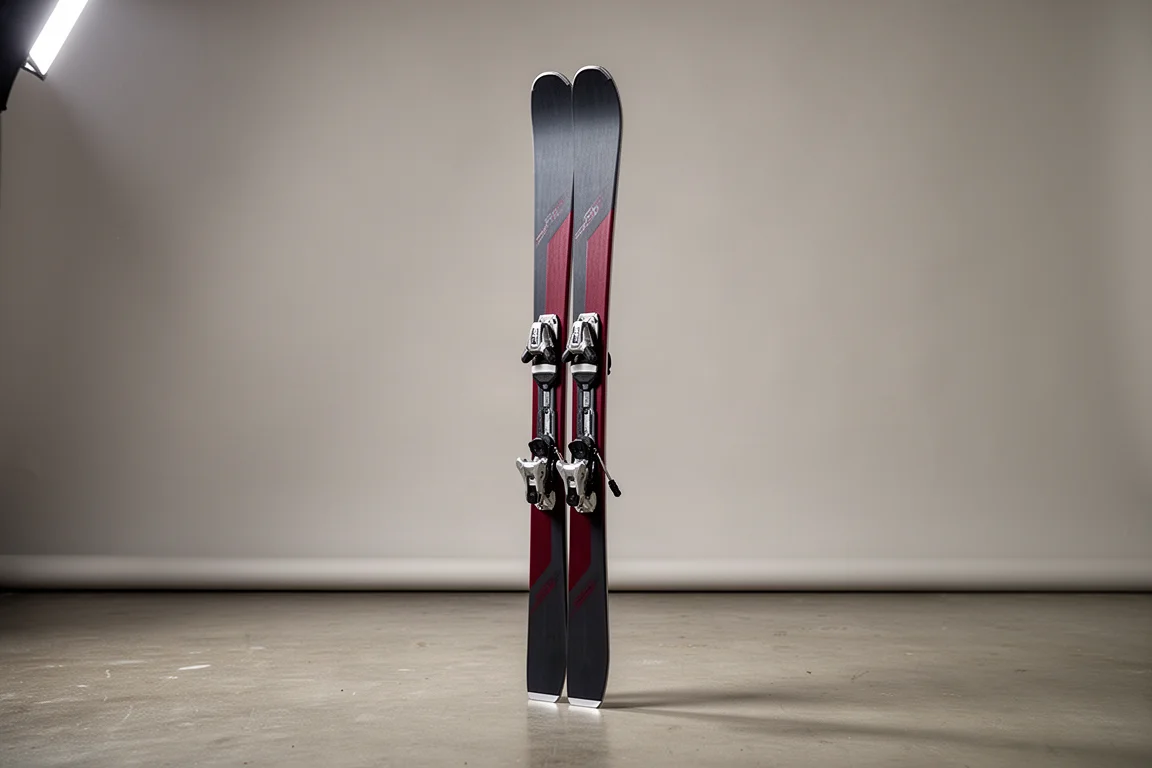
The Multipista 74 has built a reputation for quickness and agility. It is laser quick edge to edge, and it holds up as an expert-level mogul ski that is not grabby, so solid technique goes a long way in the bumps.
What it gives up is platform. There is less ski to stand on through a turn, and the honest assessment is that the gap between the two widths is marginal at best. The decision comes down to whether you want more surface underfoot or a faster side-to-side feel.
How the Two Widths Compare
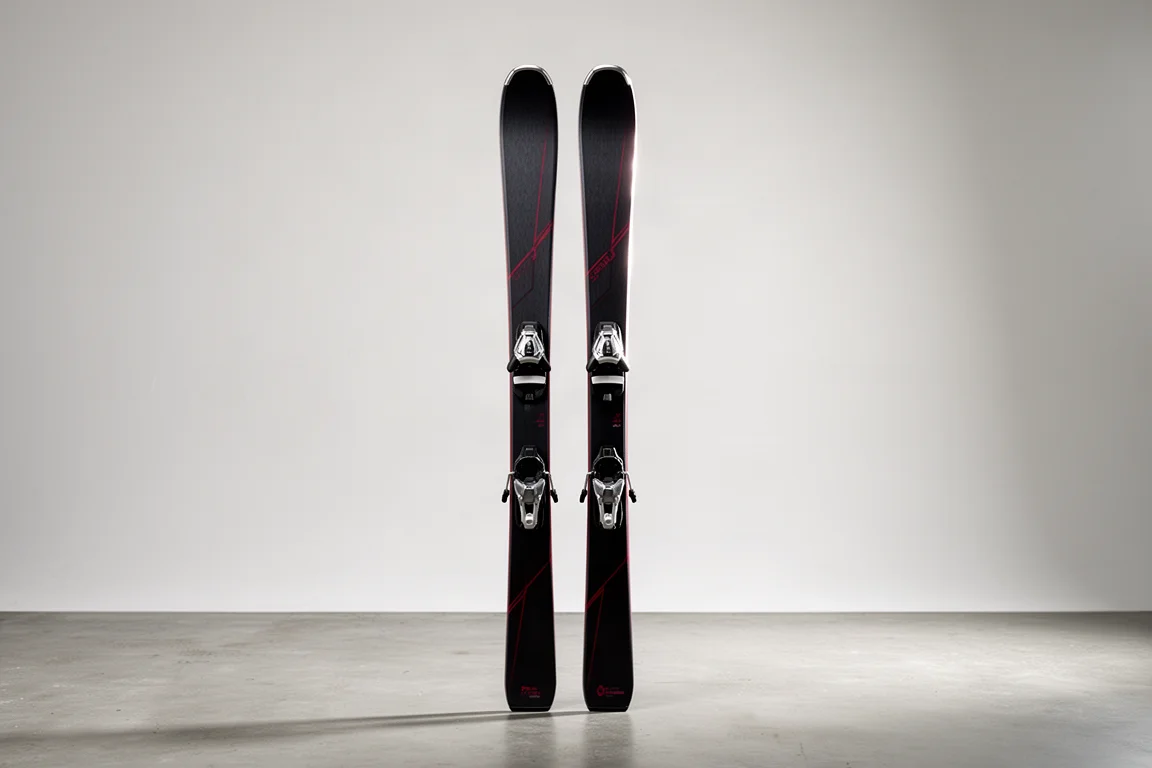
Skiing the two widths back to back, the differences are small. The 80 is not quite as quick edge to edge, but it feels more comfortable to stand on through a turn, and it comes over rollers with a lot of confidence.
The 74 keeps most of the 80’s composure while feeling a touch more immediate. Against a more race-locked frontside ski, both give up a little purchase and a slightly shorter turn radius in exchange for far more versatility in turn shape and style. That trade is the whole point of this design.
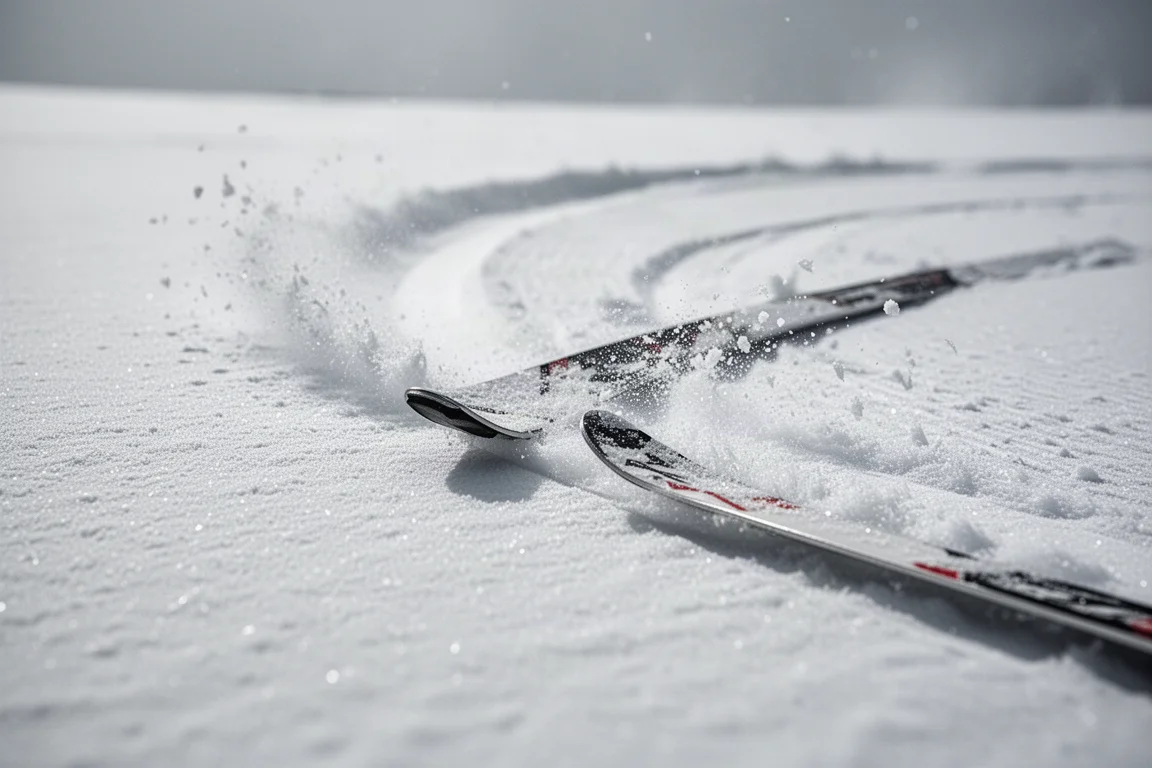
Split a room of skiers evenly between the two widths and the result would likely be close to a tie. Either one works. Preference decides.
Turn Shape, Rebound, and Overall Feel
One of the most striking traits of both skis is how many different turn shapes they will make. The 80 is a strong mid to long radius carver that can shorten up when the terrain asks for it, and it does not punish you for changing your mind mid-run.
There is also a healthy amount of rebound and energy coming out of the turn. The camber underfoot produces a real snap from edge to edge, and it never feels like something you have to manage.
That progressive feel is the core of the pitch. These are not skis that yank you through a turn. They guide you through it, which makes them easier to live with over a full day.
Conditions and Terrain Notes
Hard, glossy ice was where these skis impressed most. The 80 held with confidence turn after turn, and even as the terrain got steeper and the snow got worse lower down the mountain, it never became less comfortable.
The most enjoyable runs of the day came on moderate, consistent pitches where the ski could be allowed to run and leaned on. Steeper terrain is within reach, but that is more about the skier’s own confidence than any limit in the ski.
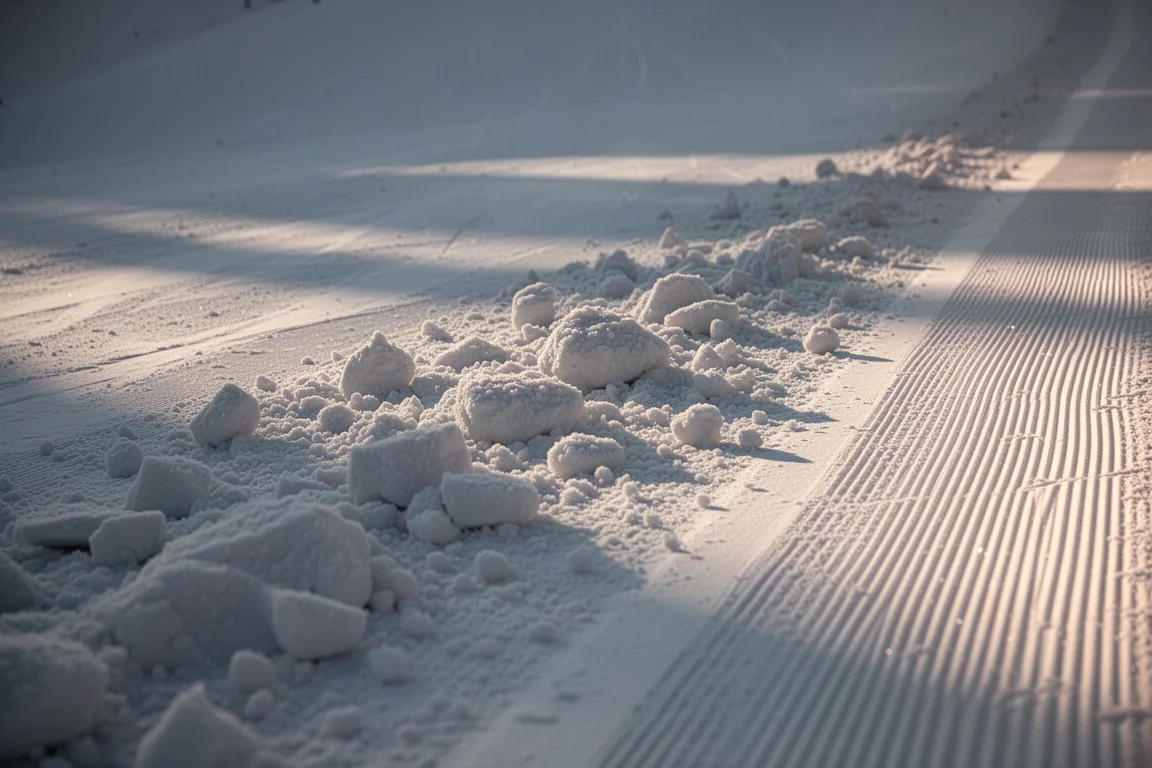
Smooth, flatter groomers also suit this shape well. A ski this engaging makes low-angle terrain fun because you stay involved in every turn rather than simply standing on it.
Things to Consider Before Buying
Neither width is a soft-snow ski. The 80 mm waist and tip rocker help in chopped-up piles, but this is a frontside-oriented design rather than an all-mountain freeride tool.
The 80 is also a little less quick edge to edge than the 74. If fast side-to-side transitions are the priority, the narrower ski has the edge.
Both reward good technique. They are forgiving for what they are, but they remain race-influenced skis, and they give the most back to skiers who can stand on them.
Buying Advice
Choose the Multipista 80 if you want a slightly wider platform to stand on, more comfort coming over rollers, and a ski that stays smooth when the snow gets rough. It is the more versatile of the two across a mixed frontside day.
Choose the Multipista 74 if quickness and agility matter more to you, particularly if you like to spend time in the moguls.
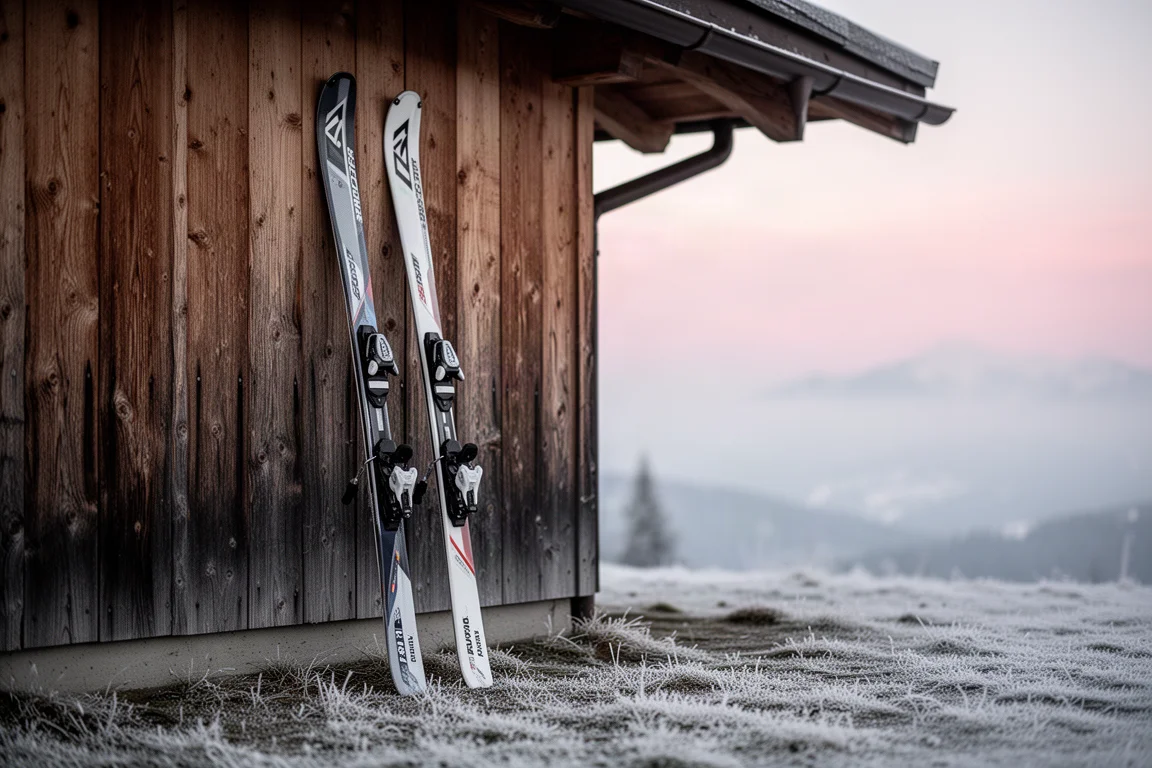
Either way, you are getting a ski that grips on ice, makes a wide range of turn shapes, and stays composed as conditions deteriorate. For skiers who spend most of their time on groomed terrain and want one ski that handles a hard day with confidence, both widths are a very strong option.
Conclusion
The Nordica Dobermann Multipista 80 and 74 share a race-inspired build and a rounded, versatile shape, and they deliver a smooth, powerful, confidence-inspiring ride on firm groomed terrain. The choice between them is a matter of quickness versus platform rather than one being better than the other.
If you want the extra surface underfoot and a bit more comfort in rough snow, the 80 is the pick. If you want the fastest edge-to-edge feel and a ski that doubles as an expert bump ski, the 74 is the one.
Further reading
Related Reviews

Skis
Armada Anti Matter 82 W Review: A Light, Approachable All-Mountain Carver
Armada's Anti Matter 82 W pairs a lightweight Karuba and carbon build with an easygoing all-mountain shape, aimed at intermediates through lighter-footed advanced skiers.

Skis
Armada Anti Matter 88W Review: A Light, Playful 88mm All-Mountain Ski Plus Two Alternatives
The Armada Anti Matter 88W returns unchanged in spirit from its Reliance 88C days, and it remains one of the most versatile 88mm skis around. We also look at the Nordica Santa Ana 87 and Anti Matter 92 W as alternatives.

Skis
Armada ARV 100 vs Atomic Bent 100: Which 100mm Freestyle Ski Should You Buy?
Two of the best all-mountain freestyle skis of the season compared: one leans playful and park-ready, the other holds up better everywhere else.