Skis
Nordica Dobermann Multi Pista 80 Review: A Wider Frontside Carver With an Escape Hatch
The Nordica Dobermann Multi Pista 80 adds 6 mm of width to a proven frontside shape. Here is how the double core build, 16.5 m turn radius, and 180 cm length shape the ride.
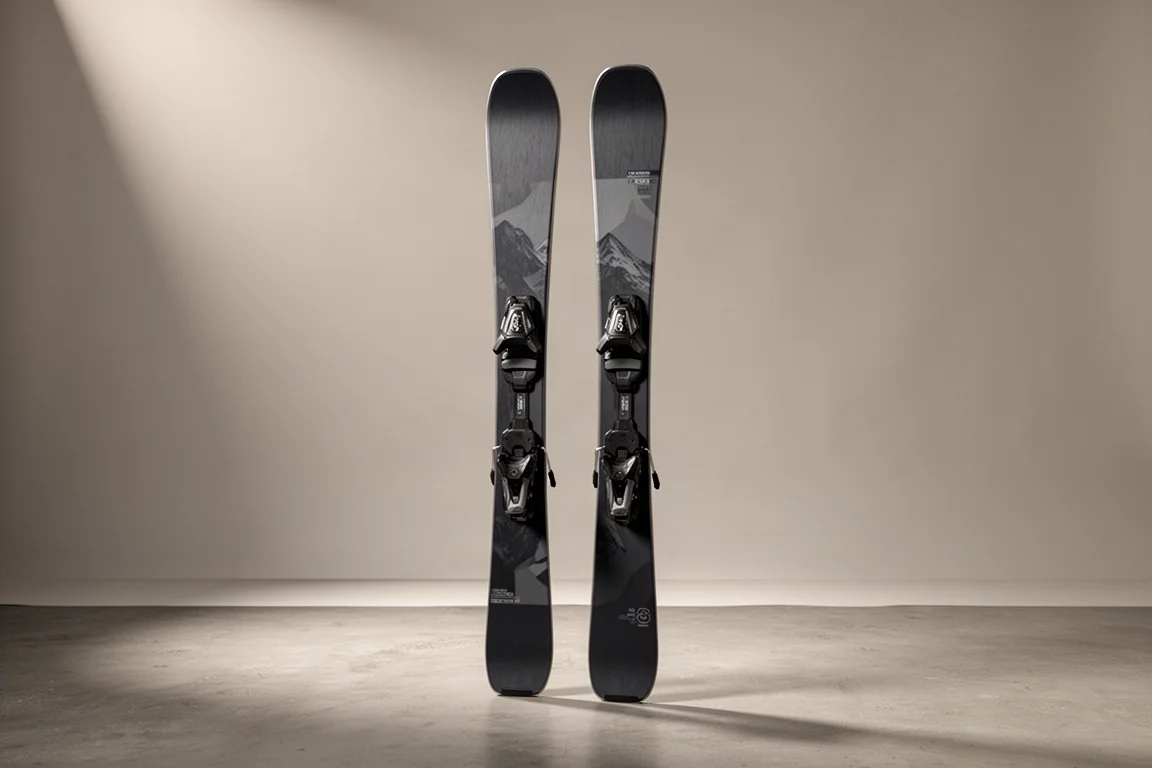
Introduction
The Nordica Dobermann Multi Pista 80 is the newest shape in the Dobermann Multi Pista family and the widest one yet. It arrives one season after the Multi Pista 74, and the difference between the two comes down to a single number: 6 mm more underfoot. “Multi Pista” means many trails, and that is the design brief. This is a high performance carving ski first, with a genuine second gear for softer snow and light off-piste use.
That combination is what makes it interesting. Most skis in this category commit hard to firm groomer performance and little else. The Multi Pista 80 keeps the solid, damp, powerful feel of a frontside carver while adding the ability to break a turn free and drift when conditions or terrain ask for it.
Who This Ski Is For
The Multi Pista 80 makes the most sense for skiers who spend the majority of their days on groomed runs that are firm and fast, but who want the option to leave the corduroy without switching skis. Intermediate and advanced skiers who carve confidently and occasionally wander into bumps or non-technical trees will find the width and shape workable rather than punishing.
Pure frontside purists and racers are a different story. A dedicated carver or race ski still delivers a crisper start to the turn and a squarer, more aggressive tail. The Multi Pista 80 gives some of that up in exchange for versatility, though for most skiers the difference will be hard to notice in normal use.
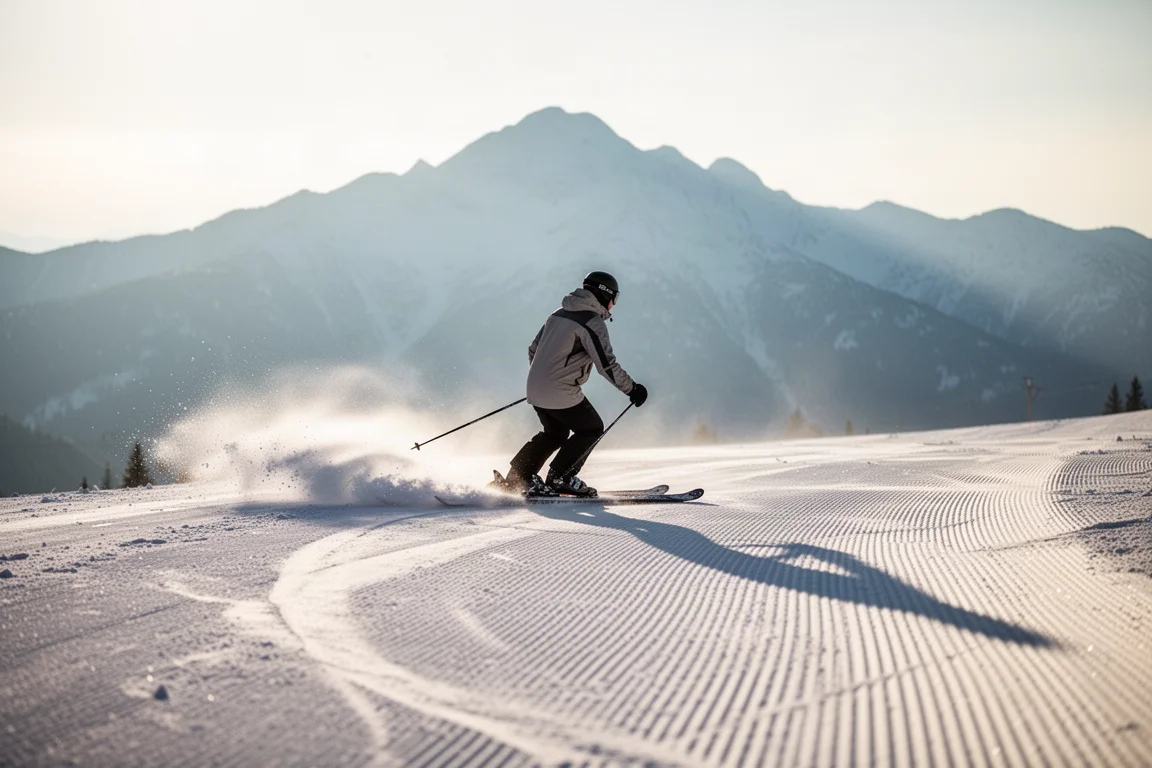
If your season is mostly groomers with the occasional soft-snow morning, this is the profile of ski that covers both sides without giving up much on either.
Main Strengths
Solidity is the first thing that stands out. The ski feels sturdy from tip to tail, with a damp, quiet ride that absorbs vibration instead of transmitting it. It is powerful and rewarding when driven hard, and it stays composed once the snow gets chopped up.
The second strength is range. A purist carving ski resists being thrown sideways. The Multi Pista 80 does not. It can hold a clean carved arc on firm snow and still pivot, drift, and smear when you want a different turn shape or need to scrub speed in tight terrain.
The third is turn shape flexibility. At 180 cm the ski carries a 16.5 m turn radius, which is short enough to feel lively and long enough to stay stable at speed. That figure sits in a useful middle ground for skiers who like to vary their arcs through a run.
Construction and Ride Feel
Nordica builds this ski with a double core construction, the same approach used in the Multi Pista 74 and the Multigara. Two thinner horizontal wood laminates run the length of the ski, and each is sandwiched by metal layers. Between them sits a pulse core, an elastomer that dampens vibration through the centre of the ski. The layup stacks up as metal, wood core, pulse core, wood core, metal.
The result is a smooth, quiet feel. Horizontally laminated constructions like this tend to ride more silently than designs built around vertical stringers, and the difference is noticeable on firm, refrozen groomers where chatter would otherwise come through the ski. A TPX 13 binding is connected at the centre, which adds further stiffness through the middle of the ski and supports edge grip underfoot.
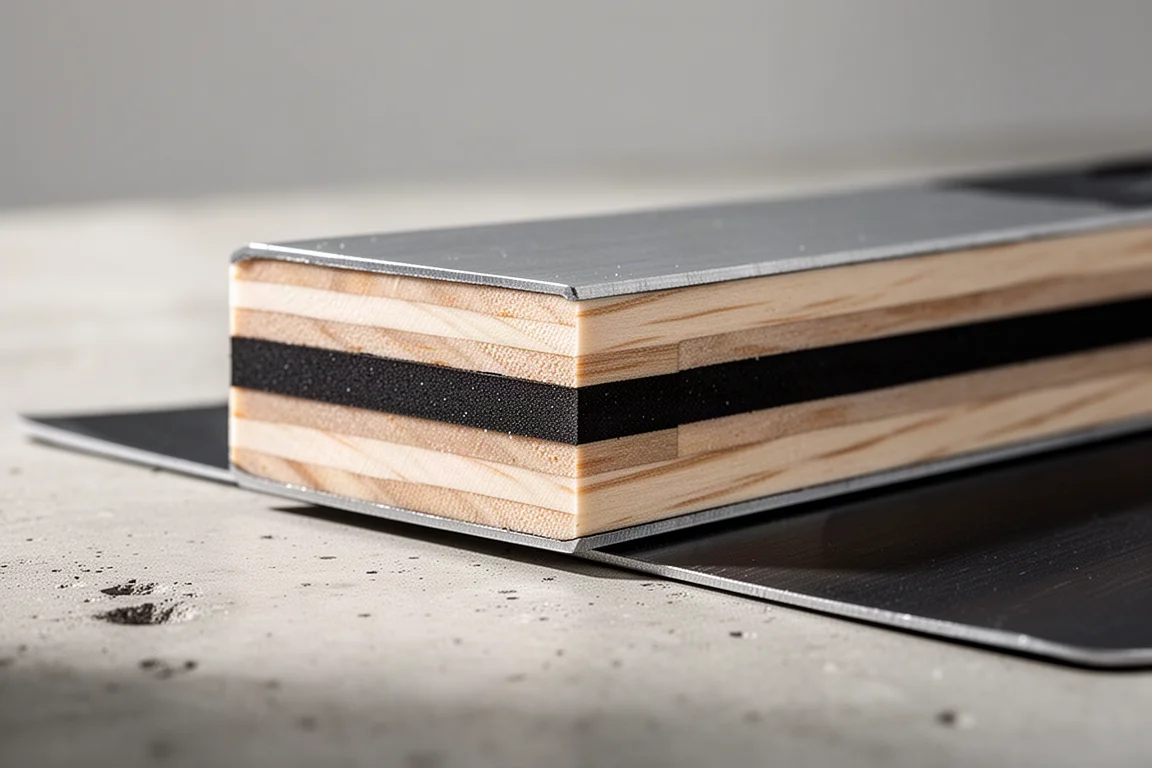
In practice the ski feels vibration-free and settled, which is exactly the quality that makes long days on hard snow less tiring.
Shape, Camber, and Turn Radius
Underfoot the Multi Pista 80 measures 80 mm, and the 180 cm length carries that 16.5 m turn radius. There is still a substantial amount of camber through the middle, enough that the ski pushes back against the weight of the binding. That camber is what preserves energy at the start of a turn.
The tip and tail are where the ski departs from a pure frontside template. Both are rounded, with a slight tip rocker and a small amount of tail rocker, and the taper is gentle. Compared with the Multigara, the Multi Pista 80 has a rounder tail and a less angular profile, and its width is carried a little further down the ski rather than concentrated up front. Those changes are what let the ski release a carve and pivot when you ask it to.
Things to Consider Before Buying
The main trade-off is the one the design intends. If your priority is maximum edge-to-edge snap and a square, race-bred tail, a dedicated frontside carver will still feel sharper. The Multi Pista 80 is built to do more than one job, and that shows up as a slightly softer frontside personality.
Second, the off-piste capability has limits. The Multi Pista 74 asks for a more classical, deliberate technique once you leave the groomed surface, and the same expectation carries over to the 80. This is a ski for light off-trail applications and softer snow, not a deep-snow tool. At 80 mm underfoot it will not float the way a wider freeride ski does.
Third, think about length. The 180 cm size is a strong all-round choice for the versatility this ski is designed around, and going longer is rarely necessary.
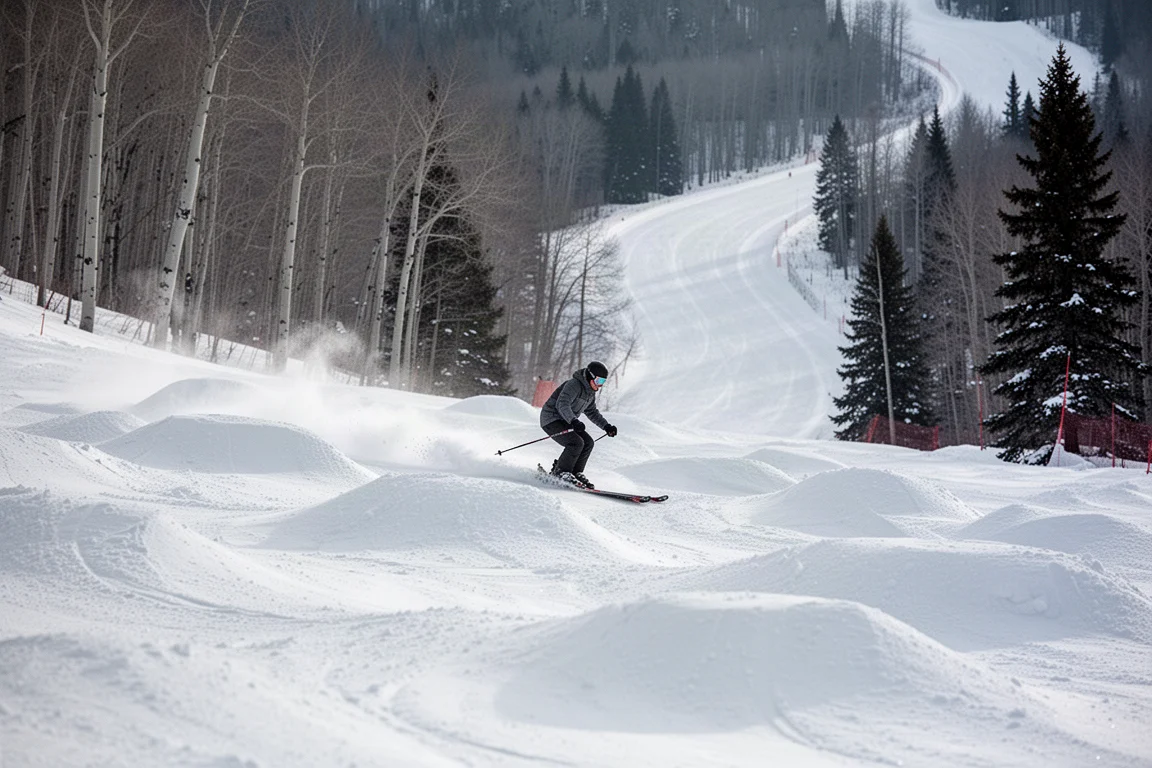
None of these are flaws so much as the conditions of owning a ski that covers this much ground.
How It Fits Real Ski Days
Consider a typical eastern US ski area, or a resort like Stowe in Vermont. Most days are groomed and firm, but conditions shift through the season, and the interesting terrain sits just off the trail edge: bumped-up runs, non-technical glades, windblown pockets. A ski like the Multi Pista 80 handles the firm groomer morning and the softer afternoon without asking you to change equipment.
That is also why it can work as a one-ski quiver for a lot of people. It mixes strong on-trail carving with a shifty off-piste feel, which is a rare combination to find in a single pair.
Buying Advice
If your days are split between firm groomers and occasional soft-snow excursions, the Multi Pista 80 is a sensible single purchase. The 180 cm length is the natural starting point for the versatility the ski is built around, and the integrated TPX 13 binding connection keeps the centre of the ski stiff and supportive.
Skiers who ride almost exclusively on hardpack and want the sharpest possible edge feel should look at a narrower frontside option. Those who already own the Multi Pista 74 and want a little more width and float will find the 80 a natural step up rather than a replacement.
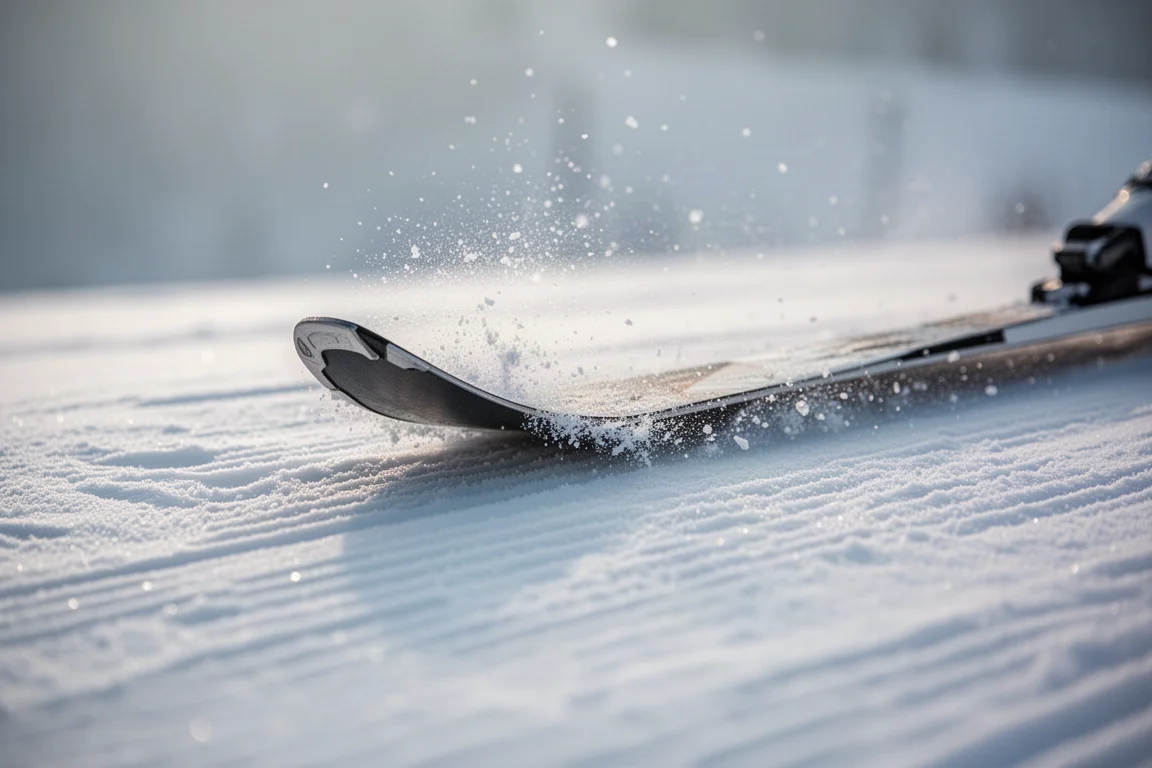
Either way, this is a ski that rewards a confident, active style, and it will not punish you for taking a detour off the trail.
Conclusion
The Nordica Dobermann Multi Pista 80 takes a proven frontside formula, adds 6 mm of width, and keeps the damping and stability that made the narrower version appealing. The double core construction, pulse core elastomer, and TPX 13 binding add up to a quiet, solid ride, while the rounded tip and tail and slight rocker give it an escape hatch when the groomers get stale. For skiers who want one pair that carves well and can still be thrown sideways, it is a convincing answer.
Product link
View more details for Nordica Dobermann Multi Pista 80
This product is mentioned in the review. Check the specifications, options, and compatibility before buying.
View more details for Nordica Dobermann Multi Pista 80Further reading
Related Reviews

Skis
Armada Anti Matter 82 W Review: A Light, Approachable All-Mountain Carver
Armada's Anti Matter 82 W pairs a lightweight Karuba and carbon build with an easygoing all-mountain shape, aimed at intermediates through lighter-footed advanced skiers.

Skis
Armada Anti Matter 88W Review: A Light, Playful 88mm All-Mountain Ski Plus Two Alternatives
The Armada Anti Matter 88W returns unchanged in spirit from its Reliance 88C days, and it remains one of the most versatile 88mm skis around. We also look at the Nordica Santa Ana 87 and Anti Matter 92 W as alternatives.

Skis
Armada ARV 100 vs Atomic Bent 100: Which 100mm Freestyle Ski Should You Buy?
Two of the best all-mountain freestyle skis of the season compared: one leans playful and park-ready, the other holds up better everywhere else.