Skis
Nordica Dobermann DC 74 Review: A Narrow Frontside Ski With a Looser Side
A metal-laminate 74mm frontside ski with race-adjacent power, quick mogul manners, and a shape that lets strong skiers drift instead of locking into one turn.
Introduction
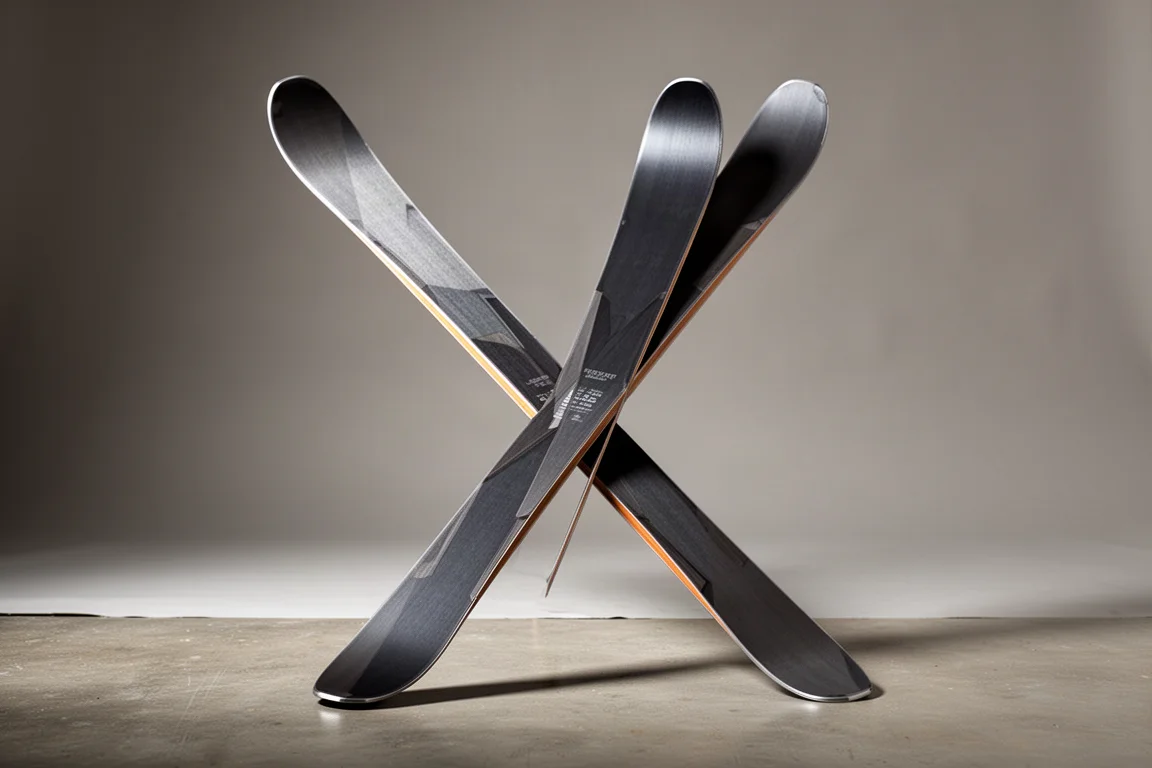
The Nordica Dobermann DC 74 is a narrow frontside ski: 74mm underfoot, a stated 16-meter turn radius, and a construction that sits much closer to a race ski than the waist width alone would suggest. Two sheets of metal run alongside two layers of wood in a horizontal laminate build, giving the ski real weight and real energy underfoot.
The shape is the more interesting part. Instead of the angular, sharply drawn outline of the Multi Gara, the DC 74 uses a rounded tip and tail and a more progressive, freeride-inspired profile. The practical result is a frontside ski that hooks up firmly on groomed snow while still allowing a capable skier to drift, pivot, and change turn shape rather than being pulled into one fixed arc.
Who the Nordica Dobermann DC 74 Is For
The clearest fit is a strong, experienced skier who is skeptical about narrow skis. This is a ski that shows what a 74mm platform can do, with quick edge-to-edge response and dependable grip, but it does so with a shape that permits a freer, more relaxed approach than a traditional carving ski. For a good skier who has been avoiding anything under 90mm, it makes a convincing case for adding one narrow option to the quiver.
It also suits skiers in regions where snow is firm in the morning and softens into slush by the afternoon. A mid-Atlantic skier, for example, can use it on hard, grippy early runs and still have something that stays manageable when the surface turns wet and granular. It is not, however, a ski for an intermediate who is learning to ski moguls; the build is simply too much for that stage.
Construction and Build
The DC stands for double core, and here that means two layers of wood combined with two sheets of metal in a horizontal laminate. The result is a stiff, substantial ski with a lot of stored energy. That energy is the defining trait: it produces strong snap out of a turn and a fast, lively feel underfoot, but it also means the ski gives back exactly what the skier puts in, and sometimes a little more. Skiers who are not ready to stay active and forward can find themselves surprised by how much the ski wants to run.
Groomer Performance
On groomed snow, the DC 74 engages almost immediately. It wants to be driven from the forebody, with the turn initiated over the front of the ski rather than from a neutral stance, and once the edge is set it holds with the kind of authority you would expect from a metal-laminate build. The stated radius is 16 meters, but the ski is comfortable well outside that number, and it will happily run longer arcs or shorten up when asked.
There is also a looseness built into the shape. Skied flat, the ski can be drifted and slarved, and in short turns that slight freedom feels like an advantage rather than a flaw. The tail does not feel completely locked in, and the tip is not so aggressive that it shocks the skier into a turn, which gives the ski a measure of forgiveness relative to how strong it is. That forgiveness is conditional, though: it applies on a groomer, where the surface is consistent enough for the edge to find purchase.
The takeaway for a buyer is that this is a ski the skier has to dictate to, not a ski that dictates the turn. That makes it versatile, but it also means it rewards an engaged, forward technique and feels less settled for anyone who prefers to stand in the middle of the ski and let the sidecut do the work.
Moguls, Jumps, and Softer Snow
In moguls, the DC 74 is exceptionally quick edge to edge, and the tapered tip and tail keep it from catching or hooking on the way through. For a ski with this much metal, that is a genuinely useful trait, and it makes the ski far more accessible in bumped terrain than a sharper, more angular frontside carver. Among frontside carving skis, it is also a notably good jumping ski, and the shape invites a more playful, dynamic line than the width suggests.
Natural, chalky snow is well within its range as long as the surface stays supportive. The limit arrives when the snow gets soft and the ski starts punching through instead of staying on top of it. At 74mm underfoot, it does not have the float to manage that, and the same construction that feels forgiving on a groomer becomes unforgiving the moment the snow is deep enough to swallow the ski.
Things to Consider Before Buying
The most important consideration is the amount of energy in the ski. It can buck a skier who is not prepared for it, and it demands a forward, committed stance to get the best out of it. That is a fair trade for the performance it delivers, but it is a real adjustment for anyone coming from a softer, more relaxed all-mountain ski.
The second consideration is precision. A skier who wants a really sharp, exact frontside carver that locks into a medium-radius turn may find this ski a touch too loose and too willing to drift. The DC 74 is better understood as a purist all-mountain ski than a purist frontside ski: it trades a small amount of carving precision for a much wider range of turn shapes and a more creative, freer feel.
How It Compares and Who Might Prefer Something Else
Set against the Multi Gara, the difference is mostly in character. The Multi Gara is angular, precise, and locked into a medium-radius carved turn, while the DC 74 permits a much broader mix of turn shapes and styles, with the skier deciding how the turn starts and finishes. A little shape change goes a long way, and this ski demonstrates that clearly.
Skiers who want that locked-in, race-adjacent carving sensation should look at a more traditional frontside shape. Skiers who want one narrow ski that handles groomers well, stays quick in moguls, and still lets them play with line and turn shape will find more to like here.
Buying Advice
The DC 74 makes the most sense as a first narrow ski for a strong skier who has been reluctant to go below a wider all-mountain width. It delivers the grip and quickness that narrow skis are known for, while adding a forgiving-enough shape and enough versatility to cover firm morning groomers, afternoon slush, and bumped terrain in between. It is a sensible choice for a two-ski or three-ski quiver where one slot is dedicated to hard snow and mixed conditions.
It is a less obvious choice for an intermediate skier, for anyone learning to ski moguls, and for skiers whose priority is deep or soft snow, where the narrow waist works against the ski rather than for it. Buyers should also go in expecting to ski it actively: the construction is close to race-level in its energy, and the ski is at its best when the skier is driving it from the front rather than riding it flat.
Conclusion
The Nordica Dobermann DC 74 is a narrow frontside ski with an unusually broad range of moods. It grips hard on groomed snow, snaps out of turns with real energy, and moves through moguls with impressive speed, all while leaving room for drifting, pivoting, and creative turn shapes. The trade-offs are equally clear: it wants an engaged, forward skier, it can surprise you with its power, and it has no interest in soft, deep snow. For the right skier in the right conditions, that combination is exactly the point.
Product link
View more details for Nordica Dobermann DC 74
This product is mentioned in the review. Check the specifications, options, and compatibility before buying.
View more details for Nordica Dobermann DC 74Further reading
Related Reviews

Skis
Armada Anti Matter 82 W Review: A Light, Approachable All-Mountain Carver
Armada's Anti Matter 82 W pairs a lightweight Karuba and carbon build with an easygoing all-mountain shape, aimed at intermediates through lighter-footed advanced skiers.

Skis
Armada Anti Matter 88W Review: A Light, Playful 88mm All-Mountain Ski Plus Two Alternatives
The Armada Anti Matter 88W returns unchanged in spirit from its Reliance 88C days, and it remains one of the most versatile 88mm skis around. We also look at the Nordica Santa Ana 87 and Anti Matter 92 W as alternatives.

Skis
Armada ARV 100 vs Atomic Bent 100: Which 100mm Freestyle Ski Should You Buy?
Two of the best all-mountain freestyle skis of the season compared: one leans playful and park-ready, the other holds up better everywhere else.