Skis
Nordica Doberman MultiPista 74 Review: A Frontside Ski With Room to Release
A 74 mm frontside ski with a race-inspired metal and wood build, a smooth and quiet ride, and just enough tail rocker to let you slide out of a turn.
Introduction
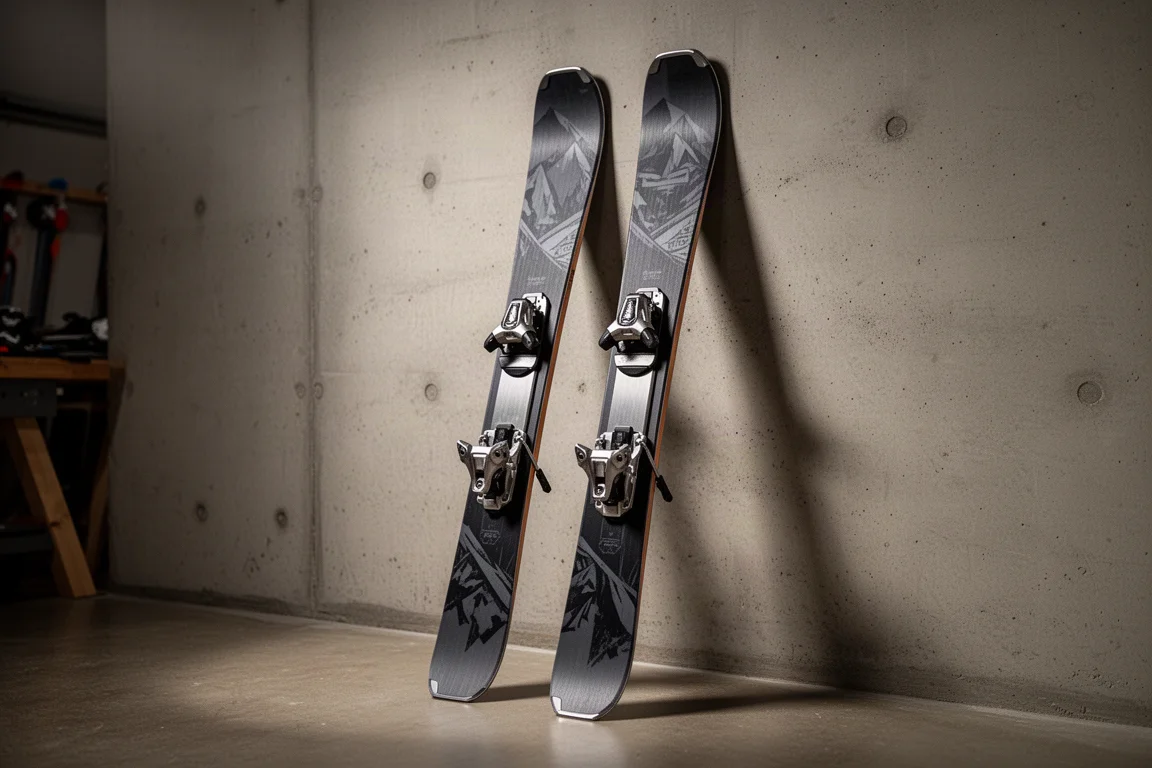
The Nordica Doberman MultiPista 74 returns for 2027 with its structure unchanged from the previous season and a refreshed graphic package. It was a new model the year before, and it stood out immediately as a frontside ski that does not behave like a pure race tool. The formula is straightforward: a 74 mm waist, two sheets of metal, a wood core built in layers, and a tip and tail shaped to let the ski bend into a carve without locking the skier into a single turn shape.
That combination puts the MultiPista 74 in an interesting place. It is narrow enough to feel quick and planted on groomed terrain, yet shaped and tuned so an advanced skier can release the tail and change the turn when the snow or the terrain asks for it. Nordica has since widened the idea with a MultiPista 80 for 2027, which leans further toward all-mountain use. The 74 stays frontside-first, and that is entirely the point.
Who the Nordica Doberman MultiPista 74 Is For
This ski suits advanced and expert skiers who want frontside performance without the demands of a dedicated race ski. If you have a racing background and want the most precise, most angular turn finish available, a more race-oriented shape will serve you better. If you are a strong skier who likes a ski to feel planted and quiet underfoot, but you also want the freedom to slide a turn out or change its shape, the MultiPista 74 sits in exactly the right spot.
It is also a sensible answer for anyone stuck between two categories. Skiers who cannot decide between a frontside carver and an all-mountain ski will find that this model borrows a little from each side of that line. It is narrow, smooth and quick edge to edge, but it does not punish you for taking it into softer snow or tighter terrain.
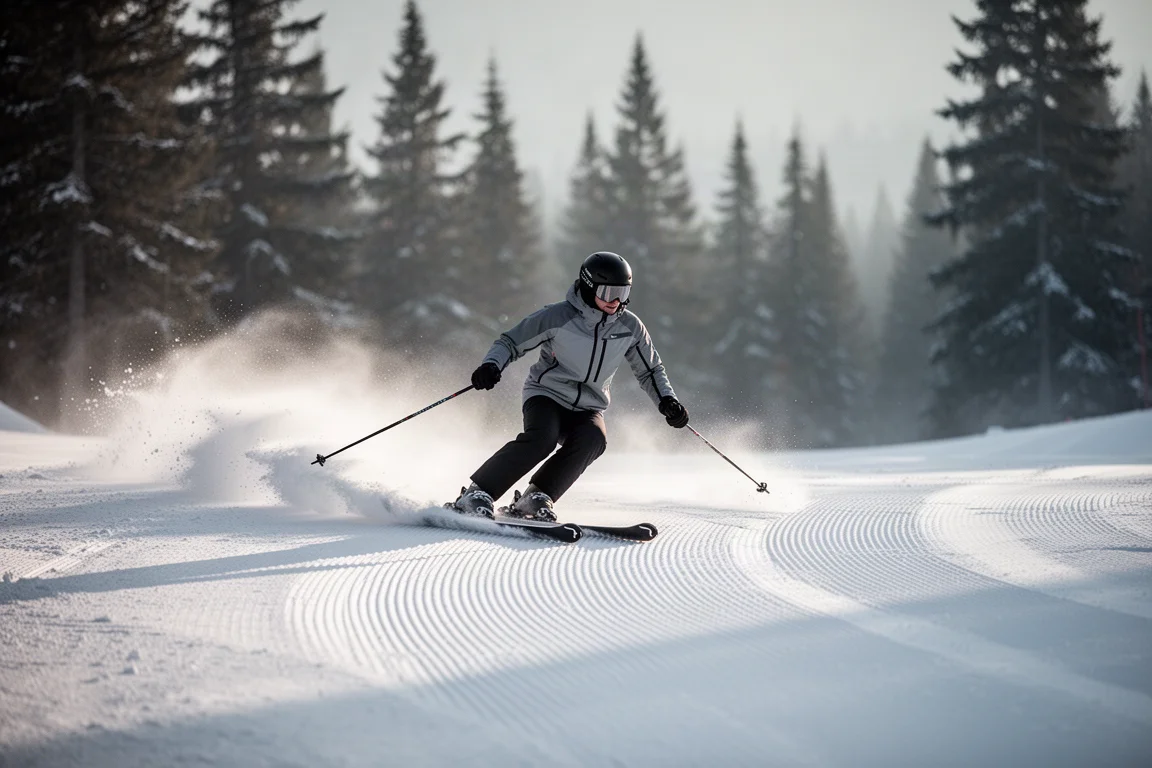
The profile rewards a confident, active skier rather than a passenger. Nothing about it feels fragile or vague, but it does ask you to stay involved in the turn, particularly once you leave the groomers behind.
Construction and On-Snow Feel
The build is the most distinctive part of this ski. Nordica uses what it calls double core technology: two horizontal sheets of wood, an elastomer pulse core in the middle, and metal above and below. The resulting stack runs metal, wood, elastomer, wood, metal, and that many layers explain a great deal about how the ski behaves.
The payoff is a ride that feels smooth, quiet and strong. Very little noise or chatter comes back through the ski, and it holds a racelike feel from a construction standpoint without demanding race technique. The TPX 13 binding is mounted through a bridge in the middle of the ski, which stiffens the underfoot zone further and gives the whole package a solid, connected feel.
On the scale with the binding mounted, the ski comes in at 3,212 g. That is on the substantial side, but not extreme. The flex is stiff without being punishing, and it is consistent from tip to tail, so the pressure you build at the front of the ski carries evenly through the turn. Positive camber underfoot remains visible even under the weight of the binding, and there is a modest amount of rocker in the tip and tail. The tip shape is rounder than an angular race profile, in the same spirit as a scaled-down Enforcer 89.
A Frontside Ski That Still Slides Around
The most useful thing about the MultiPista 74 is what its tail shape allows. There is not much going on back there in terms of dramatic rocker, but there is just enough to let the ski wash out of a turn when you want it to. On groomed terrain you would rarely choose to do that on a 74 mm ski, but knowing the option exists changes how the ski behaves everywhere else.
In the woods and in tighter technical zones, the ski handled mixed conditions well. It did not simply grab and lock in. It could be slid around and steered, then put back on edge for a carved turn as soon as the terrain opened up. The trade-off is that the skier has to be an active participant, but the versatility is real.
It is also a genuinely strong bump ski. It moves edge to edge quickly, it is not too stiff to work with, and it stays supportive underneath. Because the tail does not dig in aggressively, you can push through the back of the turn instead of getting stuck in it. Compared with the more angular Multigara in the same family, the difference is clear: that angular tail finishes a turn with more energy, but it will not release, and it digs deeper in bumps and off-piste terrain. The MultiPista trades some of that finish for freedom.
For skiers who like variety in turn shape and style, that trade is usually the right one. It is a large part of why this ski has been so well received across such a wide range of strong skiers.
Things to Consider Before Buying
The first thing to be clear about is the waist width. At 74 mm underfoot, this is a frontside ski. It can be taken off-piste, and it performs better there than the numbers suggest, but it is not a deep snow tool, and it will not float the way a wider ski does. If most of your days involve fresh snow, this is not the shape to build around.
Weight is the second consideration. At 3,212 g with the binding, the package sits on the hefty side of the frontside category. That weight contributes to the calm, planted feel, but it also means the ski asks for a skier who is willing to drive it rather than ride it passively.
Finally, think about how much turn finish you want. This ski deliberately gives up some of the angular, locked-in finish of a race-oriented frontside model. Skiers who prioritise maximum grip and a hard, precise finish above all else will be happier on a more technical shape.
How It Compares to More Angular Frontside Skis
Set against race-oriented frontside models, and against skis with a similar waist width and construction level but a more angular profile, the MultiPista 74 comes across as the more versatile option. Those angular skis are more technical in nature. They reward precise inputs and finish turns with authority, but they also demand more from the skier and offer less freedom to change the shape of a turn.
The MultiPista 74 keeps the construction quality and the smooth, quiet feel while softening the consequences of a less than perfect turn. That is a meaningful difference for an expert skier without a racing background, or for anyone who simply prefers not to fight a ski all day. At 74 mm, very little else on the market combines this construction, this waist width, and this amount of taper and rocker in the same package.
For 2027, Nordica has also added a MultiPista 80 to the line, which points more clearly toward all-mountain use. The 74 remains the frontside-focused option in the family, and it is the one to choose if groomed performance is the priority.
Buying Advice
If you are an advanced or expert skier who spends most days on groomed terrain, wants a planted and quiet ride, and still values the ability to release a turn, the MultiPista 74 is a straightforward recommendation. It is a strong choice as a one-ski frontside setup, and it is particularly appealing for skiers who have outgrown an entry-level carver but do not want the commitment of a race ski.
If you ski mostly off-piste, or if your priority is maximum edge grip and a locked-in turn finish, look elsewhere in the range or at a more angular shape. If you are weighing this model against the wider MultiPista 80, the decision comes down to how much of your season happens on groomed snow. The 74 will feel quicker and more precise there, while the 80 will give up a little of that precision for more range.
Buying at this level is mostly about matching the ski to the way you actually ski, rather than chasing the most aggressive option available. A ski that lets you release a turn when you need to will usually leave you fresher and more confident at the end of the day.
Conclusion
The Nordica Doberman MultiPista 74 is a frontside ski with a clear point of view. It brings a layered metal and wood construction, a smooth and quiet ride, and a shape that holds up on groomed terrain while remaining willing to slide, steer and change direction when conditions call for it. It is not the most angular frontside ski you can buy, and that is precisely what makes it work for such a broad group of strong skiers.
For advanced and expert skiers who want frontside performance without race ski demands, it is one of the more compelling options in its width class. It rewards an active skier, it stays composed at speed, and it does not force a single way of turning. If that sounds like your skiing, it is well worth a closer look.
Product link
View more details for Nordica Doberman MultiPista 74
This product is mentioned in the review. Check the specifications, options, and compatibility before buying.
View more details for Nordica Doberman MultiPista 74Further reading
Related Reviews

Skis
Armada Anti Matter 82 W Review: A Light, Approachable All-Mountain Carver
Armada's Anti Matter 82 W pairs a lightweight Karuba and carbon build with an easygoing all-mountain shape, aimed at intermediates through lighter-footed advanced skiers.

Skis
Armada Anti Matter 88W Review: A Light, Playful 88mm All-Mountain Ski Plus Two Alternatives
The Armada Anti Matter 88W returns unchanged in spirit from its Reliance 88C days, and it remains one of the most versatile 88mm skis around. We also look at the Nordica Santa Ana 87 and Anti Matter 92 W as alternatives.

Skis
Armada ARV 100 vs Atomic Bent 100: Which 100mm Freestyle Ski Should You Buy?
Two of the best all-mountain freestyle skis of the season compared: one leans playful and park-ready, the other holds up better everywhere else.