Kitchen Knives
Noki Mazaki Apex Ultra Gyuto 210mm: First Impressions
A limited-batch Sanjo gyuto with an Apex Ultra core, soft iron cladding, and a thick textured kurouchi finish. Here is how it cuts in real kitchen work.
Introduction
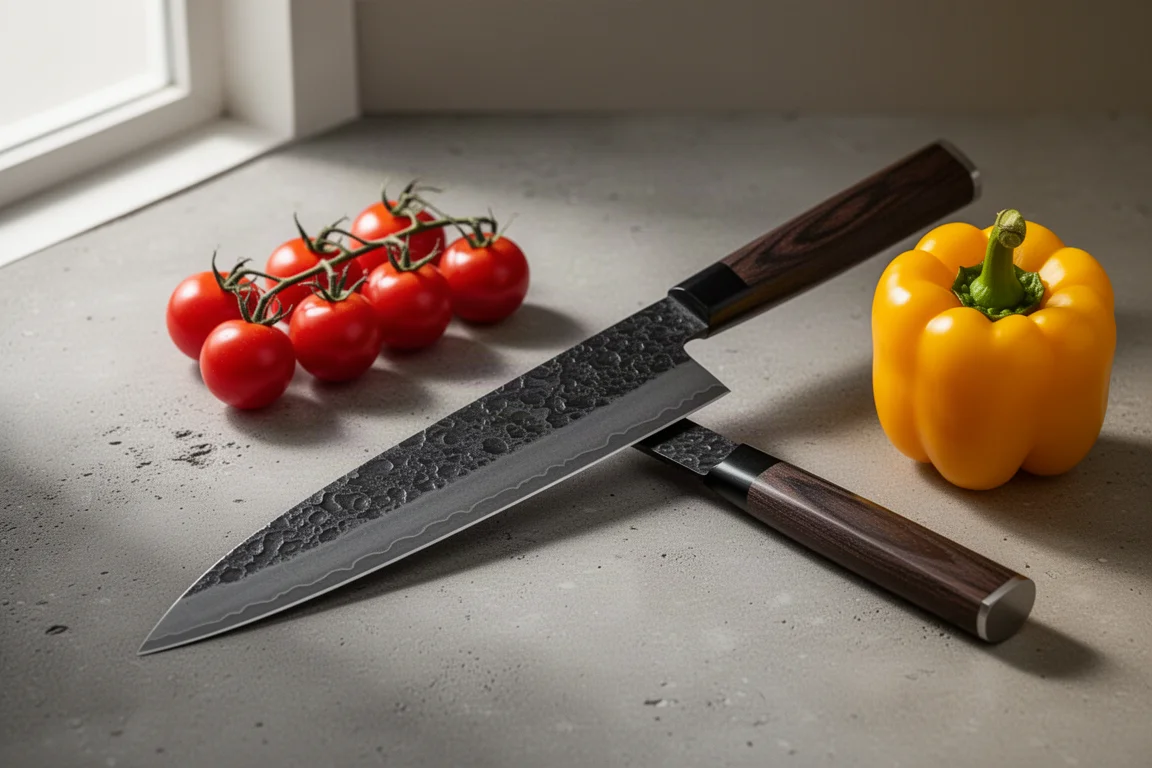
Limited-batch Japanese kitchen knives rarely arrive quietly, and the Noki Mazaki Apex Ultra Gyuto 210mm is no exception. This is the first Apex Ultra kitchen knife forged in Japan, released as a limited run of gyutos in 210mm and 240mm lengths. The 210mm version here was bought just like any other, without a handle, and tested in exactly that state.
Why test it handle-less? Partly impatience, partly curiosity. Matching a custom handle to a blade takes time, and the first impressions of the cutting performance felt worth sharing sooner rather than later. Choking up slightly on the blade changes grip dynamics a little, but the core experience of how this knife cuts comes through clearly.
Build and Finish
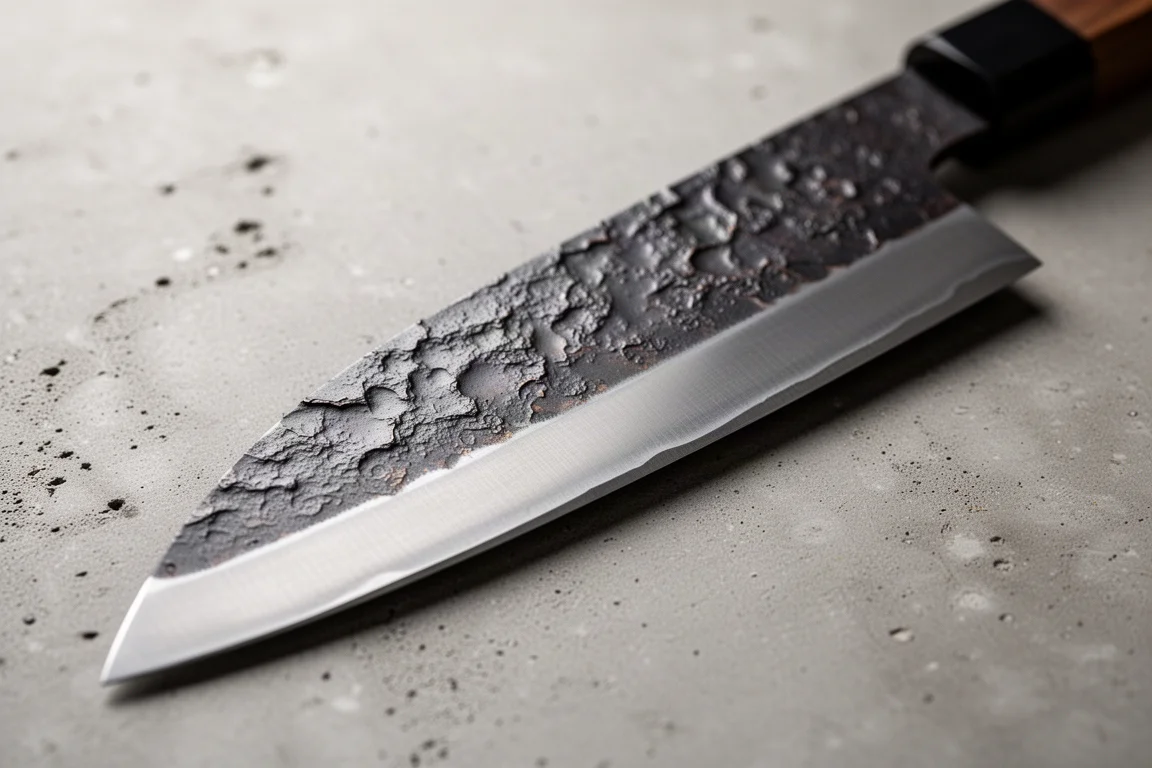
The numbers and construction tell most of the story. You get roughly 215mm of Apex Ultra cutting edge wrapped in soft iron cladding, forged by Noki Mazaki in the classic Sanjo style. The spine tapers toward the tip, the bevels are hand flattened, and there is a subtle convexity along the edge. The finish is applied at a high polish, likely around an 8K grit, which is characteristic of Mazaki’s sharpening.
The standout visual detail is the extremely thick and super textured kurouchi forge scale finish. It gives the blade a raw, forged identity that contrasts sharply with the highly polished edge behind it. It is a knife that looks handcrafted because it is.
Cutting Performance: Carrots, Tomatoes, and Peppers
That highly polished 8K edge shapes how this knife behaves on specific foods. On the taut skin of a cherry tomato or a bell pepper, it is not an ideal match. Bite was limited, though the knife still powered through batches of tomatoes and peppers for a southern Italian pepperonata without complaint.
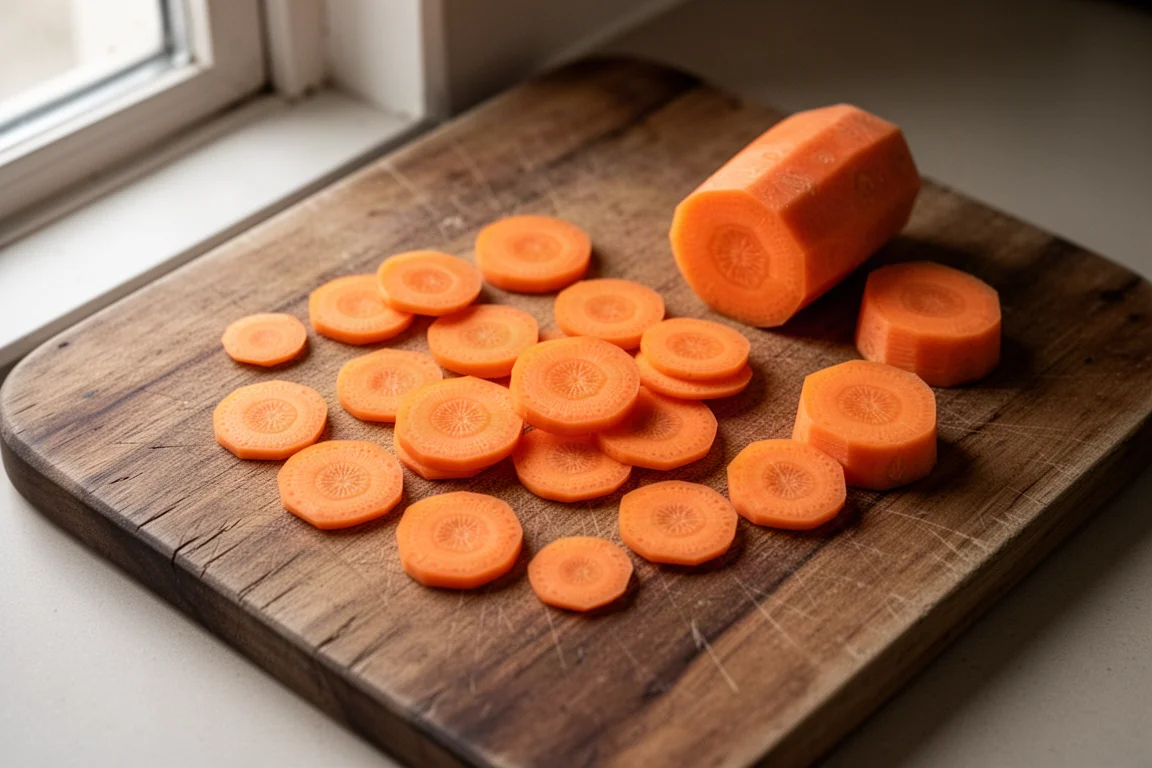
Carrots are where the polished edge shines. Cutting through large chunks produces a distinct cracking sound, but with a twist: there are no actual cracks in the carrot and no wedging. The likely explanation is geometry. With a thicker spine and subtle convexity, the bevel pushes the carrot apart more than a thin laser would, and that separation is what you hear. It sounds dramatic, but nothing is actually breaking.
The bell pepper skin test was a genuine surprise. An 8K edge would not be expected to handle pepper skin, yet the knife got through it, aided by the blade’s weight and that subtle convexity. In a lighthearted test, the blade’s own weight alone pushed cleanly through a pepper with barely any grip pressure applied.
Garlic, Onion, and Food Release
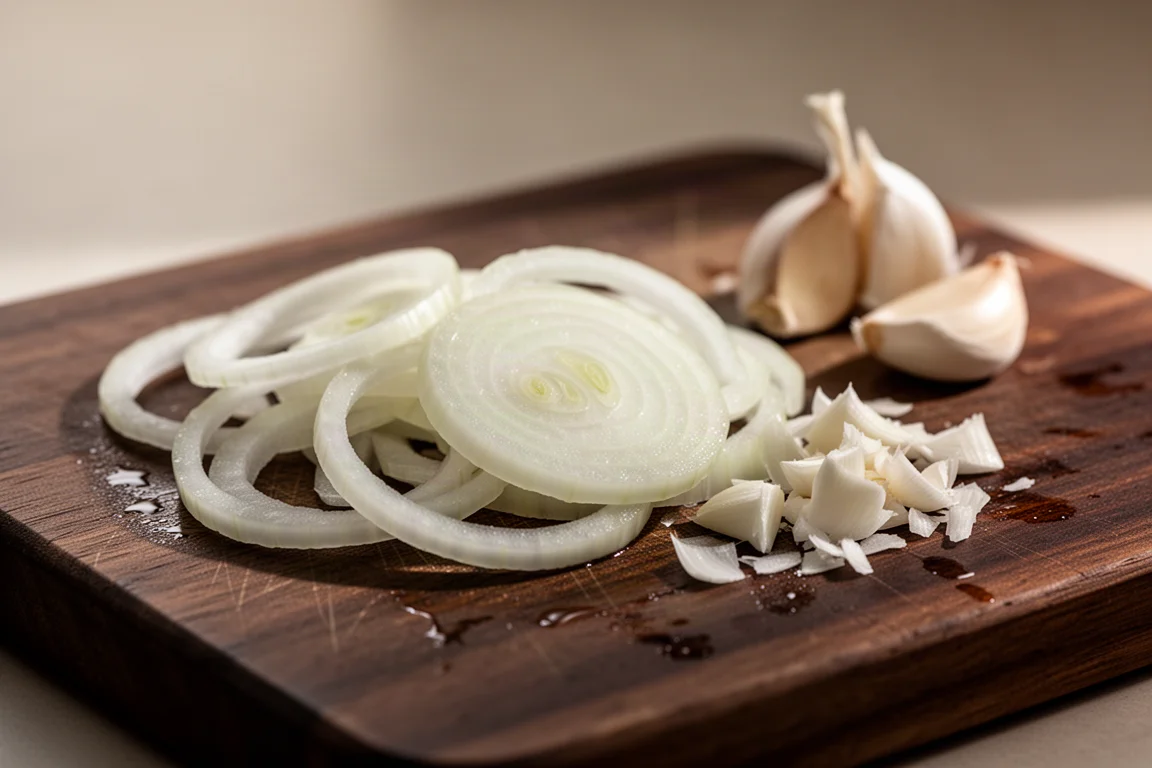
Garlic revealed one trade-off. The polished edge makes cuts feel effortless, but the subtle convexity is not enough to fully release garlic, which is short in height. Some sticking is expected here, and a biteier edge profile would behave differently.
Onions, however, showed off this knife’s best-kept secret. Despite the thick tapering spine, the blade is remarkably thin behind the edge. Lateral onion cuts came out drag-free, and the combination of a polished edge and thin geometry behind it makes for exceptionally clean slices. Thin lateral potato cuts confirmed the same story.
The russet potato round brought out more experimental technique: alternating pull and push cuts, abruptly stopping after each cut to promote food release, and barely holding the knife at all. The knife handled it all without fuss.
Who This Knife Is For
This is not a laser. It is a thick-spined Sanjo gyuto with subtle convexity, soft iron cladding, and a premium core steel, finished with a forge scale that will not appeal to everyone. It suits cooks who value characterful, hand-forged construction and a highly polished edge for produce work, and who accept that taut-skinned tomatoes and peppers are not its ideal assignment.
It is also for collectors, given the limited-batch nature of the release. Only a small number of these knives exist, sold initially without handles so owners can commission custom handles to their own taste.
Things to Consider Before Buying
The lack of a handle matters. These knives shipped without handles, so budget and time for a custom handle commission are part of the real ownership cost. Waiting is not trivial either, especially if you are the type to mock up a dozen handle combinations before committing.
The 8K polish is another consideration. If your priority is maximum bite on tomato skins and peppers, a coarser edge would serve better. And the textured forge-scale finish, while striking, defines the look in a way that not every kitchen will love.
Buying Advice
If you want a hand-forged Japanese gyuto with a premium Apex Ultra core, classic Sanjo geometry, thin geometry behind the edge, and a distinctive forge-scale finish, this knife delivers a genuinely satisfying cutting experience on carrots, onions, garlic, and potatoes. Treat it as a limited-edition maker’s knife rather than an all-purpose workhorse, plan for a custom handle, and it is easy to recommend to enthusiasts who understand exactly what they are getting.
Handle Selection and Final Thoughts
Commissioning a custom handle is half the fun. The plan was to work once again with a UK-based custom handle maker, mocking up combinations in photo editing software by erasing the tang and importing favorite handles from an existing collection and from around the internet. Over a dozen combinations came out of that exercise, with a few clear favorites emerging.
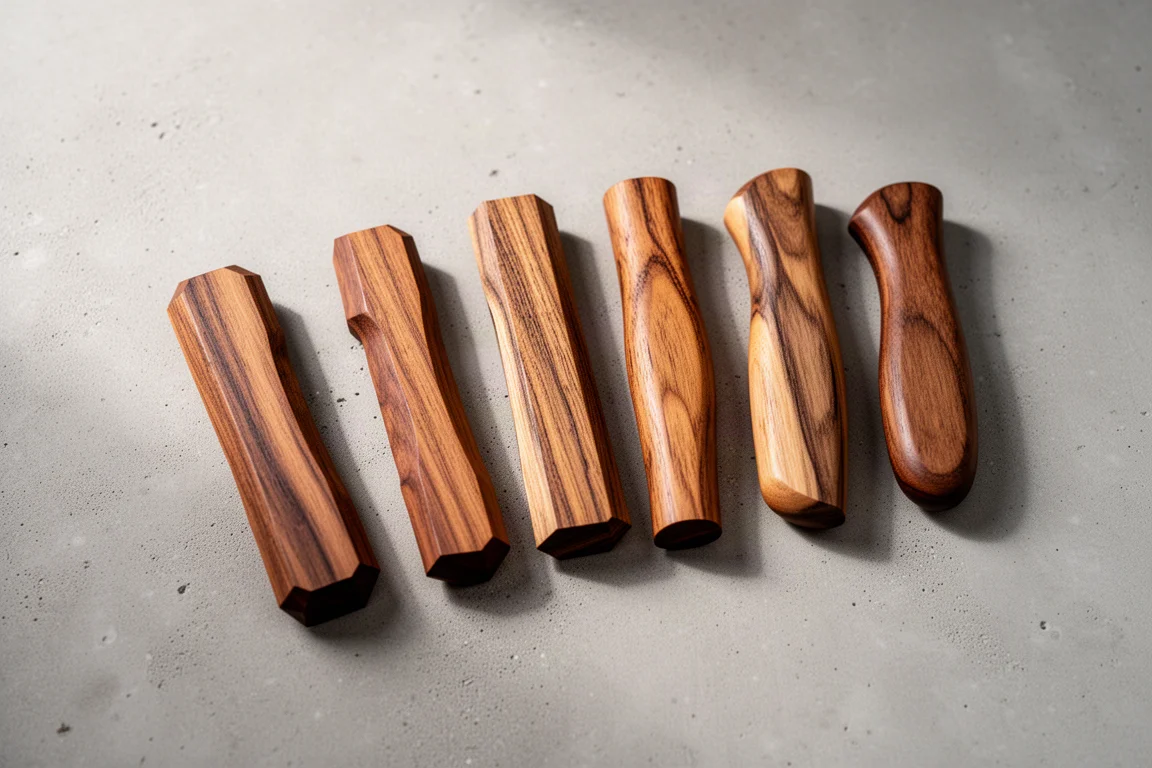
Part of the appeal of a handle-less blade is that the knife becomes personal before it ever touches food. Whichever handle lands on this Mazaki, the blade underneath remains one of the more characterful gyutos to come out of Sanjo: thick, textured, finely polished, and thin where it counts.
Conclusion
The Noki Mazaki Apex Ultra Gyuto 210mm is a limited, hand-forged knife with a distinct personality: superb on carrots, onions, and potatoes, respectful but not dominant on tomato and pepper skin, and endlessly customizable thanks to its handle-less release. For knife enthusiasts who want a piece of Sanjo forging history with a premium edge finish, it earns its place.
Product link
View more details for Noki Mazaki Apex Ultra Gyuto 210mm
This product is mentioned in the review. Check the specifications, options, and compatibility before buying.
View more details for Noki Mazaki Apex Ultra Gyuto 210mmFurther reading
Related Reviews

Kitchen Knives
Best Chef's Knives 2026: 27 Popular Options Tested and Ranked
A comprehensive review of 27 chef's knives ranging from $18 to $380, with honest assessments of handle comfort, blade balance, and real-world performance.

Kitchen Knives
Best Chef's Knives Under $75: Two Tested Recommendations
Two practical 8-inch chef's knives that balance sharpness, comfort, and durability without premium pricing.

Kitchen Knives
Best Chef's Knives 2026: 27 Options Tested and Ranked
A comprehensive review of 27 chef's knives ranging from $18 to $380, with honest assessments of handle design, balance, blade profile, and real-world performance.