Snowboard Reviews
Nitro Alternator Review: True Camber in a Directional Freeride Deck
A directional freeride snowboard built around traditional camber, with a softer nose, a stiff tail, and two flex points that shape how it rides.
Introduction
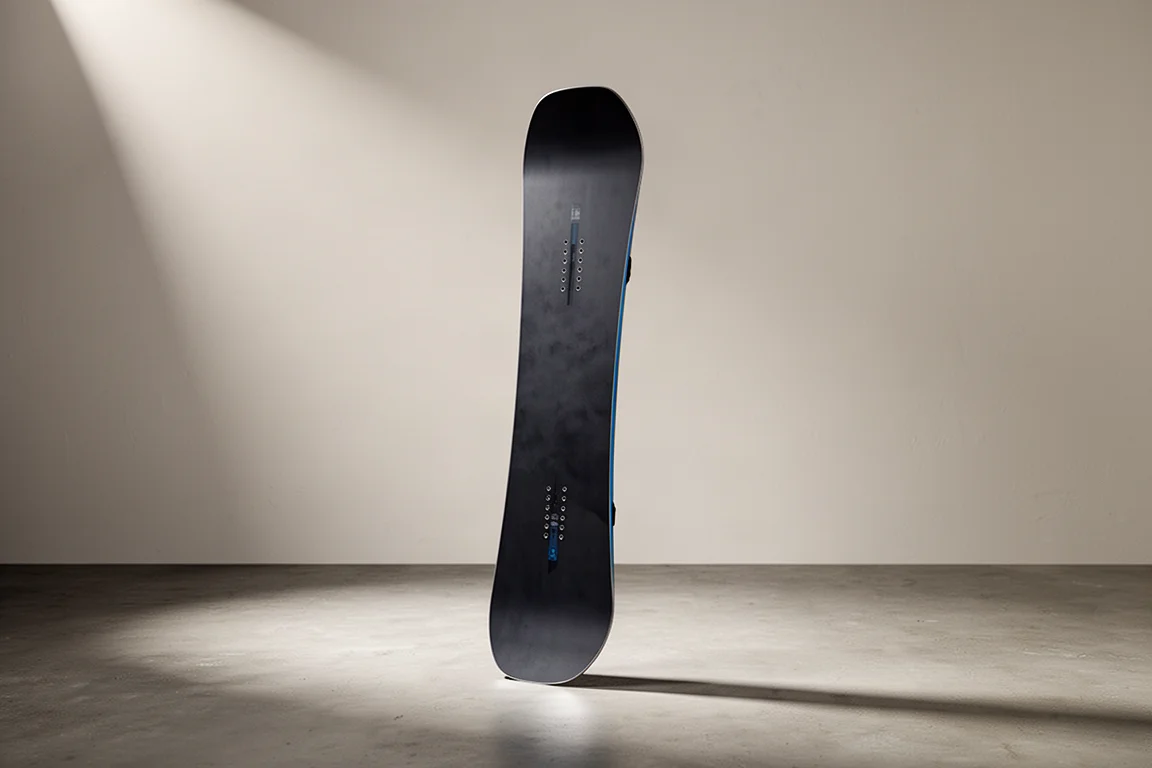
The Nitro Alternator is a directional freeride snowboard built on Nitro’s True Camber profile, which means traditional camber running from contact point to contact point. That arc is the entire point of the board: it loads, it snaps, and it drives out of turns. It is available in 157, 160, and 162W.
On snow at Copper Mountain, across a sunny bluebird day that delivered four inches of fresh snow overnight on top of ten inches from the day before, the Alternator saw chopped chunder, ice, leftover powder, and perfect corduroy in the same session. That mix is a useful test bed for a shape like this, because it forces a freeride board to prove it can hold an edge on hardpack and still float when the snow softens.
Nitro positions the Alternator as a blend: the edge power and control of the Super Team, with the ride feel of the Mountain underfoot.
Who This Board Is For
This is a board for the hard-charging freeride freestyler. It rewards riders who already understand how traditional camber works, who load the tail and expect something back, and who are comfortable carrying speed into a turn rather than nursing their way through it.
The shape is directional, with a softer nose that sits around the middle of the road and a tail that progressively stiffens into full freeride territory. If you want a playful, symmetrical park deck, that is not the brief here. If you want a directional board that pairs edge power with genuine pop and a freestyle streak, it fits.

Riders coming from a rocker or hybrid profile will feel the difference immediately. Traditional camber asks for input and returns it in kind, and the Alternator is built around that exchange.
Main Strengths
Three qualities define the Alternator: how it handles rough snow, how it pops, and how it behaves on edge.
Stability Through Chop and Chunder
The board pushes through chop and chunder with ease. It does not get bounced off line or buck the rider; it plows forward and keeps going. That composure is one of its defining traits, and it is the reason the board feels confident in variable snow rather than only on groomers.

Torsional flex is present and noticeable. You can engage it when you want to, and there are two key flex points worth knowing about: one just outside the front foot and one just inside the rear foot. Those zones carry a little more give, and that is where the freestyle character of the board comes from.
Camber-Driven Pop and Snap
Snap is where the Alternator is at its best. Traditional camber loads predictably, and the payoff is explosive: roll onto the tail, let the camber release, and the board boosts. Anything on the hill becomes a launch, from side hits to natural features to rollers.
The one caveat is speed. You want a little more of it than you think. The board rewards commitment, and a faster approach translates directly into more height and a cleaner landing.
Edge-to-Edge Power and Carving
Edge to edge, the Alternator is quick and raw. It locks in, grips, and cuts through whatever is underfoot. Throw your weight outside the front foot, drive the nose into the carve, and the rebound comes from the center and especially the tail. Laid over, the board slingshots out of the turn and into the next one. Mellow carves behave the same way, just at lower intensity.

The board is highly reactive and clearly wants to go fast. It is not a slow-speed cruiser, but when it is on edge you never have to wonder how the carve looks, because it is locked in.
Things to Consider Before Buying
- Speed matters. At low speed the Alternator feels hooky. Give it gas and it comes alive; nurse it and it will feel like work.
- Buttering fights back. The front flex point is the place to be, leveraging weight outside the binding, but the board resists. You can press it, and you will get spring out of any butter variation you try, but expect it to push back.
- The tail is stiff. High-speed wheelies come more naturally than slow, deep presses. Cranking a knee into the inside of the rear insert pack coaxes a little more flex out of it, but you will earn it.
- It is a freeride board first. The freestyle elements are real, but they come from two specific flex points rather than from an overall soft, park-oriented flex.
- Traditional camber demands attention. If you learned on camber, the feel will be familiar and welcome. If you did not, give yourself time to adjust.
Buying Advice
Sizing is straightforward: 157, 160, and 162W. The wide option is the one to consider if you run larger boots or simply prefer a wider platform underfoot.
If you are cross-shopping, boards in similar territory include the Ride Deep Fake, Yes Pick Your Line, K2 Ink, Capita Kazu, Nitro Team Pro, Ride A9, and Now Select Pro. Those comparisons are useful mainly for pinning down how much freestyle you want in a directional freeride shape, because the Alternator leans hard into camber, a stiff tail, and speed.
The cleanest way to decide is to be honest about your riding. If you like loading camber and getting launched, and you are comfortable giving a board more speed than feels necessary at first, the Alternator will feel like a natural fit. If you want a soft, forgiving deck for low-speed play, look elsewhere.
Conclusion
The Nitro Alternator is a directional freeride board built around traditional camber, and it delivers what that profile promises: stability through rough snow, superb snap, and edge-to-edge power that slingshots out of turns. Two flex points, one outside the front foot and one inside the rear foot, add a freestyle streak to an otherwise committed freeride package. If you want true camber in a directional board, this is one to consider seriously.
Product link
View more details for Nitro Alternator
This product is mentioned in the review. Check the specifications, options, and compatibility before buying.
View more details for Nitro AlternatorFurther reading
Related Reviews
Snowboard Reviews
Arbor Element Rocker vs Camber: One Shape, Two Ride Personalities
A practical look at the Arbor Element all-mountain twin in both System Rocker and Camber profiles, covering Grip Tech edge hold, sustainability, sizing, and who each version suits.

Snowboard Reviews
Battalion Whatever 157 Review: A Forgiving Directional Twin With Real Freestyle Potential
A soft-flexing directional twin aimed at riders who want a playful, forgiving all-mountain board that refuses to catch an edge.
Snowboard Reviews
Capita Ultrafear Camber Review: A Consistent Park Board for Freestyle Riders
A practical look at the Capita Ultrafear Camber, its Resort V1 profile, flex character, jib and jump behaviour, and who it genuinely suits.