Flashlights
Nitecore EDC25 Review: A Lighter, Sharper Thrower That Fixes the Big Complaints
Nitecore's EDC25 keeps the 3,000-lumen output of the EDC27 while improving throw, heat management, and the power button, though a few trade-offs remain.
Introduction
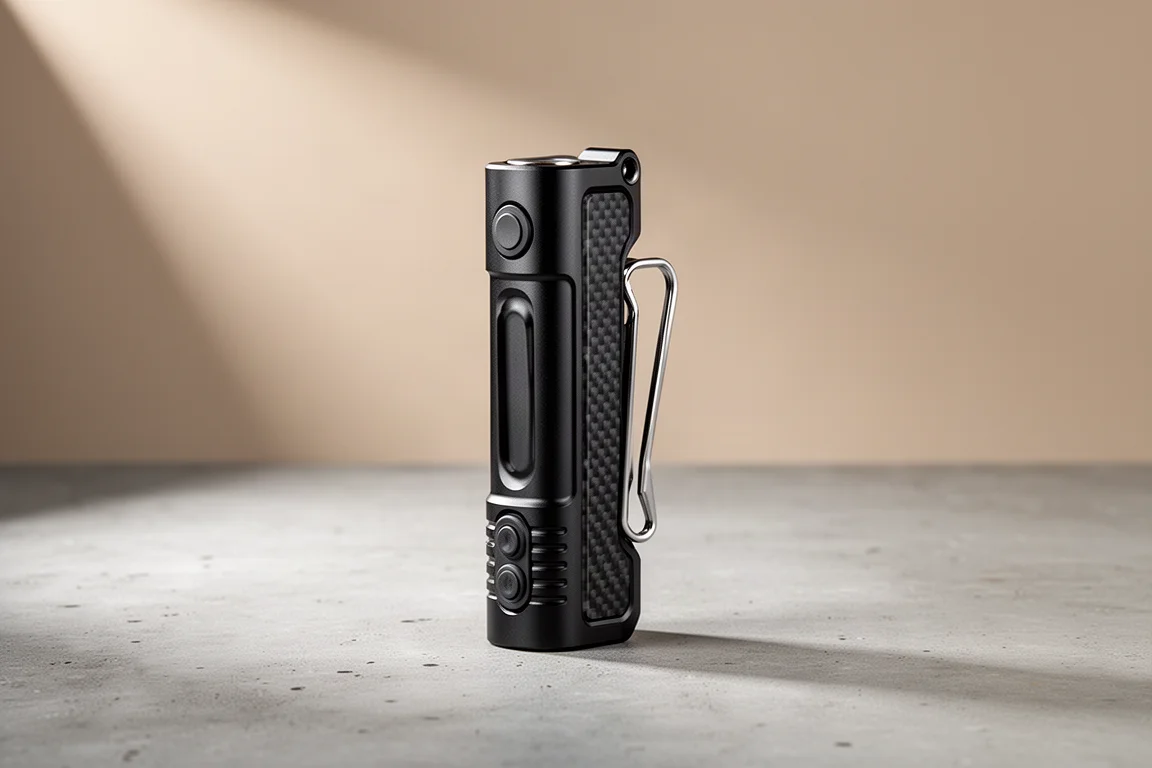
The Nitecore EDC25 is the follow-up to the EDC27, a flat-body everyday carry flashlight that came close to a perfect score the first time around. The core recipe stays the same: a slim pocket-friendly body, dual tail switches, and a 3,000-lumen burst of light. What Nitecore has changed this time is more interesting: a lighter body, a deeper reflector with noticeably more throw, better heat handling, and a much improved power button. Some things were also removed, most notably the OLED display, and the price comes in at $74.95.
Who This Flashlight Is For
The EDC25 is aimed at people who carry a flashlight daily and want a flat body that sits naturally in a pocket without printing heavily. If you like quick access to serious output, the 3,000-lumen turbo works as a short burst rather than a sustained mode. It also suits anyone who wants defensive brightness on tap, since the strobe runs at the full 3,000 lumens. If you need deep pocket carry, submersible waterproofing, or a replaceable battery, you should read the trade-offs below carefully.
What the EDC25 Improves
Compared with the EDC27, the EDC25 keeps the same maximum output of 3,000 lumens but beats it in throw and intensity: 300 meters of throw and 22,500 candela, up from 220 meters and 12,200 candela. That gain comes from a much deeper reflector, which pushes the LEDs further back and produces a more defined hotspot.
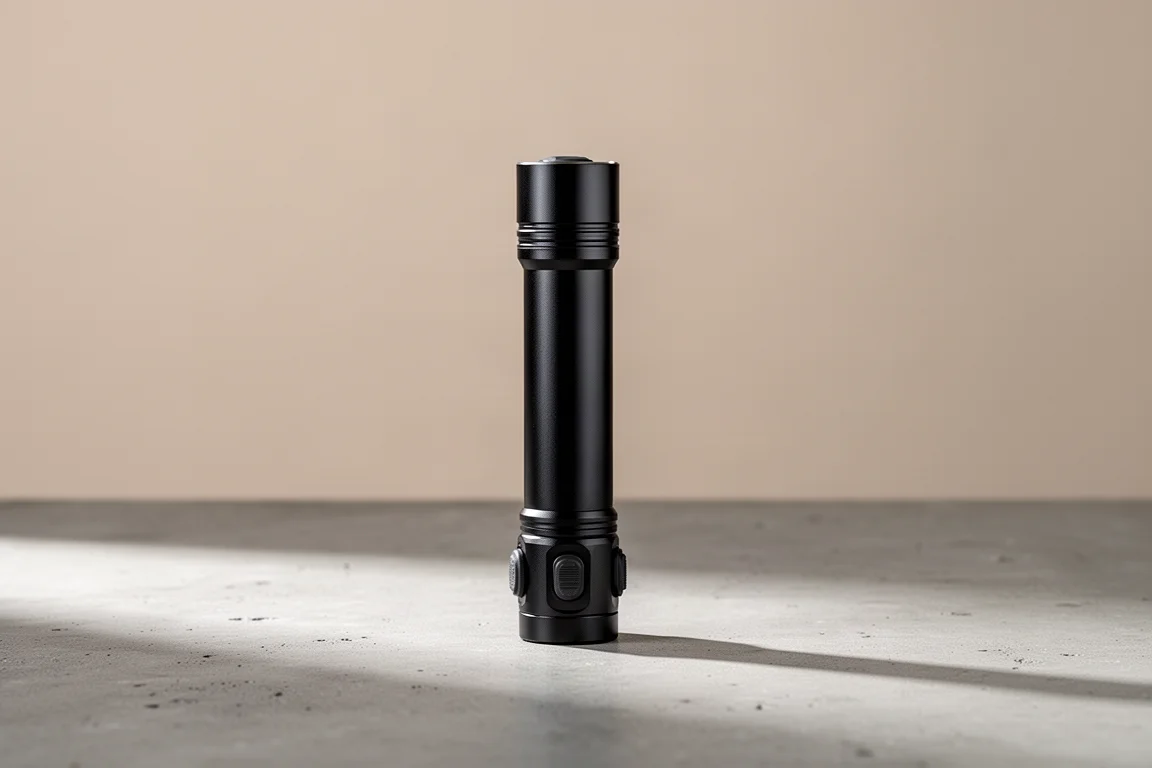
The body is also lighter. The EDC25 weighs 3.8 oz (106 g) against 4.3 oz (122 g) for the EDC27. On paper that sounds minor, but in hand the difference is immediately noticeable. The matte finish feels less slick than the shinier EDC27 body, and the buttons feel less plasticky and more refined.
The biggest fix is the power button. The EDC27’s half press was one of its most criticized points, feeling squishy and imprecise. On the EDC25 the half stop is definitive, and Nitecore describes the improvement as leaps and bounds better. Since the half press is how you cycle brightness levels, that change alone makes daily use far more pleasant.
Specs and Battery
The EDC25 uses dual NiteLab UHi 20 LEDs with a rated lifespan of about 50,000 hours, a cool white temperature that reads around 6,000K with little green tint at lower levels. Inside is a built-in 1,700 mAh lithium-ion battery charged through a USB-C port on the side, taking about an hour to fill. The body is aluminum with a type 3 hard anodized finish, the frame is carbon fiber reinforced polymer, and it carries a 1 meter impact resistance rating with an IP54 dust and water rating. Dimensions are 5.37 inches long, a 1.24-inch head, 0.84 inches at the thickest point.
Brightness Levels and Runtime
There are five brightness levels plus strobe: ultra low at 15 lumens, low at 65, mid at 200, high at 1,000, and turbo at 3,000. Strobe also runs at 3,000 lumens, and having a fully maxed-out strobe is a genuine plus for non-lethal self-defense.
Runtime is strongest at the low end, with a maximum of 55 hours on ultra low. Mid, the sweet spot for many users, lasts 4 hours and 15 minutes with 90 meters of throw at 2,000 candela. High runs 1 hour and 30 minutes at 180 meters and 8,100 candela. Turbo has no rated runtime; in testing it delivers roughly 10 seconds of full output before stepping down, and it can be used repeatedly afterwards, though the body gets very hot with repeated cycles.
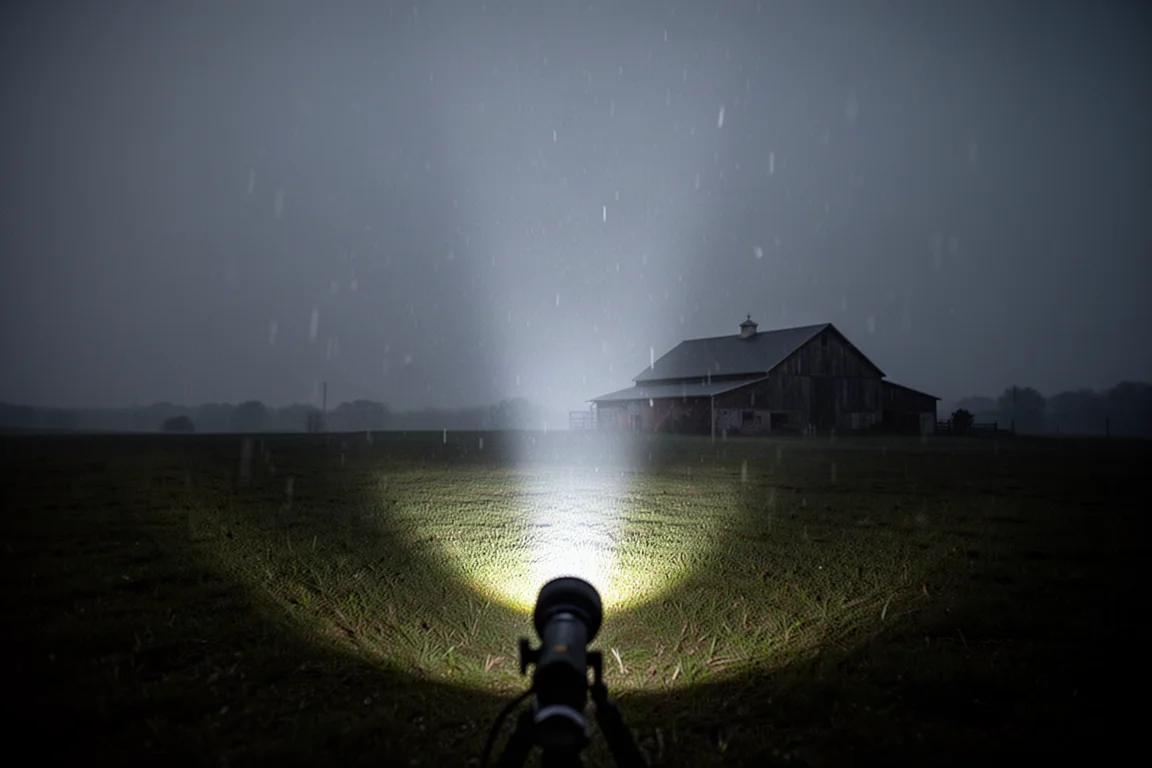
One wishlist item: a brighter mid. At 200 lumens the mid is serviceable, but a 300 to 350 lumen mid would be ideal for people who spend most of their time in mid and high, especially with that 4-hour-plus runtime.
Beam Profile and Real-World Performance
Side by side with the EDC27, the difference in beam shape is clear. The EDC25 produces a more defined hotspot thanks to that deeper reflector, concentrating intensity in the center, while the EDC27 spreads light more evenly with almost no hotspot. Neither has a crisp outer perimeter, which is typical of dual-LED designs, and holding the light horizontally gives a slightly flooder profile than holding it vertically.
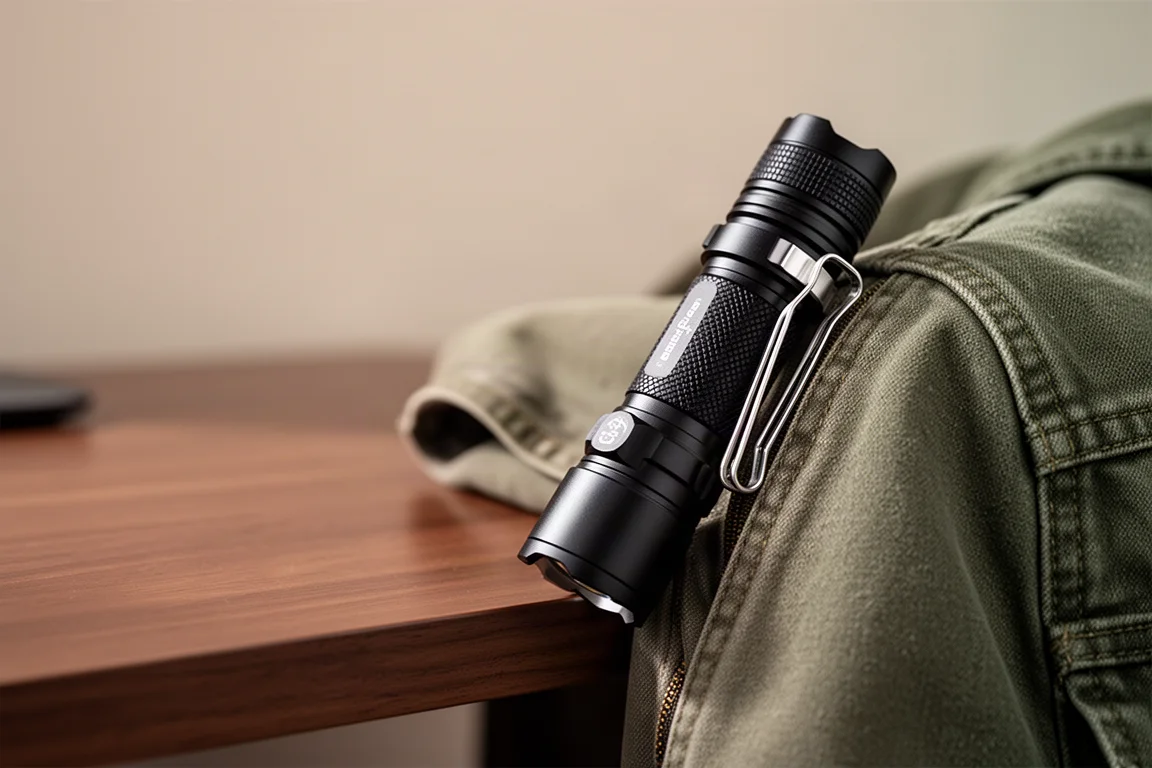
On mid, the beam comfortably reaches a distant tree line and kisses a barn at testing distance. The color temperature reads around 6,000K with minimal green tint in the lower levels, which is a clean look for the price class.
User Interface and Controls
The dual tail switch design carries over. The power button half press and hold gives momentary instant ultra low; a full press and release turns the light on at ultra low, and half presses cycle through the levels. The light remembers the last brightness level.
The former mode button is now called the customize button, and it is no longer dual stage. A single press activates whatever you have programmed it to, either instant turbo or instant strobe. To reprogram it, you press and hold the customize button and then fully press the power button. That means you must choose one or the other, where the EDC27 gave a half press for turbo and a full press for strobe. It is a step backwards for instant access to both, though switching between them takes only seconds.
Lockout works in two stages. Fully press the power button and hold until a small red LED with a lock symbol flashes once for half lockout (brightness locked, customize button still active) or twice for full lockout. Unlocking repeats the steps, and the LED indicators count down like a small timer to show how close you are to unlocking, a genuinely nice touch. Since there is no OLED display anymore, four LED indicators show battery life in 25% increments with a quick half press, and indicate brightness level in blue when the power button is fully pressed while on.
Heat Management
Turbo on the EDC series is a burst mode, and you have to keep the button held to sustain it. After two minutes of held turbo, the EDC25 measured about 152 degrees Fahrenheit at the head and around 130 degrees at the body center, a clear improvement over the EDC27’s roughly 168 to 170 degrees. Nitecore added a heat-dissipating plate at the bottom of the body, and it appears to be doing real work. The practical advice is simple: treat 3,000 lumens as a quick burst, look at what you need to see, then let it step down.
Everyday Carry and Lockout
The flat body design is the heart of this light’s carry appeal. It sits flat and low in a pocket, and the large pocket clip helps it stay put. It is not a deep-carry clip, though, so close to an inch of the flashlight sits above the pocket line. The clip itself has carried over from the EDC27 essentially unchanged, which is no complaint.
Things to Consider Before Buying
The built-in battery will always be a sticking point. If you only use this as an occasional everyday carry light it may never matter, but there is no way to swap the cell, and when the built-in battery eventually dies you are left with an expensive paperweight. It is an inherent limitation of the flat design, but it remains a real negative.
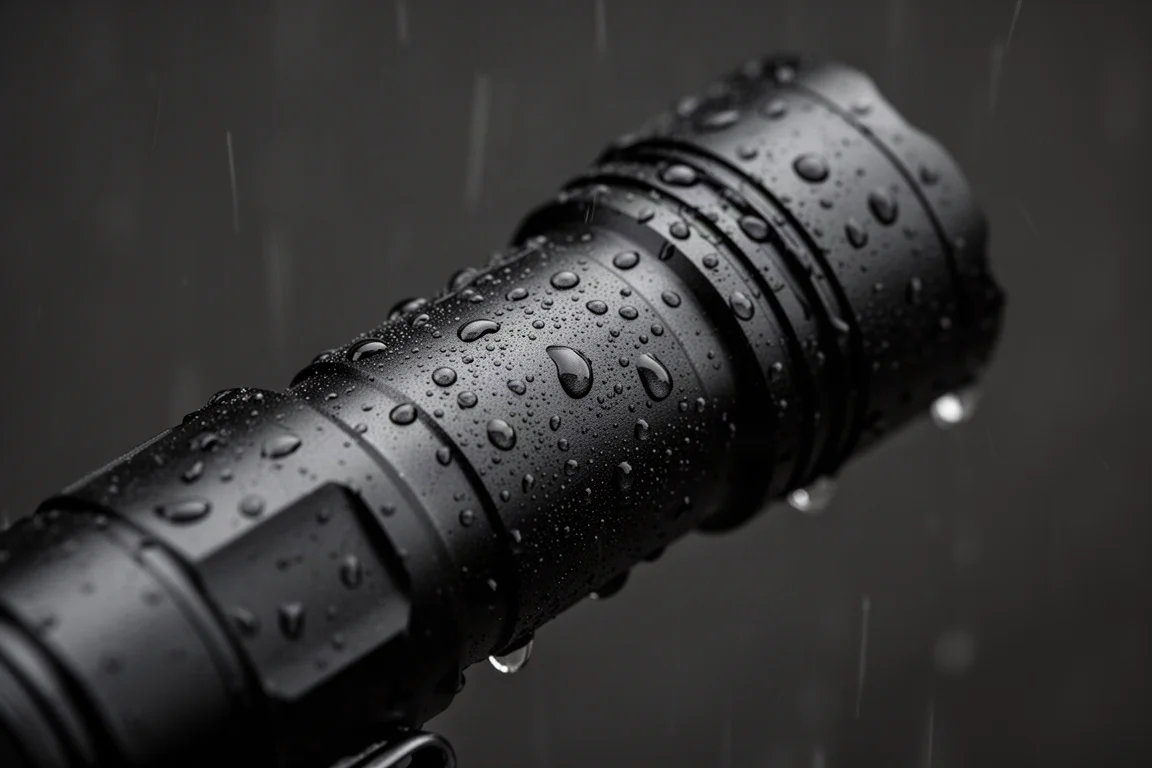
The IP54 rating is the other issue. The 5 for dust is nearly complete protection, but the 4 for water only covers splashes from all directions. For a light that lives in a pocket and may get caught in the rain, a rating of 6 or higher would inspire more confidence, especially since the openings around the tail buttons are the main exposed areas. After a year of the EDC27 carrying the same rating, this was hoped to improve and it did not.
Finally, the customize button that forces a choice between turbo and strobe is a step back from the EDC27’s dual-stage system, even if it is easy to reprogram.
Buying Advice
At $74.95, the EDC25 is easy to recommend for anyone who wants a flat, light, pocket-friendly high-output flashlight. The improvements that matter most are all real: better throw, better heat dissipation, better buttons, and a more defined hotspot. You give up the OLED display, replaceable battery, and serious waterproofing to get there. If those trade-offs bother you, the EDC27 still has the display and the dual-stage strobe access; if they do not, the EDC25 is arguably the better daily companion and the one more likely to earn pocket time.
Conclusion
The EDC25 is a confident second generation. Nitecore kept the lumen output identical, sharpened the beam, cut the weight, tamed the heat, and rebuilt the half press that was the EDC27’s loudest complaint. The removal of the OLED display and the lockout-free access to both turbo and strobe sting a little, but the LED indicators work fine, and at this price the overall package is a strong release. For everyday carry use, the EDC25 is the pick.
Product link
View more details for Nitecore EDC25
This product is mentioned in the review. Check the specifications, options, and compatibility before buying.
View more details for Nitecore EDC25Further reading
Related Reviews
Flashlights
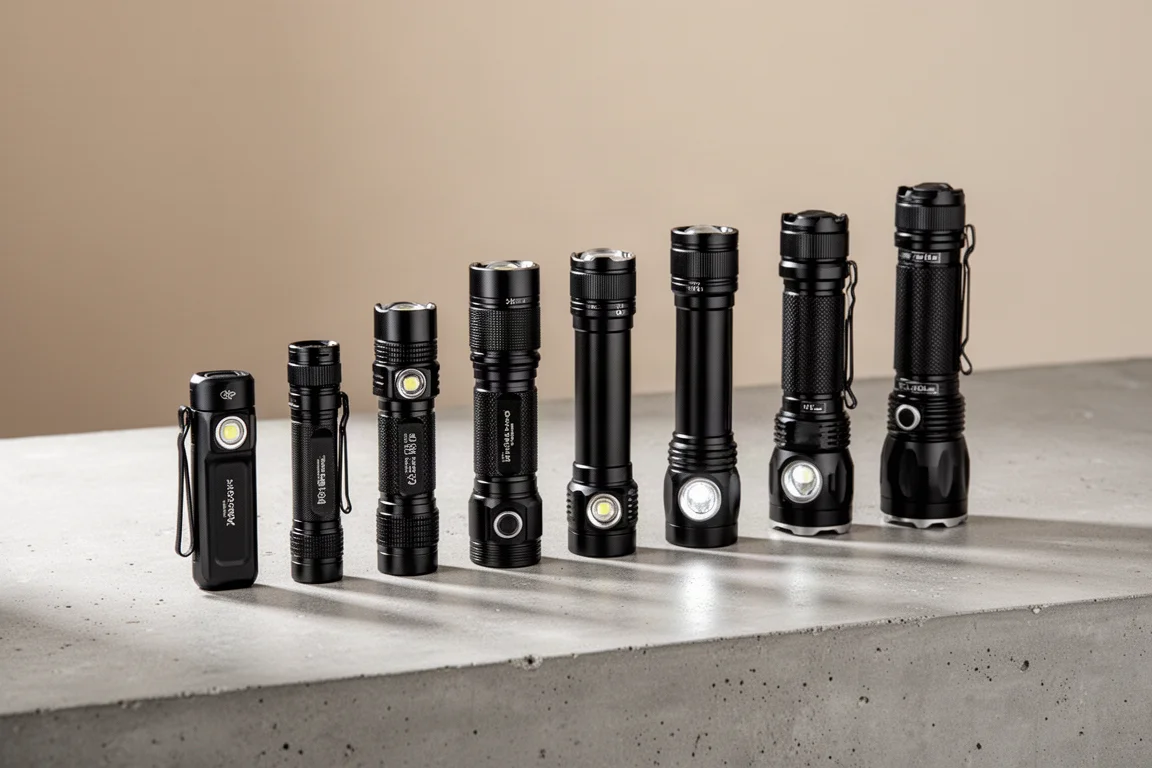
Best Flashlights 2026: Brightness, Battery, and Value Compared
We tested 18 flashlights across a wide price range to find the best performers in brightness, battery life, and durability.
Flashlights
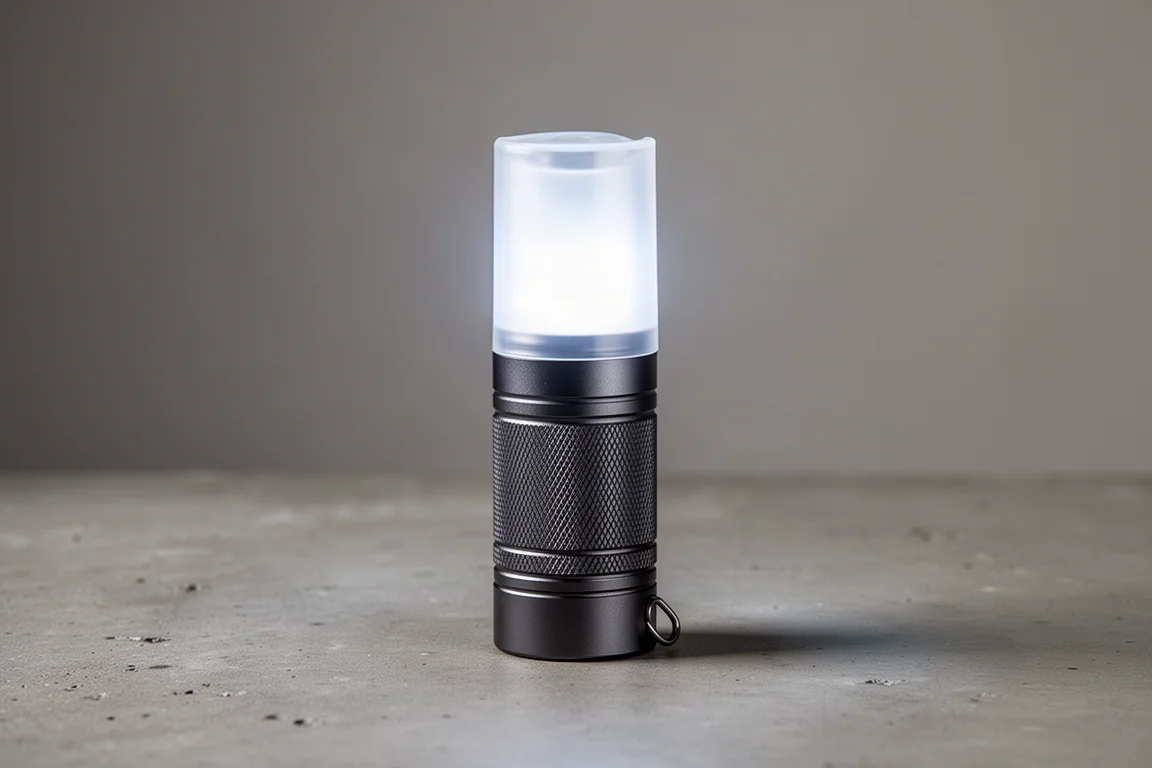
Nitecore LA10 Review: A Tiny 2-in-1 Lantern That Nails the Basics
The Nitecore LA10 pairs a pocket-sized lantern with a single AA battery, a magnetic tail cap and a five-year warranty. Here is where it shines and where it struggles.
Flashlights
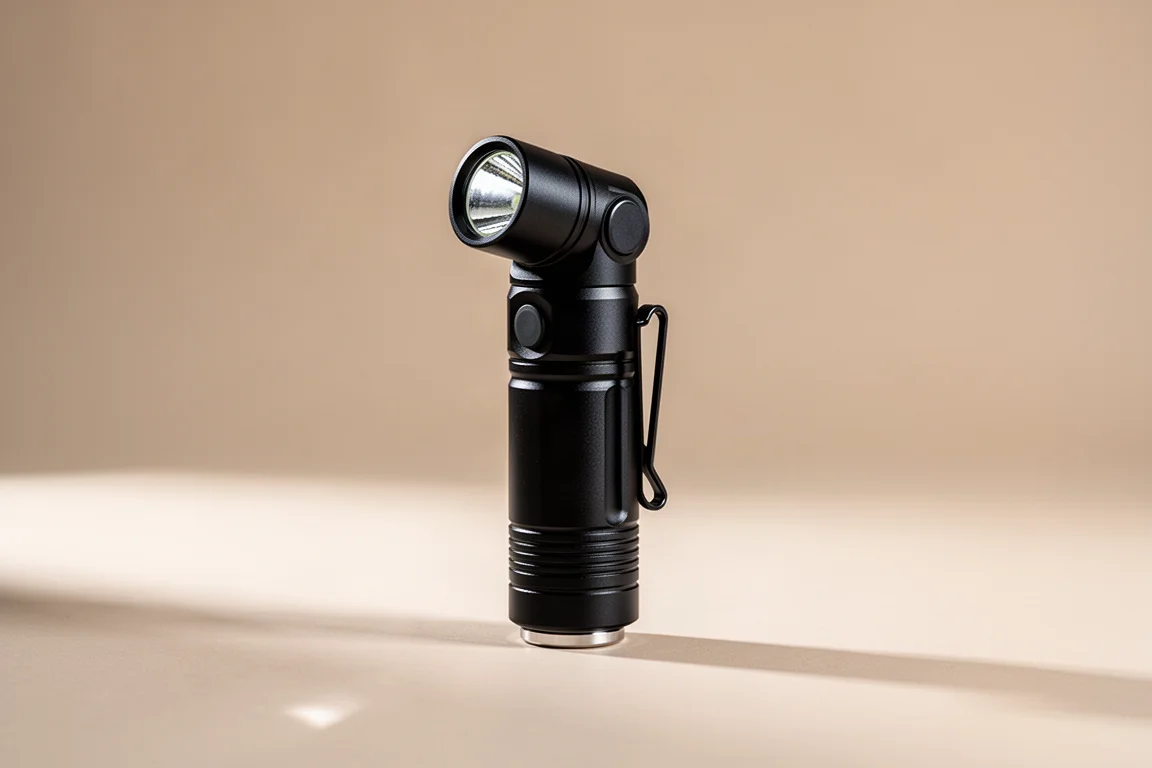
Wuben G5 Review: A Compact Everyday Carry Flashlight
The Wuben G5 is a small, rechargeable flashlight with a pivoting head, magnetic base, and color modes. Here is how it performs as an everyday carry light.