Coffee Equipment
Ninja Cafe Luxe Review: A $500 All-in-One Coffee Machine Worth Considering
The Ninja Cafe Luxe attempts to do everything: espresso, milk steaming, cold brew, and filter coffee. We tested its barista assist technology, grind quality, and real-world usability.
Introduction
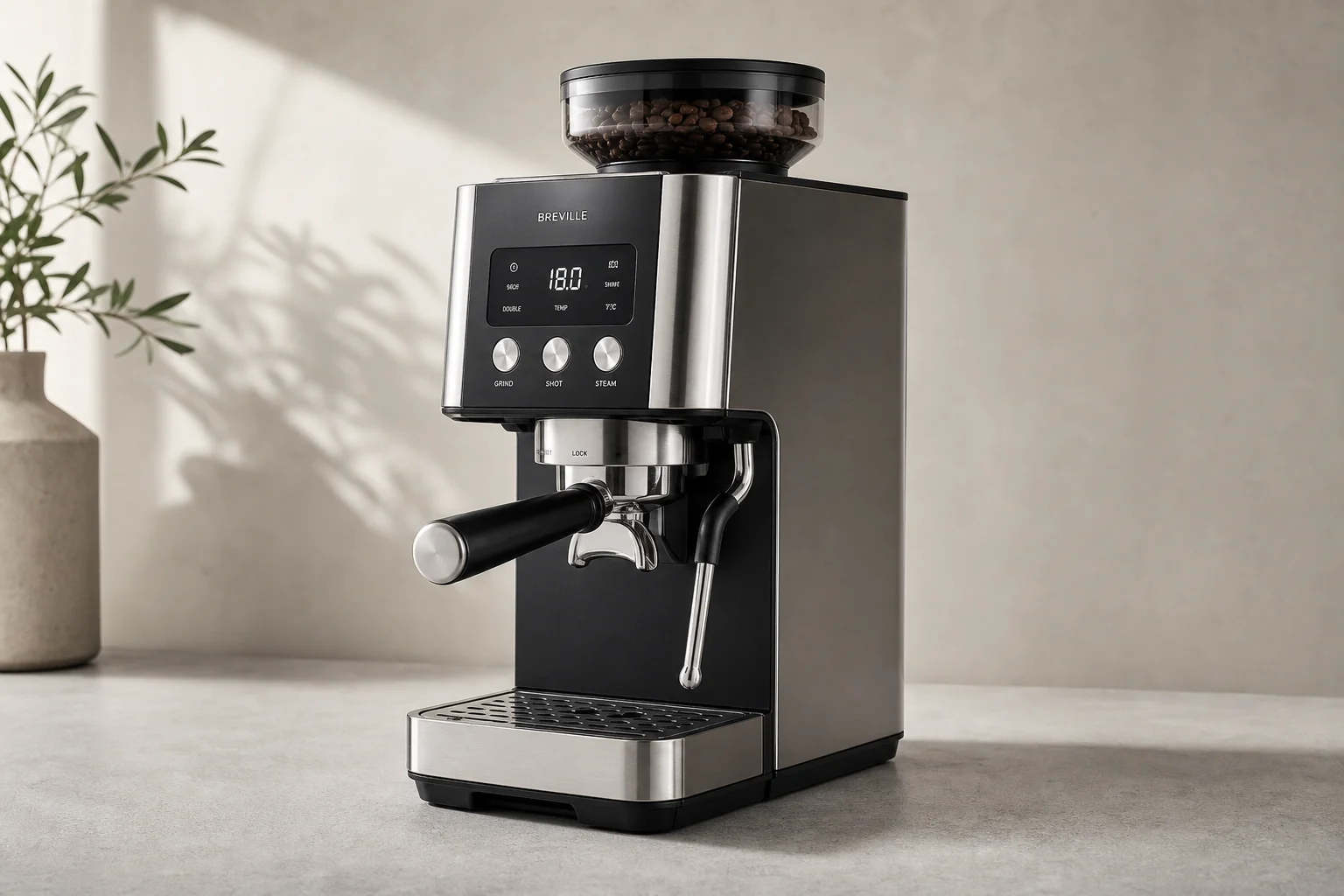
The Ninja Cafe Luxe is a $499 all-in-one beverage station that attempts to handle espresso, milk steaming, cold brew, and filter coffee in a single compact machine. It includes a built-in grinder with weight-based dosing, barista assist technology that recommends grind adjustments, and automatic milk frothing. The question is whether cramming this much functionality into one device results in a genuinely useful tool or a compromised experience.
Espresso Performance and Barista Assist Technology
The core appeal of the Cafe Luxe is its barista assist feature, which displays your current grind setting and recommends adjustments based on how each shot flows. This is genuinely interesting technology at this price point. Most machines in this category do not offer this kind of guidance.
The grinder uses weight-based dosing rather than time-based grinding, which is unusual for a machine at this price. It consistently produces around 17.5 grams of coffee per dose with reasonable repeatability. The machine only begins heating its thermoblock after you grind, which is an efficient design choice.
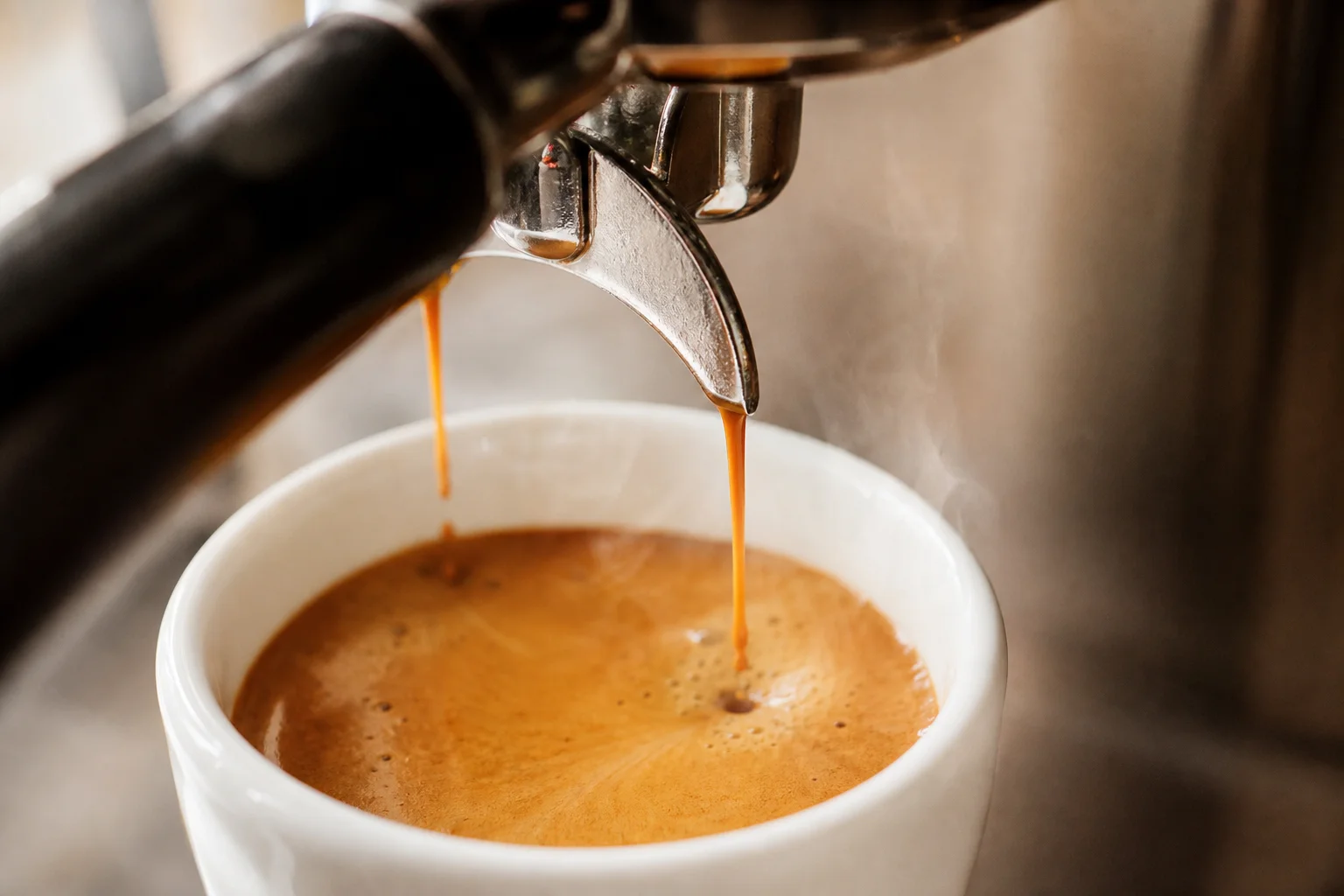
The espresso itself is competent but not exceptional. The barista assist prevents truly bad shots, but the goal appears to be harm reduction rather than optimization. A properly dialed-in shot tastes decent with reasonable texture, though it can lean slightly acidic depending on the coffee used. The conical burr grinder produces acceptable particle distribution, though it does generate some coarser pieces. For comparison, dialing in this machine with a $200 Fellow Opus grinder produced noticeably better-tasting espresso, but the difference was not dramatic.
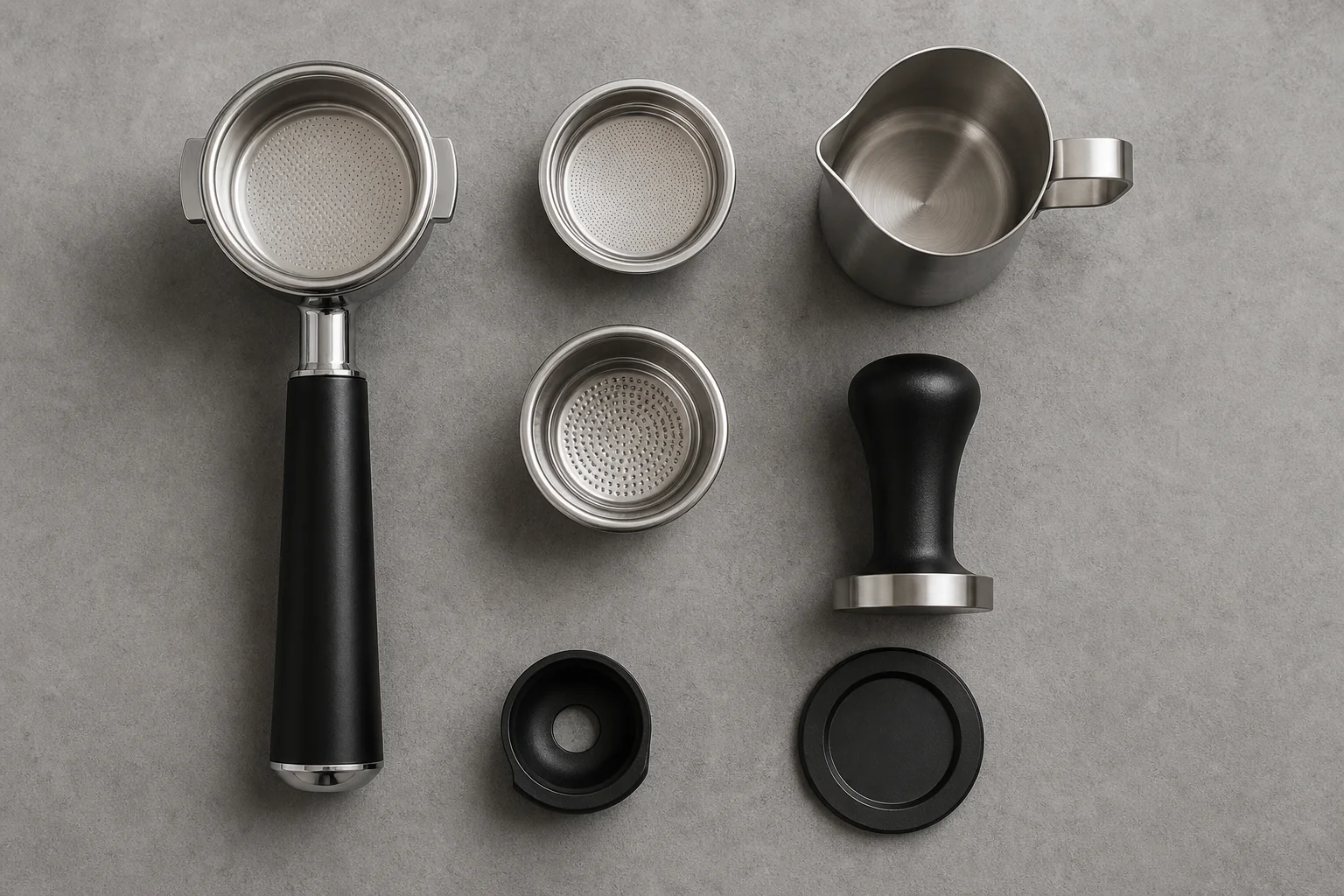
One significant frustration is the two-spout portafilter design. Having two spouts makes sense only if you want to split shots into two cups, but the machine’s narrow design means you cannot actually position two espresso cups underneath simultaneously. This is a puzzling ergonomic oversight.
The quad shot basket allows for larger volumes, but pulling a quad shot through a very tall column of coffee produces less balanced results than a properly pulled double. The machine does handle puck knockout cleanly because it controls the dose precisely, which prevents the loose, messy pucks that plague under-dosed shots.
Milk Steaming and Texture
The Cafe Luxe uses a whisking attachment at the bottom of a proprietary pitcher rather than a traditional steam wand. A small magnet beneath the pitcher spins this attachment to create a vortex during steaming. This approach is simple but slow compared to manual steaming.
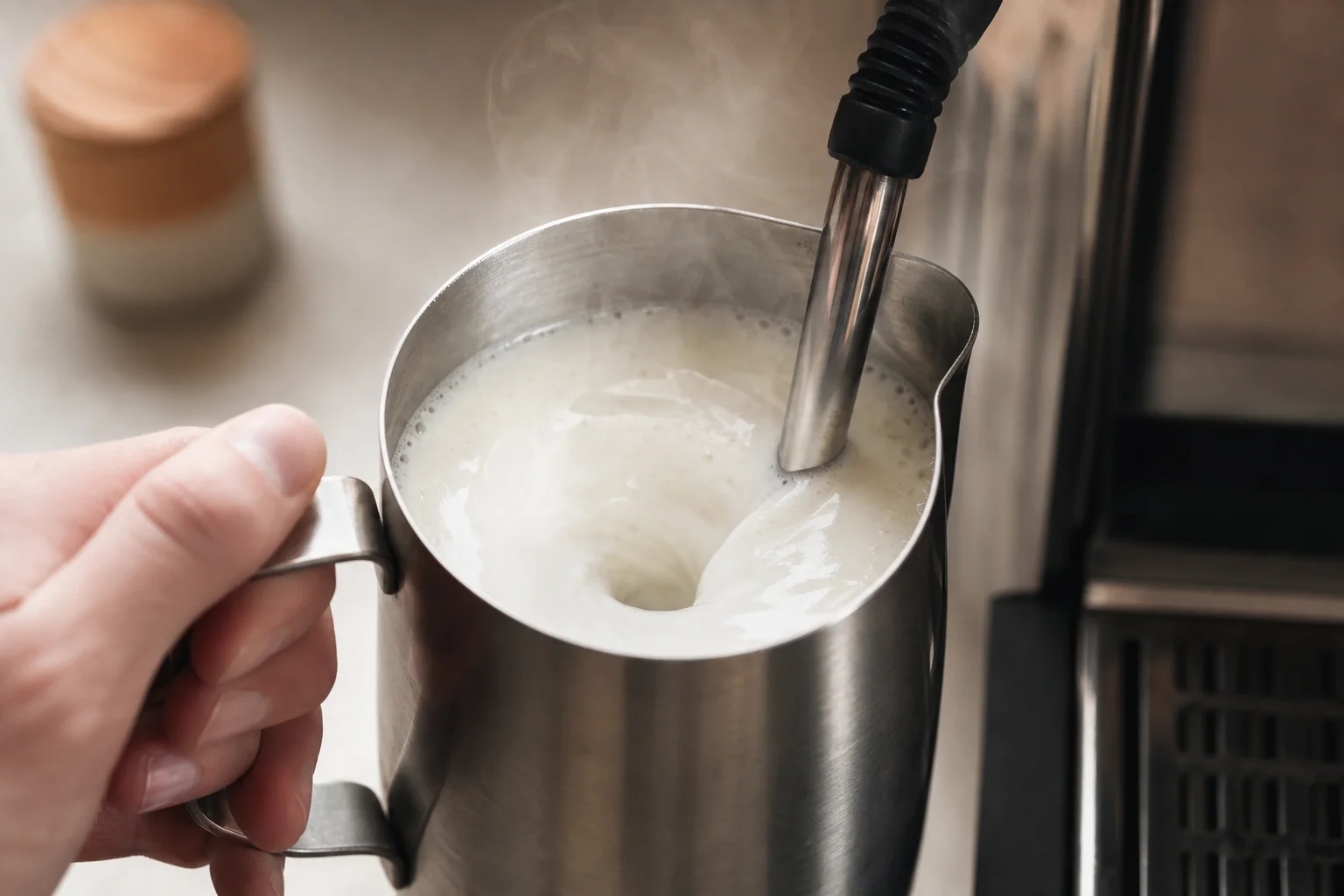
The milk texture produced is genuinely good, significantly better than what you might get from an untrained barista or your first attempts on a manual machine. The steam output is relatively dry, which means it does not over-dilute the milk. Temperature is adjustable through a hidden menu. For a machine that automates milk steaming, the results are respectable, though not quite at the level of what a skilled operator can achieve with a traditional wand.
Filter Coffee and Cold Brew Functions
This is where the Cafe Luxe reveals serious design compromises. The filter coffee function recommends an extremely coarse grind setting (around 25 on the dial), producing pieces substantially larger than what you would use for a typical pour-over. Testing showed that 60 percent by volume of the grounds were above 1.5 millimeters across, compared to around 600 microns for a standard two-cup pour-over.
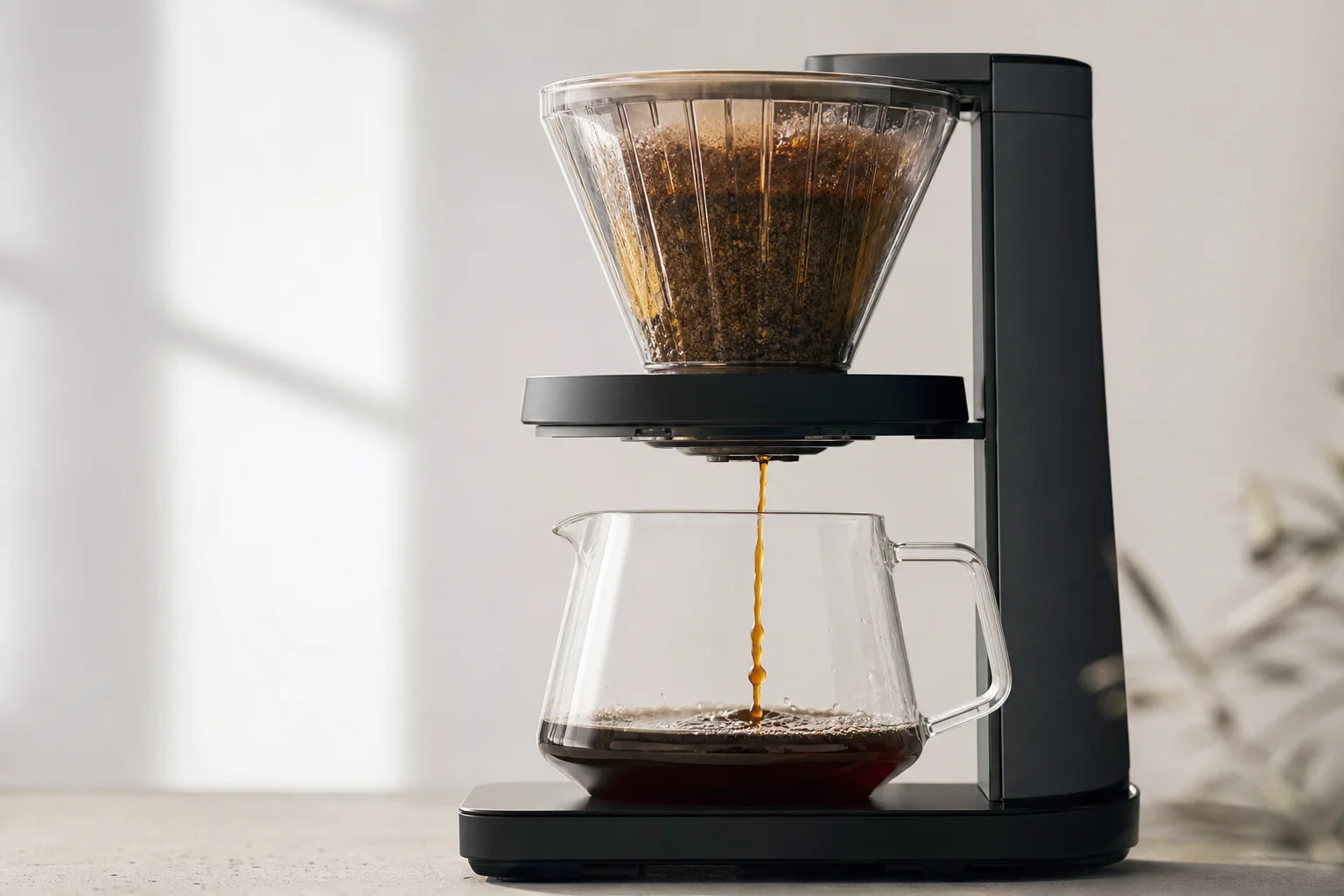
Despite this coarseness, the measured solids content came in at 18.5 to 19 percent, which is technically within the target range of 18 to 22 percent. However, the taste tells a different story. The coffee tastes unbalanced, with both sour and bitter notes, suggesting that fine particles are over-extracted while large pieces remain under-extracted. Uneven pockets in the puck indicate channeling or uneven water distribution.
Attempting to correct this by grinding finer revealed another flaw: the filter coffee function appears to use time-based grinding rather than weight-based dosing. When you adjust the grind setting finer, you receive less coffee, which defeats the purpose of having a weight-based grinder. This suggests two separate engineering teams may have worked on espresso and filter functions without proper integration.
The cold brew and cold pressed functions produce lukewarm liquid rather than actually cold coffee. The taste is underwhelming, and the functionality does not justify the added complexity. You could achieve similar results by simply pulling espresso before your machine reaches full temperature.
Build Quality and Longevity Concerns
The machine feels relatively lightweight and plasticky for a $499 investment. While the hopper and some internal components feel solid, the overall build quality does not inspire confidence in long-term durability. Ninja offers a two-year warranty, and the company does not have a flawless reputation for longevity in some product categories.
The drip tray fills quickly because the machine purges water through the system after each shot, which means you burn through filtered water at a relatively high rate compared to the number of drinks produced. The filter coffee puck does not knock out as cleanly as espresso pucks and often requires rinsing rather than just a towel wipe.
The machine’s narrow, tall design saves counter width but creates ergonomic problems. The tamper and quad basket door require extra clearance on the sides, so you actually need more total counter space than the footprint suggests. The portafilter feels unbalanced compared to standard designs, and the tamping experience for quad shots is awkward because you cannot press down hard enough before hitting the top of the filter.
Who This Machine Is For
The Cafe Luxe makes sense for someone with a $500 budget who genuinely enjoys making coffee and wants to be involved in the process. The barista assist technology is genuinely useful and represents good value at this price point. If you primarily make espresso-based milk drinks and follow the machine’s guidance, you will produce consistently decent results.
However, the machine is less suitable if you want a push-button experience, rely heavily on filter coffee, or expect the machine to last significantly beyond the two-year warranty period. The filter coffee function is seriously flawed and would be outperformed by a basic drip coffee maker. The cold brew functionality is underwhelming and adds unnecessary complexity.
The technology in this machine is exciting and represents a step forward in making home espresso more accessible. Having barista assist at this price point is genuinely valuable, and the idea that you cannot make truly terrible drinks is appealing. If Ninja refines the design in future iterations, focusing on fewer functions with better execution and improved build quality, this could become a genuinely compelling option.
Conclusion
The Ninja Cafe Luxe is maddeningly close to being a great value proposition. The barista assist technology is genuinely useful, and espresso performance is respectable for the price. However, the attempt to do everything has resulted in a cramped, ergonomically flawed machine with serious compromises in filter coffee quality and questionable long-term durability. If you make primarily espresso-based milk drinks and accept the machine’s limitations, you could have a good experience. For everything else, you would be better served by more specialized equipment.
Product link
View more details for Ninja Cafe Luxe
This product is mentioned in the review. Check the specifications, options, and compatibility before buying.
View more details for Ninja Cafe LuxeFurther reading
Related Reviews
Coffee Equipment
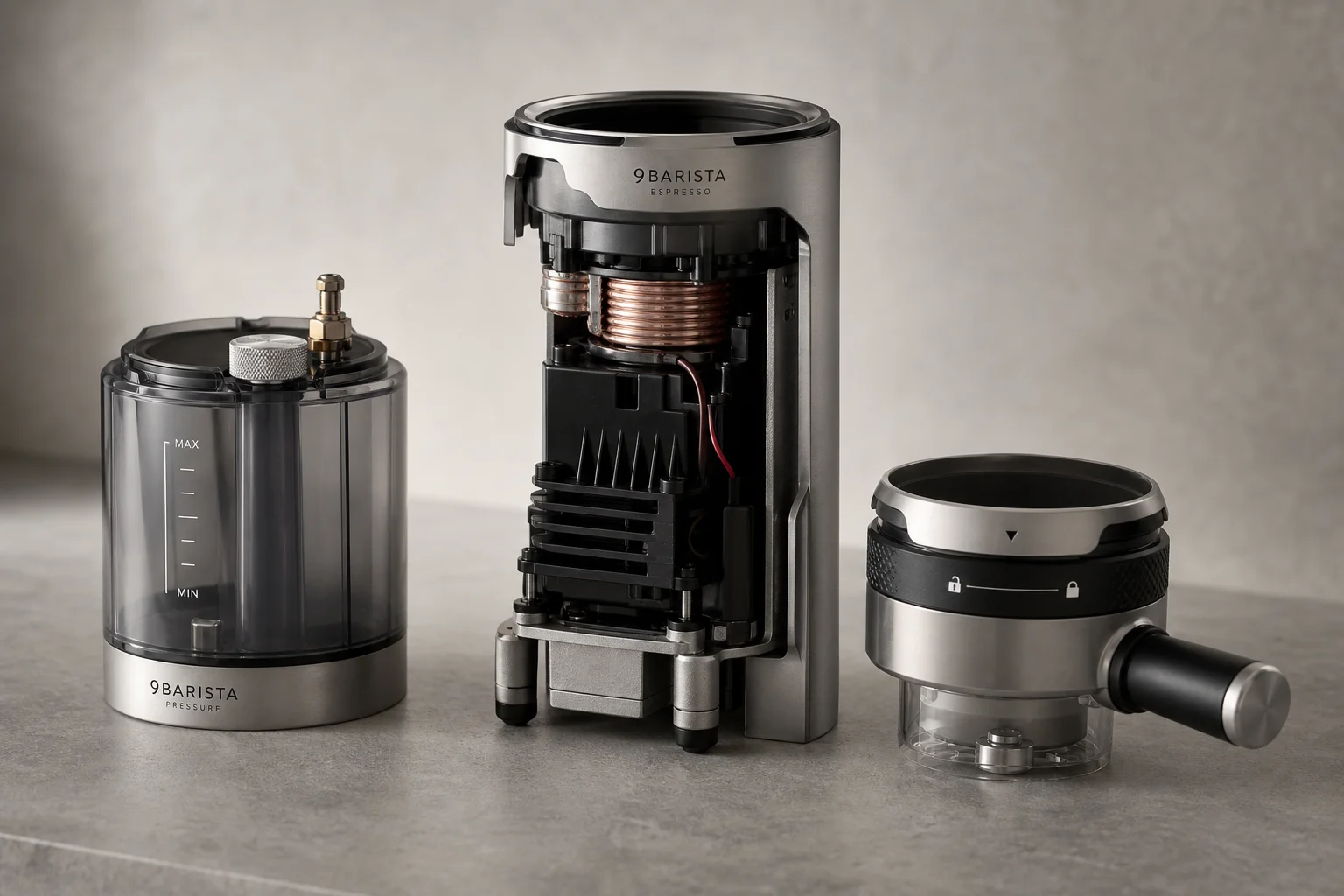
9Barista Espresso Machine Review: Stovetop Espresso for Single-Cup Enthusiasts
A cleverly engineered stovetop espresso maker that generates nine bars of pressure without electricity. Excellent coffee quality, but requires patience and suits solo drinkers only.
Coffee Equipment
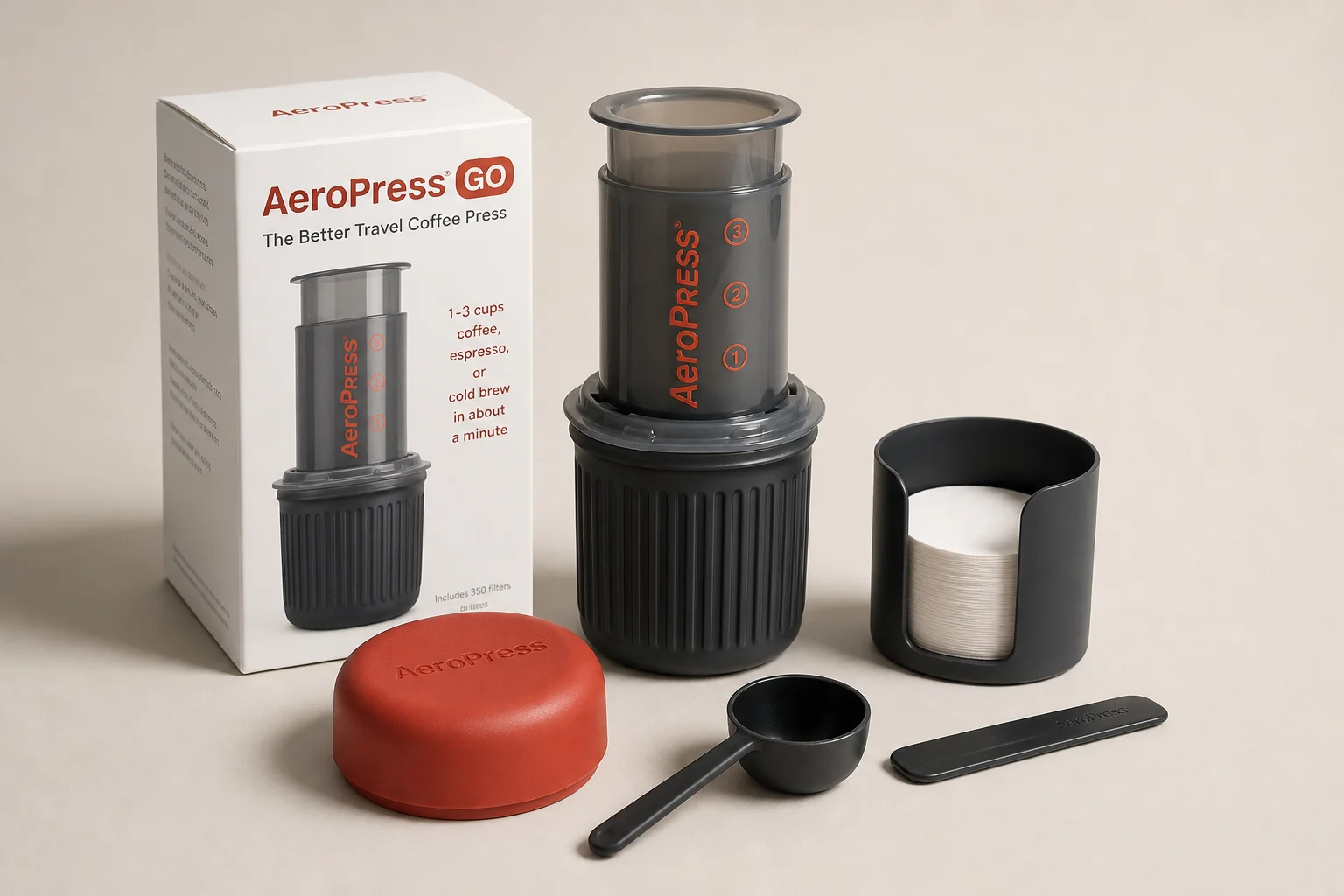
Aeropress Go Review: A Compact Travel Brewer That Solves One Specific Problem
The Aeropress Go shrinks the original design and adds an integrated cup, but it may not address the travel challenges most coffee enthusiasts actually face.
Coffee Equipment
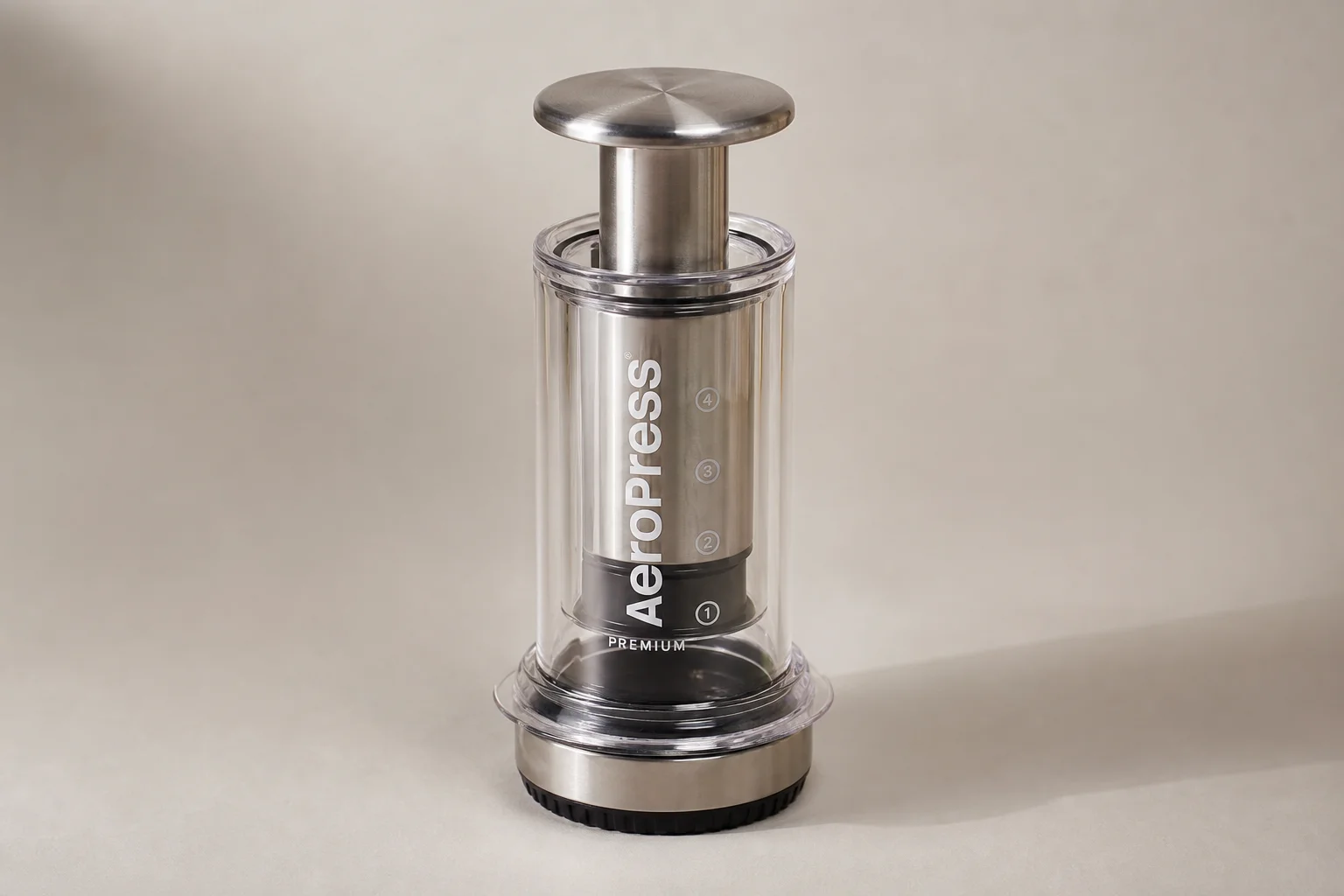
AeroPress Premium Review: Premium Materials, Practical Trade-offs
The AeroPress Premium brings glass and metal construction to a beloved brewer, but trades portability and durability for a more refined feel. Here's what changes in the cup and what matters before you buy.