Gravel Bikes
Niner RLT 9 RDO Review: A Carbon Gravel Bike Built for Long, Fast Courses
A carbon gravel bike tuned for comfort and stability over 100 mile courses, with a full Shimano GRX build and geometry that asks to be guided rather than driven.
Introduction
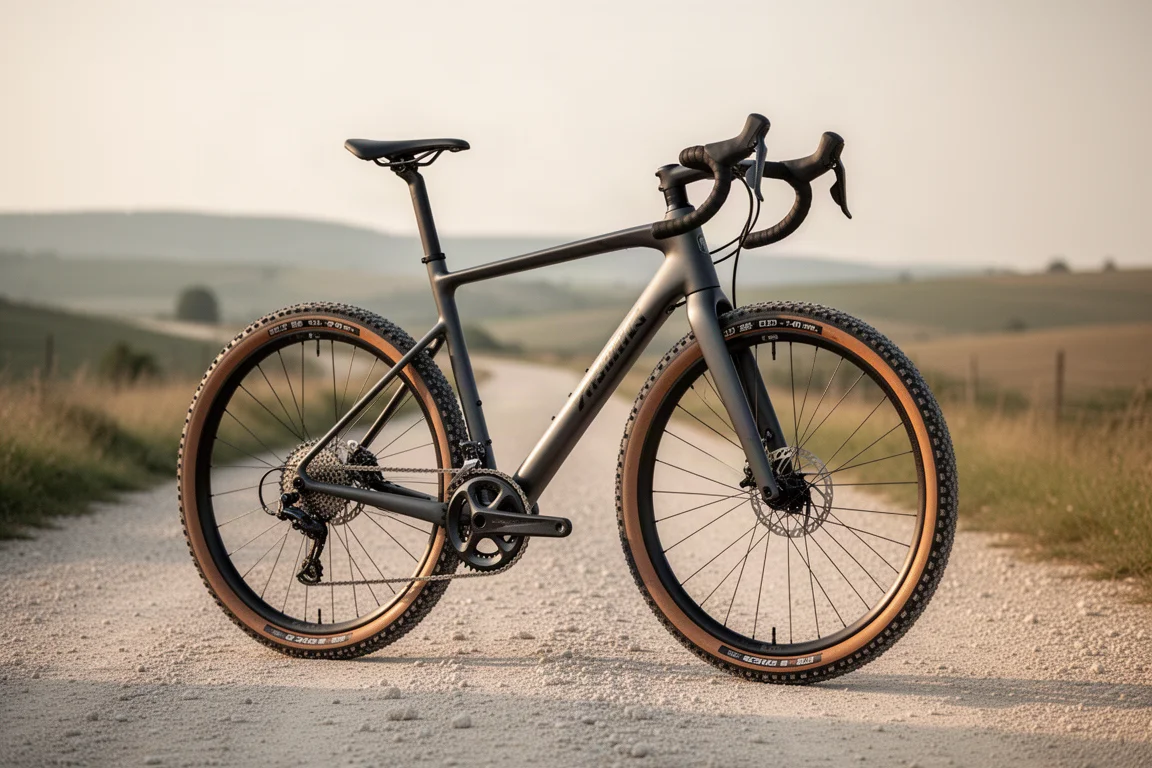
The Niner RLT 9 RDO is a carbon gravel bike built for long, fast, non-technical gravel racing. Its rider arrived from a long background on cyclocross bikes, and after only a couple of weeks of ownership, including a race at Rule of Three in Bentonville, the bike was being prepared for a 100 mile start in the Flint Hills of Kansas.
That context matters more than any spec sheet. This is a bike designed to be sat on for hours, pointed down long straight farm roads, and asked to stay comfortable and predictable rather than sharp and demanding.
Who the Niner RLT 9 RDO Is For
Riders moving from cyclocross to gravel are the clearest fit. Cyclocross bikes ask to be driven: weight forward, constant steering input, attention on every corner. The RLT 9 RDO takes a different approach. With a lower bottom bracket and a slacker front end than a cyclocross frame, it steers with less input and rewards riders who let it run.
That makes it a strong match for events where the terrain is not technical. Long straight roads, gradual bends, and 90 degree farm turns are exactly what this bike was set up for. Riders who want to cover 100 miles without fighting the bike will find more to like here than someone chasing tight, technical cornering speed.

It also suits riders who still want a two chainring drivetrain. The bike runs a full Shimano GRX groupset with 48/31 chainrings, which keeps a big gear available for headwinds and hard, sustained efforts.
Main Strengths
Comfort over distance is the headline. Compared with a cyclocross bike, the RLT 9 RDO is considerably more comfortable and more stable across a 100 mile course, and that combination should translate into less fatigue by the end of a long race day.
Stability is the second strength. The geometry does not demand constant correction, so riders can hold a line through long flat sections and take gradual turns without a lot of steering work.
The build itself is straightforward and race ready: a full Shimano GRX groupset, 48/31 chainrings, and 160 mm rotors. Nothing here needs explaining or adapting to, which is useful when the priority is simply getting to the finish.
Handling and Stability on Long Gravel Courses
The handling character is the part that takes adjusting to. Riders used to cyclocross bikes tend to push the front wheel into corners and drive the bike through turns. On the RLT 9 RDO that approach does not translate. The bike prefers to be guided rather than forced, and once a rider stops fighting it, the payoff is a calmer and less tiring ride.
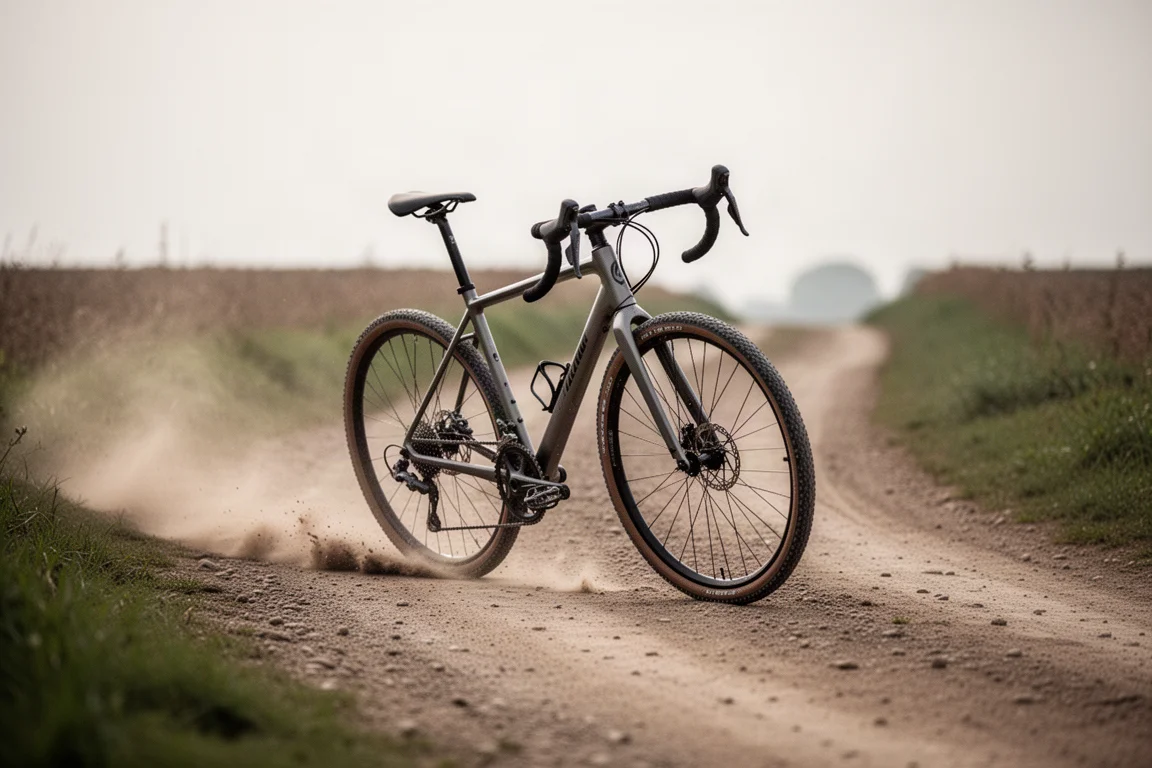
On the kind of course this bike was prepared for, that trade usually works in the rider’s favour. Long straight roads and occasional 90 degree turns do not reward aggressive cornering, and extra stability is worth more over 100 miles than sharp turn-in. Where the bike is less at home is tight, technical, single track style cornering, where the sharper manners of a cyclocross frame hold the advantage.
Drivetrain and Braking Setup
The drivetrain is a full Shimano GRX group with a 48/31 two chainring setup. For riders who like a big gear for headwinds and hard, sustained riding, that combination stays appealing at a time when many gravel bikes have moved to a single ring.
Braking is handled by 160 mm rotors. On a course of long straight roads and only occasional turns, the brakes are unlikely to be worked hard, but the larger rotors leave headroom for long descents and loose surfaces where more stopping power is welcome.
Things to Consider Before Buying
The geometry change is the first thing to weigh. A lower bottom bracket and a slacker front end make the bike stable and comfortable, but riders who enjoy the quick, front-driven feel of a cyclocross bike may find the RLT 9 RDO less engaging to steer. It is a bike to sit on, not a bike to wrestle.
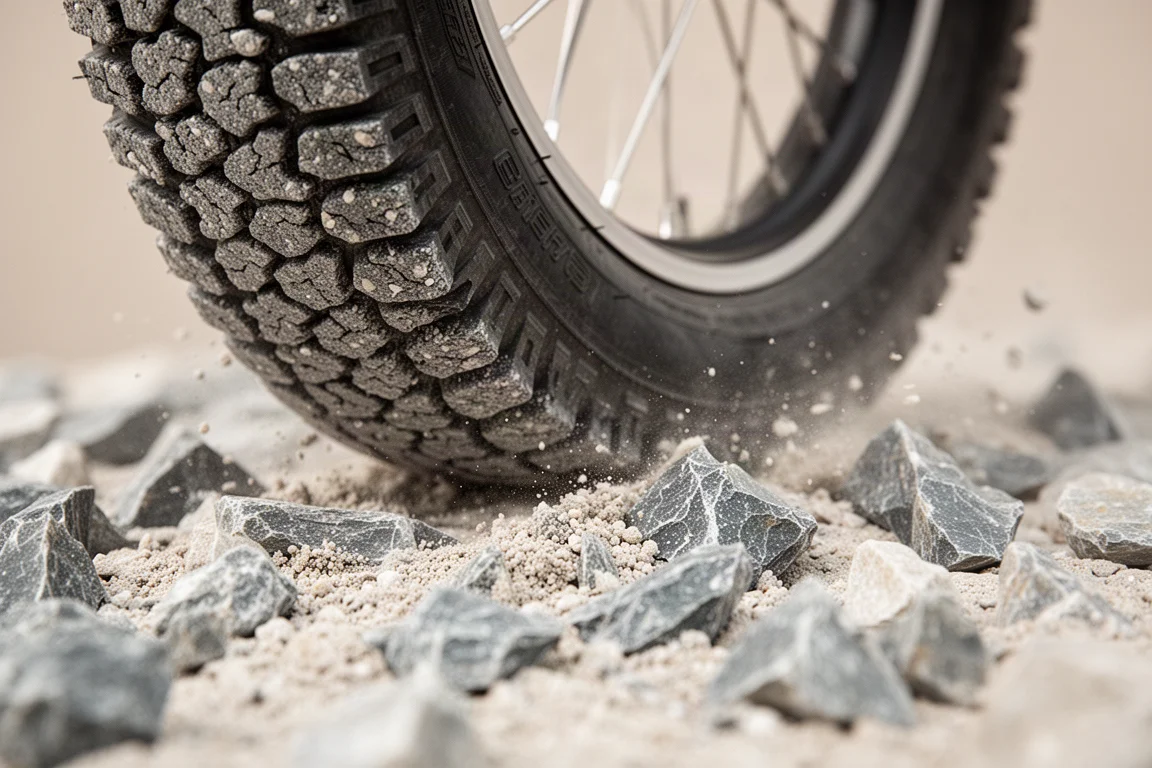
Tire durability on sharp gravel is the second consideration. Flint Hills rock is sharp, and the main risk is not a thorn puncture but a cut or torn sidewall. Riders who are hard on their equipment, or who ride with less precise line choice, are more likely to damage tires than lighter, smoother riders.
Conditions also change the setup. Heavy clay can pack around wheels and frame and needs to be scraped clear, and rain can turn a course into something far slower and more demanding than a dry day.
Tire Setup and Pressure Notes
The setup used here is 40 mm tires mounted tubeless with sealant and no foam insert inside. The sidewalls have been coated to add protection against cuts from sharp rock, on the basis that sidewall damage is the likelier failure than a direct puncture.
Pressure is a judgement call. Around 30 psi in the rear and 25 psi in the front is a reasonable starting point for a lighter rider. Lower pressure brings more comfort and more traction in mud, but higher pressure is safer when riding in a group, where riders follow wheels and cannot always see the potholes and rocks ahead.
Buying Advice
The RLT 9 RDO makes the most sense for riders whose priority is finishing long gravel races in reasonable comfort. If the plan involves 100 mile courses with long straight roads, gradual turns, and a mix of dry and wet conditions, the bike’s stability and comfort are the qualities that will matter most by the end of the day.
Riders who spend most of their time on tight, technical terrain, or who specifically want the sharp, front-driven handling of a cyclocross bike, should think carefully about whether the more relaxed geometry suits them. Riders who want a two chainring drivetrain and a full Shimano GRX build will find the setup familiar and practical.
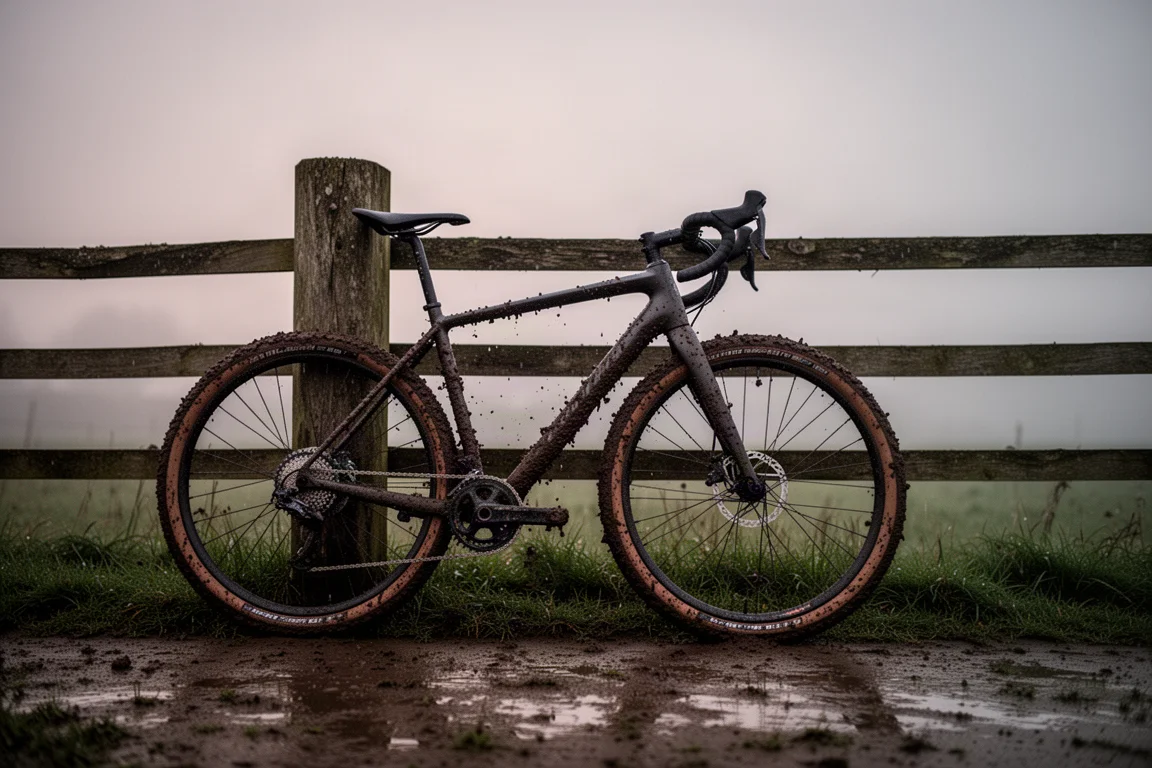
It is also worth planning the details around the bike: tire choice and sidewall protection, a pressure starting point, and a way to clear packed clay if conditions turn wet. Those small decisions often influence a long gravel race more than the frame itself.
Conclusion
The Niner RLT 9 RDO is a carbon gravel bike tuned for comfort and stability over long, non-technical courses. Riders coming from cyclocross will notice the difference immediately, and most will appreciate it once they stop trying to drive the bike through every turn. Match it to the right terrain and the right expectations, and it is a convincing platform for a 100 mile gravel race.
Product link
View more details for Niner RLT 9 RDO
This product is mentioned in the review. Check the specifications, options, and compatibility before buying.
View more details for Niner RLT 9 RDOFurther reading
Related Reviews
Gravel Bikes
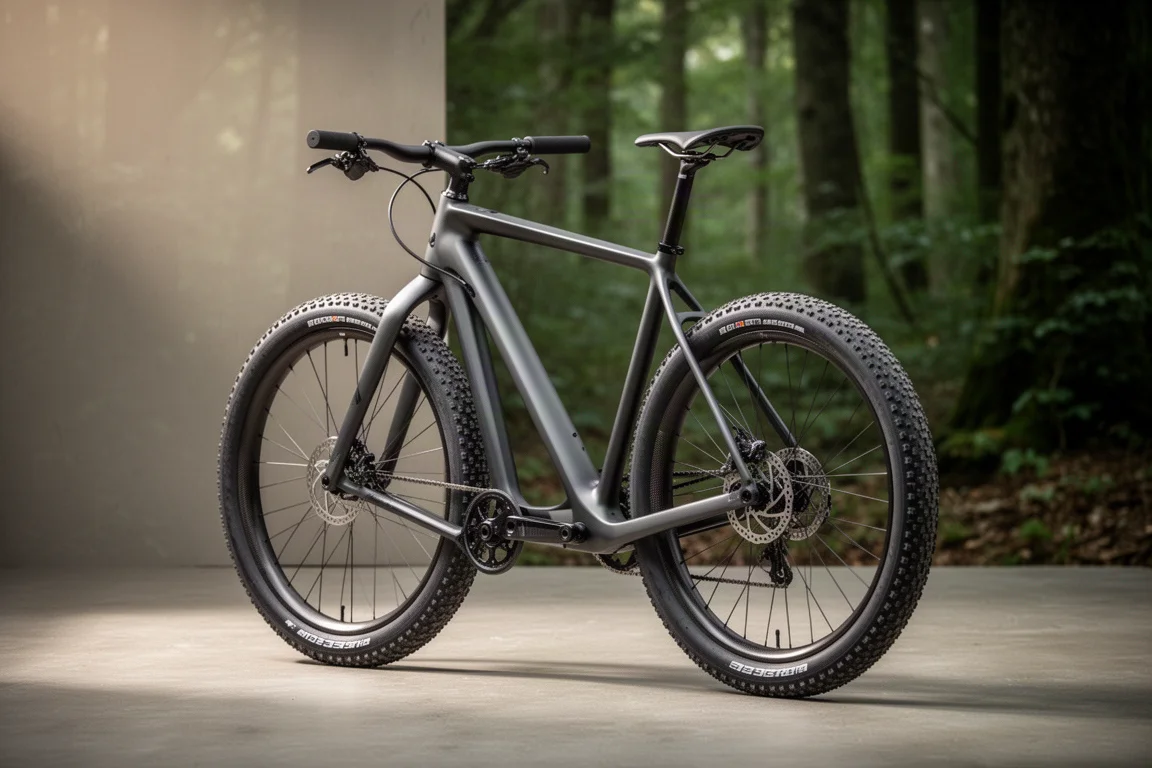
3T Exploro Ultra Review: A Fast Gravel Bike Built for Big Tyres
A close look at the 3T Exploro Ultra, an aero carbon gravel bike designed around wide tyres, with road-like handling, a 980 g frame and genuine rough-terrain capability.
Gravel Bikes
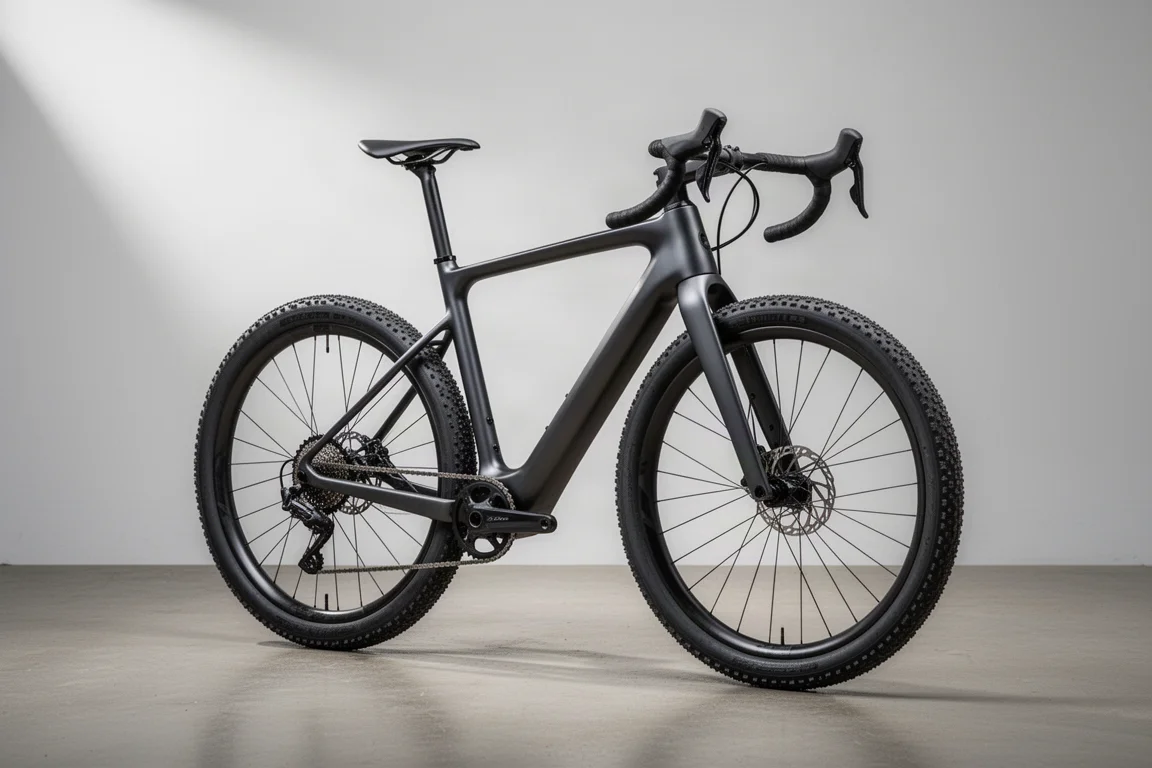
3T Extrema Italia Review: Aero Gravel Speed With Room for 57 mm Tires
The 3T Extrema Italia pairs an aero frame with huge tire clearance, Italian-made carbon and a more comfortable ride than the RaceMax. Here is what to know before buying.
Gravel Bikes
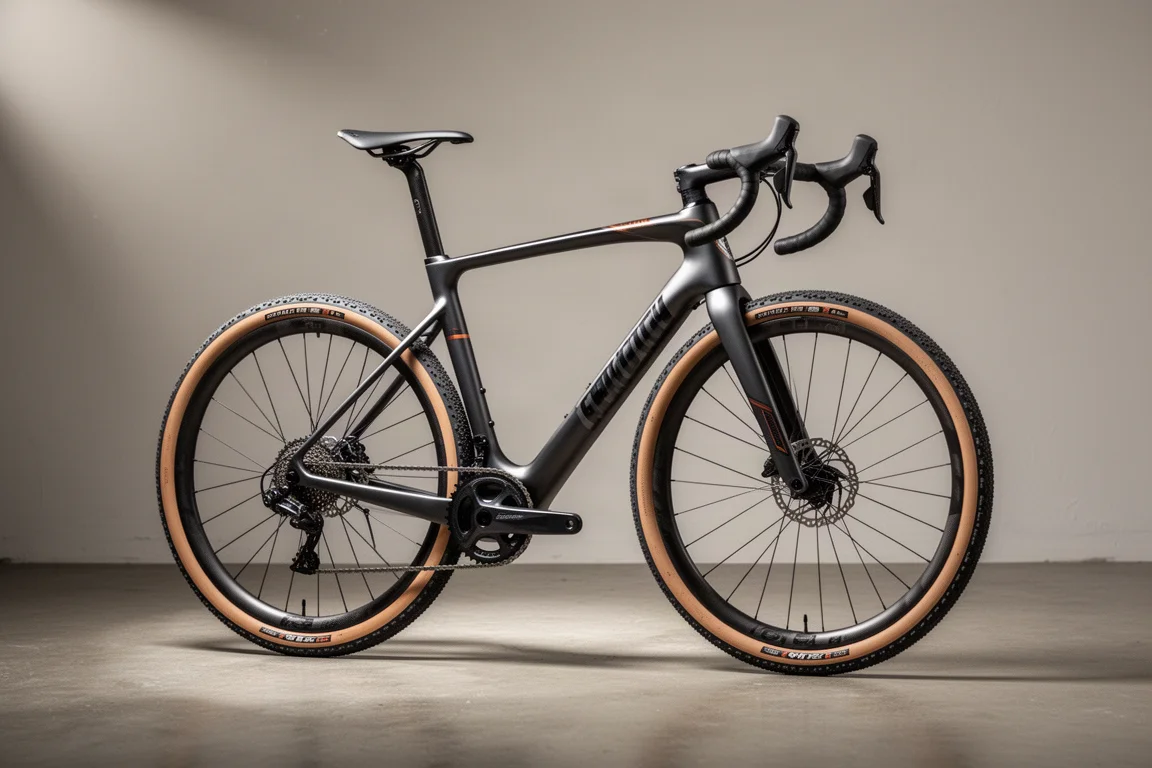
3T Race Max 2 Italia Review: An Aero Gravel Race Bike Made in Italy
A closer look at the second-generation 3T Race Max 2 Italia, covering its aero updates, ride character, tire clearance, internal storage and who it suits.