Running Gear
Night Run Gear Roundup: Running Shoes, GPS Watches and Open-Ear Headphones Put to the Test
Six pieces of running gear tested on a dark 10K, from two speedy trainers and a premium GPS watch to open-ear headphones that survive a hard effort.
Introduction
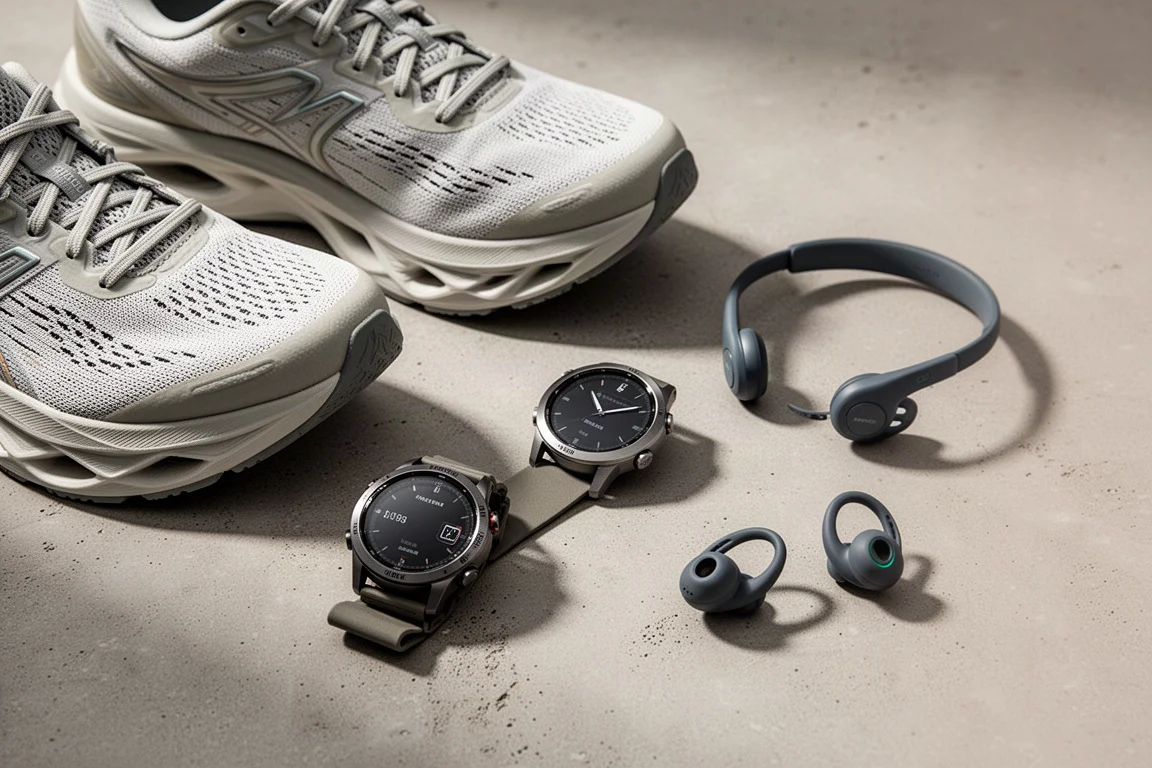
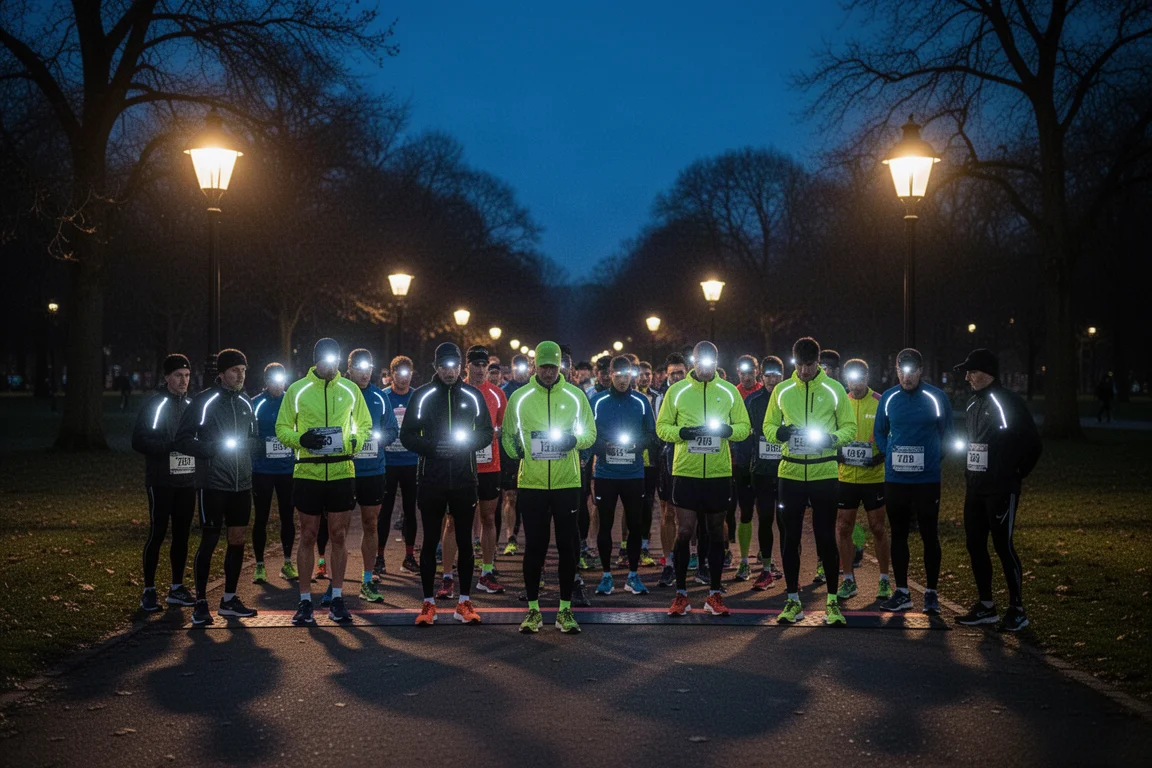
Night runs are a great excuse to stress-test gear. On a recent 10K run around a well-lit park loop after dark, a group of testers put a mix of running shoes, GPS watches and headphones through their paces, including a race start in multi-band GPS mode and several open-ear audio options. The results were a mixed bag: some kit performed exactly as hoped, one watch refused to start, and one pair of headphones turned out to be a genuine surprise.
The Test: A Dark 10K Around the Meadows
The setting was a 10K night event, well lit but dark enough to change how everything felt: pace perception, grip on wet leaves, and how headphones behave over a hard effort. That makes it a useful real-world filter for gear aimed at runners who train early in the morning or after work, when conditions are rarely perfect.
Asics Magic Speed 2
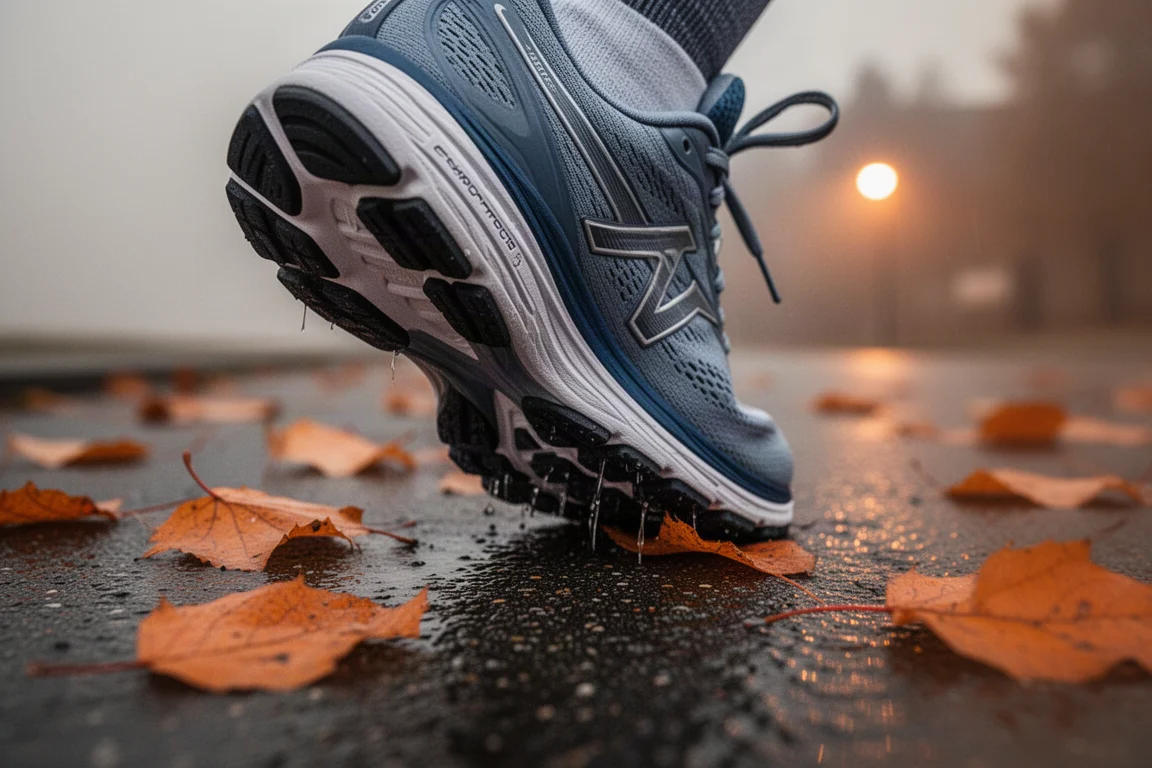
The original Magic Speed earned a reputation as a firm, snappy trainer that raced well despite its stiff character. The Magic Speed 2 shifts the balance: the cushioning is more noticeable, the ride feels softer, and that extra compliance was felt more in the calves after the effort.
The outsole is a meaningful change, now borrowed from the Metaspeed Sky Plus. Around corners and on wet surfaces with plenty of fallen leaves, grip felt excellent. The remaining open question is how it stacks up against other speedy daily trainers over more miles, but it is clearly more comfortable to run in than its predecessor.
View more details for Asics Magic Speed 2
Hoka Mach 5
The Mach 5 came back into rotation recently and offered a natural comparison point on this run. It got the tester through the 10K comfortably, with a ride that felt easy to settle into over the distance.
Polar Ignite 3
This was the night’s cautionary tale. The Ignite 3 would not start a workout because the battery was not charged enough, and when a start was attempted, the touchscreen tap failed to register, so the session never recorded at all. Touchscreen race starts are notoriously fiddly, and on this occasion it cost a full activity. The lesson: charge the night before and have a button-based start you trust.
Garmin MARQ Athlete
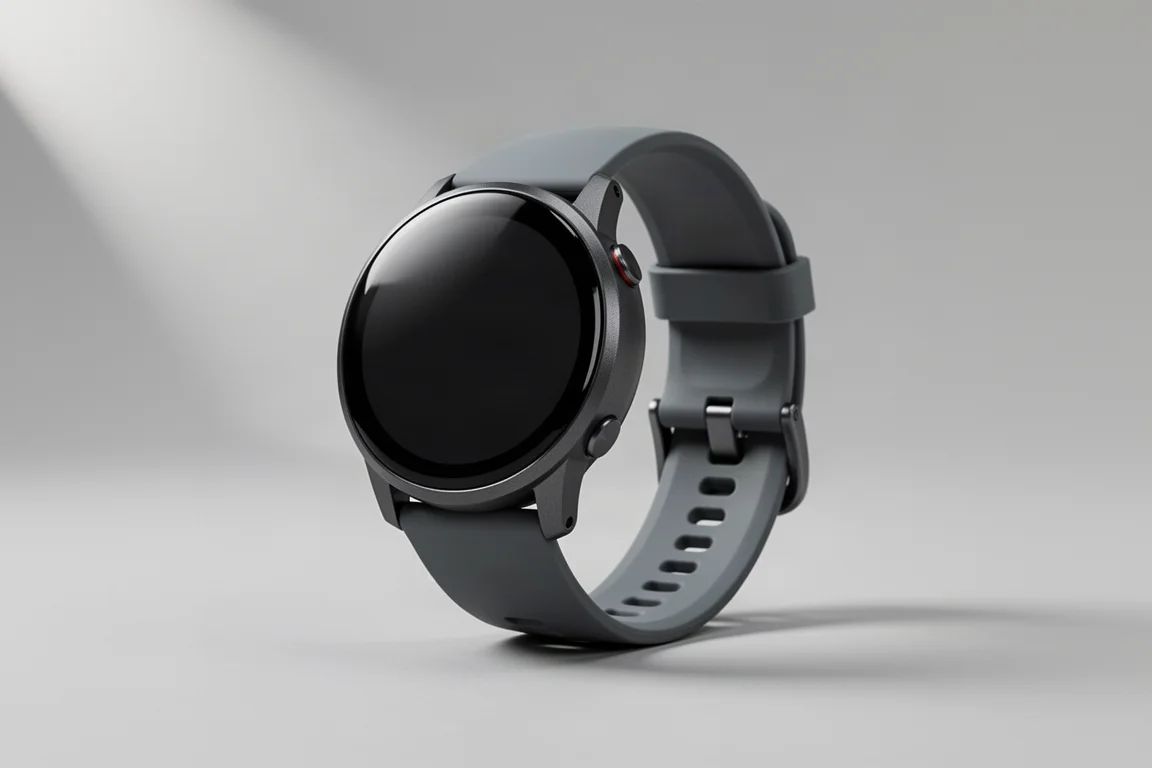
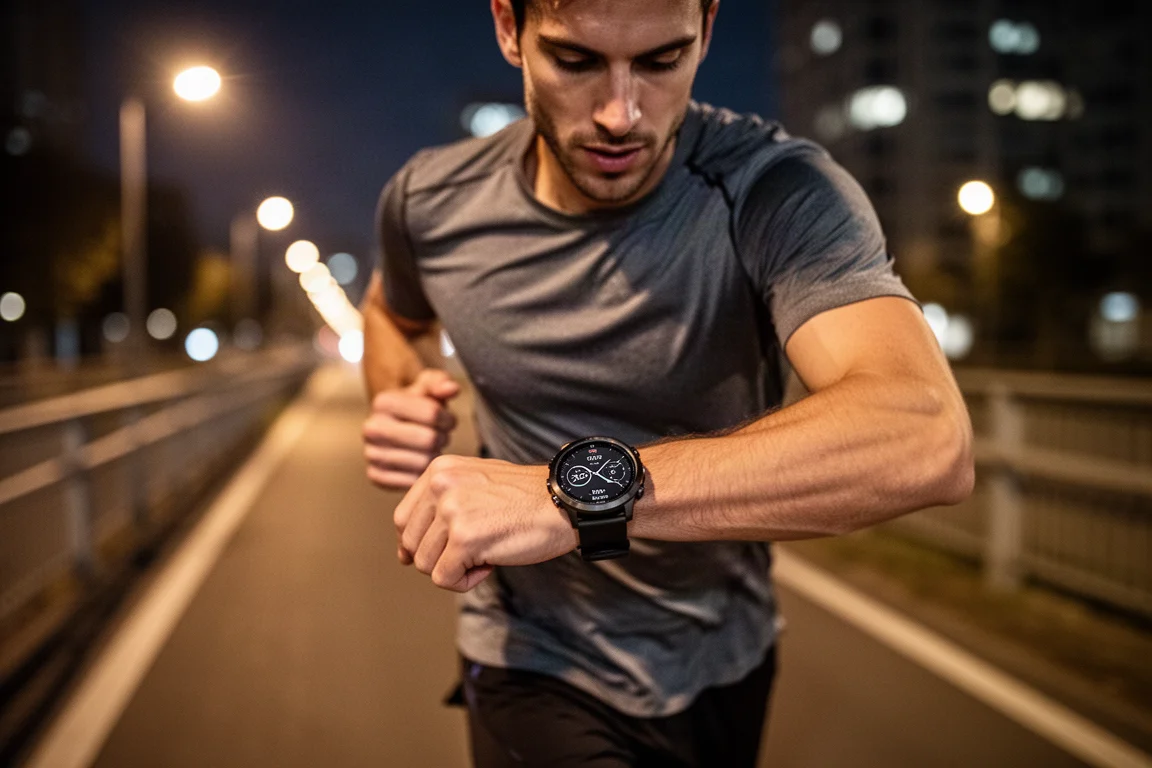
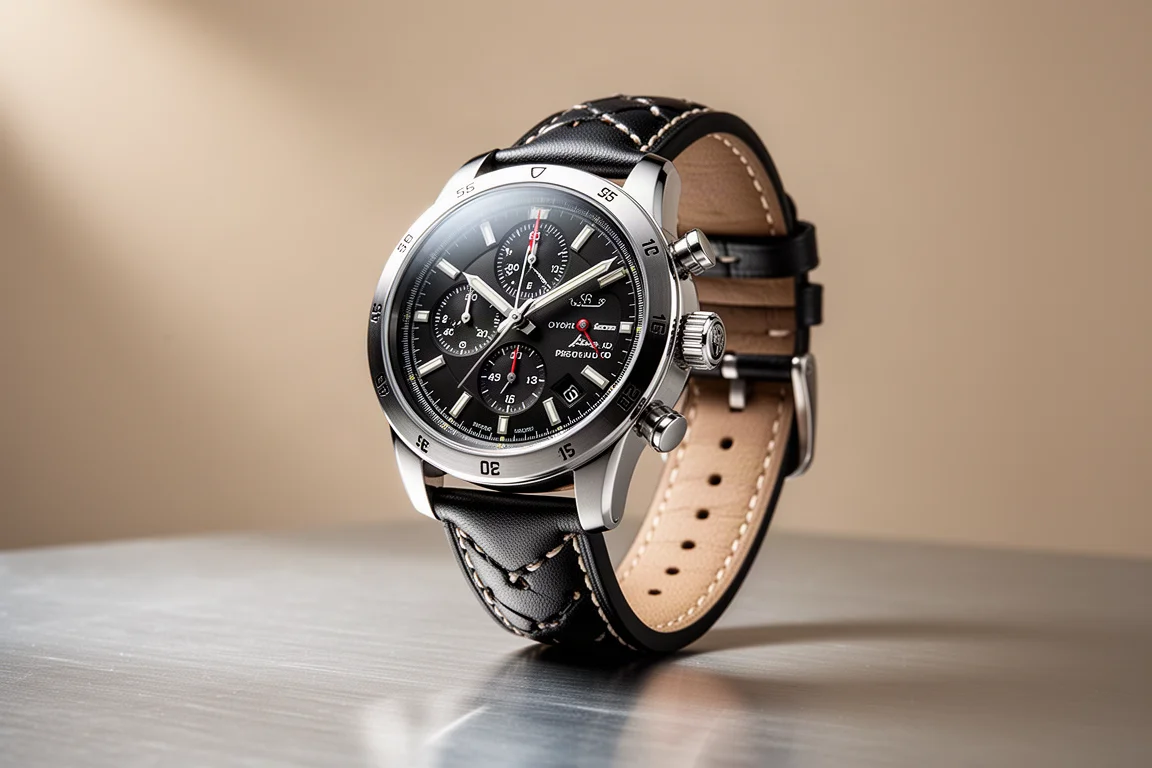
The MARQ Athlete delivered a very strong night. It was run in multi-band mode for the full race, and from what was visible during the event, GPS coverage and the recorded route looked spot-on for a dark, tree-lined course.
The main trade-off is size. The tester noted preferring the smaller form factor of watches like the Epix, so the MARQ is a case of excellent accuracy in a larger, more premium body. For runners who prioritize the best possible track on mixed terrain, it was hard to fault on the run itself.
Shokz OpenRun Pro Mini
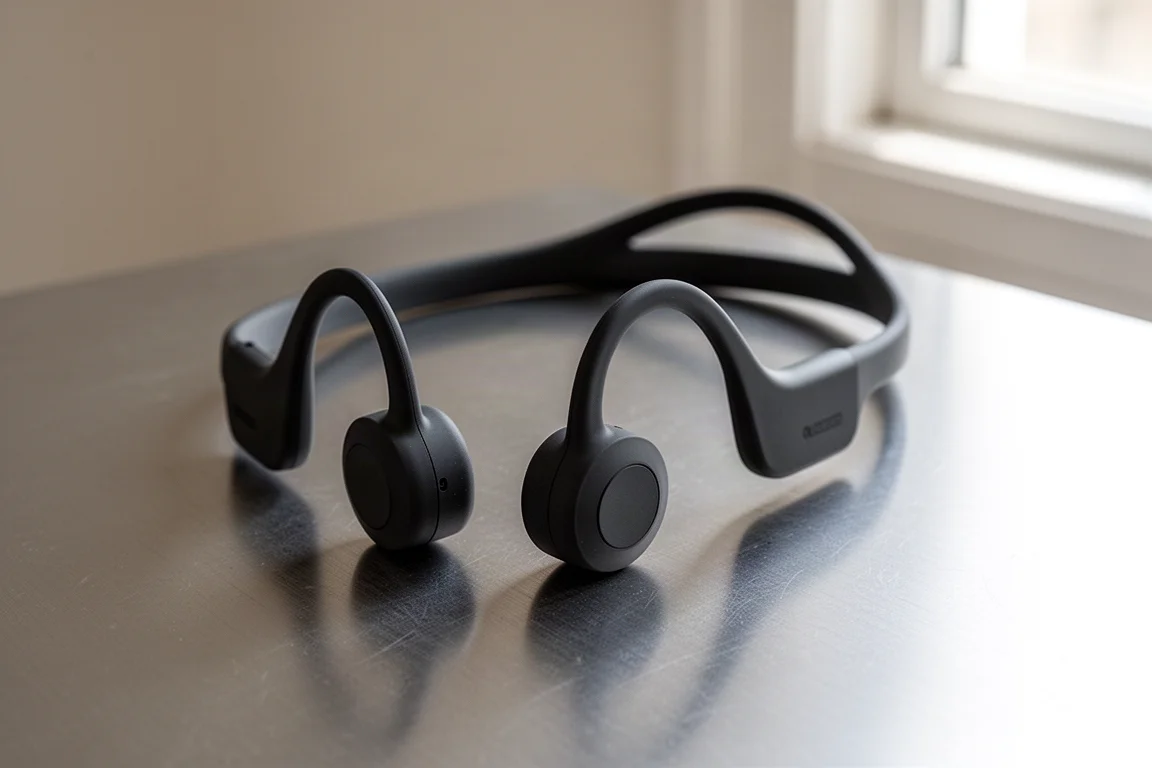
The OpenRun Pro Mini has been in regular testing and came along for the race. The verdict after a hard 10K: the sound profile feels very similar to the standard OpenRun Pro, with the Mini offering a slightly better fit, and it sits comfortably under a headband, which matters on cold nights.
If you want the OpenRun Pro sound in a more compact package, that is essentially what you get. It is a refinement rather than a reinvention, and for many runners that will be enough.
Oladance Open Ear Headphones
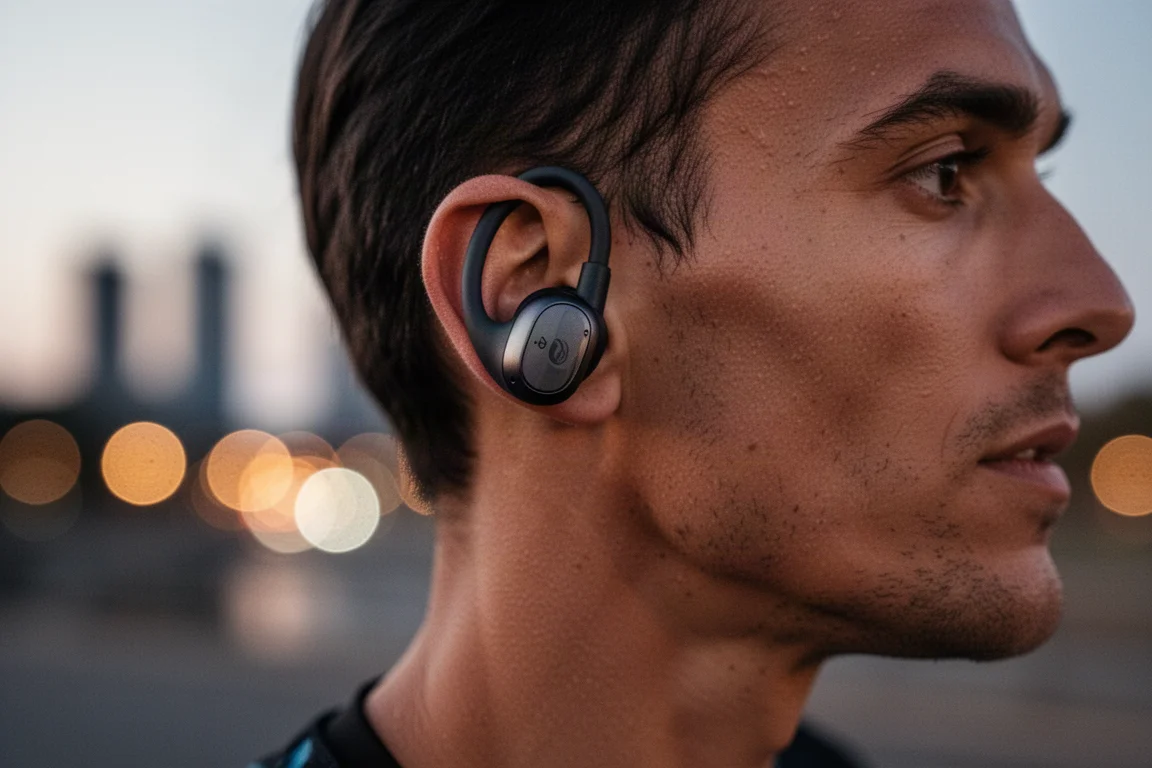
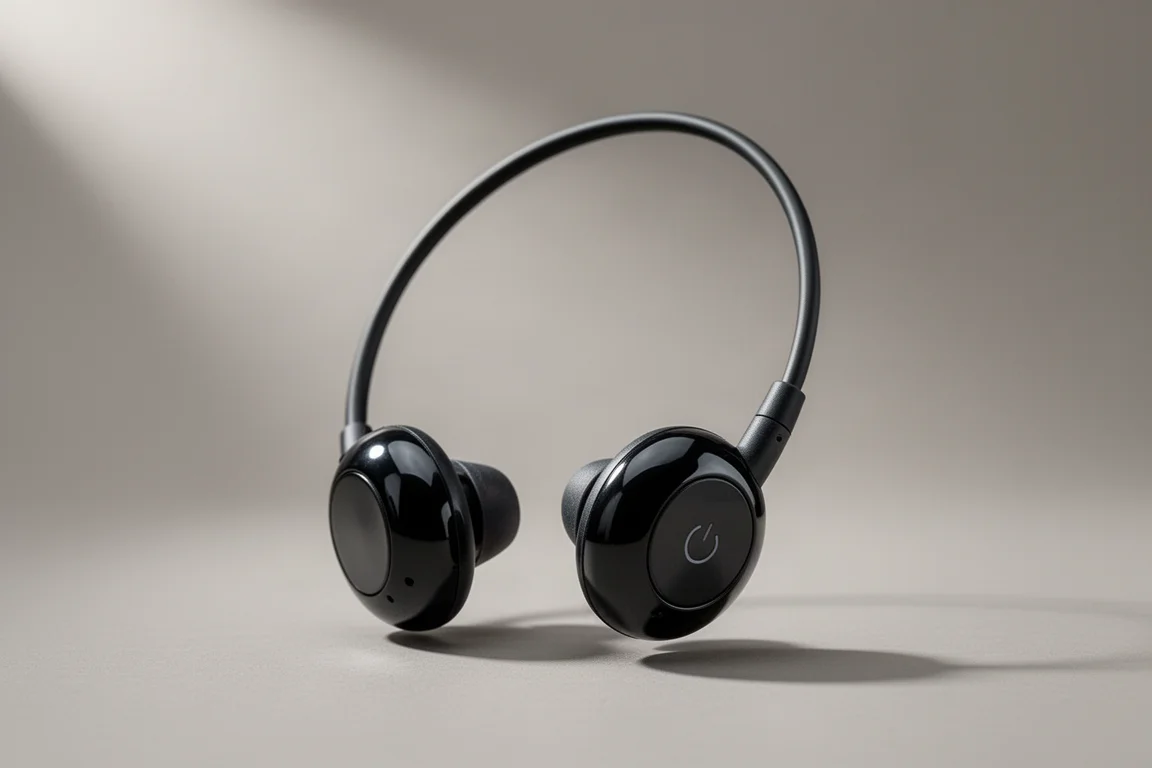
The Oladance open-ear headphones were the standout surprise of the night. They sit on top of the ear rather than in it, and the tester called them the best-sounding open headphones encountered so far. Music quality is genuinely strong, full and motivational over a race effort, and notably better than a lot of competing open-ear designs.
The physical controls worked reliably too, which is more than could be said for the watches that night. The big caveat is price: at around £200, they are an expensive proposition, and the styling may not suit everyone. A fuller review is planned, but as a first impression on a real run, they impressed.
Buying Advice
For a fast daily trainer, the Magic Speed 2 now trades some of its predecessor’s firm snap for comfort and excellent outsole grip. The Mach 5 remains a comfortable option to keep in rotation. On the watch side, the MARQ Athlete justified its premium positioning with multi-band GPS accuracy, while the Ignite 3’s failed start is a reminder to prioritize reliability features like buttons over touchscreen-only starts. For audio, open-ear designs keep you aware of traffic at night: the Shokz OpenRun Pro Mini is the safer, more familiar pick, and the Oladance is the one to watch if sound quality is your priority and budget allows.
Conclusion
A single dark 10K is not a definitive lab test, but it separates gear that works from gear that gets in the way. The Magic Speed 2, MARQ Athlete and Oladance headphones all left a strong impression, the Mach 5 and OpenRun Pro Mini confirmed their reputations, and the Ignite 3 showed how a small reliability issue can erase an entire session. Match the kit to your own runs, and prioritize reliability for race day.
Further reading
Related Reviews

Running Gear
Best Running Caps 2026: Nine Tested Options for Summer and Winter
A comprehensive guide to nine running caps tested across different conditions, from lightweight summer options to waterproof winter choices.

Running Gear
Best Running Caps: A Guide to Summer and Winter Options
A comprehensive review of nine running caps for different conditions, styles, and preferences, from lightweight summer options to waterproof winter choices.
Running Gear
Best Running Gear 2026: Five Picks That Earn Their Place
Five running upgrades covering heart rate, audio, fuelling, carrying and weather protection, with the trade-offs worth knowing before you buy.