Kitchen Knives
Five New Nigara Hamono Knives Worth a Close Look
A fresh batch of Nigara Hamono blades has landed, including an Anmon Damascus gyuto pair, two long sujihikis, and a uniquely finished santoku.
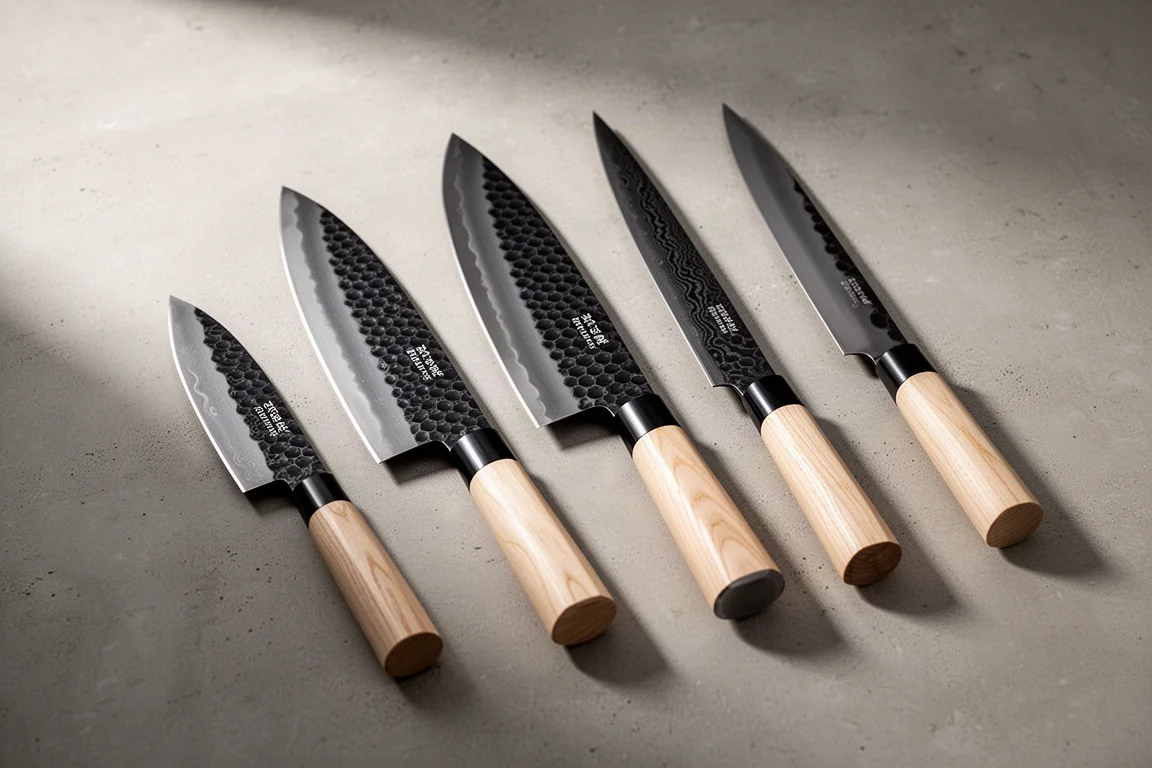
Introduction
A new batch of knives from Nigara Hamono has arrived, and it covers a lot of ground: a santoku-style slicer with an unusual finish, two gyutos in the forge’s signature Anmon Damascus pattern, and two long sujihikis with very different tip styles. Every blade in the group shares the same core recipe, R2 steel, Western-style maple handles, full tang construction, and the exceptionally thin edge geometry the smithy is known for. Here is how each one stands out.
Sujihiki Santoku 180mm
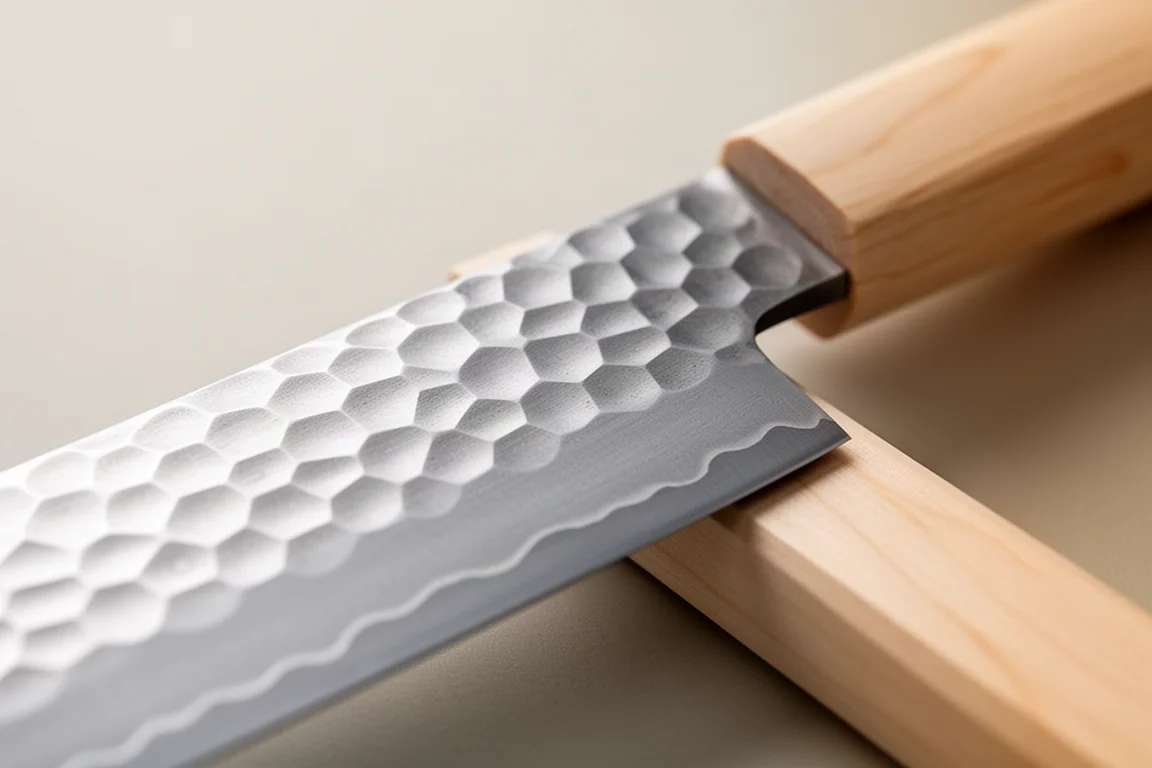
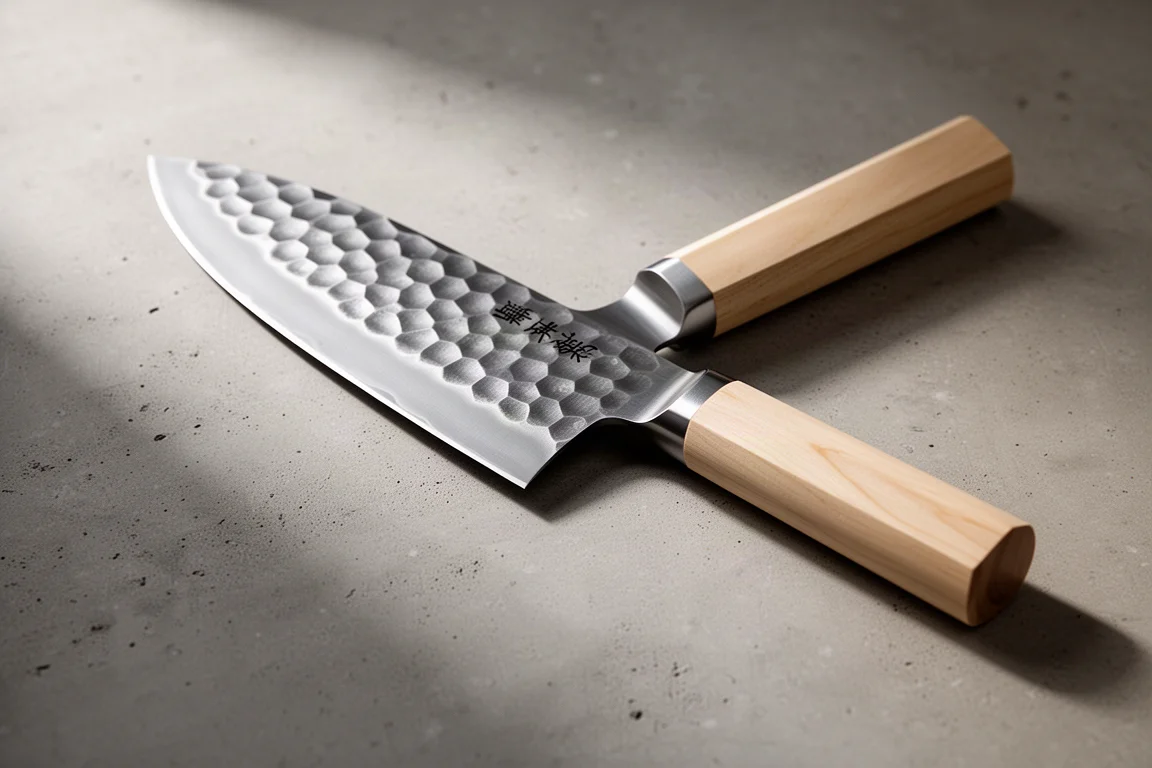
The 180mm Sujihiki Santoku is the only knife in this batch with the Sujihiki finish rather than the black Damascus treatment, and it is genuinely striking. The finish reads as a field of cool hexagonal facets across the blade, giving it a look that stands apart from the rest of the lineup. The balance point sits a little further back than a classic pinch grip position, but the knife still feels nicely balanced and comfortable in the hand.
Like every knife in this group, the fit and finish is about as close to perfect as you will find: smoothly sanded spines, a full tang running all the way into the butt of the handle with no gaps, and no sharp edges anywhere along the handle. The edge geometry is spectacular, ground very thin behind the edge, with a blade that tracks straight. At 180mm, this is a compact, agile option for smaller prep tasks and precise slicing work.
The Anmon Damascus Story
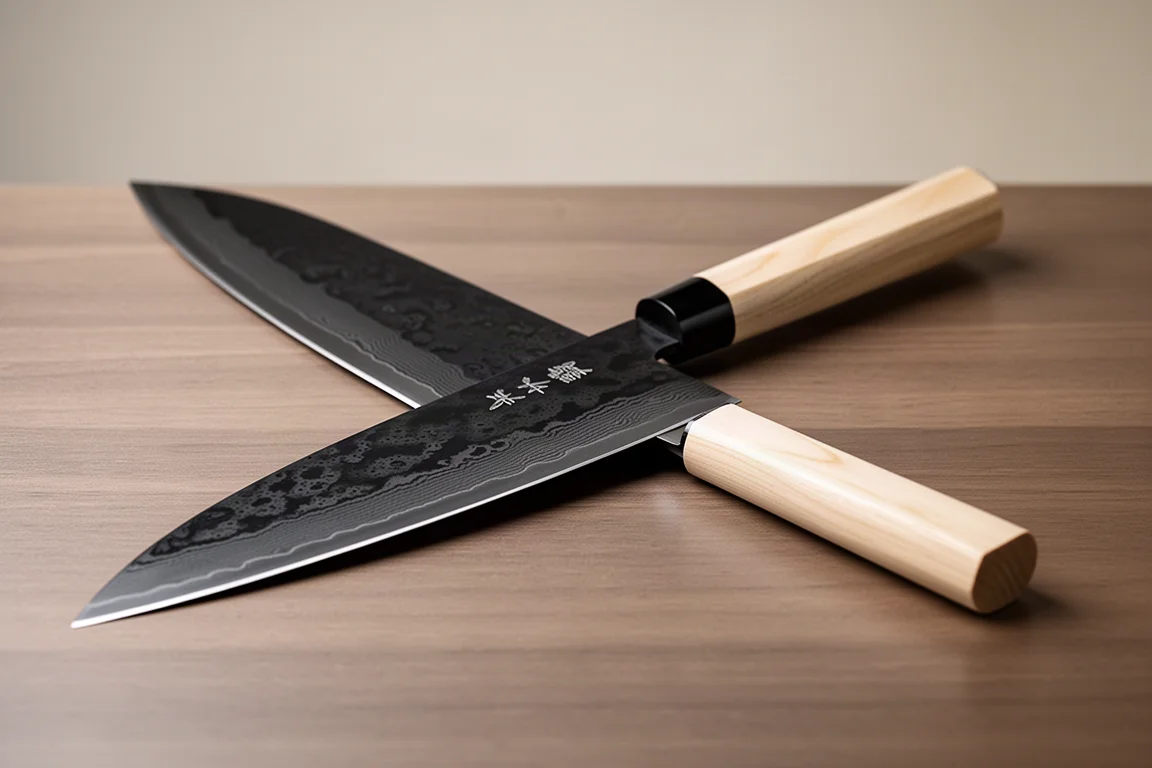
The four remaining knives all carry Nigara Hamono’s Anmon Damascus pattern, and its origin is worth knowing. The pattern was originally developed by Toshiju Yoshizawa, the seventh generation smith and head of Nigara Hamono. His son, Tsuyoshi Yoshizawa, is the eighth generation smith and current head blacksmith, producing the knives with a small team of two apprentices, while his father now focuses on the structural steel side of the business.
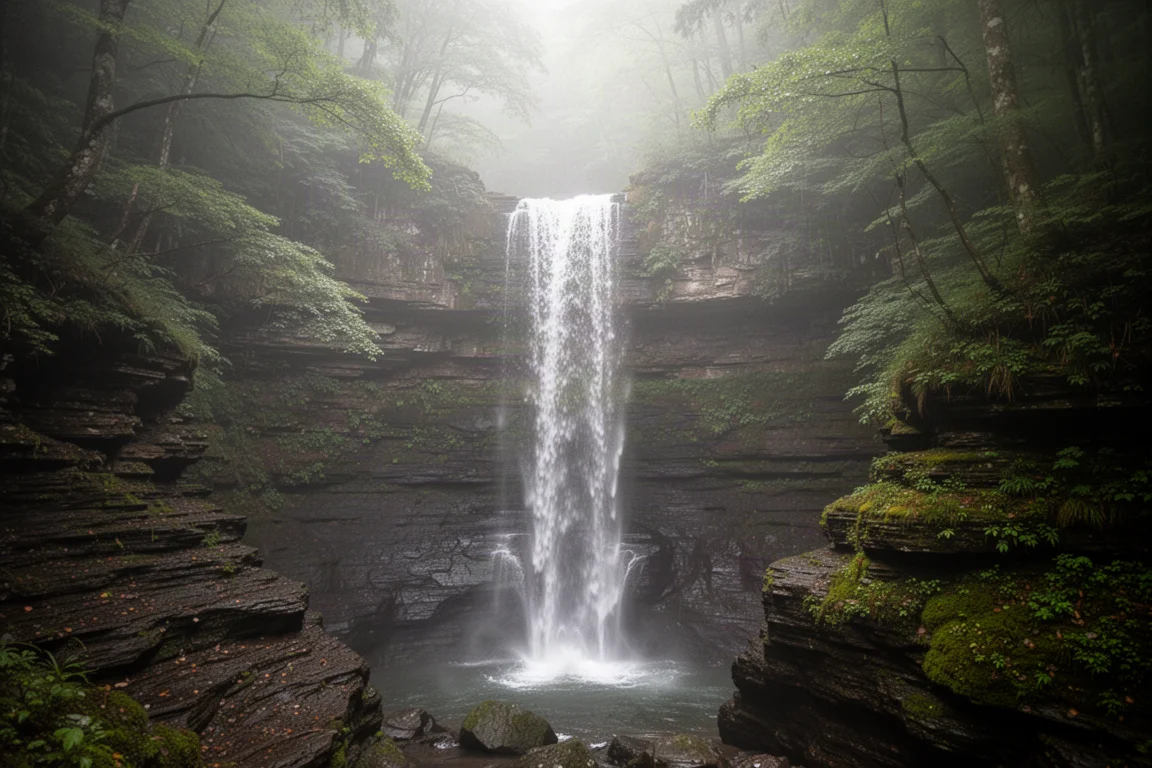
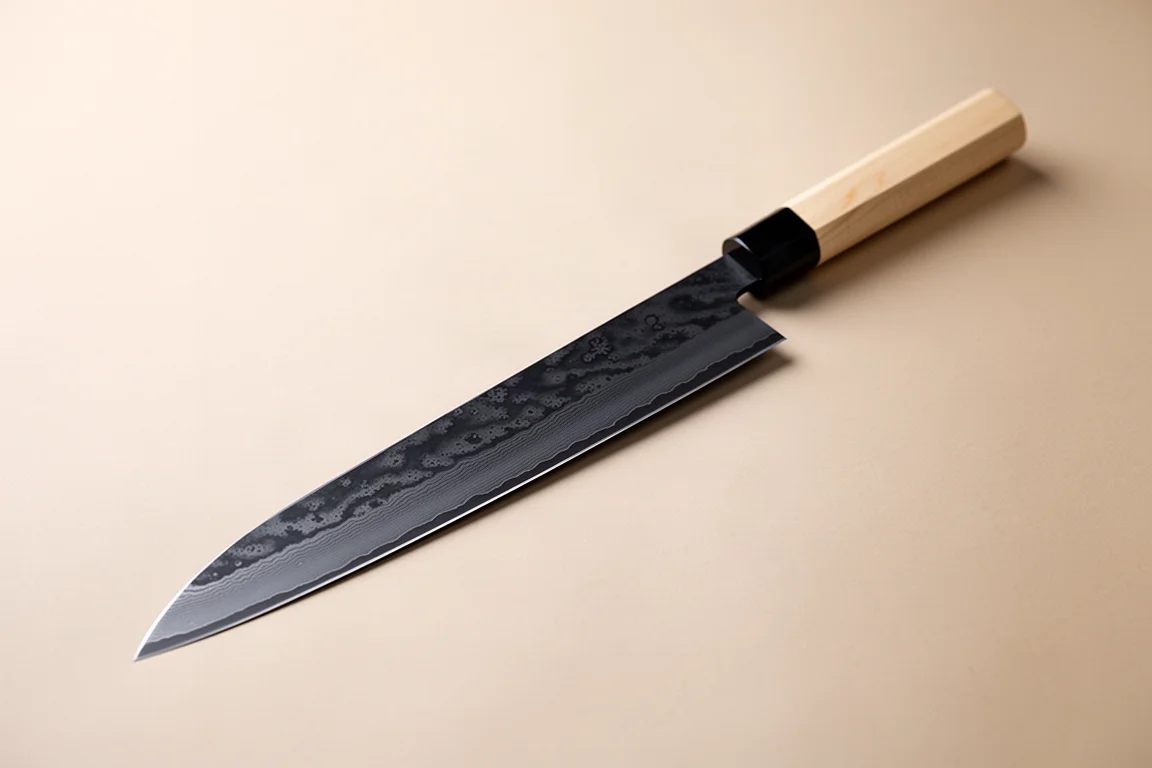
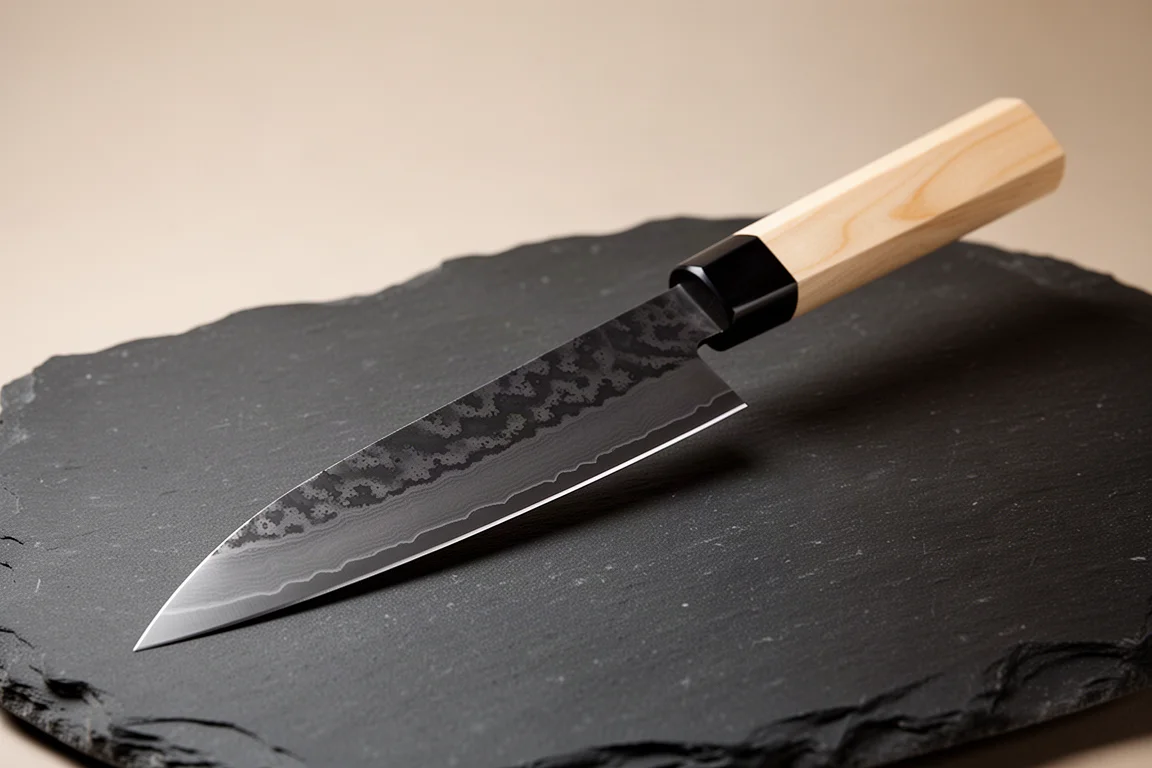
The pattern takes its name from the Anmon Falls, found just outside the city of Hirosaki, close to where Nigara Hamono works in the northern part of Honshu, Japan’s main island. That sense of place comes through in the finish: a deep, dark layered pattern that looks different from the more common Damascus styles on the market.
Anmon Damascus Gyuto 210mm
The 210mm gyuto is the more maneuverable of the two Anmon Damascus chef knives, and it shares the same excellent fit and finish as the santoku: beautifully sanded spines, clean handle transitions, and that thin, straight edge geometry across the board. With its Western-style maple handle and dark Damascus blade, it is a knife that looks as good as it performs.
For most home and professional cooks, a 210mm gyuto is the sweet spot: long enough for board work on larger ingredients, short enough to stay nimble. If you want one knife from this lineup to anchor a daily prep setup, this is a strong candidate.
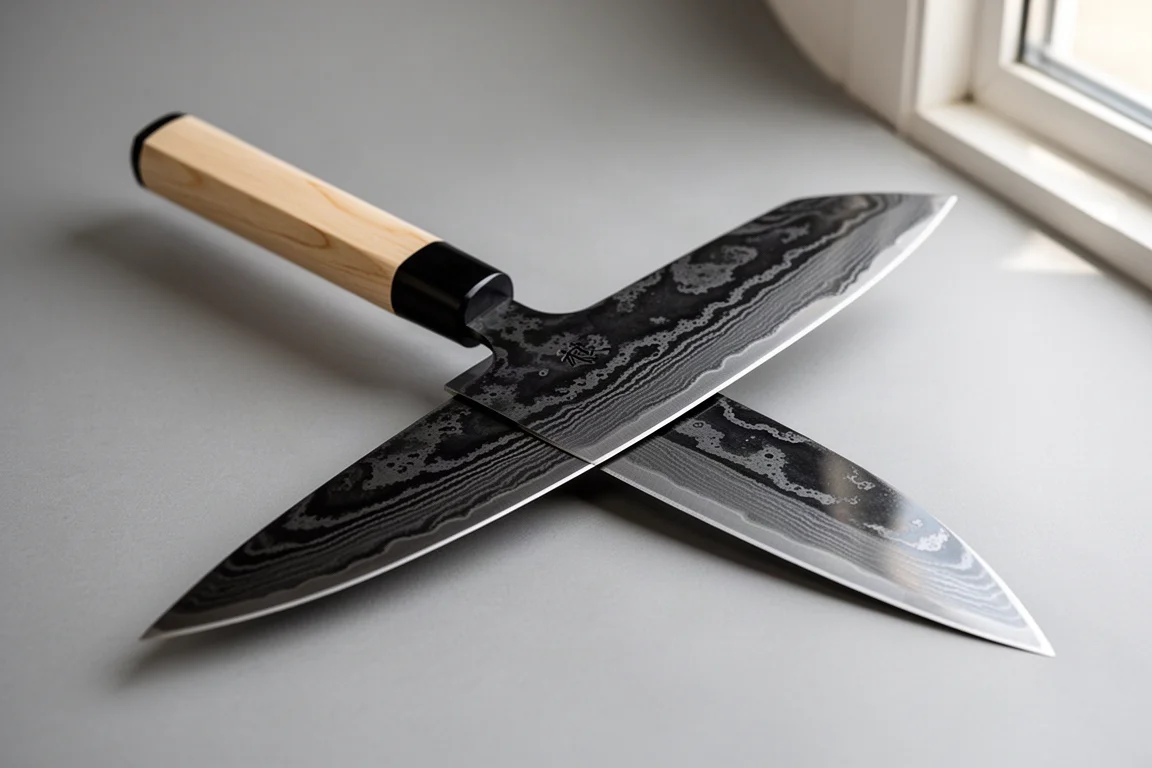
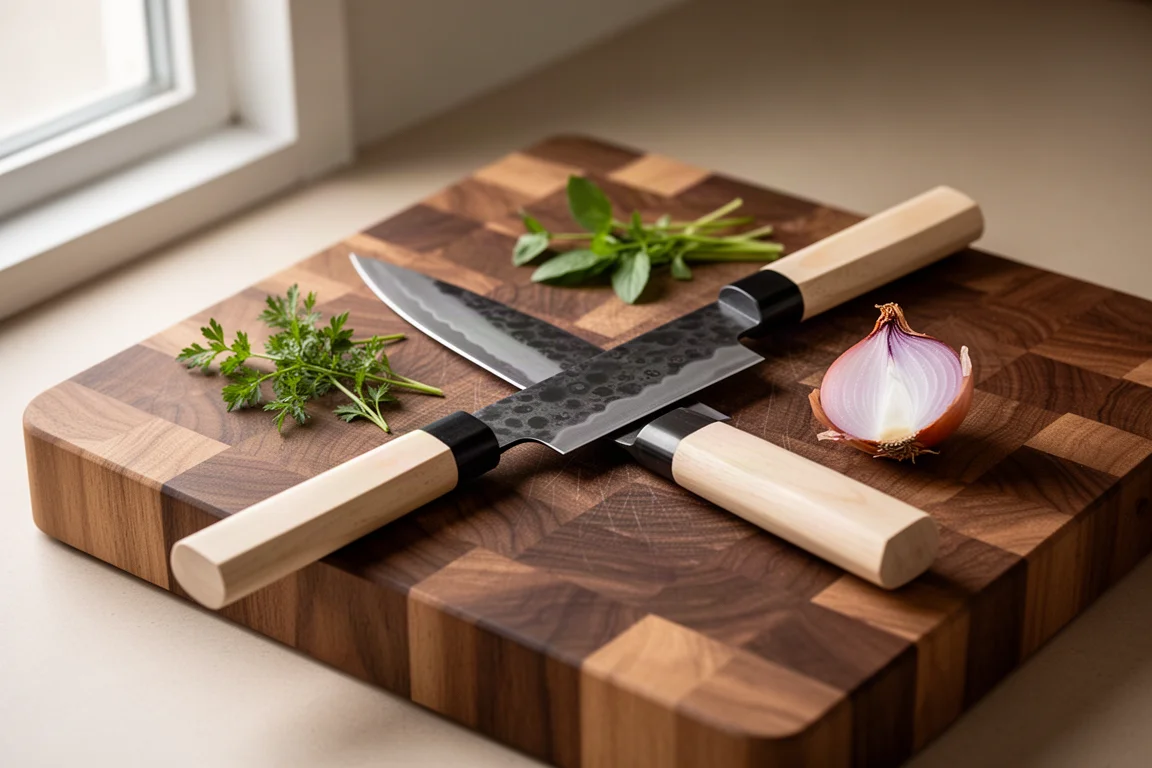
Anmon Damascus Gyuto 240mm
The 240mm gyuto steps up in length for cooks who want more reach on the board. The balance point sits close to where you would want it, though it leans slightly further back than some preferences. As with the rest of the batch, the edge geometry is spectacular and the blades are nice and straight.
This size suits cooks with more counter space or anyone who regularly breaks down larger produce and proteins. The extra blade length makes long draw cuts easier while keeping the same thin, effortless cutting feel.
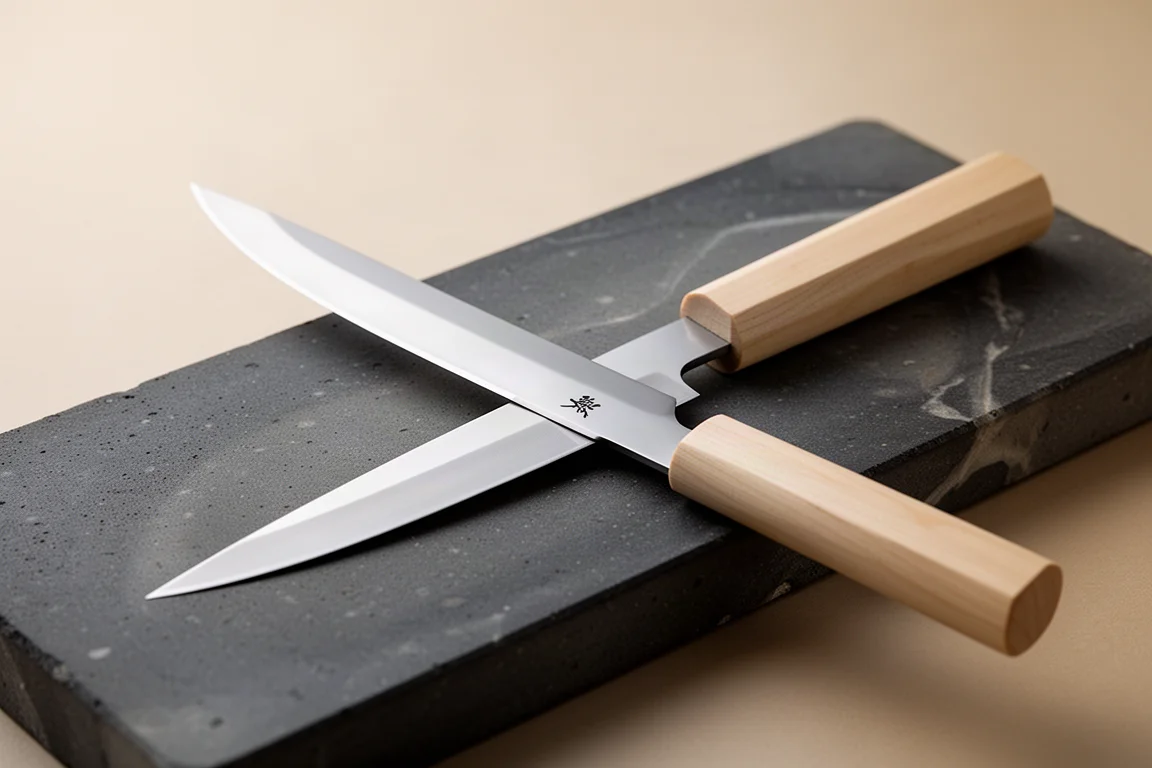
Sakimaru Sujihiki 270mm and Kiritsuke Sujihiki 255mm
The final two knives are long sujihikis, and they are the reason to get excited about this batch if you carve roasts, fish, or large cuts. The 270mm Sakimaru Sujihiki takes its name from the tip style: instead of a gradual curve down toward the point, the spine sweeps upward for a really cool, distinctive profile. The 255mm Kiritsuke Sujihiki goes the other way, with a tip that angles down aggressively, giving it a sharp, angular silhouette.
Both share the same R2 steel, Western maple handles, full tang construction, and super-thin edge geometry as the rest of the group. For anyone building out a slicing selection, these two fill the long-blade gap with a lot of style, and the choice between them comes down to which tip shape speaks to you.
Buying Advice
Across all five knives, the consistent themes are R2 steel, superb fit and finish with sanded spines and gap-free full tang handles, and very thin edge geometry that cuts with minimal resistance. If you want the most distinctive look, the Sujihiki Santoku 180mm with its hexagonal finish is the outlier. If you want the forge’s signature pattern in a daily driver, the Anmon Damascus gyutos in 210mm or 240mm are the pick. And if your kitchen needs a serious slicer, the 270mm Sakimaru and 255mm Kiritsuke sujihikis are hard to beat.
Conclusion
This Nigara Hamono batch covers the full spread of kitchen work, from nimble prep to long carving cuts, with a level of finishing that holds up across every blade. Choosing between them mostly comes down to the tasks you do most and which tip and finish you find most appealing.
Further reading
Related Reviews

Kitchen Knives
Best Chef's Knives 2026: 27 Popular Options Tested and Ranked
A comprehensive review of 27 chef's knives ranging from $18 to $380, with honest assessments of handle comfort, blade balance, and real-world performance.

Kitchen Knives
Best Chef's Knives Under $75: Two Tested Recommendations
Two practical 8-inch chef's knives that balance sharpness, comfort, and durability without premium pricing.

Kitchen Knives
Best Chef's Knives 2026: 27 Options Tested and Ranked
A comprehensive review of 27 chef's knives ranging from $18 to $380, with honest assessments of handle design, balance, blade profile, and real-world performance.