Snowboard Technology
Nidecker Free Flex 3.0 Explained: What It Is and Who It Is For
A practical look at Nidecker's proprietary Free Flex 3.0 construction, how it reshapes the nose and tail of a freeride board, and which riders actually benefit from it.
Introduction
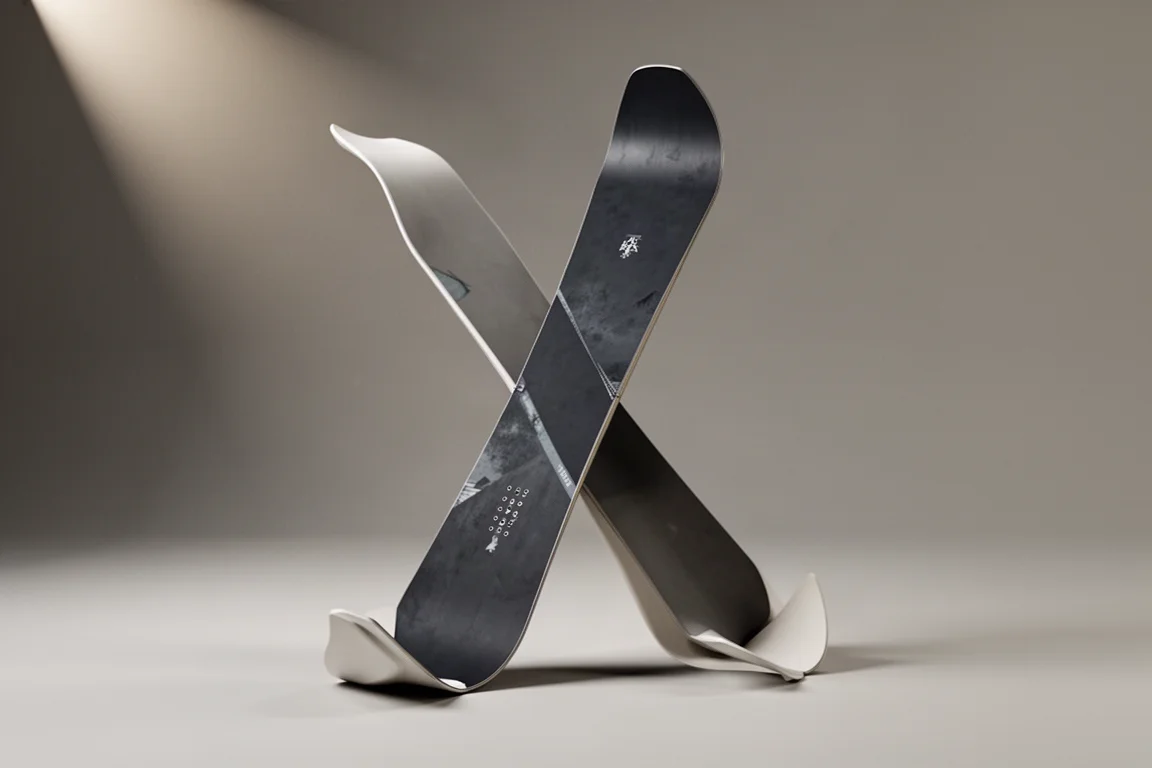
Nidecker Free Flex 3.0 is a construction detail rather than a standalone product, and that is exactly why it is worth understanding before spending money on a board that uses it. It is proprietary to Nidecker, so it does not appear on other brands’ decks.
The idea is straightforward: reduce the weight and thickness of the core in the nose and tail while making those same zones stronger, more durable, and better at damping vibration. The result is a three-dimensional shape at the ends of the board that keeps swing weight down and the ride calm.
This breakdown covers what Free Flex 3.0 changes, where it genuinely helps, and where it makes little practical difference.
What Nidecker Free Flex 3.0 Actually Is
Free Flex 3.0 is Nidecker’s own approach to removing material from the ends of a snowboard. The core in the nose and tail is thinner and lighter than a conventional build, yet those zones are made stronger and more durable at the same time. Nidecker does not disclose the specific dampening and strengthening agents used in that area, so the exact recipe stays behind the curtain.
What arrives on the finished board is a three-dimensional shape in the nose and tail rather than a uniform, slab-like profile. Less material sits at the extremities, the structure is reinforced, and the board picks up additional damping along its length.
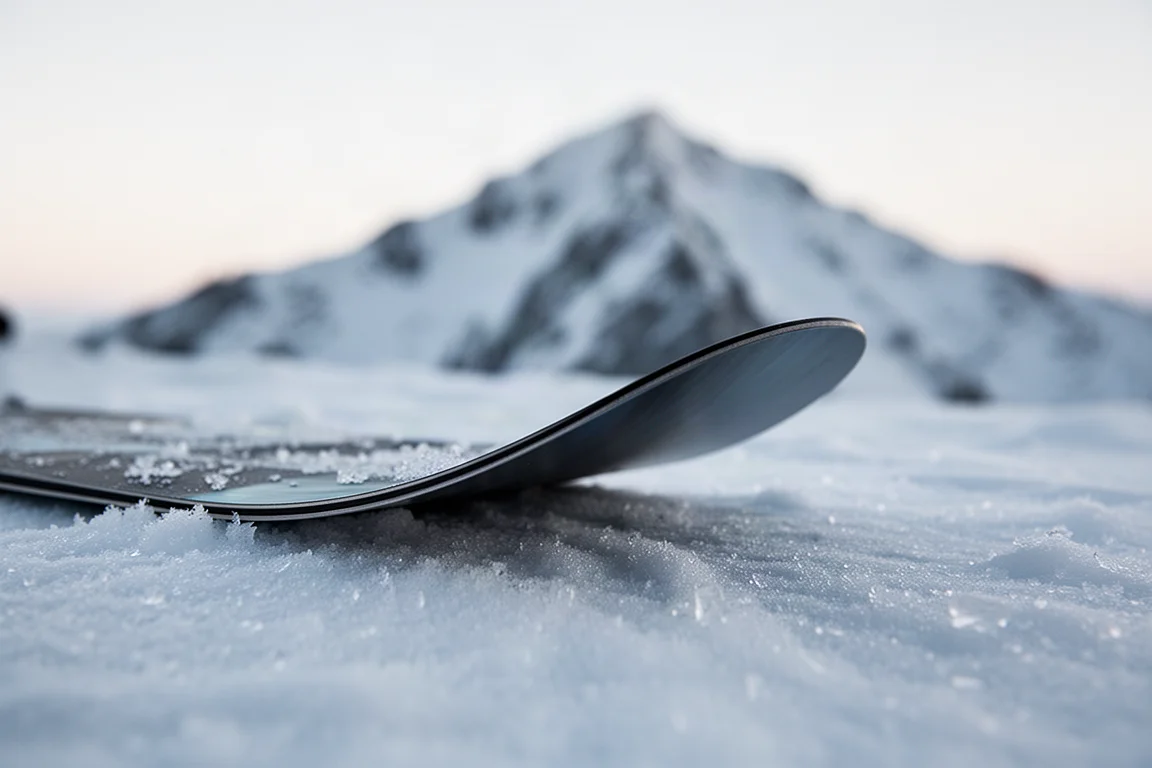
The most striking part is how thin those tips look in person. Judging by the profile alone, it would be reasonable to expect them to fold under load. They do not.
Who This Technology Is For
This is not a feature every rider needs, and the way it is positioned reflects that. Free Flex 3.0 makes sense on a freeride charging board, the kind of deck built for variable terrain and variable snow conditions, where you are jump turning, managing a lighter swing weight, and throwing the board around in tight, consequential places.
Put the same construction on a park board and the benefit largely evaporates. The same goes for a playful party board. In those settings, ultra thin tips and extra damping are not solving a problem you actually have.
So the honest answer to whether you need it: only if you are already shopping for a board of this caliber and riding the terrain it was designed for.
Main Strengths: Thin Tips That Hold Up
The headline strength is durability under real use. Those thin nose and tail sections do not fold or collapse when they are loaded, which is the main concern anyone would have when looking at a profile this minimal.
The second strength is damping. The nose and tail absorb chatter effectively, which translates into a calmer ride when the snow underneath you is inconsistent. On variable snow, that composure is the difference between fighting the board and working with it.

Weight is the third piece. Trimming material from the nose and tail reduces how much mass sits at the ends of the board, and that matters most when you are making quick, repeated jump turns or swinging the board around in the air.
Where Free Flex 3.0 Makes Less Sense
Free Flex 3.0 is not a universal upgrade, and it is worth saying plainly that plenty of riders will never notice it. If your days are spent lapping a park, cruising groomers, or riding a soft, forgiving party board, thin tips and added damping will not change much about your experience.
That is not a knock on the construction. It is simply a feature tuned for a specific job: charging through mixed, unpredictable terrain on a board that rewards a lighter, more damped feel.
Things to Consider Before Buying
Free Flex 3.0 is built into the board rather than sold separately, so the real decision is whether the board carrying it matches your riding. The construction appears on decks aimed at demanding freeride use, which typically means a higher price bracket and a more specialized shape than an all-mountain beginner deck.
It is also worth being realistic about conditions. The advantages are most obvious in variable snow and on steeper, more technical terrain. On smooth, consistent groomers, the difference is far subtler.
Finally, think about how often you actually ride the terrain this technology was designed for. If that is most of your season, the feature earns its place. If it is a handful of days a year, the board’s other characteristics will matter more to you.
How to Decide If It Fits Your Riding
Ask yourself three questions. Do you spend most of your time on freeride terrain rather than in the park? Do you deal with variable snow conditions often enough that extra damping and a lighter swing weight would change your day? And are you already shopping in the category of board where this level of construction is offered?
If you answered yes to all three, Free Flex 3.0 is a feature you will appreciate. If you answered no to any of them, you can comfortably set it aside and focus on fit, flex, and size instead.
Buying Advice
Because Free Flex 3.0 is proprietary to Nidecker and integrated into the board’s core, you cannot add it later. The decision happens at the point of purchase, and it should be driven by the terrain you ride rather than by the technology itself.
A practical approach is to start with the board that suits your riding, then treat Free Flex 3.0 as confirmation that the deck is built for serious freeride use. If the board fits and the construction comes with it, that is a good outcome. If you are buying for park laps or casual cruising, this feature should not be the reason you choose a deck.
Conclusion
Nidecker Free Flex 3.0 is a real, functional piece of board construction. It trims weight and thickness from the nose and tail, reinforces those zones, and adds damping, and the thin tips hold up in use rather than folding. It is not something every rider needs, and on park or party boards it would not matter much. On a freeride charging board built for variable terrain, it makes clear sense.
Product link
View more details for Nidecker Free Flex 3.0
This product is mentioned in the review. Check the specifications, options, and compatibility before buying.
View more details for Nidecker Free Flex 3.0Further reading
Related Reviews
Ski Gear
2025 Powder Ski Comparison: 15 Wide Skis for Deep Snow
A detailed look at 15 powder skis for 2025, covering shape, flex, weight, and the conditions where each one makes the most sense.
Snowboarding
5 Snowboards That Stood Out Last Season: A Personal Shortlist
Five snowboards worth a serious look, from a powder-focused all-mountain deck to an entry-level park board that won't break the bank.
Snowboards
Amplid Giant Swallowtail Review: A Dedicated Deep-Day Powder Board
A close look at the Amplid Giant Swallowtail, a 166cm directional swallowtail board with Cruise Camber, built for deep snow days and little else.