Snowboarding
Nidecker Cheat Code Snowboard Review: A Friendly True Twin for Learning and Park Play
A softer flexing true twin with camber underfoot and rocker at the tips, built for first-time buyers and riders who want a board to beat up in the park.
Introduction
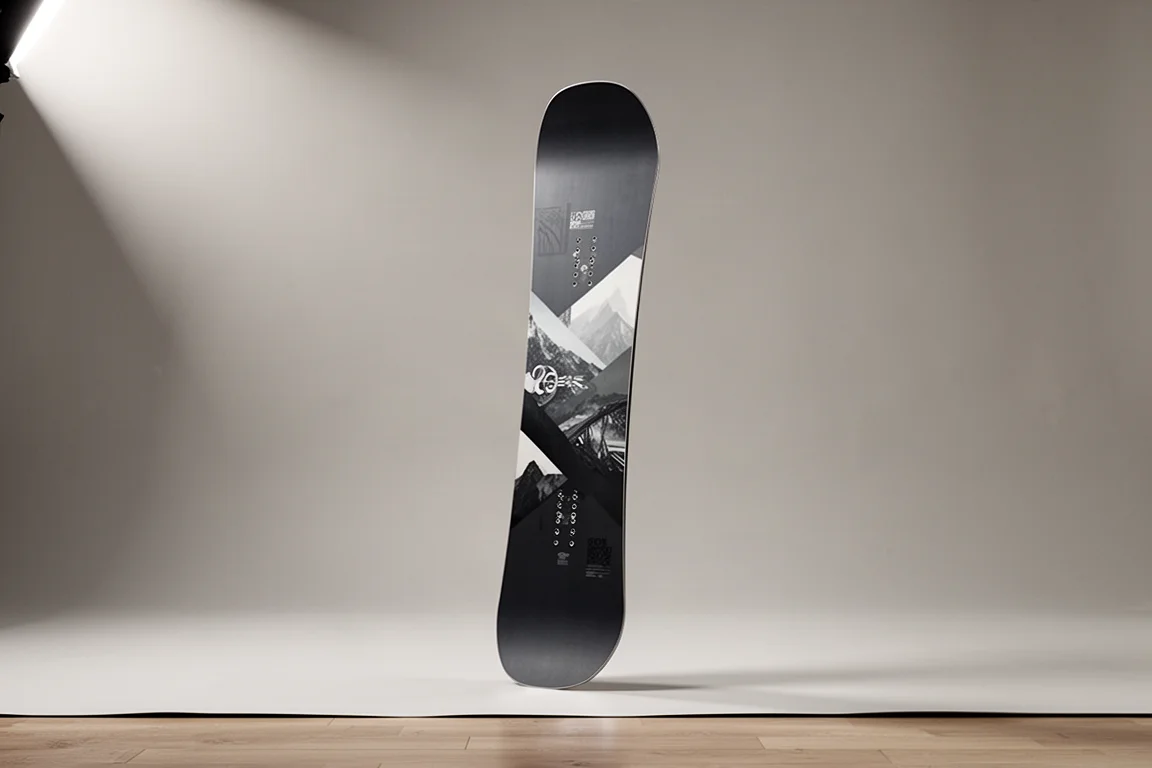
The Nidecker Cheat Code is a true twin snowboard aimed squarely at two kinds of riders: someone buying their first board who wants to get into snowboarding without breaking the bank, and someone who already knows what they are doing but wants a board they can beat up in the park without worrying about destroying a top-of-the-line deck. It is the successor to the Nidecker Score, which was a directional twin version of the same idea, and this new board converts that formula into a full true twin.
This review is based on riding at Copper Mountain, where the day started with soft, edge-friendly hero snow before wind moved in and the surface firmed up into chunky, chundery push piles. That mix of conditions ended up being a good real-world test for a beginner-focused board.
Camber Profile: Cam Rock Explained
The Cheat Code uses Nidecker’s Cam Rock profile. Between the feet you get classic camber, and toward the nose and tail you get rocker. The camber delivers pop, precision, and power, while the rocker makes it easier to enter and exit turns and adds a more catch-free feel when you are still learning.
That combination shows up in how the board rides day to day. It is forgiving when you are getting on and off edges, but it still rewards you with snap when you load it up.
Flex and Stability
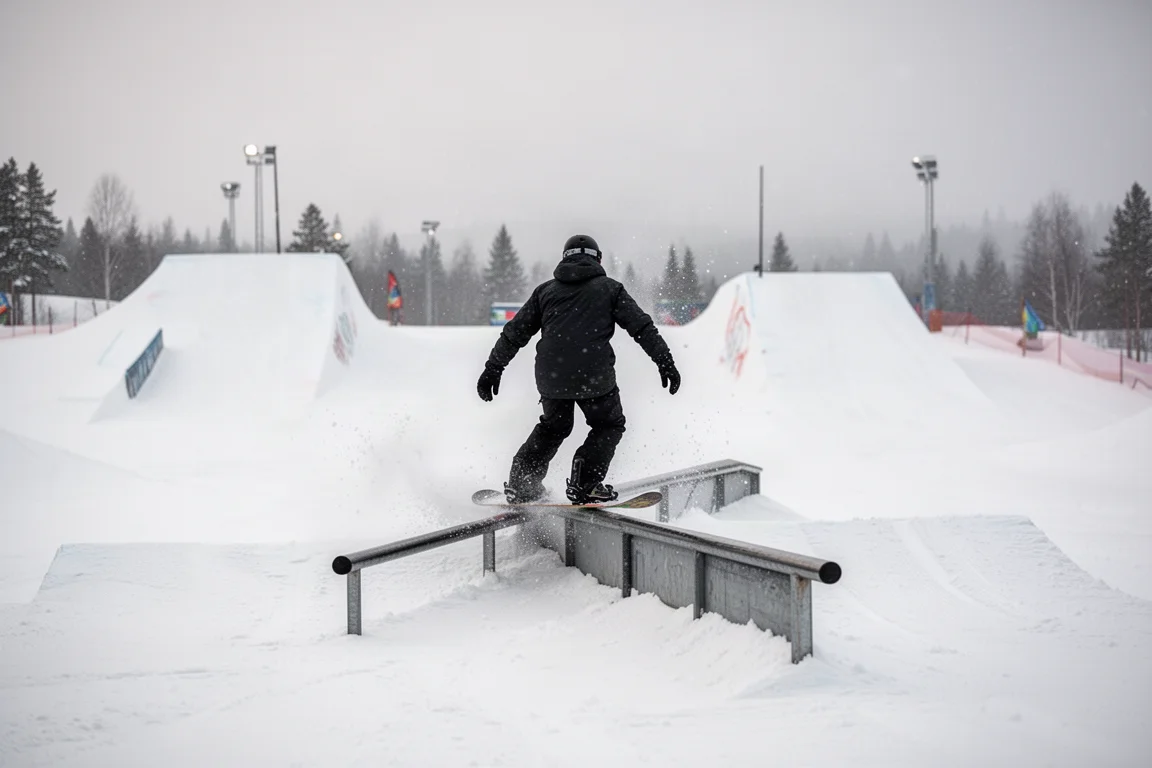
Overall flex is definitely softer than the middle of the road, but the board is not uniformly soft. It has different flex points: the middle feels softer than the nose or tail, even though that section is camber. When you flex into it, the side you favor is the side that flexes, just inside the binding. That makes tail presses and nose presses noticeably easier to lock in.
Despite the softer flex, stability held up surprisingly well. The board held an edge firmly, especially on crusted, nastier snow, with no problems skipping out or losing its edge. It rides with a nice mixture of dampness while keeping some lively tendencies. You do not feel everything underfoot, but you do feel the bigger chunks, which is a useful learning signal rather than a confidence killer.
Loading the tail also keeps its rigidity better than expected. There is more snap here than the softer flex suggests, and that extra pop genuinely helps on jumps.
Jumps and Pop
You are probably not taking this board to the medium jump line as its home turf, but it can definitely handle it, and it will progress with you as you do. It will not carry you into the large or XL line, but up to that point it performs well and feels good letting the lip do the work.
Keeping the board underneath you required little focus. It felt smooth, kept its speed going into jumps well, and carried that speed out. Popping off the tail works nicely, especially for a board without a pile of fancy tech features. Spinning off a jump, particularly while learning, is forgiving too: set the edge on the landing and the board keeps tracking straight for you. The honest verdict is that it was more fun on jumps than expected.
Butters and Rails
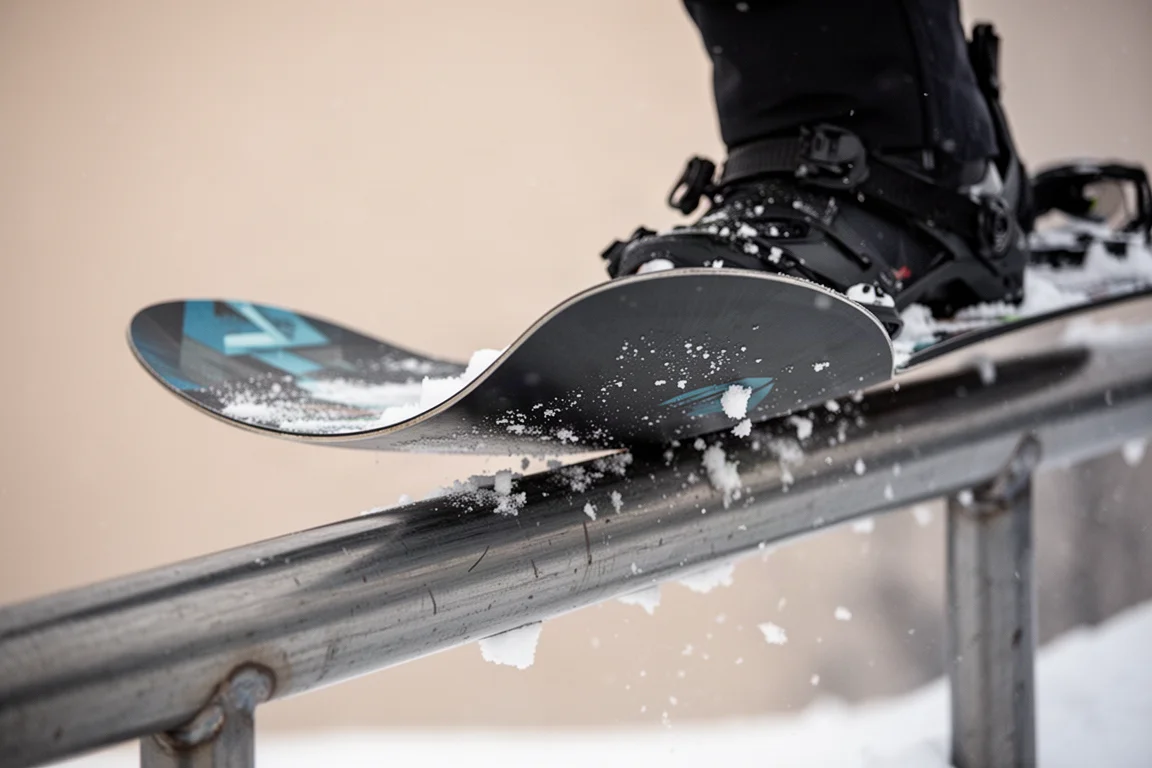
This is where the name starts to make sense. The Cheat Code butters extremely well. Because it wants to flex inside the bindings, locking in butters is easy: shift your knee in, lean back a little, and the huge tail section wants to hold there. There is a slight pop on the way out, but nothing aggressive enough to catch you off guard.
Since it is a true twin, the nose presses exactly the same as the tail. On rails it felt really good, essentially the same motion as buttering on snow. Tail presses on a rail take slightly more focus and offer a bit more resistance, but not much to speak of.
Sliding the board between the feet onto a rail, the softer mid-section cradles the rail extremely well. It never tried to hook, catch, or spring off, and it just felt smooth. For anyone learning rails, this board is genuinely user friendly. It is a bit of a cheat code on rails, which is presumably the point.
Carving and Edge Hold
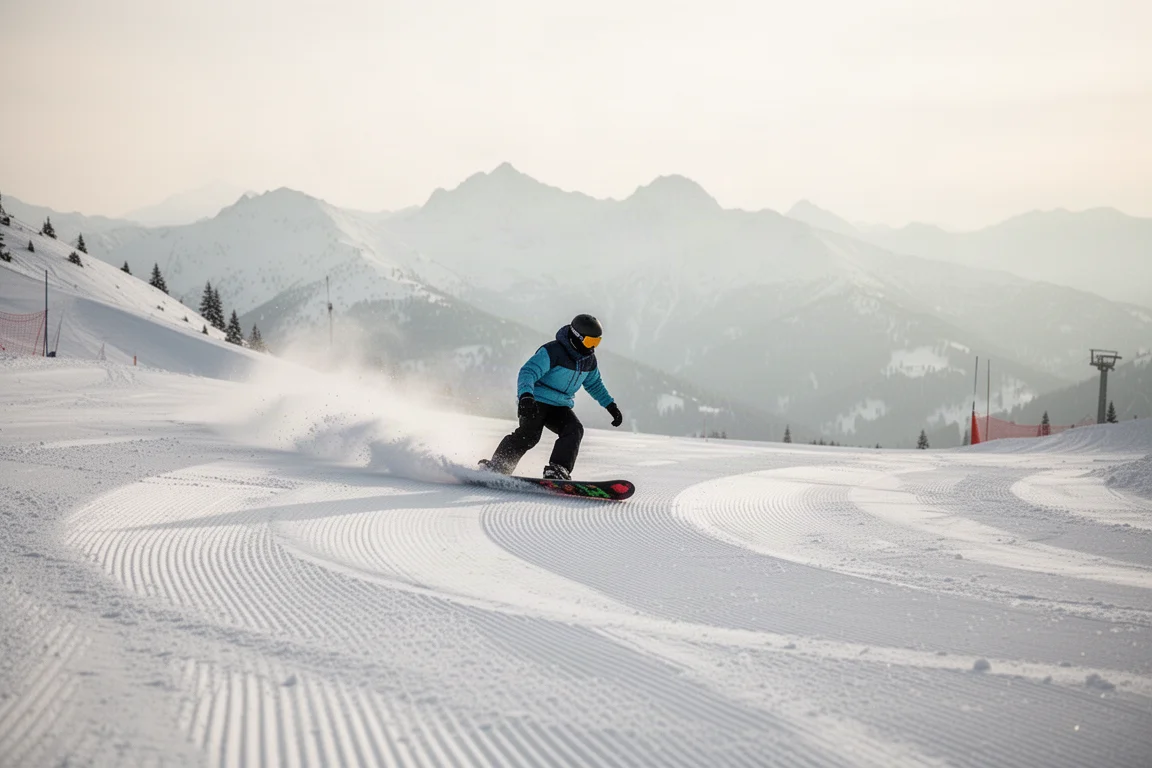
Even though this is pitched as a beginner board, it turns really well. It wants to initiate the carve from the front foot, which quietly teaches good form: weight forward, not leaning back scared. Short, quick carves are smooth and nearly effortless, to the point where turning your shoulders is enough to get the board to turn.
Medium carves stay smooth as well. There is a top speed on this board, though most beginners will never reach it. On larger carves, softer snow is preferable. The board will hold through icier, harder terrain, but nobody really wants to learn on pure ice, and it does that alright rather than great. On fresh groomers, you will be good to go.
It will euro carve, with one caveat: do not go in too hot or it will fold on you. At the slower speeds where you are actually learning euro carves, it hits them well.
Who This Board Is For
The Cheat Code is made for two riders. First, the beginner who needs a first board, wants to get into snowboarding, and does not want to spend a fortune. Second, the rider who already knows what they are doing but wants a park deck to beat up while honing skills on jumps and rails, without the pain of putting a premium board through that abuse.
It also works as a fun board for more advanced riders: something to mess around on while riding with the kids, press, and butter. It stayed fun even on a day that turned less than ideal by the afternoon, and it handled everything asked of it.
Things to Consider Before Buying
There is a defined ceiling here. The board will not take you to large or XL jump lines, and it has a top speed that shows up on hard snow and big carves. On pure ice it performs alright at best. If you plan to ride fast all day in firm Eastern conditions, this is not the tool for it.
Sizing runs from 149, 153, 156, 156 wide, 159, 159 wide, up to a 162 wide for bigger riders, so there is a length for most riders including wide-footed ones.
Comparable boards worth a look include the Ride Kink, the Jones Rally Cat, and the Rome Mechanic. Recommended bindings to pair with it are the Nidecker Muon X, the Union STR, and the K2 Indy. Beginners should also check out a recommended bindings guide so the board has a proper set of foot clamps under it.
Buying Advice
If you are a first-time buyer who wants a board that will not punish every mistake, this is an easy recommendation. The Cam Rock profile softens the learning curve, the softer flex makes butters and rails approachable, and the board still holds an edge well enough to get through imperfect snow.
If you are an intermediate or advanced rider, buy it as a beater park board or a casual fun deck, not as your main performance ride. At that point you get exactly what it is good at without expecting more.
Conclusion
The Nidecker Cheat Code turns out to be more capable than its beginner label suggests. It holds an edge on firm snow, pops more than expected, butters and presses beautifully, and cradles rails with very little resistance. It is a fun, forgiving true twin that will grow with a new rider and keep experienced riders entertained as a low-stakes park deck. Good work, Nidecker.
Product link
View more details for Nidecker Cheat Code Snowboard
This product is mentioned in the review. Check the specifications, options, and compatibility before buying.
View more details for Nidecker Cheat Code SnowboardFurther reading
Related Reviews

Snowboarding
2025 Snowboard Gear List: Five Picks That Earned Their Place on the Mountain
From Zeiss-lens goggles to a hybrid step-in binding, here are five pieces of 2025 snowboard gear that held up across a full season of riding.

Snowboarding
2026 Snowboard Gear List: Boards, Bindings, Boots and Outerwear Worth a Look
A season-ready snowboard setup built from the bottom up: base layers, Strafe outerwear, Ride and Union boots, Union bindings, and two new Capita boards.

Snowboarding
32 Cold World Review: A Playful Hybrid Camber Board for Park Laps
The 32 Cold World blends classic camber underfoot with flat nose and tail sections for a predictable, butter-friendly ride aimed at intermediate park riders.