Snowboarding
Nidecker Absorbent Top Sheet Review: What It Is and Who Actually Needs It
A close look at Nidecker's absorbent top sheet, a rubbery damping layer that soaks up chatter before it reaches your bindings, and a clear guide to who benefits.
Introduction
Damping has quietly become one of the more interesting corners of snowboard design, and Nidecker’s absorbent top sheet is one of the clearest examples of it. The idea is simple: a top sheet material that feels rubbery to the touch and is built to soak up vibration before it ever reaches your bindings.
This is not a radical reinvention of the snowboard, and it is not meant to be. It is a targeted change to a single layer of the board that alters how the ride feels underfoot. This review covers what the technology is, how it works, who genuinely benefits from it, and what to weigh before choosing a board that uses it.
What the Absorbent Top Sheet Actually Is
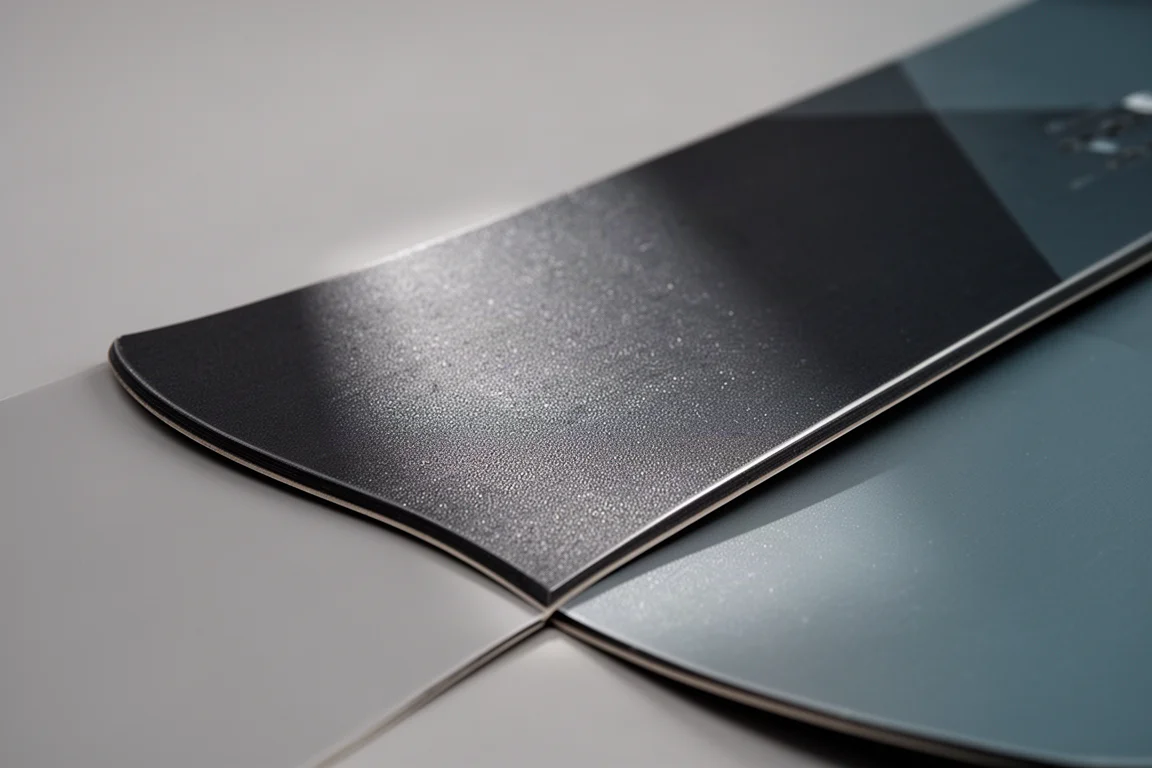
Every snowboard has a top sheet. It is the topmost layer of the deck, the surface you see and touch. Nidecker’s version uses a material that feels noticeably rubbery, and that texture is the entire point. Rather than a hard, glassy surface that passes energy straight through, the absorbent top sheet behaves as a damping agent built into the top of the board.
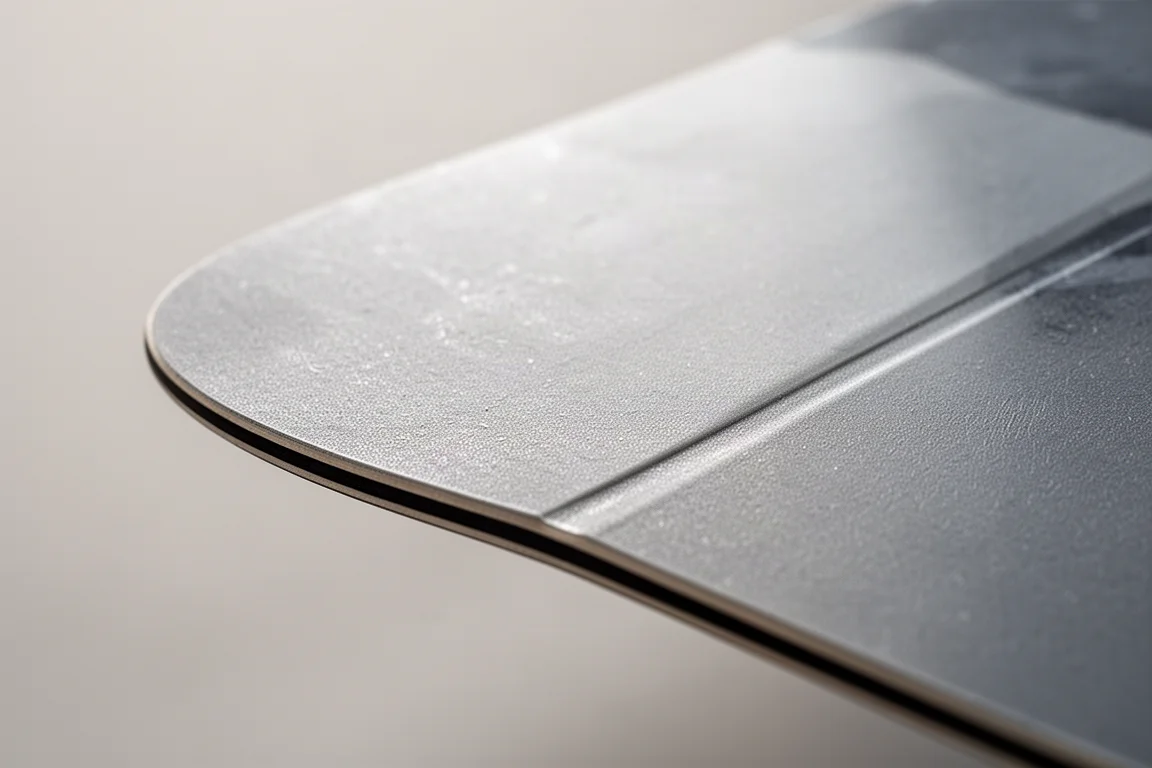
The practical effect is that chatter, and the energy travelling up from the base of the board into the bindings, gets absorbed along the way instead of being handed off to your legs.
Who This Product Is For
The honest answer is that this is not for everyone. The clearest case for it is a rider who finishes a hard day with ankles and knees that ache and swell, because all the energy from the snow has been funnelled through the bindings and into their joints. If that describes your riding, the damping is doing something you will actually feel.
Riders who want the most lively, energetic board they can get are the opposite case. Damping works by absorbing energy, so a board built this way will feel calmer and less reactive by design. That is a matter of preference rather than a flaw.
Main Strengths: Chatter Damping and Ride Stability
The headline strength is chatter absorption. Energy that would normally travel up through the board and into your bindings is damped at the top sheet, which translates into a smoother and more stable ride in rough or variable snow.

In practice, that shows up as a ride with no noticeable chatter and a settled feel underfoot. It is a subtle technology rather than a dramatic one, but the effect on comfort across a full day is the reason it exists in the first place.
Things to Consider Before Buying
Damping is a trade-off, not a free upgrade. The same property that smooths out rough snow also takes some liveliness out of the board, so if you like a deck that feels springy and eager underfoot, this is probably not the character you are shopping for.
It is also worth being precise about what the absorbent top sheet is not. It is not a suspension system, and it does not change the shape, profile, or flex pattern of the board. It is one layer doing one job, and it does that job well.
How It Fits Into a Snowboard Setup
Because the technology lives in the top sheet, it works alongside the rest of your setup rather than replacing anything. Bindings, boots, and stance stay exactly as they are. What changes is how much vibration reaches your feet.
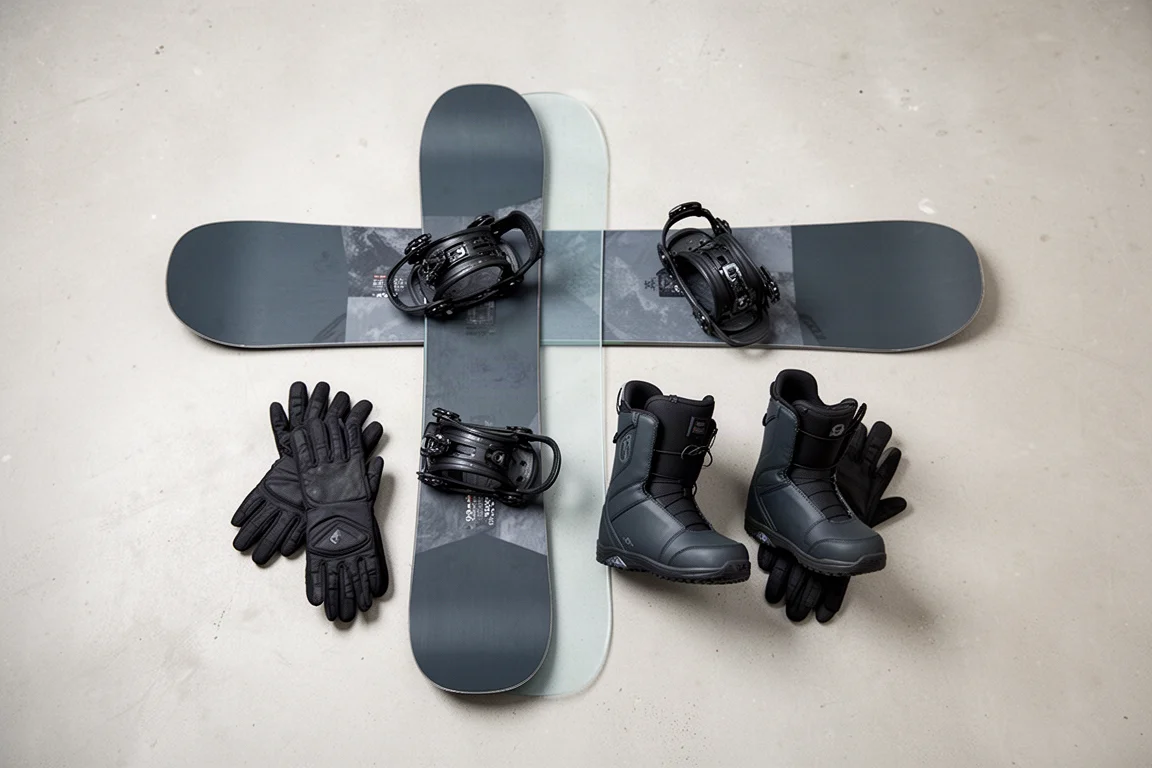
That also makes it straightforward to evaluate. Ride a board with the absorbent top sheet and a comparable board without it, and the difference comes down to how much chatter you feel by the end of the day.
Buying Advice
The decision comes down to comfort versus liveliness. If joint pain and end-of-day swelling are part of your riding, a board with an absorbent top sheet addresses that directly. If you are chasing the most responsive, energetic feel available, a conventional top sheet will suit you better.

For riders somewhere in between, it is worth trying before deciding. The technology works, but whether you want it depends entirely on the ride character you enjoy.
Conclusion
Nidecker’s absorbent top sheet is a clean piece of engineering: a rubbery top layer that damps chatter and energy before it reaches your bindings. It delivers a smoother, more stable ride, and it is most valuable for riders who feel every hard day in their ankles and knees. If you prefer a livelier board, this is one feature you can comfortably skip.
Product link
View more details for Nidecker Absorbent Top Sheet
This product is mentioned in the review. Check the specifications, options, and compatibility before buying.
View more details for Nidecker Absorbent Top SheetFurther reading
Related Reviews

Snowboarding
2025 Snowboard Gear List: Five Picks That Earned Their Place on the Mountain
From Zeiss-lens goggles to a hybrid step-in binding, here are five pieces of 2025 snowboard gear that held up across a full season of riding.

Snowboarding
2026 Snowboard Gear List: Boards, Bindings, Boots and Outerwear Worth a Look
A season-ready snowboard setup built from the bottom up: base layers, Strafe outerwear, Ride and Union boots, Union bindings, and two new Capita boards.

Snowboarding
32 Cold World Review: A Playful Hybrid Camber Board for Park Laps
The 32 Cold World blends classic camber underfoot with flat nose and tail sections for a predictable, butter-friendly ride aimed at intermediate park riders.