Snowboard Reviews
Niche Story Snowboard Review: Multi-Camber Freeride Performance
A practical look at the Niche Story snowboard, its Multi-Camber profile, flex, edge grip, and the kind of rider it actually suits.
Introduction
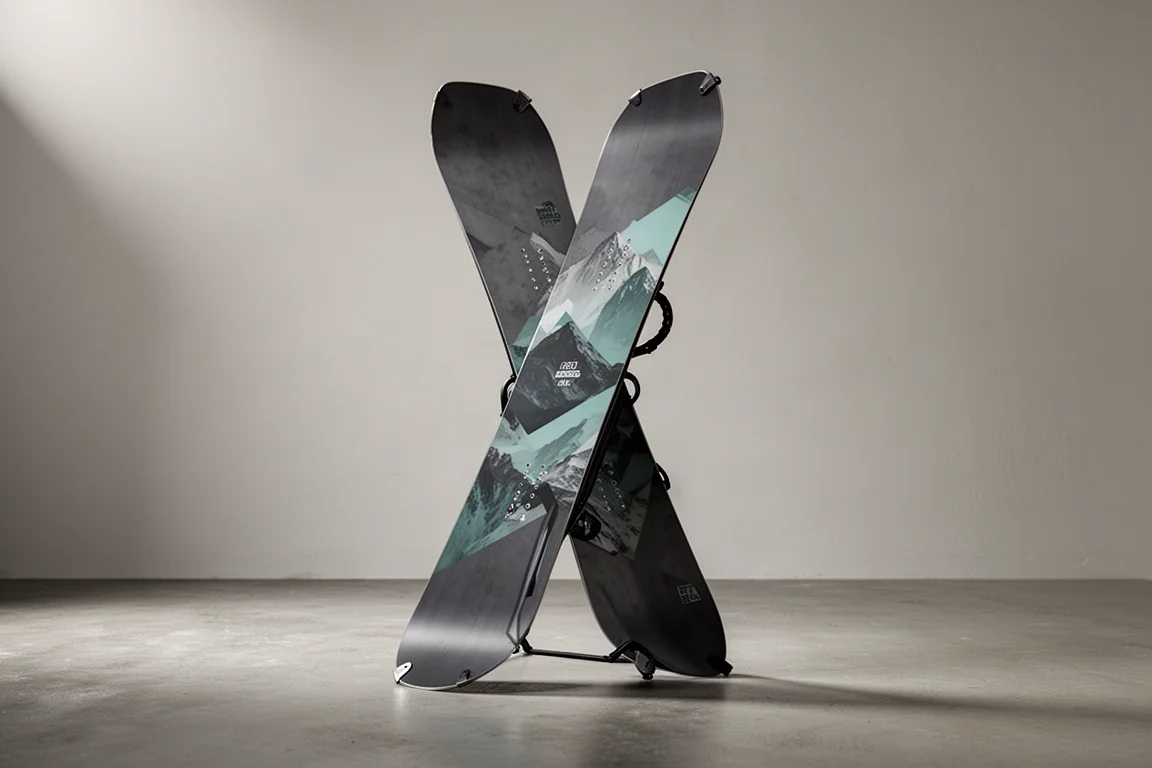
The Niche Story is a directional all-mountain freeride snowboard built around Niche’s Multi-Camber profile, which places reverse camber between the feet and camber underfoot. The result is a board with independent camber zones that can be loaded for pop, snap, and drive, while still twisting torsionally for easier turn entry and exit.
It is offered in four lengths: 156, 159, 162, and 165. The board was ridden at Copper Mountain on a grey, low-visibility day with fog at times and low winds, in conditions that ranged from chop and chunder to ice, paired with Rome Black Label bindings and K2 Thraxis boots.
Who the Niche Story Is For
The Story is aimed squarely at the all-mountain freeride rider. Its defining characteristic is a level of dampness that does not sacrifice liveliness, which makes it a comfortable place to spend a full day on mixed, choppy, and icy terrain. Riders who like to lay a board over, hold an edge through variable snow, and still play with butters and presses will find a lot to work with here.
It is not a board built for everyone. Riders chasing maximum pop or a purely park-focused feel will want to look elsewhere, and anyone who prefers a board that behaves identically from the first lap may need time to adjust to how the traction profile engages.
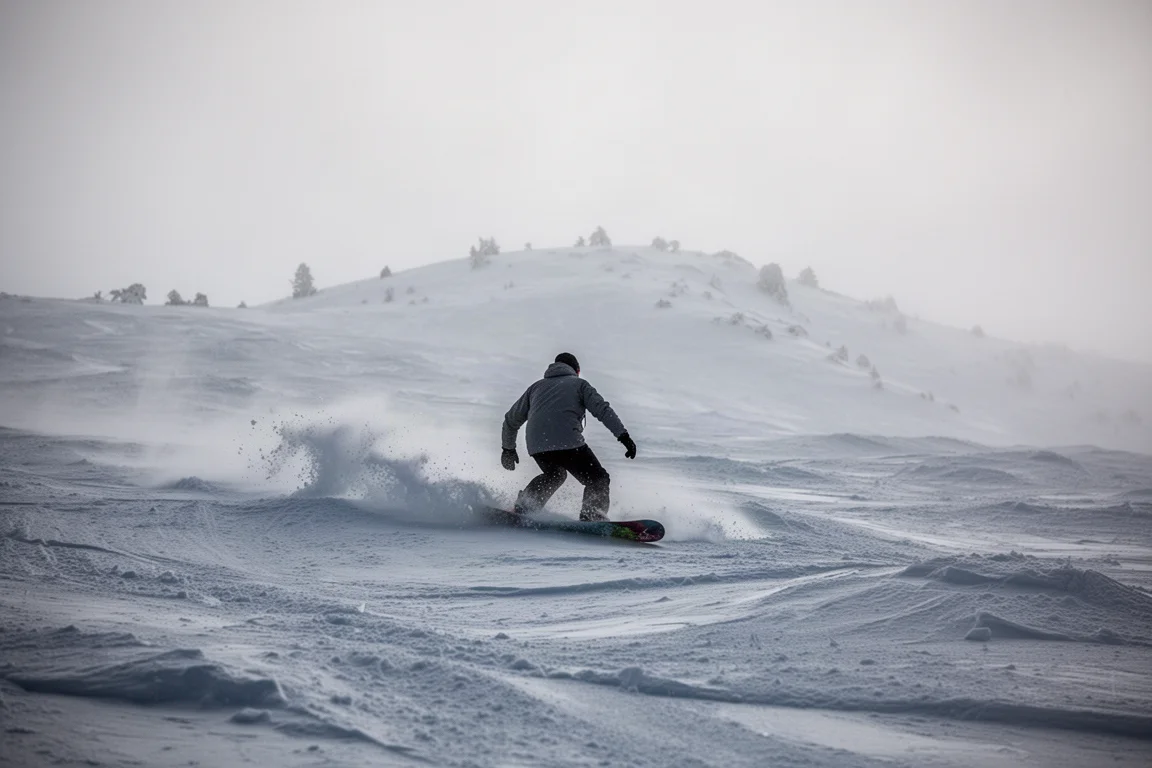
The Story rewards a rider who is willing to spend a few laps learning its habits. Once the camber zones and the center flex point become familiar, the board feels smooth and predictable across a wide range of turn shapes.
Multi-Camber Profile and Flex Feel
Multi-Camber is the core idea here. Reverse camber sits between the feet, camber sits under each foot, and those independent zones can be loaded separately. That gives the board its pop, snap, and drive, while the reverse section in the middle allows it to twist torsionally, which makes turn entry and exit easier and helps the board butter and ride powder.
Overall flex lands just past the middle of the road for an all-mountain freeride board. The nose is slightly softer and progressively stiffens back toward the tail, with a clear hinge flex point directly at the center where the reverse camber sits. Torsional flex is present and noticeable.
Pop is back-foot dominant. You load the rear camber section, roll back, and the board springs off the rear contact point by the tail kick. It is not the snappiest board available, and it will not launch you to the moon, but the load does not need to be aggressive to produce solid spring.
Stability, Damping, and Edge Grip
Stability is where the Story stands out. There is a dampness to the ride that stays lively, which helps dissipate kinetic energy coming off the nose when you are charging. Any chatter is effectively gone by the time it reaches the front foot. The camber sections underfoot are the most stable part of the board.
The reverse camber in the center does create a hinge point, and the only time it becomes noticeable is when you ride more back-foot dominant and slam into frozen, undulated snow, the kind of mogul-like bump you did not see coming. Outside of that, the board feels very smooth.
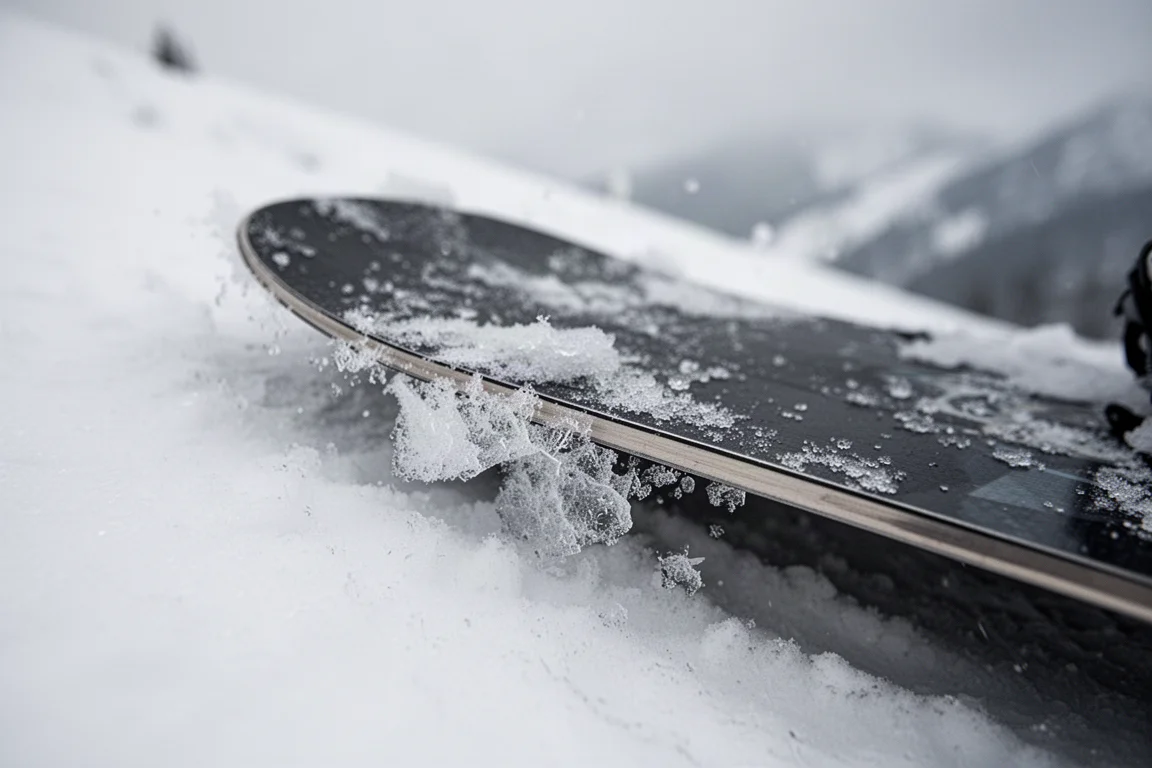
Edge grip follows the same logic. The board’s traction profile is more aggressive between the feet and mellower out toward the tip and tail, which delivers quick power transmission from edge to edge and a lot of force when the board is on edge. The trade-off is that some riders may find the contact points between the feet feel hooky, so detuning as needed is worth considering.
Buttering, Pop, and Playfulness
The center flex point makes the Story unusually easy to butter. You can lean back on the tail or roll forward onto the nose while keeping your weight centered over the inserts, and as you roll, the flex point takes over. Roll forward and you are in a nose butter, roll back and it locks in as a tail butter, with the camber zones adding a little spring on the way out. It behaves like a lazy man’s butter stick, and that has been a consistent trait of this camber profile.
The caveat is that when you get sideways, the board can feel a little hooky because of the sidecut. Riders who are already comfortable buttering should not have a problem with it, and the board still holds fairly well outside those camber sections, so you can put real weight into it and get spring back out.
Turn Shape, Traction, and Carving
Turn initiation happens under the front foot, but the drive comes from inside the rear foot. Centering the flex lets you pull power out of the tail and lay the board over, and when you do, the front end disengages completely. That means you are not contacting the full edge at maximum lean, which is worth knowing before you commit hard.
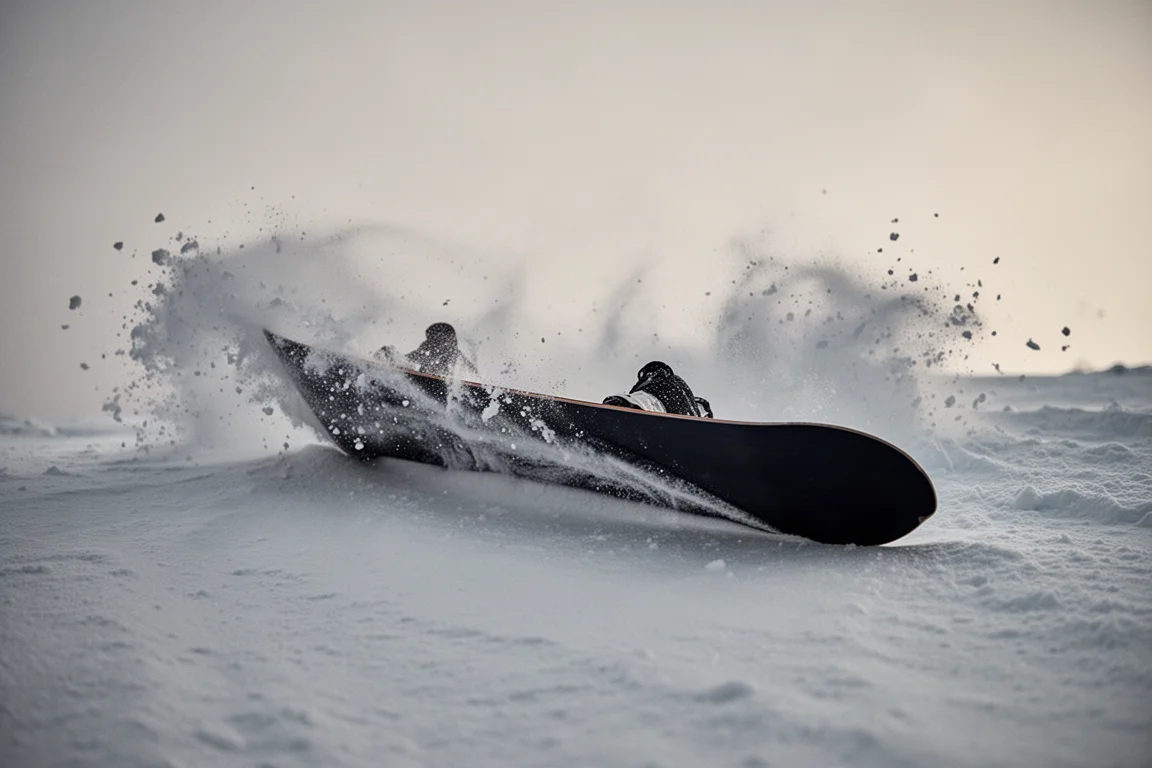
Short, tight, quick turns, medium mellow carves, and hard drawn out carves all hold up well. On edge, the board grips and cuts through whatever is in front of it without much drama, which is exactly what this category of board is meant to do.
Things to Consider Before Buying
A few traits are worth weighing before you commit. The center hinge point can make itself known on unexpected frozen, undulated terrain if you ride back-foot dominant. The traction profile between the feet is more aggressive than some riders expect, and it may take a few laps to understand how it engages and disengages. The board is also not the snappiest option if maximum ollie and pop height is your priority.
None of these are flaws so much as characteristics, and the Story is not trying to be a board for everyone. For the rider it is designed for, they are unlikely to be deal breakers.
Buying Advice and Setup Notes
Sizing runs from 156 through 165, so there is a length for a range of rider weights and preferences. For bindings, the Rome Katana, Jones Mercury, and Bent Metal Transfer are all sensible pairings. If you are cross-shopping, the Jones Flagship, Lib Tech Rasman, and K2 Manifest occupy similar all-mountain freeride territory and are worth comparing on flex and edge feel.
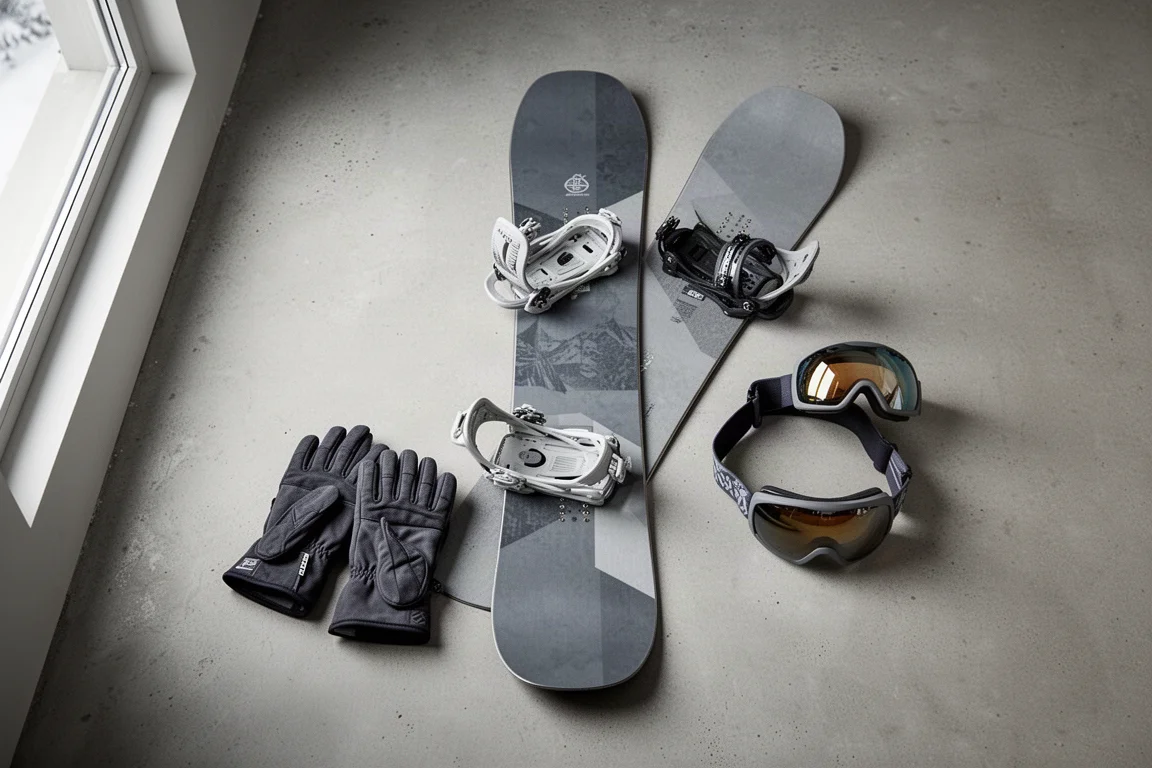
Riders who value a damp but lively ride, easy buttering, and strong edge hold on hard or variable snow will get the most from this board. Riders who want instant familiarity or maximum pop should weigh their options carefully.
Conclusion
The Niche Story is a solid all-mountain freeride snowboard with a genuinely distinct camber profile. Its independent camber zones, center flex point, and damp yet lively construction make it a strong fit for riders who spend their days carving variable terrain, buttering, and pushing an edge. Understand the hinge point and the traction profile going in, and it is a board that should leave its intended riders happy.
Product link
View more details for Niche Story
This product is mentioned in the review. Check the specifications, options, and compatibility before buying.
View more details for Niche StoryFurther reading
Related Reviews
Snowboard Reviews
Arbor Element Rocker vs Camber: One Shape, Two Ride Personalities
A practical look at the Arbor Element all-mountain twin in both System Rocker and Camber profiles, covering Grip Tech edge hold, sustainability, sizing, and who each version suits.
Snowboard Reviews
Battalion Whatever 157 Review: A Forgiving Directional Twin With Real Freestyle Potential
A soft-flexing directional twin aimed at riders who want a playful, forgiving all-mountain board that refuses to catch an edge.
Snowboard Reviews
Capita Ultrafear Camber Review: A Consistent Park Board for Freestyle Riders
A practical look at the Capita Ultrafear Camber, its Resort V1 profile, flex character, jib and jump behaviour, and who it genuinely suits.