Power Tools
New vs Used Power Tools: Two Sanders Worth Considering
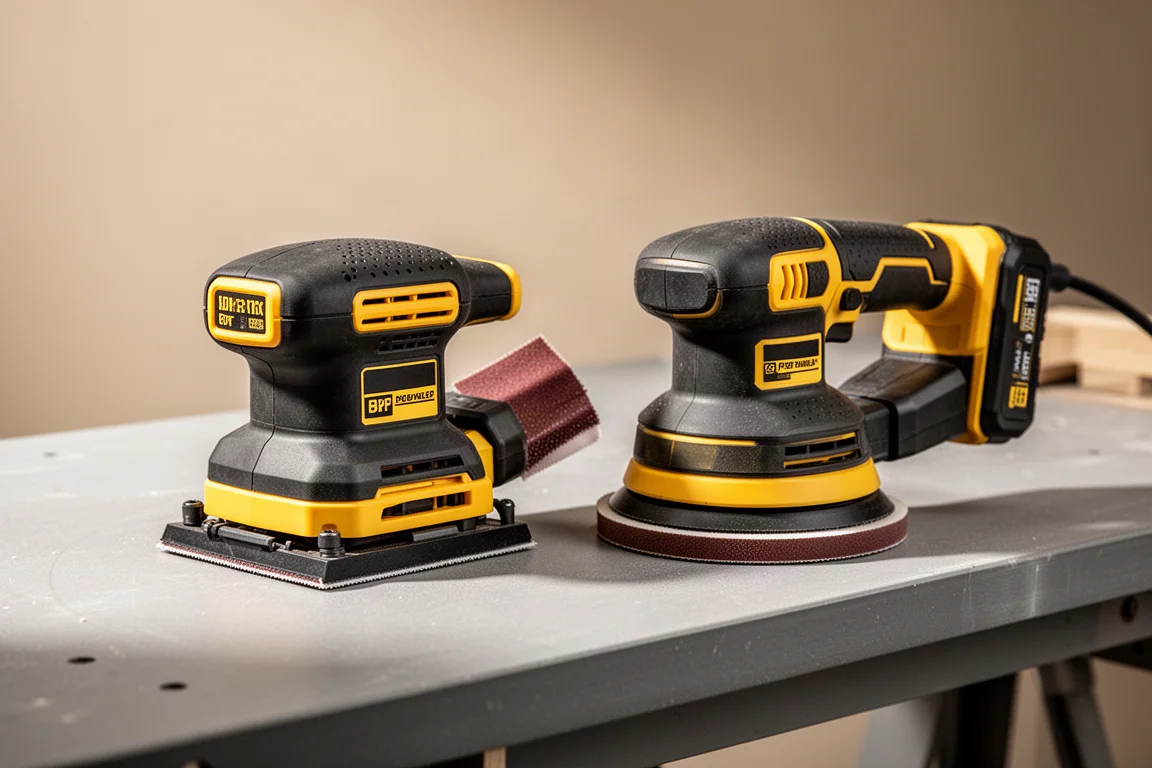
Buying new gets you warranty peace of mind, but buying used can net you two tools for the price of one. A practical look at the DeWalt 20V quarter sheet sander and the Makita LXT orbital sander.
Introduction
One of the biggest sticking points in tool buying is the new versus used debate. Buying new usually means a warranty, while buying used means saving serious money. After spending the past year buying both, one practical conclusion stands out: for tools you depend on daily, owning two of them can be better insurance than owning one tool with a warranty that takes weeks to process.
Both sanders featured here earned their place in a busy furniture refurbishing workshop, and they illustrate the trade-offs well.
The Case for Buying Used
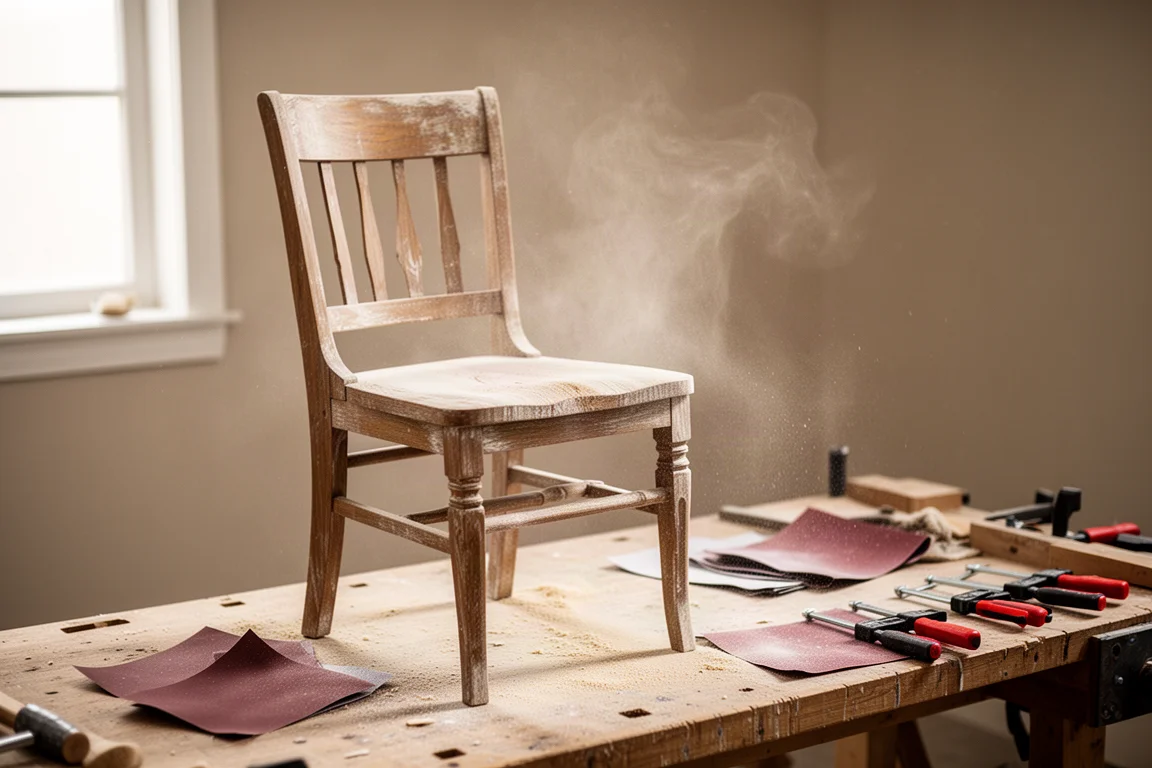
A warranty sounds like full protection, but the reality of repair turnaround matters. Recent warranty repairs on popular tool brands have taken around six weeks from drop-off to return, and in one documented case a compact 12V drill waited roughly twelve months for a replacement motor that had to arrive from overseas. If the tool is one you rely on for daily work, that downtime can hurt more than the cost of the tool itself.
Used tools avoid that problem entirely. If a cheap used tool fails, you simply hunt for another deal rather than waiting on a service center. Brands that manufacture tools in high volume and distribute them widely, such as DeWalt, tend to have plentiful used and clearance stock, which makes deals easier to find than with brands with more limited distribution.
DeWalt 20V Quarter Sheet Sander: Buying Used Makes Sense
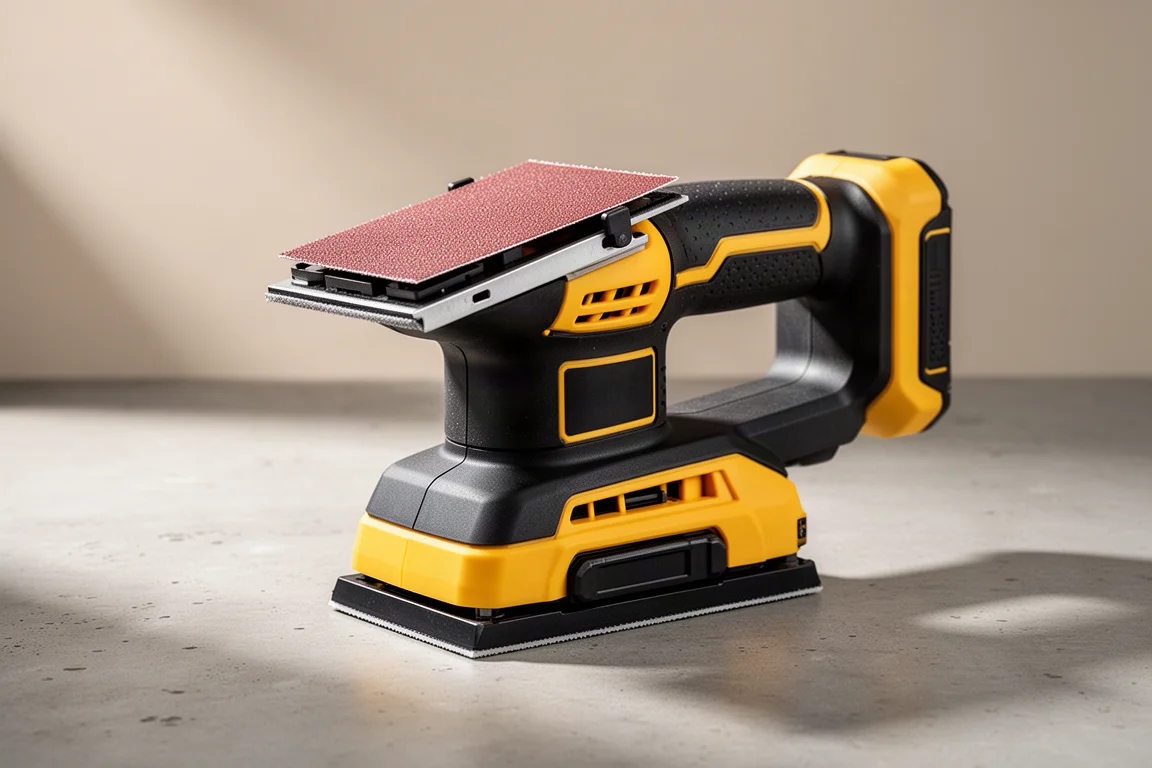
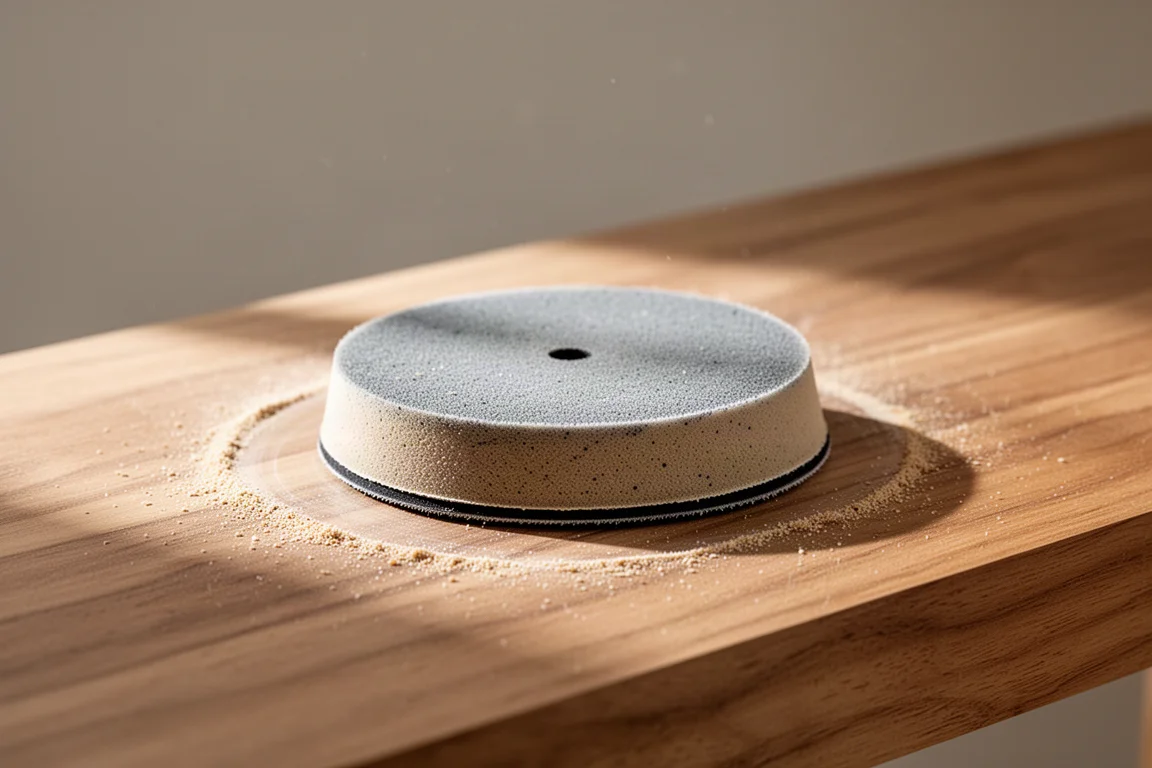
The DeWalt 20V quarter sheet sander is a cordless finish sander that fits well into a fully cordless workshop. It is one of the few options in its class, as some major competitors do not offer a cordless quarter sheet sander at all, and the used market for it is active because DeWalt produces the tool in large numbers and sells it through multiple retailers simultaneously.
These sanders sell for roughly $160 to $170 new, but patient buyers have picked up used units for around $60 each with free shipping, sometimes bundled with a battery. Two used units cost about the same as one new one, giving you a backup and the ability for two people to work at the same time. The trade-off is warranty coverage: without a receipt, warranty claims on used units can be difficult or impossible, relying at best on readable date codes.
Makita LXT Orbital Sander: Buy New When You Can
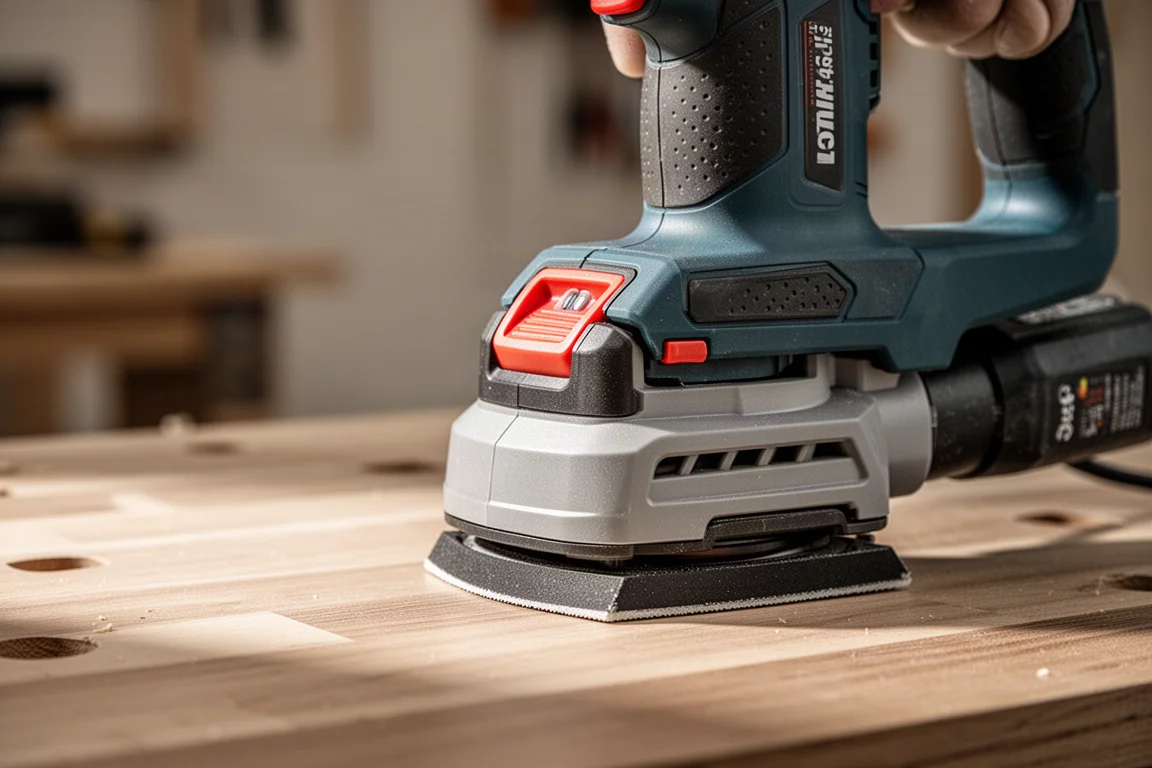
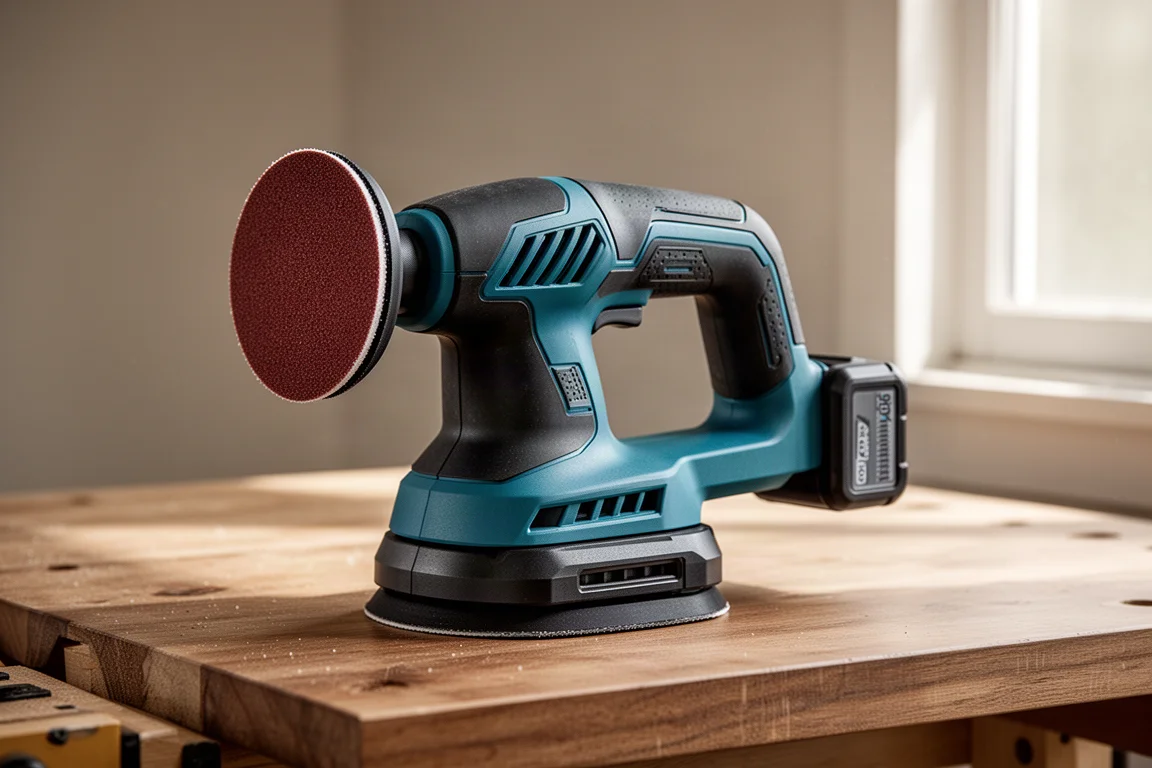
The Makita LXT orbital sander is the tool this workshop bought new, and that decision makes sense here. An orbital sander is harder to find cheap on the used market, and if it goes down, the quarter sheet sanders can cover most work in the meantime. With a critical backup already in place, the warranty on the new Makita purchase is a genuine bonus rather than a necessity.
Buying new also guarantees you the full warranty window, around three years for both Makita and DeWalt, and a tool that starts life without unknown wear. For tools that are less mission-critical, or harder to find used at a good price, the new route is the lower-friction choice.
Overall Buying Advice
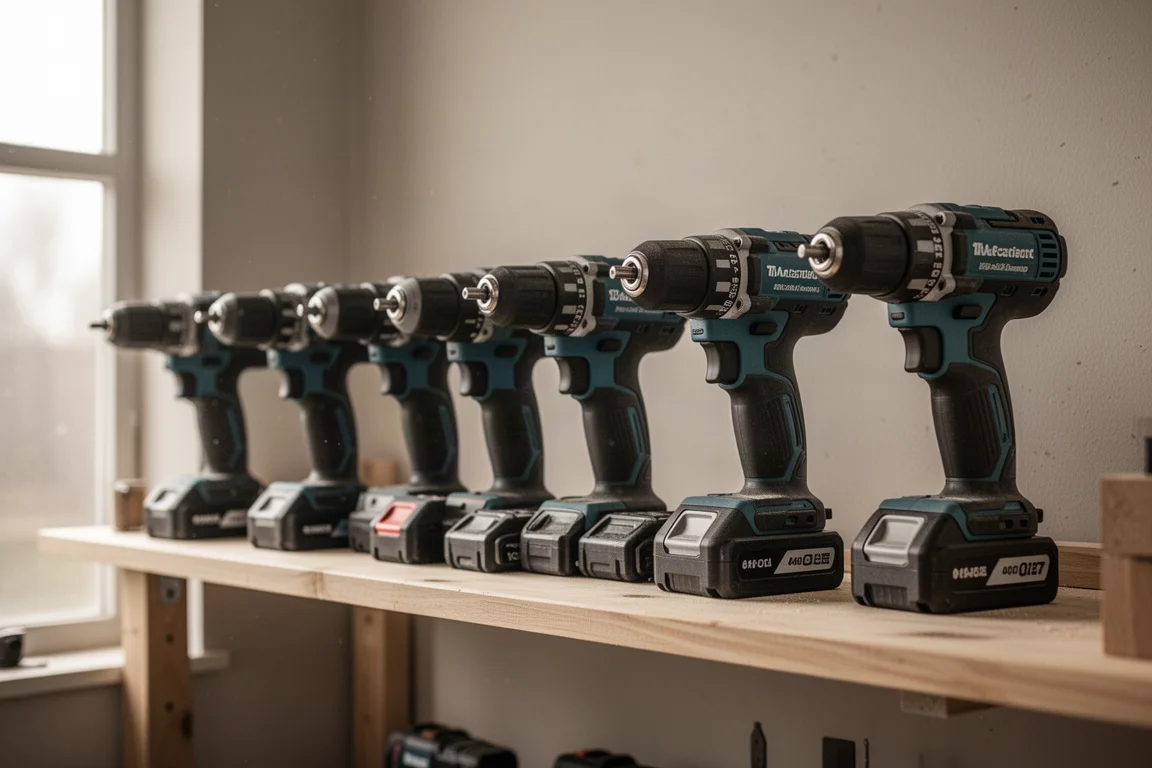
The smartest approach is a hybrid one. Do not commit to a single tool brand: pick at least two you like, and grab deals wherever they appear. If a Milwaukee version never goes on sale, the Makita or DeWalt equivalent often will.
Also weigh service logistics. If your nearest service center for a favored brand is an hour and a half away but another brand’s service center is down the street, that should factor into which tools you buy. Some budget-oriented brands, such as Ryobi at Home Depot and Harbor Freight’s stores, handle exchanges directly at the store, which sidesteps long service-center waits entirely, though the exact terms may be shorter than a full multi-year warranty.
Conclusion
Buying new gets you a warranty; buying used gets you redundancy. For tools you depend on daily, two used tools can be better insurance than one new tool sitting in a repair queue for six weeks. For tools that are nice to have rather than essential, buying new and enjoying the warranty is the simpler path. Watch pawn shops, clearance aisles, retailer deals, and online listings, and you may be surprised how much capability you can pick up for the price of one new tool.
Further reading
Related Reviews
Power Tools
Best 1-Inch Pistol Impact Wrenches: Three Heavy-Duty Options Compared
We compare three 1-inch pistol impact wrenches, from a budget-friendly Harbor Freight model to a premium Caterpillar unit, to help you choose the right one.
Power Tools
Best 3/4-Inch Impact Wrenches 2026: Five Contenders Compared
We compare five 3/4-inch impact wrenches across price and performance, from a budget Amazon option to Snap-on's most powerful model yet.
Power Tools
Best Budget Cordless Tools 2026: Walmart Finds That Punch Above Their Price
We tested five cordless tools from Walmart, including a high-torque impact wrench that trades blows with Milwaukee and a $35 duster that outperforms its price class.