Power Tools
New Ryobi Solar Gear and a Monster DeWalt Impact Wrench: Three Releases Worth a Look
Ryobi expands into portable solar with a foldable 60W panel and a 150W solar charger, while DeWalt pushes torque numbers to a new level with its 20V Max XR high-torque impact wrench.
Introduction
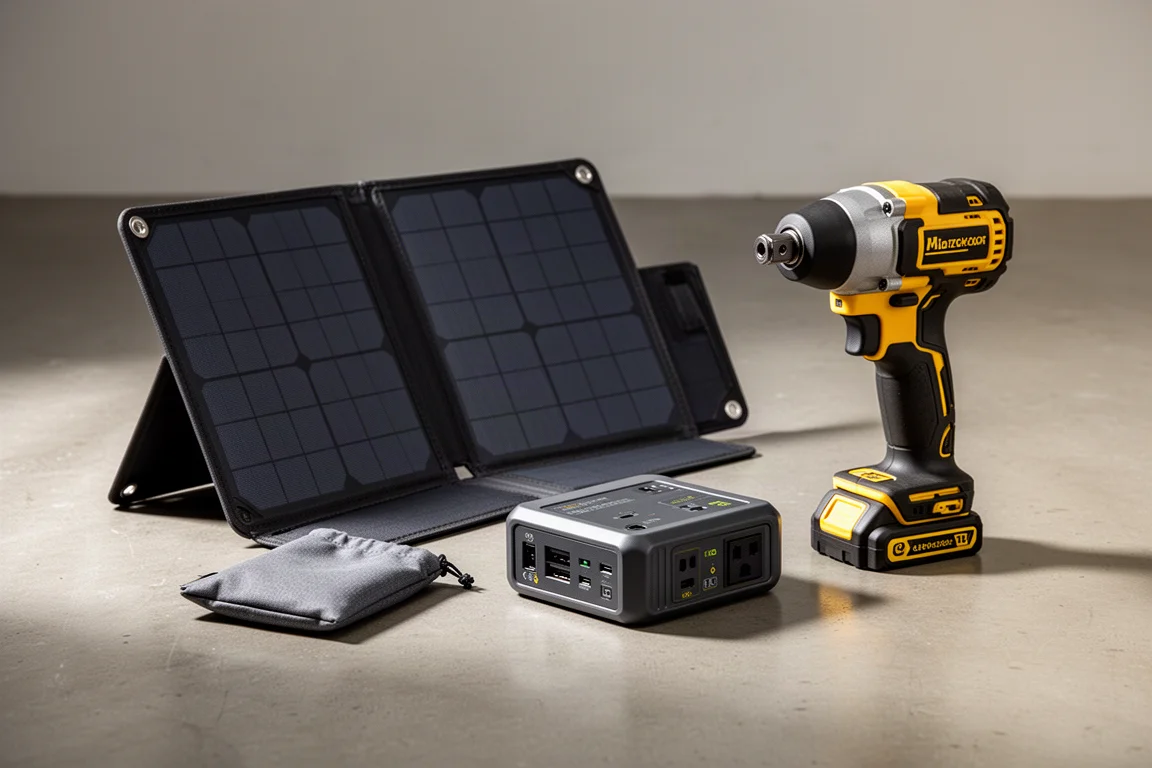
Two brands, three releases, and a clear theme: more power, more flexibility, and fewer compromises. Ryobi has officially entered the portable solar space with a foldable 60W solar panel and a 150W solar battery power source and charger, filling a gap that fans of its power supply lineup had been asking about. DeWalt, meanwhile, has gone the brute-force route with the DCFN61, a 20V Max XR brushless half-inch high torque impact wrench claiming the industry’s highest rated max torque in its class.
Here is how each one stacks up, along with the trade-offs you should know before spending money.
Ryobi 60W Foldable Solar Panel
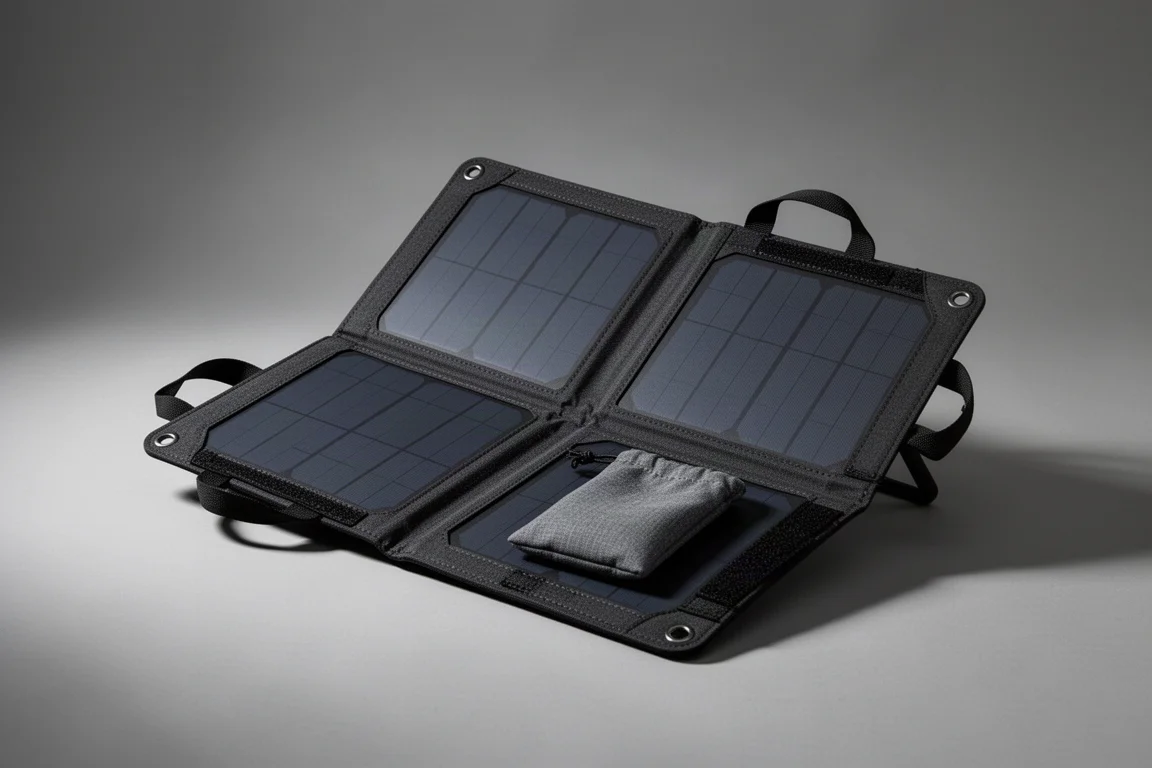
Ryobi’s 60W foldable solar panel is built around two large panels with integrated carrying handles, and it folds onto itself for transport. A small pouch on the panel is designed to hold the electronics you are charging, and a rear stand lets you angle the panels toward the sun.
The most unusual part is what is built in. Instead of MC4 connectors, this panel has an integrated USB port, a USB-C port, and a barrel-style plug. That means you can plug phones, tablets, and laptops directly into the panel itself with nothing else in the chain. It is a setup we have not really seen from other tool manufacturers, and it makes the panel genuinely useful on its own, whether you are camping, hiking, at the beach, or tailgating.
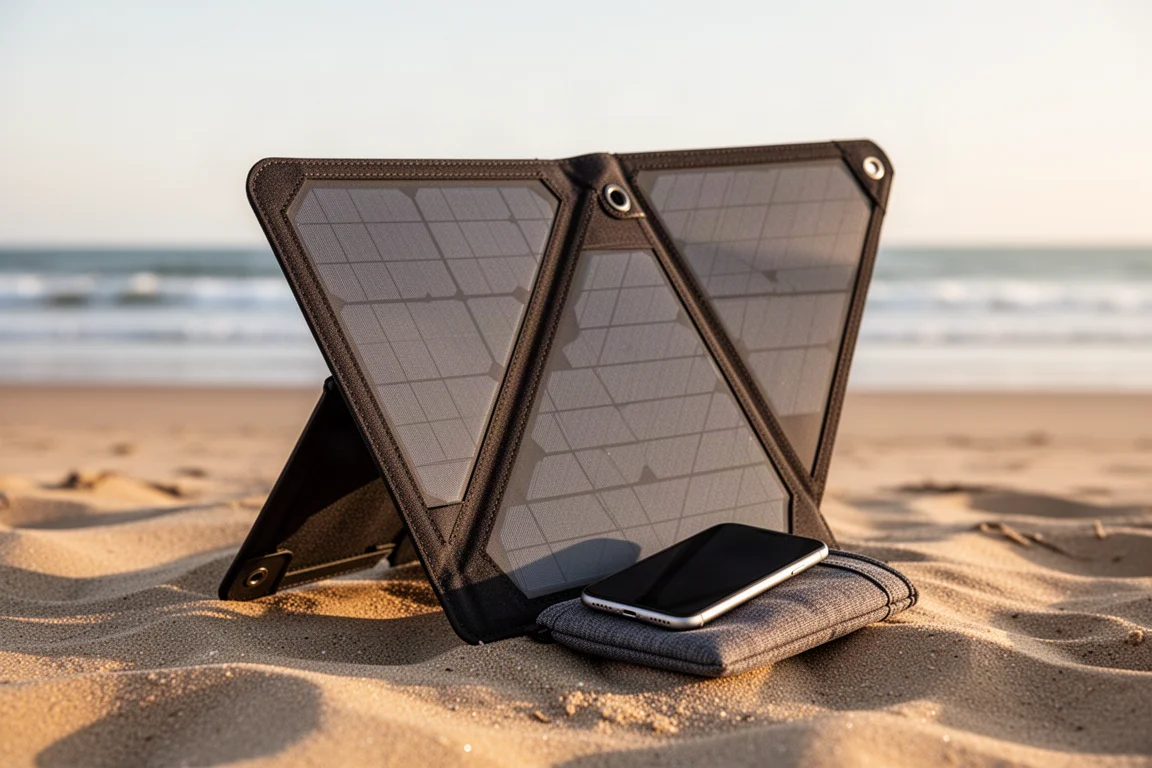
The trade-off is compatibility. If you wanted MC4 connectors to tie this into other solar solutions you already own, you will not find them here. At $249, it sits above smaller options like the 14W and 21W versions Ryobi also offers, but the built-in charging ports are the differentiator. If you just want to keep your devices topped up off-grid without extra hardware, that alone may justify the price.
Ryobi 150W Solar Battery Power Source and Charger
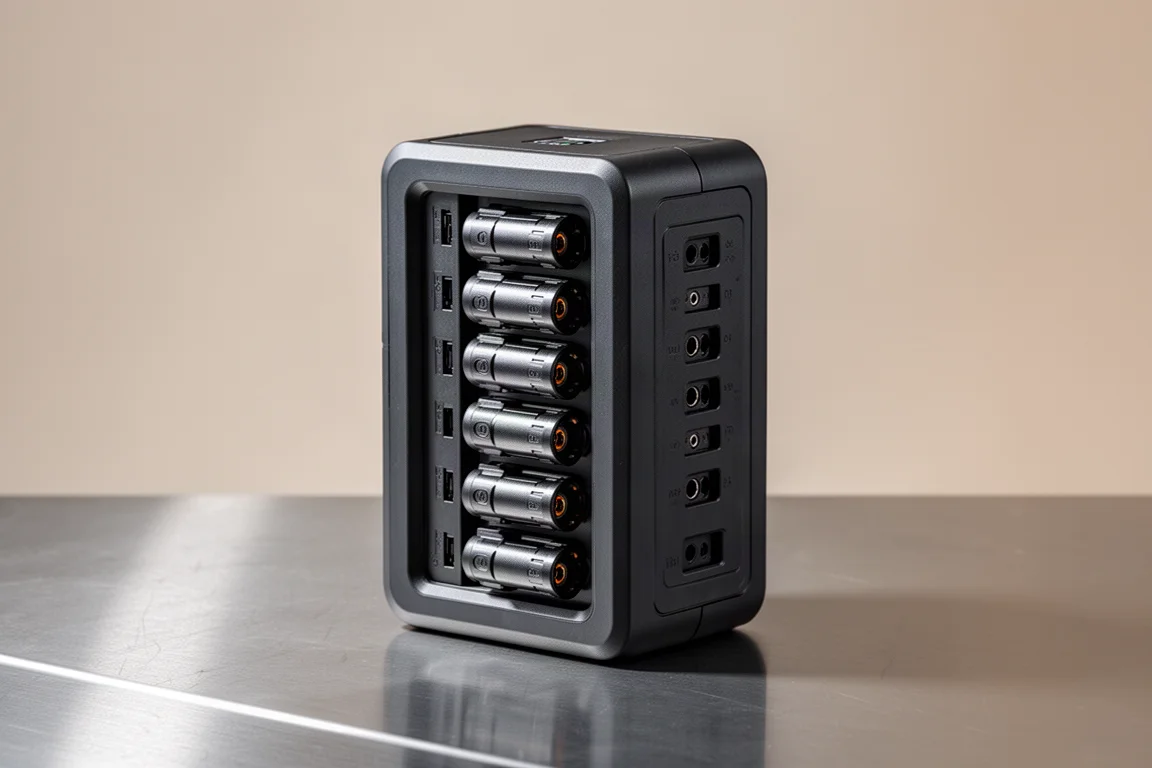
The second half of the solar announcement is the 150W solar battery power source and charger. Its 150W input means it can take in more power than a single 60W panel produces, so you can pair it with two panels if you want faster charging.
Where it gets interesting for tool users is the battery side. This unit can charge Ryobi’s 18V ONE+ 1800W power station, which runs on 18V batteries, and it accepts eight batteries in total, four on each side. The idea is simple: let the sun charge your batteries, then use those batteries to run whatever you need afterward. It is the solar capability people had been asking Ryobi to add to its power supply lineup, and it is a meaningful differentiator among major tool brands, few of whom offer anything comparable.

This is the piece to buy if you already have ONE+ batteries and want to keep them charged off-grid, or if you own the 1800W power station and want a way to recharge it without a wall outlet.
DeWalt DCFN61 20V Max XR High Torque Impact Wrench
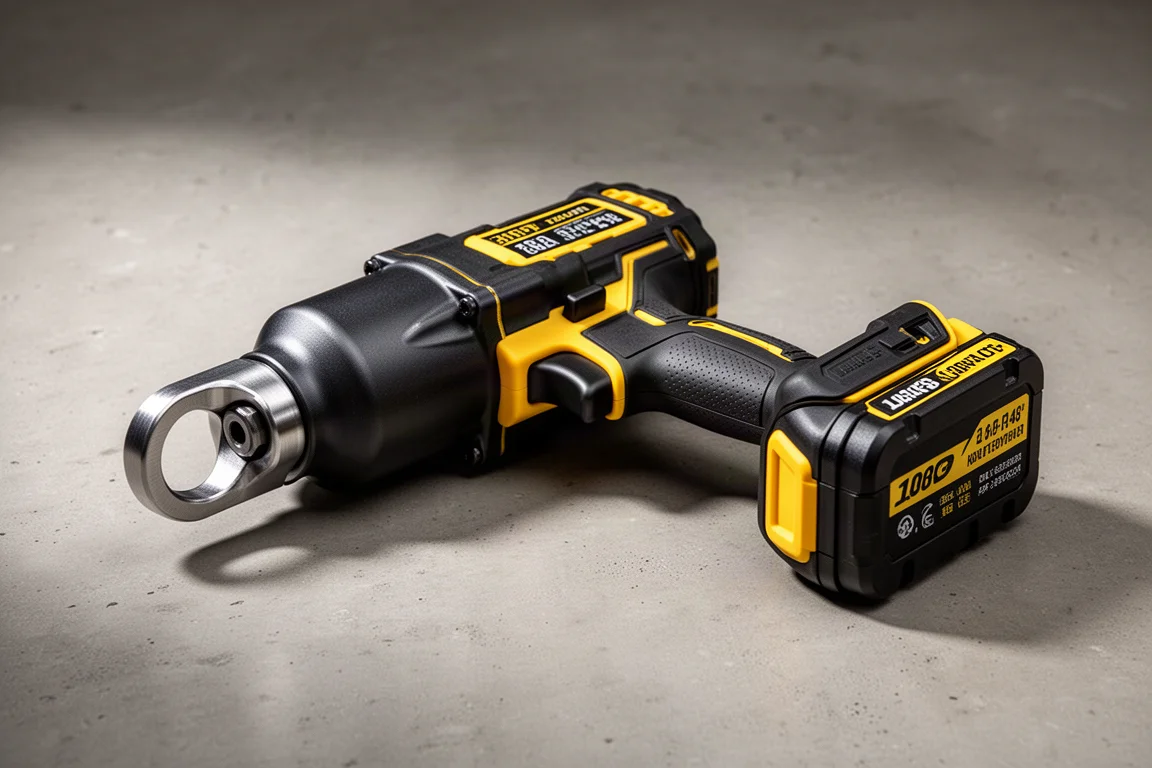
DeWalt’s new DCFN61 is a 20V Max XR brushless half-inch high torque impact wrench with a hog ring anvil, and the numbers are serious: up to 1,750 ft-lbs of max breakaway torque and 1,200 ft-lbs of max fastening torque, which DeWalt claims is the industry’s highest rated max torque for a coreless half-inch impact wrench, with up to 71% more torque.
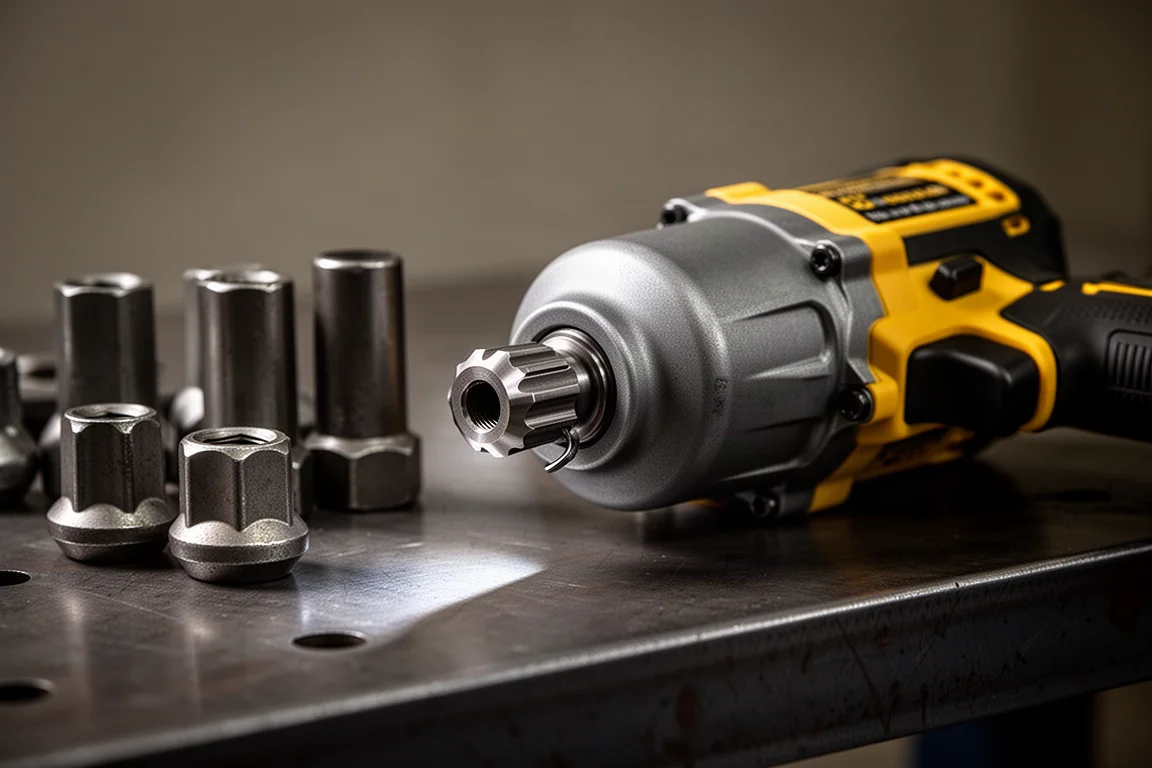
The tool runs on 20V DeWalt batteries, and any 20V DeWalt battery will power it, though the kit pairs it with an oil-resistant 5Ah battery aimed at people doing fabrication or similar dirty work. It has three digital settings and a built-in light, and the intended uses are the heavy stuff: big lag screws, automotive work, and lug nut jobs that would overwhelm a standard impact wrench.
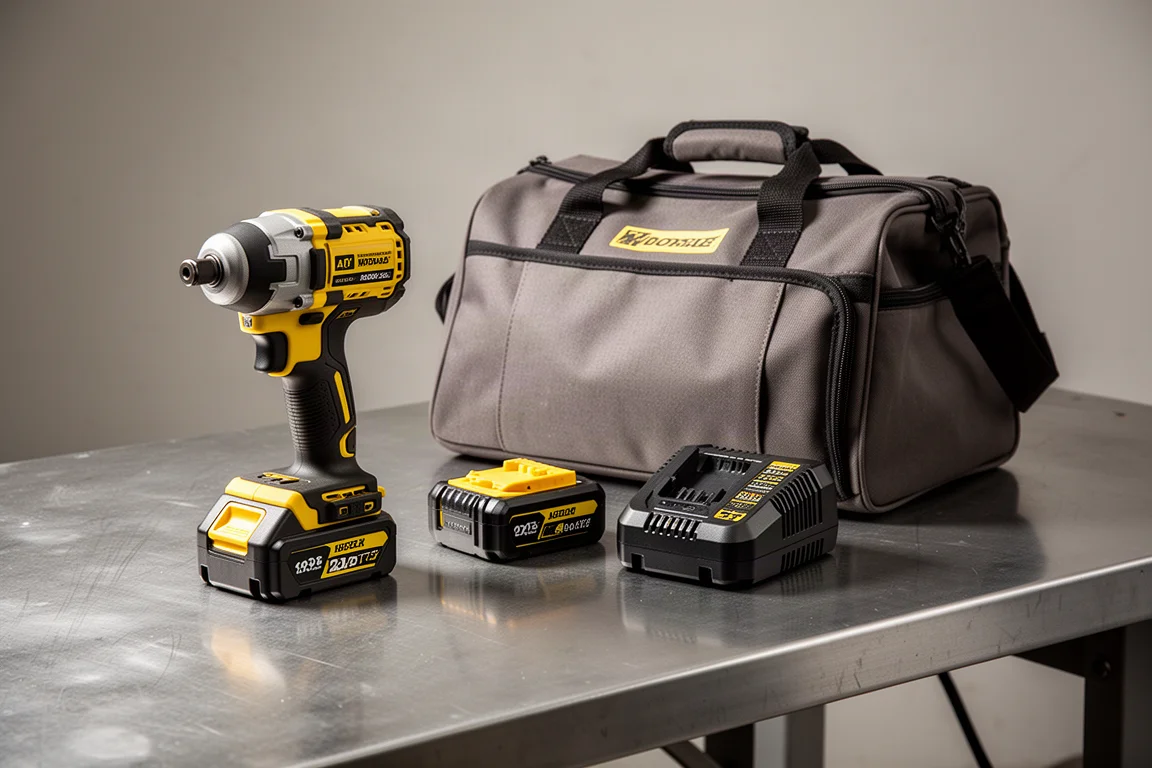
Pricing is $369 for the tool only, or $600 for the kit that includes the oil-resistant 5Ah battery, a charger, and a bag. If you already have DeWalt batteries, the bare tool is the value play; if you want the oil-resistant pack, the kit is the way to get it.
Buying Advice
If your world revolves around camping, tailgating, or off-grid device charging, the 60W panel’s built-in USB and USB-C ports make it a self-contained solution that is hard to replicate. If you already own Ryobi ONE+ batteries or the 1800W power station, the 150W solar power source and charger is the logical companion, and pairing it with two 60W panels maximizes its input.
For heavy-duty fastening, the DeWalt DCFN61 is about as much torque as a 20V platform currently offers. Existing DeWalt 20V battery owners can grab the bare tool at $369; anyone wanting the oil-resistant battery should look at the $600 kit.
None of these are impulse buys, so the right move is matching the tool to your actual workload: solar for staying charged away from outlets, and the DCFN61 for jobs that genuinely demand extreme torque.
Conclusion
Ryobi’s solar push gives its ONE+ ecosystem something few other tool brands offer, and the foldable panel is unusually convenient thanks to its integrated charging ports. DeWalt’s DCFN61 answers a different question entirely, delivering headline-grabbing torque for the toughest fastening jobs. Whichever direction you lean, each of these releases has a clear, well-defined use case, and that is what makes them worth shortlisting.
Further reading
Related Reviews
Power Tools
Best 1-Inch Pistol Impact Wrenches: Three Heavy-Duty Options Compared
We compare three 1-inch pistol impact wrenches, from a budget-friendly Harbor Freight model to a premium Caterpillar unit, to help you choose the right one.
Power Tools
Best 3/4-Inch Impact Wrenches 2026: Five Contenders Compared
We compare five 3/4-inch impact wrenches across price and performance, from a budget Amazon option to Snap-on's most powerful model yet.
Power Tools
Best Budget Cordless Tools 2026: Walmart Finds That Punch Above Their Price
We tested five cordless tools from Walmart, including a high-torque impact wrench that trades blows with Milwaukee and a $35 duster that outperforms its price class.