Kitchen Knives
New Japanese Knife Arrivals: Hatsukokoro, Yoshikane, Tanaka and More
A fresh batch of Japanese kitchen knives lands, including Hatsukokoro Ginyo, two Yoshikane 210mm gyutos, Yoshikazu Tanaka wa-gyutos, a Tatsujin nakiri and an insanely sharp new Damascus shinkito arrival.
Introduction
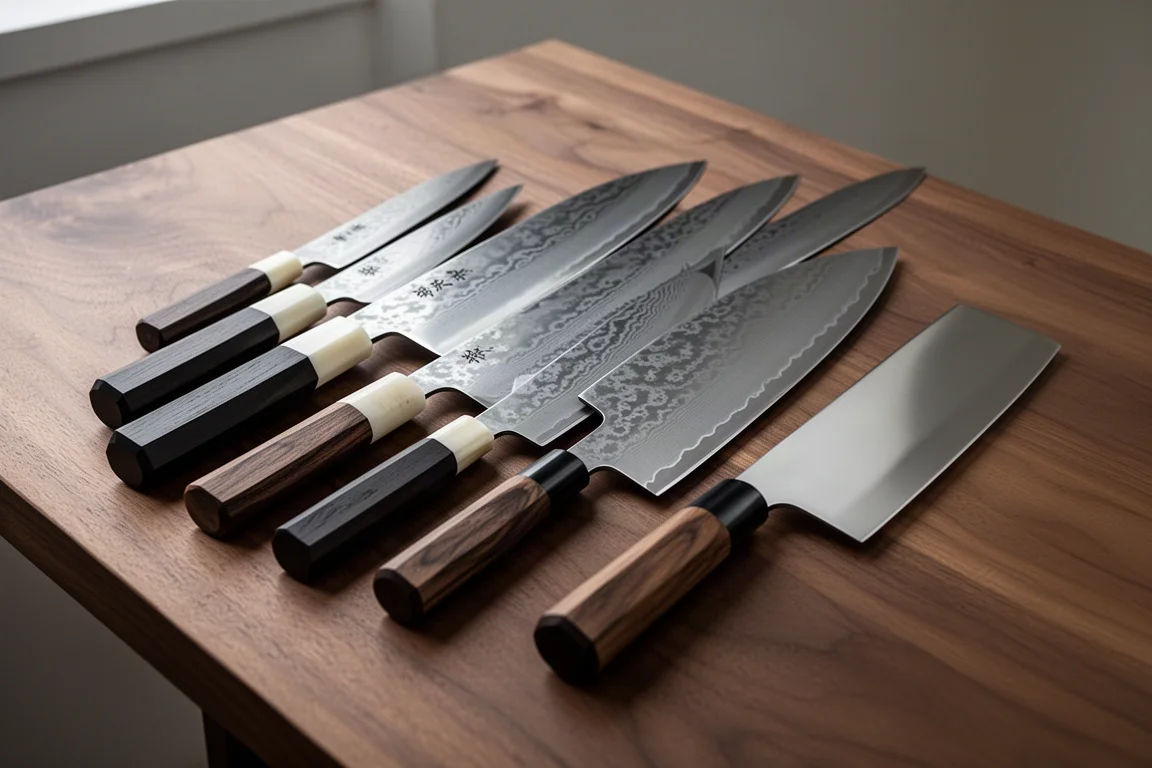
A fresh round of Japanese knife arrivals has landed, and this batch covers a lot of ground: a revived Damascus stainless series, two stainless-clad White #2 gyutos, exceptionally finished wa-gyutos from Yoshikazu Tanaka, a near-mirror nakiri, and a new Damascus shinkito with what can only be described as a truly extreme out-of-the-box edge.
This is a revival-style restock rather than an entirely new lineup, which means some favorites are back with small but meaningful changes. Here is what came in, and who each knife is best suited for.
Hatsukokoro Ginyo Series
The Hatsukokoro Ginyo series returns with a bunka, petty, santoku, nakiri and 210mm gyuto in stock. These feature a beautiful flat Damascus finish, walnut handles with buffalo horn ferrules, and octagonal handles that suit both right- and left-handed users. They are forged from Ginsan (Silver #3) stainless steel, forged by Yoshihiro Yaoji out of the Kefu knife village.
Ginsan is a favorite stainless option for good reason: it sharpens easily and takes a wicked, screaming edge, and it is said to be the most carbon-steel-like of the stainless steels in terms of sharpening feel and edge quality.
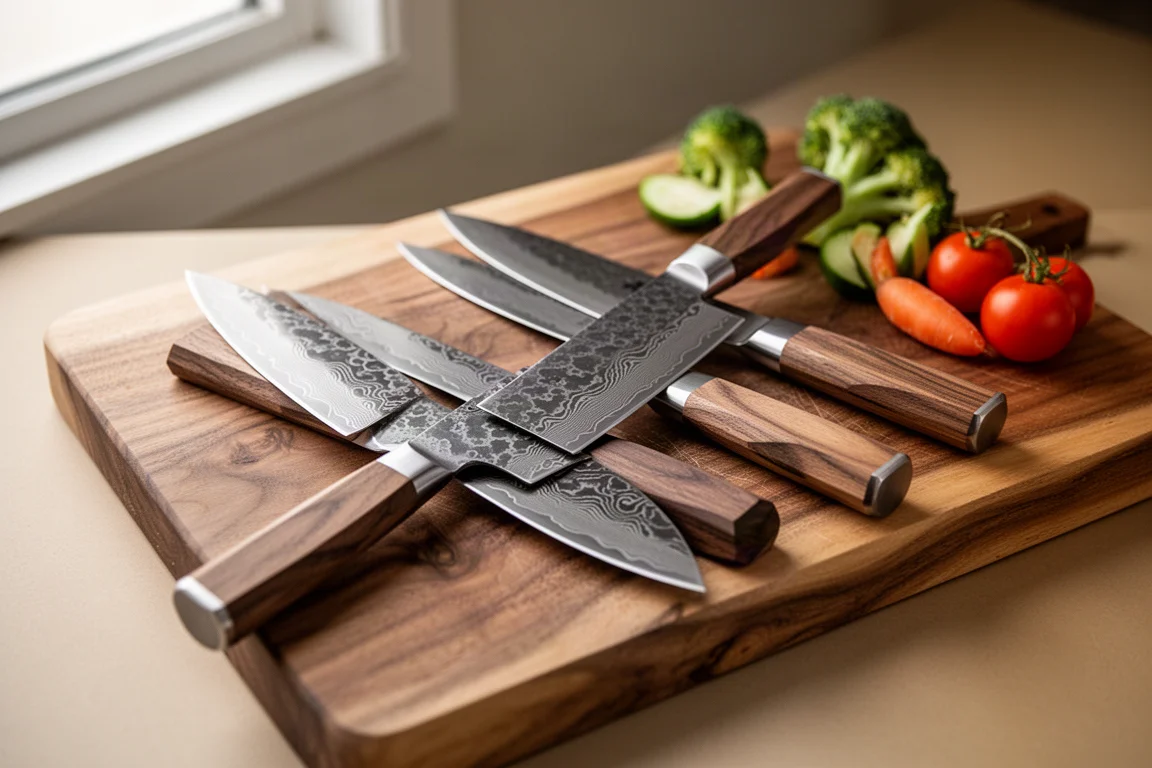
This batch differs from the previous run in a few useful ways. The last batch had wenge handles and a more textured finish, while these carry smoother walnut handles with no tsuchime at all. They are also slightly less tall, but noticeably thinner behind the edge, so the cutting feel should be even better than the previous batch.
Yoshikane 210mm K-Tip Gyuto
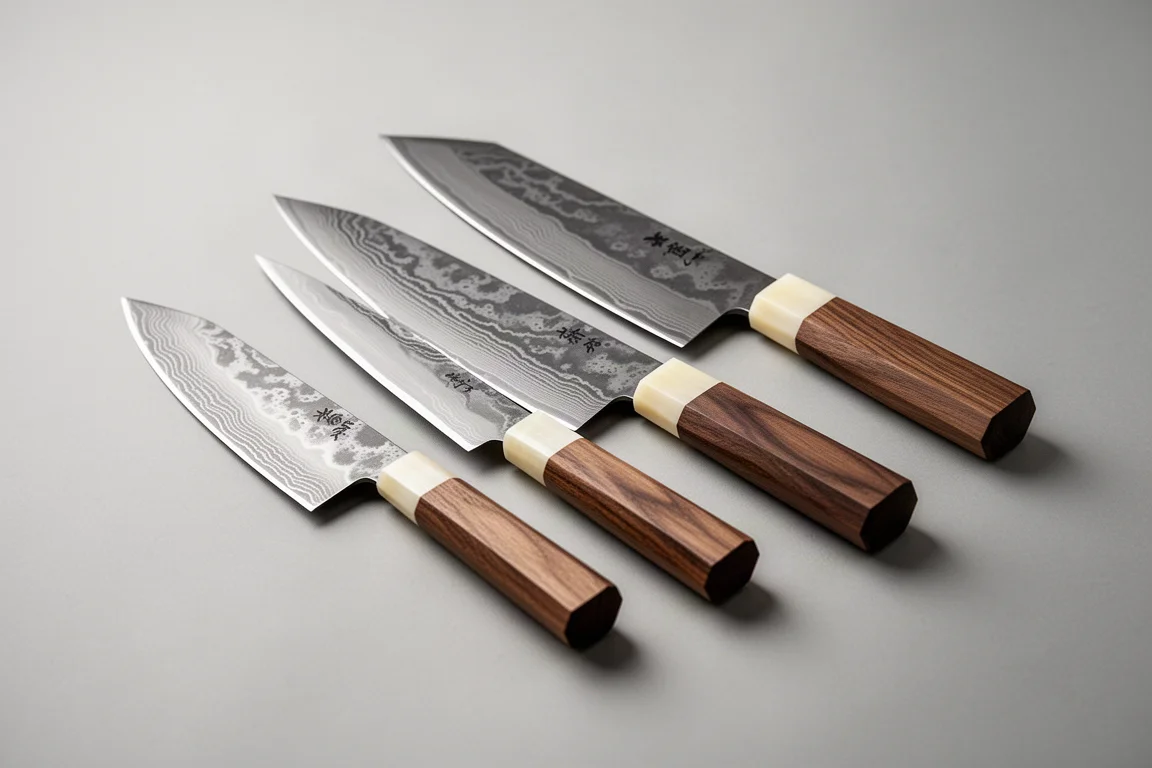
The 210mm K-tip gyuto from Yoshikane is built on White #2 steel with stainless cladding and a nashiji finish, paired with a walnut handle and buffalo horn ferrule in an octagonal shape suitable for either hand. Coming from the Sanjo area, it has the slightly thicker spine at the handle typical of that region, tapering nicely toward the tip.
The profile is the draw here: a K-tip that balances right where you want it, with a finish that reads as understated rather than flashy.
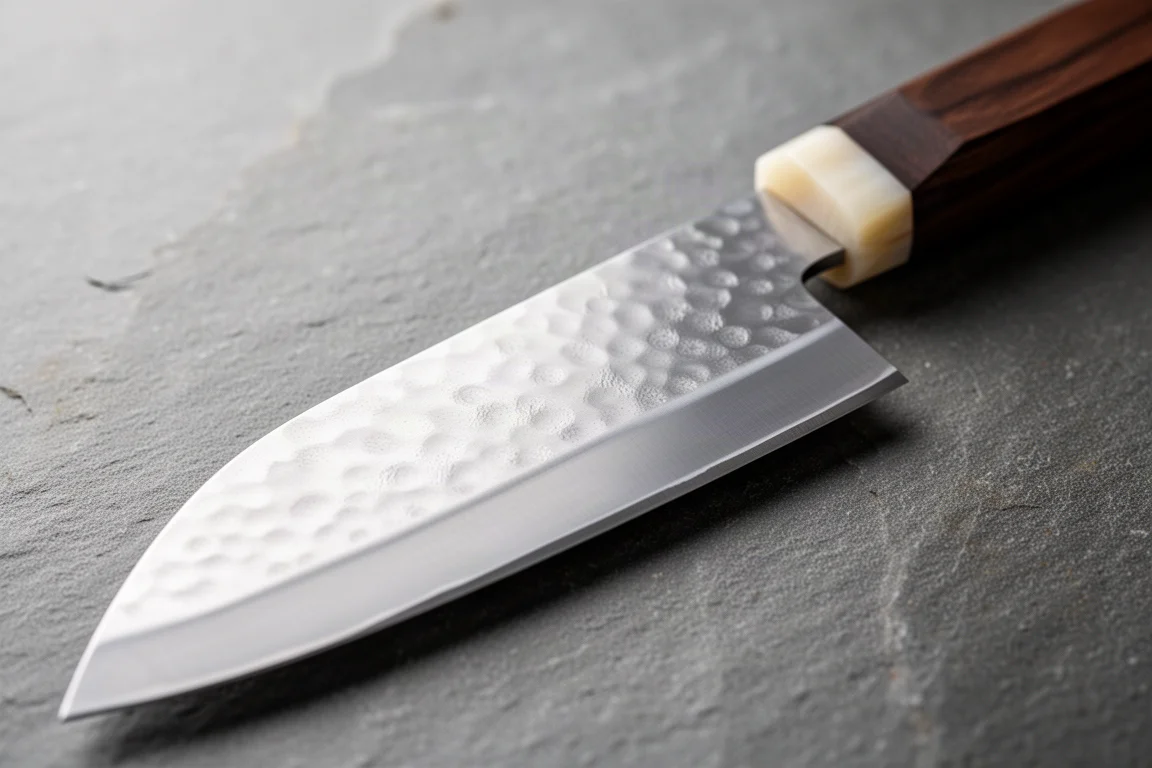
For anyone drawn to K-tip profiles and stainless-clad carbon steel, this one is hard to overlook. The edge geometry is very thin behind the edge, which keeps it lively in food even with the sturdier spine.
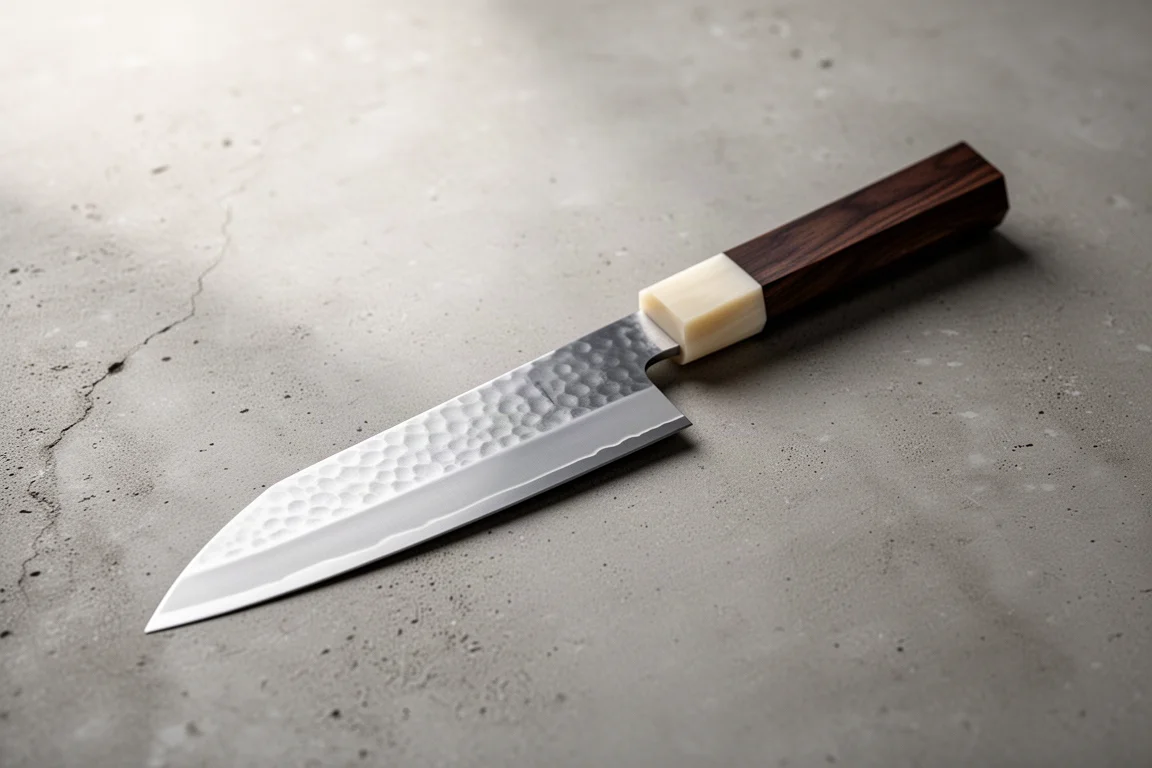
Yoshikane 210mm Gyuto
Alongside the K-tip version, the standard 210mm gyuto shares the same fundamentals: White #2 core, stainless cladding, nashiji finish, and an octagonal walnut handle with buffalo horn ferrule. The spine treatment and tapering profile match its sibling, and the edge geometry is again very thin behind the edge.
If you prefer a classic tip over the K-tip look, this delivers the same cutting performance with a more traditional silhouette. It is a strong pick for a primary work knife that still has plenty of character.
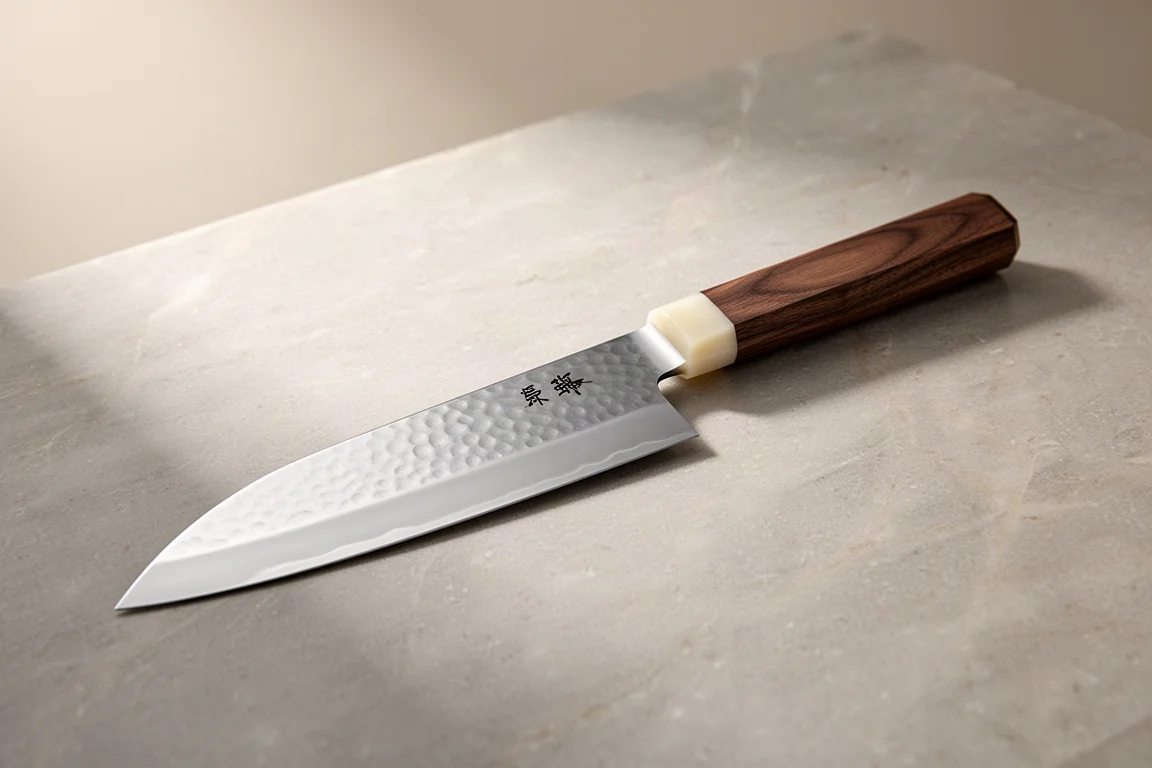
Yoshikazu Tanaka 210mm and 240mm Wa-Gyuto
These wa-gyutos from Yoshikazu Tanaka are exceptionally beautiful knives. They come in White #1 steel, in 210mm and 240mm lengths, with ebony handles and white buffalo horn ferrules. The Damascus finish combined with those tall bevels and generous blade height gives them a striking presence in hand.
Fit and finish is genuinely impressive: the spine is sanded beautifully, the choil is finished cleanly, and everything about them feels considered. As you might guess, they are not cheap, but the effort that goes into making them shows, and they feel well worth the money.
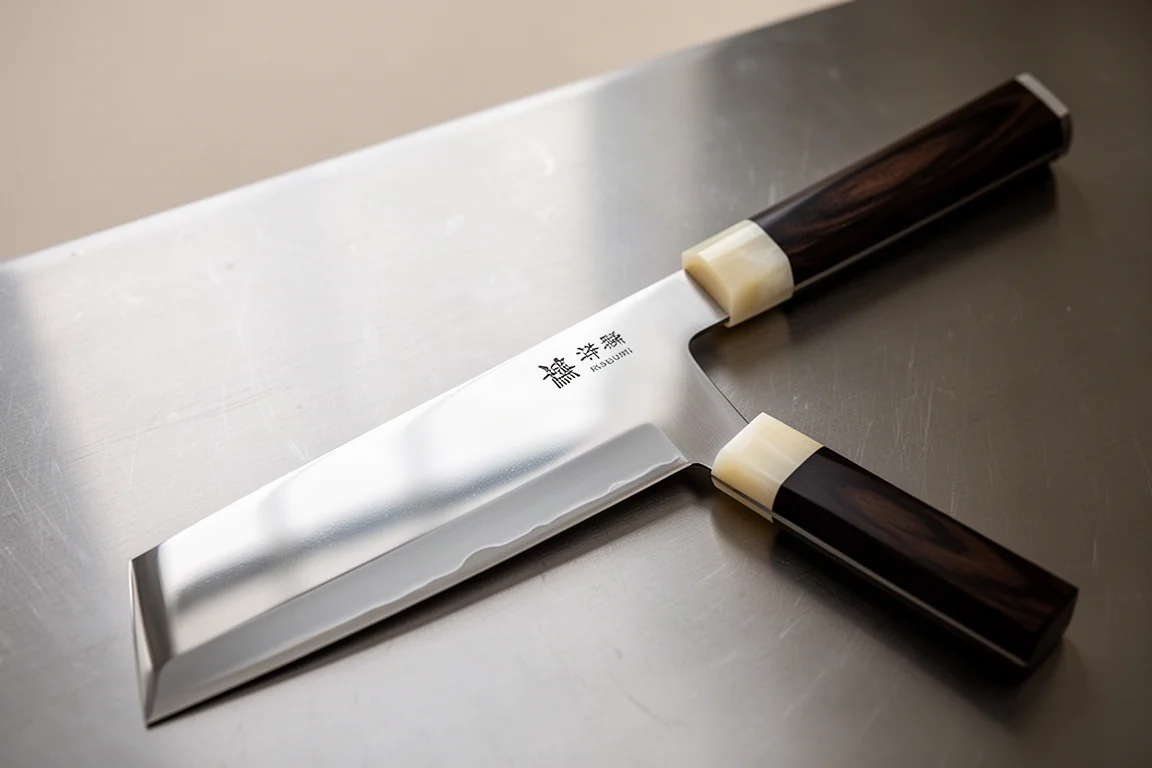
One practical note: these carry a lacquer finish that gives the steel a slight rainbow appearance. Before first use, a quick wipe with acetone or nail polish remover will help you develop a nice, consistent patina.
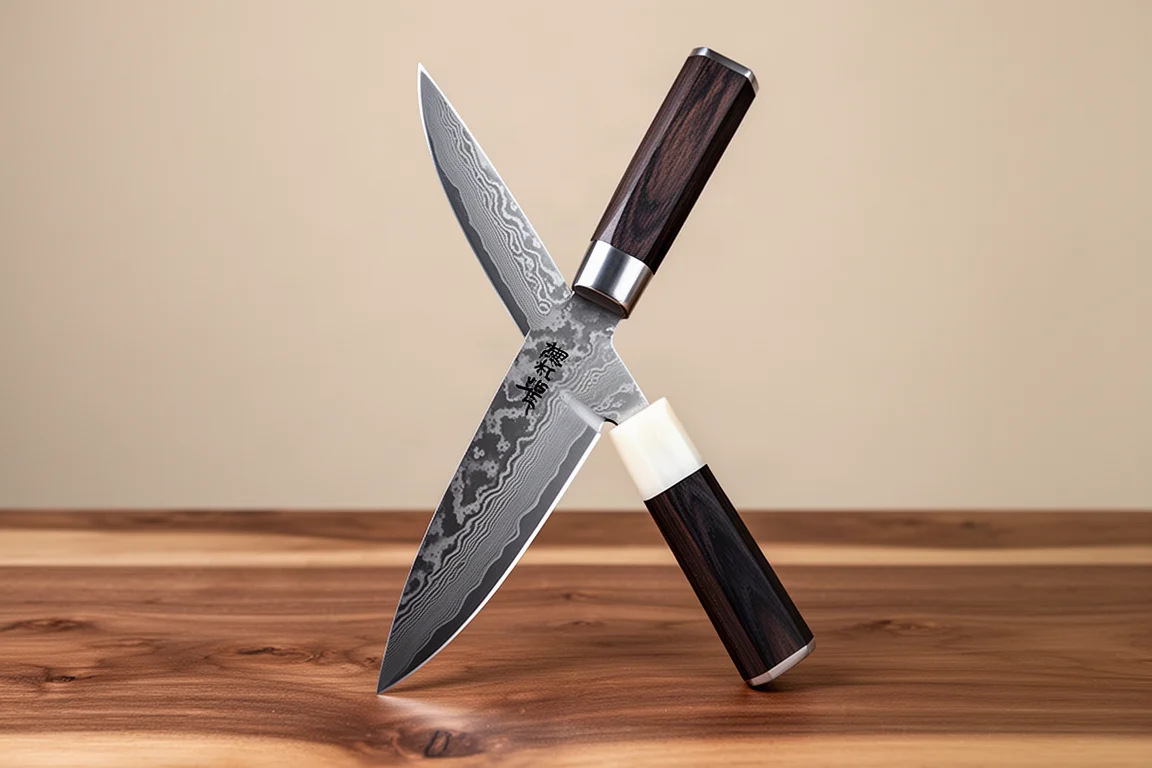
Tatsujin 165mm Nakiri
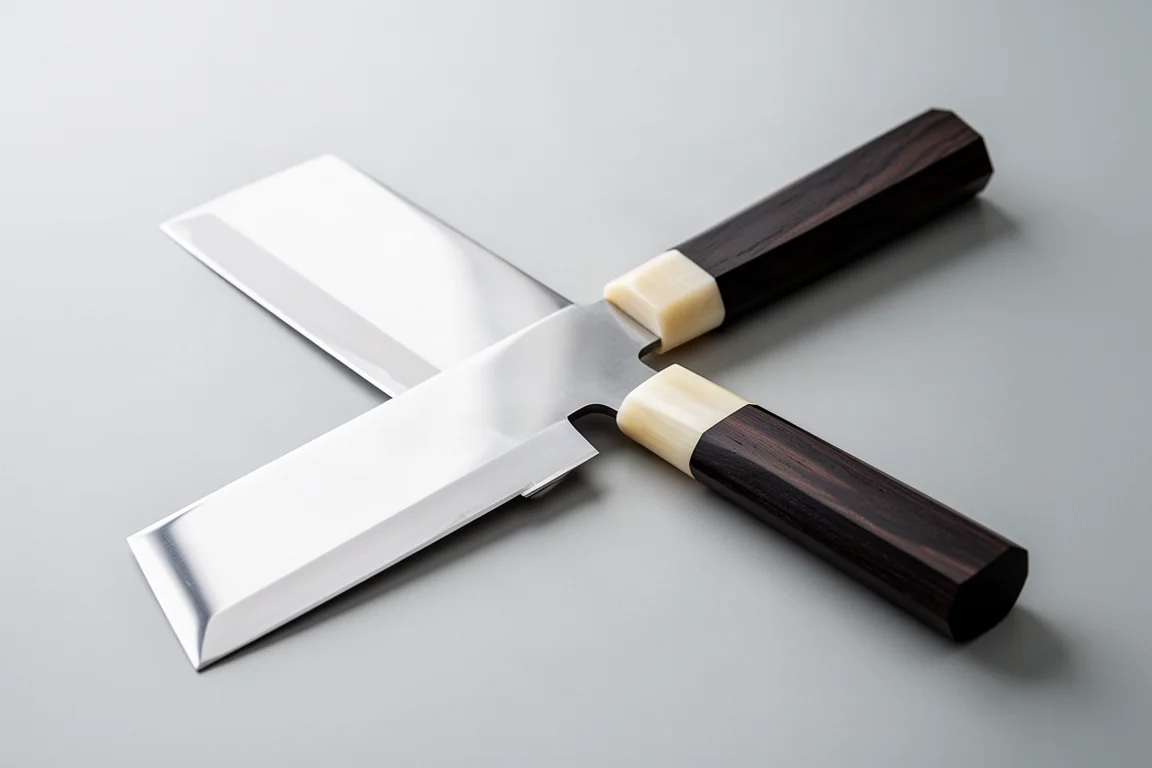
The Tatsujin 165mm nakiri features a Kasumi finish that is near mirror, simple and elegant, with a nicely sanded choil and spine. The handle is ebony with a white buffalo horn ferrule, matching the level of finish found throughout the blade.
Edge geometry is exceptional here; the blade tapers so thin it seems to disappear into nothingness at the edge. This one is Blue #2 steel with an ironclad construction, like the Tanaka wa-gyutos, so keeping it dry and clean between uses matters.
A New Damascus Shinkito Arrival
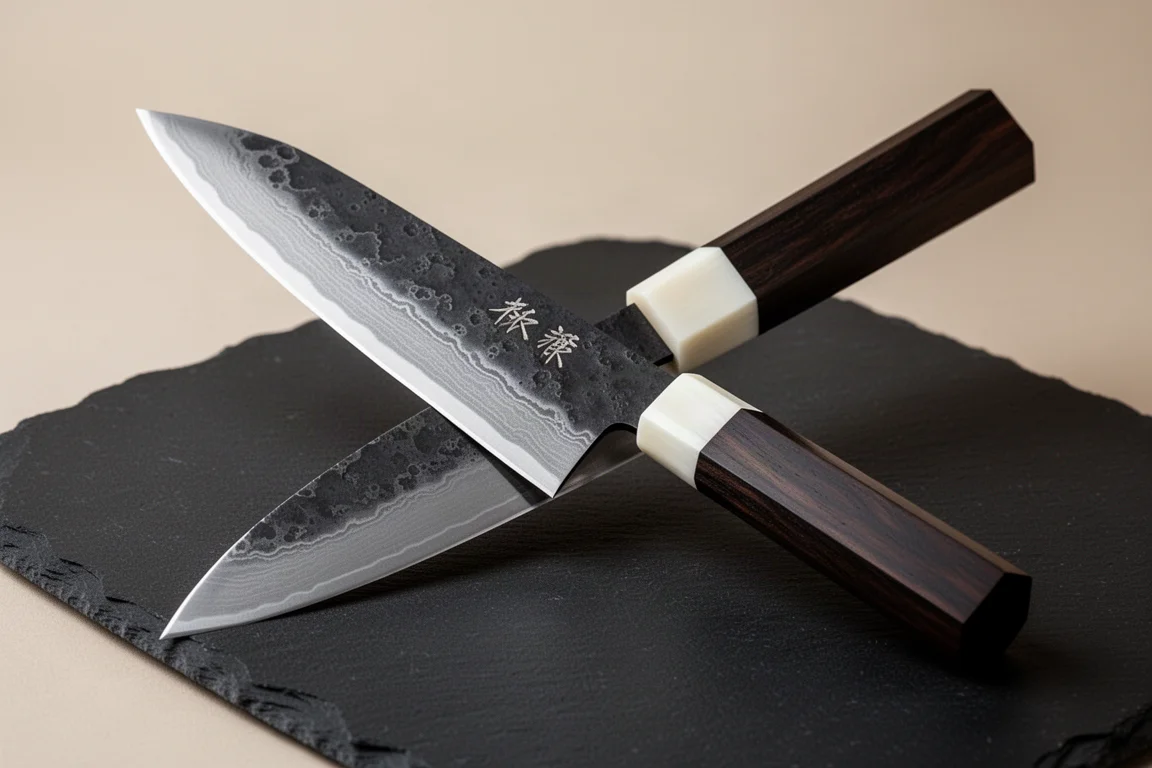
Considered a new arrival, the Hatsukokoro shinkito in super ironclad Damascus kurouchi with an ebony handle and white buffalo horn ferrule rounds out the batch. The 240mm version has been seen before, but this new arrival raises the bar in one specific way.
The out-of-the-box sharpness is genuinely remarkable, described as the sharpest factory edge anyone has handled, sharper than the very good edges that came on the 240mm versions. Of course, you will likely want to touch it up on stones before use regardless, but this edge arrives in astonishing condition.
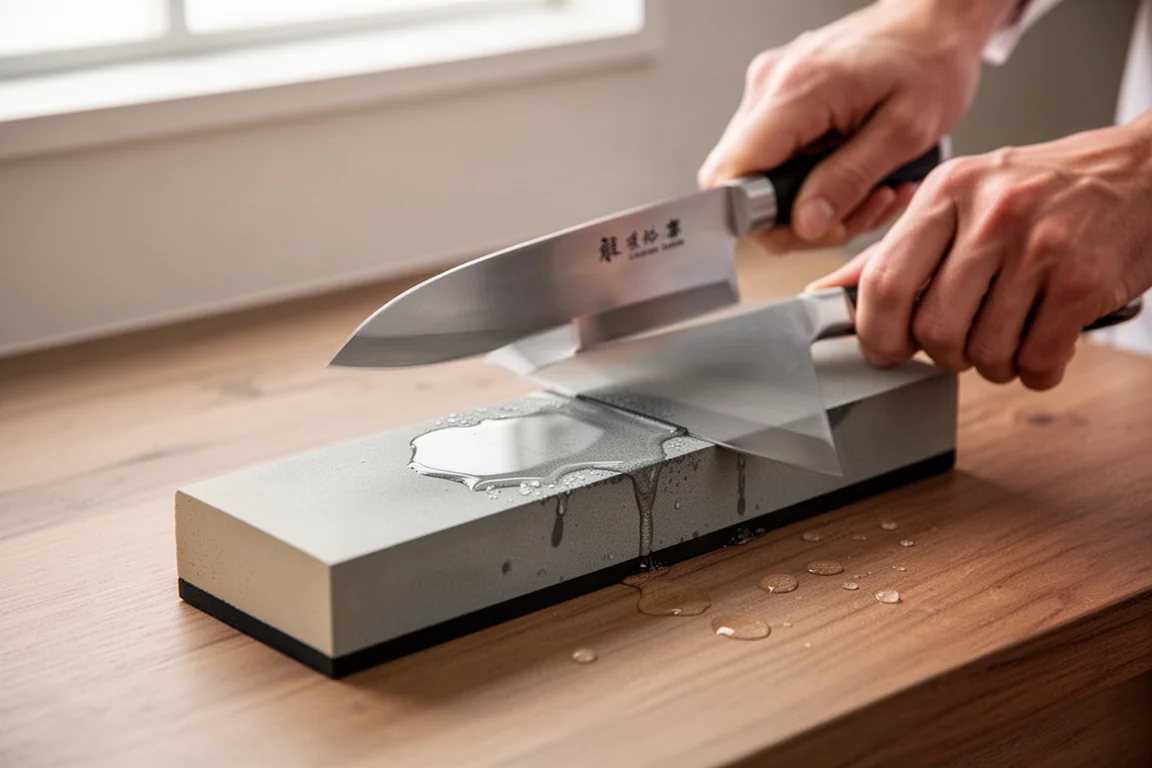
As with the other ironclad knives here, the Damascus kurouchi cladding means routine care matters: keep it dry, wipe it down, and it will develop character over time rather than rust.
Overall Buying Advice
If you want a low-maintenance daily driver, the Hatsukokoro Ginyo series in Ginsan stainless is the easiest recommendation, especially with the thinner edge on this batch. The Yoshikane gyutos suit anyone who wants carbon steel cutting performance with stainless cladding to reduce upkeep. The Tanaka wa-gyutos and the Tatsujin nakiri sit at the showpiece end, with outstanding fit, finish and geometry, but they require more care due to their ironclad construction.
Finally, if out-of-the-box sharpness matters most to you, the new Damascus shinkito arrival sets a very high bar. With a new shipment expected soon and a Valentine’s Day sale running from the beginning to the middle of February, it may be worth waiting briefly if the piece you want is currently out of stock.
Conclusion
This restock covers the full spectrum: easy-care stainless in the Ginyo series, characterful stainless-clad carbon in the Yoshikane pair, high-end fit and finish from Yoshikazu Tanaka, an elegant nakiri from Tatsujin, and an absurdly sharp new Damascus shinkito. Match the knife to your maintenance appetite and cutting style, and there is something genuinely worthwhile in this batch for most kitchens.
Further reading
Related Reviews

Kitchen Knives
Best Chef's Knives 2026: 27 Popular Options Tested and Ranked
A comprehensive review of 27 chef's knives ranging from $18 to $380, with honest assessments of handle comfort, blade balance, and real-world performance.

Kitchen Knives
Best Chef's Knives Under $75: Two Tested Recommendations
Two practical 8-inch chef's knives that balance sharpness, comfort, and durability without premium pricing.

Kitchen Knives
Best Chef's Knives 2026: 27 Options Tested and Ranked
A comprehensive review of 27 chef's knives ranging from $18 to $380, with honest assessments of handle design, balance, blade profile, and real-world performance.