Kitchen Knives
Five New Japanese Kitchen Knives Worth Adding to Your Shortlist
From a tall nakiri in Aogami Super to a stainless Damascus lineup, these five new arrivals cover a wide range of budgets and cutting styles.
Introduction
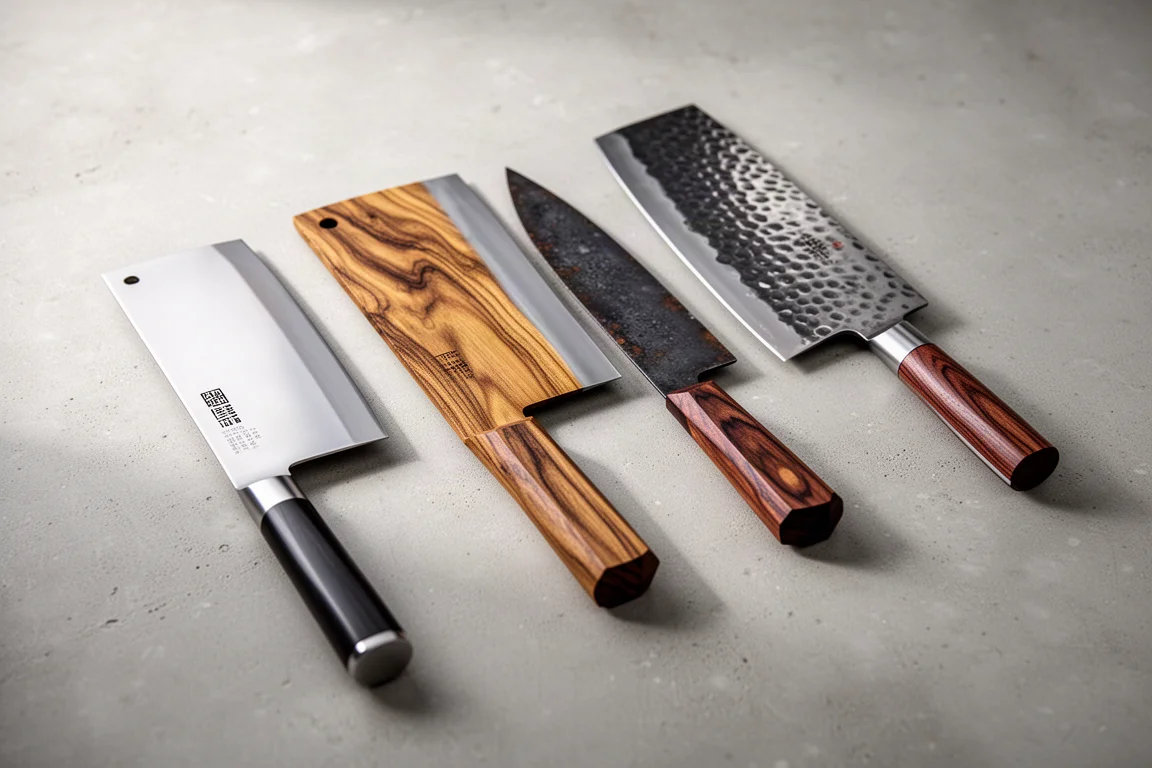
A fresh wave of Japanese kitchen knives has landed, and this batch covers a lot of ground: a beloved tall nakiri, a beefy vegetable cleaver, a nimble little chopper, a big order of hand-forged stainless-clad knives, and a wallet-friendlier Damascus line for anyone who wants low-maintenance performance. Here is what makes each one worth a closer look.
Shiro Kamo Tall Nakiri 165mm: A Classic Done Right
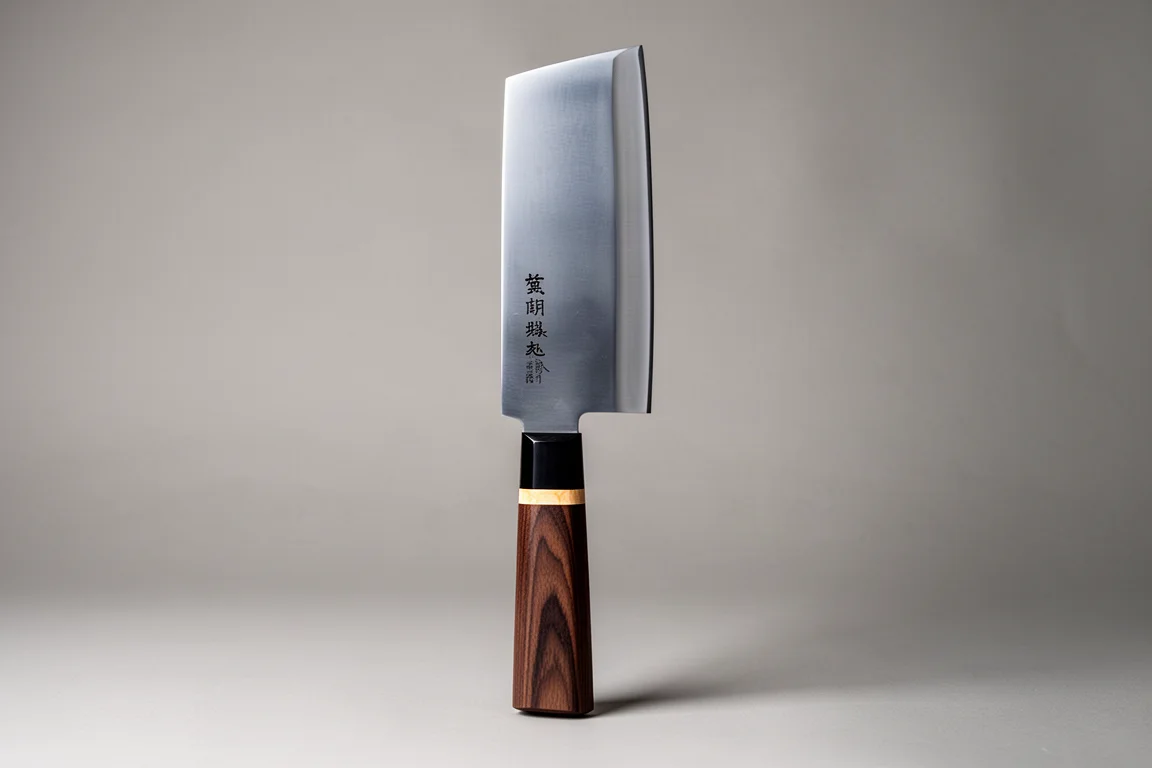
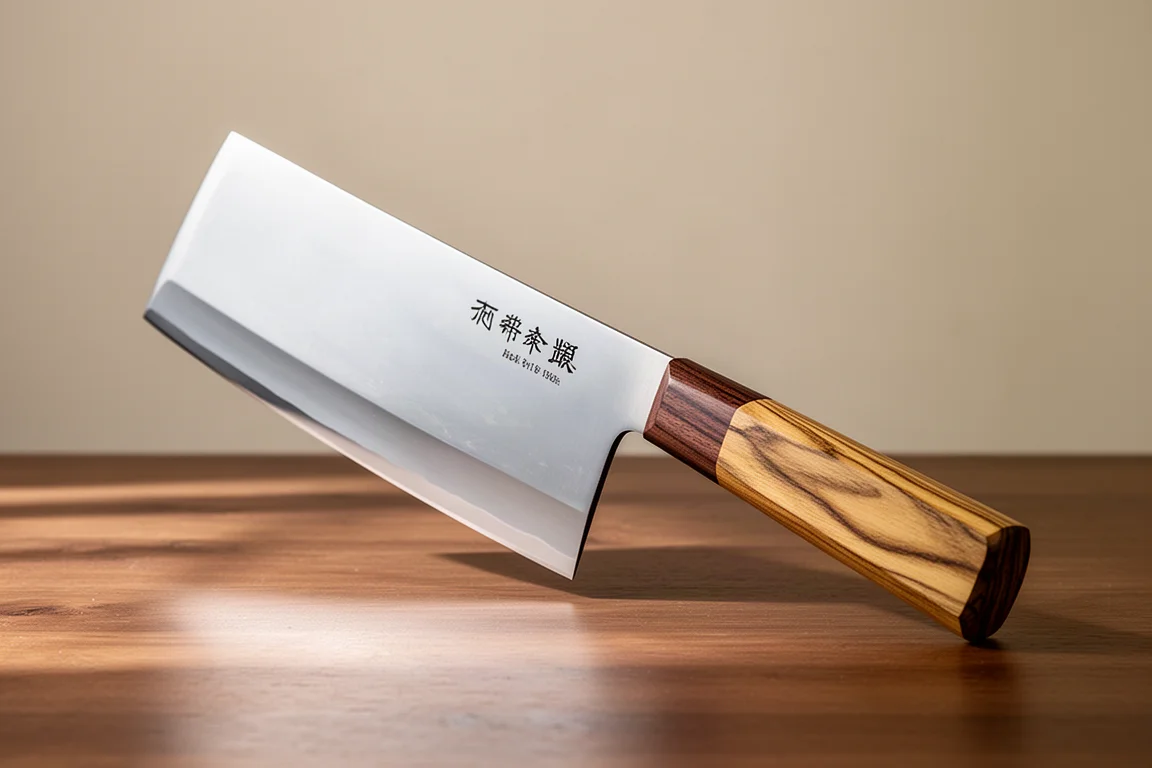
The Shiro Kamo tall nakiri runs 165mm long with a blade height of over 60mm, made from Aogami Super with stainless cladding. It has earned a reputation as a favorite nakiri among enthusiasts, and for good reason: the tall, flat profile makes it a natural push-cutter for vegetables.
The new batch ships with an ebony ferrule, maple spacer, and walnut handle. Ordering ahead of arrival currently comes with a 10 percent discount, and that deal ends once the knives land in mid to late March.
Matsubara Kiri-Style Cleaver 190mm: The Vegetable Destroyer
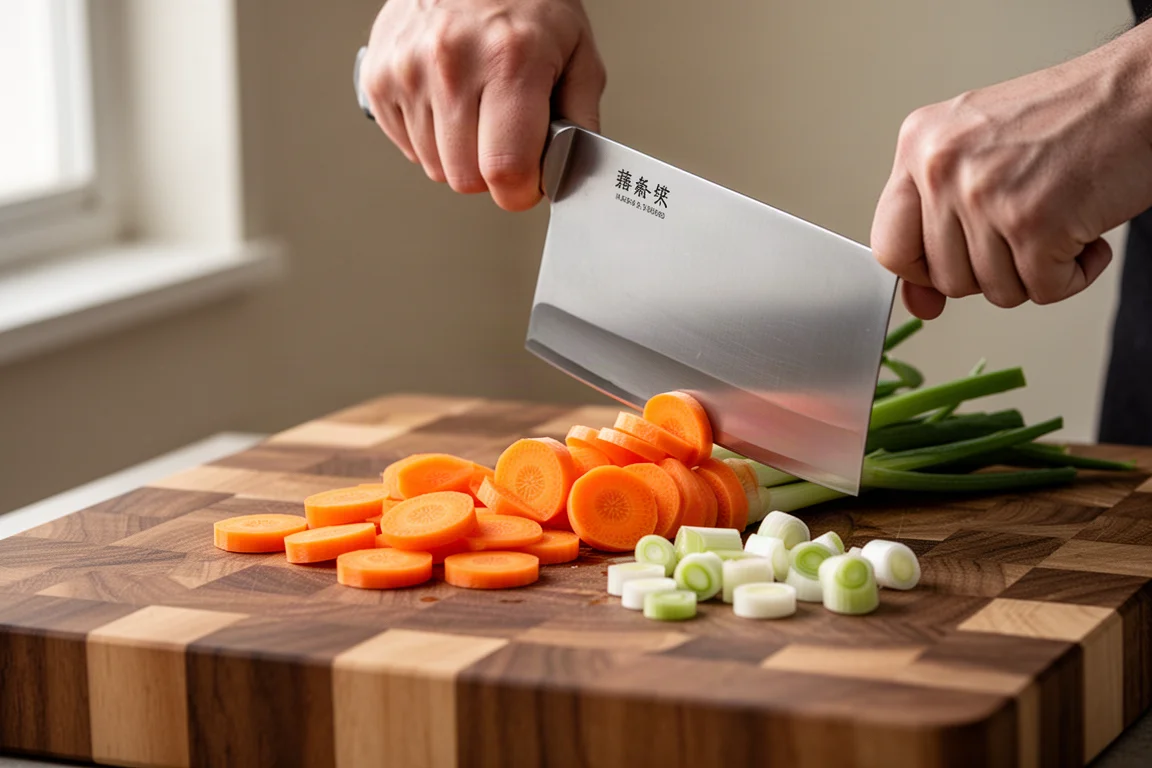
At roughly 190mm, this kiri-style cleaver from Matsubara uses Aogami 2 with stainless cladding, paired with an olive handle and walnut ferrule. The balance point sits noticeably far forward, which suits the way this knife is meant to be used: as a Chinese-style cleaver for boneless proteins and vegetables.
It is not a bone knife, so keep it away from joints and frozen food. In return you get superb geometry and a genuinely fun tool for demolishing piles of onions.
Munetoshi 120mm Kiritsuke: The Small Knife That Does Everything
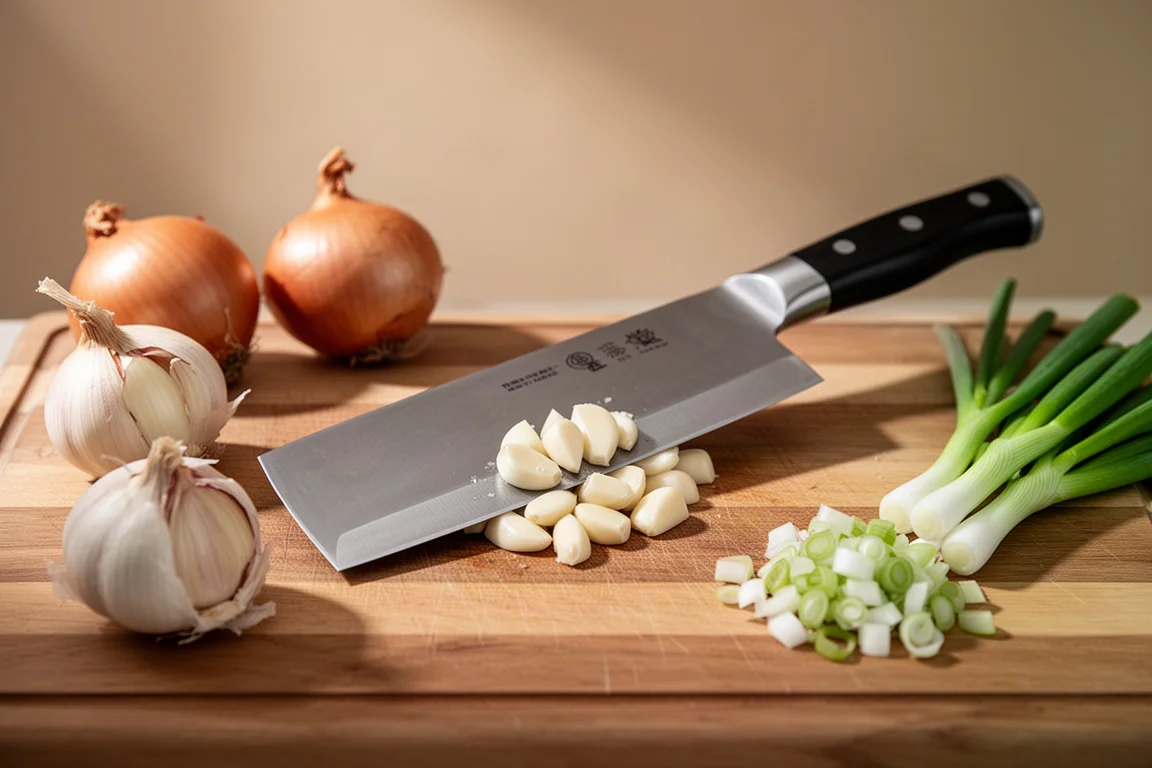
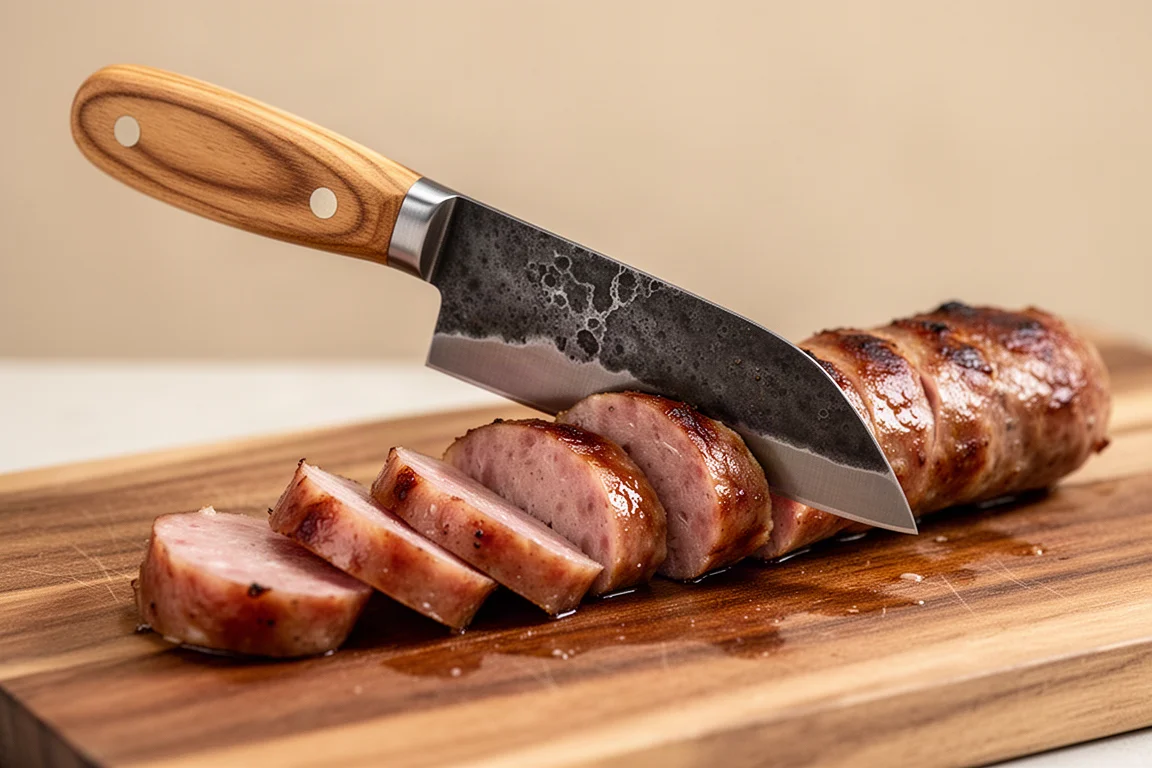
This one is hard to classify: a tall petty, a honesuki-style companion, or simply a very short kiritsuke. Whatever you call it, the 120mm Munetoshi is built for board work. Garlic, shallots, ginger, and small slicing tasks are exactly where it shines, and it is compact enough to leave out on the board all day.
It is iron-clad, so keep it clean and dry between uses. Cutting freshly roasted sausages is a classic trick for building a consistent, protective patina quickly. The kurouchi finish and oval cherry and pakka wood handle make it ambidextrous and full of character.
Mutsumi Hinoura Stainless-Clad Series: Hand-Forged and Sharp
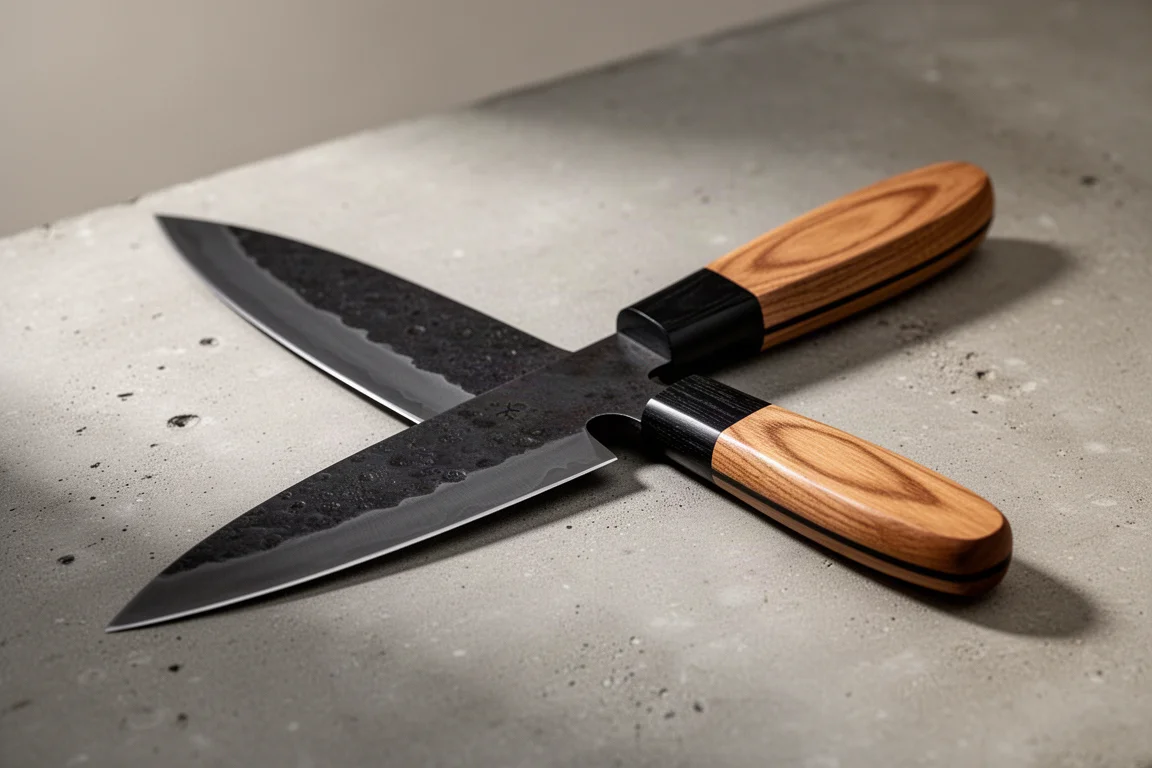
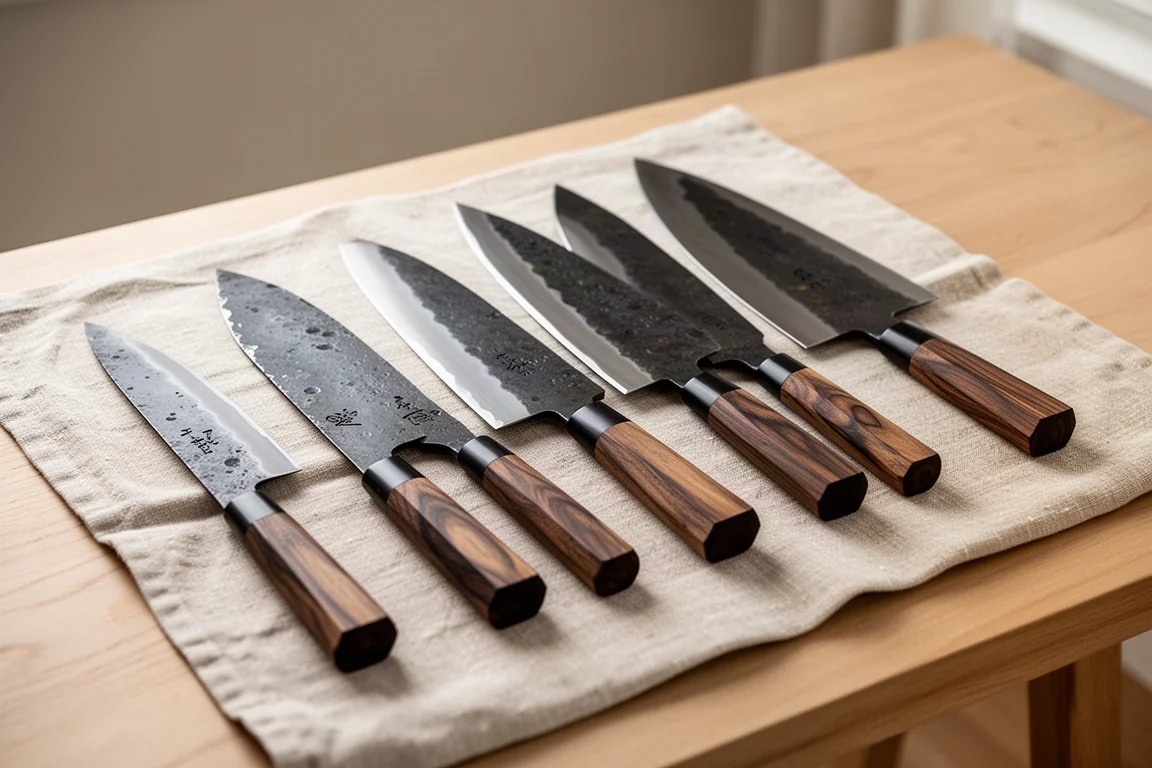
Mutsumi Hinoura, son of the well-known Tsukasa Hinoura, delivers a large shipment of Shirogami 2 knives with stainless cladding. The lineup spans 270mm and 240mm suji, a 240mm gyuto, santoku, bunka, and nakiri in 165mm and 180mm, plus a 135mm petty. Burnt chestnut octagonal handles with buffalo horn ferrules suit both left- and right-handed users.
The standout feature is edge geometry: very thin behind the edge with a gentle taper toward the tip. The factory edges are not the best out of the box, but a quick touch-up on a fine stone brings them to a screaming edge. The rustic kurouchi finish and handles give these knives a robust, artisanal feel without being overly heavy.
Sunahisa Tsuchime Damascus: The Easy-Going All-Rounder
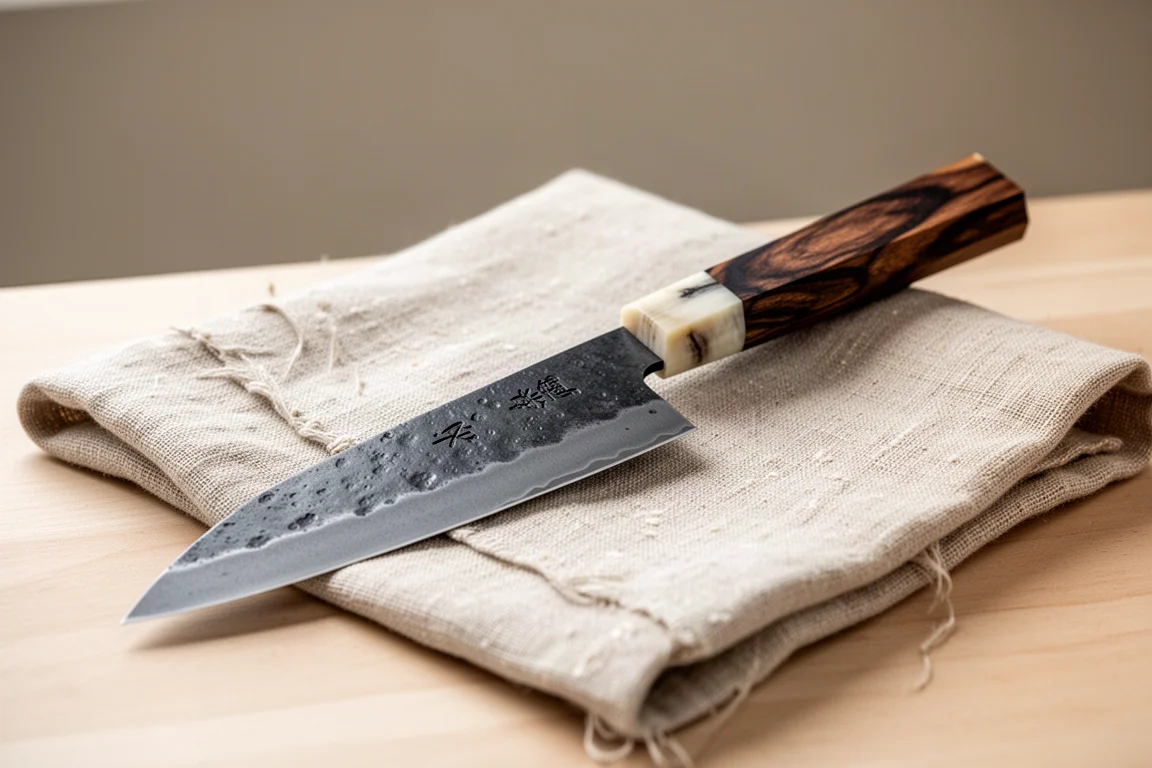
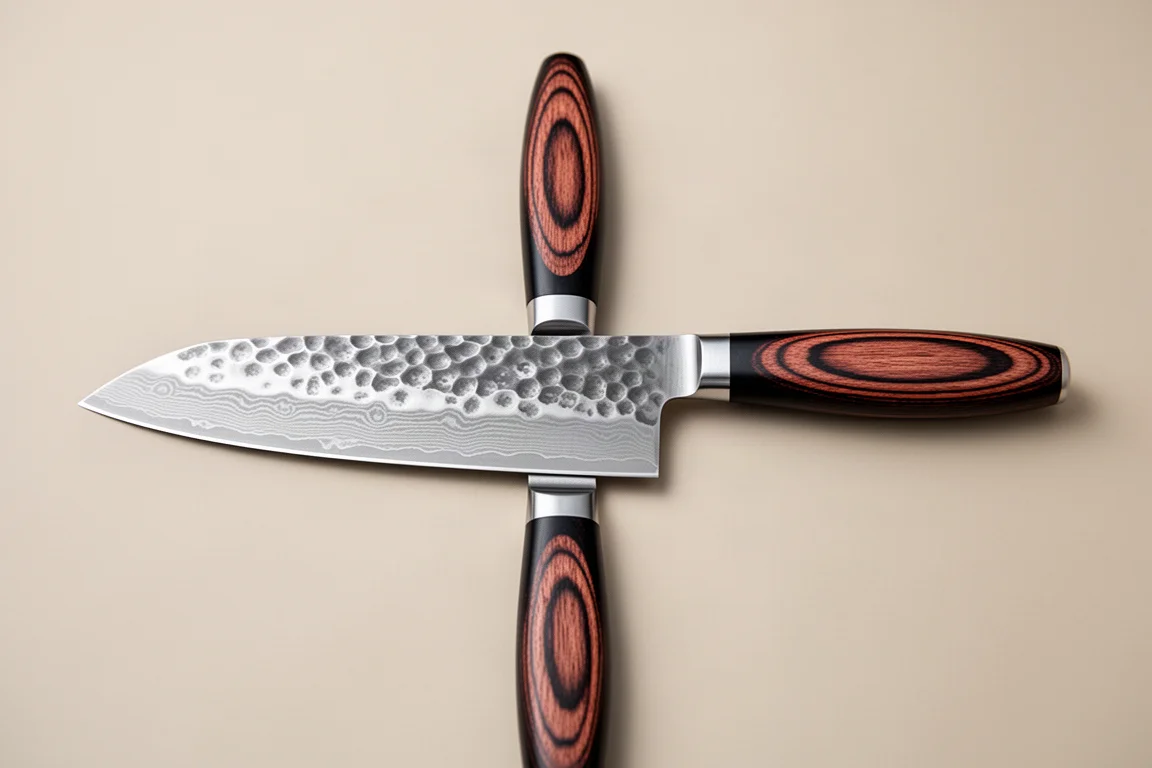
The Sunahisa tsuchime Damascus line covers a 240mm suji, 240mm gyuto, a santoku listed at 165mm that measures closer to 180mm, and a 150mm petty. Built on VG10 stainless steel with a hammered Damascus finish, rosewood and black pakka wood oval handles, and ambidextrous shaping, this line is deliberately positioned as the accessible entry point.
VG10 has a mixed reputation, but in practice the edge retention is strong and the knives sharpen up easily. They are not the thinnest blades around, so they still deserve careful treatment, but they cut noticeably better than thick Western knives and should resist chipping and rust.
These are a smart pick for anyone nervous about carbon steel maintenance, a first serious Japanese knife, or a gift you do not have to babysit.
Overall Buying Advice
Choosing between these comes down to maintenance tolerance and task. If you want the best vegetable knife of the group and do not mind carbon steel care, the Shiro Kamo tall nakiri is the standout, and pre-ordering saves you money. The Matsubara cleaver is for vegetable-heavy cooks who want a forward-balanced workhorse. The Munetoshi is the perfect small companion knife. The Mutsumi Hinoura series delivers hand-forged quality with thin edges, while the Sunahisa Damascus line is the easiest entry point and the safest gift.
Conclusion
This lineup covers nearly every kitchen need, from a specialist vegetable cleaver to a low-maintenance stainless Damascus set. Match the knife to the work you actually do, and any of these five would be a rewarding addition to the board.
Further reading
Related Reviews

Kitchen Knives
Best Chef's Knives 2026: 27 Popular Options Tested and Ranked
A comprehensive review of 27 chef's knives ranging from $18 to $380, with honest assessments of handle comfort, blade balance, and real-world performance.

Kitchen Knives
Best Chef's Knives Under $75: Two Tested Recommendations
Two practical 8-inch chef's knives that balance sharpness, comfort, and durability without premium pricing.

Kitchen Knives
Best Chef's Knives 2026: 27 Options Tested and Ranked
A comprehensive review of 27 chef's knives ranging from $18 to $380, with honest assessments of handle design, balance, blade profile, and real-world performance.