Kitchen Knives
New Japanese Kitchen Knives Just Landed: 15 Fresh Arrivals Worth a Look
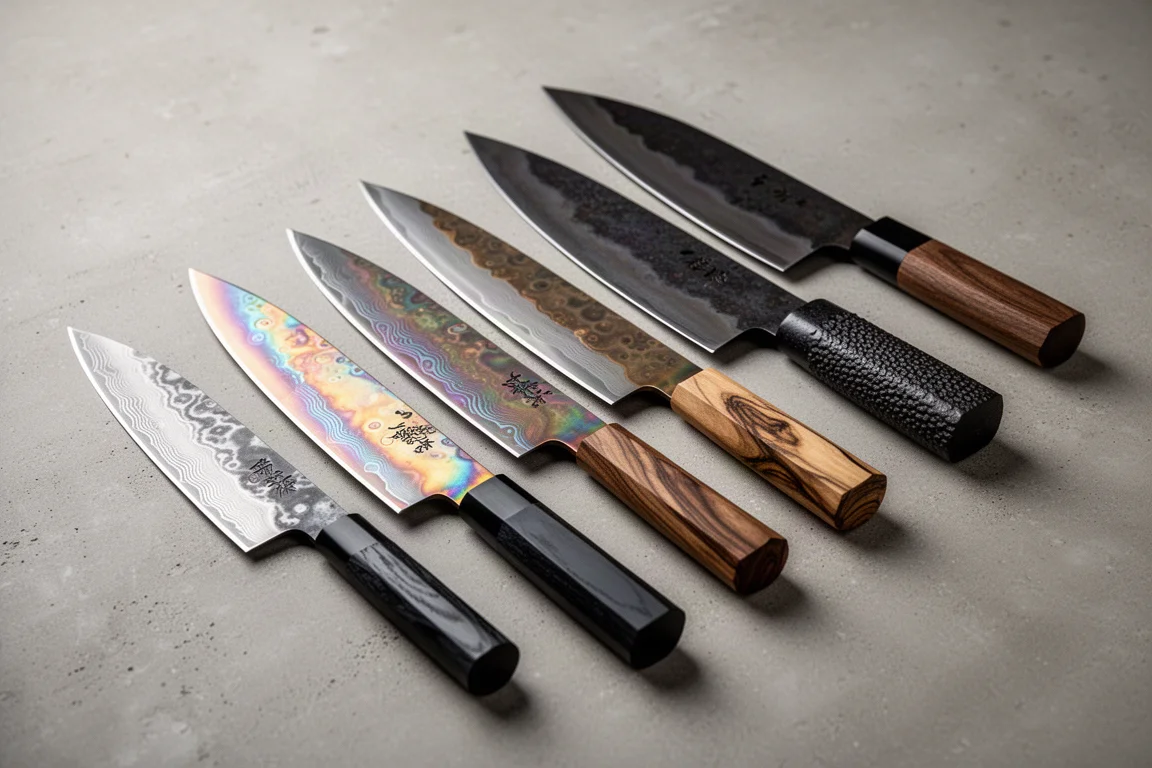
A fresh wave of handcrafted Japanese knives has arrived, from Damascus-finished Honos San bunkas to Takeshi Saji rainbow Damascus, Shindo Aogami Super, Subur Hono, Kosan, and Nigar Hono custom handles.
Introduction
The shop floor has been quietly filling up again, and this batch of new arrivals covers a lot of ground: stainless damascus workhorses, rainbow-finished western-handled knives, affordable carbon steel cutters, and custom-handled pieces that border on art objects. If you have been waiting for the right moment to upgrade your kitchen edge, this is a strong lineup to choose from. Here is what is new and who each knife makes sense for.
Honos San Damascus: Suime Finish, Stainless Convenience
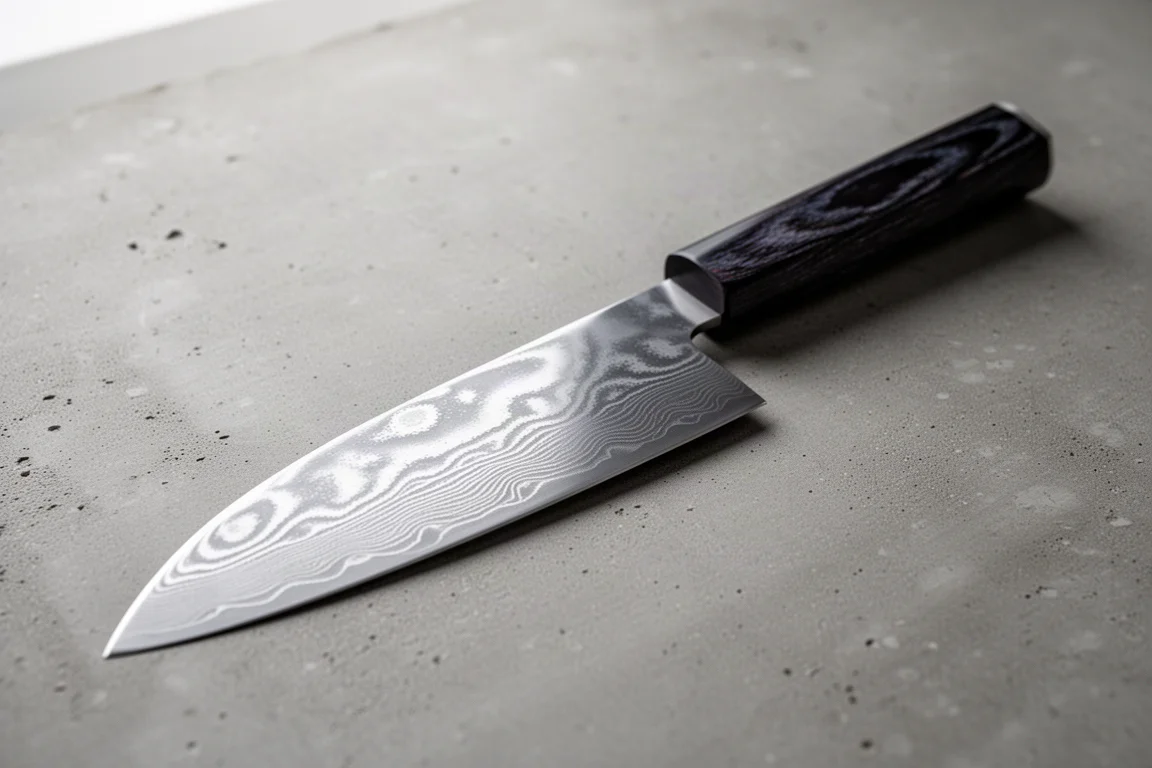
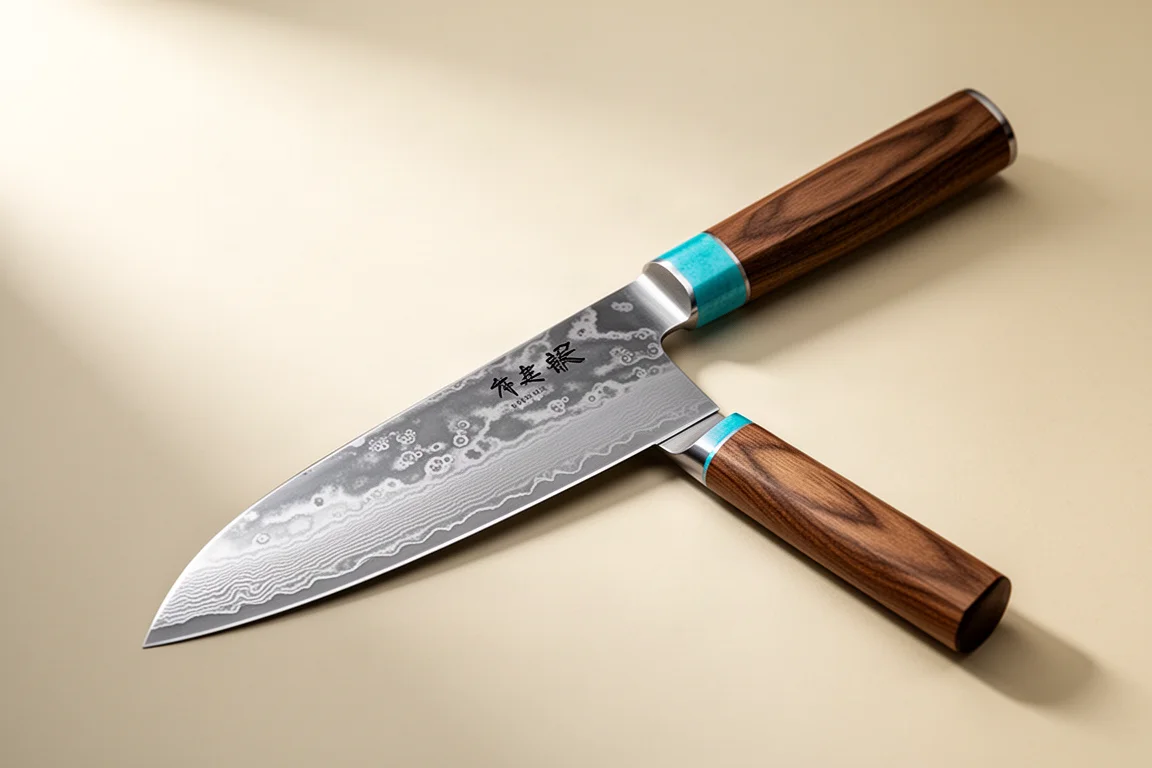
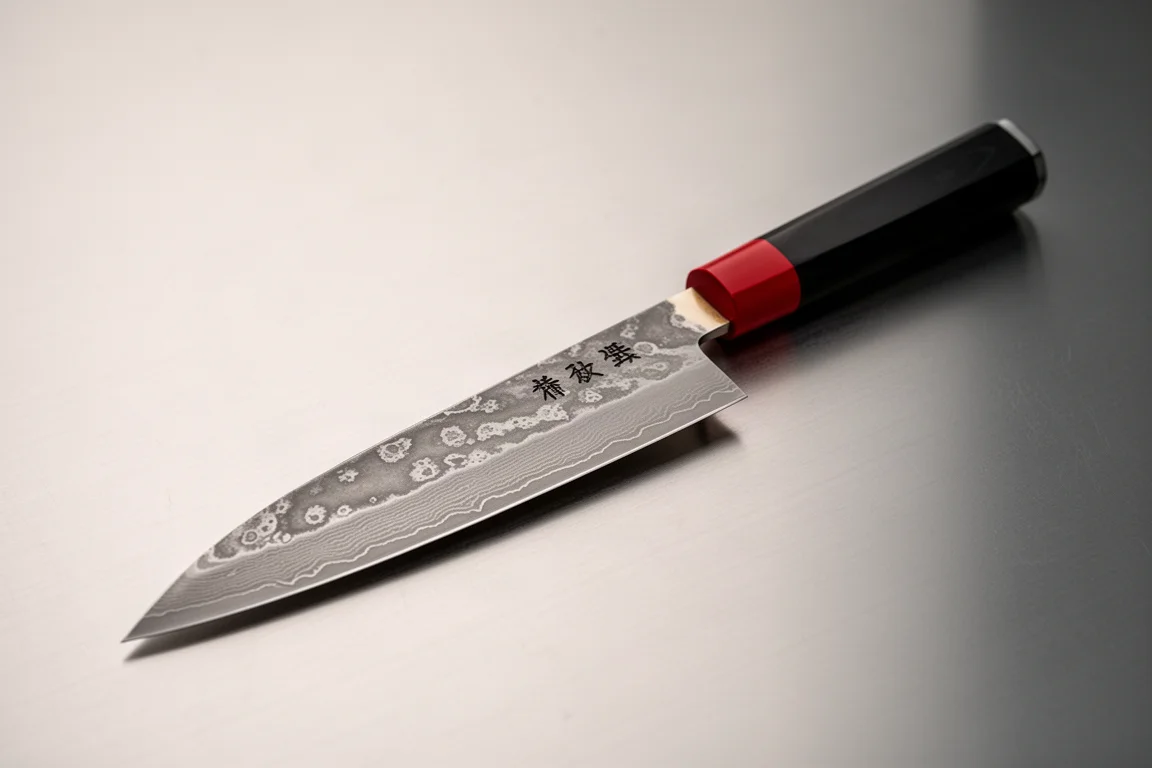
Honos San is expanding, with a new workshop of his own launching next spring, and this batch gives a preview of what is coming. The latest arrivals include bunka, santoku, and kiritsuke-style gyuto blades, all carrying a beautiful damascus suime finish in SG2 (R2) stainless steel, so these will not rust or discolor on you. Handle options include textured Japanese lacquer handles that feel grippy and secure in the hand, plus walnut and turquoise handles for a more understated look.
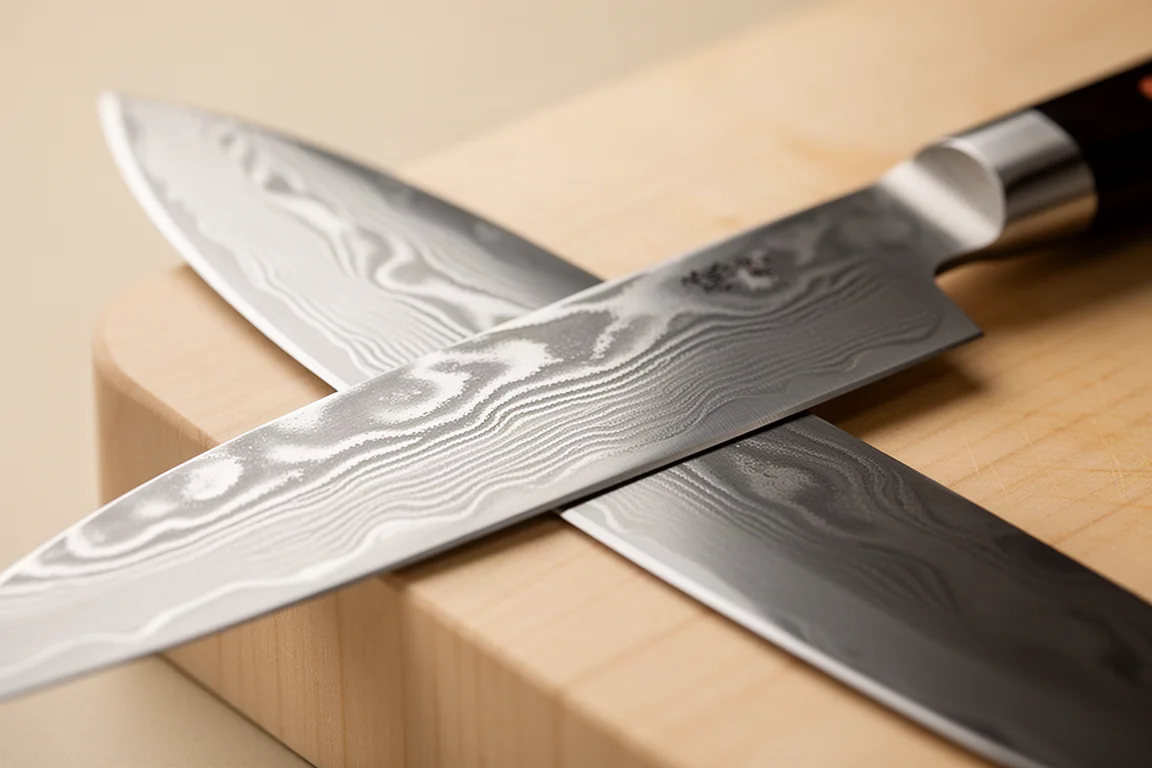
The kiritsuke-style 210mm gyuto stands out with a black handle and red ferrule, or the reverse: black ferrule on a red handle. It is a sharp-looking piece with a very distinctive tip.
Takeshi Saji Rainbow Damascus Back in Stock
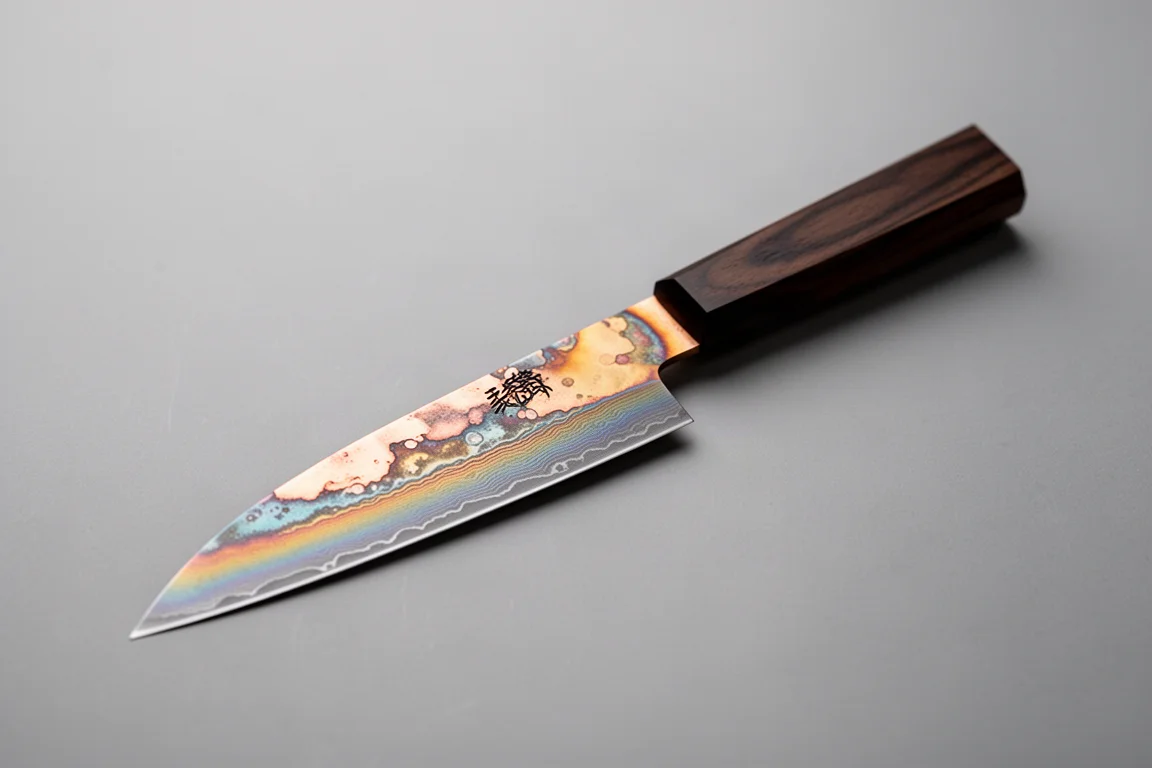
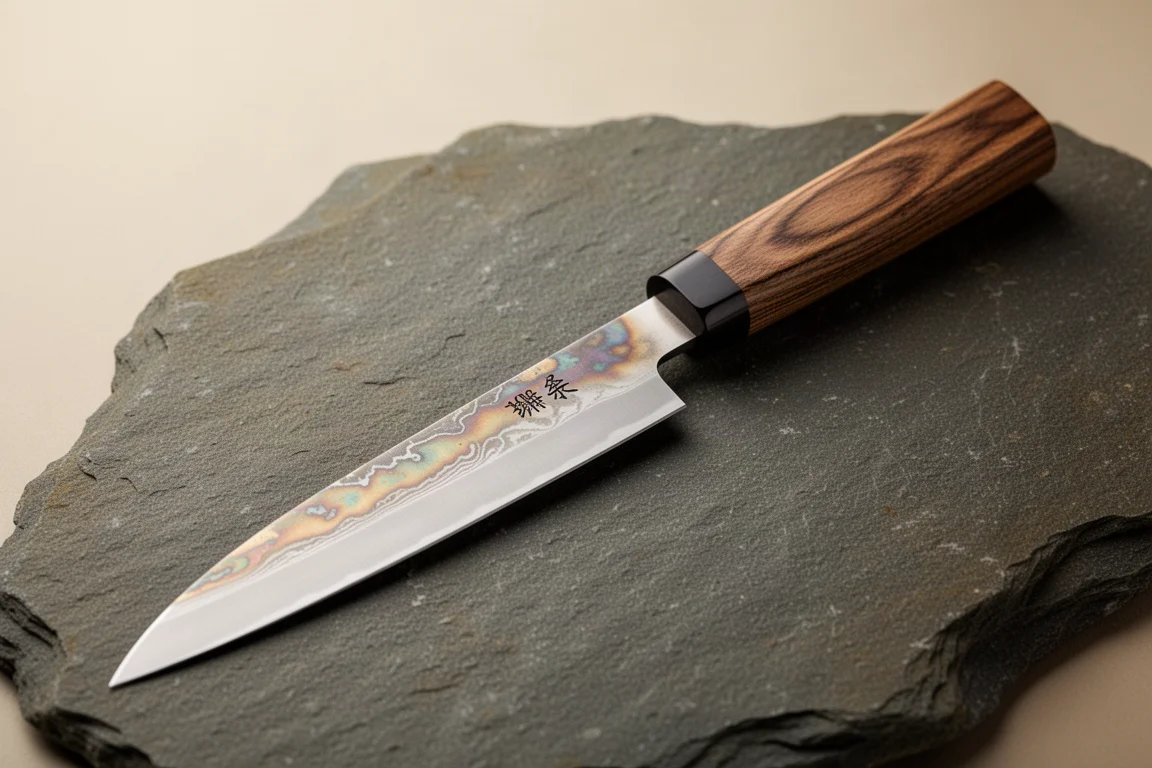
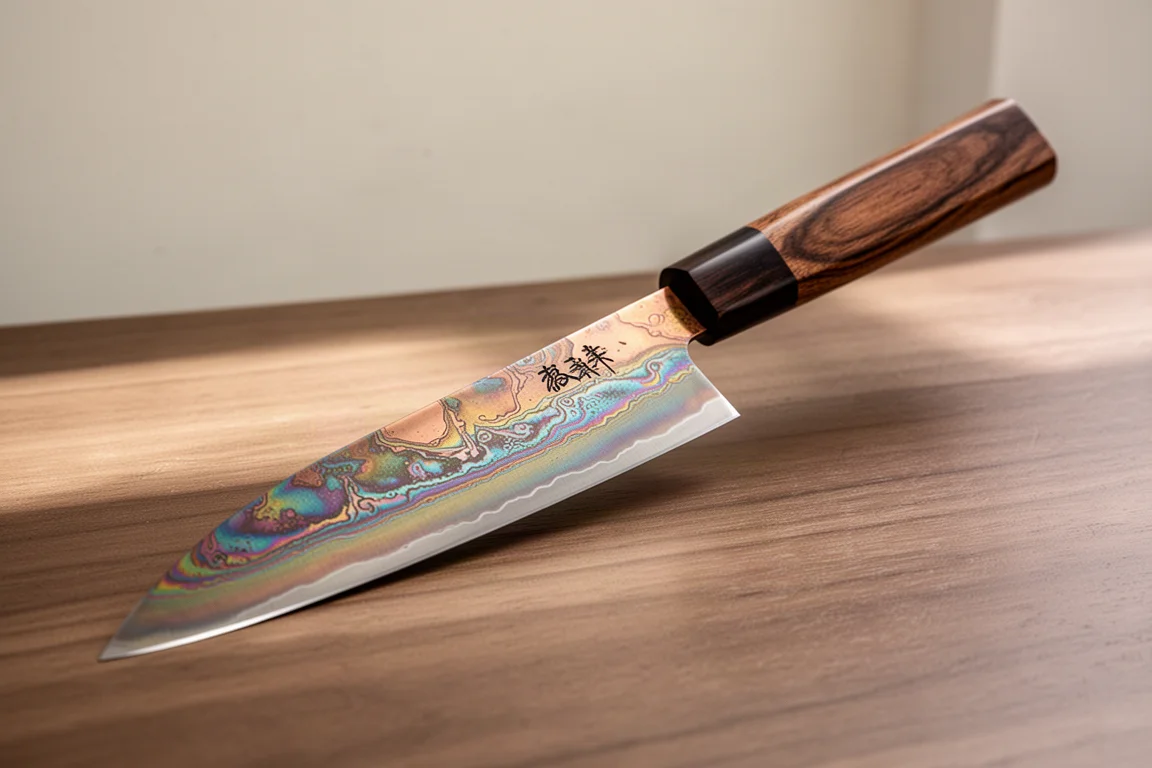
The Takeshi Saji rainbow damascus series is restocked, with the petty in 210mm and 240mm plus the bunka. These are made from VG10 layered with copper and brass to create that unmistakable multicolour pattern, and they come with western-style handles. Every handmade batch differs slightly, and this one is especially strong: the blades are super shiny and well polished, and the figuring on the wood handles is some of the best seen from this maker.
Shindo Bunka and Nakiri: Affordable Aogami Super Performers
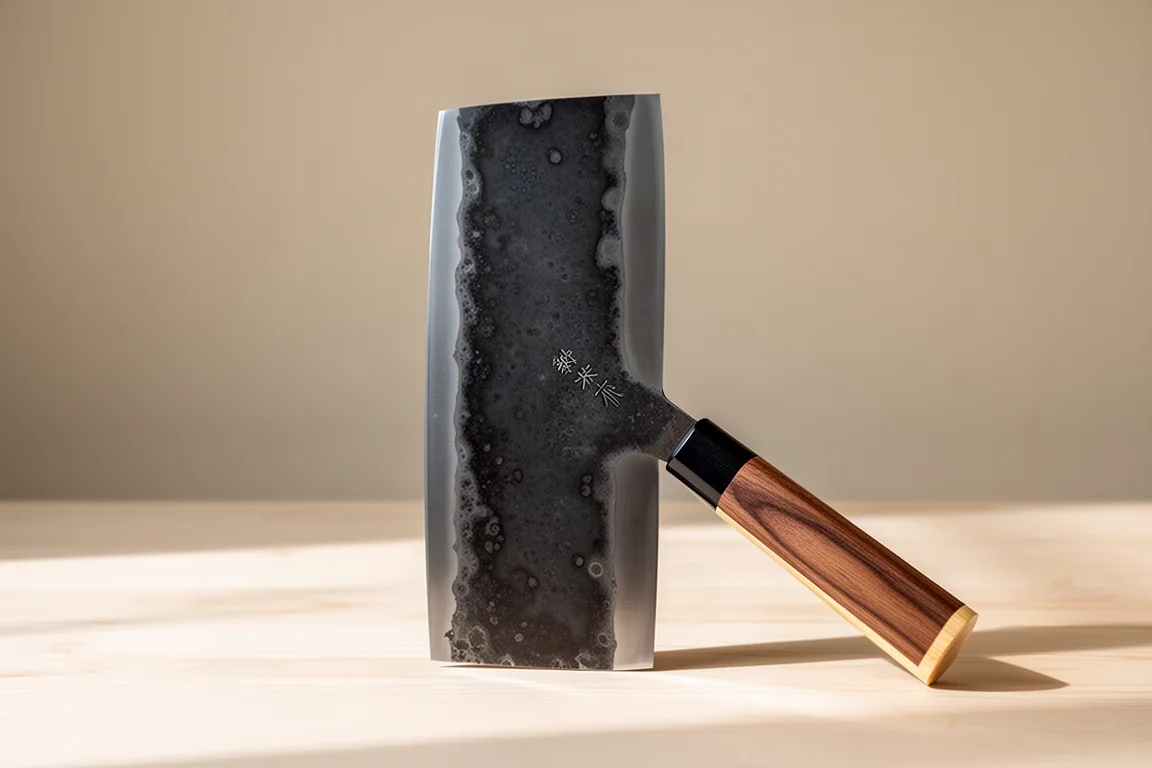
Shop favourites among customers and staff alike, the Shindo bunka and nakiri are made from Aogami Super with iron cladding. They pair walnut handles with an ebony ferrule and a maple liner for a clean, classic look. Every batch from Shindo gets straighter, more uniform, and better finished, and these are no exception.
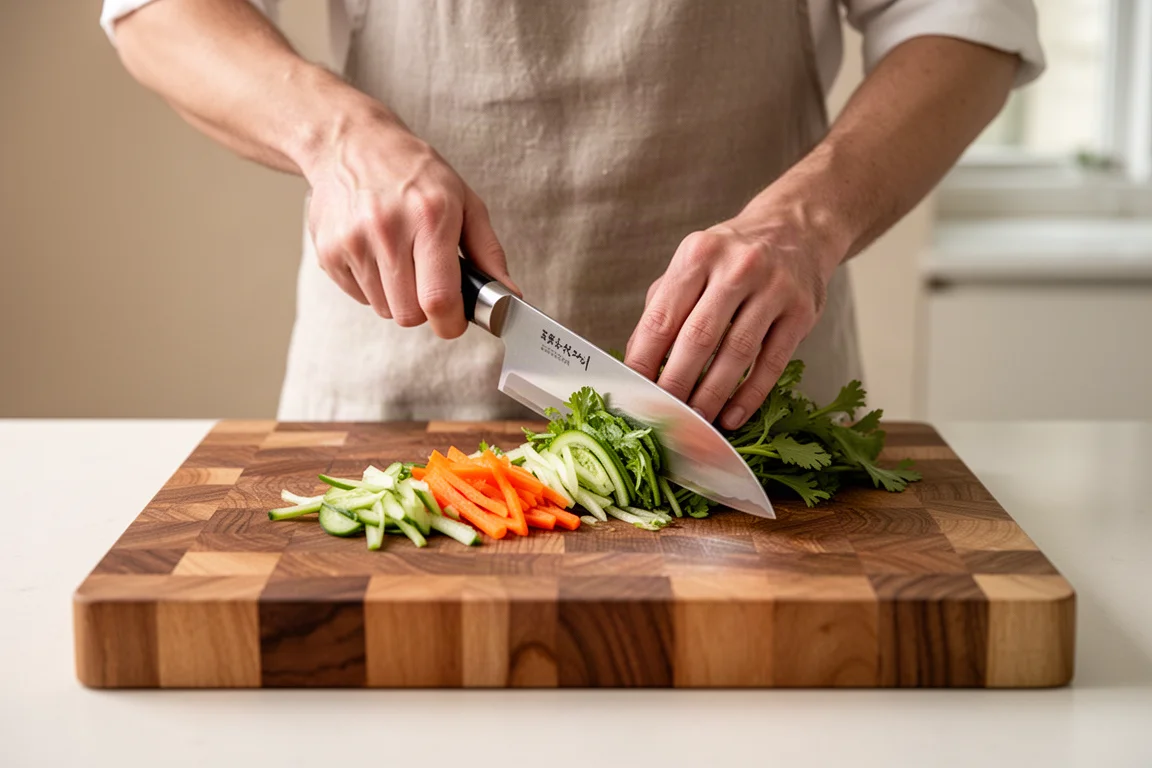
The edge geometry is the real story here: they get very thin behind the edge and perform at a genuinely high level, all at a very approachable price point.
Subur Hono: Kurouchi Bunka and a Rare 300mm Kiritsuke Sujihiki
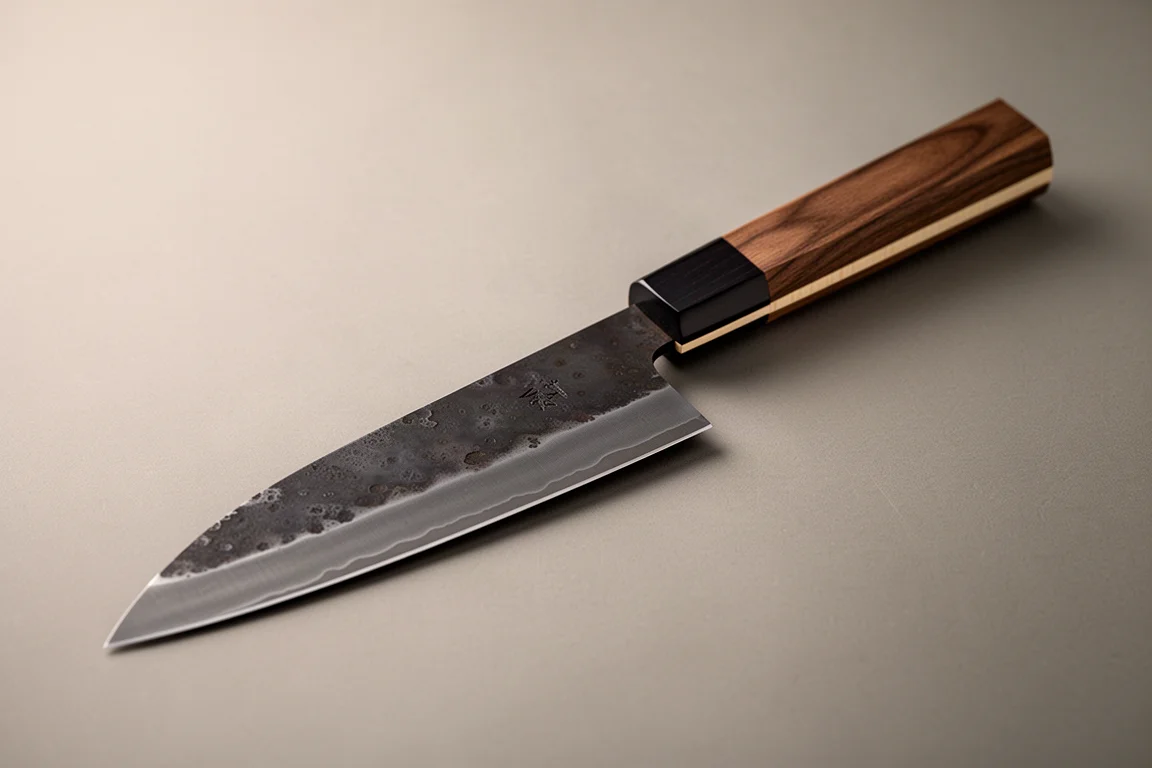
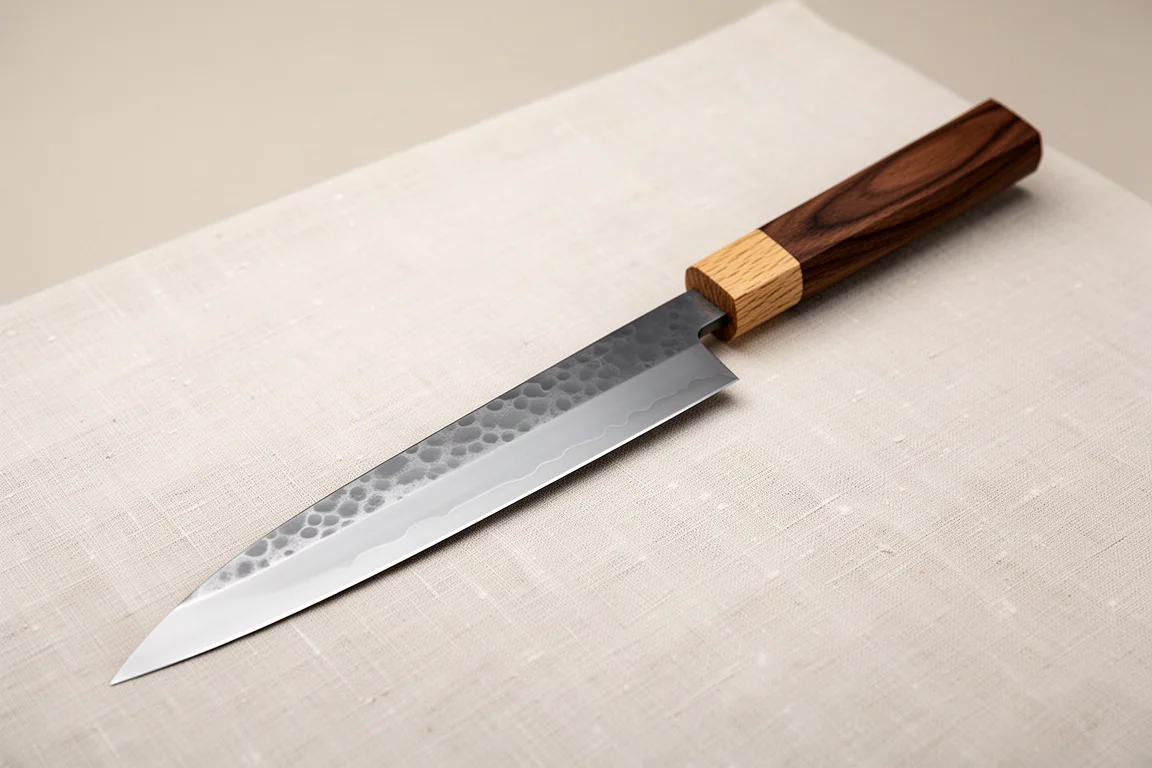
The Subur Hono 180mm bunka arrives with a kurouchi finish and iron cladding over shirogami #2, with walnut and oak handles that keep the rustic look intact. The special detail is the heat treatment: these reach around 64-65 on the Rockwell scale, giving excellent edge retention while remaining easy to sharpen. As carbon steel, they need to be kept dry and clean, but the fit, finish, and edge geometry are excellent.
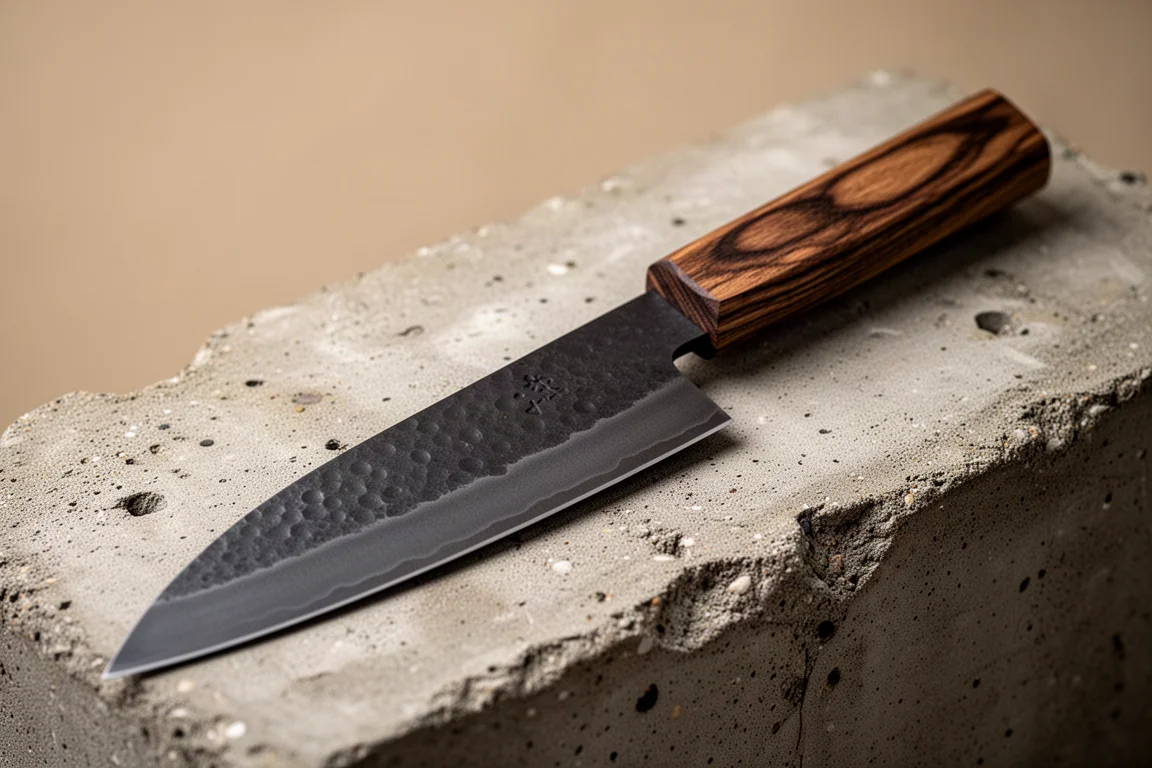
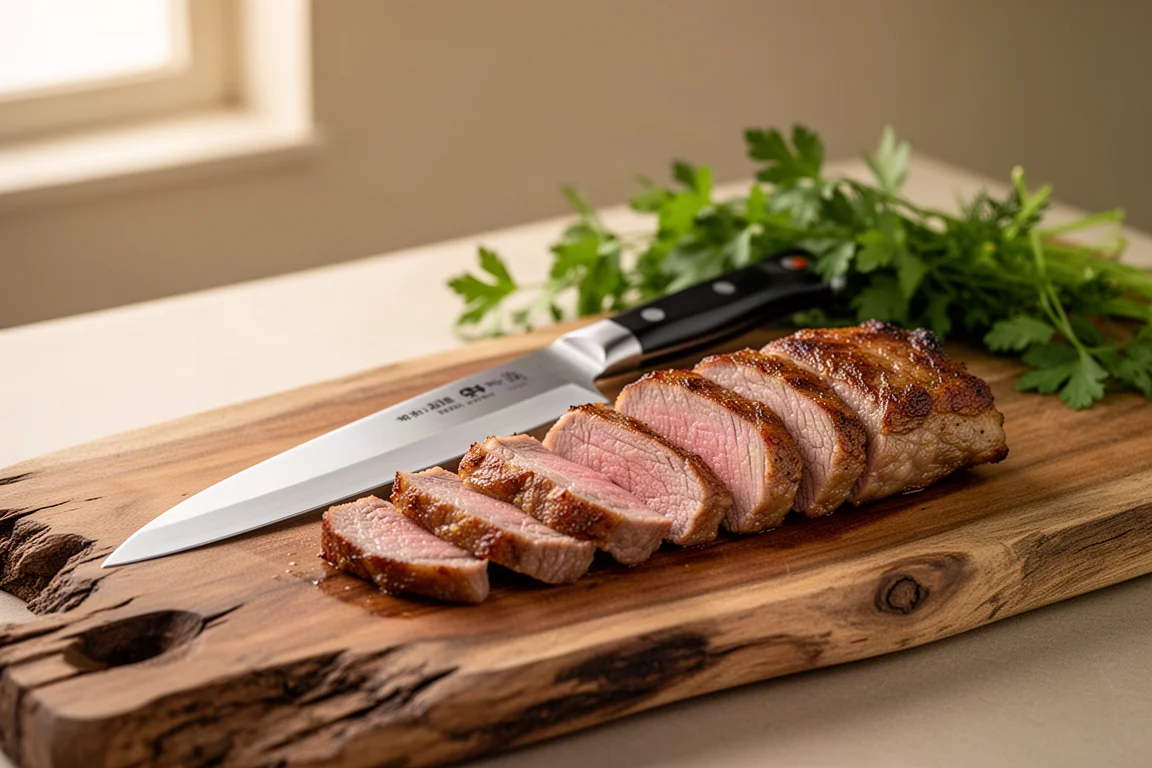
Then there is the 300mm kiritsuke-style sujihiki, a honyaki stainless cladding over Aogami #2 with a suime finish, again in walnut with an oak ferrule. Long 300mm sujihiki are not common, and the kiritsuke-style tip makes this slicer genuinely unique. All of the knives mentioned so far, including this one, are ambidextrous and suitable for both right- and left-handed users.
Kosan 210mm Gyuto: Aogami Super with Nashiji Finish
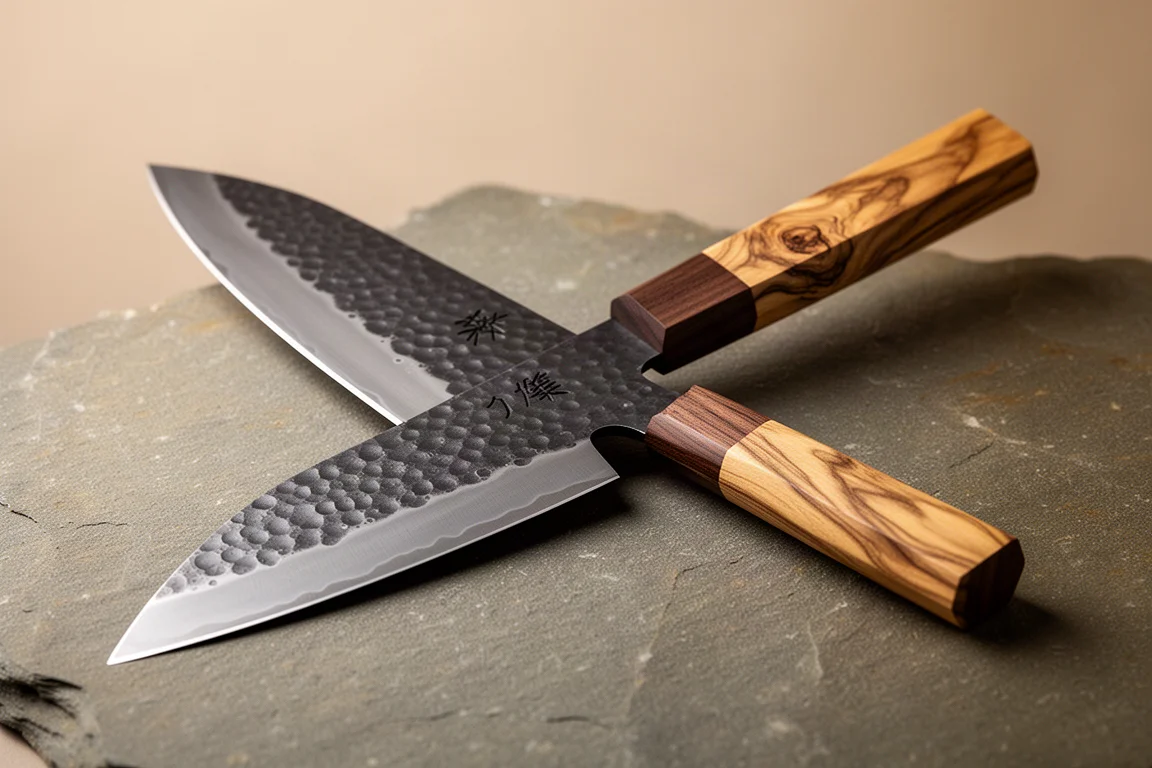
Kosan knives are always in demand and often hard to keep in stock, so this arrival of 210mm gyuto is welcome news. These are Aogami Super with a nashiji finish, fitted with octagonal olive wood handles and a walnut ferrule. As with other Kosan blades, the edge geometry is nice, the sanding on the spine and choil is tidy, and they feel great in the hand. They are also suitable for righties and lefties alike.
Nigar Hono: Custom Handles and Thin Edges
The Nigar Hono arrivals are the showstoppers of this batch. Each blade style comes in a range of custom handles, including striking turquoise options and a purple-blue-aqua finish that is hard to describe but easy to admire, so you can pair your preferred blade shape with the handle style you like best. The kiritsuke-style nikiri is almost dead flat along the spine, while the bunka carries a more gradual curve. Everything here is made from SG2 (R2) stainless steel, so rust and discoloration are not a concern.
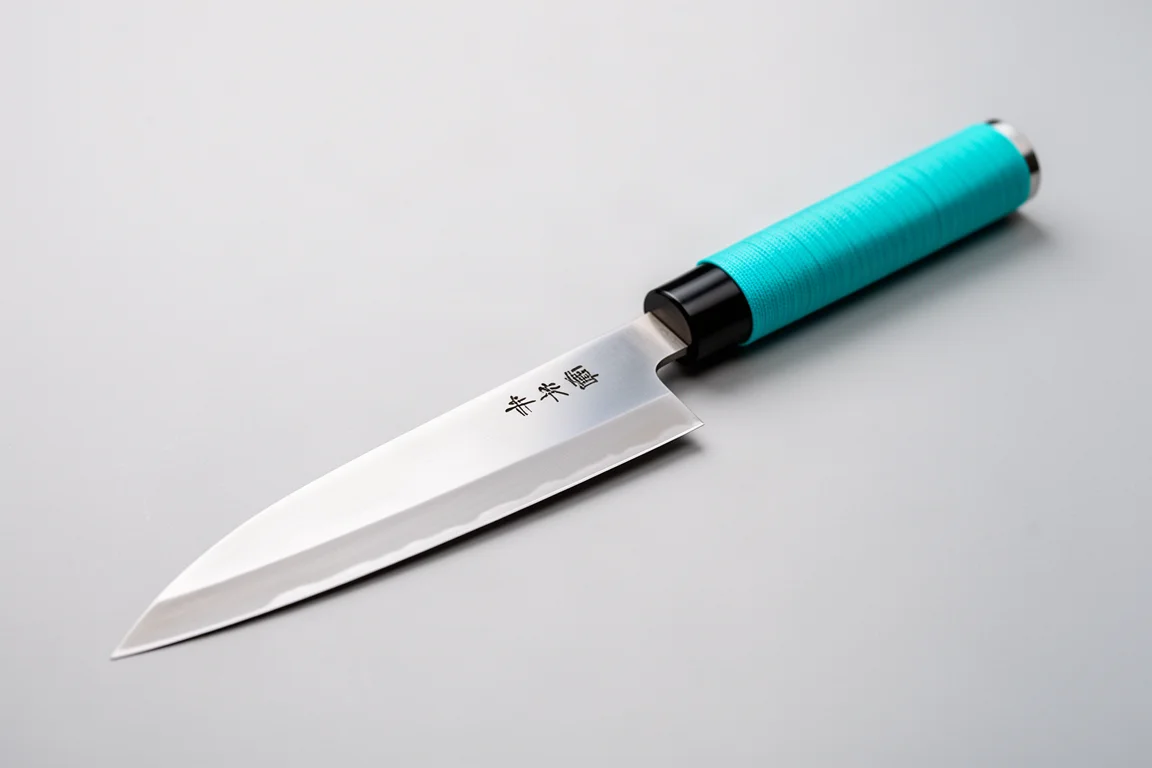
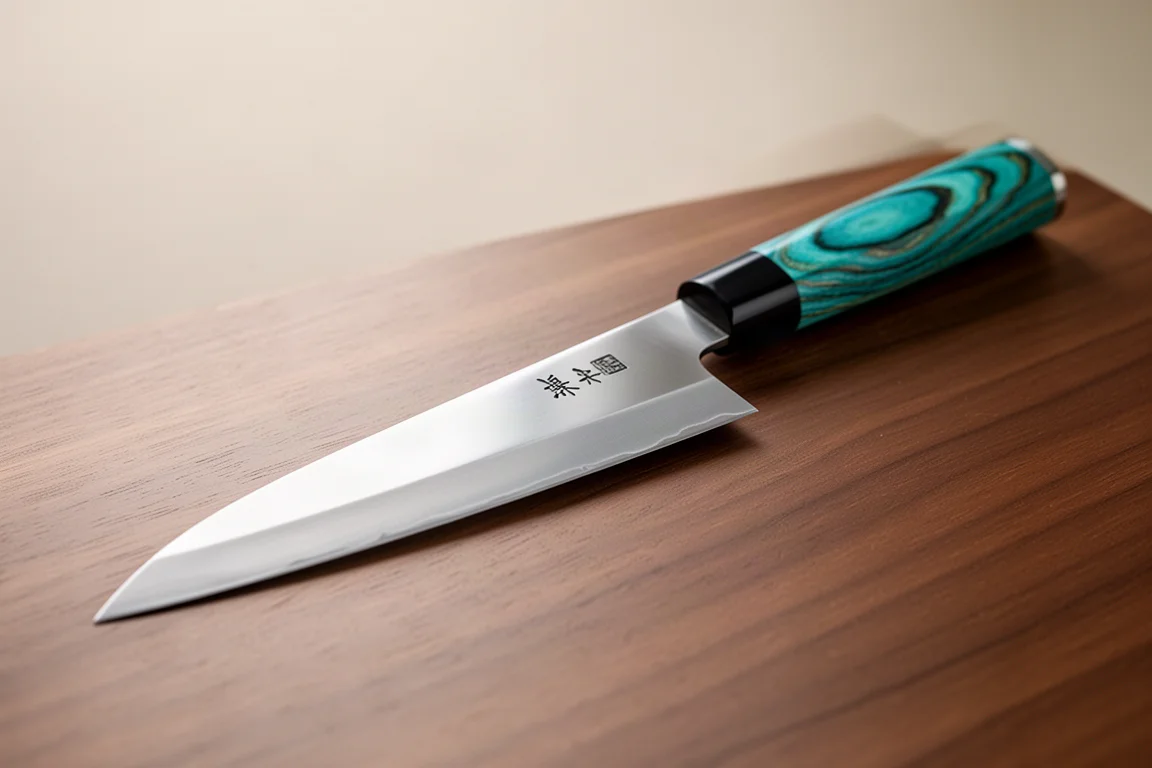
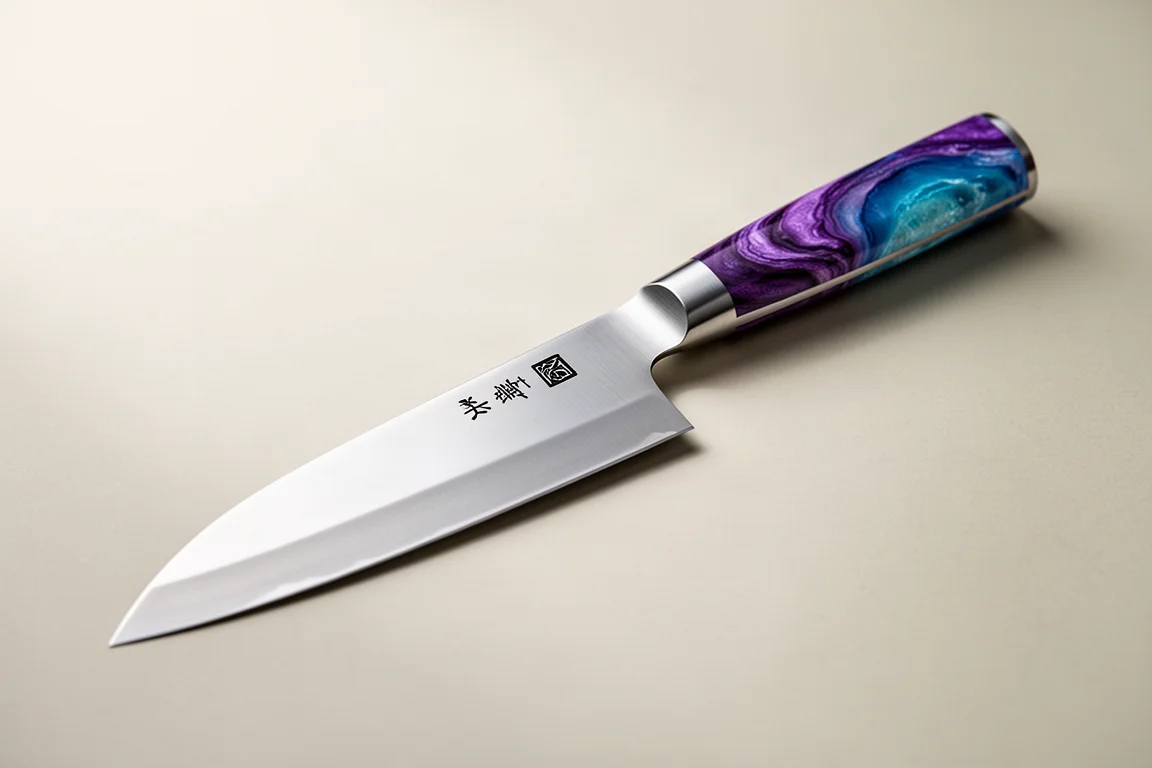
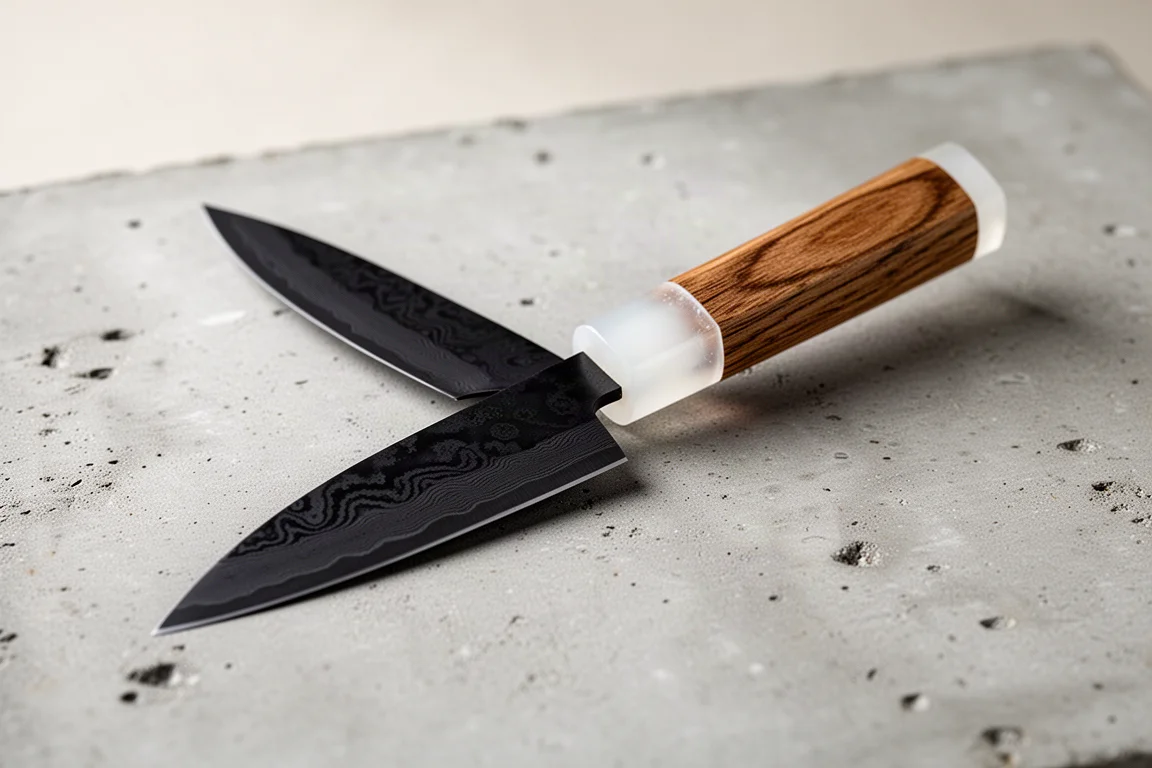
The kiritsuke-style petty rounds things out with a black damascus blade, an oak and resin handle on one version and a white resin handle on another. It is one of the best-looking handles in the shop right now.
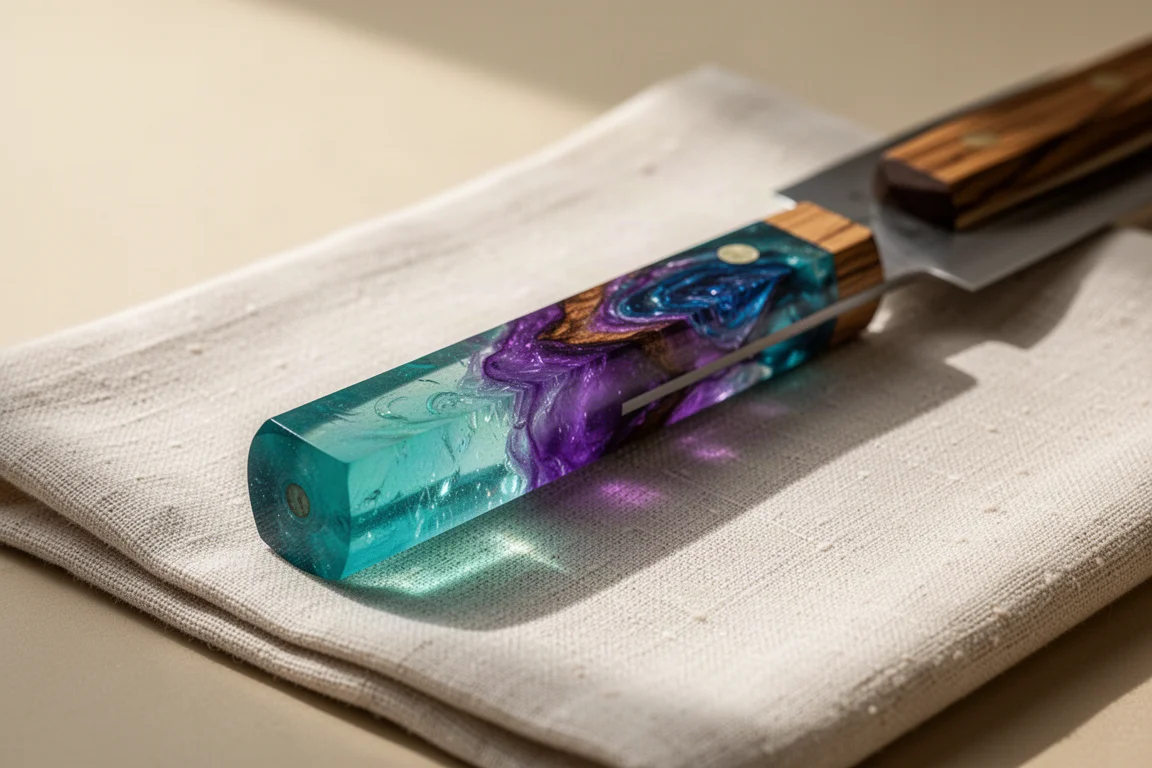
One practical note: Nigar Hono knives are very thin behind the edge, so they are not usually recommended as a first Japanese knife. If you are gentle, cut up and down and forward and back, and never twist on the board, you should have no issues. Twisting is what damages any Japanese knife, and especially these.
Which One Should You Buy?
If you want zero maintenance, the stainless SG2 damascus knives from Honos San and Nigar Hono are the obvious picks. If performance per dollar is the priority, the Shindo bunka and nakiri deliver Aogami Super sharpness at an affordable level. Carbon steel fans should look hard at Subur Hono for its 64-65 HRC heat treatment, and if you slice large cuts of meat, the rare 300mm kiritsuke sujihiki is a genuine find. Collectors and gift buyers will find the rainbow damascus and custom-resin handles the most memorable of the bunch.
Conclusion
This restock covers the full range of Japanese knife buying: stainless convenience, carbon steel performance, and showpiece finishes. With the holidays approaching and stock moving quickly on handcrafted batches, picking your favourite early is the safest way to make sure it is still there when you are ready to buy.
Further reading
Related Reviews

Kitchen Knives
Best Chef's Knives 2026: 27 Popular Options Tested and Ranked
A comprehensive review of 27 chef's knives ranging from $18 to $380, with honest assessments of handle comfort, blade balance, and real-world performance.

Kitchen Knives
Best Chef's Knives Under $75: Two Tested Recommendations
Two practical 8-inch chef's knives that balance sharpness, comfort, and durability without premium pricing.

Kitchen Knives
Best Chef's Knives 2026: 27 Options Tested and Ranked
A comprehensive review of 27 chef's knives ranging from $18 to $380, with honest assessments of handle design, balance, blade profile, and real-world performance.