Kitchen Knives
New Japanese Kitchen Knives Worth a Look: Nine Blades From Restocks to Fresh Releases
From Ginsan santokus to a damascus yanagi, nine Japanese kitchen knives covering stainless workhorses, carbon classics, and single-bevel slicers.
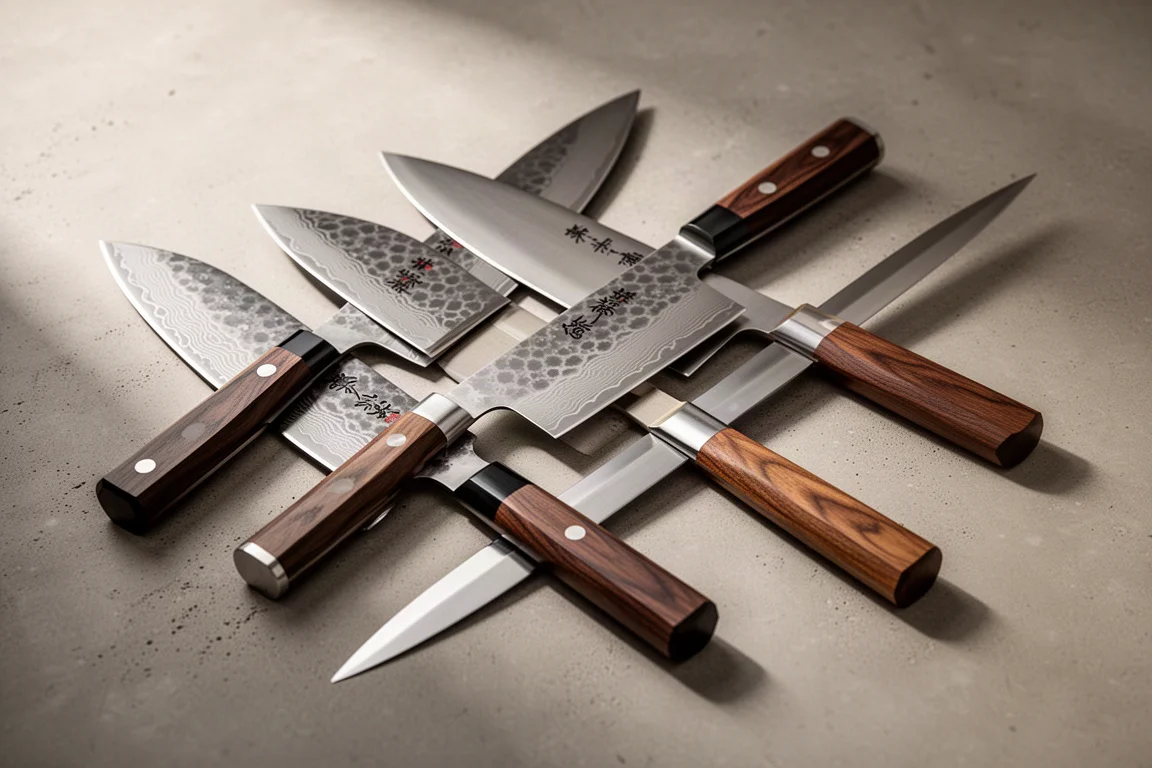
Introduction
A fresh wave of Japanese kitchen knives has arrived, mixing brand-new series with long-awaited restocks. The lineup spans stainless workhorses with western handles, hand-forged carbon steel classics, and a surprisingly fairly priced single-bevel yanagi. Whether you are buying your first proper Japanese knife or rounding out a collection, there is something here worth a close look.
One consistent thread across several of these blades is Ginsan, also known as Silver 3 stainless steel, prized for being easy to sharpen while holding a good edge. Another is R2 stainless, a harder powder-steel option showing up in two different series this time. Here is how each knife stacks up.
Tosaichi Octagrip Gyuto
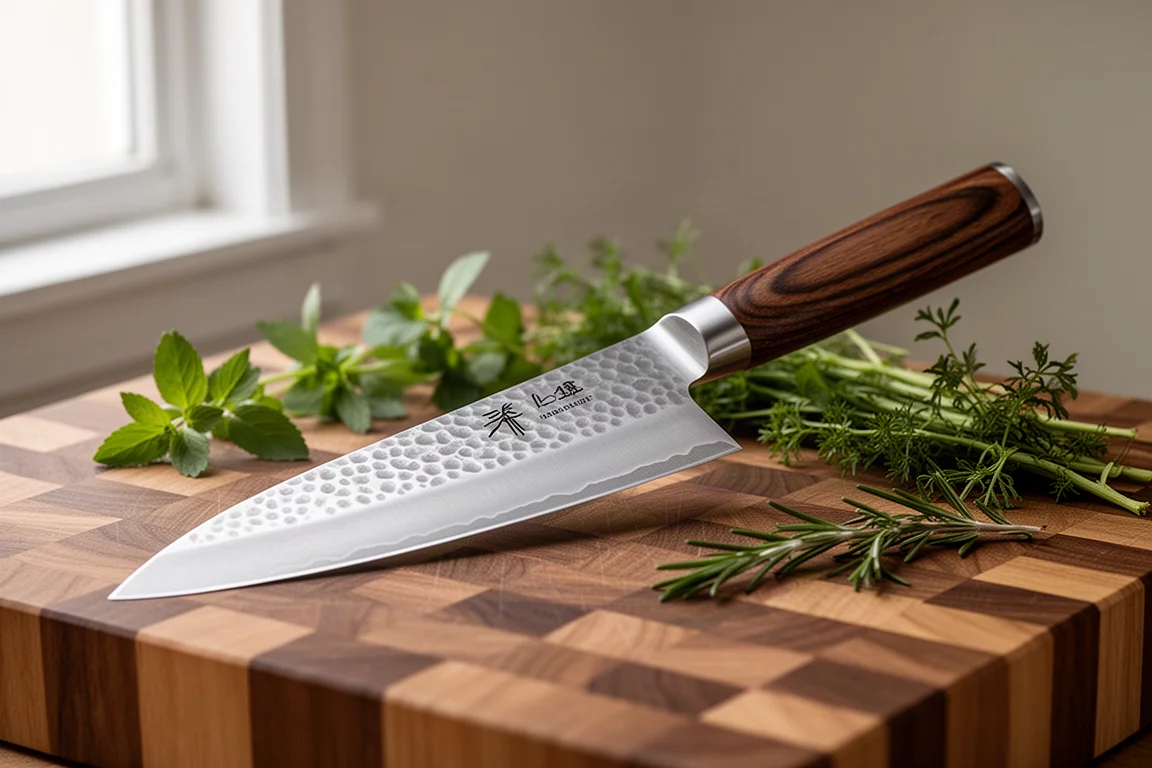
The Tosaichi Octagrip gyuto is built from Ginsan stainless steel with a beautiful nashiji finish and brown pakkawood handles that feel very good in the hand. For anyone wanting a Japanese-style blade paired with a more western-style handle, this is one of the strongest options in the current batch.
It also sits on the more affordable end of the lineup, which makes it a genuinely great pick as a gift for a first-time Japanese knife owner. You get the look and cutting feel of a traditional Japanese blade without the maintenance curve of carbon steel.
Tosaichi Hombre Series
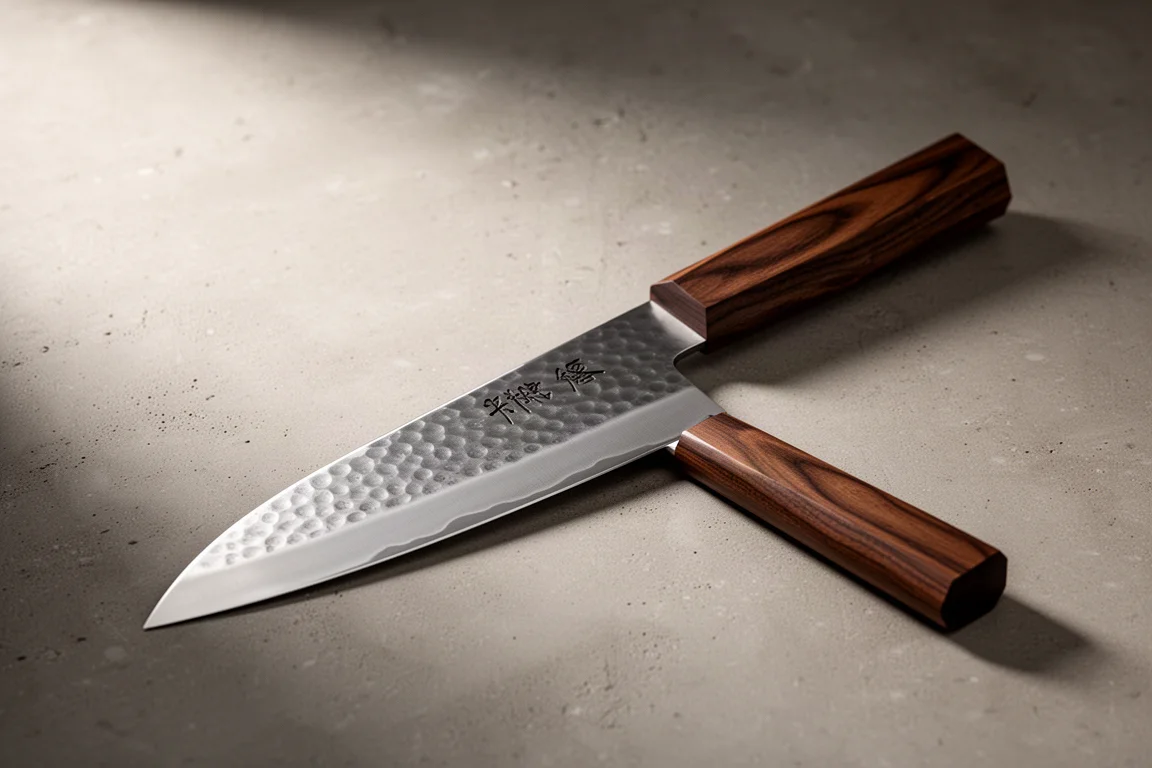
The Hombre series uses the same Ginsan blade as the Octagrip but swaps the handle for Japanese lacquered burnt chestnut, giving these knives a distinctly traditional appearance. The santoku is the new addition to the family, joining the already available petty, the 210mm Kagekiyo, and the 240mm sujihiki.
These have been quite popular, and it is easy to see why: the nashiji finish looks excellent, and the same easy-sharpening, strong edge retention that defines the Octagrip carries over here. Solid knives across the board.
Moritaka Ginsan 135mm Petty
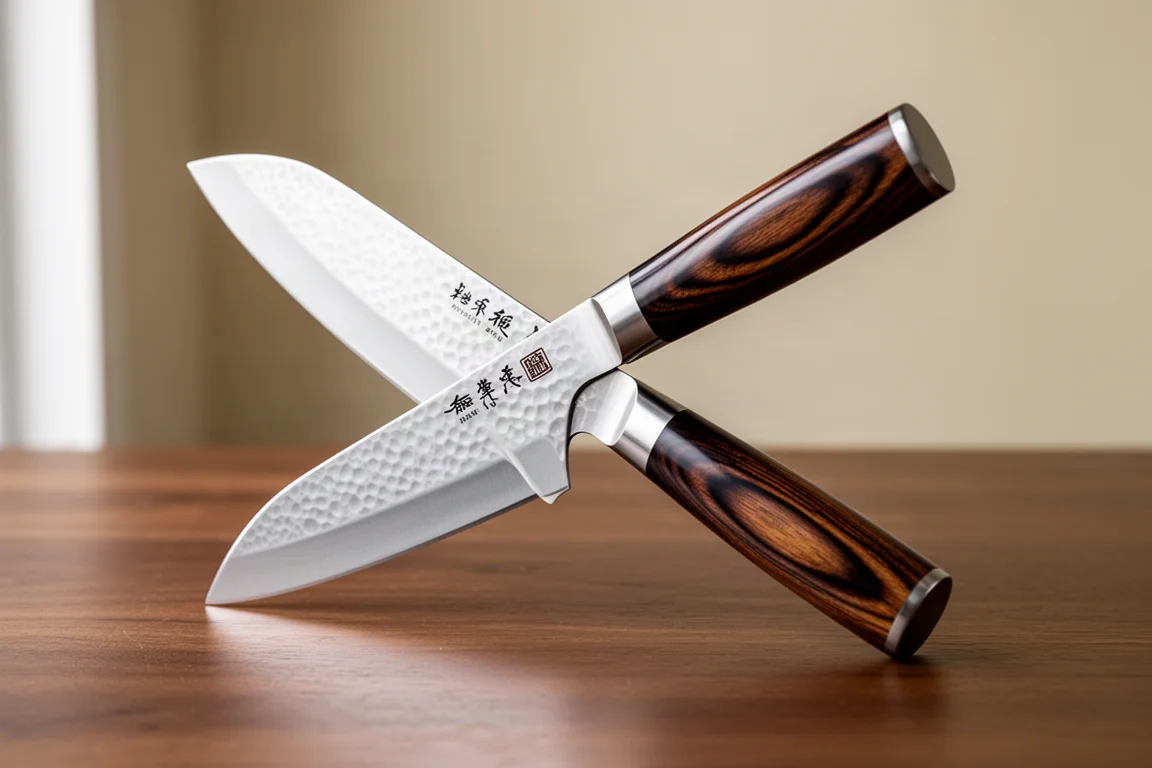
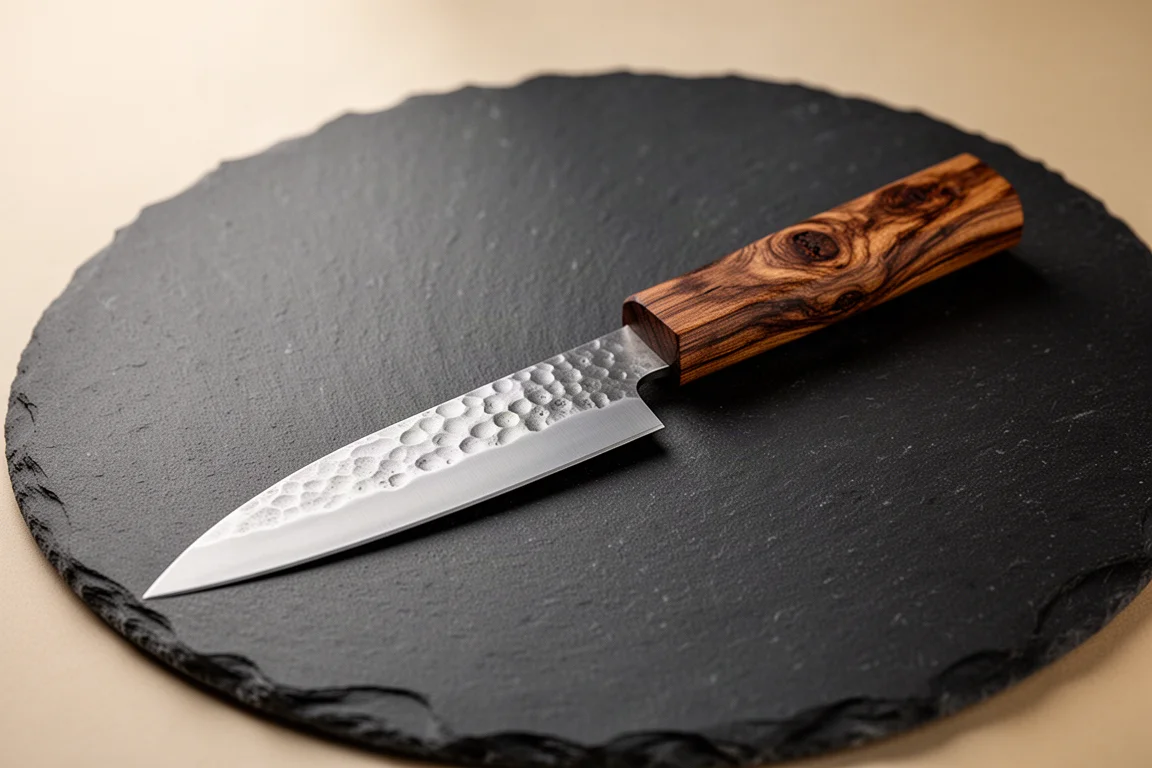
Moritaka’s new series kicks off with this 135mm petty knife, hand-forged from Silver 3 stainless steel. The burnt chestnut handle is more natural feeling than the lacquered finishes on the Tosaichi or Seki Ginga series, giving it a rawer, more traditional character.
The fit and finish are really nice, the knives feel great in the hand, and they look fantastic. More shapes are expected in this series soon, so if you like the look, keep an eye out.
Kaji Bay Santoku and Nakiri
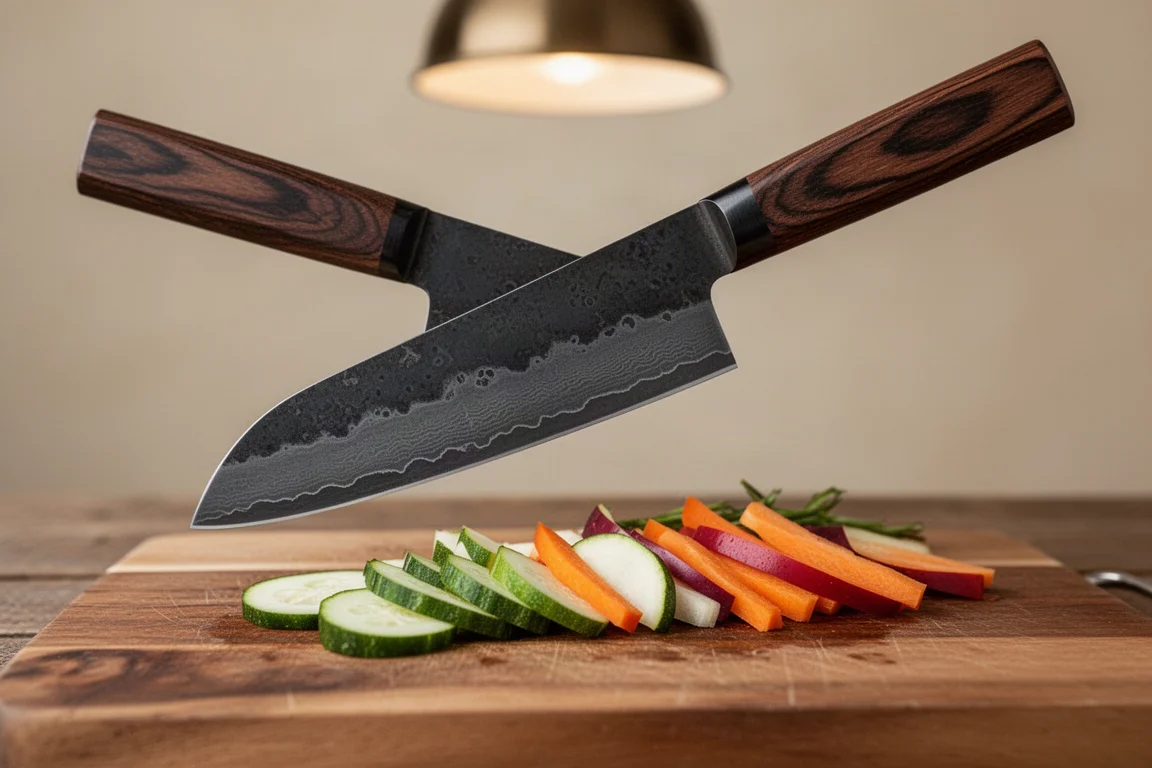
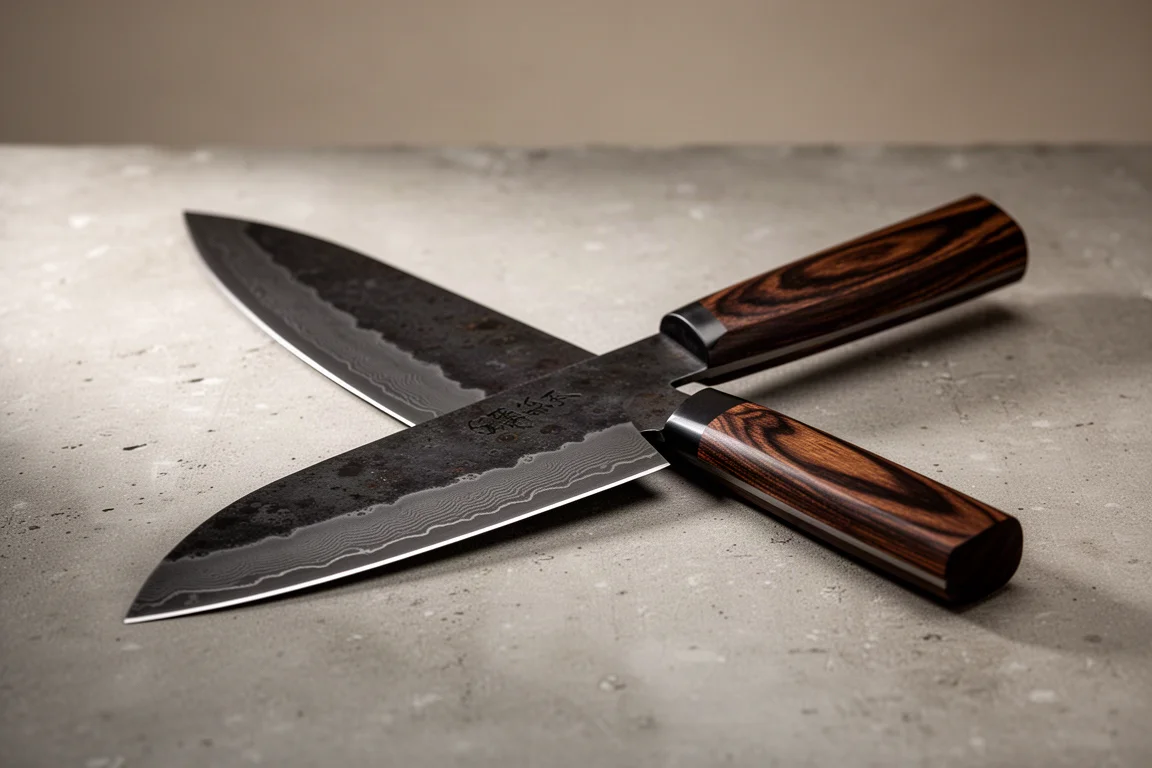
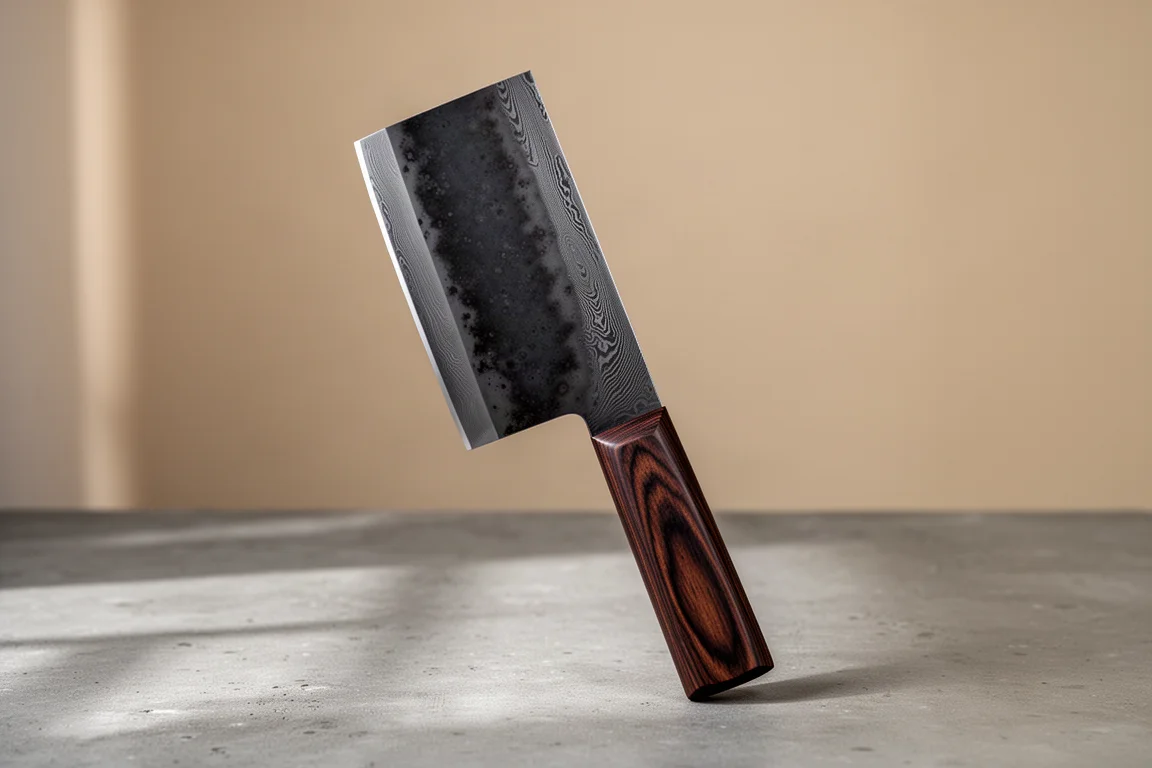
The Kaji Bay santoku and nakiri are regular restocks that always sell well, and for good reason. Fit and finish are consistently excellent, and the edge geometry is reliably spot-on. Both feature a kurouchi finish with a subtle damascus pattern on the bevel.
This batch arrives with new handles made from bocote and godswood ash, which gives them a gorgeous rustic look. Under the surface, they are made from Aogami number 2 carbon steel with iron cladding, which means one important caveat: keep them dry and clean, or rust will find them. For those comfortable with basic carbon steel care, these are awesome knives.
Yoshimi Kato Minamo Series
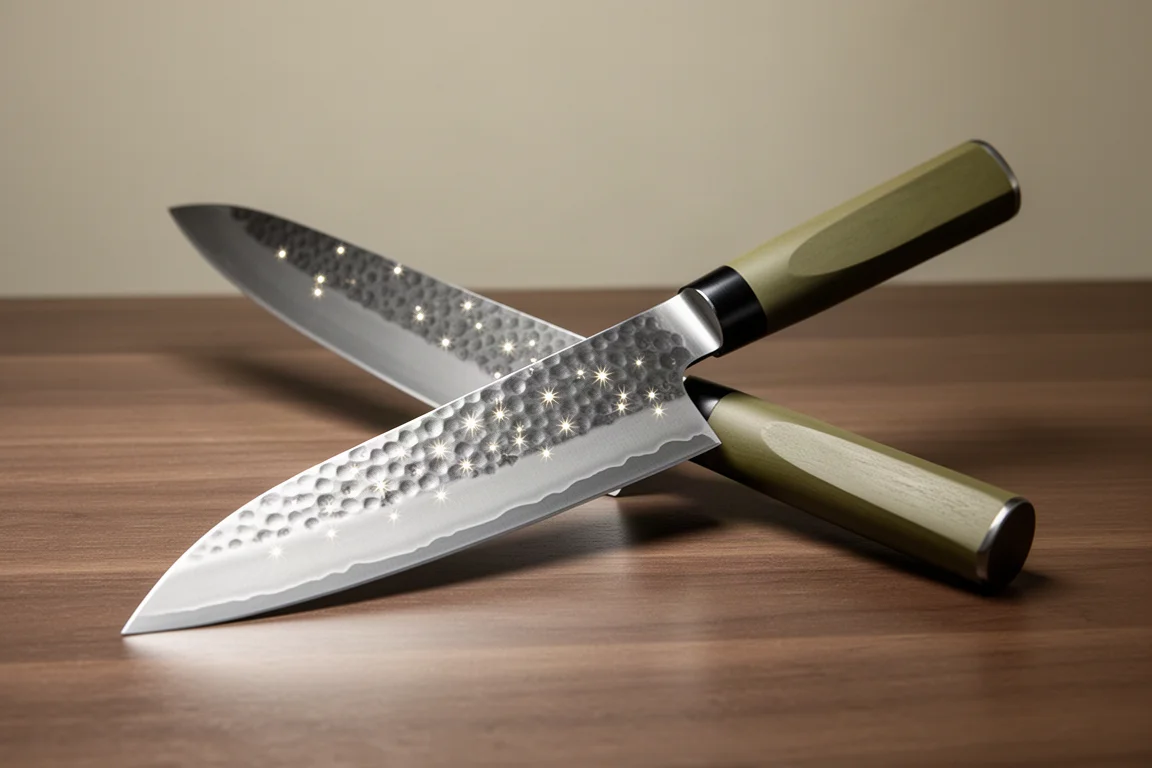
Some of the most exciting arrivals are the Minamo series knives from Yoshimi Kato, made from R2 stainless steel with beautiful olive mono-steel handles and no ferrules. The range covers 120mm and 150mm petty knives, a 170mm bunka, a 165mm santoku, and a 210mm gyuto.
The finish is gorgeous, with a unique tsuchime pattern that looks almost like little stars when it catches the light. Fit and finish details are handled well too: the tang-to-handle transition is clean, and both spine and choil are nicely sanded and polished.
Performance-wise, the edge geometry is spectacular, very thin behind the edge, and the knives are quite light overall with a balance point slightly forward of the tang that feels great in a pinch grip. The bunka runs flatter with a slight curve, the santoku is a touch curvier, and the gyuto has a flat spot at the heel with a gentle curve to the tip, so it handles both up-and-down chopping and rock chopping comfortably. A full set with a leather knife stand will be available on sale, along with two-piece combos like bunka with petty or petty with gyuto, a great place to start building a kit.
Kitoka Damascus 200mm Yanagi
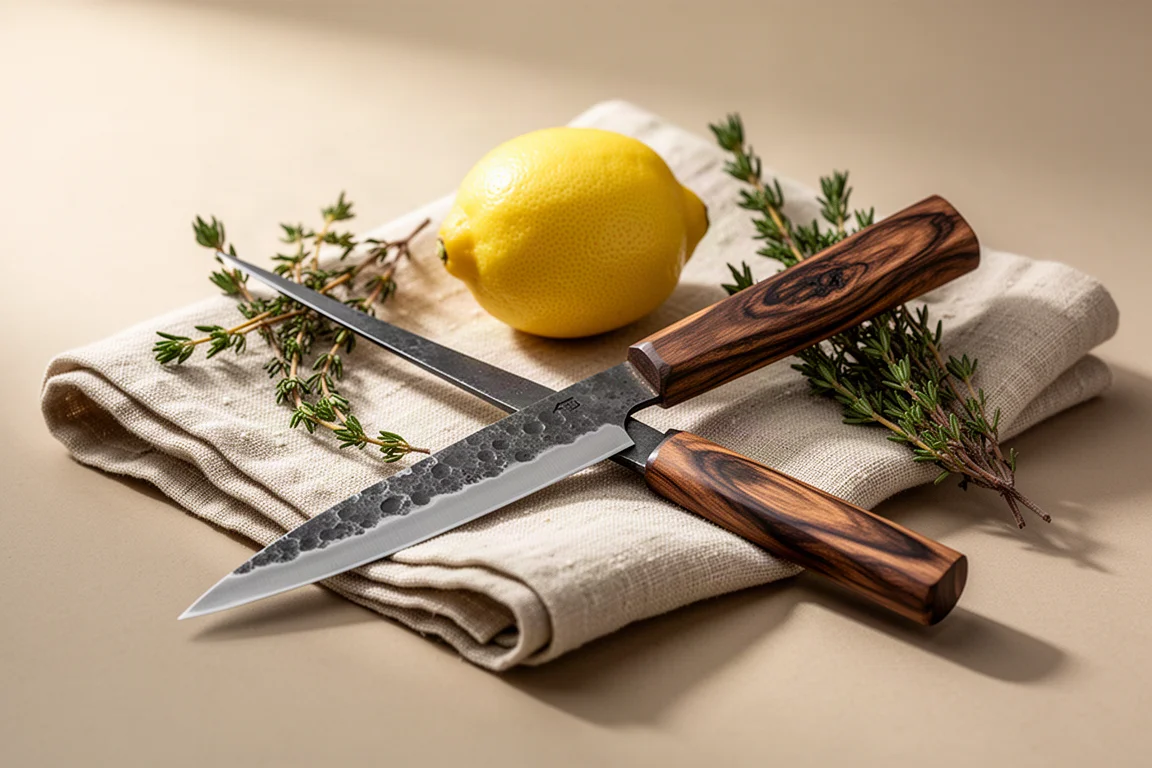
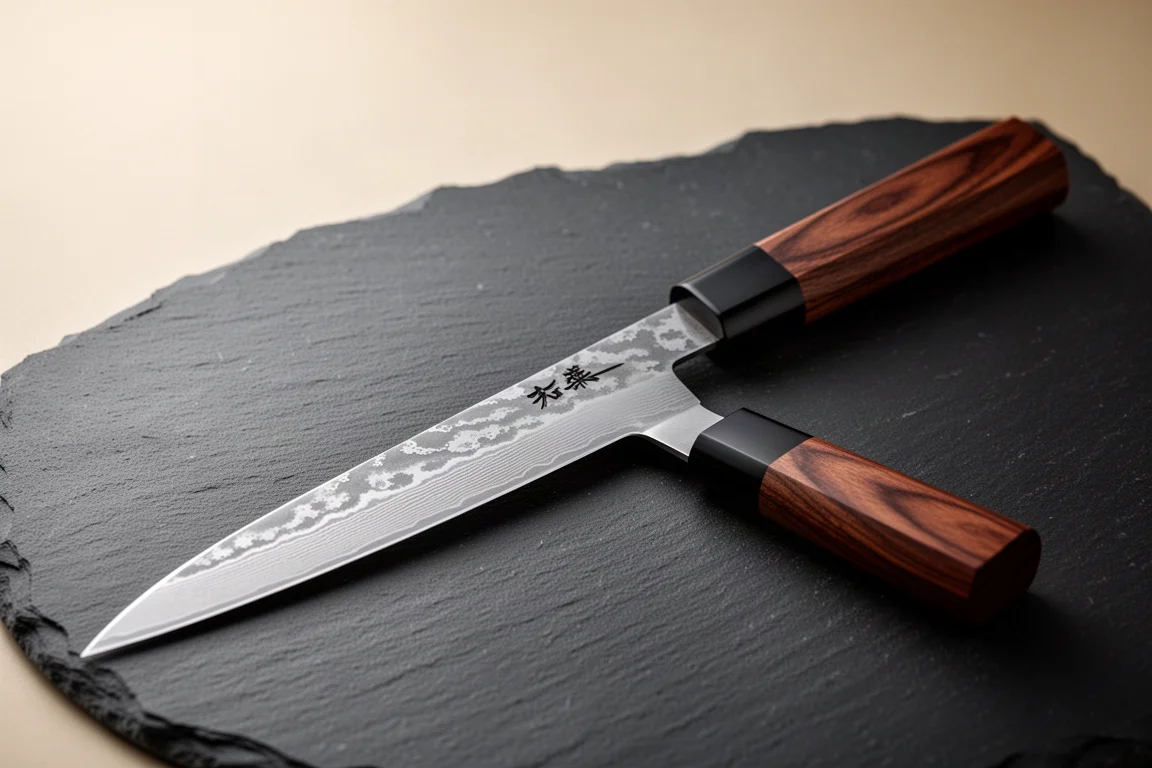
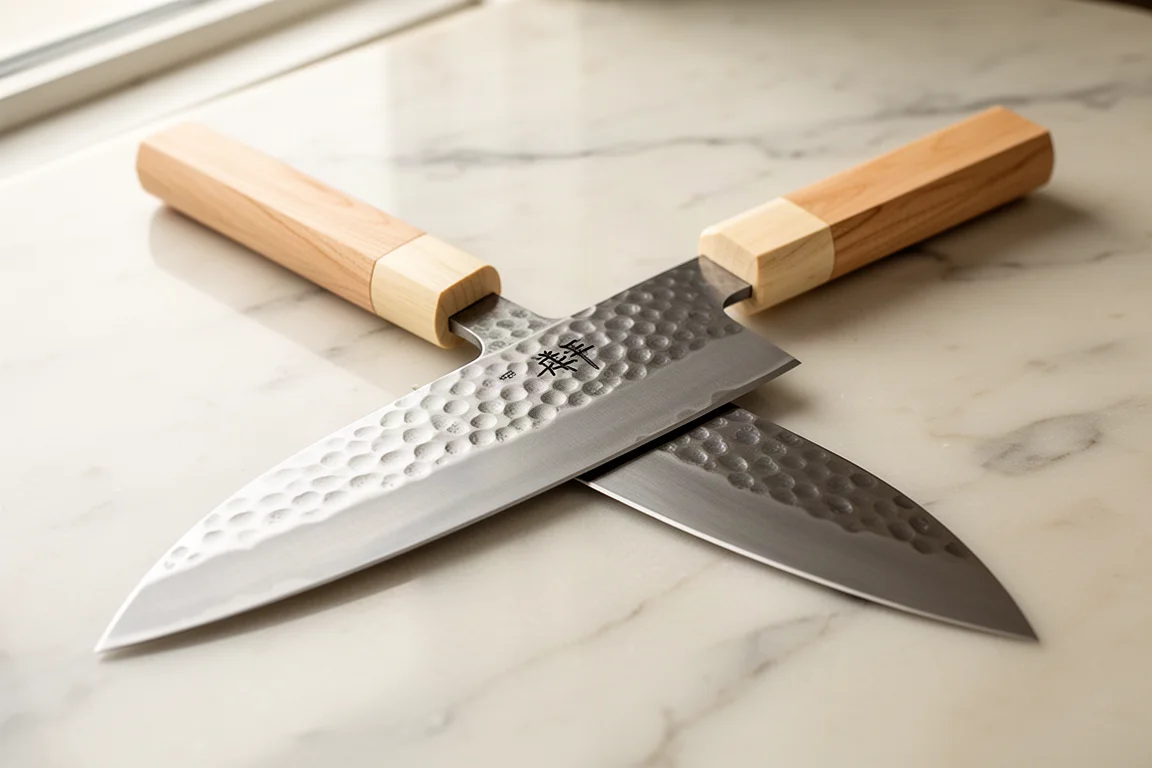
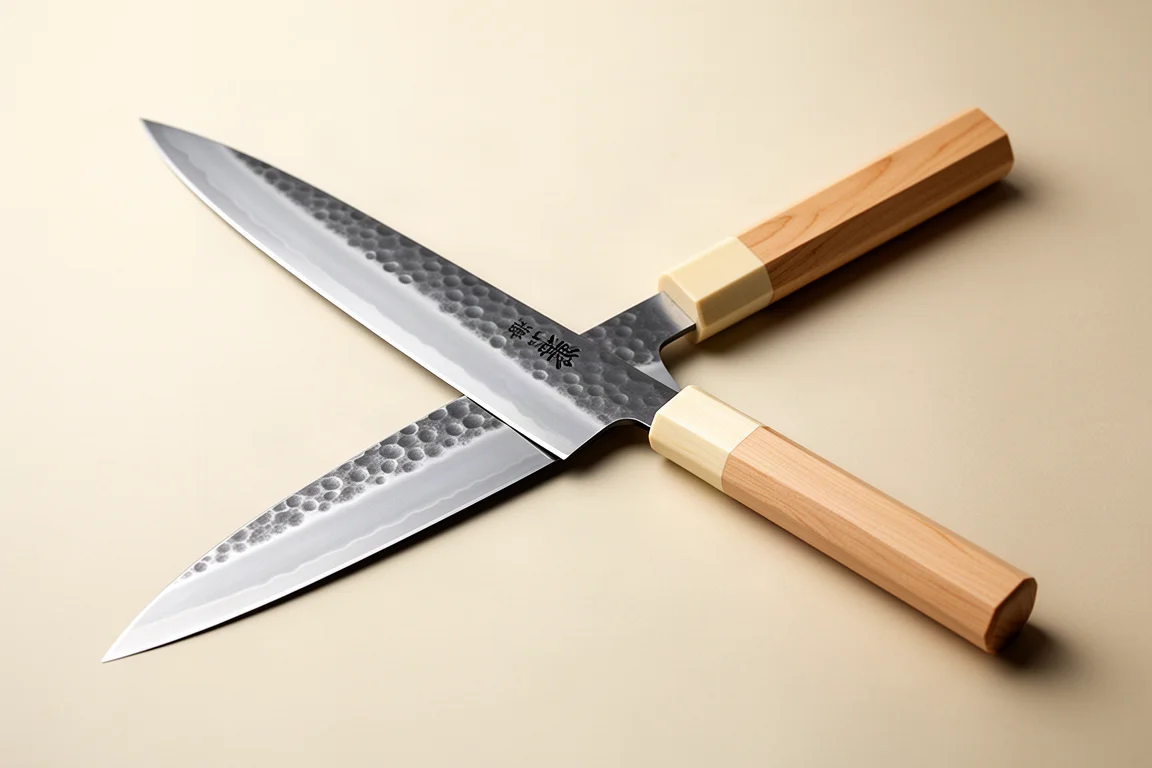
The Kitoka damascus 200mm yanagi is a small line-slicing knife that is genuinely sweet. It features a D-shaped rosewood handle with a black pakkawood ferrule, which makes it suitable for right-handed users only. It is also single beveled, sharpened to a finer, more purpose-built edge for slicing work.
For the quality of knife you are getting, the price is considered really fair. Fit and finish are nice, and the little machi gap near the heel is an intentional design choice, not a flaw, so do not be alarmed if you notice it. If you have been curious about trying a yanagi without a huge outlay, this is a compelling entry point.
Makoto Kurosaki Style-K Gyuto and Sujihiki
Back in stock are the Style-K 240mm gyuto and 270mm sujihiki from Makoto Kurosaki, both made from R2 stainless steel. These are shop favorites among both customers and staff, thanks to a beautiful tsuchime finish and really nice fit and finish. The spines are not fully sanded down, but the knives still feel comfortable in hand.
The handles use cherry wood with maple ferrules, a fairly unique combination that gives them a lighter look you do not often see. Note that the Minamo series above also uses R2, which runs around 63-64 on the Rockwell scale with excellent edge retention, so both of these Kurosaki blades deliver long-lasting sharpness in a stainless package.
Overall Buying Advice
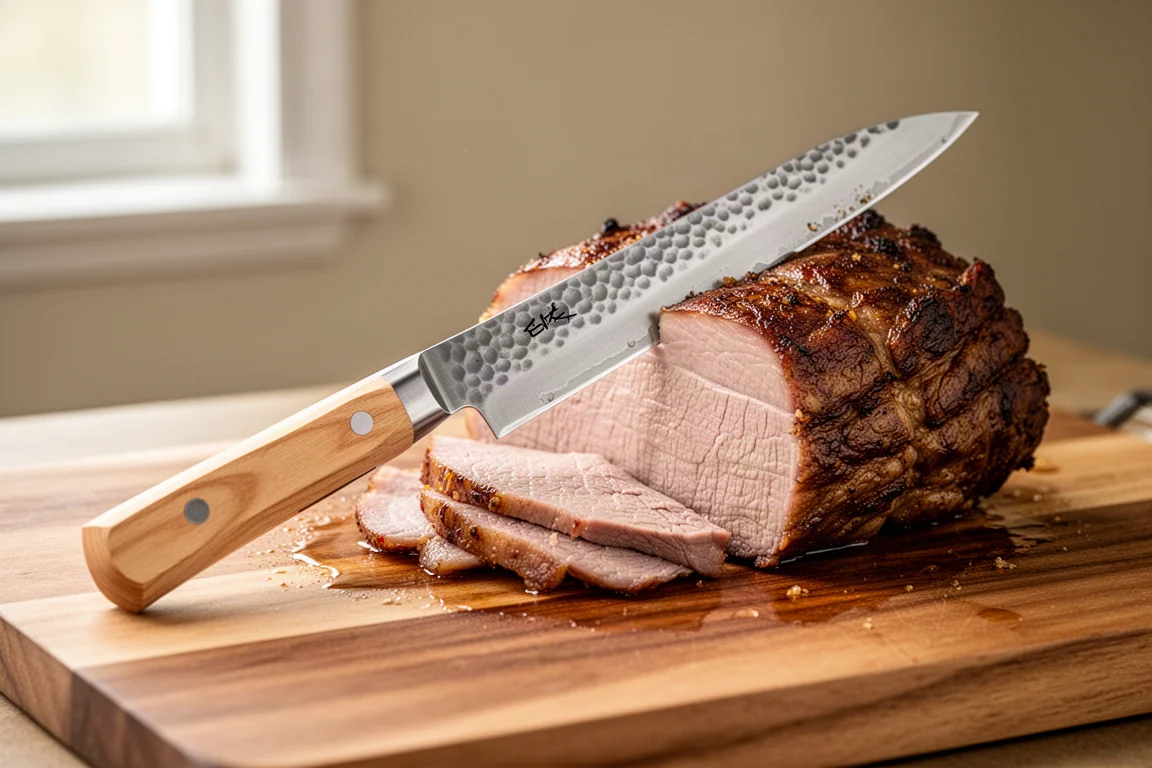
If you want a low-maintenance stainless knife with a western handle for a gift or a first Japanese knife, the Tosaichi Octagrip is the safest bet. If you prefer a traditional look with the same easy steel, the Hombre series covers it. Carbon steel fans who enjoy rustic aesthetics and do not mind wiping their blade dry should look at the Kaji Bay santoku or nakiri.
For performance-focused buyers, the Yoshimi Kato Minamo series offers the most refined finish and cutting geometry, and the two-piece combos are a smart way to start a set. Right-handed slicers on a budget should consider the Kitoka yanagi, while anyone wanting a long stainless slicer or a large chef knife will be well served by the Makoto Kurosaki Style-K pair.
Conclusion
This batch covers a wide range of needs: affordable stainless starters, hand-forged carbon classics, a refined powder-steel series with standout finish work, and a fairly priced single-bevel yanagi. Match the steel and handle style to how you cook and how much maintenance you want, and any of these knives will serve you well.
Further reading
Related Reviews

Kitchen Knives
Best Chef's Knives 2026: 27 Popular Options Tested and Ranked
A comprehensive review of 27 chef's knives ranging from $18 to $380, with honest assessments of handle comfort, blade balance, and real-world performance.

Kitchen Knives
Best Chef's Knives Under $75: Two Tested Recommendations
Two practical 8-inch chef's knives that balance sharpness, comfort, and durability without premium pricing.

Kitchen Knives
Best Chef's Knives 2026: 27 Options Tested and Ranked
A comprehensive review of 27 chef's knives ranging from $18 to $380, with honest assessments of handle design, balance, blade profile, and real-world performance.