Food & Drink
Five New Food and Drink Finds Worth Knowing About: Herb Sauces, Spice Blends, Cold-Pressed Oils and Byproduct Spirits
From Italian herb sauces to Australian indigenous spice blends, Norfolk rapeseed oils and spirits made from food byproducts, five products that make everyday cooking and drinks more interesting.
Introduction
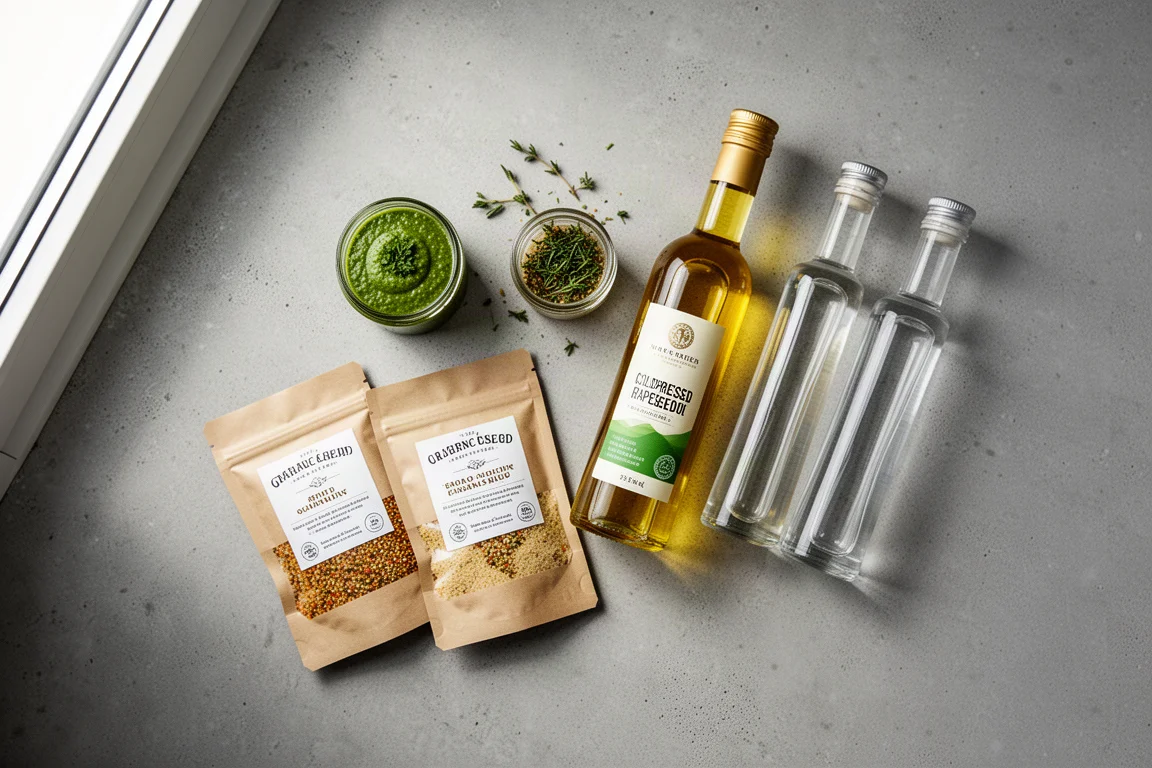
Every so often a handful of new products land that genuinely make you think about how you cook and shop. These five do exactly that. They span the pantry and the drinks cabinet, and what unites them is a smarter approach to ingredients: herbs that last years instead of days, indigenous plants turned into familiar seasonings, a farm that built a premium oil business out of necessity, and spirits made from food industry byproducts. Here is what each one offers, and who they actually suit.
Tarantella Herb Sauces: A Cupboard Shortcut for Fresh Herb Flavour
Tarantella is an Italian brand doing something surprisingly obvious: taking the mint sauce idea and applying it to every other herb you can imagine. These are herb sauces, essentially liquid herbs, with a two year ambient shelf life so you always have a kick of rosemary, basil or oregano on hand straight from the cupboard.
The logic behind them is sound. Wherever you want herby seasoning, a little vinegar usually helps anyway. Acid is part of the seasoning triangle, and when you add salt, these sauces lift dishes much the way mint sauce lifts lamb. The trade-off is that the vinegar reads more prominently than in mint sauce, because the herbs lack mint’s zingy freshness to balance it out.
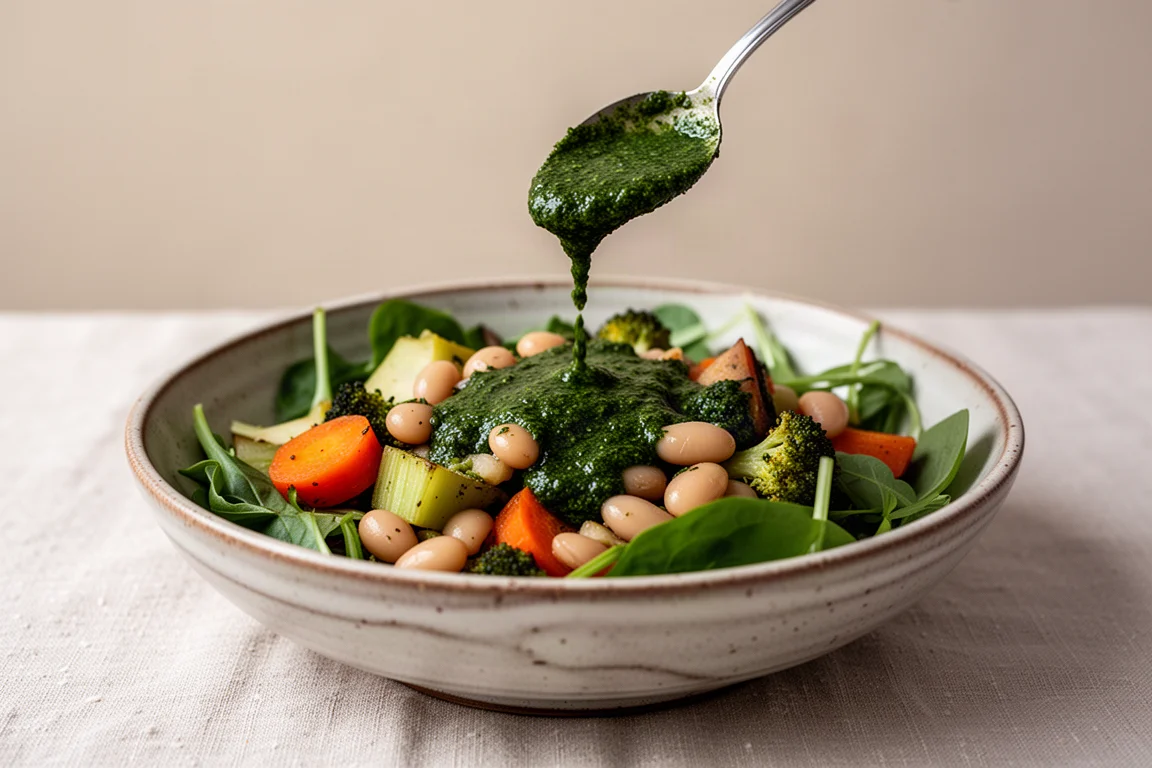
In practice they work best as a contingency for midweek cooking rather than a replacement for fresh or dried herbs. stirred into a leftover salad with salt and oil, they bring tired ingredients to life. They are especially appealing in winter, when dishes lack fresh brightness anyway. One caveat: at £2.29 each and used a teaspoon or tablespoon at a time, they are not cheap compared to mint sauce, and if you have surplus herbs and a neutral vinegar, blending your own is a very viable alternative.
Saltbush Australian Spice Blends: Indigenous Ingredients in Familiar Formats
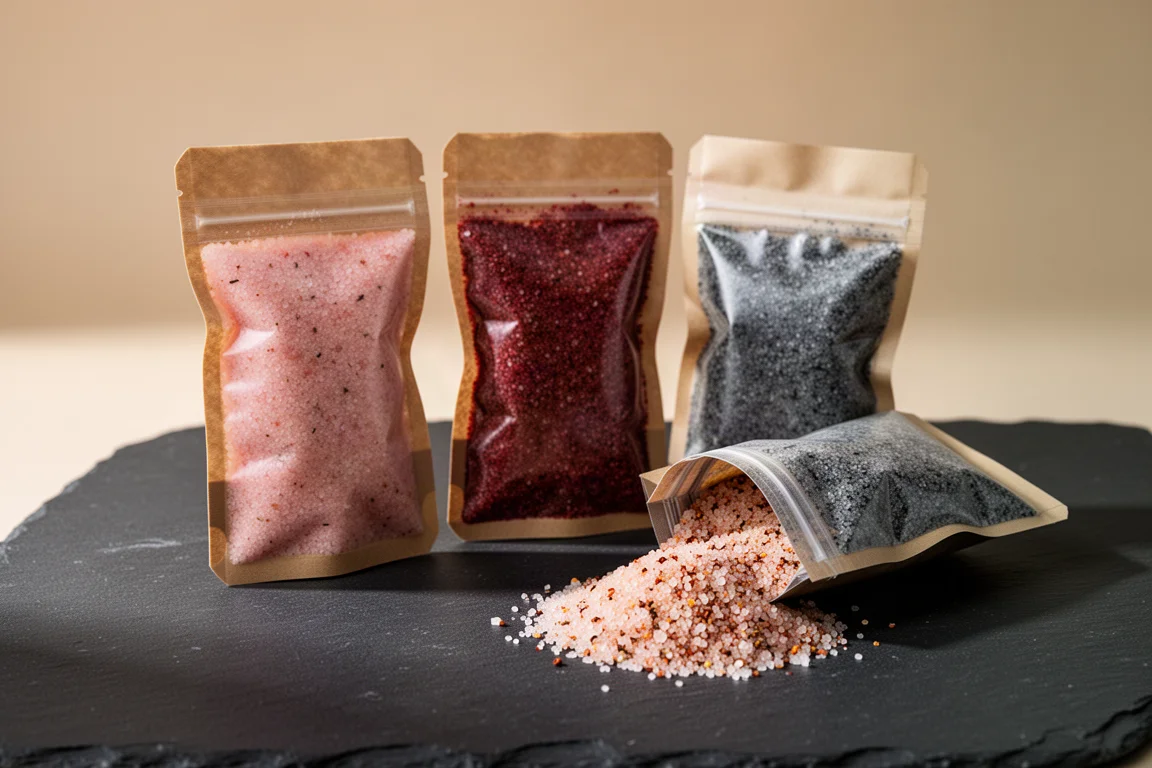
Saltbush makes Australian spice blends built around indigenous ingredients, and the clever part is the format. Rather than asking you to invent uses for unfamiliar plants, they arrive as finishing salts, barbecue rubs and marinade bases, which need no culinary imagination to deploy.
The three blends sampled all lean on native lemon myrtle. The lighter salt combines sea salt, lemon myrtle, hibiscus flower and mint for a zesty, fruity finish. The barbecue rub brings sesame, chilli, nori, shiitake mushrooms and lemon myrtle, fruity with a slight numbing kick. The campfire salt is seriously smoky, built on smoked sea salt, chilli, black pepper and that same lemon myrtle.
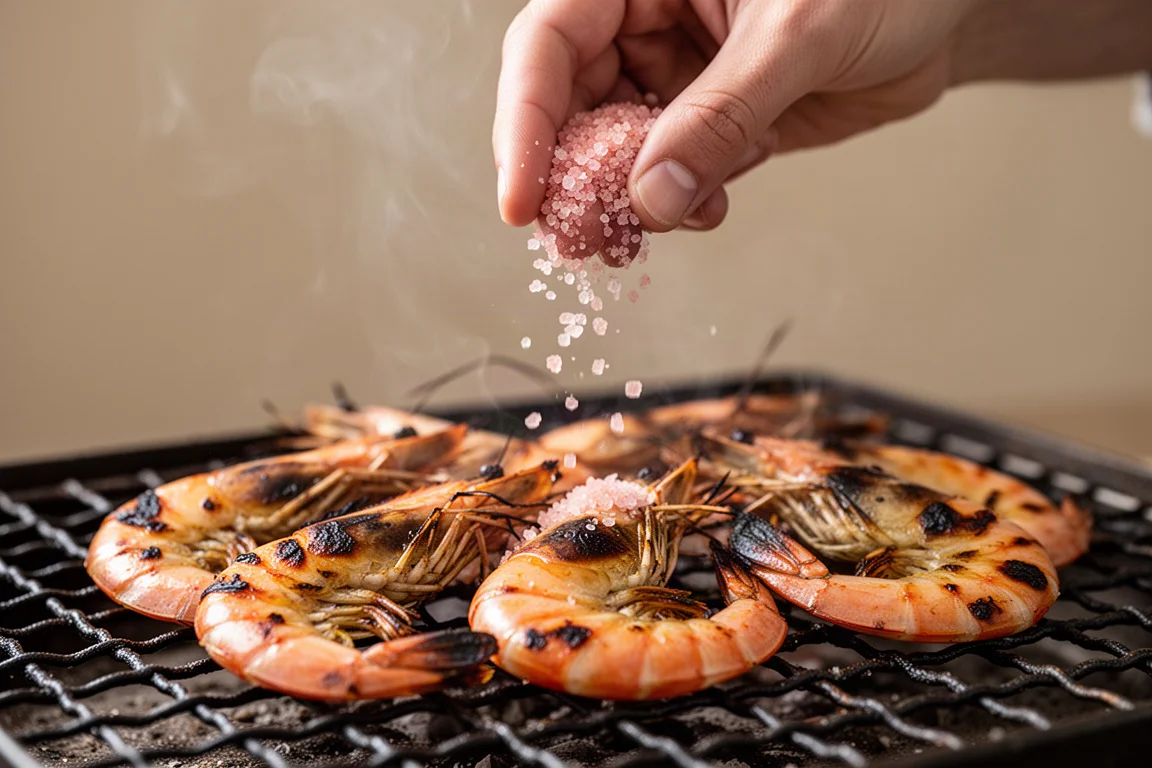
Beyond flavour, there is a bigger story. Of roughly 300,000 plant species with edible parts, just 20 species account for 90 percent of the world’s food, and wheat, maize and rice alone supply more than half. Saltbush celebrates the rest, with each blend drawing from a different Australian landscape. They work on meat, fish, roasted vegetables and pasta, and the lighter blend would even finish a chocolate torte. Pricing works out around £13.50 for a three-salt gift set, roughly £4 to £5 each, so these sit more in gift and curiosity territory than everyday pantry staples. For a food-loving friend, though, they are a near-perfect present.
Yare Valley Oils: Cold-Pressed Rapeseed from a Norfolk Family Farm
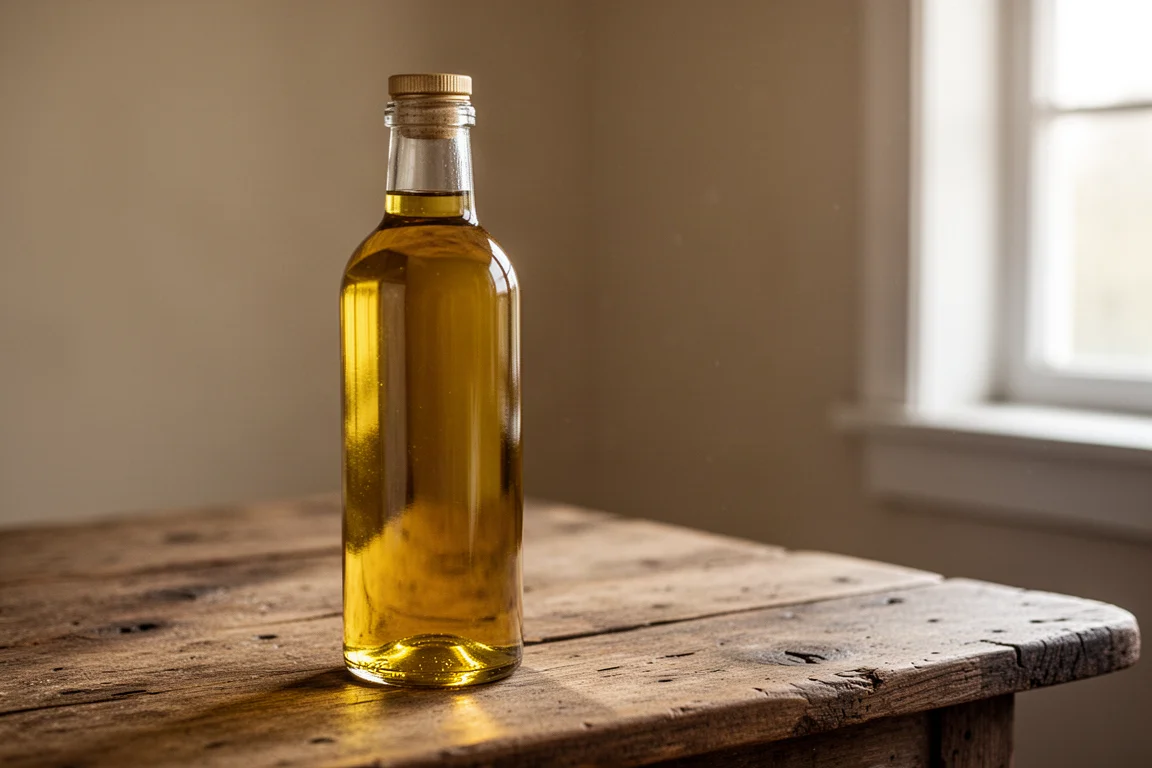
Yare Valley Oils is the kind of story that makes a product taste better. A family farm in Norfolk found growing and selling rapeseed barely profitable, so instead of giving up they cold-pressed it on site and sold it directly as cold-pressed rapeseed oil. The plain oil has won great taste awards, and there are infused versions too, including a garlic and rosemary oil and a lemon oil that genuinely evokes lemon drizzle cake.
The farm closed the loop impressively. Pressing rapeseed leaves a highly nutritious byproduct, rapeseed meal or cake, which they feed to their own cattle alongside homegrown maize and wheat. The cattle are pasture fed in summer and fattened indoors on this byproduct through winter, and the result is premium belted Galloway beef sold from the same farm. Some reports even suggest feeding cattle rapeseed cake reduces methane emissions compared to soy.
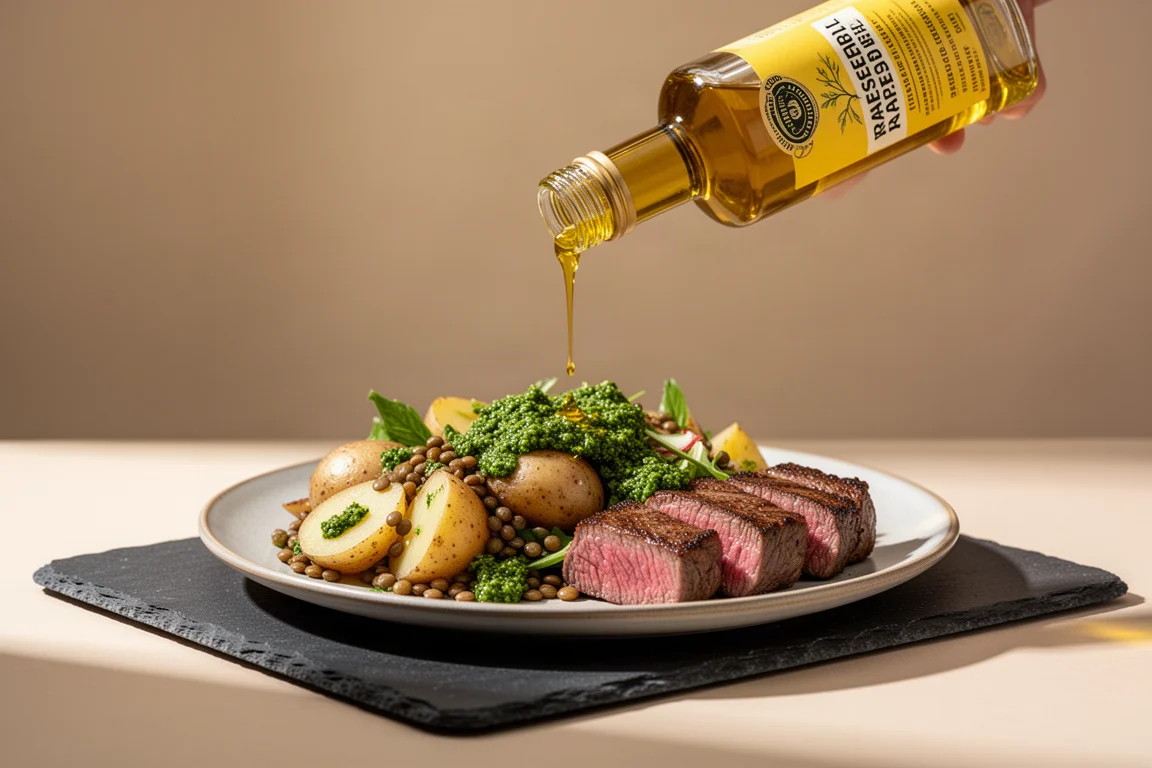
For anyone in the UK used to finishing oils from Spain, Italy or Greece, this is a genuinely British alternative that supports local farming directly. Buying from the farm cuts out middle margins, and it is a model worth supporting whether you are buying their oils, meat or dairy.
Fluke Vodka and Discarded Grape-Pomace Vodka: Spirits with a Second Life
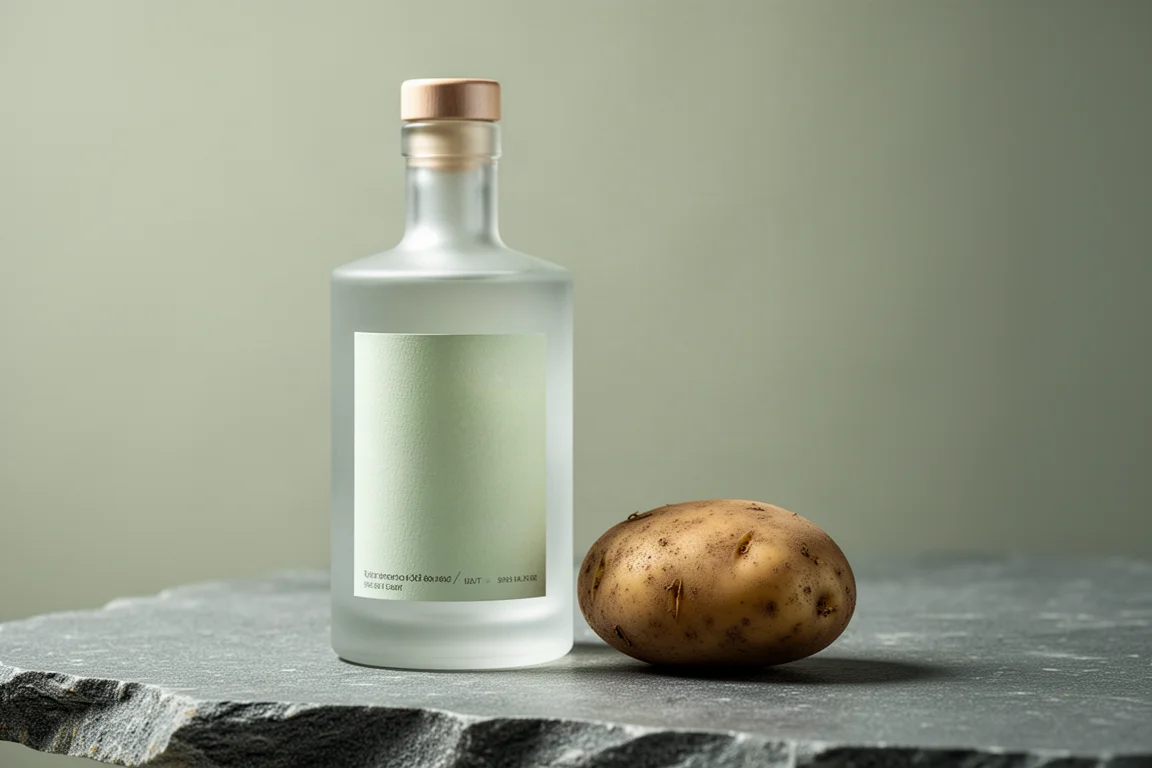
The most interesting drinks trend right now is spirits made from byproducts of the food industry, and two examples stand out. Fluke makes vodka from wonky or undersized Jersey Royal potatoes, the same hand-planted, steep-slope, limited-season potato that chefs get excited about every spring. The production uses Koji, the same process as sake, which lends the vodka subtle umami depth rather than an actual potato flavour. Discarded, meanwhile, makes a vodka from grape pomace, the crushed grapes, skins and stems left over after making chardonnay wine.
Tasted side by side, both are genuinely good, not merely acceptable substitutes. That distinction matters, because byproduct products often carry a perception of compromise. Here the quality stands on its own, and the leftover-stream origin simply gives farmers an extra revenue stream in a tough market.
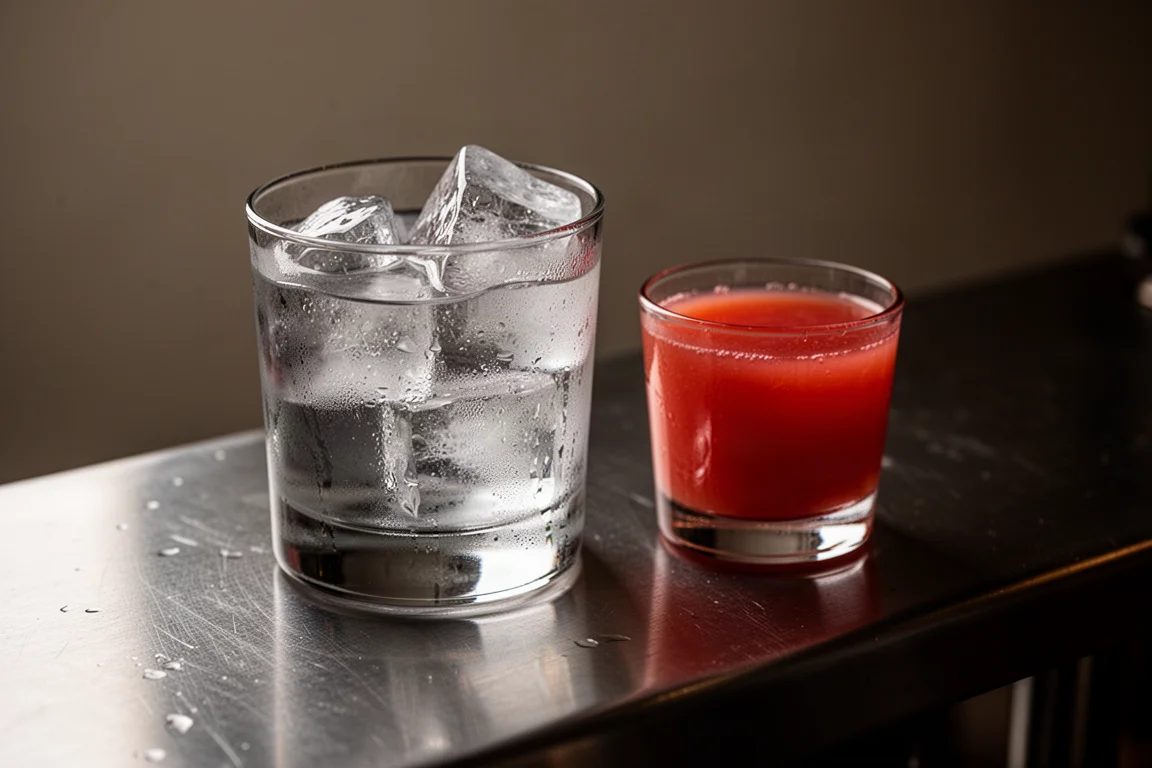
These are best treated as spirits for cocktails and longer drinks rather than sipping neat at room temperature: a vodka soda with frozen grapes, or a vodka soda with a splash of blood orange juice. One practical note for hosts: if you serve the gin-style expressions to guests, expect to explain the story, and keeping a familiar classic gin on hand is sensible insurance. If you buy booze mainly for others, these make excellent conversation-piece gifts.

Overall Buying Advice
Each of these earns its place for a different reason. The Tarantella herb sauces and Saltbush blends are clever cupboard contingencies, best bought with a specific use in mind rather than as impulse staples. Yare Valley Oils is the easiest everyday recommendation if you cook regularly and want a quality British finishing oil. The byproduct spirits are the most fun and the most giftable, ideal for anyone moving from quantity to quality in their drinking. If your budget only stretches to one purchase, the oil is the most likely to earn permanent shelf space.
Conclusion
None of these five will change how you cook overnight, and that is not the point. They are smart, well-made takes on ingredients most of us already use, each with a story that holds up to scrutiny. Try the one that matches a real gap in your kitchen or drinks cabinet, and let the rest of the trend grow on you from there.
Further reading
Related Reviews

Food & Drink
Best Plant-Based Burgers From Major Chains: Six Options Rated
Six plant-based burgers from KFC, Leon, McDonald's, Burger King, Shake Shack, and Honest Burgers put to the taste test to see which fast-food options are actually worth ordering.

Food & Drink
Best Dark Chocolate for Less Sugar: Four Picks From 60% to 90%
Four dark chocolates that deliver more cacao and less sugar, from an everyday baking bar to an intense 90% pick.
Food & Drink
Four Kansas City Barbecue Sauces Worth a Spot on Your Table
We compare four very different Kansas City style barbecue sauces, from a classic sweet supermarket staple to three landmark restaurant sauces you can order online.