Coffee Equipment
New Espresso Grinders at Host Milan 2025: Seven Models Worth Watching
A roundup of seven new espresso grinders showcased at Host Milan 2025, from weight-based home models to cafe-focused innovations with smart connectivity features.
Introduction
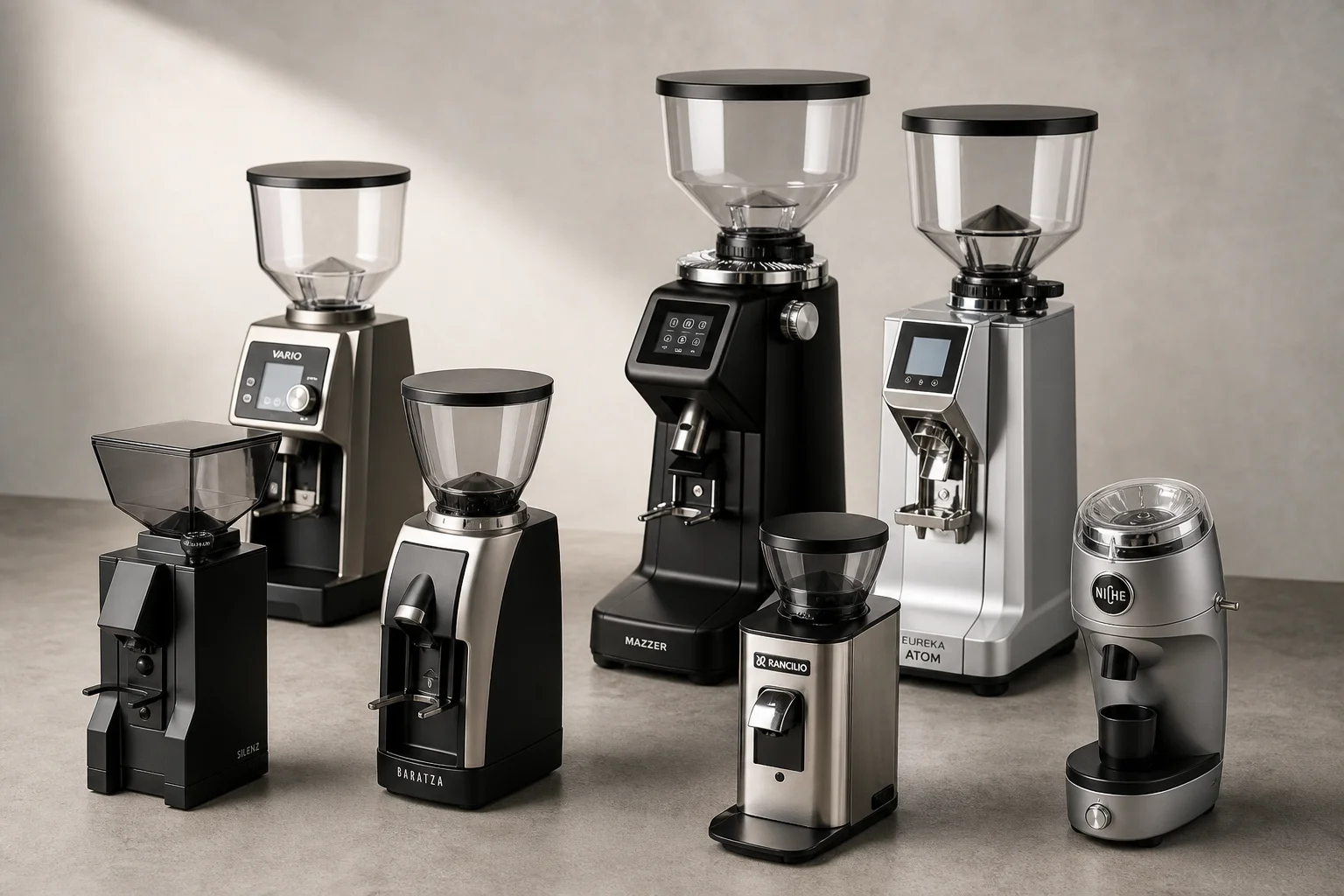
Host Milan 2025 brought a wave of innovation to the espresso grinder market. Seven new models showcase a clear industry shift toward weight-based dosing, recipe automation, and connectivity between grinders and espresso machines. Whether you’re upgrading a home setup or exploring cafe-grade options, these grinders represent the current direction of espresso equipment design.
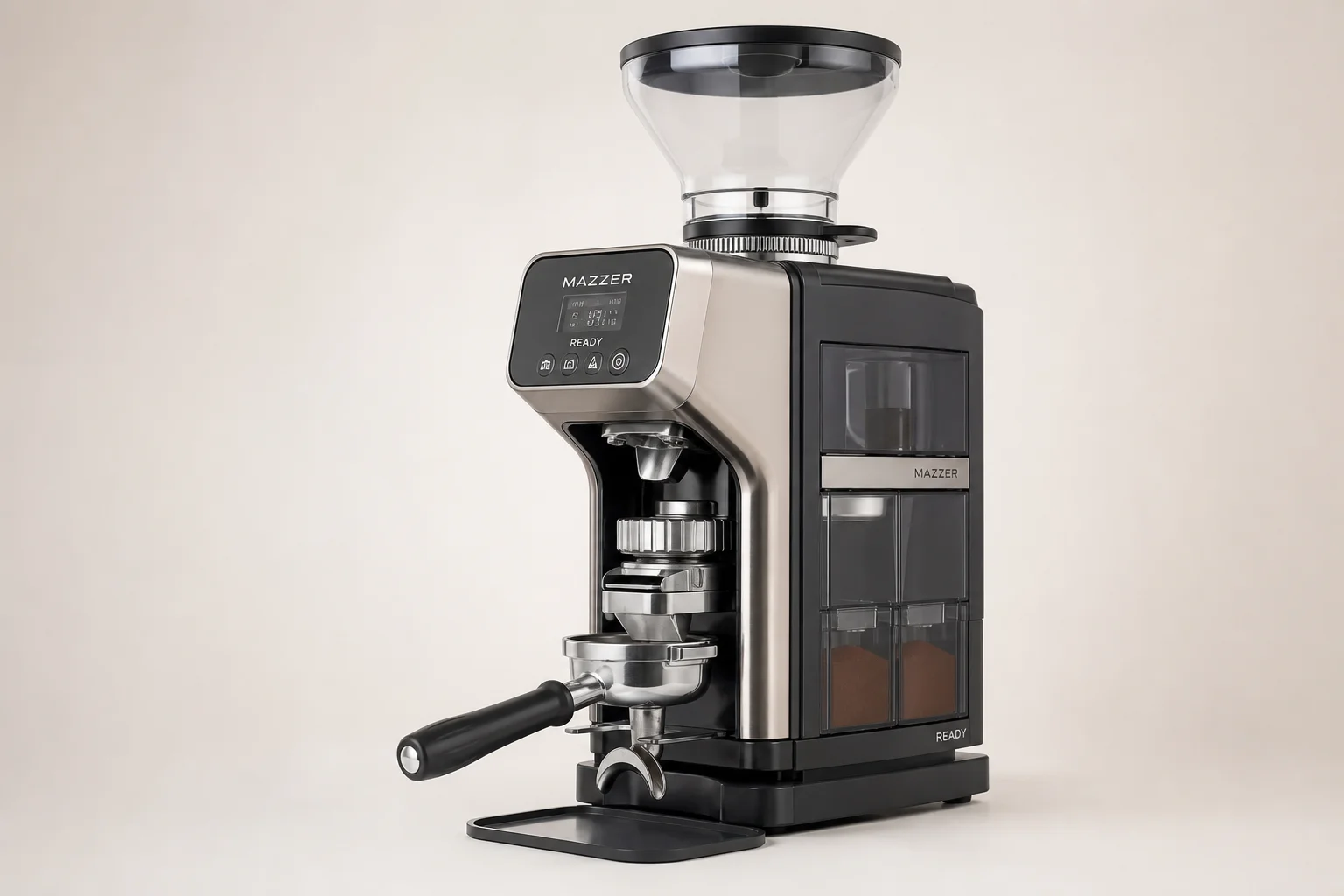
Mazzer Ready: Cafe-Focused Pre-Grinding
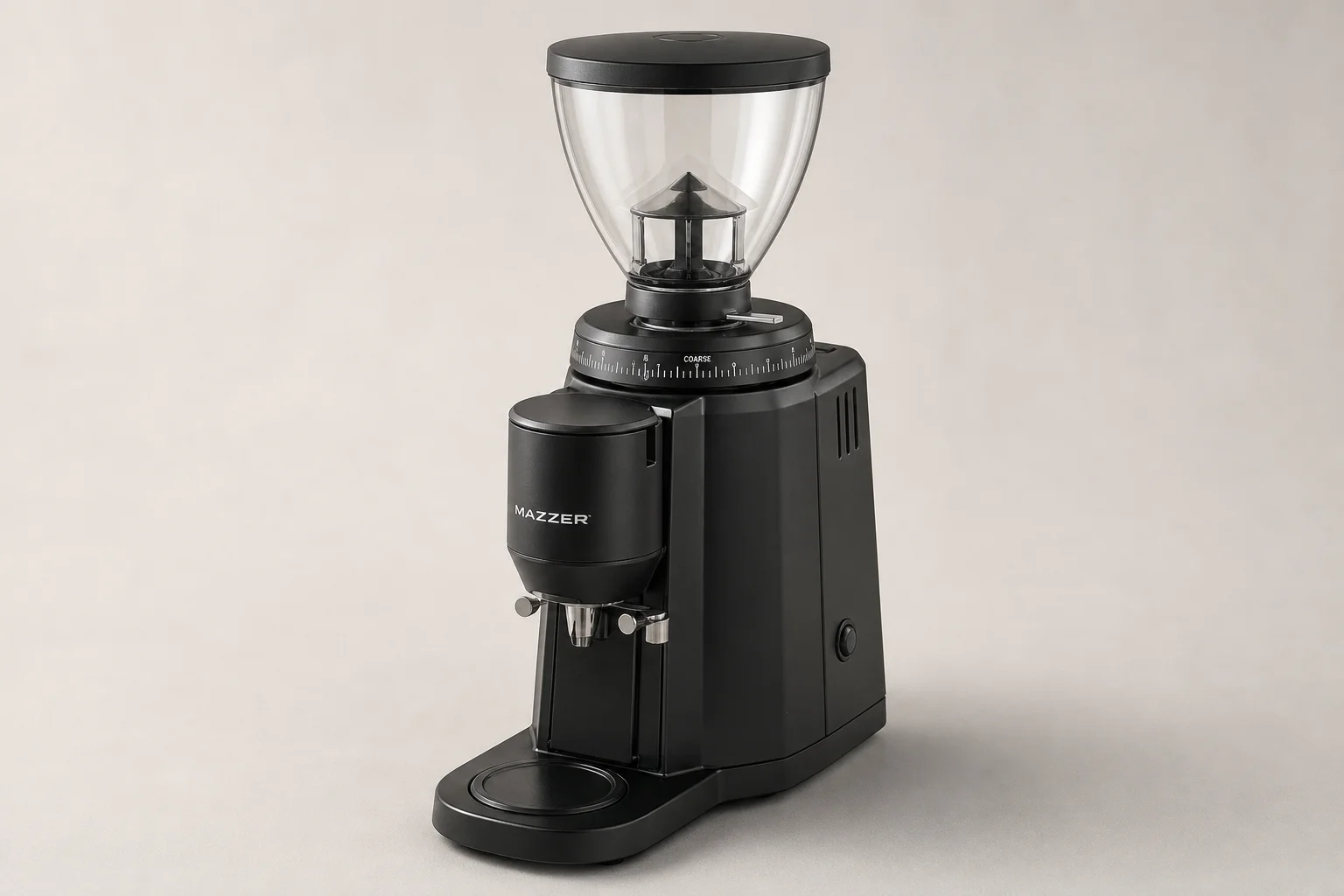
The Mazzer Ready is a 75mm flatburr grinder designed specifically for the cafe market. Its standout feature is a dual-compartment system that allows baristas to pre-grind coffee into two separate 22g sections, then dose one or both into the portafilter simultaneously during service.

This design accelerates workflow during peak hours while maintaining the option to grind on demand using time-based settings. The grinder includes a removable calibration ring, making it simple to realign the burr zero point and keep the grind consistent throughout the day. Availability is expected in the first quarter of next year, with pricing to be confirmed but positioned below the Mazzer Major in the lineup.
ECM Exacto: Weight-Based Precision
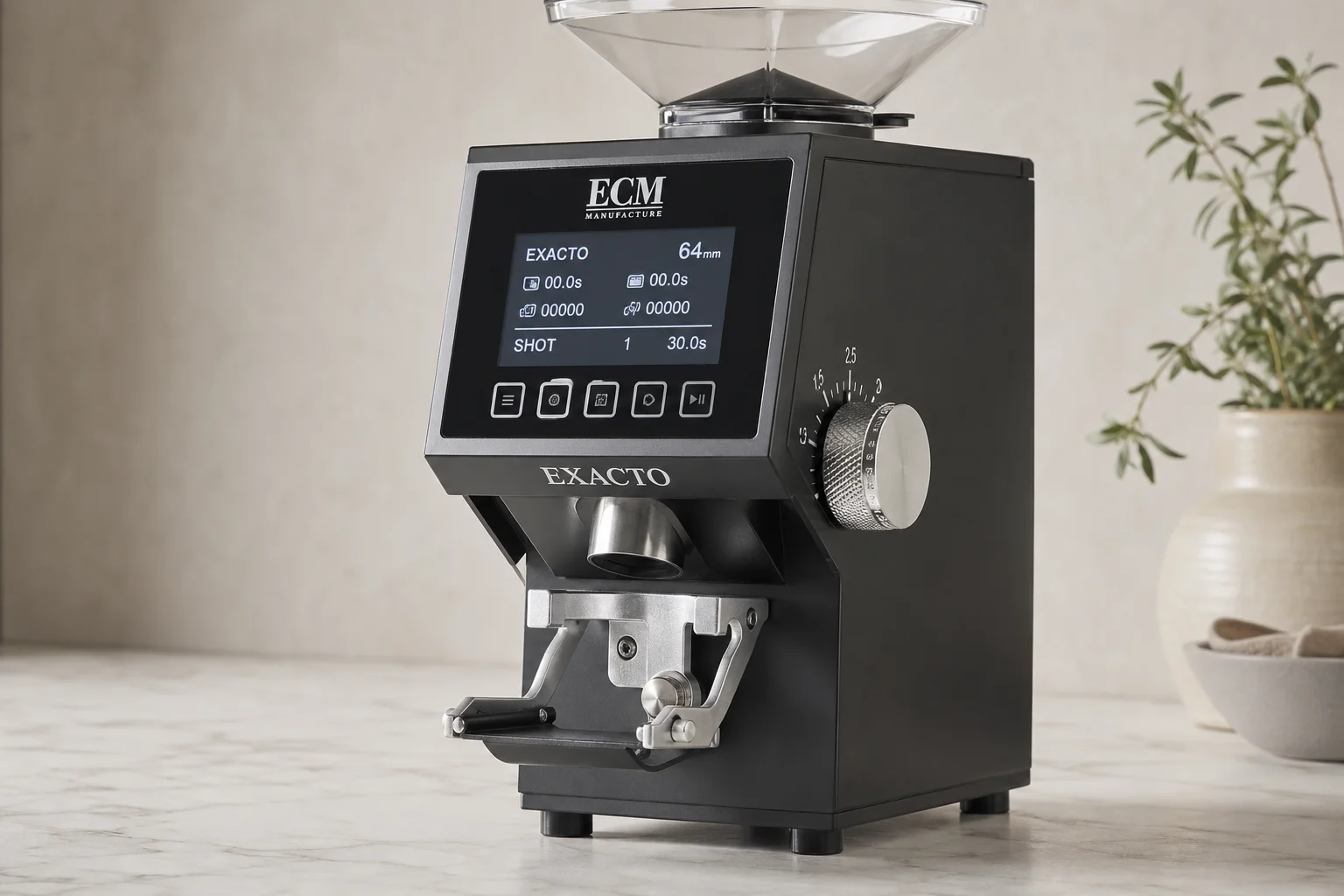
The ECM Exacto pairs 64mm stainless steel burrs with weight-based and time-based grinding modes. A large LCD display makes it straightforward to switch between single and double shot doses, while smooth micro-adjustment dials on the side allow fine-tuning without disrupting workflow.
The grinder features an adjustable portafilter holder that auto-recognizes the group handle and begins grinding to the preset weight. With a 400W motor running at 1350 RPM, it ranks among the quietest grinders shown at the event, making it suitable for both cafe and home environments where noise matters.
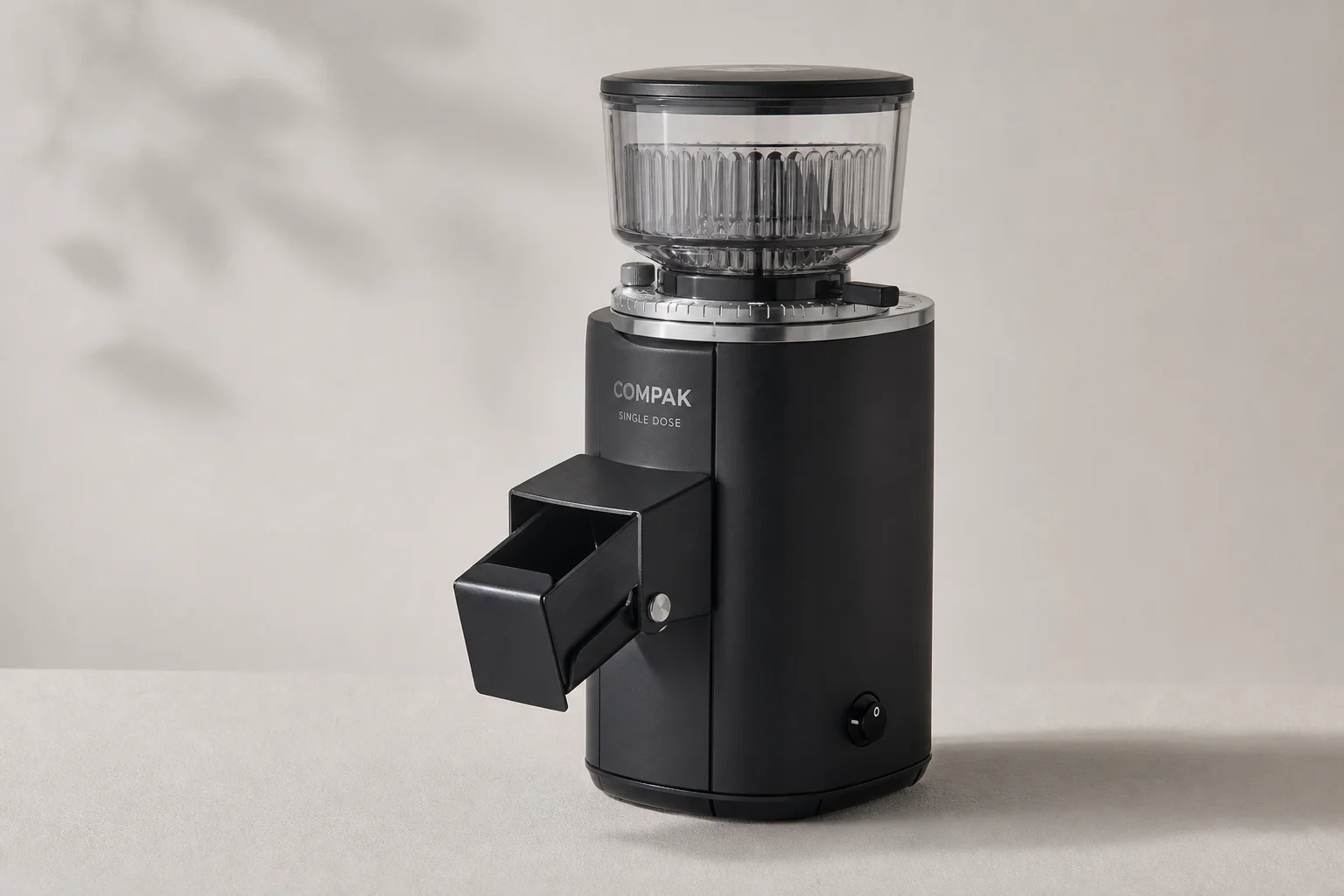
Compak Single Dose: Simplified Home Grinding
Compak introduced two single-dose home grinder models, both weight-based and designed to minimize the number of separate gadgets needed. The advanced model includes an integrated recipe scale, while the basic version offers on-off grinding without weight tracking.
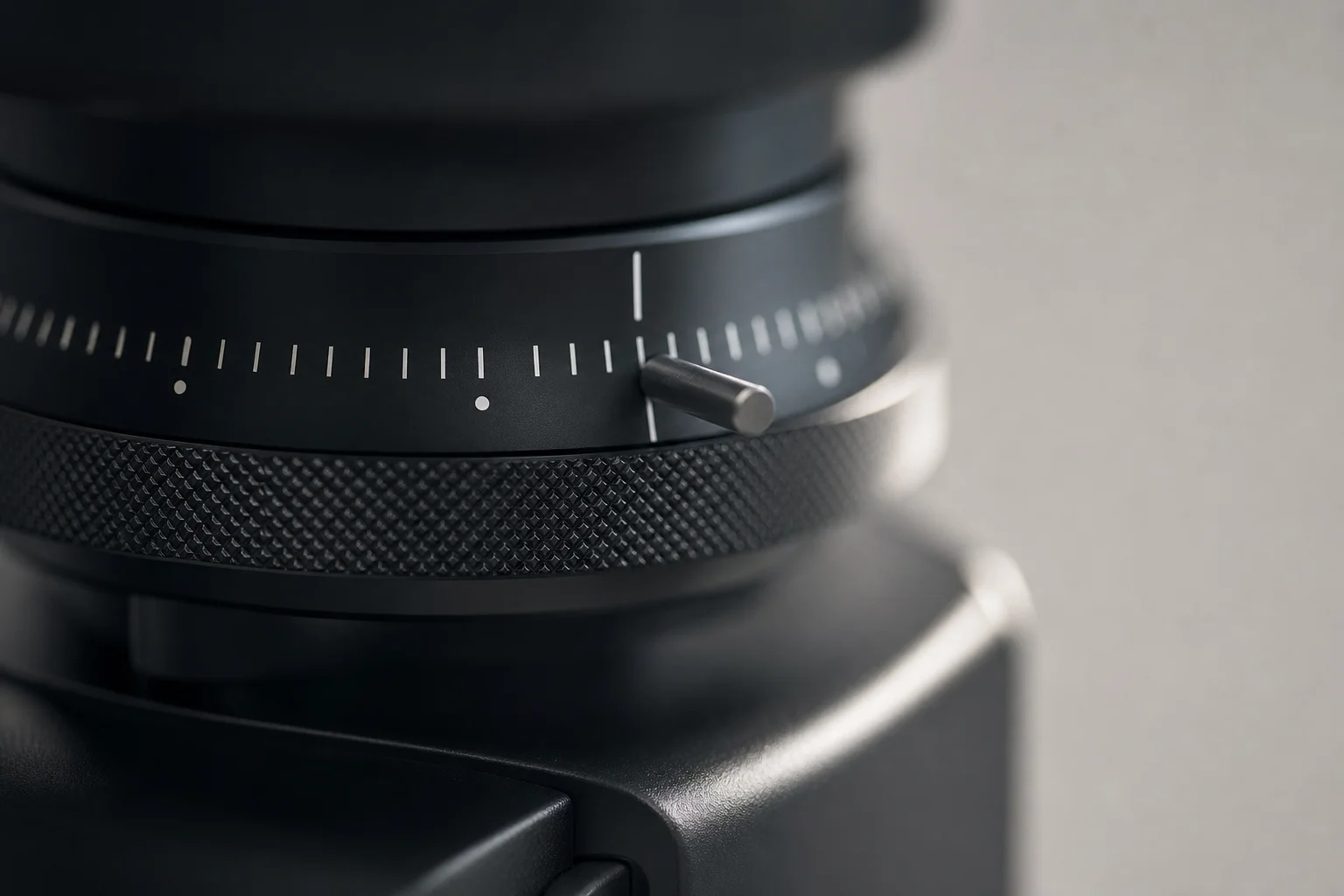
Both models feature an extractable magnetic chute for easy cleaning and an air blower to remove residue between brews. Calibration is straightforward: lock the entire grinding head, switch the calibration ring, and adjust the burr gap as needed. An eco mode dims the screen when the grinder is idle, and a safety sensor stops grinding when the lid opens. The grinders are available in black, blue, and white, with custom colors available. Release was expected within a month of the event.
Mazzer Mini G: Weight-Based Home Upgrade
The new Mazzer Mini G is a weight-based evolution of the classic Mini, designed for home users who have owned the original for years. The motor is twice as fast as the previous generation, delivering grinds quickly into a portafilter or dosing pot.
The grinder uses the same interface found in Mazzer’s higher-end models, with telemetry that tracks exactly how much coffee falls into your dosing pot or group handle. You can set a target weight and receive both the actual output and target weight readout, or switch to time-based grinding if preferred. Even under bench-banging stress tests, the Mini G delivered within 0.04g of the target weight, demonstrating strong accuracy for a home grinder.
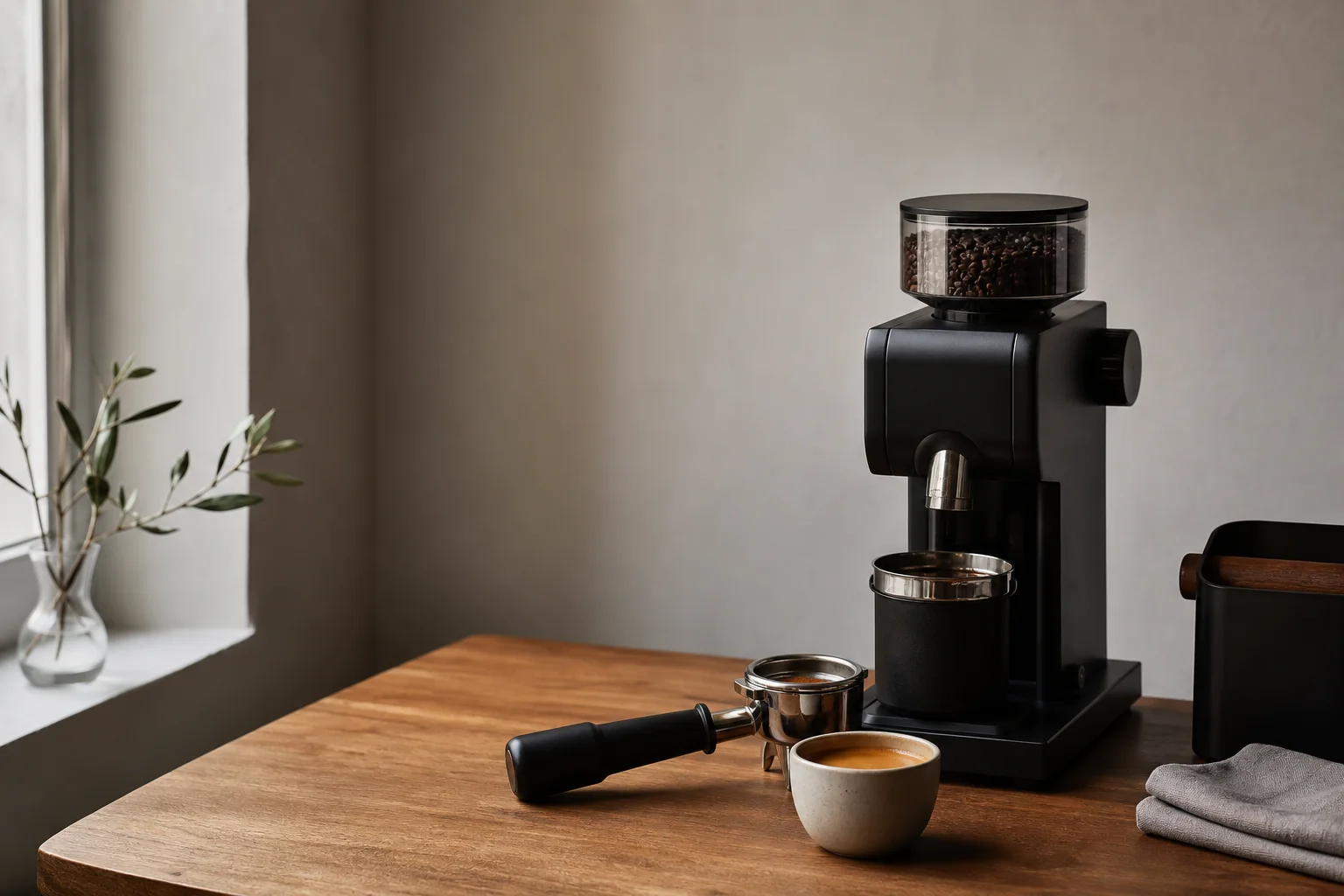
Available in white, black, gloss gray, dark gray, and polished aluminium, the Mini G is expected to launch in early next year. It represents a meaningful upgrade path for owners of the original Mini who want faster grinding and weight-based precision.
Eureka Atom W65: Auto-Recognizing Home Grinding
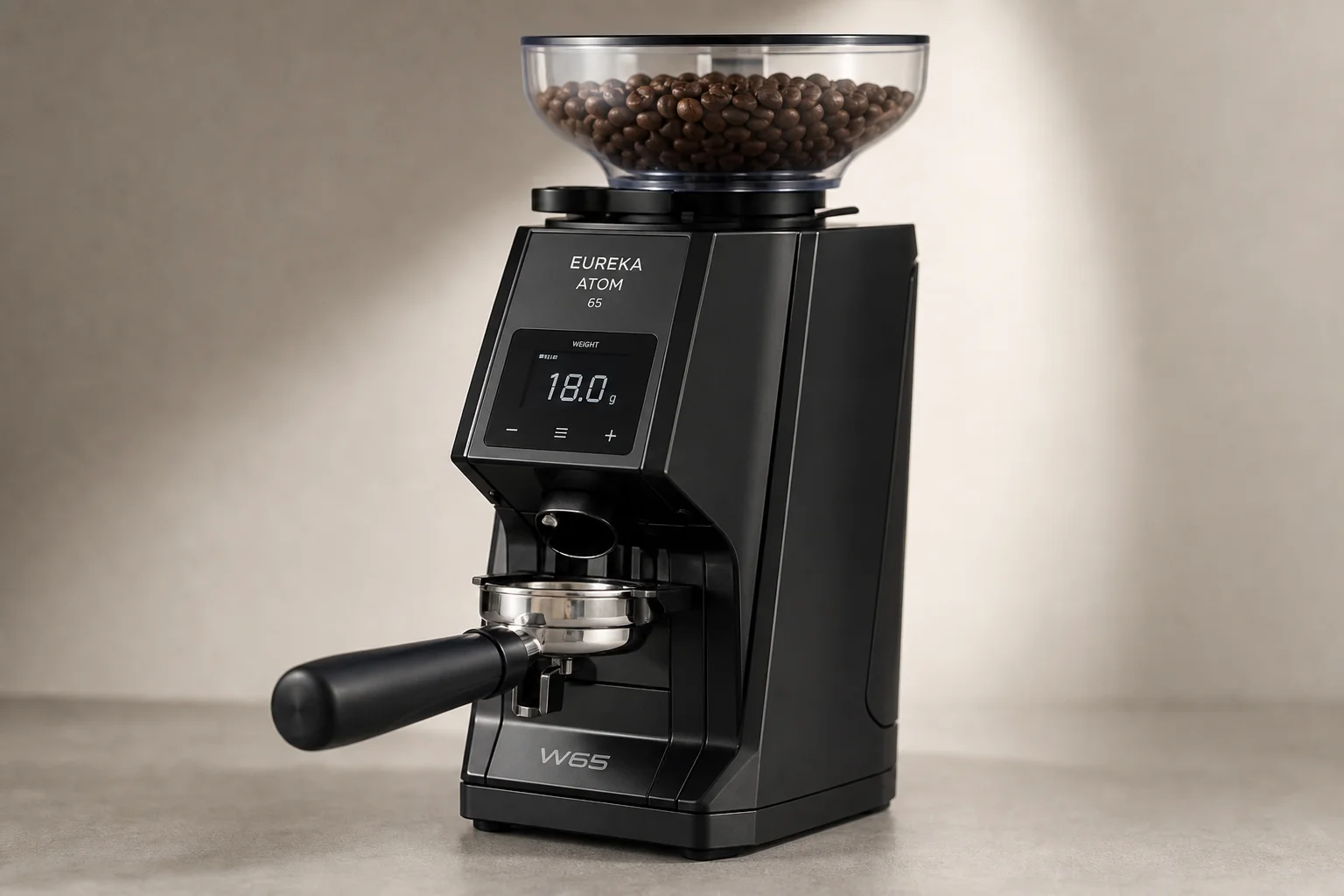
The Eureka Atom W65 Casa (home version) features 65mm burrs and weight-based auto-recognition. When you insert a portafilter, the grinder automatically recognizes it and grinds to one of three customizable weight presets. This makes it simple to switch between different basket sizes or handle configurations without manual adjustment.
Eureka Stark W and Stark Tech: Smart Recipe Adjustment
The Eureka Stark W introduces automatic burr adjustment based on extraction time feedback. After you pull a shot and record the extraction time, the grinder calculates the required burr gap change and displays it on the dial. For example, if your target was 25 seconds but you extracted in 30 seconds, the grinder will suggest adjusting from 159 to 161 on the dial. Once you hit the target number, the grinder accepts the change and is ready for the next brew.
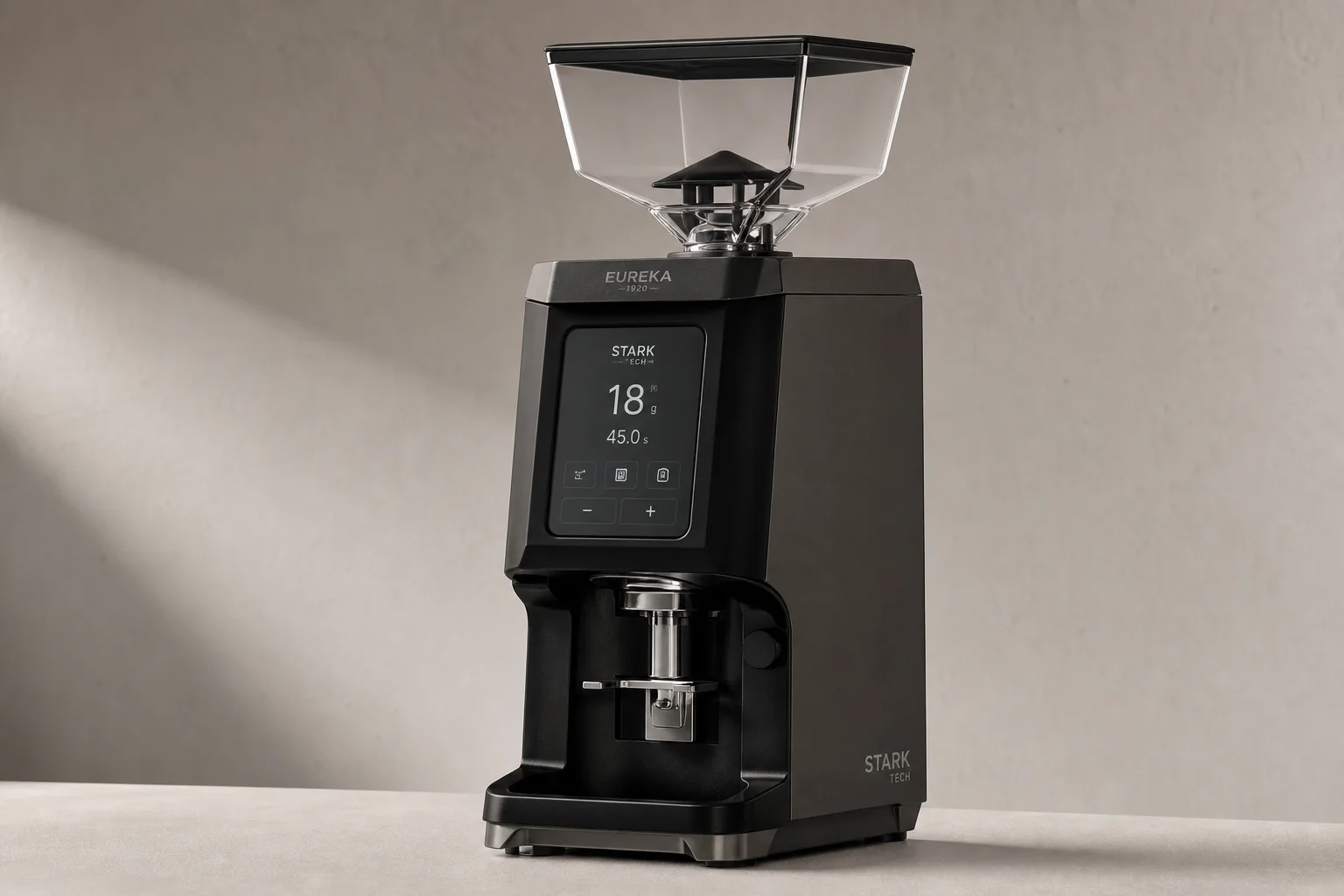
You can save single or double dose recipes for different coffees, and the grinder will automatically adjust the burrs to match each recipe when recalled. Both the Stark W and the upcoming Stark Tech feature blind-screwed upper burr sets (the screw doesn’t penetrate the burr, avoiding potential grinds catching) and a 10-year motor warranty.
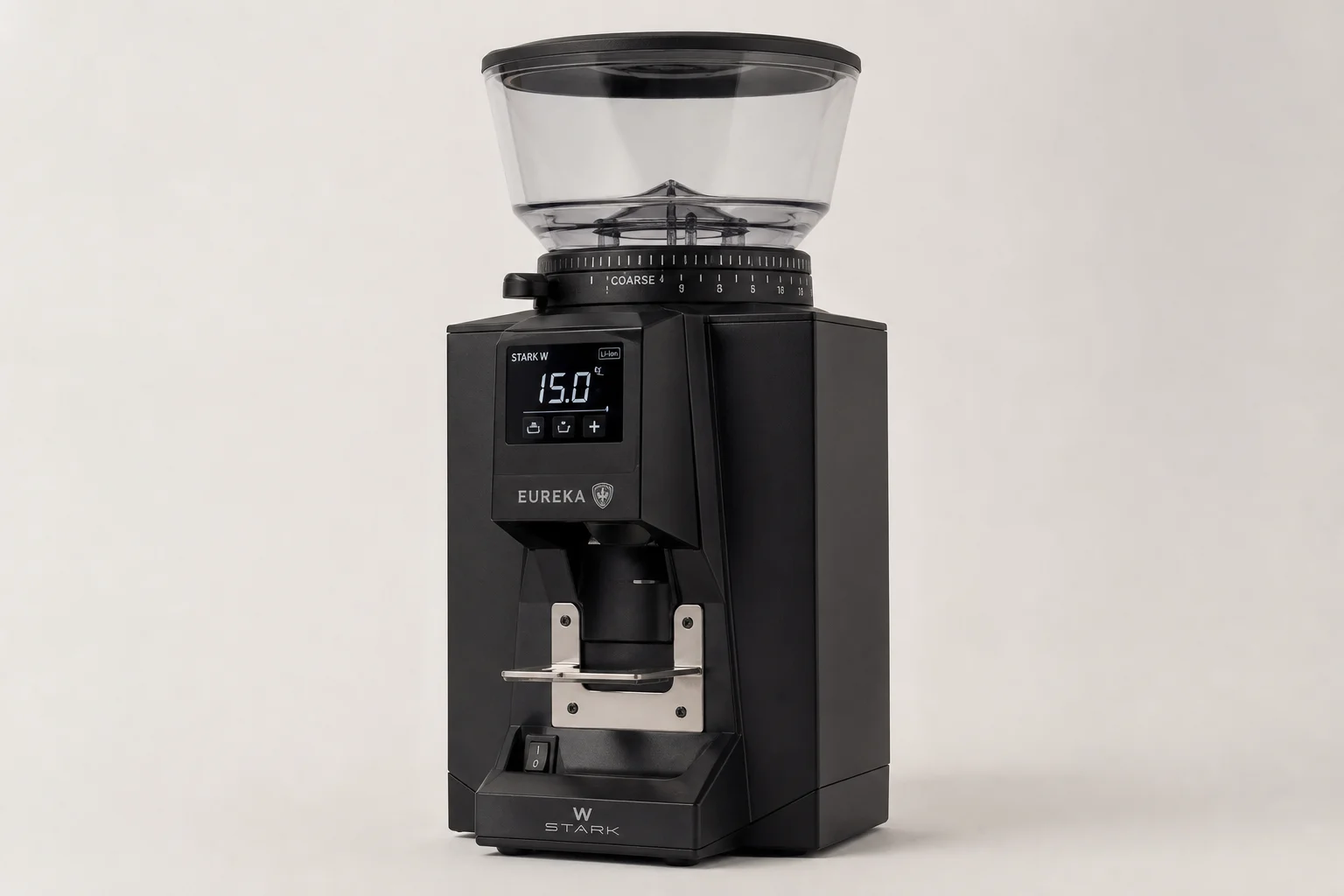
The Eureka Stark Tech, arriving later in 2026, builds on the Stark W with variable RPM control and digital burr adjustment via the screen instead of a manual dial. Variable motor speed affects taste profile, giving users another tool to dial in their preferred flavor.
Quick Mill TIO Connect: Grinder-Machine Integration
Quick Mill’s partnership with Eureka introduces TIO Connect, a system where a weight-based TIO grinder communicates directly with a TIO espresso machine. When you set a recipe in the grinder (specifying dose weight, target temperature, and yield), the machine receives those parameters and adjusts its extraction accordingly.
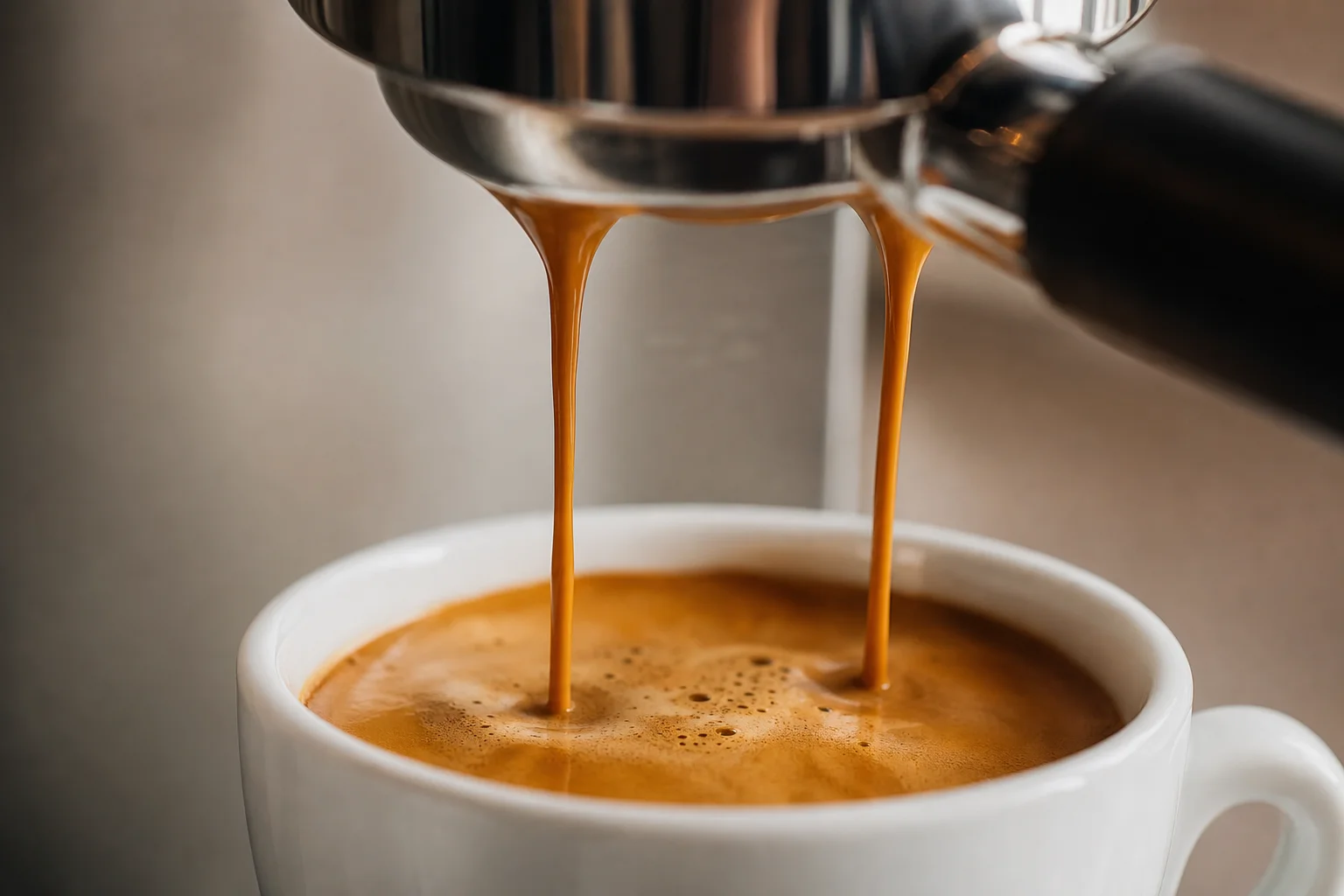
After grinding, you tamp and lock the portafilter into the group. The machine’s blue light confirms it’s following the grinder’s recipe. During extraction, the machine records data and compares actual extraction time to the recipe target (with a plus-or-minus 3-second tolerance). If the extraction falls outside that window, the machine automatically adjusts the grinder’s burr set to speed up or slow down the next shot. This closed-loop feedback system removes guesswork from dialing in espresso. Production is expected in early 2026.
Conclusion
The 2025 Host Milan grinder showcase reflects a clear industry direction: weight-based dosing, recipe automation, and machine-to-grinder connectivity are becoming standard features across price points. Whether you prioritize cafe efficiency, home simplicity, or advanced recipe control, these seven models offer concrete upgrades over previous generations. Most are expected to arrive in the first half of 2026, giving you time to research which features match your brewing priorities.
Further reading
Related Reviews
Coffee Equipment
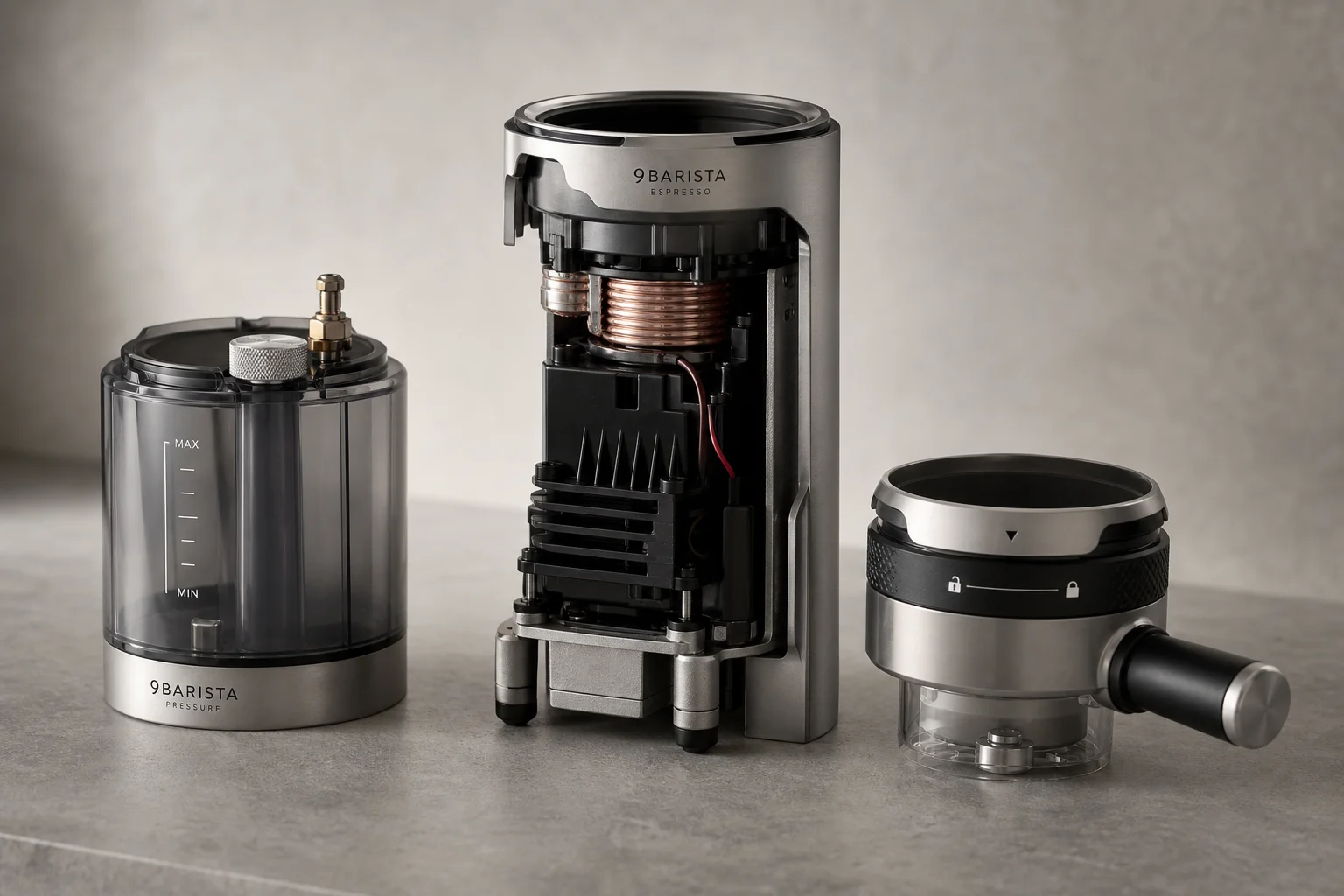
9Barista Espresso Machine Review: Stovetop Espresso for Single-Cup Enthusiasts
A cleverly engineered stovetop espresso maker that generates nine bars of pressure without electricity. Excellent coffee quality, but requires patience and suits solo drinkers only.
Coffee Equipment
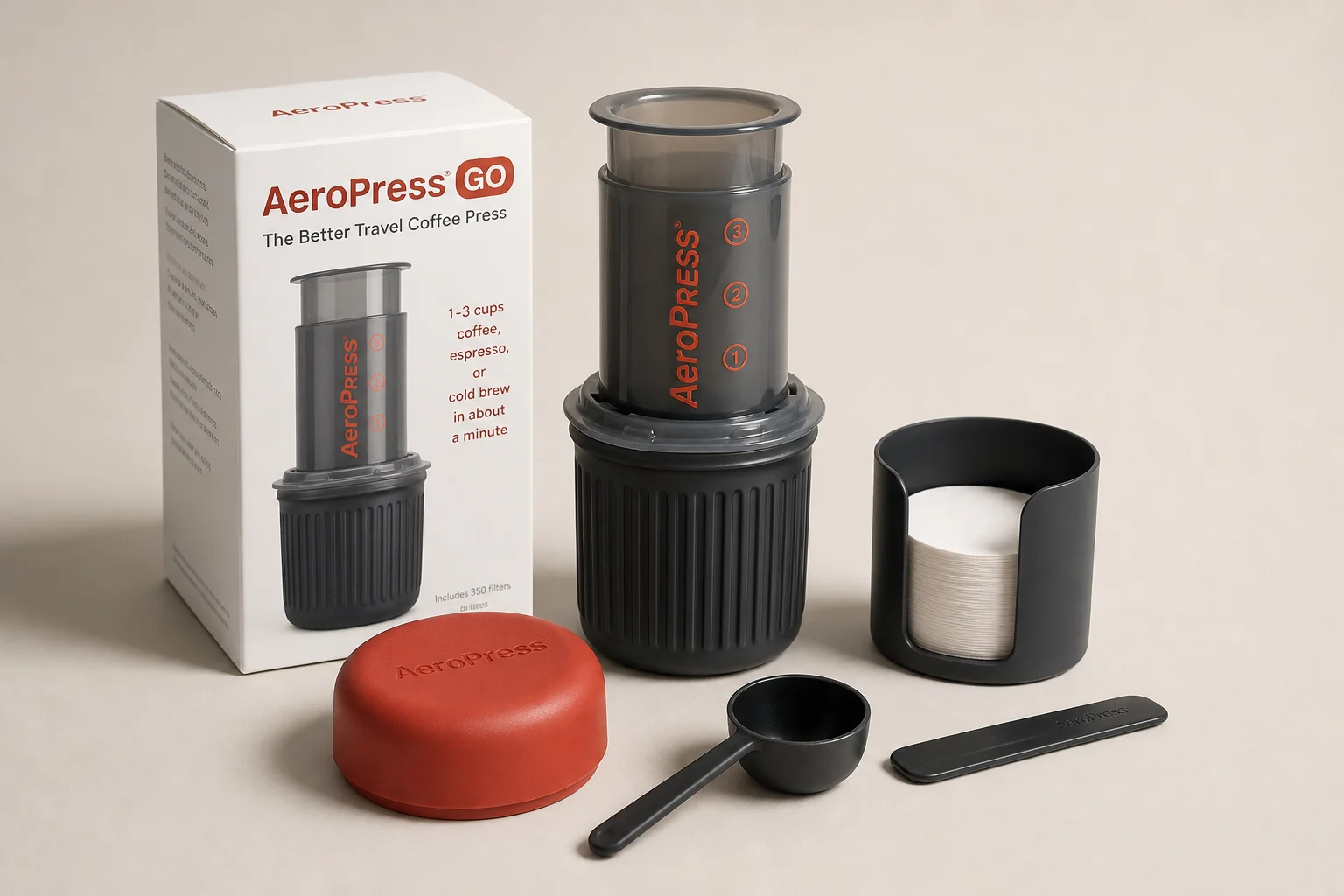
Aeropress Go Review: A Compact Travel Brewer That Solves One Specific Problem
The Aeropress Go shrinks the original design and adds an integrated cup, but it may not address the travel challenges most coffee enthusiasts actually face.
Coffee Equipment
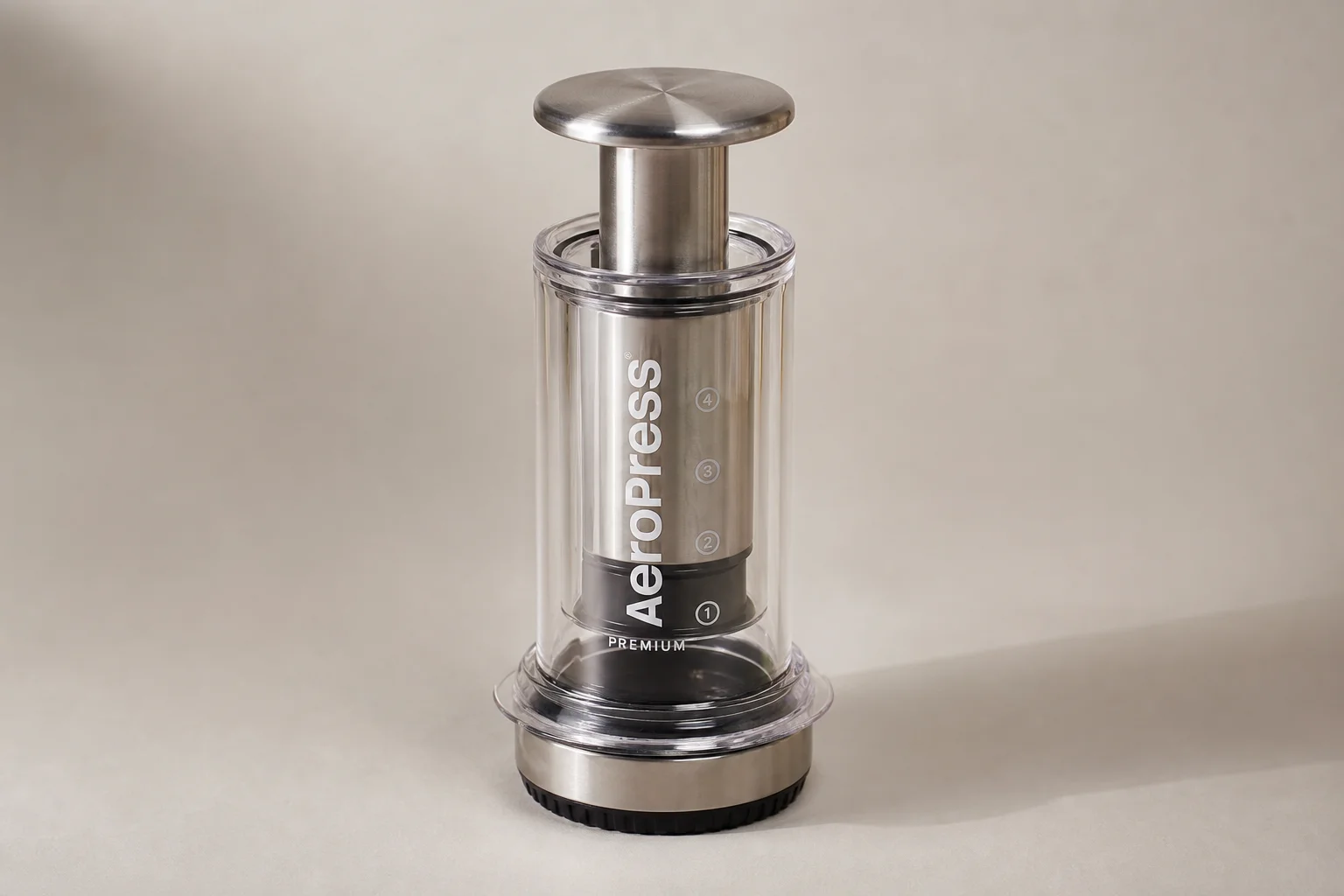
AeroPress Premium Review: Premium Materials, Practical Trade-offs
The AeroPress Premium brings glass and metal construction to a beloved brewer, but trades portability and durability for a more refined feel. Here's what changes in the cup and what matters before you buy.