Power Tools
Three New DeWalt Tools for the Electrical Trade: Knockout Power and Two Band Saws
A first look at DeWalt's 20V MAX hydraulic knockout tool, a dual-trigger midsize band saw, and the compact band saw that has quietly earned a fanbase.
Introduction
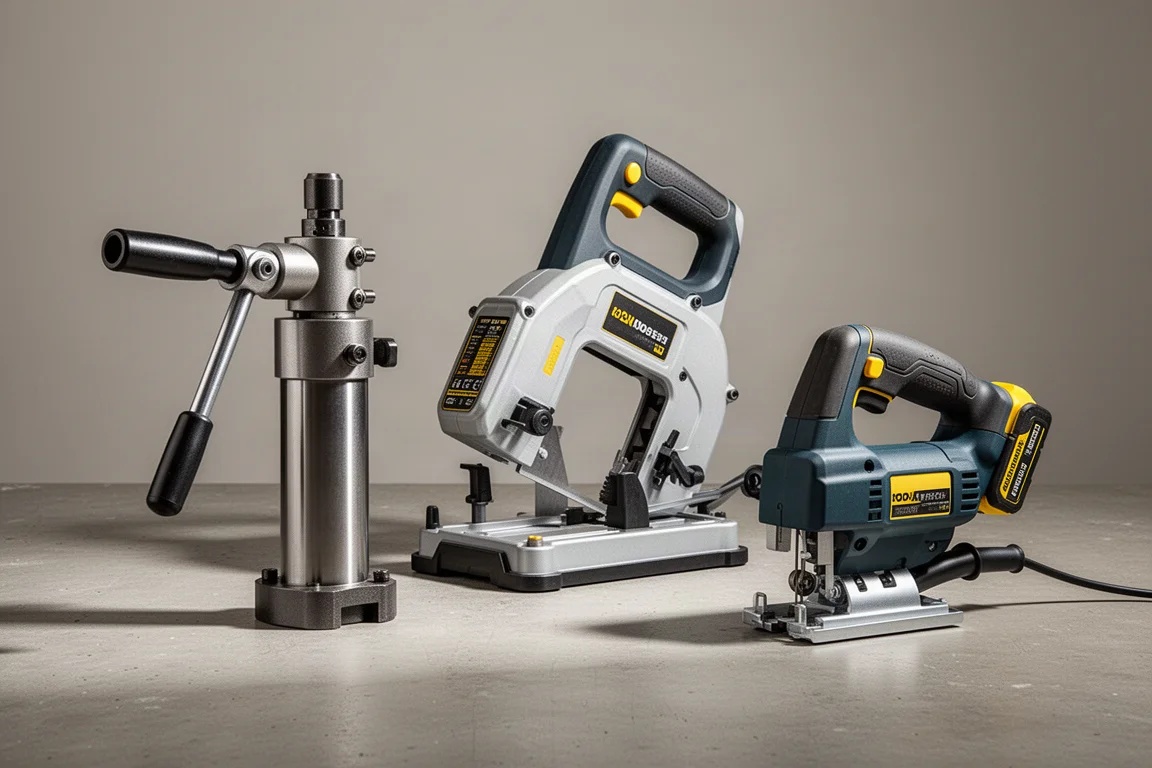
DeWalt has been relatively quiet on the release front lately, apart from the concrete-focused tools it showed off earlier. That changed with a fresh batch of announcements aimed squarely at the electrical trade, headlined by a 20V MAX hydraulic knockout tool and two new band saws. If you work in the trade or you simply follow the tool market, this is a lineup worth a closer look.
Evaluation Criteria
For a quick listicle like this, we focus on what each tool is actually built to do, who it suits on a real jobsite, and where the design choices will matter day to day. We also flag any trade-off that could change your buying decision.
DeWalt 20V MAX Hydraulic Knockout Tool
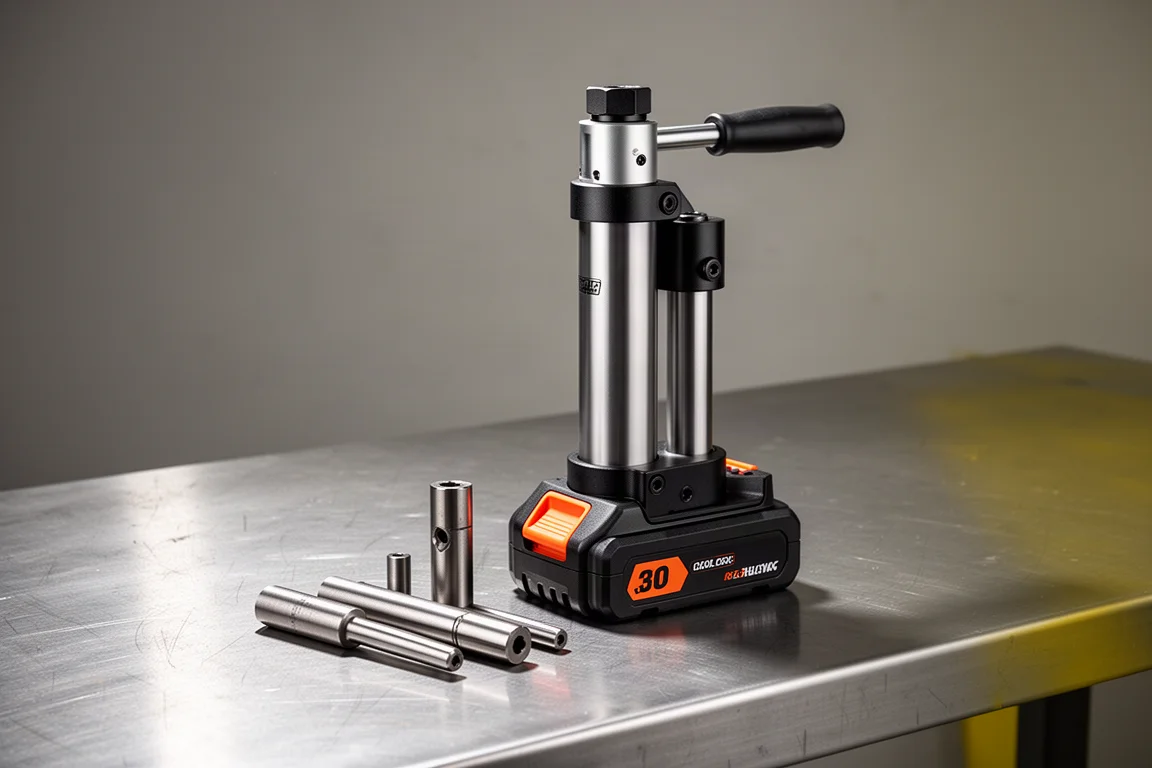
This is the headline release for electricians. The 20V MAX hydraulic knockout tool delivers 11 tons of force, enough to punch through switchgear and panel work without dragging out a hand pump. For anyone who does this kind of work regularly, a cordless knockout setup is the kind of upgrade that pays for itself in saved time.
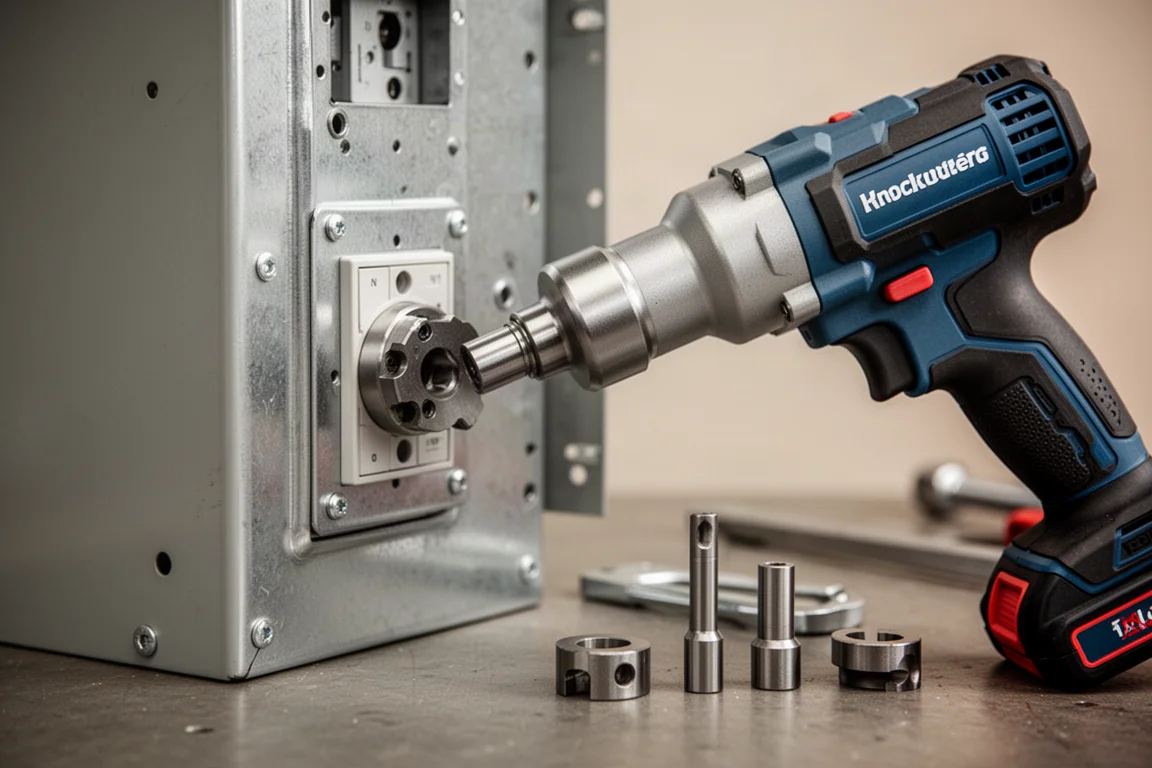
It is a specialist tool, so it only makes sense if knockout work is actually part of your week. But for electrical contractors, this is one of the more exciting DeWalt announcements in a while.
DeWalt 20V MAX Cordless Midsize Band Saw
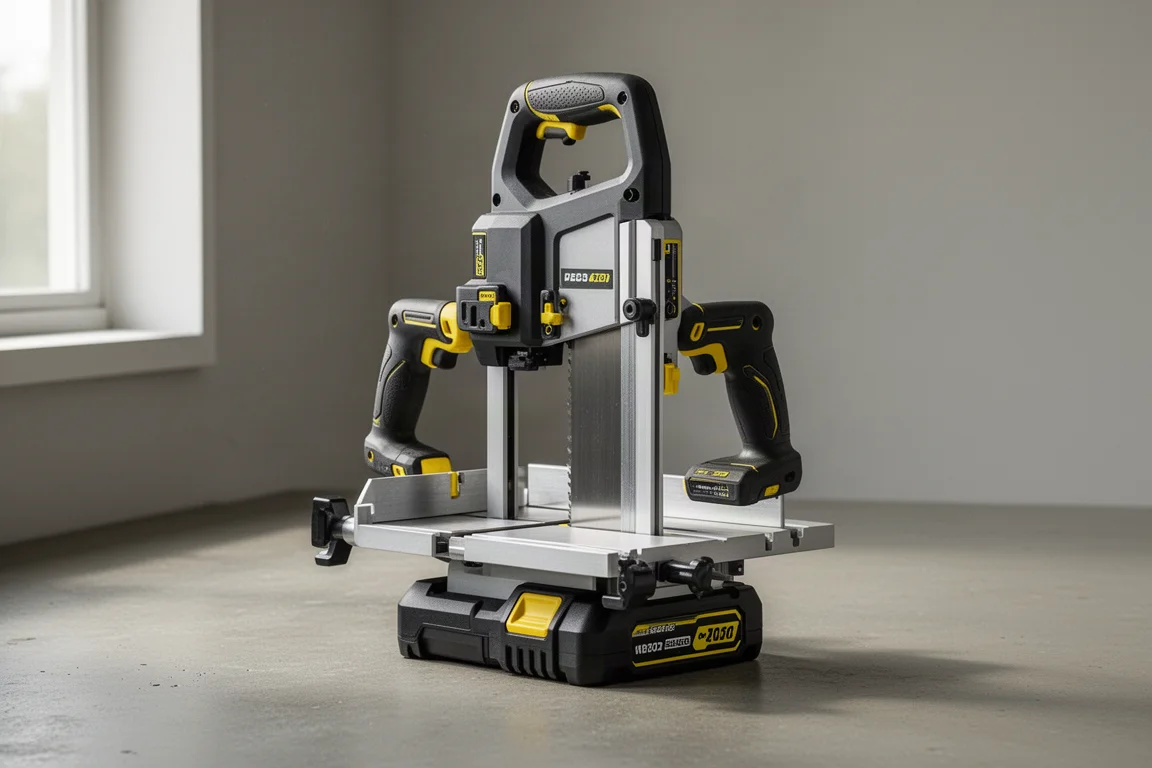
The 20V MAX cordless midsize band saw is DeWalt’s new dual-trigger design. The dual trigger means you hold a latch with one hand while pulling the trigger with the other, so the saw cannot be run one-handed.
Opinions on this split cleanly. If you have a safety officer on site, the two-handed requirement will look like a feature. If you work solo and sometimes need one hand free to steady material, you may find it restrictive. It comes down to how your jobsite is run.
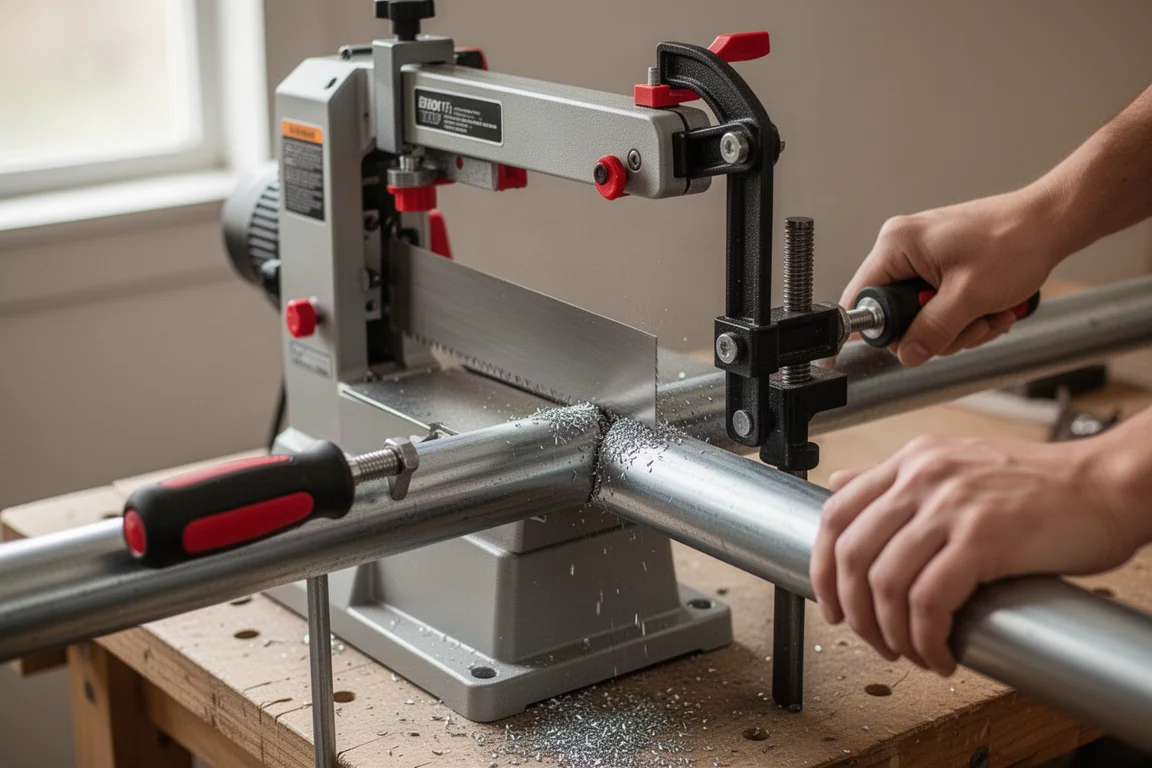
Beyond the trigger, the saw includes a speed adjustment and a quick-release blade system, which are the details that matter most for cutting pace and blade changes. As the name suggests, it sits between compact and full-size, so it targets midsize jobs rather than heavy structural work.
DeWalt Compact Band Saw
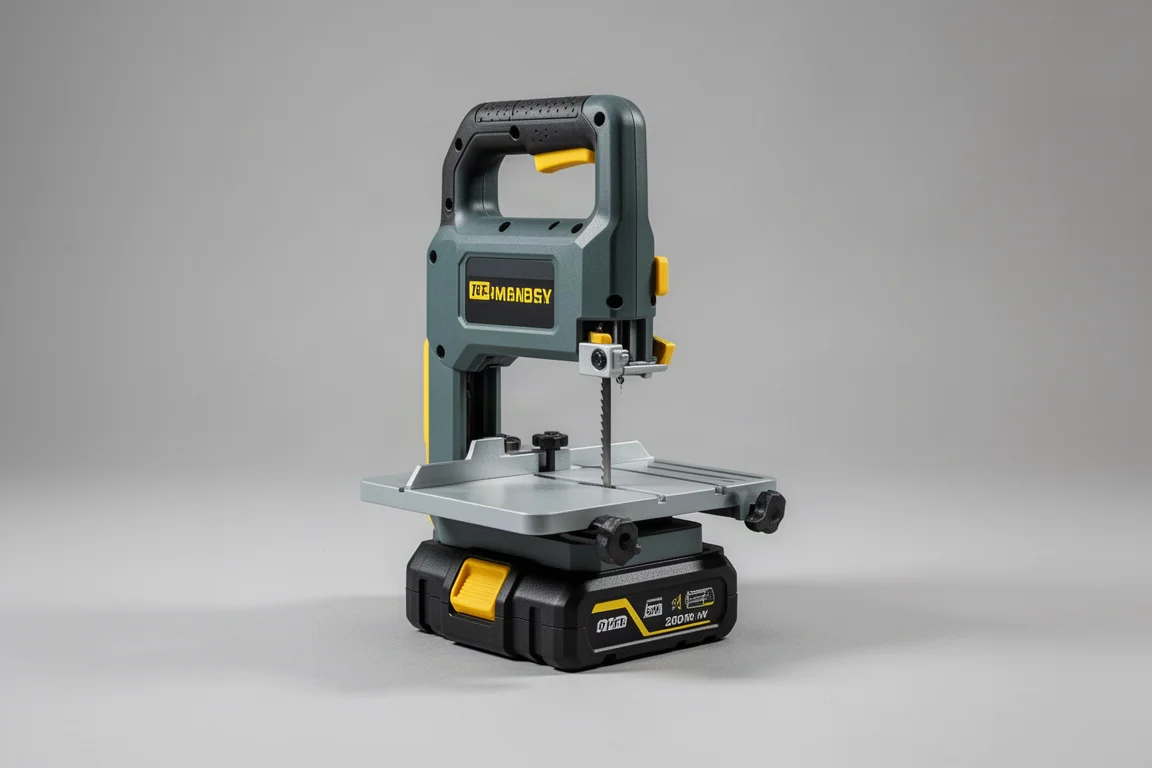
Not new to the lineup but worth including alongside the new releases, the DeWalt compact band saw has quietly built a strong reputation. It is the tool to reach for on smaller jobs: slicing rebar, cutting down smaller pieces of metal, and general jobsite trimming work where a full-size saw is overkill.
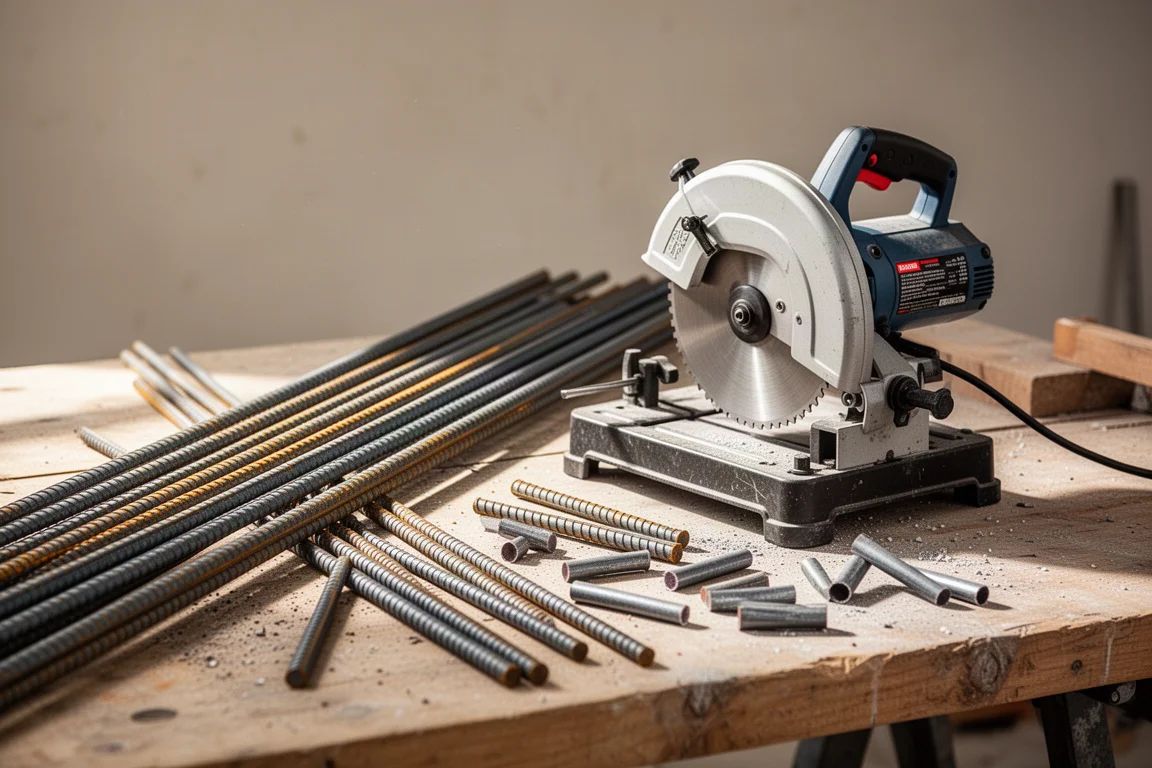
The design philosophy is simple: a compact body, easy handling, and enough cutting ability for the everyday metal-cutting tasks that come up constantly on electrical and mechanical jobs. If your work rarely demands a midsize saw, this smaller option may be the smarter buy.
Buying Advice for Electrical Trade Professionals
Match the tool to the work. If you punch panels and switchgear regularly, the hydraulic knockout tool is the clear pick and the most significant of the three announcements. If your cutting tasks vary in scale, the midsize band saw covers general fabrication, but decide first whether a dual trigger fits your workflow and safety culture. If your metal work is mostly rebar and small stock, the compact band saw remains the proven, well-loved choice.
One practical note: the dual-trigger midsize saw is deliberately two-handed, while the compact saw is easier to manage in tighter spots. That contrast, more than any spec sheet, should guide which one ends up in your bag.
Conclusion
DeWalt’s newest releases show a clear focus on the electrical trade: serious knockout power in a cordless package, a safety-first dual-trigger band saw, and a compact saw that continues to earn its place on jobsites. Pick based on your actual cutting tasks, and each of these has a defensible role.
Further reading
Related Reviews
Power Tools
Best 1-Inch Pistol Impact Wrenches: Three Heavy-Duty Options Compared
We compare three 1-inch pistol impact wrenches, from a budget-friendly Harbor Freight model to a premium Caterpillar unit, to help you choose the right one.
Power Tools
Best 3/4-Inch Impact Wrenches 2026: Five Contenders Compared
We compare five 3/4-inch impact wrenches across price and performance, from a budget Amazon option to Snap-on's most powerful model yet.
Power Tools
Best Budget Cordless Tools 2026: Walmart Finds That Punch Above Their Price
We tested five cordless tools from Walmart, including a high-torque impact wrench that trades blows with Milwaukee and a $35 duster that outperforms its price class.