Camping Stoves
Naturehike Foldable Camp Stove Review: What $20 Buys in a Canister Stove
A lightweight folding canister stove with strong simmer control and a low price, plus the wind and cold weather limits worth knowing before you buy.
Introduction
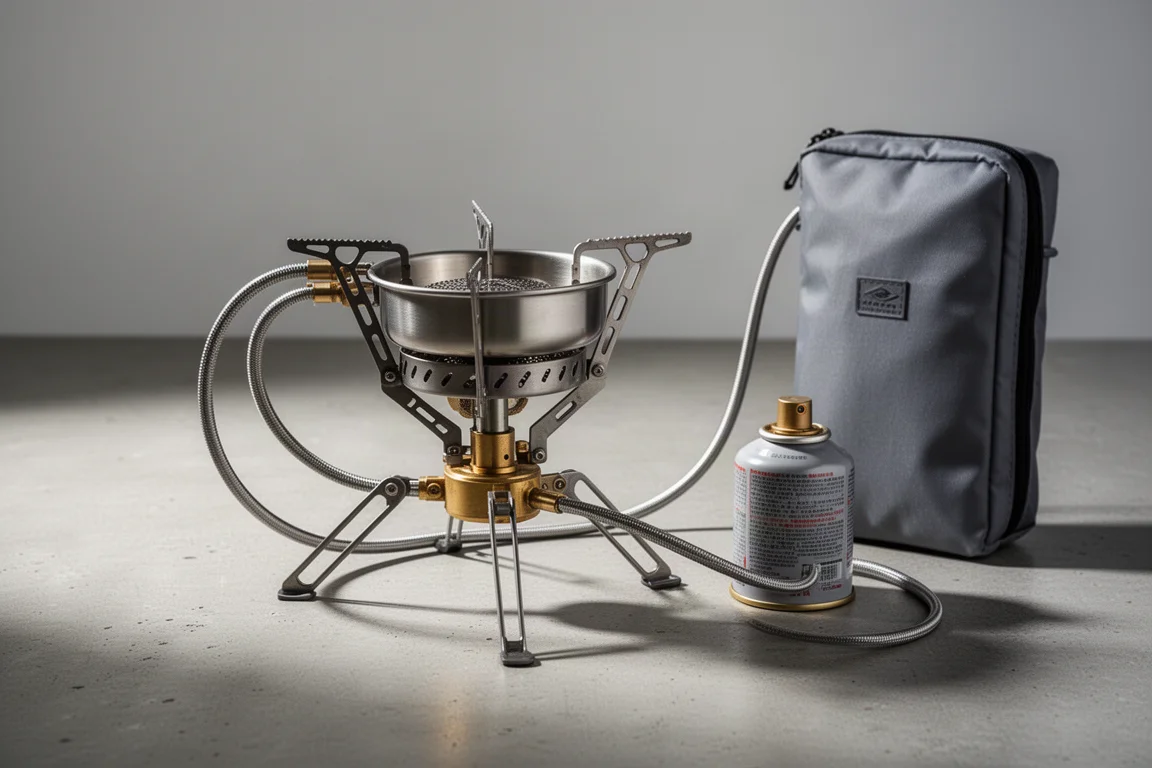
The Naturehike Foldable Camp Stove is a canister stove built around a familiar format: three folding pot supports, three legs that fold out and extend, a 17 inch hose that screws directly onto a fuel canister, a flame adjuster, and an electric igniter at the base. It ships in a carrying case with a lid that pops off, and the complete kit weighs 10 ounces. The stove on its own weighs 9 ounces.
Construction combines stainless steel, aluminum, and brass. Folded, the stove stands 2.75 inches tall. With the pot supports deployed, the span measures 5 inches edge to edge across the front and 6.5 inches at the widest point, which is enough to sit an 8 inch pan or pot comfortably.
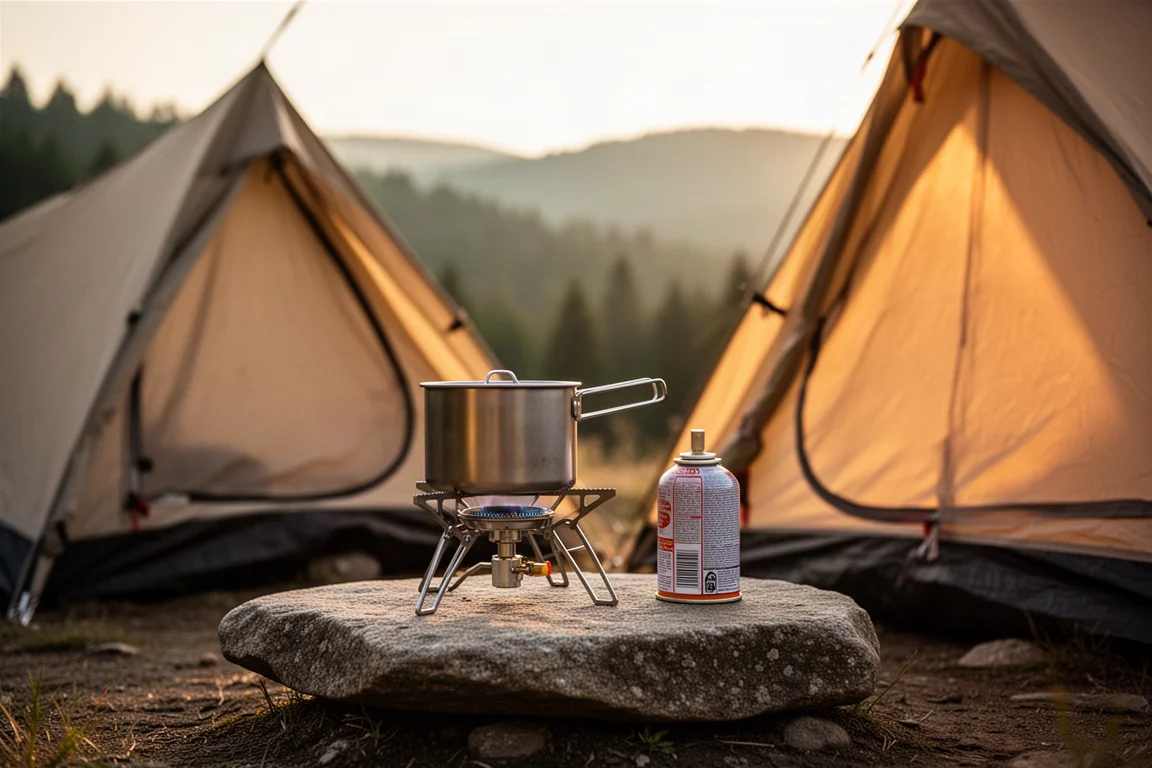
At roughly $20, this is a budget stove by any measure, and it is one of a very large family of near-identical canister stoves sold under many different names. That matters before you buy, because the low price is a direct product of that mass production rather than any unusual engineering.
Who This Stove Is For
This stove suits campers, backpackers, and casual cooks who want a low-cost canister stove for three-season trips and who do not need premium build feel or dependable cold weather output. Nine ounces for the stove itself is a workable packed weight, and the folding design plus carry case keeps the burner and hose contained in a pack.
It makes the most sense if your cooking is mostly boiling water, simmering, and simple one-pot meals in reasonably sheltered spots. If you regularly cook in exposed, breezy campsites or in winter conditions, the limitations covered below will matter more to you than the price advantage.
Main Strengths
The clearest strength is value. At $20, the stove delivers performance and build quality that hold up for the money. Field use over a couple of months produced no ignition failures and no reliability complaints.
Simmering is excellent. The adjuster has good resistance and a wide usable range: a slight turn brings the flame up, and it holds a low, controlled simmer without fighting you. The pot supports are jagged, which creates a skid resistant surface, so pots and pans tend to stay put instead of sliding around. Together with the three legs and pot supports, the stove forms a stable platform for pots, cups, and pans.
Setup and breakdown are quick, the legs deploy easily, and the stove cools quickly after use. Ignition is typical for this class of stove: the electric igniter usually needs five or six clicks before it catches, but it does catch, and it has not failed to light.
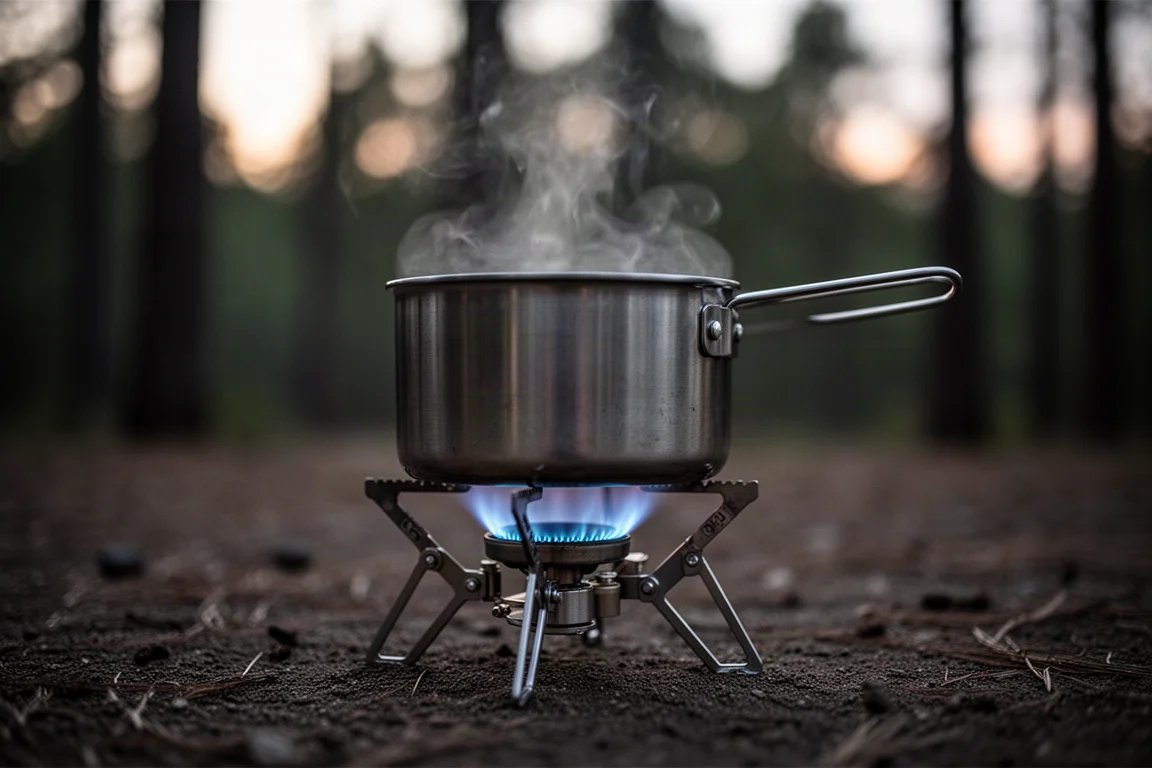
Boil performance is strong for the money. In the best real world conditions, 12 ounces of water reached a boil in about 2 minutes 36 seconds, and a quick boil ran roughly 3.5 minutes.
Setup, Ignition, and Real World Boil Times
The hose is 17 inches long and screws onto the fuel canister by hand. Output is controlled by the adjuster at the burner, and the igniter sits at the base near the pot supports, which keeps the whole sequence simple: attach the canister, open the adjuster, press the igniter.
The published output figure is worth treating with caution. Naturehike claims around 3,000 watts, roughly 10,236 BTUs, but boiling one liter of water takes over five minutes here, while higher-end stoves manage the same task in about three minutes. That gap suggests the real output sits somewhat below the claimed number.
Efficiency ratings for stoves are difficult to trust in general. Results depend on air temperature, wind speed, fuel temperature, the regulator, and how the stove is actually run, and most canister stoves are noticeably less efficient wide open than they are at medium or low settings. Any single efficiency figure tells you very little about what you will see at your own campsite.
Things to Consider Before Buying
Sturdiness is adequate rather than impressive. Compared with more expensive high-end stoves, there is a clear difference in overall feel and quality, and some performance difference as well. At this price point, that is a reasonable trade rather than a flaw.
There is no regulator designed for cold weather, which is exactly what you would expect at $20. Cold weather performance therefore depends on keeping the fuel warm, and with warm fuel the stove performed acceptably in cool conditions around 35 degrees Fahrenheit. If reliable cold weather output is a priority, a stove with a cold-weather regulator is the better tool, and that generally means spending considerably more.
The stated output is also likely optimistic, based on one-liter boil times that run noticeably longer than stoves carrying a similar claimed BTU rating.
Wind and Cold Weather Performance
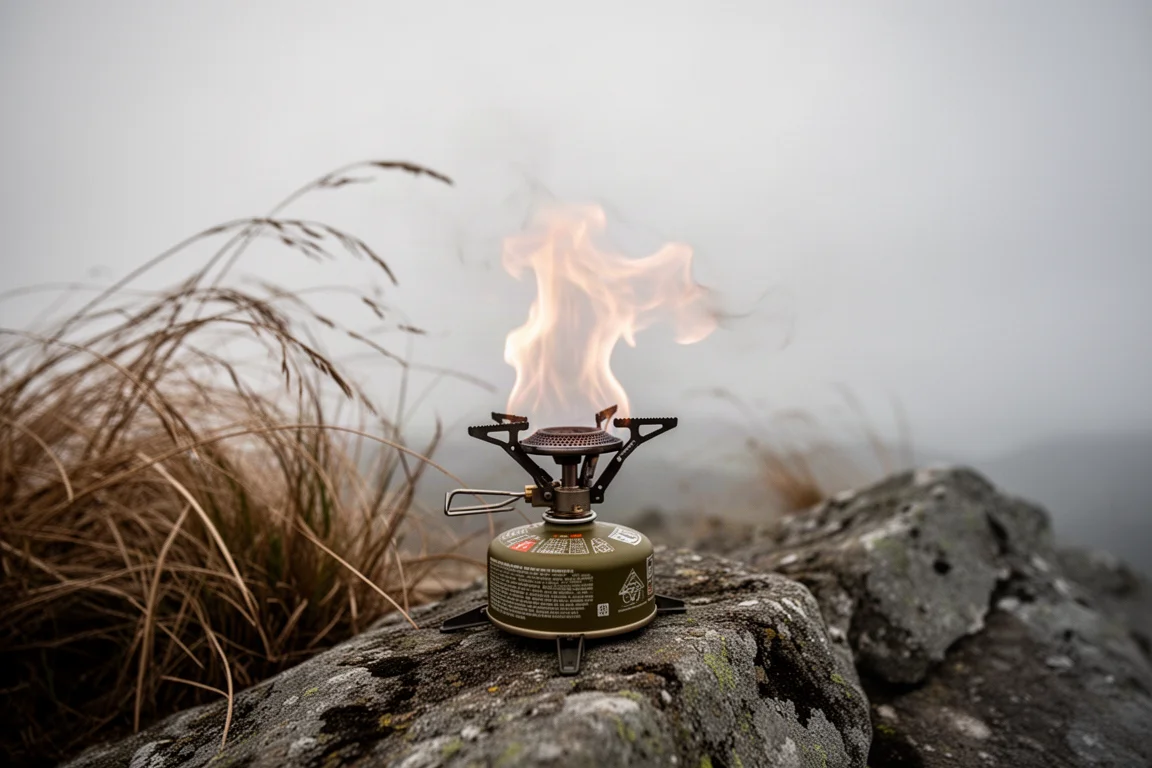
Wind is the biggest practical limitation. Despite marketing language describing the stove as windproof or wind resistant, there is no windshield here, and even a slight breeze causes the flame to spin and sputter. Performance drops accordingly. A separate folding windscreen or a genuinely sheltered spot makes a real difference in breezy conditions.
Cold weather use is workable but conditional. Because there is no cold-weather regulator, output follows fuel temperature: keep the canister warm and the stove keeps working. If you need dependable performance in genuinely cold conditions rather than cool ones, this is not the tool for that job.
Buying Advice
The stove is a mass-produced design sold under many names, and this is one of dozens of near-identical variants. Some versions include a windscreen and some do not, and hardware details vary slightly between them. This one has no windshield, so plan for that.
At $20, the calculation is straightforward. If you want premium build feel, stronger cold weather performance, or genuine wind resistance, expect to spend around $100 on a higher-end stove. If you want a light, inexpensive canister stove for fair-weather trips and you are willing to carry a windscreen, this one does the job without fuss.
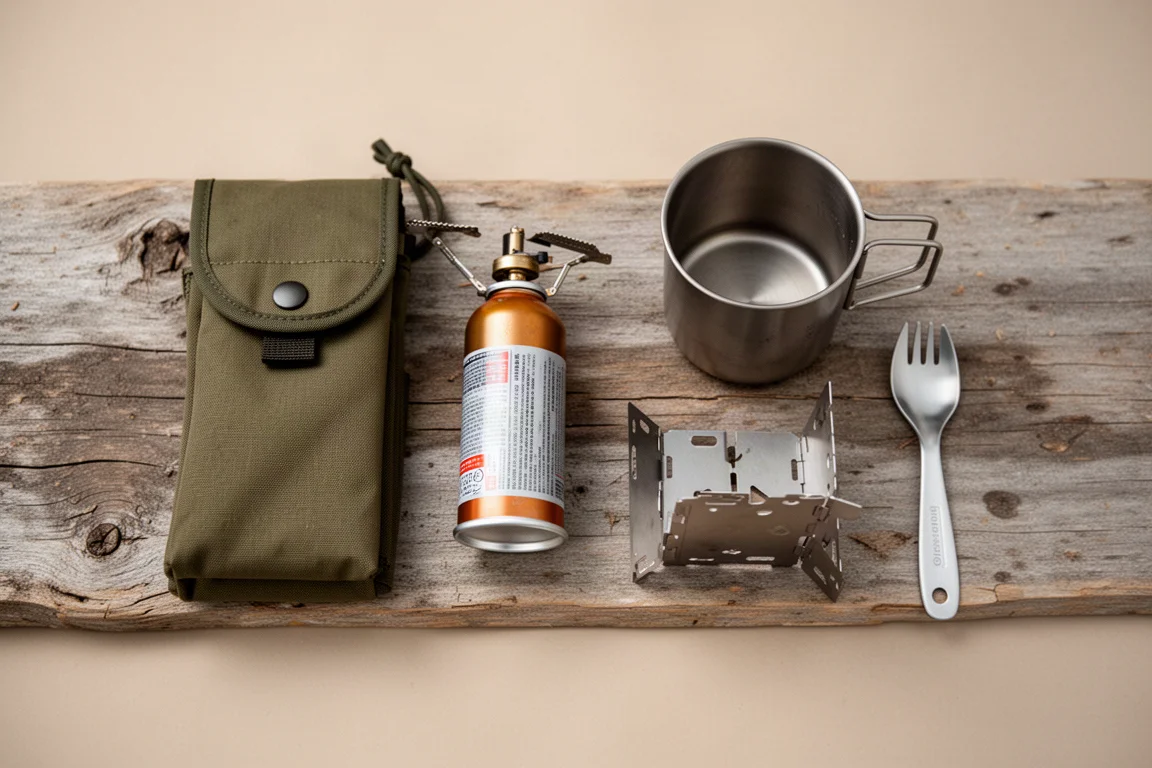
One practical note: because the design is so widely produced, check that the listing you buy includes the carry case and matches the specifications you expect, since small differences between variants are common.
Conclusion
Good for the money, and that is the fairest summary. Performance, build quality, weight, and simmer control are all reasonable at this price, and the stove has proven reliable. Accept the wind sensitivity and the cold weather limits, add a windscreen, and it earns its place in a budget camp kitchen.
Product link
View more details for Naturehike Foldable Camp Stove
This product is mentioned in the review. Check the specifications, options, and compatibility before buying.
View more details for Naturehike Foldable Camp StoveFurther reading
Related Reviews
Camping Stoves
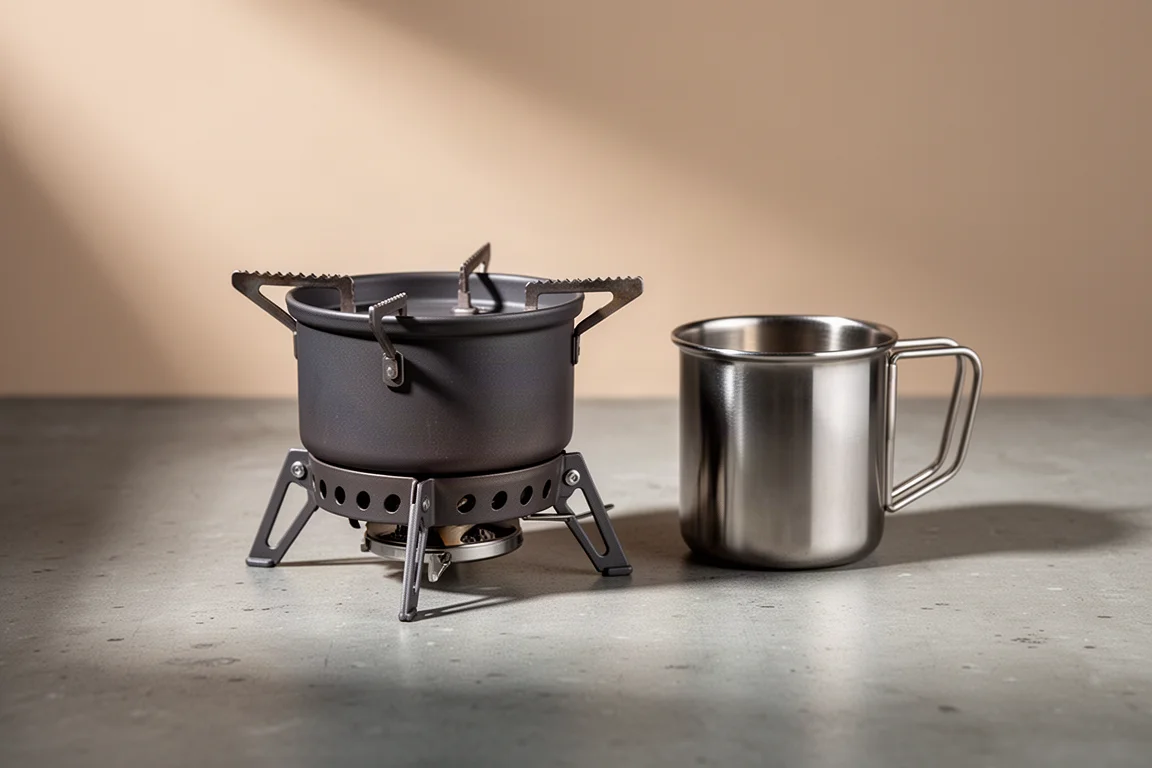
BCB Fire Dragon Mini Cooker Review: A Tiny Folding Stove With Real Trade-Offs
A palm-sized, fuel-flexible folding stove that heats water well enough, but brings flame control, stability, and fuel cost questions worth understanding first.
Camping Stoves
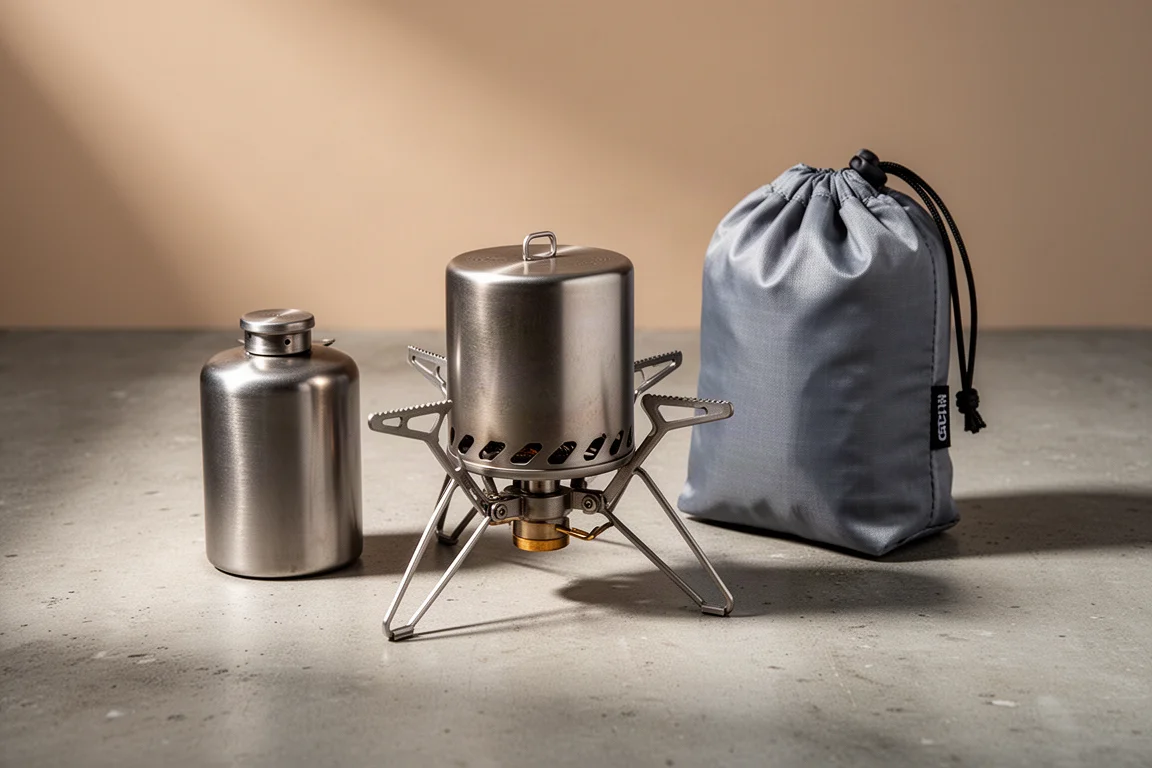
Boundless Voyage Titanium Alcohol and Wood Stove Review: Ultralight Cooking, Two Ways
A titanium alcohol and wood burning stove kit that weighs 4.5 oz complete, boils two cups of water in about 10 minutes, and costs $36.
Camping Stoves
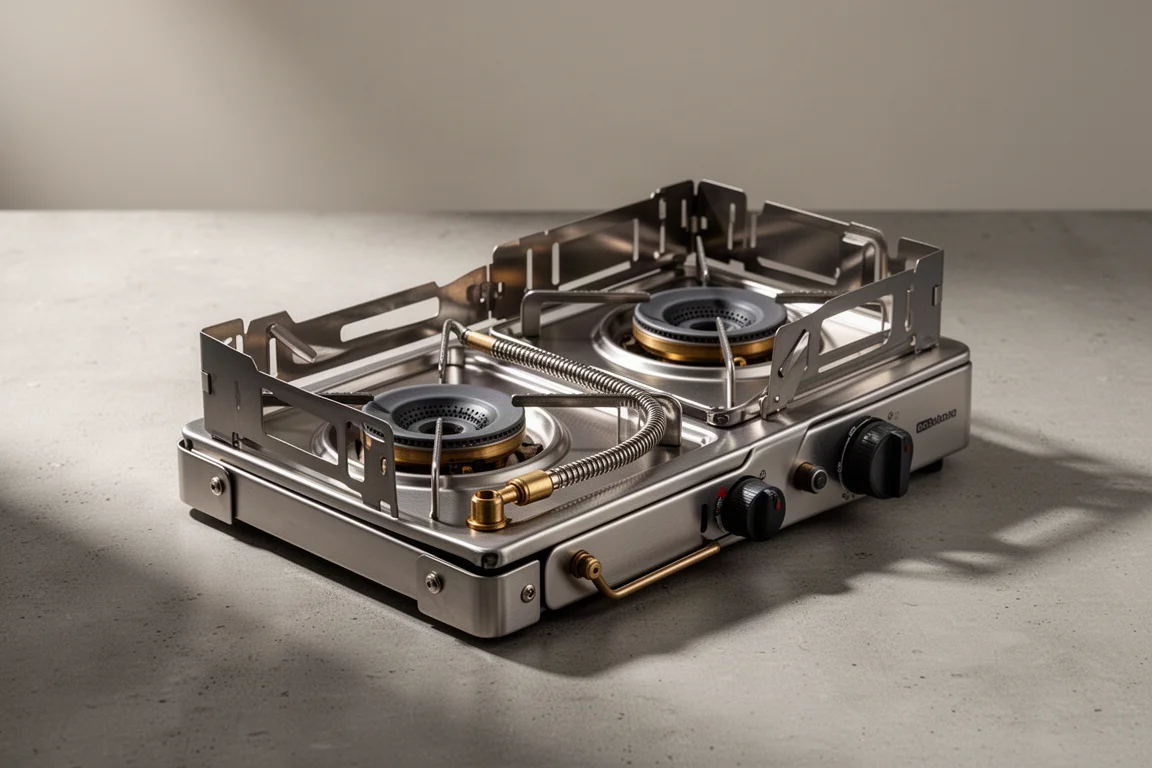
BRS 32 Dual Burner Stove Review: A Folding Two-Burner That Packs Down Flat
A detailed look at the BRS 32, a slim folding dual burner camping stove that expands into a stable cooking platform for around $60.