Wallets
Nalu Leather Company Wallets: McCall, Tamarack, and Payette Reviewed
Three handcrafted full grain leather wallets from a small Idaho-inspired maker, each with honest strengths and trade-offs.
Introduction
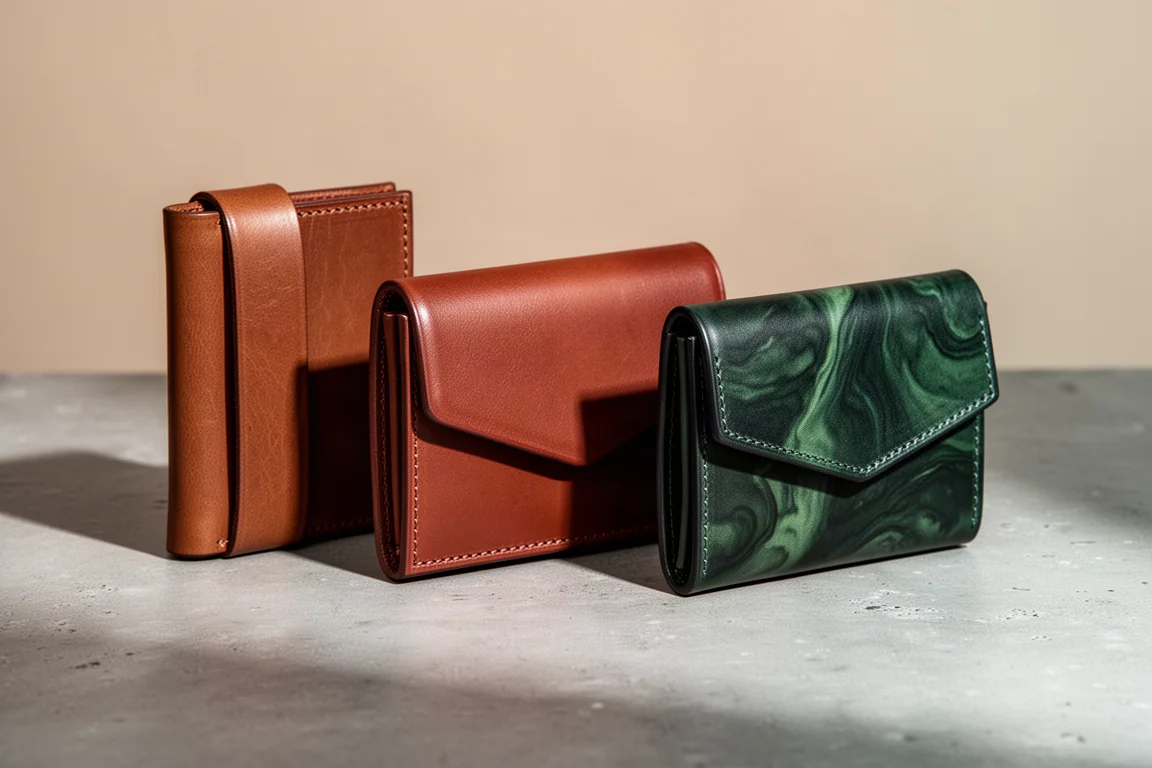
Nalu Leather Company is a small maker with a short but impressive track record. Founded in early 2022 by Ryan, an active duty United States Coast Guard damage controlman stationed in Honolulu, Hawaii, the company grew out of an interest in leathercraft that turned into a full small-batch operation. The name “nalu” means wave or surf, a nod to how it feels to ride the momentum of making wallets, and each design is named after a favorite location in Idaho, where Ryan and his wife grew up.
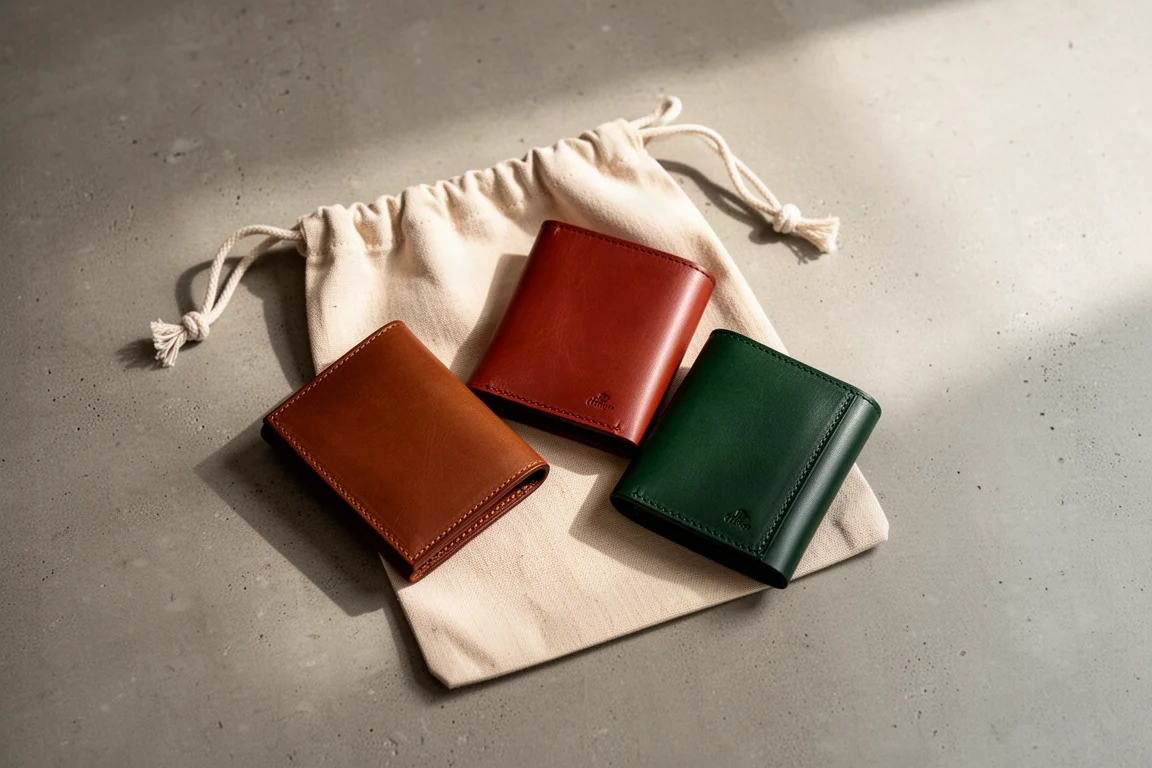
All three wallets sent for this feature arrived in a branded fabric pouch with care cards, and every one is made from full grain Wickett and Craig harness leather, hand saddle stitched, with burnished and polished edges and clean, straight cuts. For a maker roughly a year into the craft at the time these were made, the consistency of quality across the lineup is genuinely notable. Prices run from $45 to $55, and a 10 percent discount code (crispy10) applies to ready-to-ship items. Note that the company currently sells through Instagram (@naluleather.co) rather than a dedicated website.
McCall: The Vertical Leather-Wrap Wallet
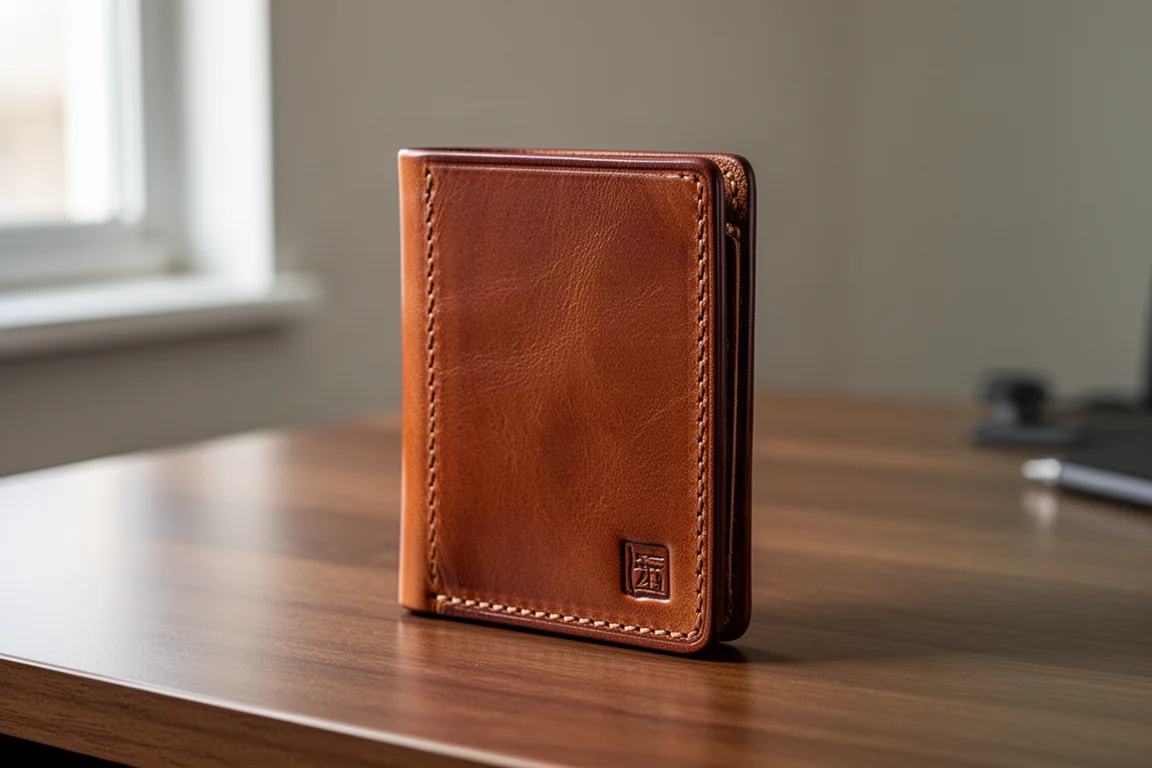
The McCall is Ryan’s personal favorite of the lineup, and it is easy to see why. It is a vertical leather-wrap wallet made from two pieces of full grain Wickett and Craig medium brown harness leather in the three to four ounce range, wrapped around itself and stitched up the side with waxed thread. The hand saddle stitching is even and tight, the edges are properly burnished, and the Nalu Leather stamp sits cleanly on the front.
The wrap construction creates two exterior quick-access card pockets and one central pocket. Dimensions are 2.75 by 3.75 inches, and the stated capacity is six to eight cards plus quartered cash. In testing, eight flat cards fit: the most-used card in the rear pocket and the remaining seven in the center, with five bills folded into quarters in front. As with any fresh leather wallet, the fit is stiff at first and loosens with carry.
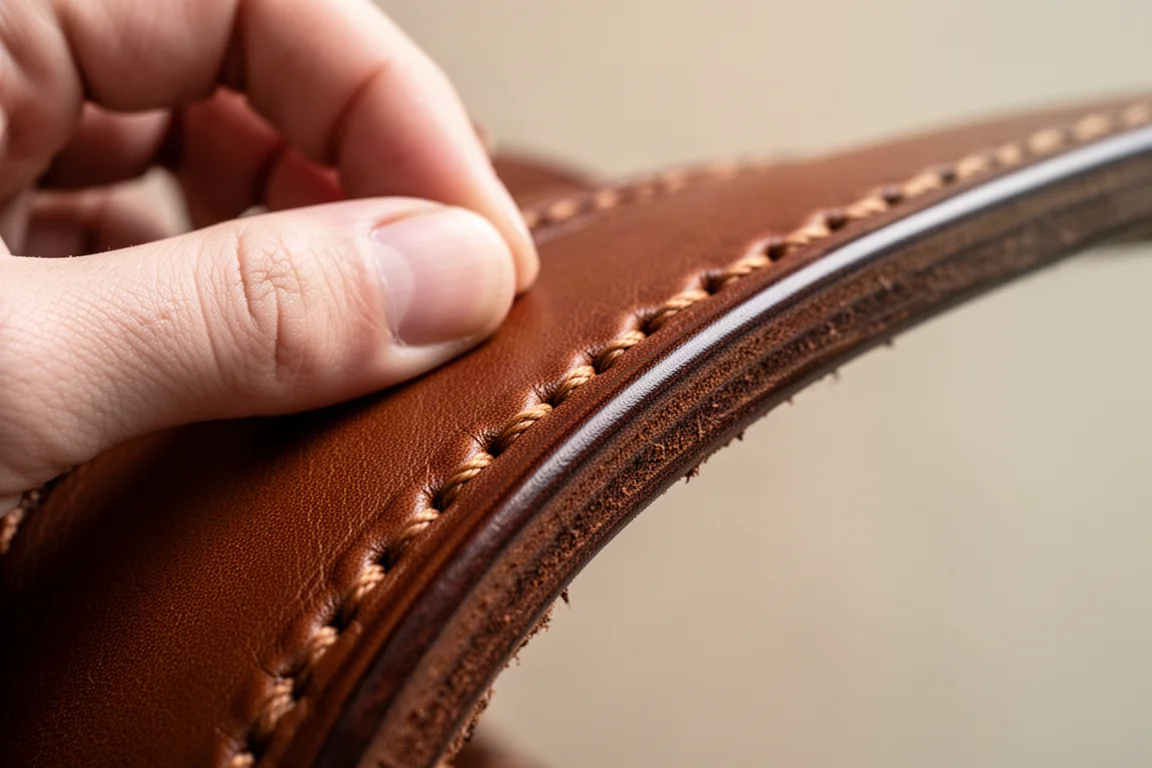
At $45, it holds its own against other leather-wrap wallets in this style. If you prefer a vertical minimalist format and classic brown leather, this is a solid choice.
Tamarack: The Horizontal Tuck-Style Wallet
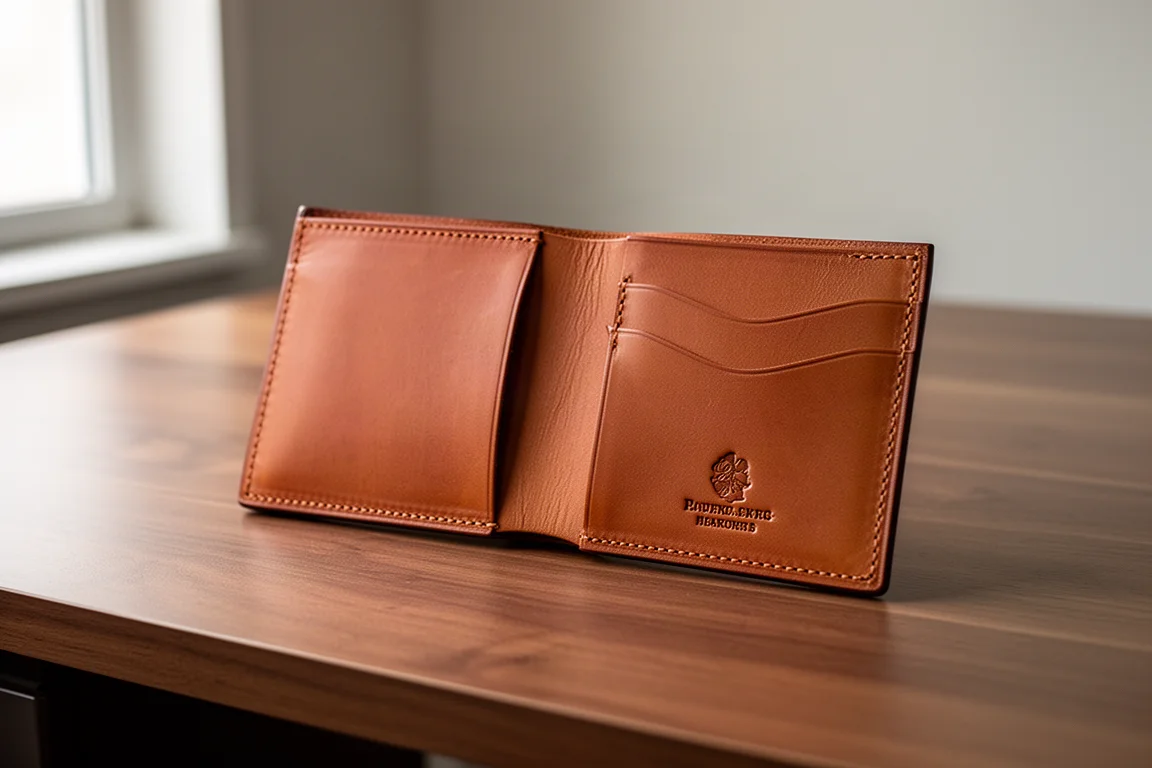
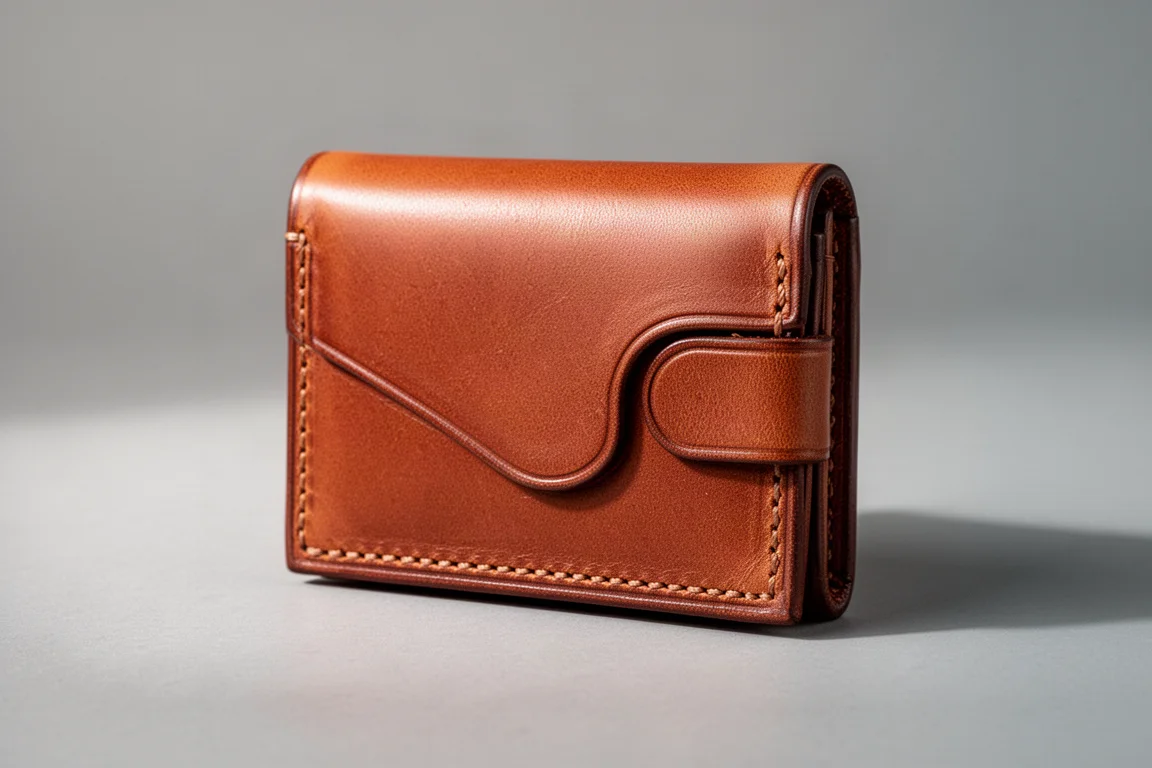
The Tamarack is a horizontal tuck-style wallet in full grain Wickett and Craig russet harness leather, three to four ounces, hand saddle stitched with the same waxed thread. Closed dimensions are 4.5 by 3 inches, and the layout includes a quick-draw card pocket on the back plus three interior pockets: a main compartment, a second pocket created by the fold, and the tuck closure pocket on the front.
One detail worth highlighting is the branding treatment. Opening the wallet reveals the Nalu Leather Company stamp inside, positioned to feel like a tannery stamp, with the leather’s own stamp visible at the bottom edge. For a maker who generally dislikes external branding on wallets, this interior placement strikes a nice balance.
The stated capacity is eight to ten cards with bills folded in half. That proved accurate: ten cards distributed across the pockets and five bills folded in the main compartment, tight at first but workable, with the leather expected to stretch with use. The semi-circular cutouts are oriented like a small sunset rather than dipping downward, a subtle design touch that reads well on both the interior and the tuck flap.
At $55, the Tamarack is the priciest of the three but also the most versatile. Horizontal minimalist wallets have a loyal following, and this is a well-executed example with attractive russet leather.
Payette: The Stitchless Green Leather Wallet
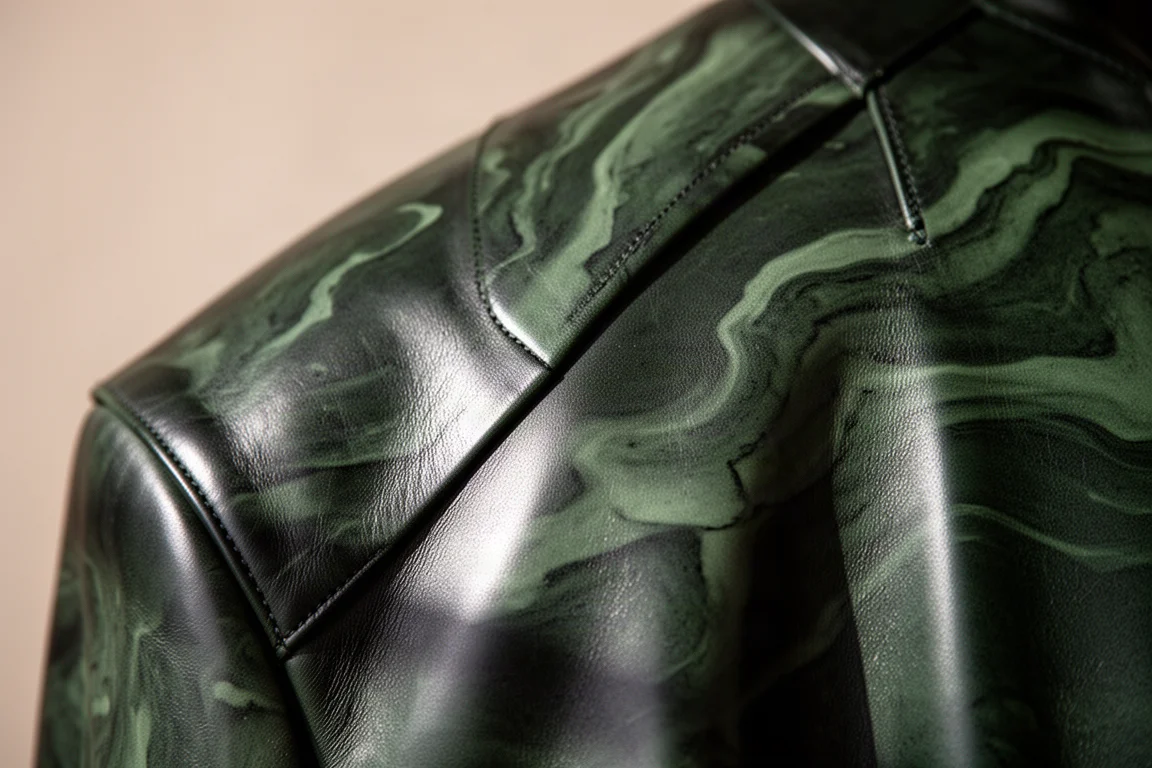
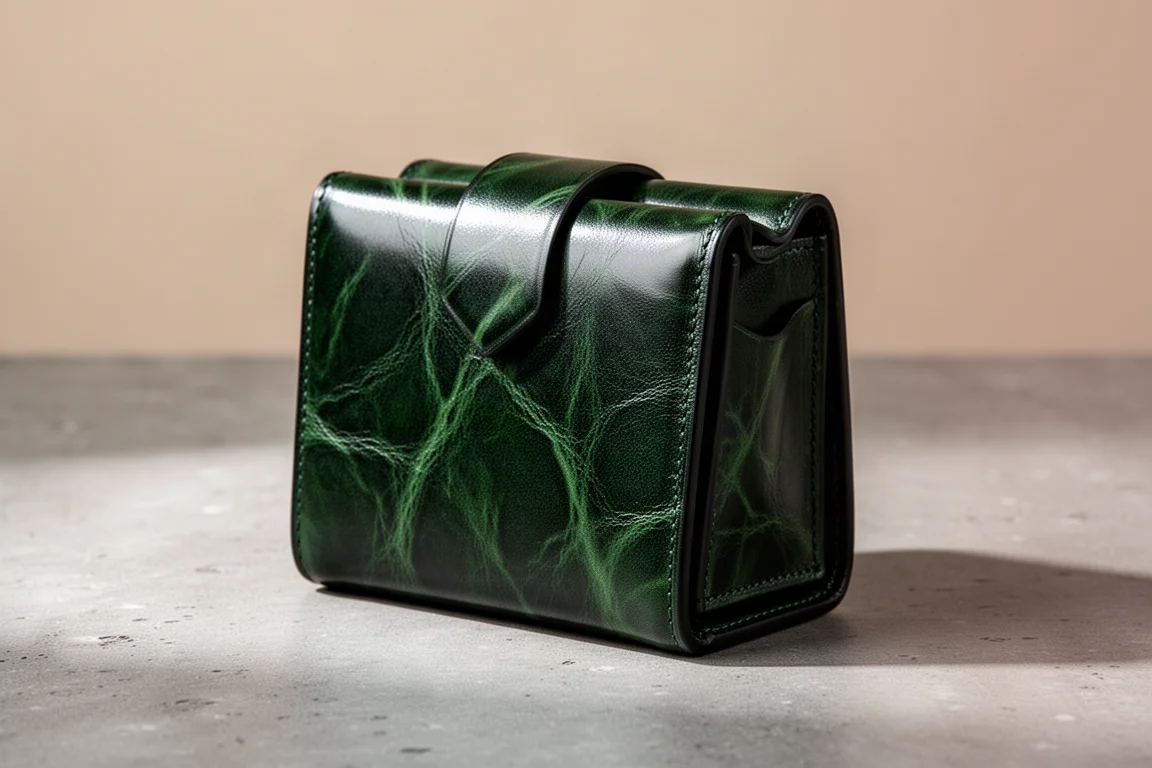
The Payette was the standout of the three, made from a limited run of Catalina double shoulder leather in green. This leather has a gorgeous marbling in the dark green, a glossy sheen, and visible grain in the light. It is also a stitchless design, cut from a single layout and folded into a functional wallet, which is a skill in itself.
The structure includes one large main pocket in the back, a pocket created by the fold, the tuck closure, and a quick-access card pocket on the rear. The stated capacity is ten to twelve cards plus bills either folded in half or full length. Twelve cards loaded without issue, and full-length bills fit, though as with most stitchless designs the interior tabs can block insertion at first.
The workaround is simple and repeatable: insert cards first to create a buffer over the tabs, then bills slide in cleanly. Folding bills in half keeps them secured and out of the way, which suits an emergency-cash carry style better than loose full-length bills.
At $45, the Payette delivers a distinctive leather, a clever stitchless construction, and the largest capacity of the trio.
Which One Should You Buy?
All three wallets share the same core strengths: full grain Wickett and Craig leather, consistent hand saddle stitching, burnished edges, and precise cutting. The differences come down to format and capacity.
Choose the McCall if you want a classic vertical wallet in medium brown with quick front access. Choose the Tamarack if you prefer a horizontal format with the most organized pocket layout and bills folded in half. Choose the Payette if you want the largest capacity, a unique green marbled leather, and a stitchless fold design.
Considering the prices of $45 to $55 and the quality on display from a maker so early in the craft, the whole lineup represents strong value. The 10 percent discount code crispy10 applies to ready-to-ship items, and orders currently go through Instagram at @naluleather.co.
Conclusion
Nalu Leather Company is a story worth watching: a maker based on personal passion, Idaho-inspired names, and a standard of finishing that punches well above its age. The McCall is the refined vertical pick, the Tamarack is the practical horizontal workhorse, and the Payette is the distinctive stitchless option in a leather you will not often see. Any of the three is an easy recommendation if the style matches how you carry.
Further reading
Related Reviews

Wallets
Allett Coin Wallet Review: A Slim, High-Capacity Wallet Built for Coins
The Allett Coin Wallet combines a quiet coin slot, generous card capacity, and durable nylon construction in a slim package designed for international travel.

Wallets
ALPAKA ARK Bifold Wallet Review: A Light, Water-Resistant Card Holder
The ALPAKA ARK Bifold Wallet offers a thin, water-resistant design with five card slots and a reasonable price. Here is a closer look at what it does well.

Wallets
Bellroy Card Sleeve 2 Review: A Slim Wallet That Refines a Classic
The Bellroy Card Sleeve 2 is a slim, leather wallet with quick-access slots and a refined build. Here is how it compares to the original.