Kitchen Knives
Nakiri Knife Showdown: Three 165mm Blades Compared
We compare the Motokuchi Nashiji Aogami #2, Shigeki Tanaka Ginsan, and Yu Kurosaki Senko nakiri knives on balance, fit and finish, edge geometry, and real chopping performance.
Introduction
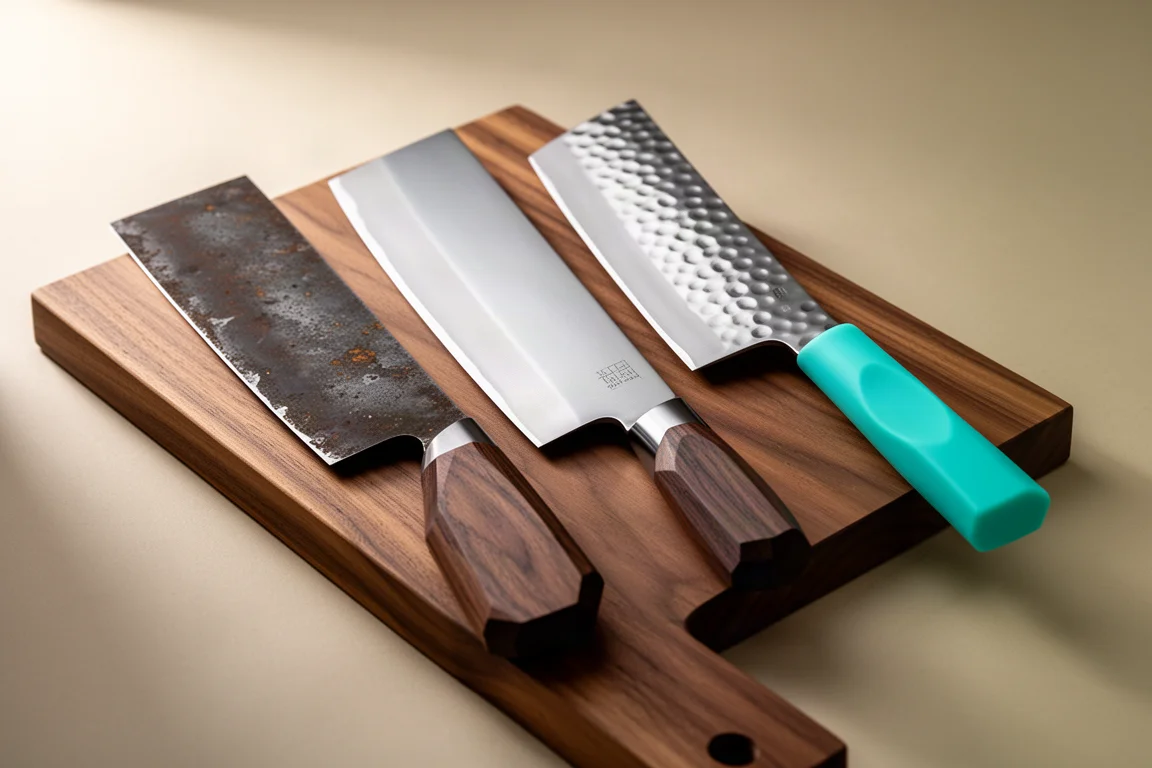
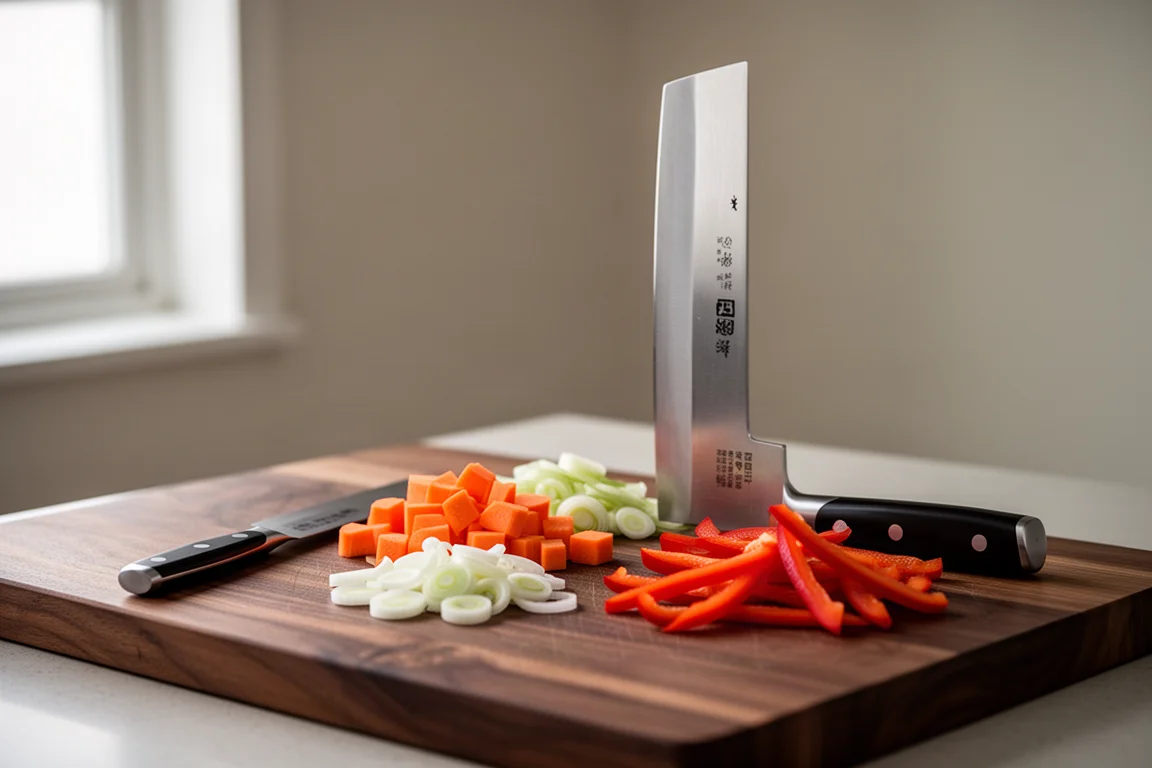
Nakiri knives are the quiet workhorses of the Japanese kitchen: tall, flat blades built for push-cutting vegetables with precision. To find out which one deserves a spot on your counter, we put three 165mm nakiri knives through the same real-world tests: dicing onions, brunoising carrots, slicing scallions, and working through bell peppers.
The lineup covers three very different philosophies: an affordable reactive carbon steel blade, a mid-range stainless workhorse, and a premium stainless showpiece. All three are 165mm, all three balance in nearly the same spot, and all three are comfortable ambidextrous designs. Here is how they stack up.
The Contenders
Before any cutting started, we looked at balance, fit and finish, edge geometry, and profile. All three knives balance roughly 1.5 to 2 centimeters forward of the pinch grip, giving them a blade-forward feel that suits a nakiri’s chopping style. Each uses an octagonal handle suitable for both right- and left-handed users, and each has a relatively flat profile, as most nakiri do.
Where they differ is in the details. The profiles vary from nearly dead flat to gently bellied, the spines and choils range from adequately finished to perfectly rounded, and the steel choices split the field between reactive carbon and easy-care stainless.
Best Value: Motokuchi Nashiji Aogami #2 Nakiri
The Motokuchi is the most affordable of the three, and it punches far above its price class. The nashiji finish gives the blade a rustic, characterful look, the edge geometry is thin behind the edge, and the walnut handle with a black pakkawood ferrule feels comfortable in hand. The spine is not fully rounded but is nowhere near sharp, and the choil is finished similarly.
In use, it was genuinely impressive. Brunoise cuts on carrots felt precise, thick rounds cut easily, and bell peppers and scallions posed no challenge at all. There was nothing to complain about in cutting performance.
The catch is maintenance. This is an ironclad blade in Aogami #2 carbon steel, so the entire blade can rust, and it is reactive: fresh-cut onions showed slight oxidation before a patina formed. That fades as patina develops, but new Japanese knife owners should know this blade demands diligence. If you prioritize cutting feel and performance and accept the upkeep, it is fantastic.
Solid but Outshone: Shigeki Tanaka Ginsan Nakiri
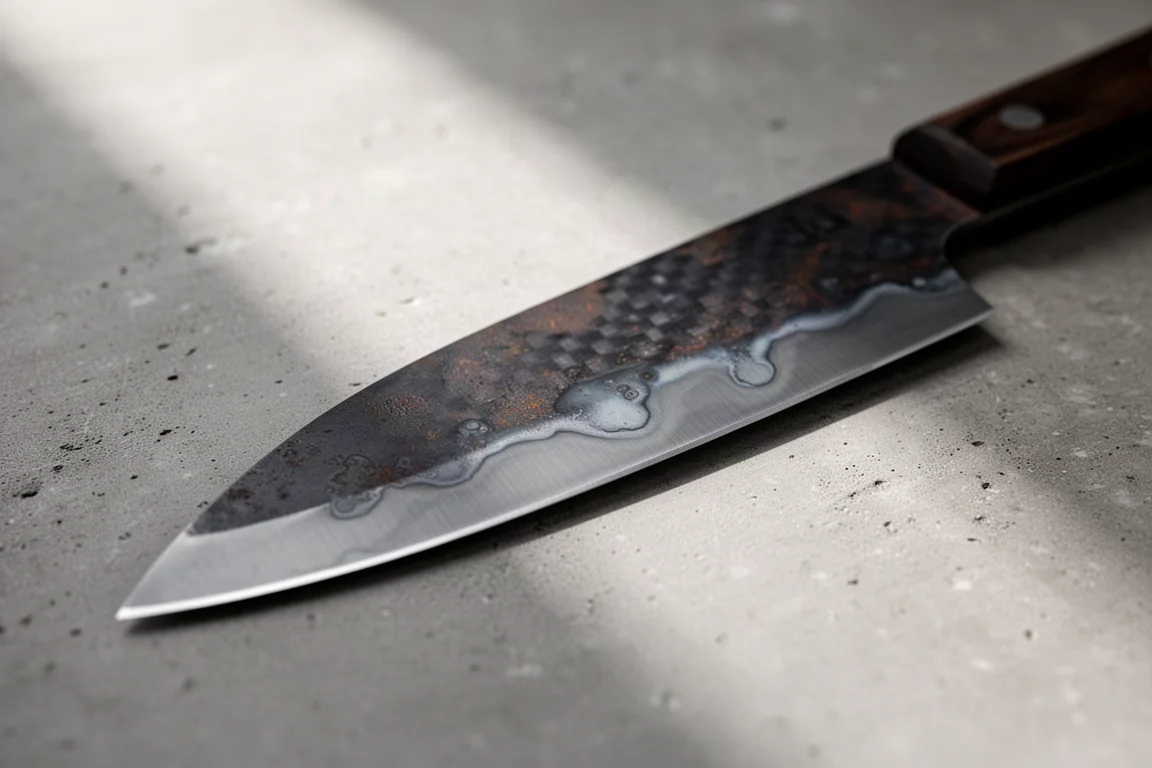
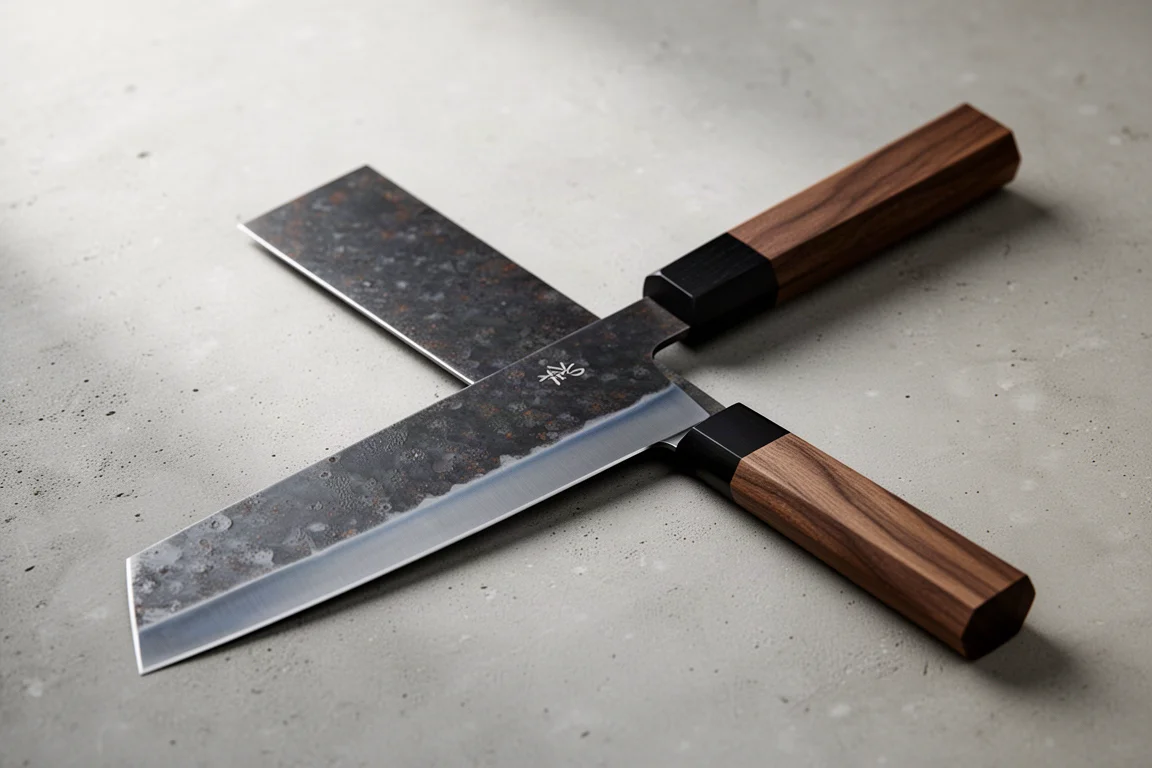
On its own, the Shigeki Tanaka Ginsan would earn mostly praise. It shares the same walnut and black pakkawood octagonal handle as the Motokuchi, balances in the same spot, has similar edge geometry, and carries a slight belly at the tip that curves up more aggressively than the other two, making it the best of the three for a little rocking motion.
In this comparison, though, it lagged slightly. The fit and finish is not quite as well sanded as the Motokuchi, the spine is a bit more shouldery, and the blade is a touch shorter in height. Our sample’s out-of-the-box edge was not great, so it was the only knife sharpened before testing, and it exhibited a slight steer in the hand, possibly related to how it was sharpened. It also struggled a bit more with the initial radial cuts through onions, where the tip did not glide through as easily.
The upside: it is fully stainless, very easy to sharpen, and easy to maintain. It is a solid mid-range option, but in this field, we would lean toward the other two.
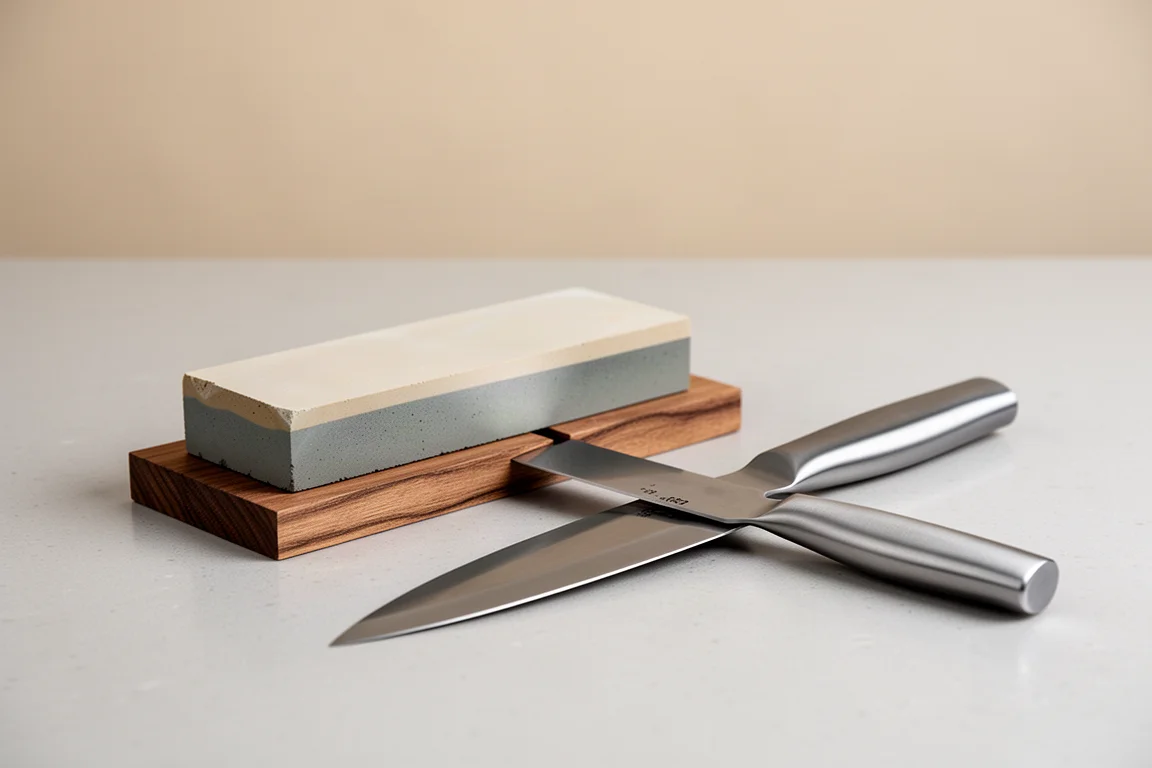
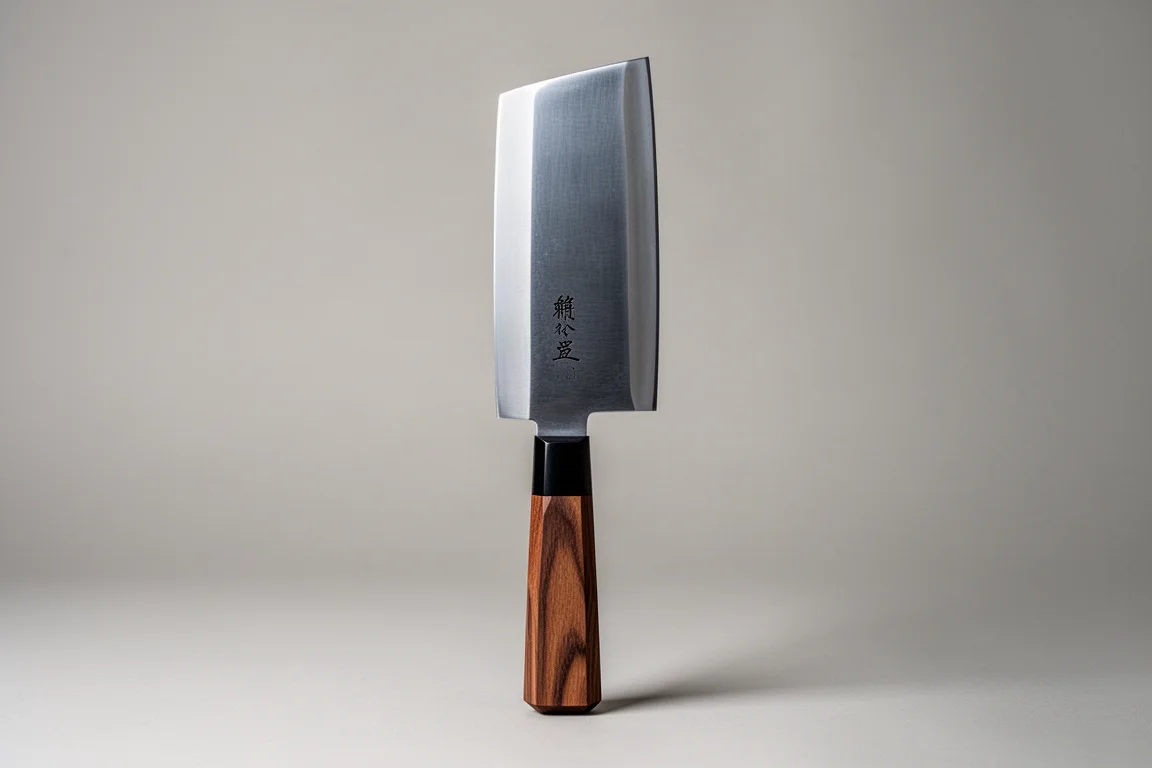
Best Overall: Yu Kurosaki Senko Nakiri
The Senko is the fanciest of the three, and it backs up the looks with performance. The blade is forged from SG2 (also marketed as R2) stainless steel with excellent edge retention, and because it is so thin behind the edge, sharpening stays easy for the first couple of years since there is little steel to remove to restore the edge.
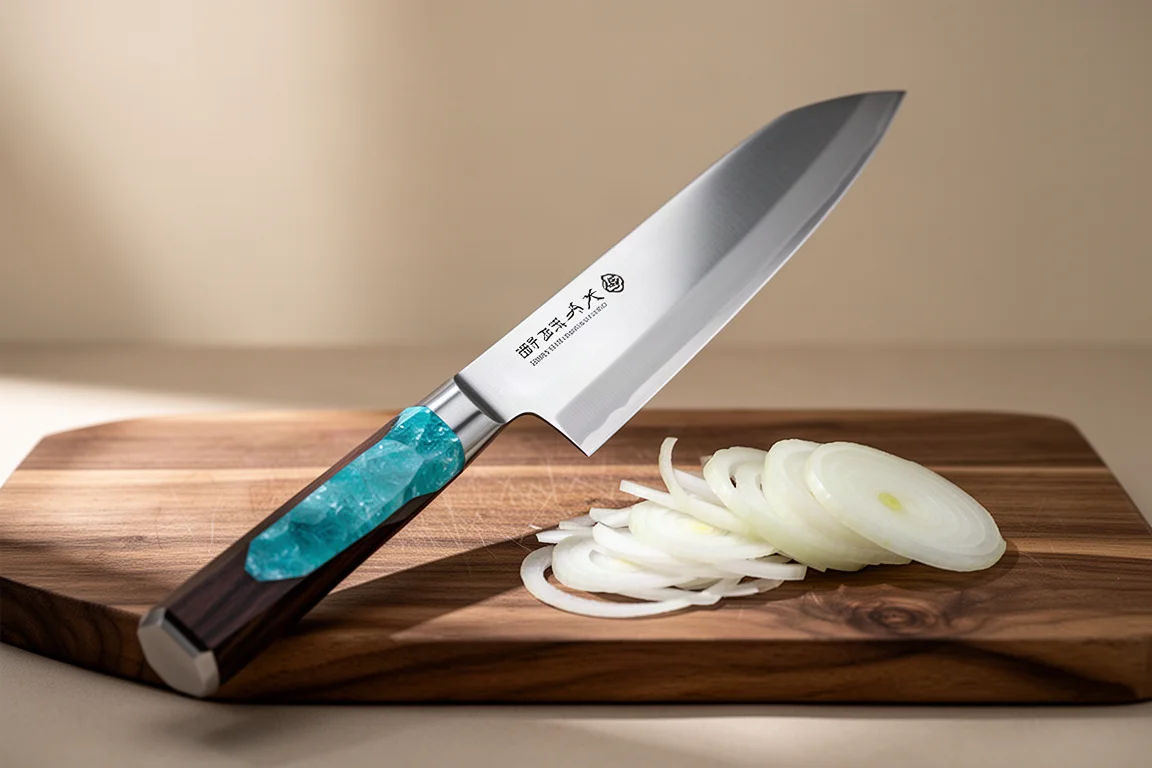
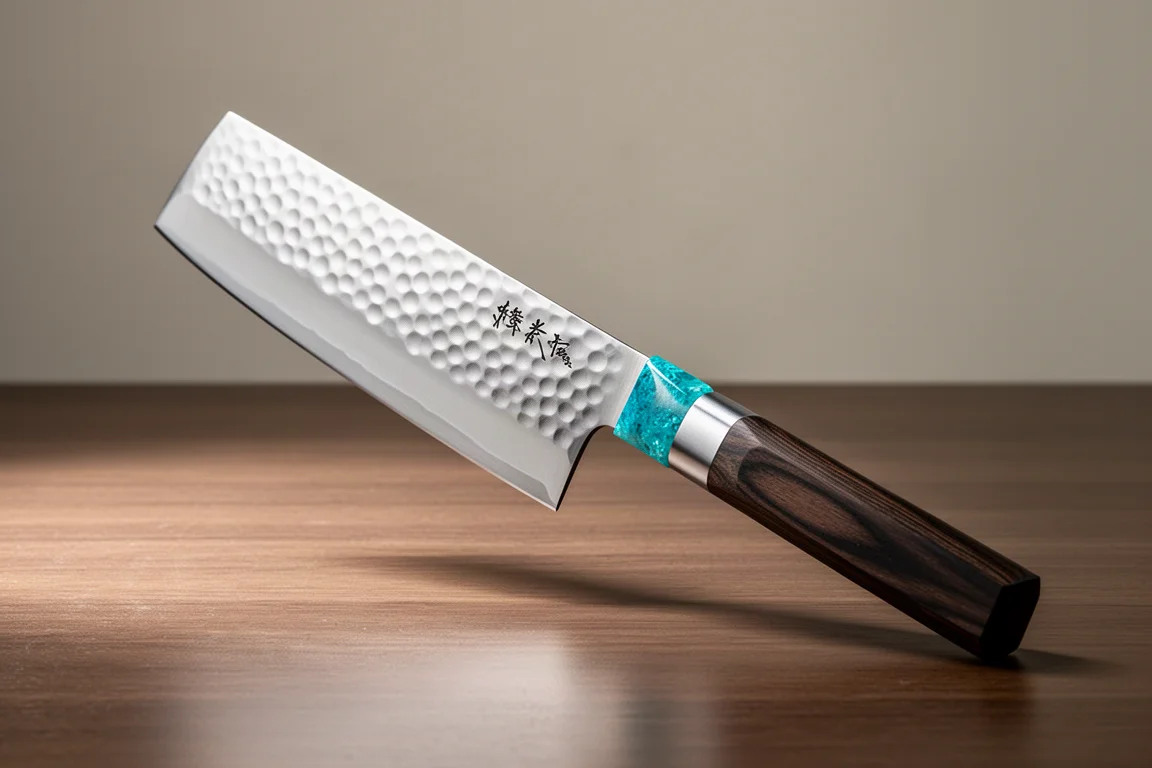
Fit and finish is the best here: a very nicely sanded spine, a perfectly rounded choil, and the standout handle of the group, a synthetic turquoise ferrule designed to resemble gemstone, paired with an aluminum spacer and a wenge octagonal grip. The blade is the tallest of the three by roughly a millimeter over the Motokuchi, which was noticeable and welcome when julienning onions.
In testing, it performed exceptionally at everything: carrots, scallions, onions. Bell peppers were its only relative weak spot, likely due to the out-of-the-box edge lacking a bit of bite; a touch-up on a medium grit stone would likely fix that. Being stainless, there was no reaction on the onions at all.
Overall Buying Advice
The verdict was clear: the Yu Kurosaki Senko won, followed closely by the Motokuchi, with the Ginsan rounding out the three. If you want the best overall performer with premium fit and finish and zero rust concerns, the Senko justifies its price. If you want maximum cutting performance for the money and do not mind maintaining carbon steel, the Motokuchi is the best value pick and nearly matched the winner. The Ginsan is a capable, easy-care stainless option, but in this company, we would consider the other two first.
Conclusion
Three 165mm nakiri knives, three distinct personalities: a reactive budget performer with rustic charm, a stainless mid-range all-rounder, and a premium blade that delivers on both looks and cutting feel. The Senko takes the crown this round, but the Motokuchi proves that great performance does not have to cost a premium if you are willing to put in a little maintenance work.
Further reading
Related Reviews

Kitchen Knives
Best Chef's Knives 2026: 27 Popular Options Tested and Ranked
A comprehensive review of 27 chef's knives ranging from $18 to $380, with honest assessments of handle comfort, blade balance, and real-world performance.

Kitchen Knives
Best Chef's Knives Under $75: Two Tested Recommendations
Two practical 8-inch chef's knives that balance sharpness, comfort, and durability without premium pricing.

Kitchen Knives
Best Chef's Knives 2026: 27 Options Tested and Ranked
A comprehensive review of 27 chef's knives ranging from $18 to $380, with honest assessments of handle design, balance, blade profile, and real-world performance.