Recovery
MyoMaster MyoPump Review: Recovery Tech That Finally Makes Sense
First impressions of the MyoPump leg compression system: simple setup, four-zone treatment, and a price that undercuts most of the market.
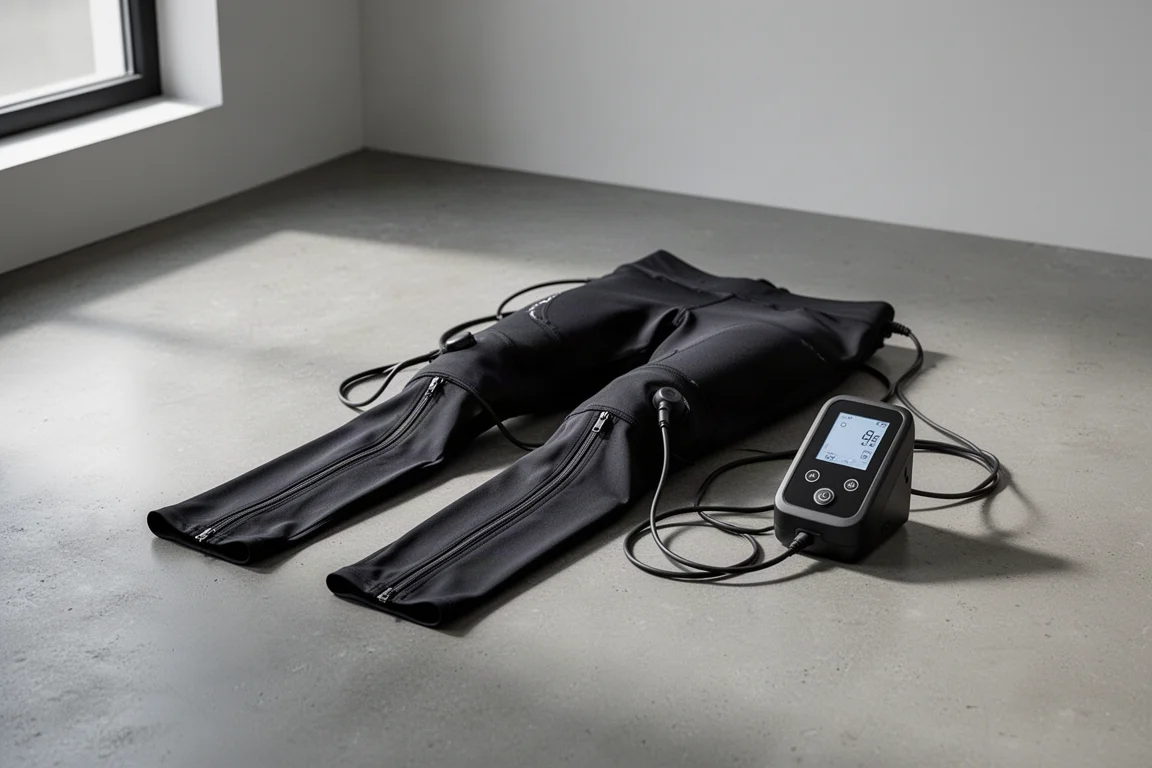
Introduction
Pneumatic leg compression has been part of top-level sport for years, but the price has kept most of us away. Pairs have typically retailed from £1,000 up to £2,500, which is a lot to spend on recovery kit. When we spotted the MyoMaster MyoPump at £650, it immediately got our attention, and after trying a pair and then running them for the past 10 days, the early signs are genuinely promising.
First Impressions
We first tried the MyoPump at the National Running Show, where we put on a pair after walking the halls all day, both Saturday and Sunday. Twenty minutes in them left our legs feeling noticeably better, and they helped prepare us for a five or six-hour drive back home. Shortly after, MyoMaster provided a pair for a three-month testing period, and this review covers the first ten days with the system.
How It Helps Recovery
The idea behind extreme air compression is straightforward. The compression helps flush out metabolic waste and brings fresh oxygenated blood back to the area, speeding up circulation to help with muscle soreness and fatigue. That matters most after those races or track sessions where you dug deep and paid for it later: hours afterwards, the DOMS kick in and you are left with pain and stiffness. By flushing things through quicker, the MyoPump is designed to aid recovery time so you can recover quicker and train harder. It can also help with niggles and injuries, particularly when paired with a good rehab program.
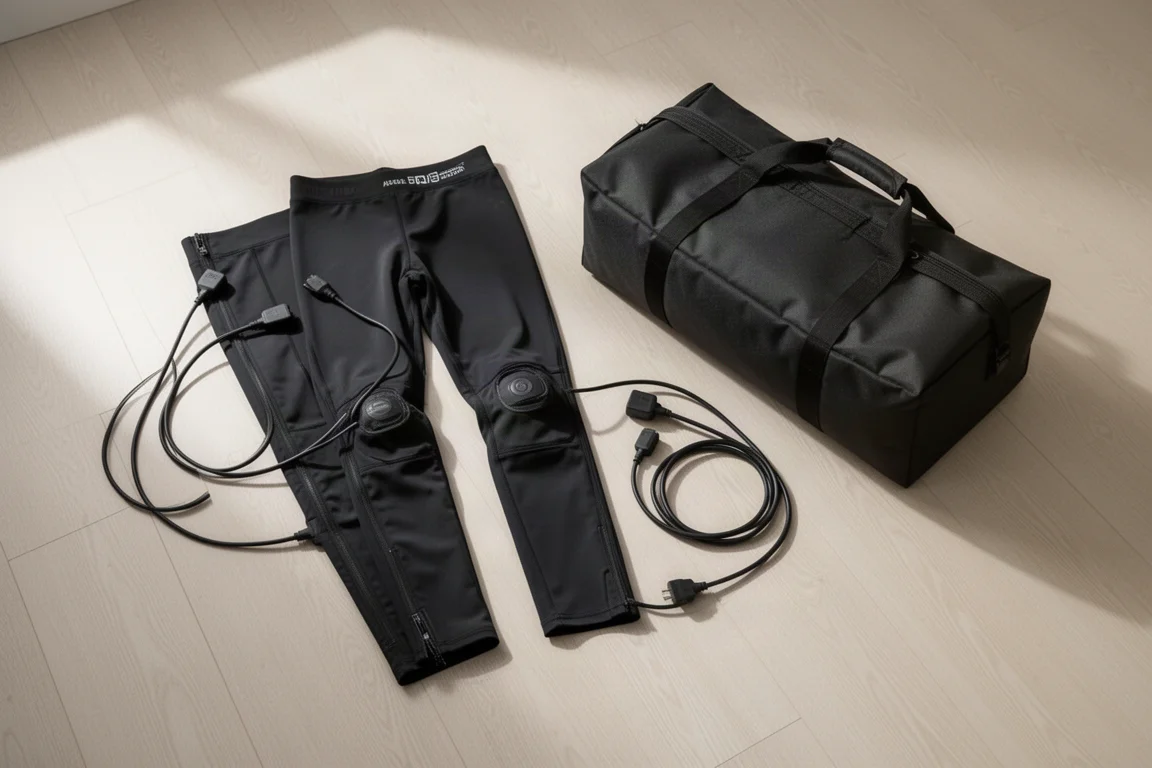
What You Get in the Box
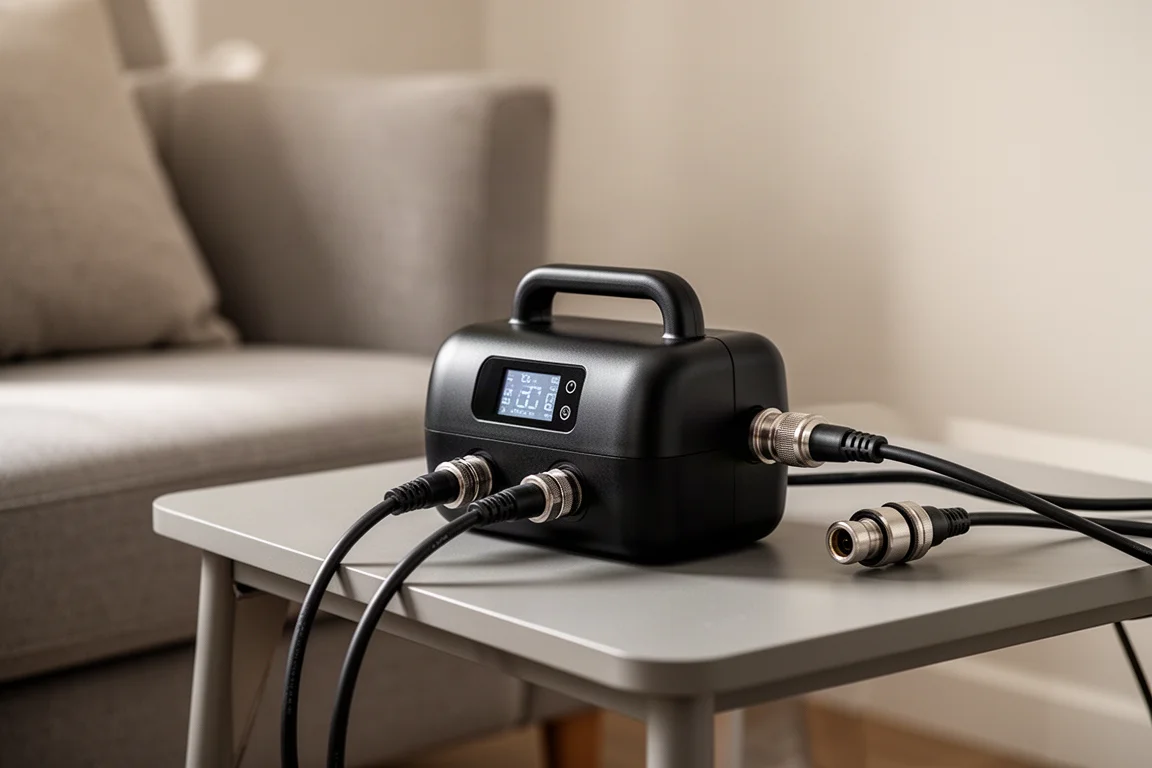
The MyoPump comes with a handy rucksack-style carry bag that protects the unit and makes it easy to take along to a race or training session for recovery afterwards. Inside, you get the two compression leggings, all the connecting cables, and the control unit itself, which handles all your settings and pressure selection. The leggings are available in lots of sizes, from small all the way up to double XL. Our tester is 6 ft 1 and the extra large fits just right.
Setup: Surprisingly Simple
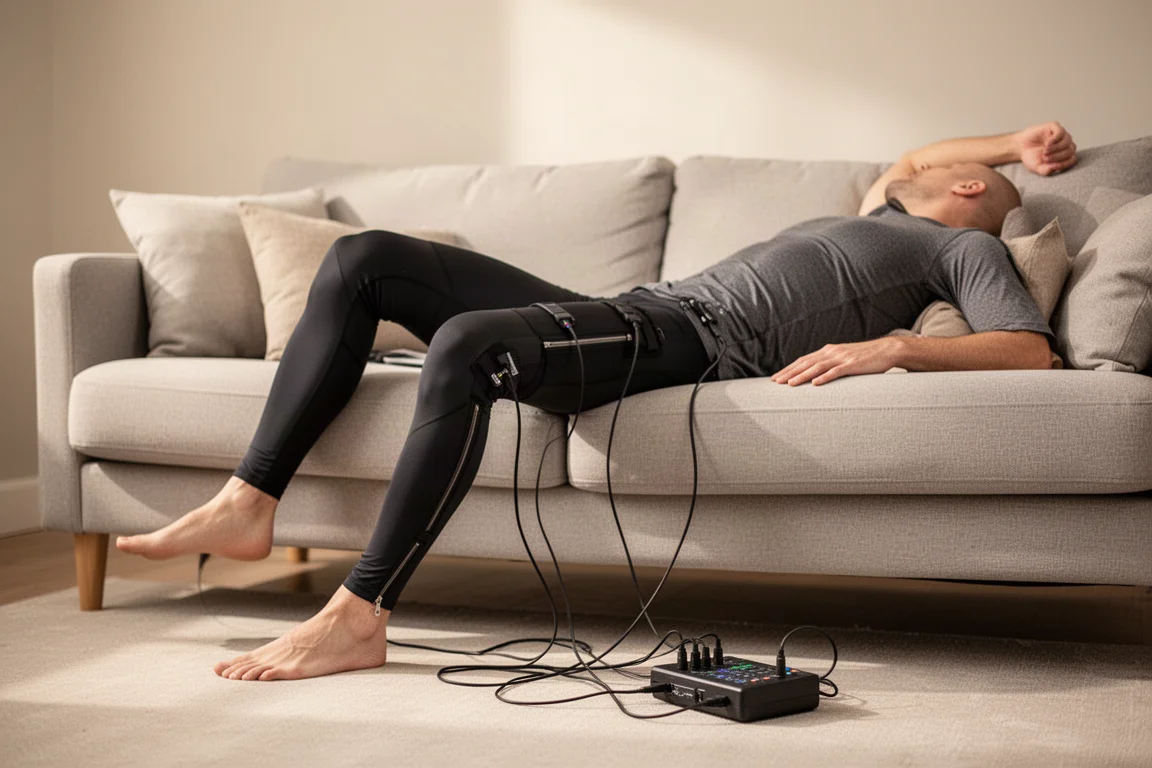
Getting the system running takes minutes. You unroll the leggings, clip the two cables into the fittings, checking they are lined up with the notches and the right way up, then connect the leggings to the main unit. Plug the unit into the mains, unzip the leggings fully, and climb in. The main setup detail is making sure your legs go all the way down so your toes poke out the bottom, then zip all the way to the top and fold the Velcro strip across. Once both legs are zipped, you are ready to start.
Using It Day to Day
The controls are refreshingly simple. First, pick a mode: Mode A gives a lighter, more gradual wave compression, while Mode B delivers a fuller, more intense whole-leg treatment. Next, choose your pressure. The range runs from 20 mmHg, roughly equivalent to a pair of compression socks, all the way up to 250 mmHg, which is genuinely extreme compression. Then pick a duration of 10, 20, or 30 minutes.
One standout feature is the zoning. The leggings have four zones, so you can focus treatment on just your calves, or calves and quads, rather than running a full-leg session every time. Press start, set the unit down, and the compression builds from the lower leg up towards the quads, holds, eases off, and repeats the cycle. It is about as passive as recovery gets: sit back and let it work.
Early Verdict After 10 Days
The first real test came after a return to mountain biking: a technical 23-mile ride in Cornwall with 2,500 ft of elevation, and legs that were thoroughly trashed at the end. Thirty minutes in the MyoPump at the highest compression level felt like it flushed a lot of the rubbish out of the system. The next day, a 10K run felt surprisingly comfortable, with legs that seemed well recovered. There is also a longer-term angle: our tester has old sporting injuries and poor lower-leg circulation, so the coming months will show how the system handles niggles and rehab support. A full long-term verdict will follow after the full three-month test.

Buying Advice
At £650, the MyoPump undercuts traditional compression systems by a wide margin while offering the features most riders and runners actually need: two treatment modes, adjustable pressure up to 250 mmHg, three session lengths, and four-zone targeting. If you have been put off pneumatic compression by the usual £1,000 to £2,500 price tags, this is the system that changes the maths.
Conclusion
Early impressions of the MyoPump are very positive. Setup is genuinely easy, the controls are simple, and the first ten days of testing suggest real recovery benefits after hard sessions. A full in-depth review with a final verdict on whether the money is worth it will follow once the three-month testing period is complete.
Product link
View more details for MyoMaster MyoPump Leg Compression System
This product is mentioned in the review. Check the specifications, options, and compatibility before buying.
View more details for MyoMaster MyoPump Leg Compression SystemFurther reading
Related Reviews
Recovery
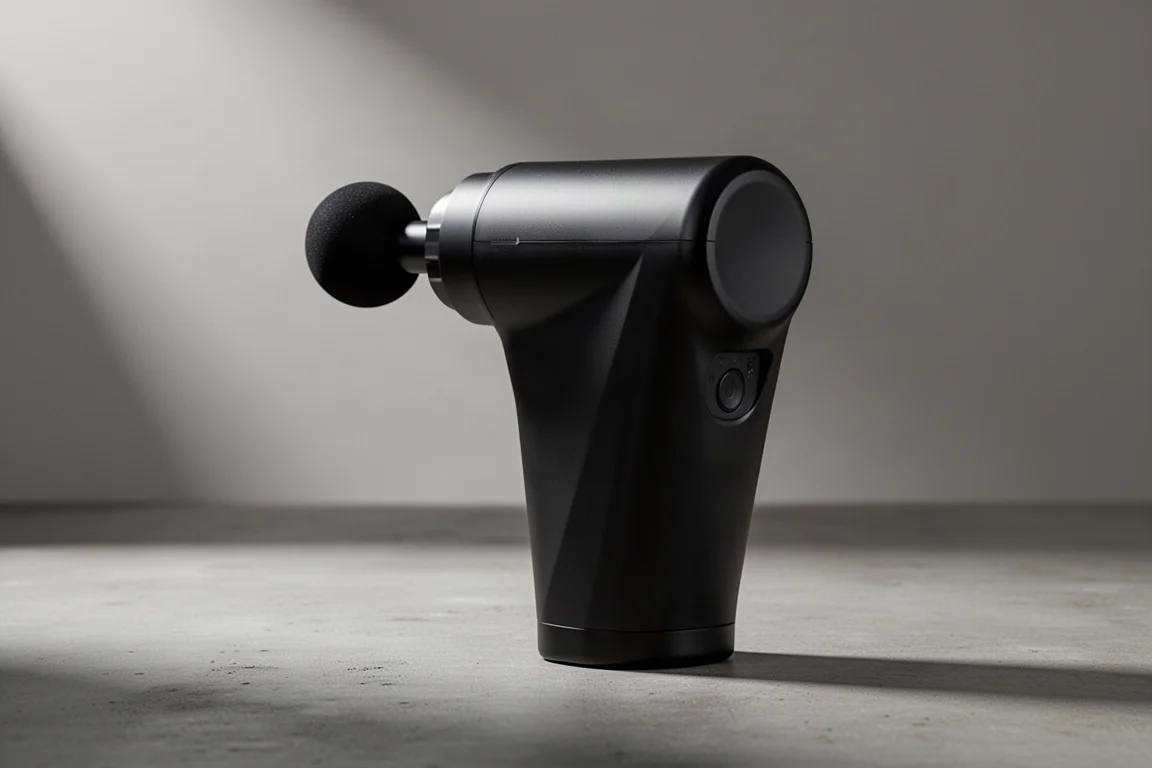
Bob and Brad Air 2 Mini Massage Gun Review: Compact Power Under $90
A portable, ergonomic mini massage gun with solid power for its size, a simple three-speed interface, and a few trade-offs worth knowing about.
Recovery
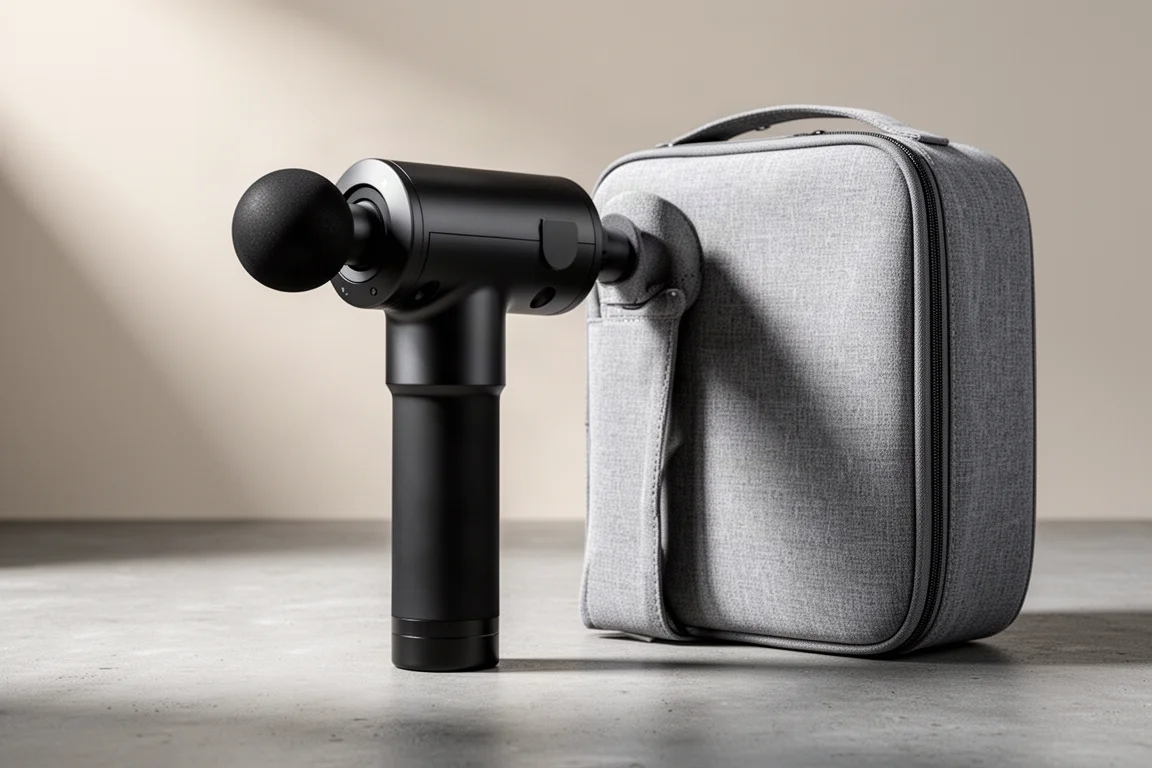
Bob and Brad D6 Pro Massage Gun Review: Deep Recovery Power for Runners
A range-topping massage gun with 16 mm amplitude, seven heads, and double the industry-standard battery life, built for serious post-run recovery.
Recovery
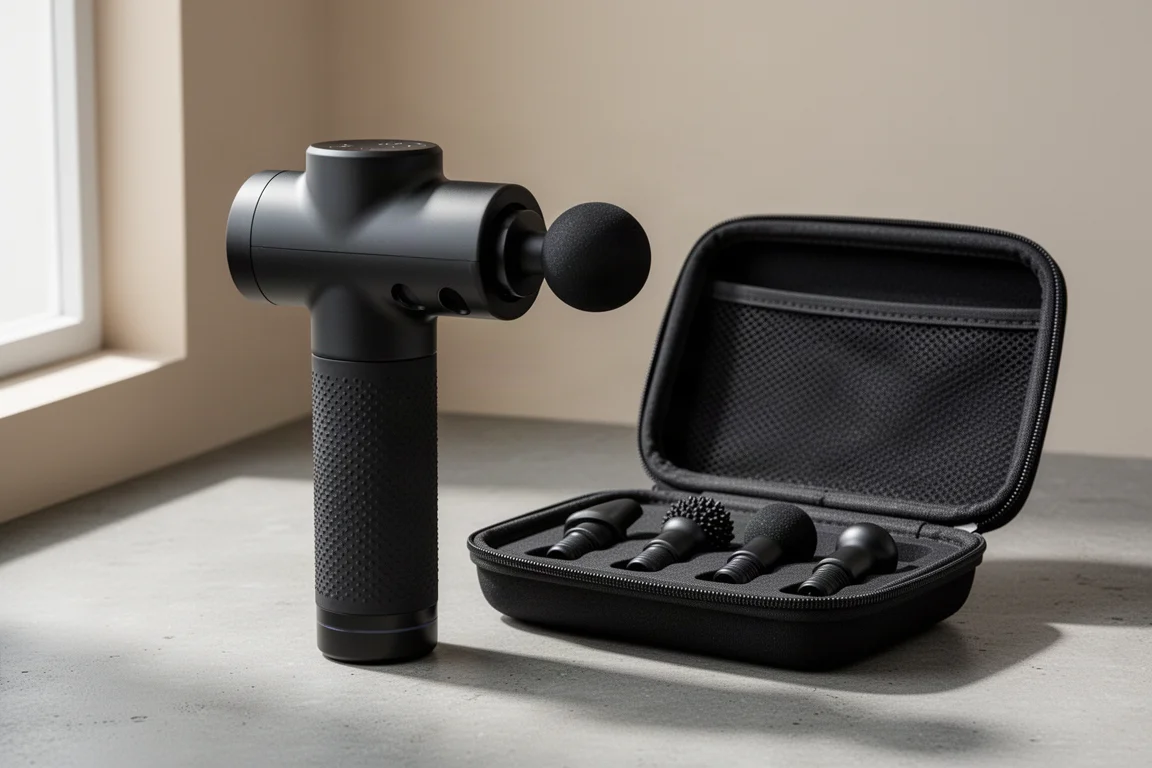
Bob and Brad T2 Massage Gun Review: Compact Power for Everyday Recovery
A deeper, quieter massage gun with a larger battery and a well-made carry case, all at an affordable price.