Kitchen Knives
Musashi Kaijin Santoku Review: A Hard-Forge Japanese Knife That Stays Sharp
A forged santoku from one of Japan's most skilled blacksmiths, with an edge geometry that balances fine cutting precision at the tip with durability at the heel.
Introduction
The Musashi Kaijin Santoku comes from a blacksmith widely regarded as a genius at forging, and it shows in the details. He takes high-tech steels and forges them harder than most other blacksmiths, which means the knife holds its edge longer than most other Japanese knives. Crucially, it avoids the fragility that often comes with very hard blades.
This is a new series from Musashi, and it combines practical edge geometry with a distinctive finish inspired by the forge itself. For anyone who wants a santoku that stays sharp and still feels confident in daily use, it is an easy one to get excited about.
Edge Design: Fine Cuts at the Tip, Durability at the Heel
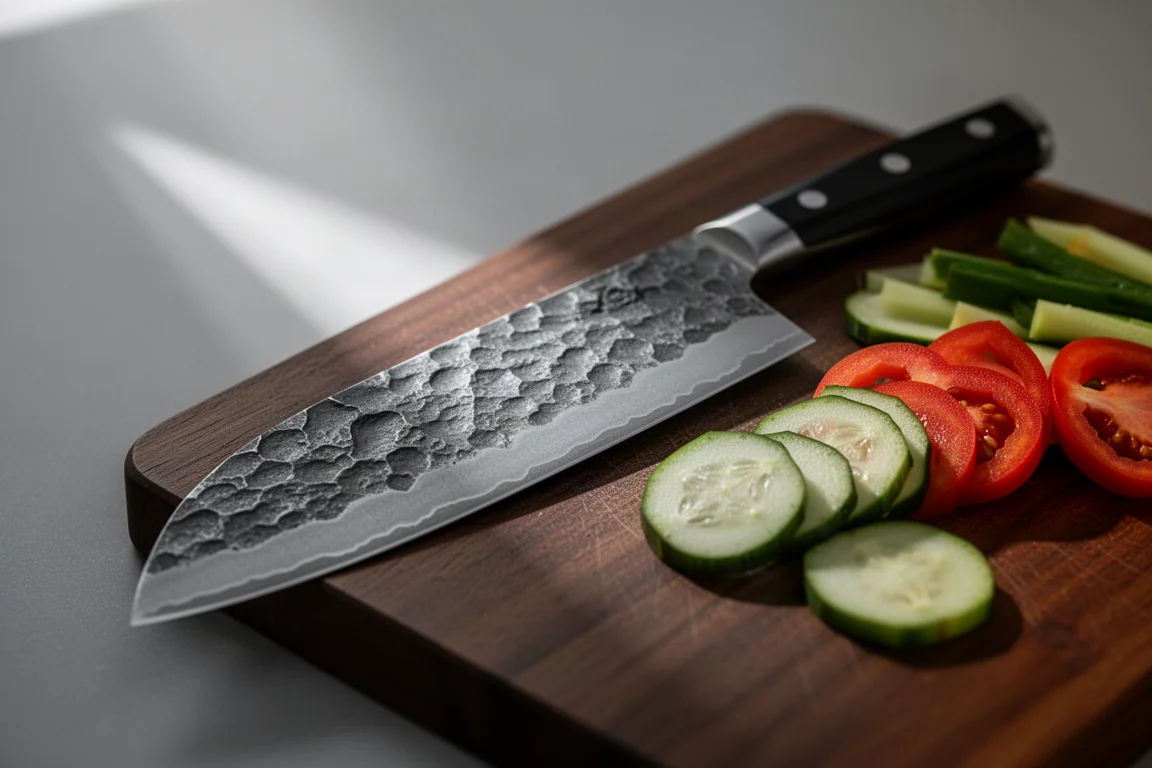
The standout feature is the tapered edge. The blade is thicker toward the back near the heel and thinner toward the tip, and that geometry does real work in the kitchen. The thinner tip excels at fine scoring cuts, like dicing an onion cleanly and precisely.
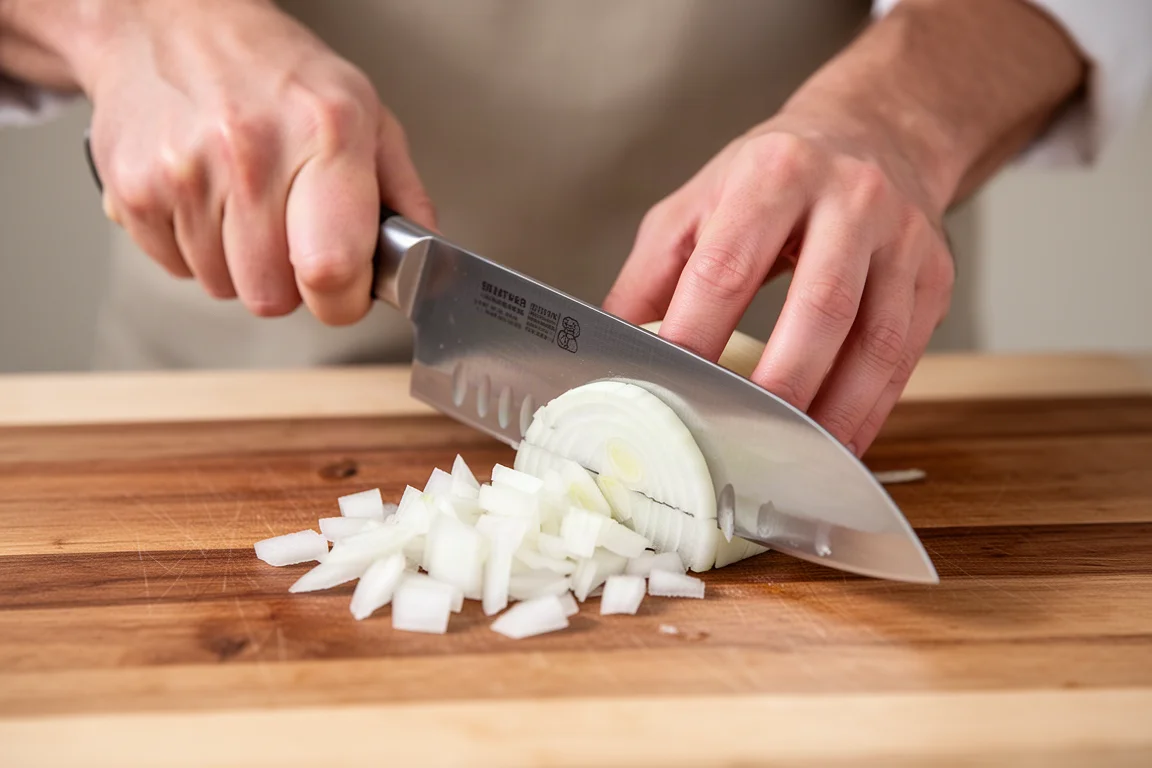
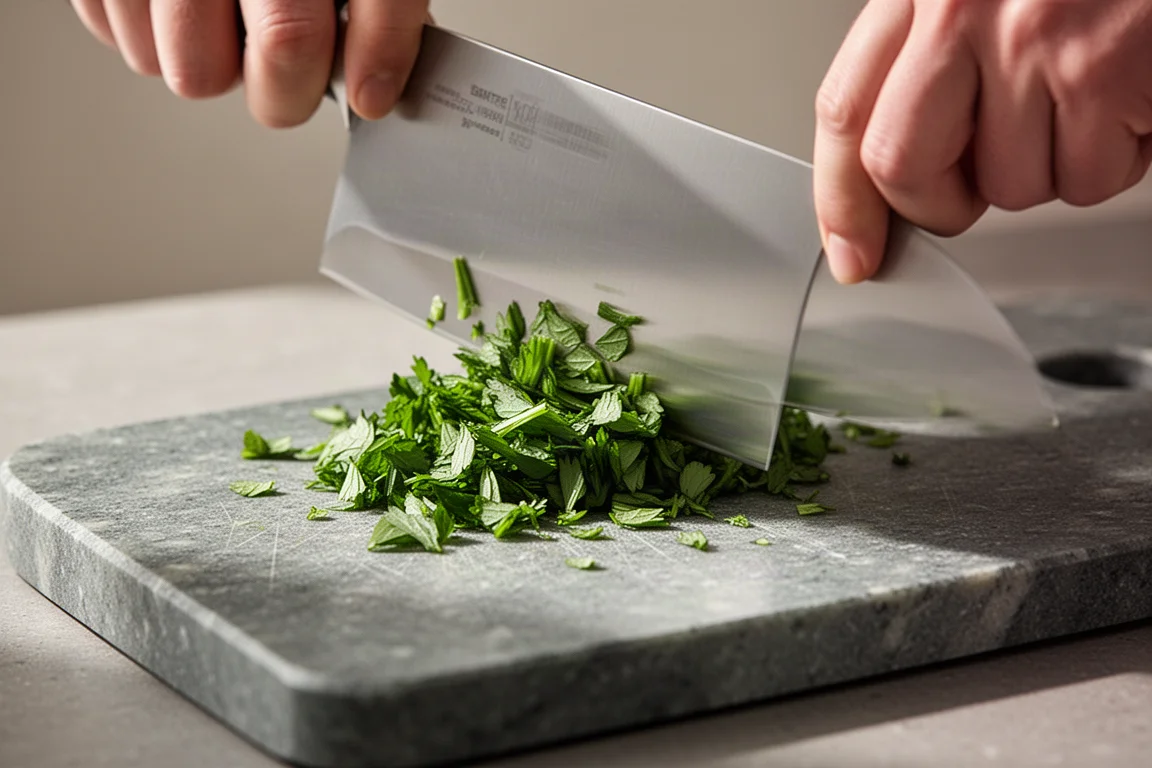
The thicker heel earns its keep when you rock the blade through repetitive chopping. Because that section is more substantial, it resists dulling far better than a uniformly thin edge would, so the knife stays sharper for longer over time.
Cutting Performance
In use, this is one of the sharpest knives of its kind, and it feels like a dream to cut with. The combination of very hard steel and thoughtful tapering delivers clean cuts without the brittleness that makes many super-hard knives feel risky on the board.
That balance is the core of the appeal: edge retention from the hard forging, precision from the thin tip, and resilience from the reinforced heel.
Design and the Meaning of Kaijin
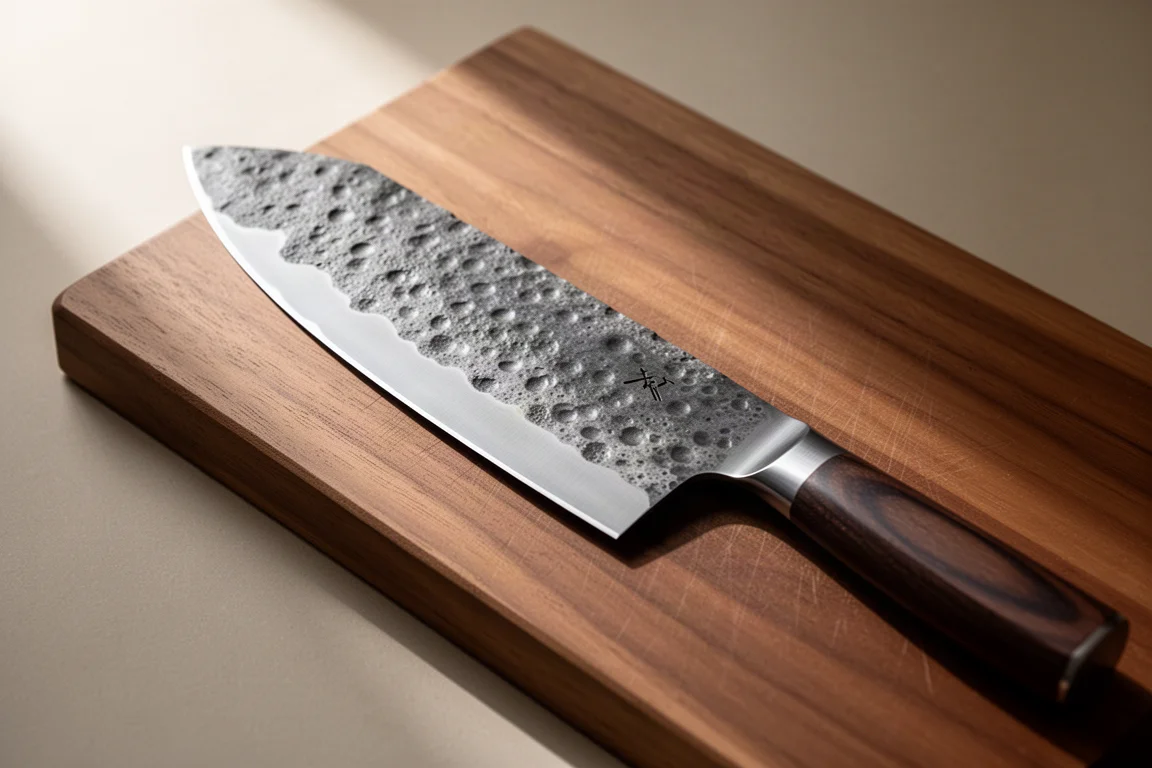
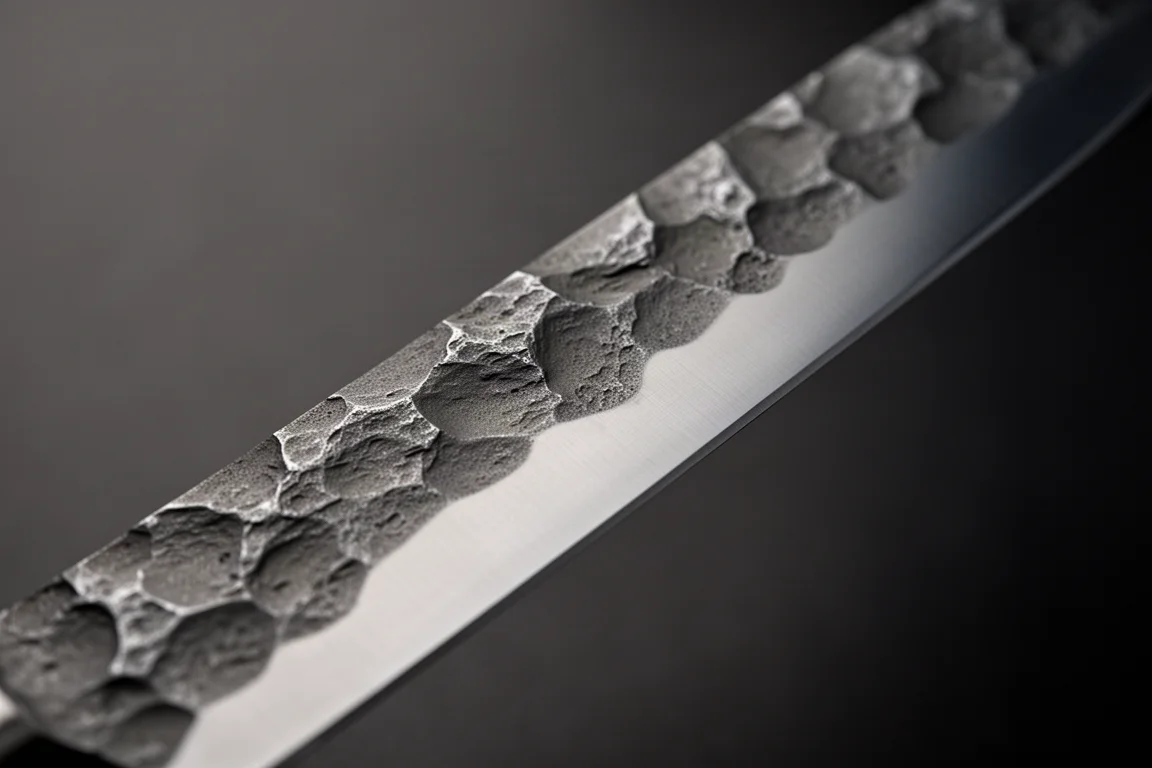
Aesthetically, the knife is stunning. The name Kaijin means ash, a reference to the rough, rocky Nashiji finish on the blade. The texture draws inspiration from the ash of the forge itself, giving each blade a characterful, tactile surface that looks as good as it performs.
Buying Advice
This santoku suits cooks who want a hard, long-lasting edge without babying the knife, and who value fine tip control for precision work. If you chop heavily at the heel and occasionally need delicate cuts at the tip, the tapered geometry is designed exactly for that workflow.
Conclusion
The Musashi Kaijin Santoku pairs exceptional sharpness and edge retention with smart edge tapering and a striking ash-inspired finish. For a santoku that cuts beautifully and holds up to daily work, it is a compelling choice.
Product link
View more details for Musashi Kaijin Santoku
This product is mentioned in the review. Check the specifications, options, and compatibility before buying.
View more details for Musashi Kaijin SantokuFurther reading
Related Reviews

Kitchen Knives
Best Chef's Knives 2026: 27 Popular Options Tested and Ranked
A comprehensive review of 27 chef's knives ranging from $18 to $380, with honest assessments of handle comfort, blade balance, and real-world performance.

Kitchen Knives
Best Chef's Knives Under $75: Two Tested Recommendations
Two practical 8-inch chef's knives that balance sharpness, comfort, and durability without premium pricing.

Kitchen Knives
Best Chef's Knives 2026: 27 Options Tested and Ranked
A comprehensive review of 27 chef's knives ranging from $18 to $380, with honest assessments of handle design, balance, blade profile, and real-world performance.