Everyday Carry
The Four Multitool Categories: Which One Actually Fits Your Carry
Replacement, complimentary, last resort, and specialized multitools explained, with standout picks for each role.
Introduction
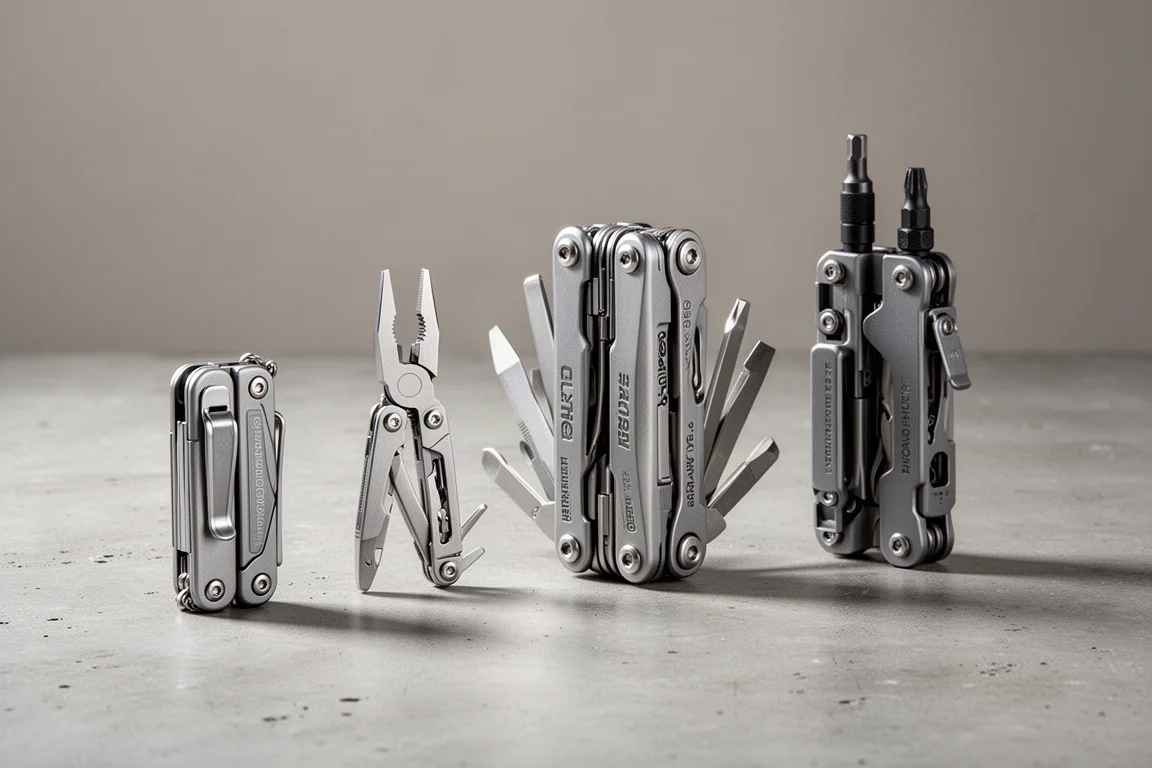
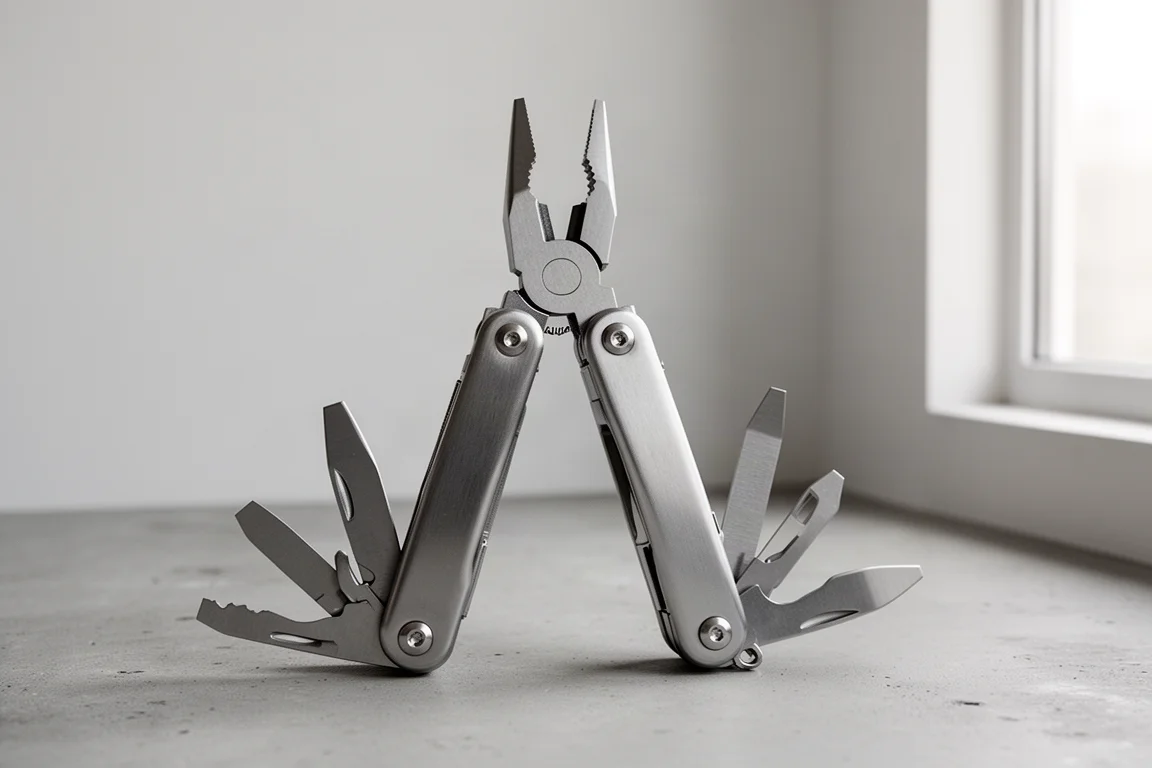
How many multitools does a person actually need? Once you start thinking about that question, a pattern emerges: there are really only four distinct categories of multitool, and each one serves a different role. Replacement tools stand in for your folding knife. Complimentary tools ride alongside a dedicated cutting implement. Last resort tools exist for emergencies where nothing else is available. And specialized tools offer heavy capability at the cost of loose parts and bulk.
Two of the earliest multitools, the Leatherman PST and Mini Tool, plus the Super Tool line, effectively defined three of these categories, and the Crunch rounded out the fourth. Understanding which category a tool belongs to is the single best way to avoid buying the wrong one.
Replacement Tools: The Folding Knife Alternative
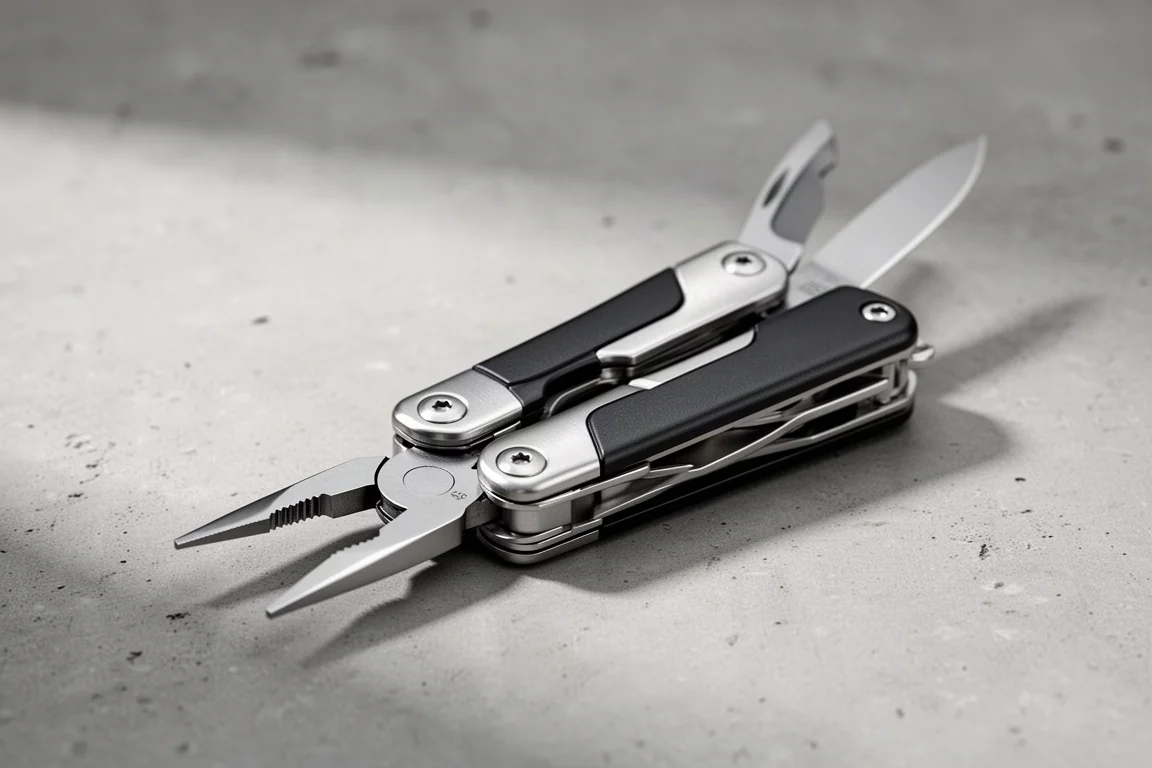
A replacement tool does exactly what the name suggests: it substitutes for your folding knife. To do that properly, it needs two things: a one-hand-openable blade and a pocket clip. Tools like the Leatherman Arc, the Victorinox MX Clip, and the Leatherman Curl all check both boxes, which is what makes them legitimate knife substitutes rather than just smaller multitools.
These tools are not for everyone. If you already carry a folding knife, adding a replacement tool means more weight for a pair of pliers and a screwdriver, the two most useful additions. But for people who see a folding knife as simply a less capable version of a multitool, this category is the sweet spot: more capability at the cost of some weight and pocket space.
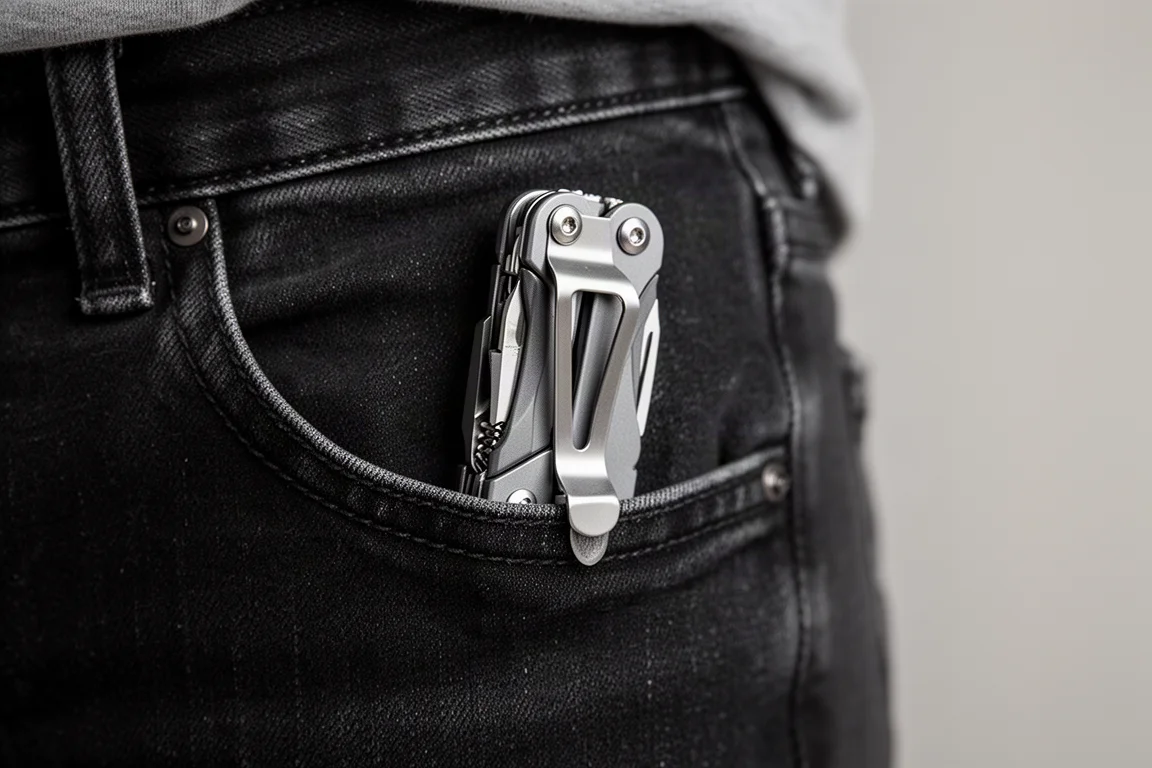
The Leatherman Arc sits at the top of this category, pairing a one-handed blade and pocket clip with a modern, stronger plier head than the original PST ever had.
Complimentary Tools: The Underserved Middle Ground
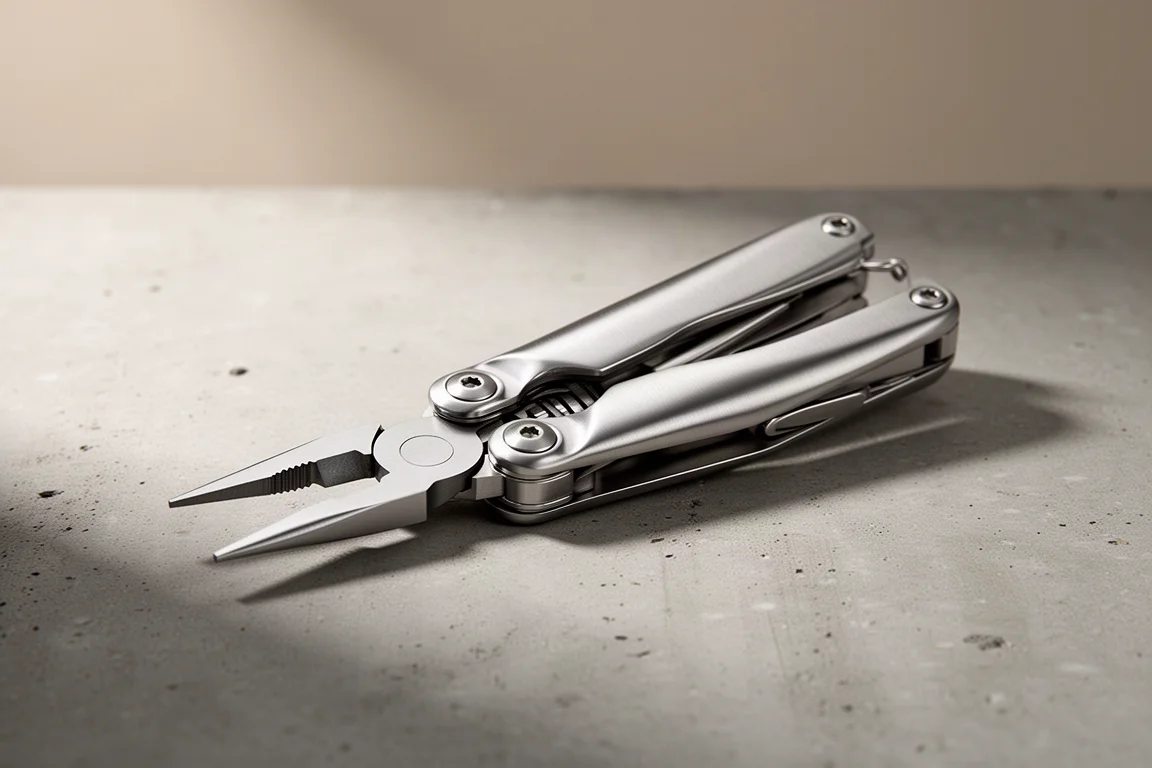
A complimentary tool goes with your dedicated cutting implement rather than replacing it. At minimum it should bring pliers and screwdrivers, the two things that complement a blade best. Scissors, interestingly, do not fill this role reliably: no single scissor covers every cutting task, and the versatile Victorinox 91mm scissor takes up a lot of space.
This category is surprisingly underserved. The closest historical example is the Leatherman Mini Tool, a genuinely brilliant piece of design. It packed the exact same full-size plier head as the PST into a much smaller body, with a minimal tool set of can opener, bottle opener, blade, and flathead, and a clever slide-open action that made reaching inside unnecessary. A modern revival with the improved plier head from the Curl would be an instant buy.
The Leatherman Leap, technically designed for children, also proved the concept at 4.3 ounces with a full-size plier head and locking implements on the outside.
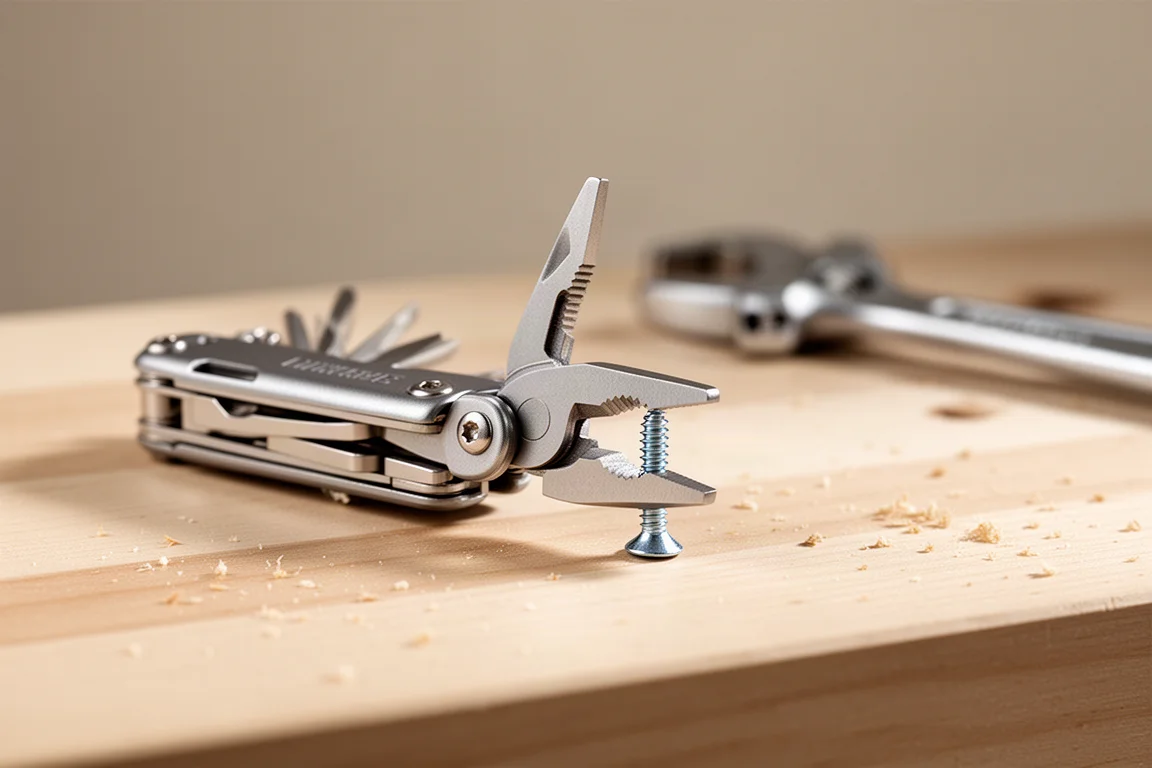
Right now, the leader in this category is the SOG PowerPint. At 4.3 ounces it offers a compound leverage plier system and a full quarter-inch bit driver in a very compact package, and honestly, trimming its tool count down further would only make it better.
Last Resort Tools: Everything Built In, Nothing to Lose
The last resort category is the one only a multitool can fill. This is the tool you carry when you might be separated from your primary equipment: hiking, boating, or any environment with limited access to resources. If your main gear disappears, you are in an emergency situation, and you need one object that covers as many applications as possible.
The defining traits are simple: all implements built into the tool with nothing removable, no loose components, and implements designed to be as long as possible for emergency use. This is where the Super Tool lineage shines, from the original through the Super Tool 300. As long as you have the tool on your hip, you have its full capability. The same applies to the Victorinox Swiss Tool, which ships in a compact, easy-to-carry sheath.
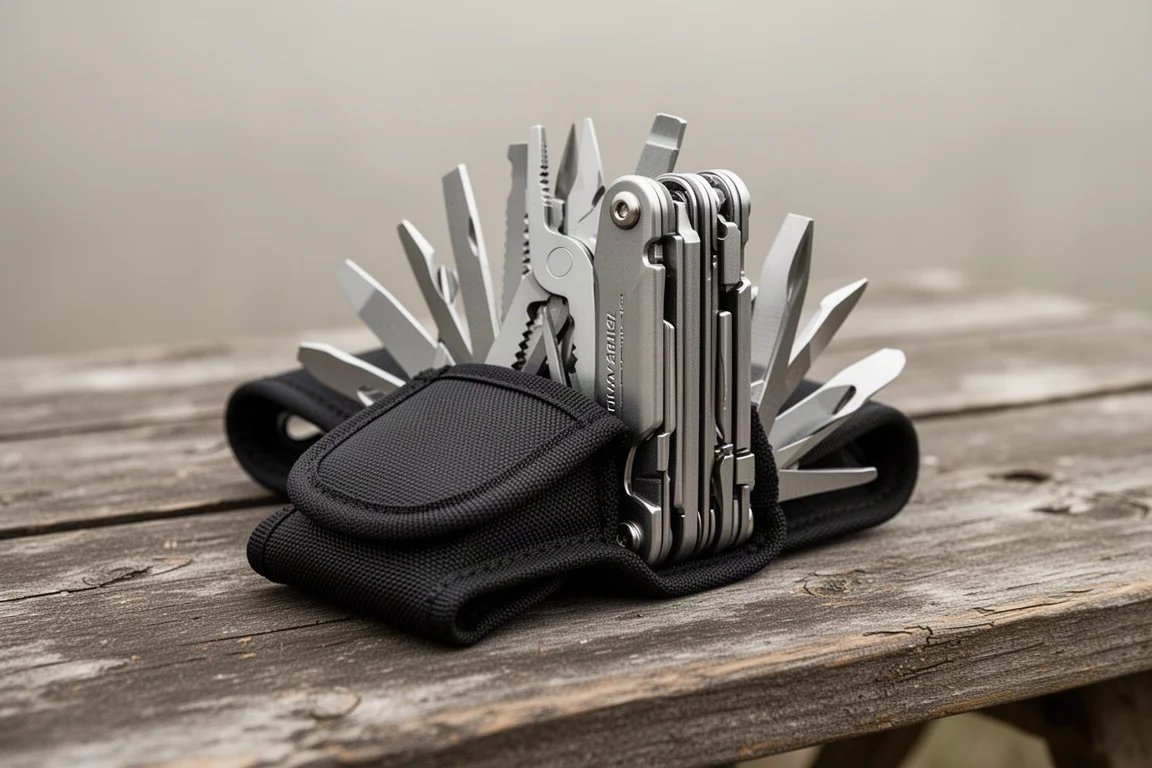
The Super Tool 300 is the modern equivalent in that line, and its value comes precisely from what it lacks: removable parts that could go missing at the worst moment.
Specialized Tools: High Capability, Higher Risk
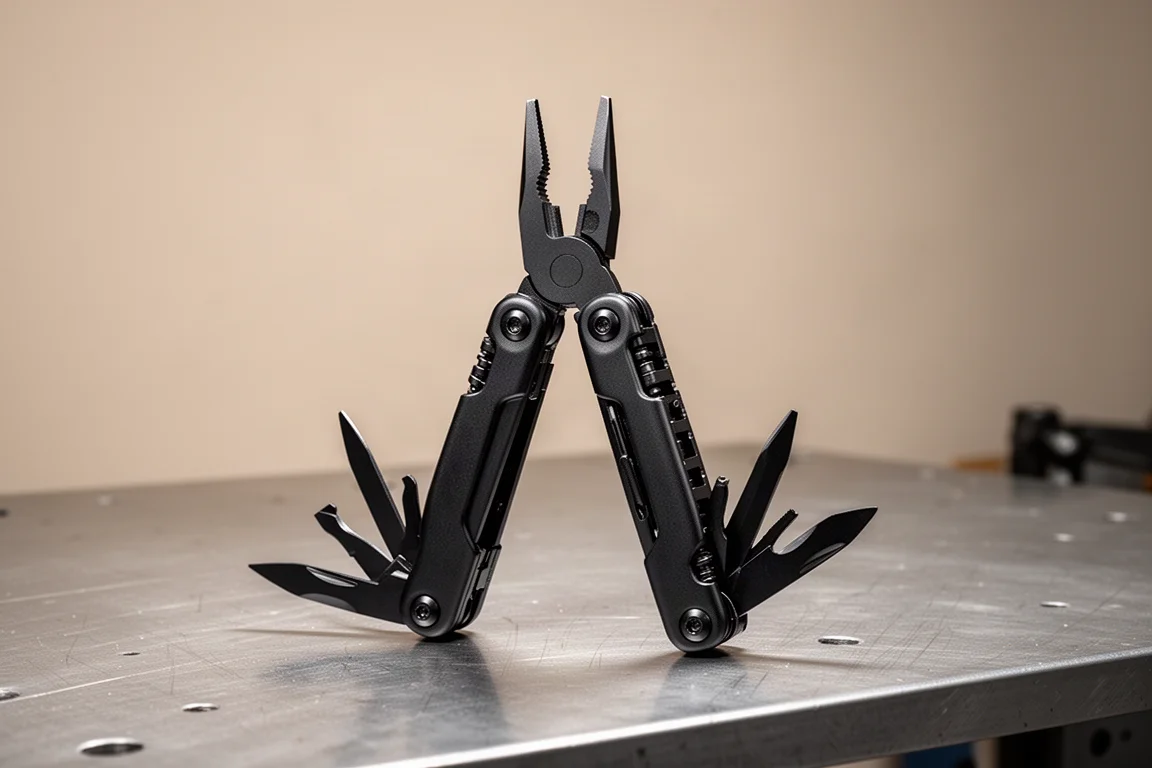
Specialized tools contain components aimed at specific tasks that only some users want, and that trade-off is what separates them from last resort tools. The Leatherman Surge, the Gerber Dual-Force, and the Gerber Center-Drive all fall here.
The Dual-Force uses a slip-joint plier and puts heavy emphasis on its outside-mounted, lined screwdriver, about as close to a true screwdriver as a multitool gets. But like most specialized tools, it has loose components that can be lost. The Center-Drive carries the same weakness: lose your bits, and it loses a large share of its capability.
The Surge is the clearest example. Leatherman itself positions it as heavy duty, and it is, but it loses a lot of value if you are not carrying it in a holster or bag with all of its accessories. At the very minimum you need a bit kit, and you need to keep the spare T-shank component with you, whether that slot holds the saw or the diamond file. Run it with one or the other but without the full kit, and its versatility drops sharply. The failure mode is real too: swap the regular driver bit for a Torx bit, forget the bit kit, and suddenly a heavy-duty tool cannot give you a plain screwdriver when you need one.
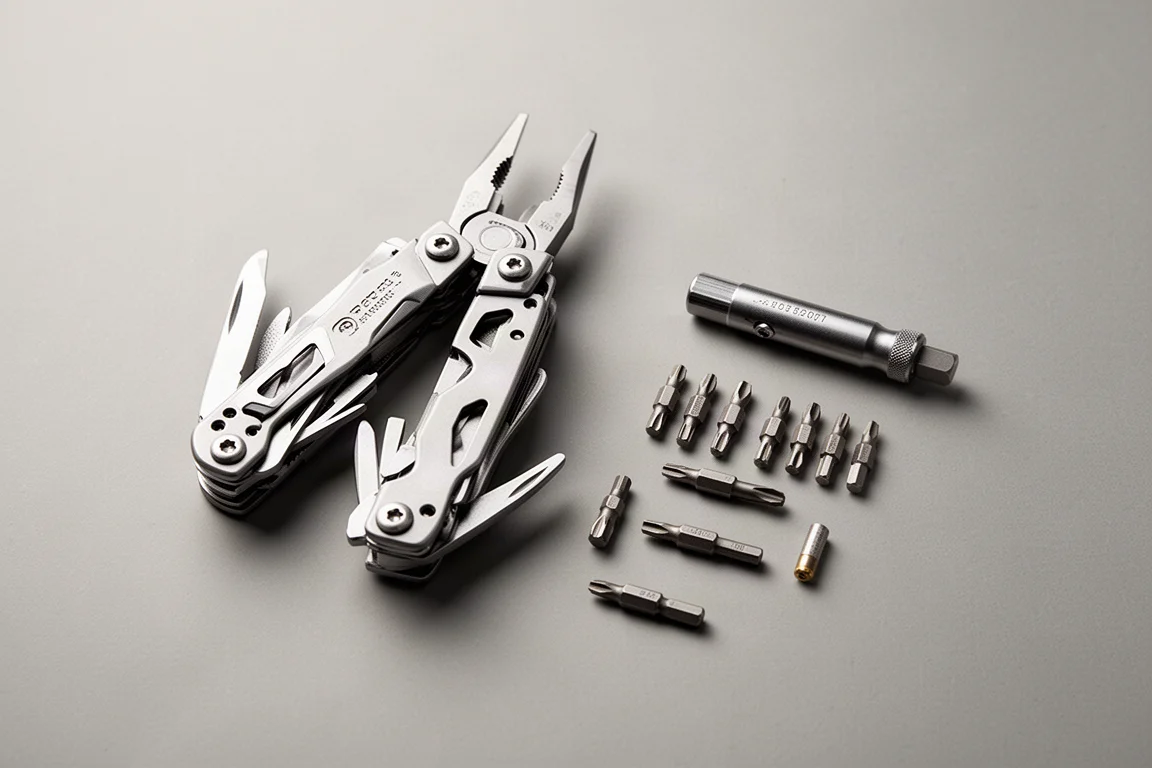
That risk-reward balance is the essence of this category. Ratcheting bit drivers, bit extenders, and multiple bit kits expand what these tools can do enormously, but all of it adds bulk, and none of it belongs on your hip in a compact sheath. If you want expandability and accept the trade-offs, the Surge is the flagship of the category.
Which Category Should You Buy?
Match the tool to the role. If you want one tool to replace a folding knife, get a replacement tool with a one-handed blade and pocket clip. If you carry a knife and want pliers and drivers alongside it, a compact complimentary tool like the PowerPint is the better answer. If you need a single object that survives losing all your other gear, a fully integrated last resort tool such as the Super Tool 300 is the only category that genuinely covers it. And if you want maximum capability and will commit to carrying every accessory, a specialized tool like the Surge delivers what nothing else can.
Conclusion
Once you sort multitools into these four roles, buying decisions get much easier. Most people need exactly one tool, and knowing whether that tool should replace, complement, back up, or specialize is what determines whether it earns its place in your carry. Choose the category first, then the model.
Further reading
Related Reviews

Everyday Carry
Everyday Gear That Deserved a Second Look
A roundup of solid everyday carry items: watches, pens, a pencil, a knife, and a smart ring that each earned a place on the table.

Everyday Carry
KORE Tactical Bifold Wallet Review: A Durable Everyday Carry Option
A close look at the KORE Tactical Bifold Wallet, a reinforced nylon wallet with magnetic closure and room for cards, cash, and IDs.

Everyday Carry
Krabby Wallet Review: A Slim, Simple Carry That Has Stood the Test of Time
A closer look at the Krabby Wallet, a slim canvas and elastic design with a loyal following and a simple, functional approach to everyday carry.