Camping Stoves
MSR Reactor Review: A One Litre Expedition Stove Built for Sub-Zero Water Boiling
A close look at the MSR Reactor, a one litre stove system with an integrated heat exchanger and radiant burner that boils water fast in wind and deep cold.
Introduction
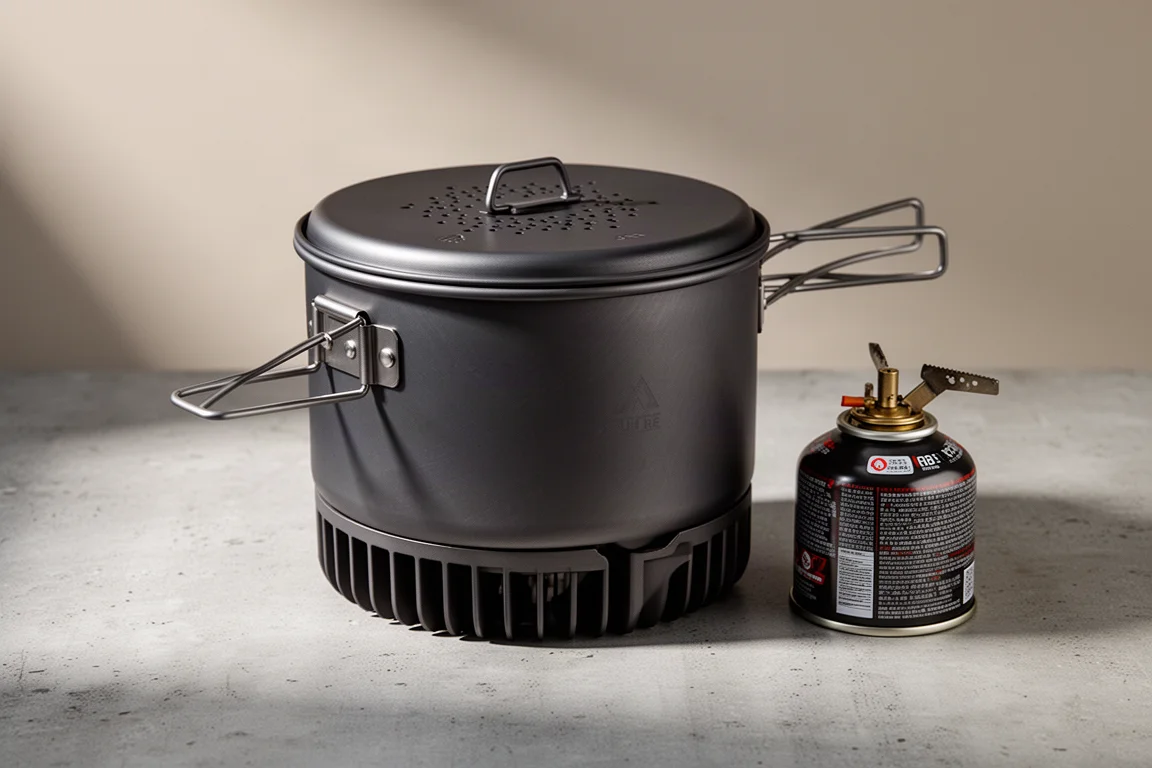
The MSR Reactor is a one litre stove system built around an aluminium pot with an integrated heat exchanger and a large radiant burner. It sits at the expedition end of the camping stove market: designed for harsh environments, high winds and sub-zero temperatures, and priced to match at a £250 recommended retail price, although it is often available for considerably less.
Everything about the design points toward fast water boiling rather than general camp cooking. The pot has a fold-out handle that unclips, swings out and locks into position, and the lid includes a strainer and a sip spout. A 100 gram gas canister nests inside the pot along with a small piece of protective cloth, which makes the whole system easy to pack as a single unit.
Who This Stove Is For
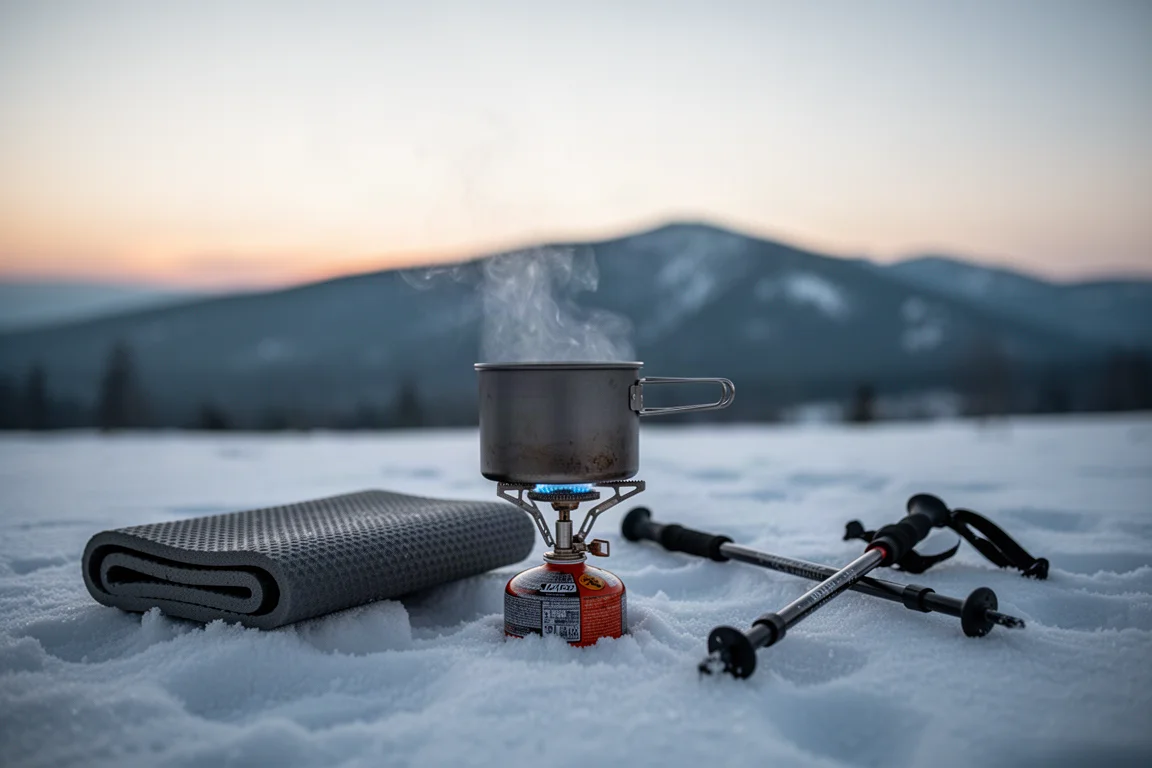
This is a stove for people who need water boiled quickly in conditions where that matters. Expedition use, winter backpacking and snow melting are the obvious applications. When temperatures drop well below freezing, having a reliable way to produce hot water can decide whether you are drinking and eating properly at the end of the day.
It is not a general purpose cooking stove. The Reactor is intended to boil water and boil it fast, so anyone hoping to simmer sauces, fry, or cook proper meals should look at a stove with finer flame control. If your camping happens in mild weather and you mostly want a flexible burner, this is more capability than the task requires.
Main Strengths
The headline numbers are strong. The complete package weighs 417 grams, which is remarkably light for a pot, burner and regulator assembly. The radiant burner produces 9000 BTU, and a litre of water reaches a rolling boil in roughly three minutes and thirty seconds. In wind, the same litre takes about three minutes and fifty seconds, only twenty seconds slower than in still air.
That wind performance comes from the combination of the radiant burner and the heat exchanger base on the pot. The burner sits extremely close to the base of the pot with virtually no gap between flame and metal, so heat is transferred into the water rather than lost around the sides. A pressure regulator is built into the system as well, which helps the stove hold its output as the canister empties and cools.
Build Quality and Design Details
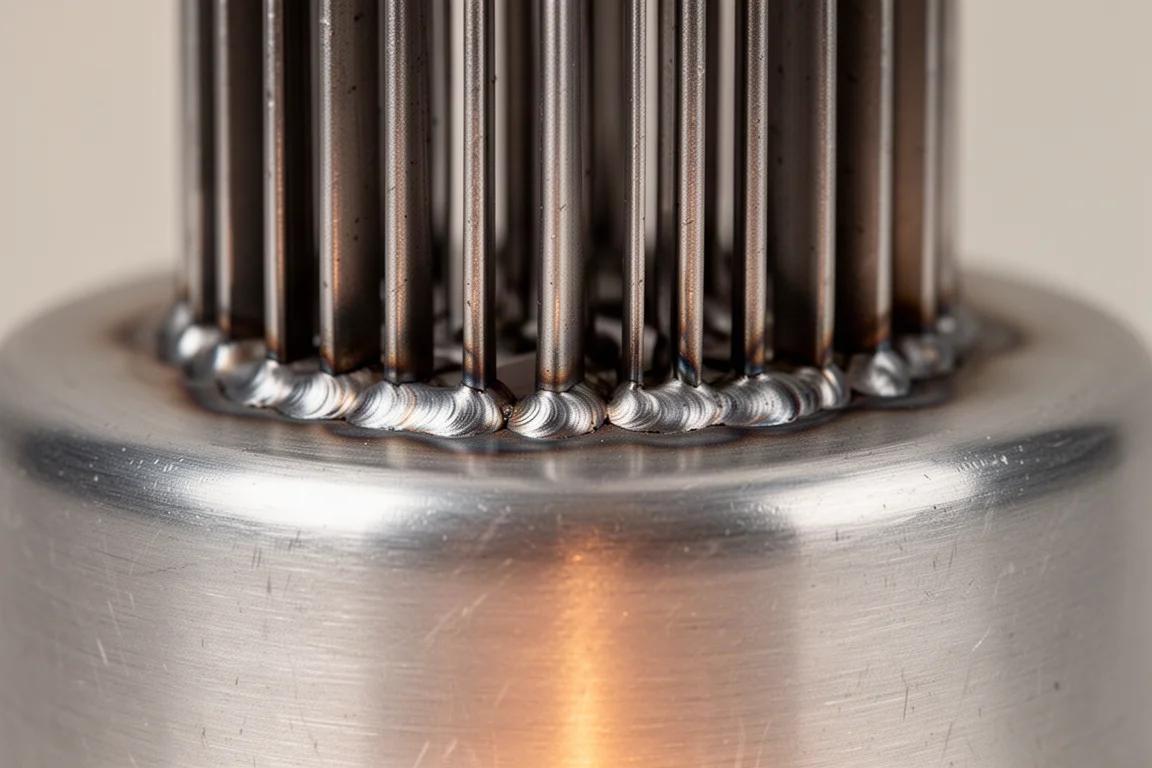
The heat exchanger on the base of the pot is the most striking detail. The radial fins and their welds are exceptionally neat, and the construction looks like it will survive years of hard use. Inside the pot there is a small measuring gauge, a practical touch when you are melting snow and want a sense of how much water you have produced.
The canister screws directly into the base of the burner and the pot then sits on top, with no connecting pieces or separate windscreen to assemble. The handle does not lock shut as such, but once there is weight in the pot it stays firmly in place. The valve is effectively on or off rather than a gradual dial, so the stove runs at full blast, which is exactly how it is meant to be used.
Performance in Wind and Cold
Melting snow is the clearest demonstration of what this stove is for. Filled with snow rather than cold water, the pot comes up to temperature almost immediately, and the ice turns to water far faster than you would expect from a stove of this size. The burner glows a deep orange under the pot, and the narrow gap between burner and base keeps that heat concentrated where it is needed.
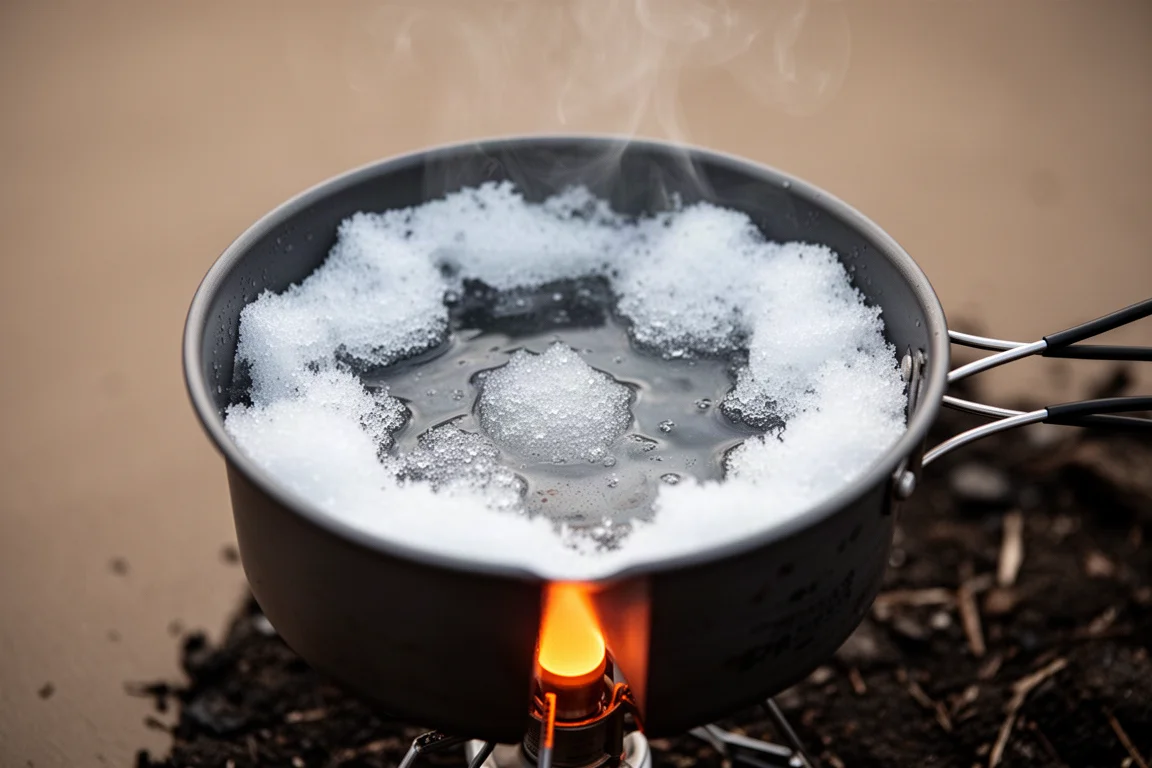
Because the design is windproof, exposed campsites and gusty valley pitches do not blunt its performance the way they would with an open burner and a separate windshield. That consistency is the real argument for the Reactor: the boiling time barely changes when the weather turns, which is precisely the scenario it was engineered around.
Things to Consider Before Buying
The most obvious consideration is cost. At a £250 RRP this is among the most expensive camping stoves you can buy, and it is priced for people who genuinely need expedition grade reliability rather than occasional summer camping. It is often discounted below the list price, but it remains a serious investment.
The second consideration is flexibility. This stove boils water and does little else. There is no gentle simmer, the valve gives you full output or nothing, and the one litre pot is sized for melting snow and brewing drinks rather than feeding a group. If you want one stove that can do everything from a slow stew to a quick coffee, this is a specialist tool rather than an all rounder.
Buying Advice
Buy the Reactor if fast water in bad conditions is the job you need done. Winter backpackers, expedition users and anyone who camps above the snowline will get the most from it, because the combination of the radiant burner, the heat exchanger and the pressure regulator keeps performance steady in wind and cold. In those conditions, the speed at which it produces hot water is the whole point of carrying it.
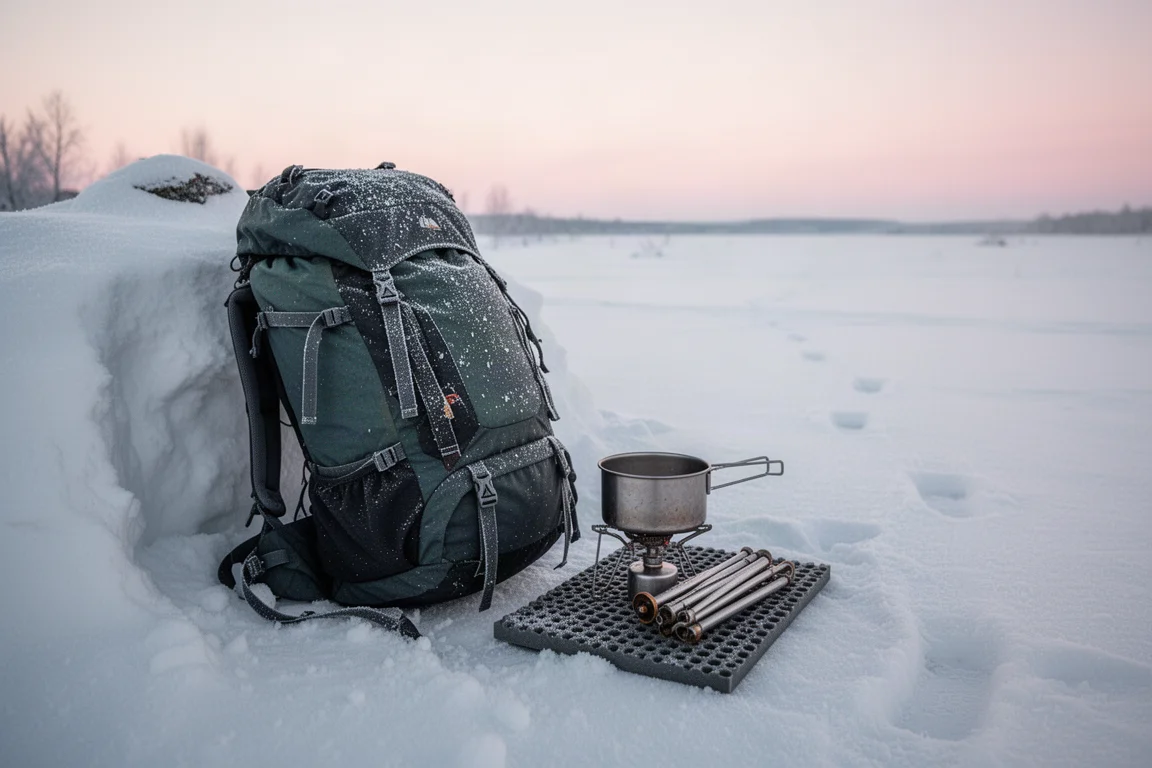
If your trips are mostly three season and sheltered, a lighter and cheaper stove will cover the same ground, and the Reactor’s strengths will go unused. For everyone else, the honest summary is that this is expedition grade equipment with a price to match, and it earns that price through reliability when the conditions are at their worst.
Conclusion
The MSR Reactor is a beautifully made piece of kit: 417 grams as a complete package, 9000 BTU from a radiant burner, and a litre of water boiled in about three minutes and thirty seconds, or three minutes and fifty seconds in wind. It is expensive and deliberately single minded, built to boil water quickly rather than to cook. For sub-zero conditions and high winds where hot water genuinely matters, it is about as capable as a backpacking stove gets.
Product link
View more details for MSR Reactor
This product is mentioned in the review. Check the specifications, options, and compatibility before buying.
View more details for MSR ReactorFurther reading
Related Reviews
Camping Stoves
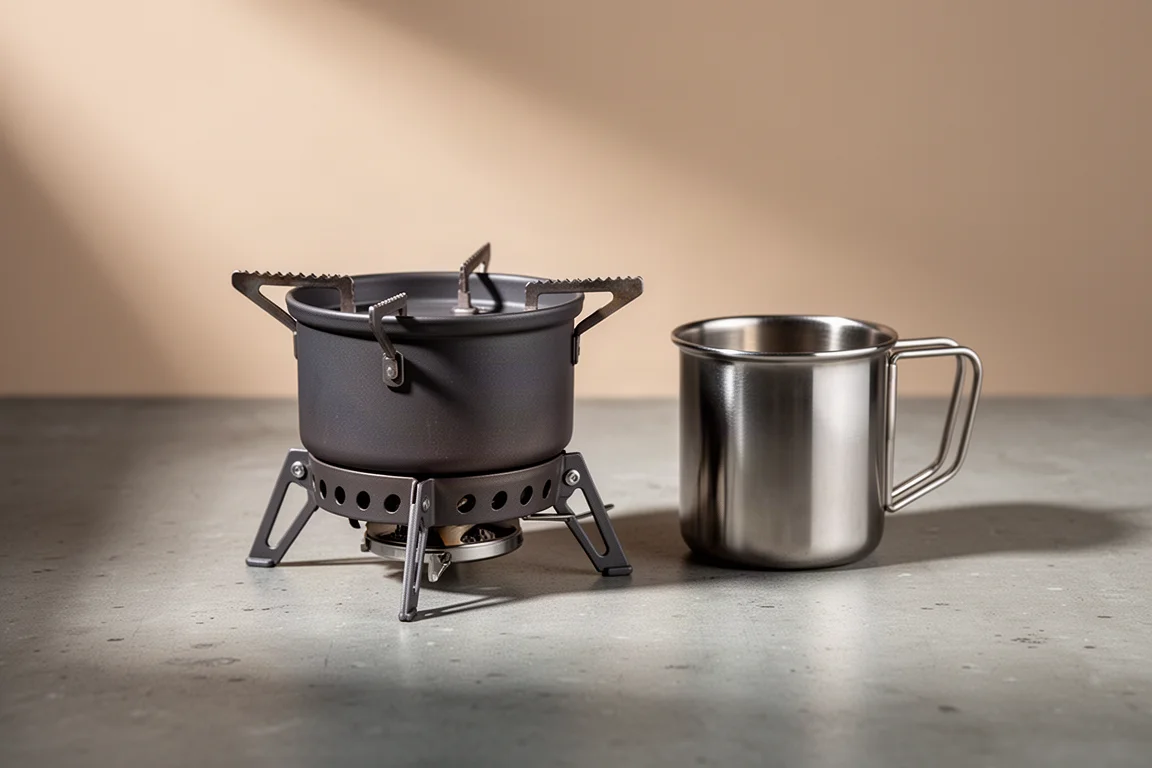
BCB Fire Dragon Mini Cooker Review: A Tiny Folding Stove With Real Trade-Offs
A palm-sized, fuel-flexible folding stove that heats water well enough, but brings flame control, stability, and fuel cost questions worth understanding first.
Camping Stoves
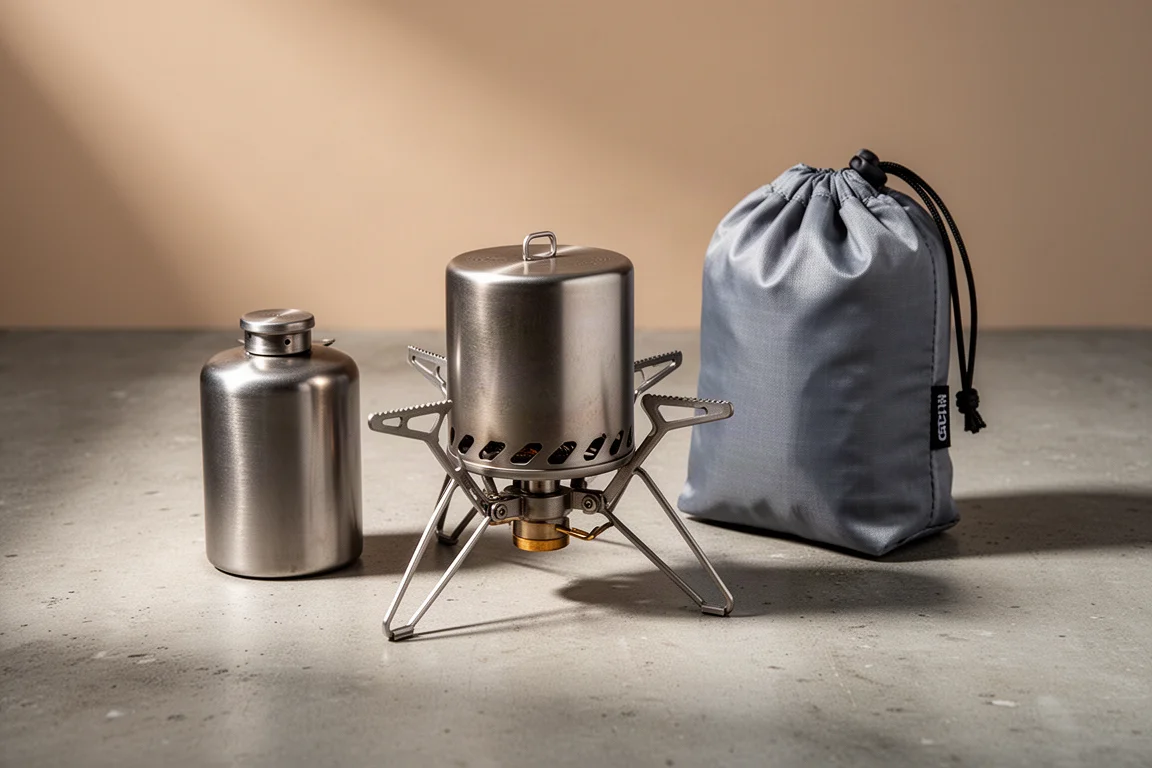
Boundless Voyage Titanium Alcohol and Wood Stove Review: Ultralight Cooking, Two Ways
A titanium alcohol and wood burning stove kit that weighs 4.5 oz complete, boils two cups of water in about 10 minutes, and costs $36.
Camping Stoves
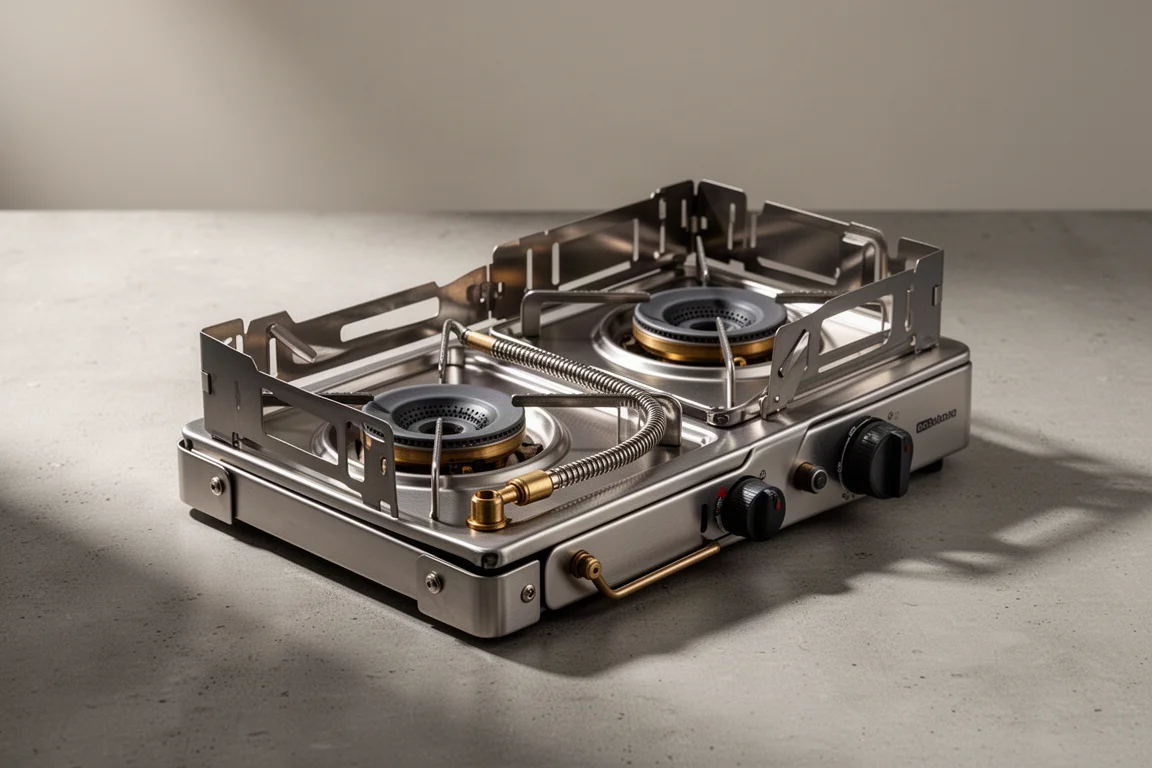
BRS 32 Dual Burner Stove Review: A Folding Two-Burner That Packs Down Flat
A detailed look at the BRS 32, a slim folding dual burner camping stove that expands into a stable cooking platform for around $60.