Backpacking Stoves
MSR Pocket Rocket Deluxe vs Soto WindMaster: Two Top Backpacking Stoves Compared
A four-test comparison of two respected ultralight canister stoves, covering boil speed, fuel economy, wind resistance, and cold-weather performance.
Introduction
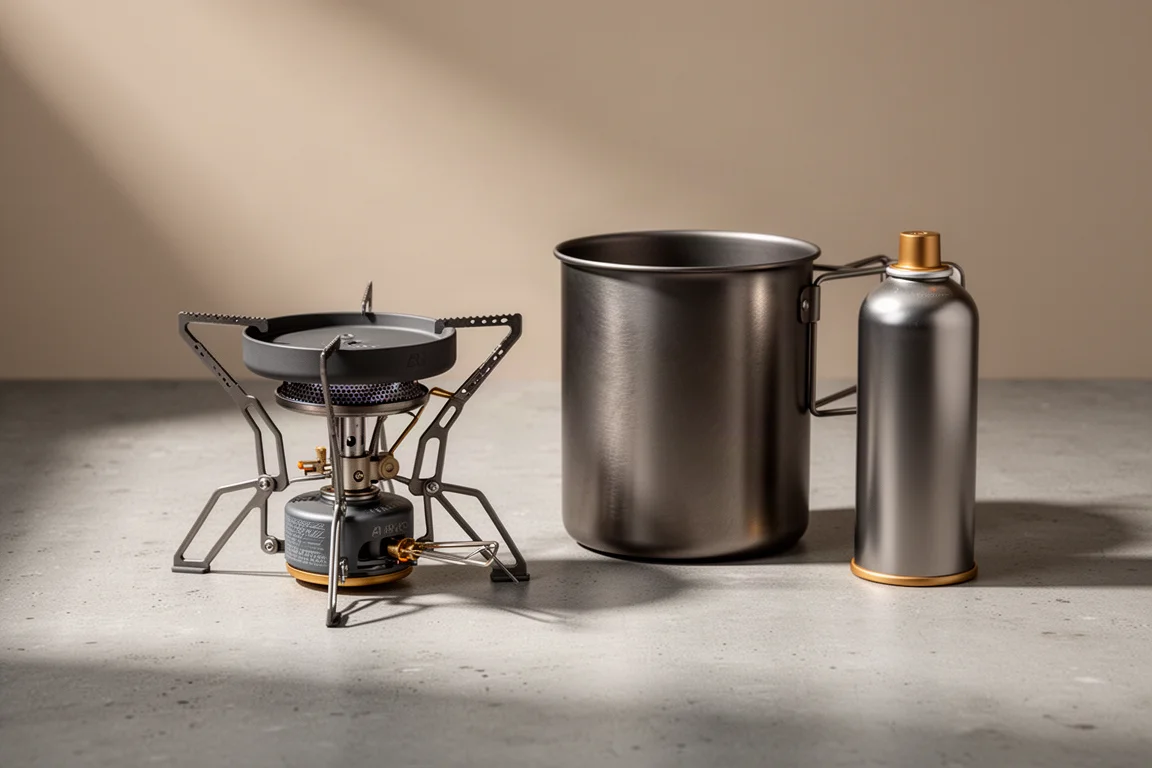
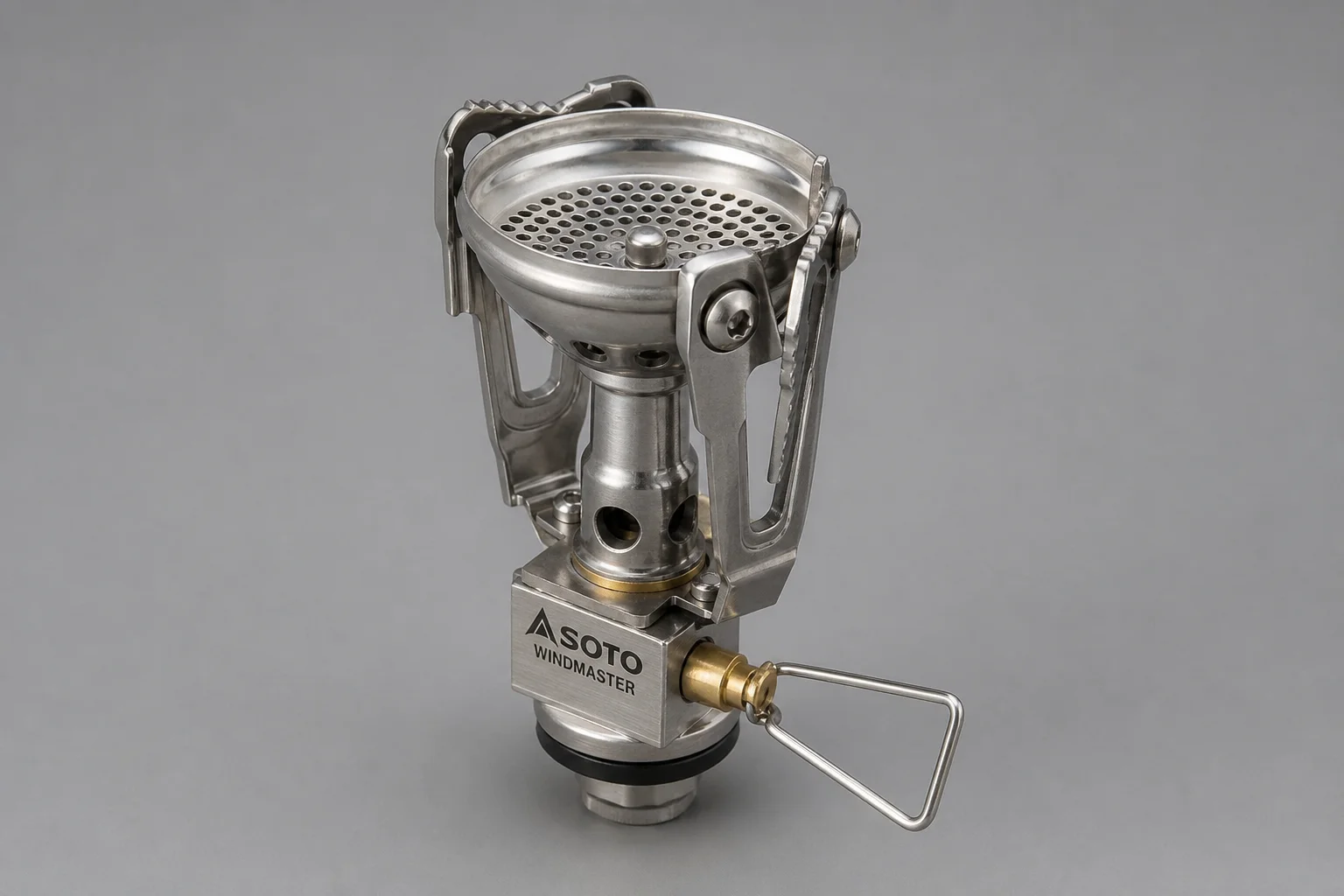
Choosing between the MSR Pocket Rocket Deluxe and the Soto WindMaster is one of the harder calls in ultralight camp cooking. Both are regulated canister stoves, both are well established, and both are rated for the same heat output, which means the real differences tend to appear only when conditions get awkward. To find out where they genuinely diverge, the two stoves were put through four side-by-side comparisons: a standard boil, a windy boil, a large-volume boil, and a cold-fuel boil.
The short version is that they are remarkably close in ordinary conditions, and either stove will get the job done. The interesting part is what happens when wind or cold enters the picture, because that is where each stove shows a distinct personality.
Evaluation Criteria
Every test measured the same two things: how long the water took to reach its target temperature, and how much fuel was consumed getting there. Fuel use was tracked by weighing each stove and canister together before and after every run, so the numbers reflect gas actually burned rather than estimates. Ambient room temperature and the water itself both sat at 22 degrees Celsius, and canisters were allowed to return to room temperature between runs to keep starting conditions equal.
The standard boil raised 500 ml of water to 80 degrees Celsius, roughly the boiling point at 10,000 feet, run at full output in a 750 ml titanium pot. The large-volume test raised 1.5 liters in a 2 liter titanium pot, one stove at a time. Wind testing used a 9 inch fan at full blast, measured at about 12.5 km/h at the stove, and the cold test used canisters that had spent the night in a freezer at minus 9 degrees Celsius.
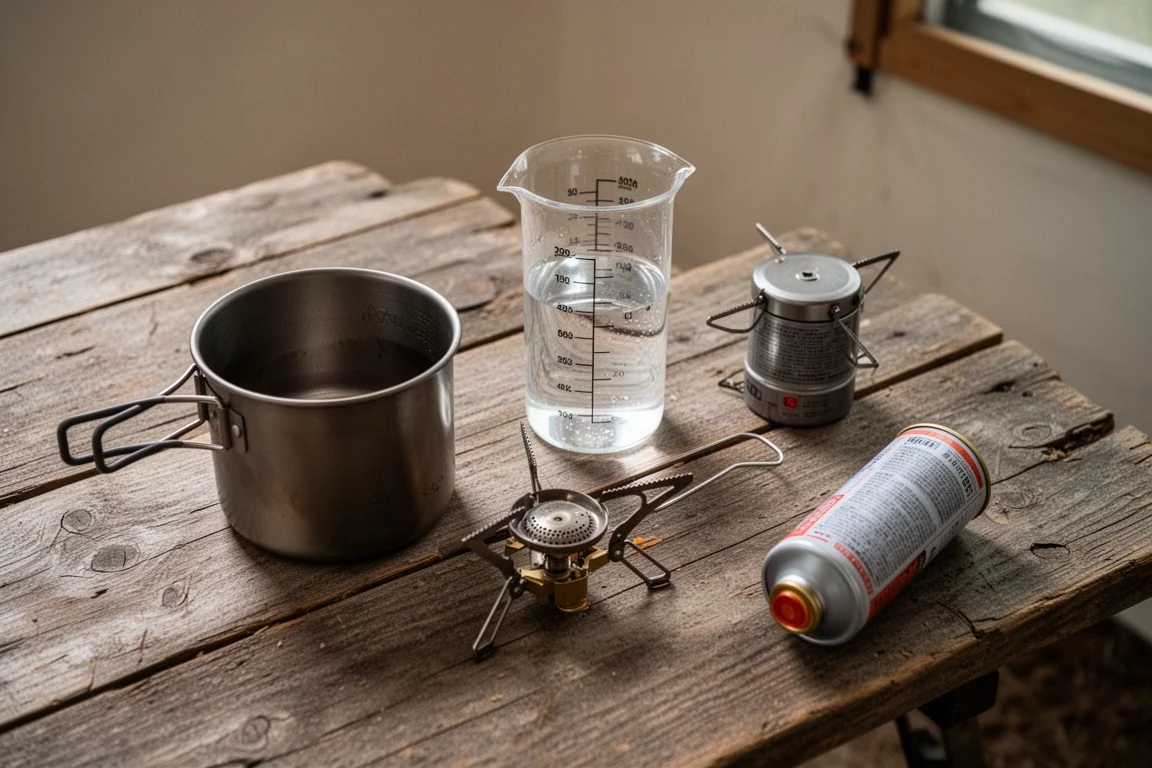
One detail is worth knowing about that cold test. Canister fuel is a propane and isobutane mix, and the two gases boil at different temperatures, minus 4 degrees Celsius for propane and minus 12 degrees Celsius for isobutane. Keeping the canisters above minus 12 degrees Celsius meant both gases stayed in play, so the results reflect the full fuel mixture rather than propane boiling off first.
MSR Pocket Rocket Deluxe: Wind Performance and Speed
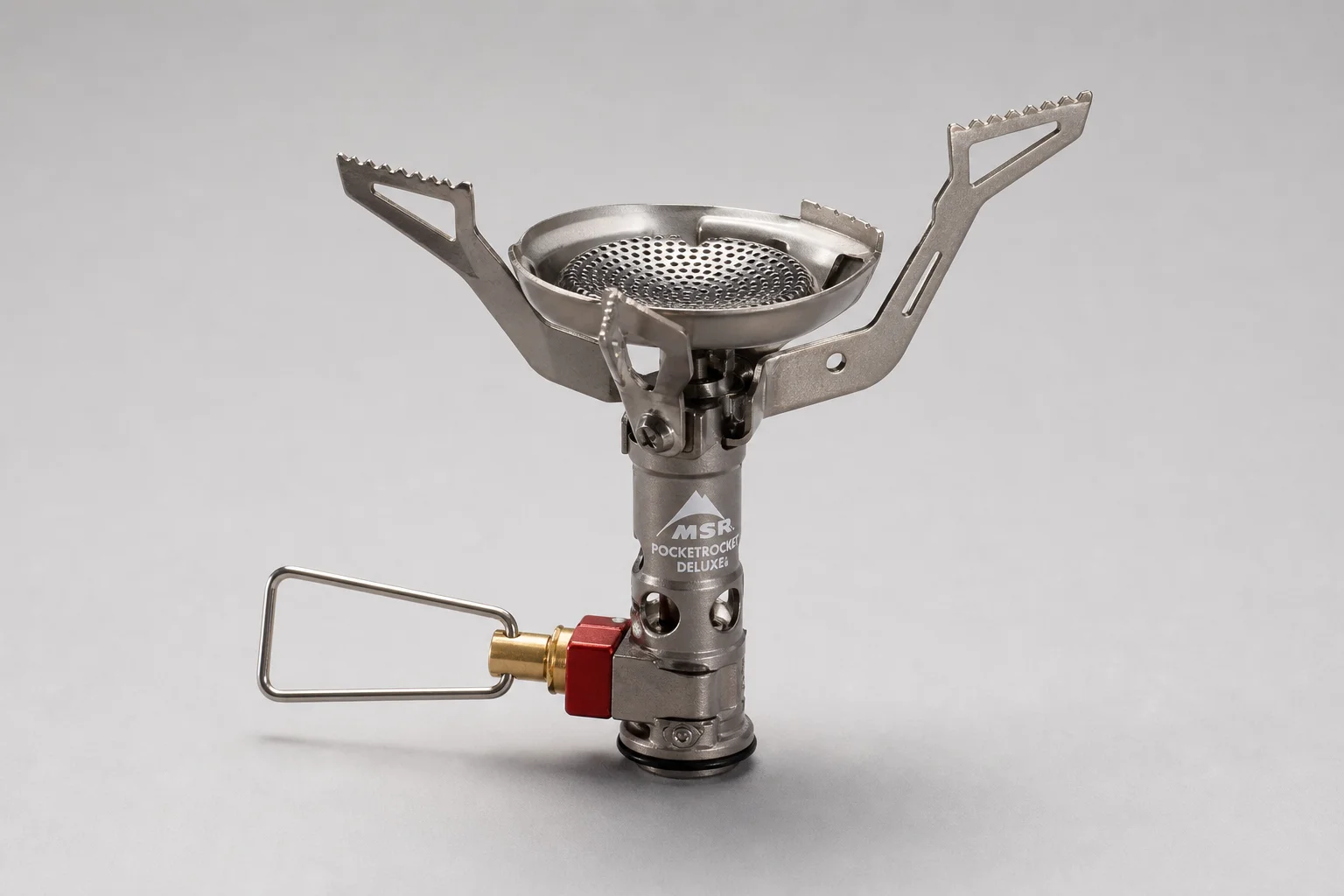
The Pocket Rocket Deluxe was the faster stove in the standard boil, reaching 80 degrees Celsius in 2 minutes 2 seconds, about 13 seconds ahead of the WindMaster. It used slightly more fuel to get there, 8.2 g against 7.6 g, a gap of roughly 8 percent. That is a fair trade for most people: a marginally quicker boil in exchange for a fraction of a gram of gas.
The wind test is where it separated itself. With the fan running at about 12.5 km/h, the Pocket Rocket Deluxe finished in 5 minutes 48 seconds, while the WindMaster needed 8 minutes 21 seconds. Fuel use followed the same pattern, at 23 g against 26.6 g. That is a striking result for a stove that does not carry wind in its name, and it suggests the burner retains more of its heat when air is moving across the pot.
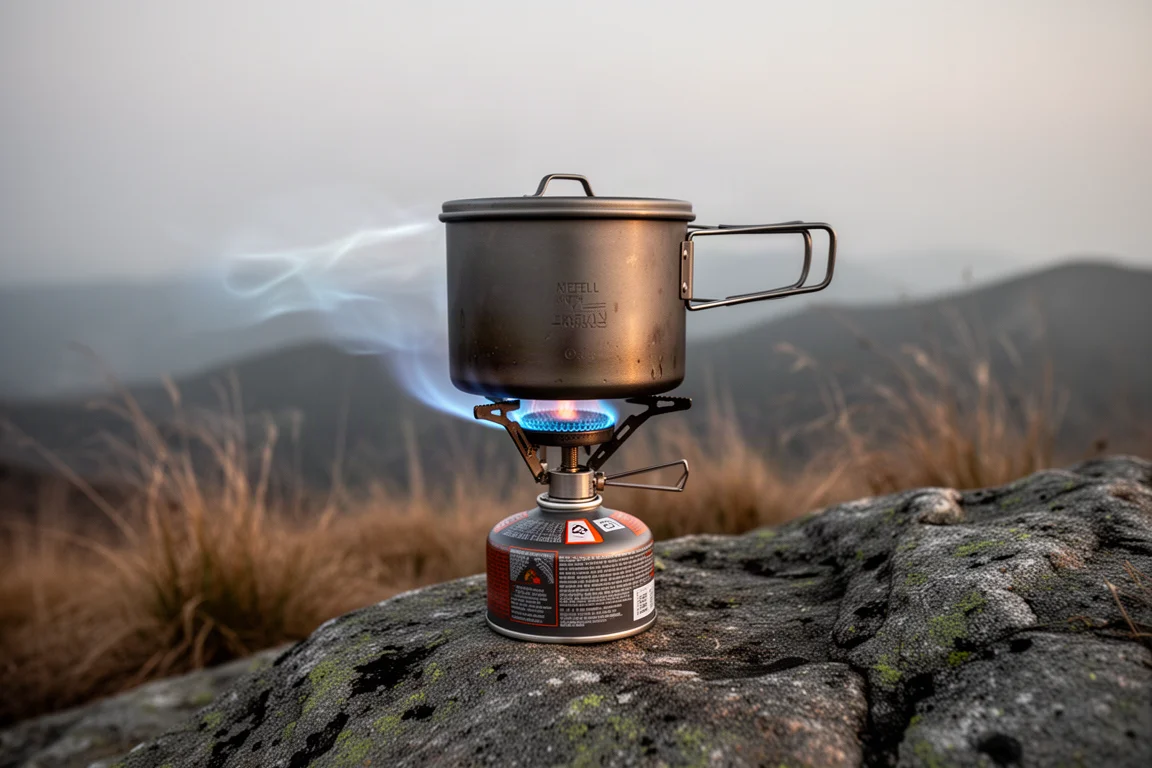
The large-volume test pointed the same direction. Boiling 1.5 liters took 4 minutes 2 seconds on the Pocket Rocket Deluxe and 4 minutes 57 seconds on the WindMaster, yet fuel use was nearly identical at 16.5 g and 16.1 g. Faster boiling without a meaningful fuel penalty is exactly what you want when you are cooking for two or melting snow.
Soto WindMaster: Fuel Efficiency and Cold Weather
The WindMaster’s clear strength is fuel economy. It used about 8 percent less fuel in the standard boil, and in the cold test it matched its rival’s boil time while burning noticeably less gas: 8.9 g against 11.5 g, with times of 2 minutes 12 seconds and 2 minutes 9 seconds. For a stove working from a chilled canister, that is a meaningful advantage on multi-day trips where every gram of fuel has to be carried on your back.
The trade-off shows up in moving air. The WindMaster was slower and thirstier in the wind test, and it was also slower to bring 1.5 liters to a boil, even though its fuel use in that test was effectively the same as the other stove’s.
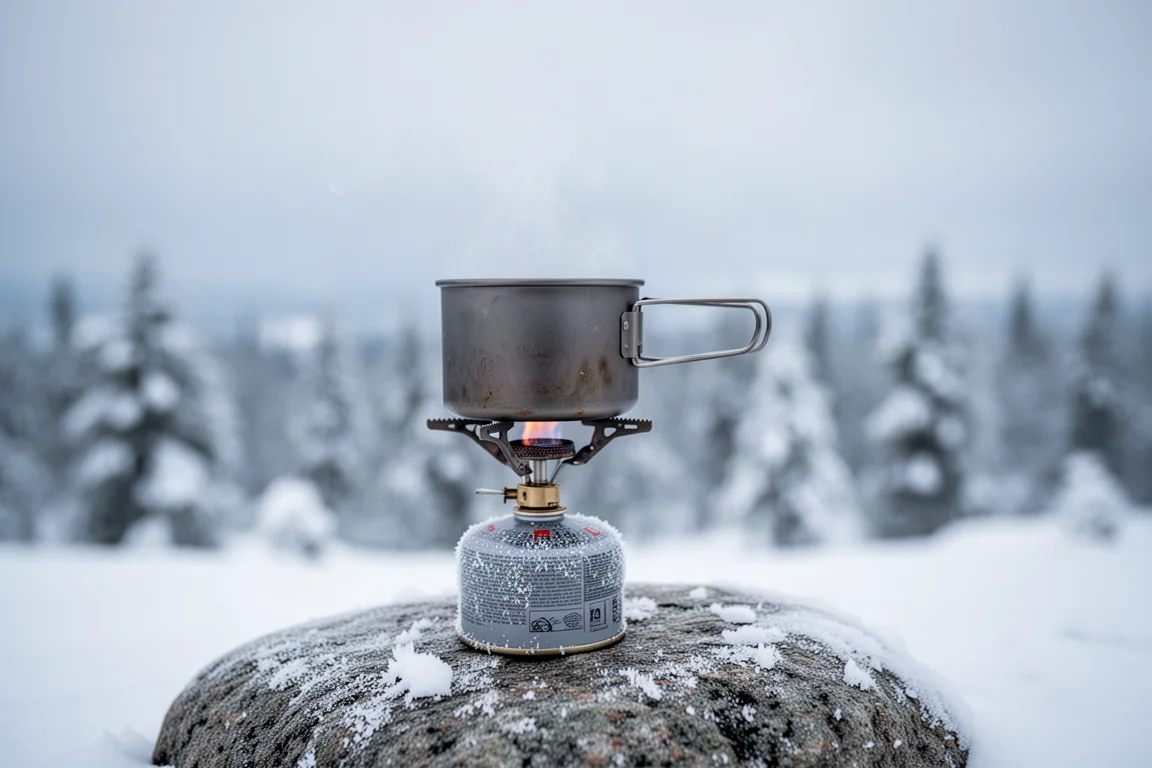
Both stoves are regulated, and both handled a minus 9 degrees Celsius canister without drama. Neither is a sensible choice below roughly minus 12 degrees Celsius, where an inverted-canister stove or a white gas stove becomes the better tool for the job.
Overall Buying Advice
In ordinary three-season conditions the two stoves are close enough that the difference will not register on a typical trip. Both light easily, both boil at a similar pace, and both consume fuel within a few grams of each other. If you only ever cook in sheltered campsites on mild evenings, pick whichever one you find at a better price and do not look back.
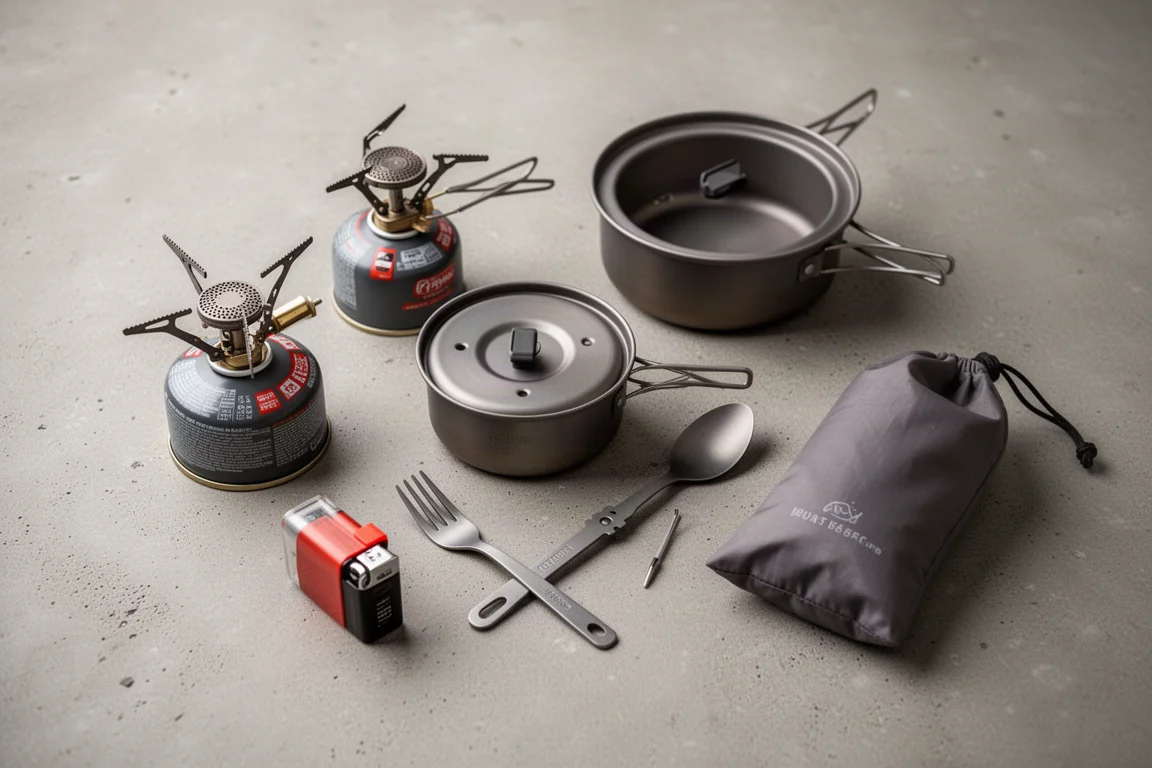
The decision really comes down to the conditions you expect. If your trips involve exposed campsites, ridgelines, or cooking in a breeze, the Pocket Rocket Deluxe’s wind performance is the more valuable trait, and its faster large-volume boil adds convenience for group cooking. If your trips run cold, or you want to stretch a single canister across as many days as possible, the WindMaster’s cold-weather fuel economy is the better match. Neither choice is a compromise in the usual sense, because both stoves are competent performers. You are simply picking which set of difficult conditions you would rather have covered.
Conclusion
These two stoves are close competitors for good reason, and the testing makes that clear: in mild, sheltered conditions they behave almost identically, with boil times and fuel figures separated by seconds and grams. The split only appears at the edges, where the Pocket Rocket Deluxe wins on speed and wind resistance while the WindMaster wins on fuel economy with a cold canister. Match that single deciding factor to the trips you actually take, and you will end up with a stove that feels right rather than one you second-guess.
Further reading
Related Reviews
Backpacking Stoves
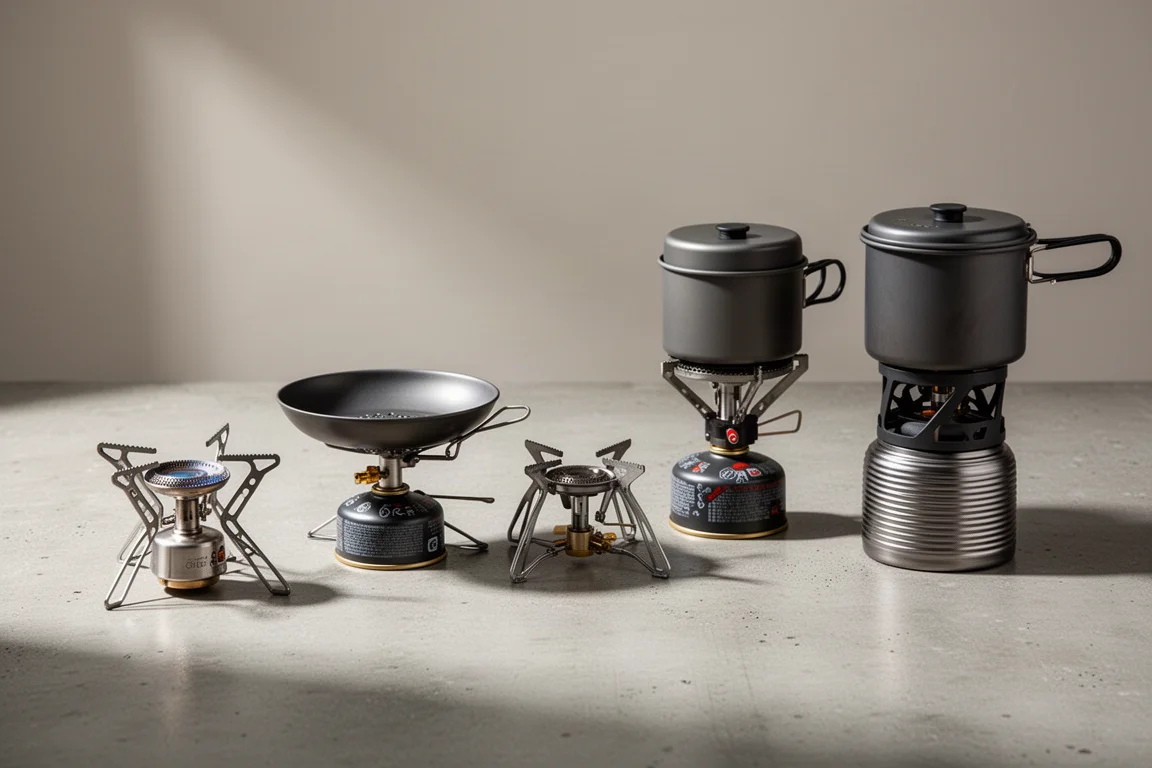
Best Backpacking Stove and Pot Combinations: Budget to Premium
A practical look at fourteen backpacking stoves and cook pots, from inexpensive starter pairings to windproof all-in-one systems that cost close to $200.
Backpacking Stoves
Best Backpacking Stove Systems: Five Canister Stoves Compared
Five canister stove and pot systems compared on wind resistance, boil speed, packed size, and cooking control, from a bare titanium burner to a fully integrated cook system.
Backpacking Stoves
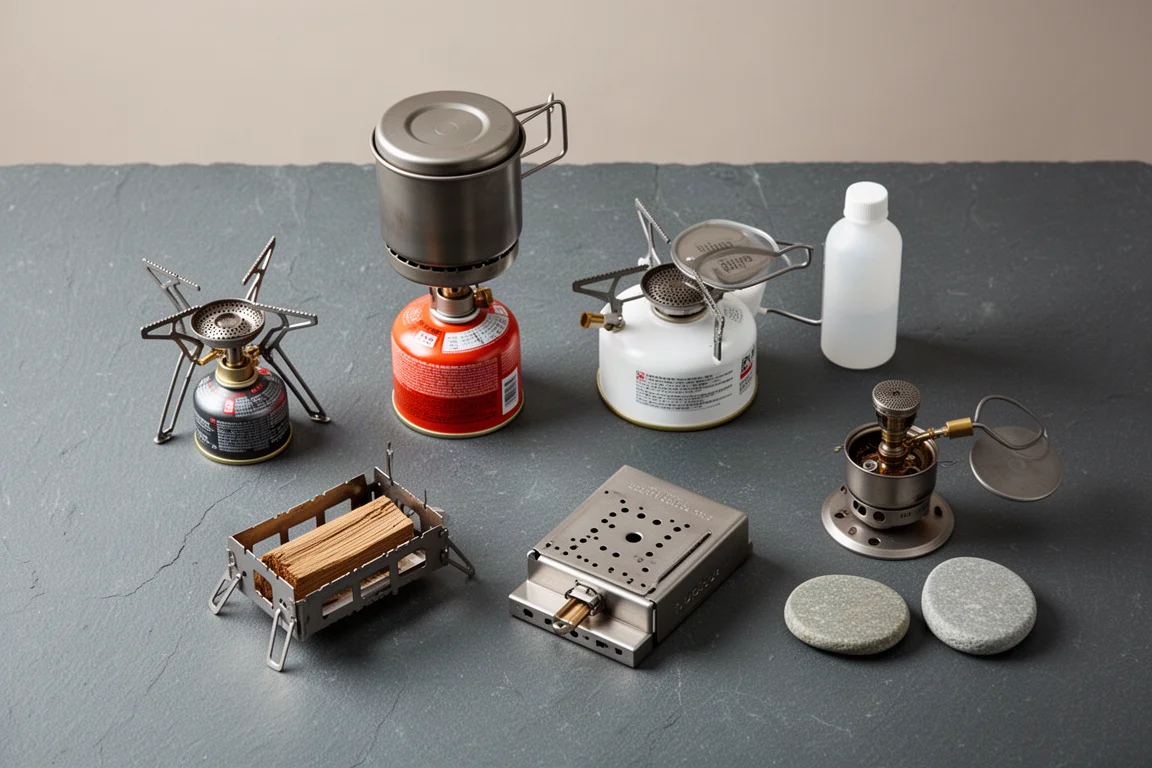
Best Backpacking Stoves 2026: Six Stove Types Compared and Ranked
A practical comparison of canister, white gas, wood burning, solid fuel, and alcohol backpacking stoves, ranked on speed, weight, fuel availability, and cost.