Hiking Gear
Mountain Equipment Waterproof Gear Roundup: Four Layers Worth Knowing
Four Mountain Equipment waterproof pieces, from packable overtrousers to a down-insulated shell, with the strengths and trade-offs to weigh before buying.
Introduction
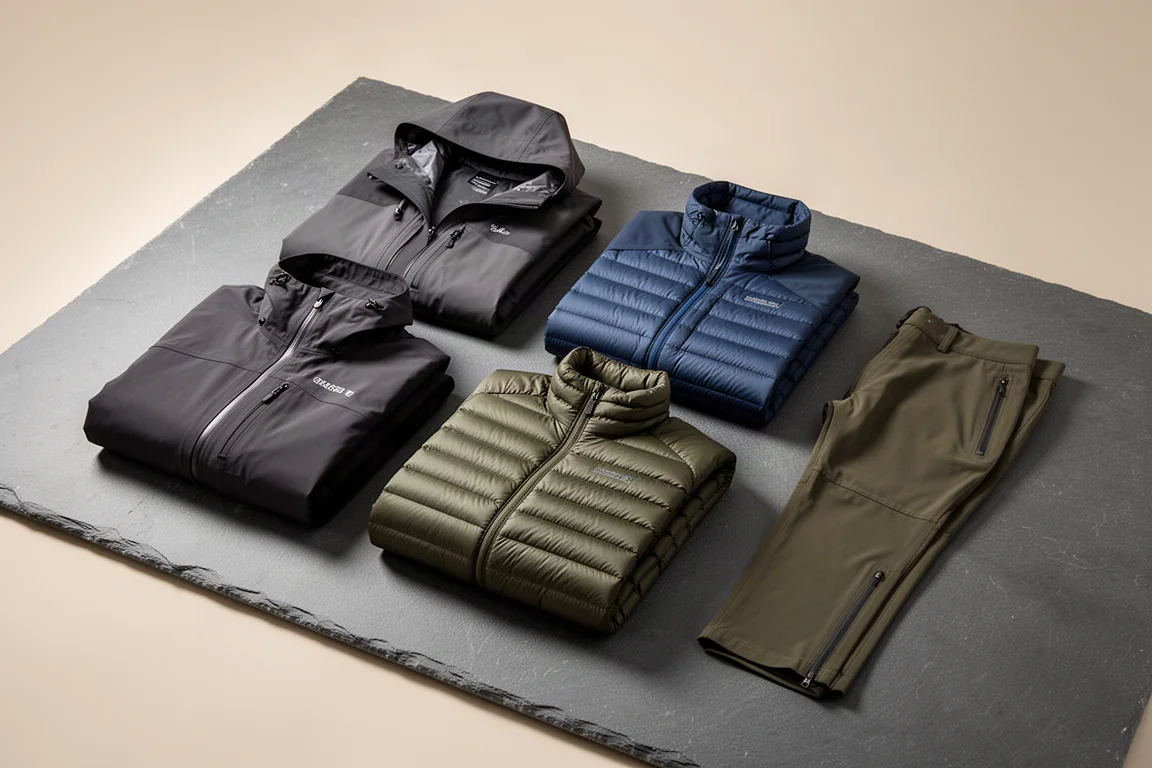
Mountain Equipment builds clothing for genuinely rough weather, and end-of-line stock from specialist clearance retailers can bring those pieces down to prices that make them far easier to justify. The four items below cover most of a wet-weather layering system: two three-layer waterproof jackets with quite different characters, an insulated waterproof jacket for cold and wet days, and a pair of lightweight overtrousers that pack down small.

Each of these is a waterproof piece rather than a water-resistant one, and each solves a slightly different problem. That makes this less a question of picking a single winner and more a question of matching the layer to the conditions you actually walk in, and to how much weight you are willing to carry.
What to Look For in Discounted Mountain Equipment Gear
Construction is the first thing to check. A three-layer build bonds the waterproof membrane to both an outer face fabric and an inner lining, which is what gives these jackets and trousers their durability and their reliable protection in sustained rain. Three-layer pieces also tend to feel drier against the skin than simpler builds.
Weight and packed size come next. The overtrousers here come in at 310 grams and the lightest jacket at 390 grams, so rain protection does not have to be a burden in the pack. Heavier, insulated options trade that lightness for warmth.
Finally, look at the details that decide whether a piece gets used: full-length zips for getting overtrousers on over boots, pit zips for venting on a climb, hood adjustment that actually cinches around the face, and pocket layouts that suit how you carry gloves and a phone. Fit matters too, since some of these jackets use an active cut that is deliberately close.
Mountain Equipment Odyssey Pants
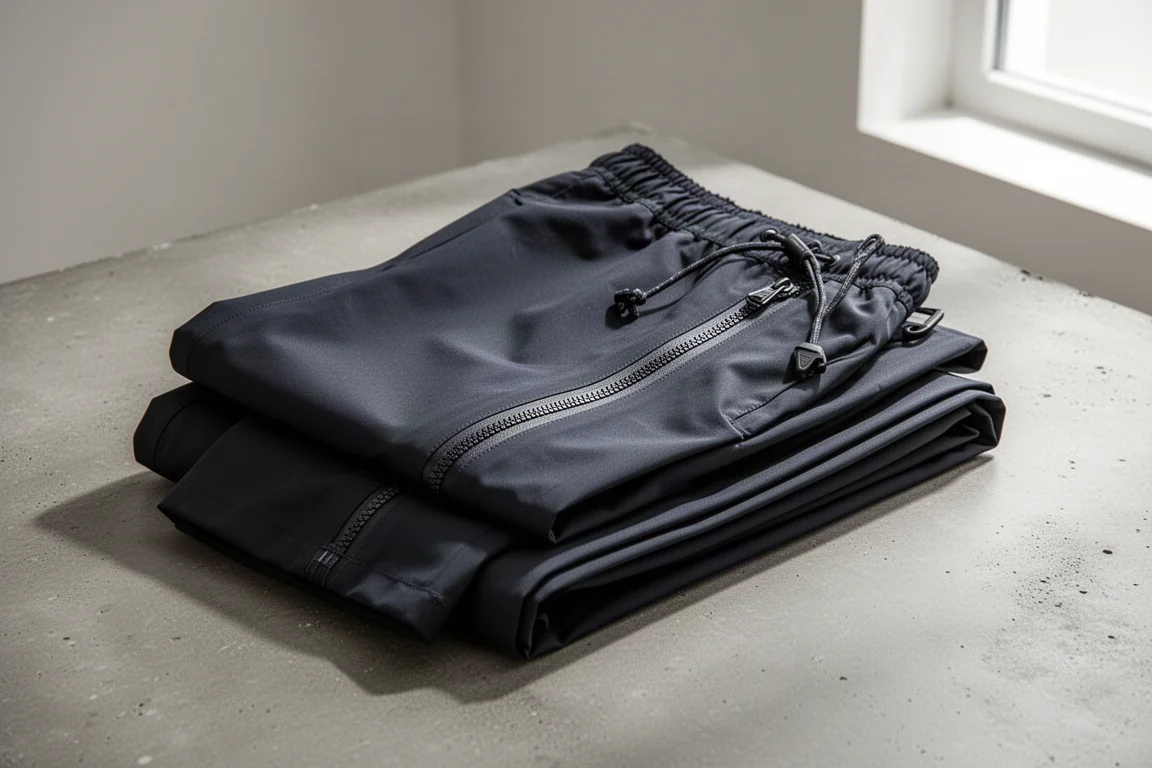
These are waterproof overtrousers with a three-layer build, and the detail that stands out is the zip arrangement: the side zips run from the bottom hem right to the top, which makes them quick to pull on and off without removing boots. There is an adjustable clip at the side and an elasticated drawstring waist to fine-tune the fit over a baselayer or trousers.
At 310 grams they pack down very small, which removes the usual excuse for leaving rain protection behind. In practice that means they can live in the bottom of a pack all year and be forgotten about until the weather turns.
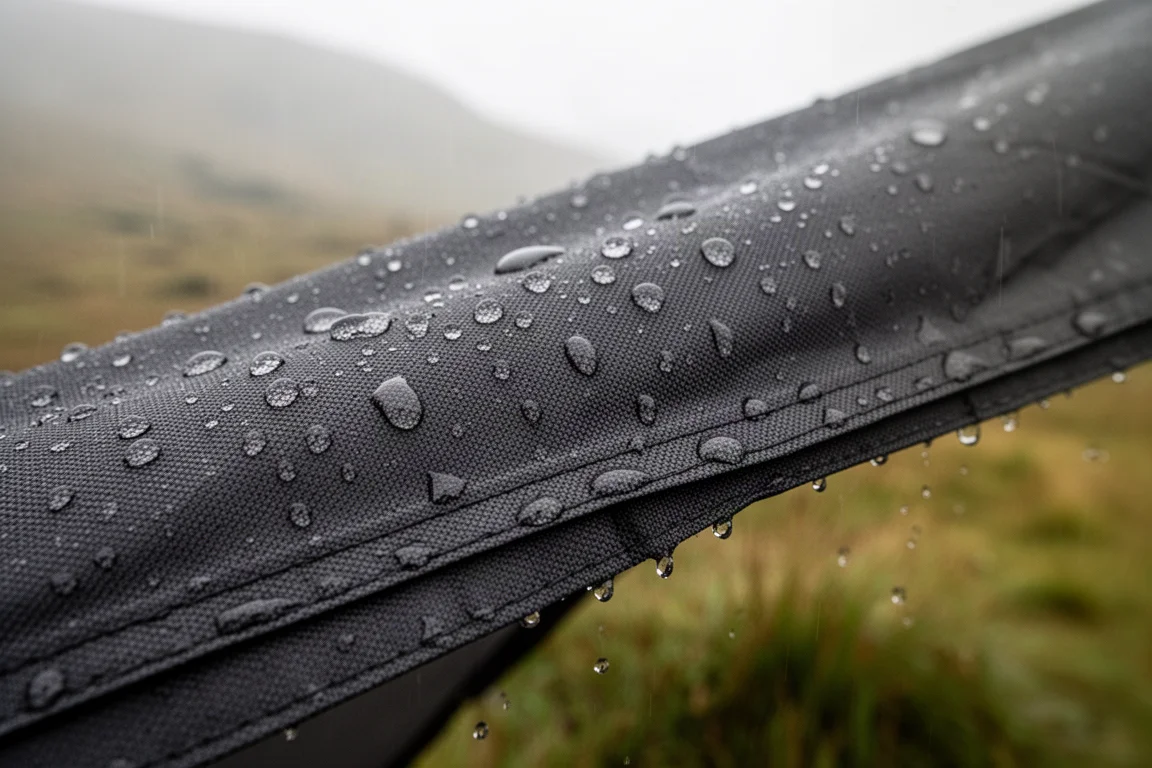
They suit walkers who want dependable leg protection without adding noticeable weight, and the full-length zips are the feature that makes them genuinely practical on a wet, windy summit.
Mountain Equipment Orbital Jacket
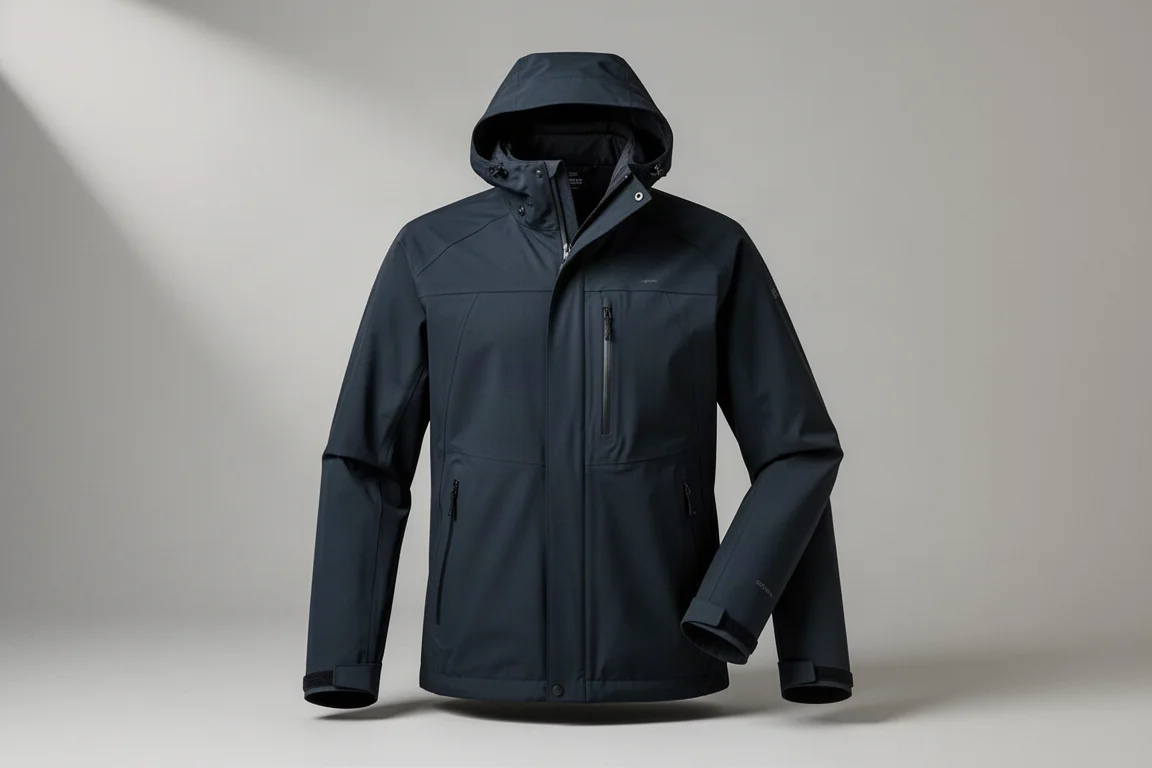
The Orbital is a three-layer waterproof jacket built from a noticeably stretchy fabric. It is not a softshell and it is not a traditional hard shell either, which is exactly the point: the stretch lets it move with you when you are working hard in wet weather, so it feels less restrictive than a stiff shell on steep ground.
It weighs 430 grams and carries an internal pocket plus two hand-warmer pockets. There is adjustment at the hem and at the cuffs, and the hood has plenty of adjustment along with a small peak, which is useful when you are moving fast and want the hood to stay put. Pit zips are included for venting during hard efforts.
Mountain Equipment Triton Jacket
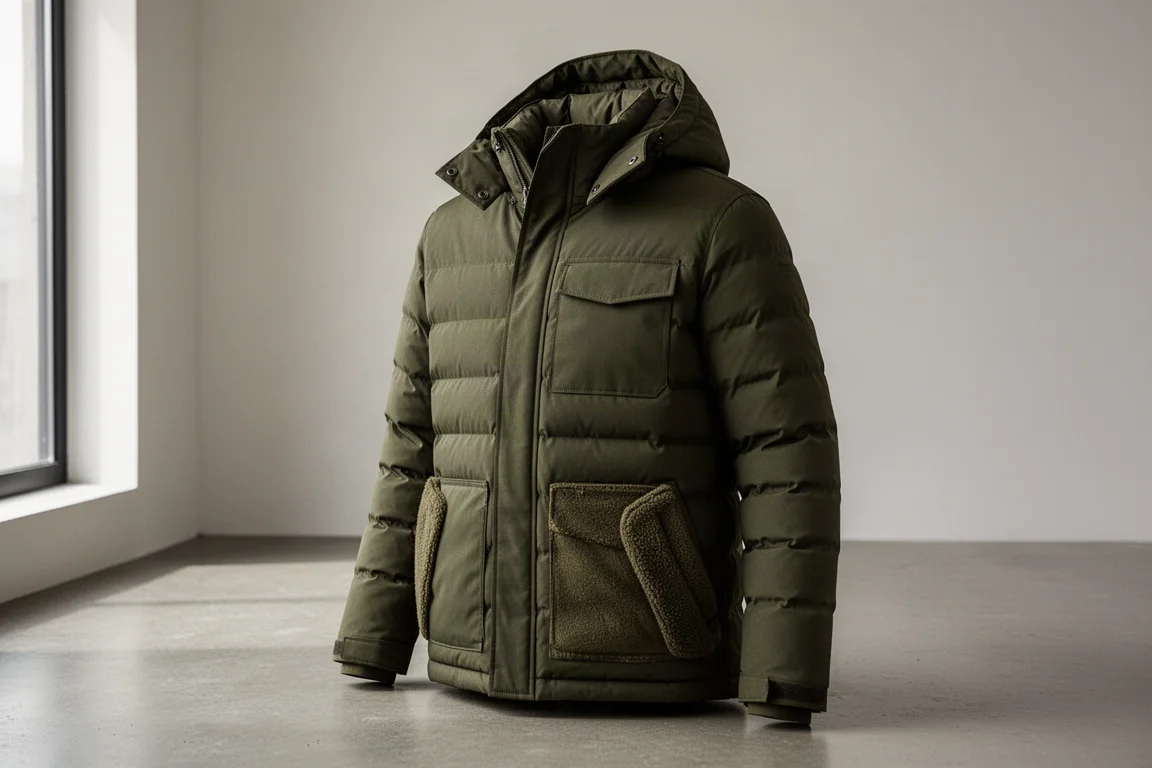
The Triton takes a different approach: a two-layer waterproof shell with a down filling inside, using 192 grams of 750 fill power down. The result is a single jacket that handles both the cold and the rain, which is often exactly what is needed on a winter hill where a shell plus a separate midlayer would feel bulky and fiddly.
The overall weight is 850 grams, so it is a deliberate piece rather than a lightweight one. The two hand-warmer pockets are lined with thick pile fleece, and there is an outer chest pocket and an inner chest pocket as well. Sleeve and hem adjustments are present, and the hood is well shaped. It is also offered in a colour that stands out a little from the usual dark shells.

Because of that weight, it earns its place on genuinely cold, wet days rather than as an all-season jacket, and it is the piece in this group to reach for when the forecast is sleet rather than showers.
Mountain Equipment Odyssey Jacket
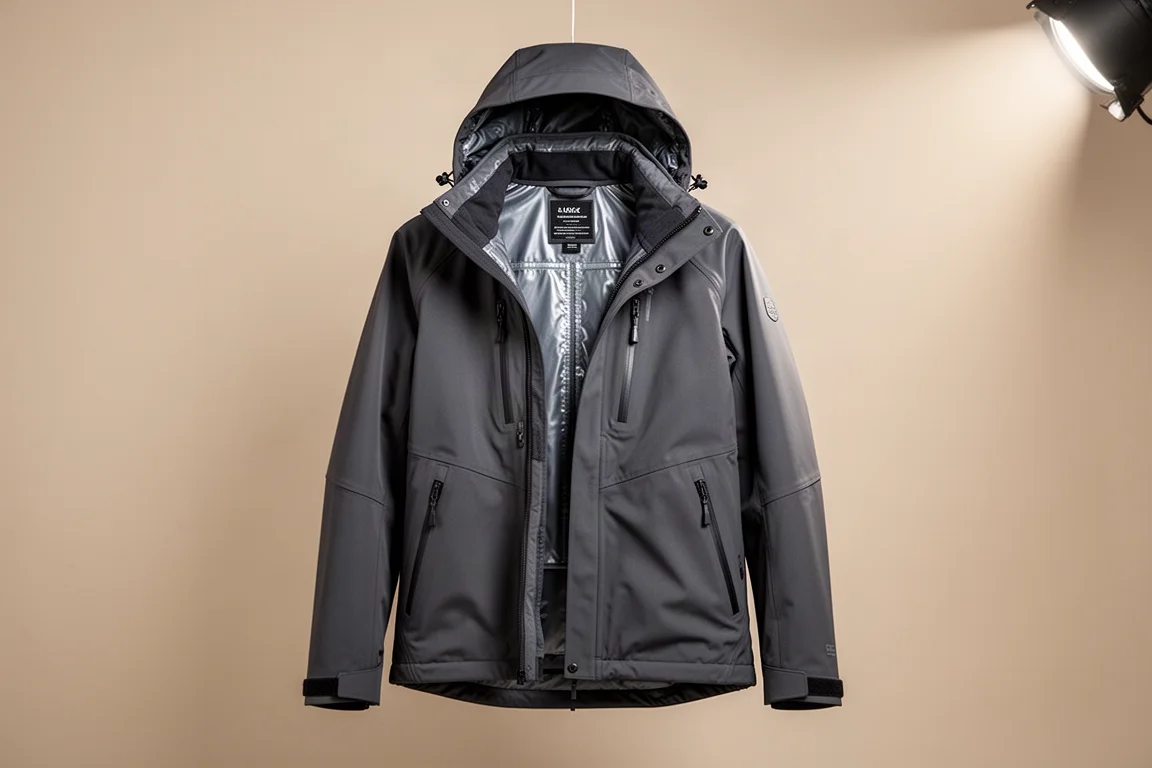
This is the traditional option: a three-layer hard shell with fully taped seams, a 390 gram weight and a straightforward, technical feel. It has pit zips for venting and two hand-warmer pockets, but no chest pockets, which keeps the front clean.
The hood is fully adjustable and cinches in nicely around the face. The fit is an active one, so it is close through the body and best suited to a slim layering setup rather than thick midlayers underneath. It packs down small for a jacket of this level of protection, which makes it a sensible choice for trips where you want a serious shell without much bulk.
Buying Advice: Getting the Most from Clearance Stock
Clearance stock is where these prices come from, and the trade-off is availability. Sizes and colours move quickly, so if the right combination appears, it is usually better to decide rather than to come back to it in a few days. Signing up for retailer emails is worthwhile, since the widest selection and the best access to new stock typically come through those lists. Sizing deserves a moment of thought as well, particularly with the active fit on the Odyssey Jacket, where a closer cut is intentional.
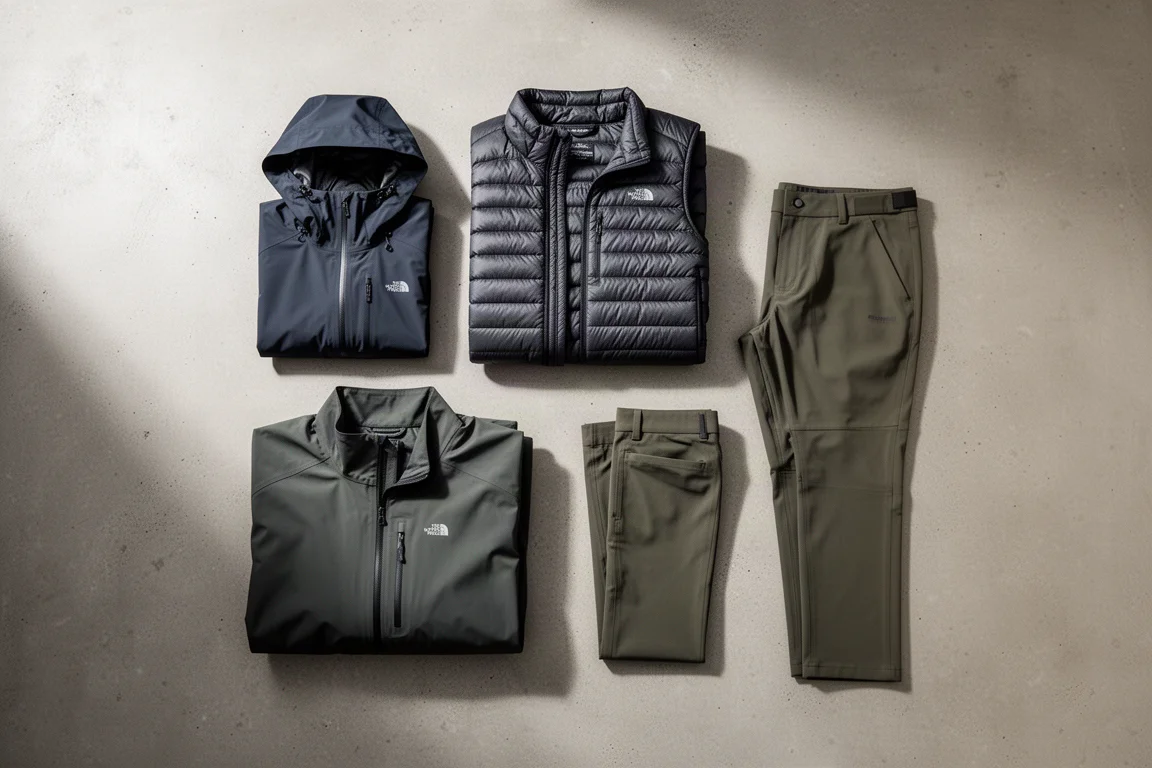
As a way to decide between them: the Odyssey Pants cover your legs for very little weight, the Orbital is the one for fast, active days in the rain, the Odyssey Jacket is the dependable technical shell, and the Triton is the pick for cold and wet conditions where warmth and protection need to arrive together. For reference, the overtrousers were picked up at 40 pounds against a 150 pound list price, the Orbital at 55 pounds from 260 pounds, the Triton at 90 pounds from 350 pounds, and the Odyssey Jacket at 75 pounds from 250 pounds.
Conclusion
These four pieces cover the wet-weather essentials well, and each one has a clear role rather than overlapping with the others. If you walk in changeable conditions, the overtrousers and a three-layer shell are the foundation. If you head out in winter, the insulated Triton removes the need to juggle a separate midlayer in the rain. Whichever direction you take, the value here comes from buying a serious mountain layer at a clearance price, and the main thing to accept is that stock will not wait around.
Further reading
Related Reviews
Hiking Gear
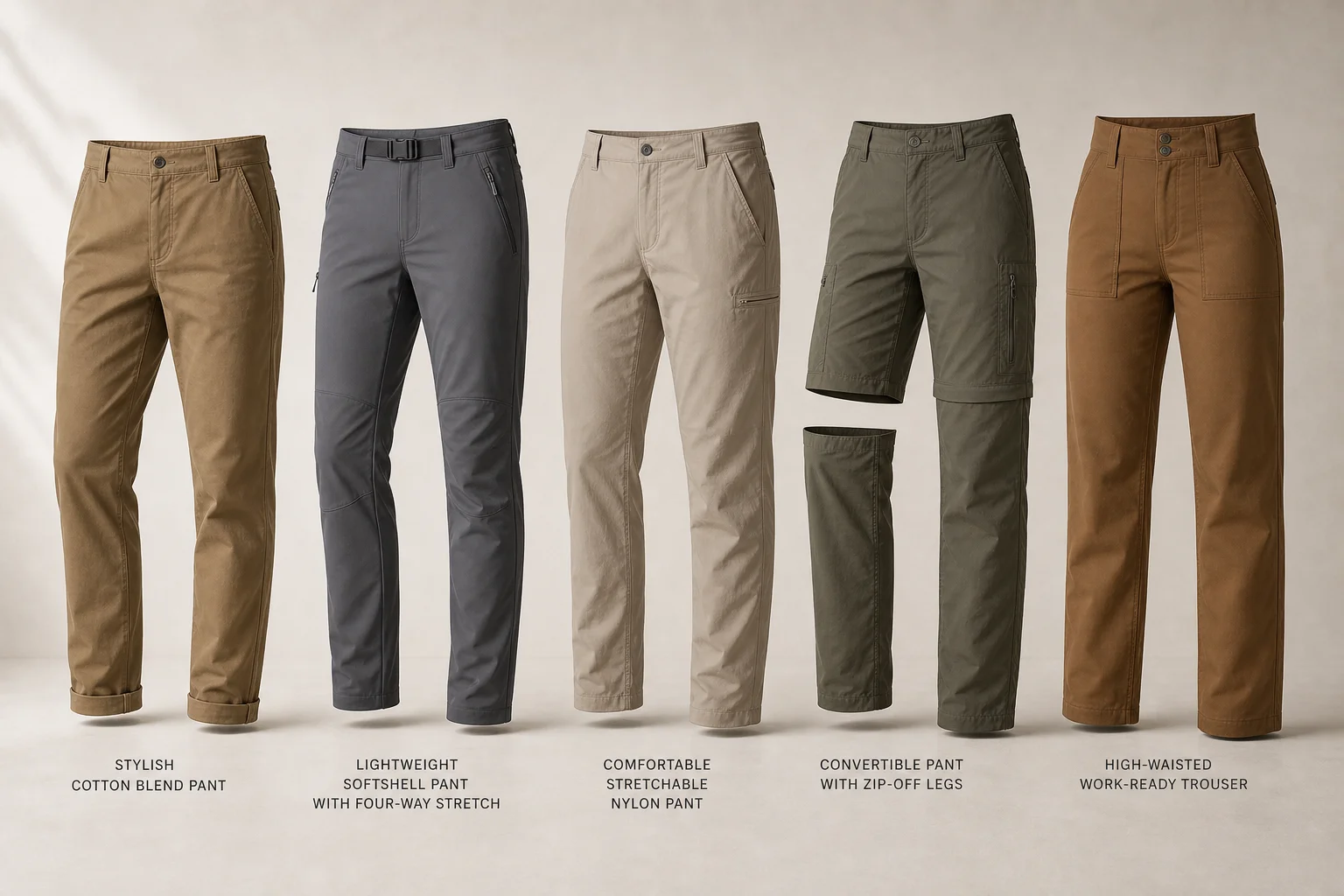
Best Hiking Pants on Amazon: Five Practical Options for Different Needs
A practical review of five hiking pants with clear strengths and trade-offs, from lightweight convertible styles to durable work-ready trousers.
Hiking Gear
Best Hiking Poles 2026: Five Options for Different Trail Needs
A practical review of five hiking poles, from lightweight carbon designs to versatile all-terrain options, with clear strengths and trade-offs for each.
Hiking Gear
Best Hiking Socks 2026: Five Top Choices for Different Trail Needs
A practical roundup of five hiking socks, from lightweight merino options to heavy-duty compression styles, with clear guidance on which suits your outdoor activity.