Power Tools
4 Impact Drivers Tested for Raw Power: Kobalt XTR vs Flex, Milwaukee, and DeWalt
Four 24V-class impact drivers go head to head on torque, heat management, and size, and the results reshuffle the rankings.
Introduction
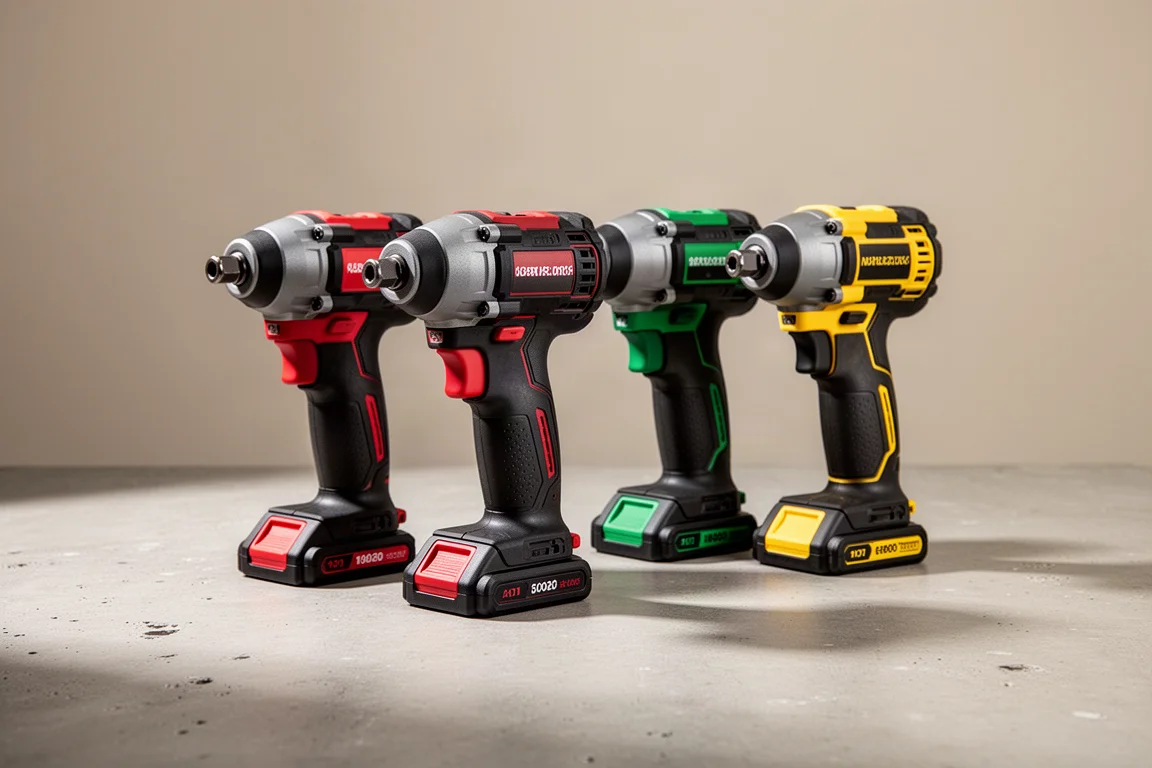
Torque is not the only reason to buy an impact driver, but it is the one number you can actually measure. On a test bench, it turns marketing claims into something concrete, and it separates the tools that can loosen a stubborn bolt from the ones that can only drive screws. Four drivers sit at the center of this comparison: the Kobalt XTR, the Flex Quick Eject, the Milwaukee M18 Gen 3, and the DeWalt DCF850B Atomic. Two of them make the boldest torque claims in the category, one is a proven all-rounder, and one is the shortest of the bunch. Here is how they stack up when the work gets hard.
How We Compare Impact Drivers
The comparison focuses on measured torque in five-second and ten-second runs, both forward and reverse, with multiple repetitions to check consistency. Heat behavior matters too: a driver that shuts down or loses power on back-to-back runs loses practical value on real job sites. Size, price, and how much performance you get per inch of length all factor into the final picture.
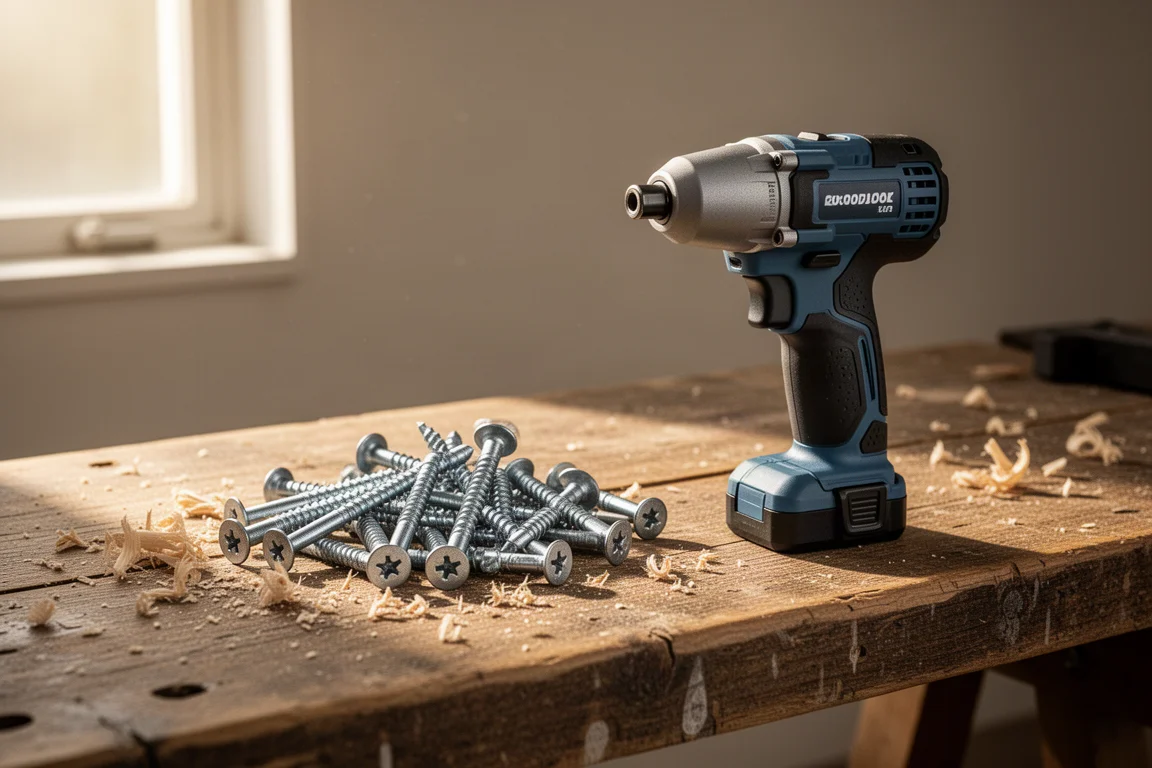
One thing worth knowing up front: raw power rankings and everyday rankings do not always agree. Drivers with higher impact rates get screws and small fasteners started faster, while drivers with flatter, more persistent torque curves keep climbing when the load is already heavy. Both matter, depending on the work.
Kobalt XTR KKXID1424A-03 Impact Driver
The Kobalt XTR has earned an internet reputation as one of the most powerful impact drivers you can buy at any price, and the measurements back it up. It advertises 2,400 inch-pounds of torque, or 200 foot-pounds on the dot, which until recently was the boldest claim of any impact driver on the market. In ten-second forward testing, it hit 223 foot-pounds, the highest number of the group, and in reverse it managed 204 foot-pounds with a notably linear torque curve that keeps climbing as fasteners get tighter.
It is sold only as a kit at Lowe’s for around $179, which includes a charger and a 4Ah battery with 21700 cells. That price is remarkable given the output: it retails for about what a far lower-rated compact driver kit costs. The trade-offs are size and weight. At 5.5 inches long, it is noticeably longer than the Milwaukee Gen 3 at 4.59 inches and the Flex at 4.69 inches, and it carries roughly half a pound more heft than a similarly sized competitor. It also had a strong smell out of the box, like hot plastic left in the sun, though that faded with use.
Where the XTR genuinely separates itself is heat and endurance. In repeated max-power runs it never got as warm as the Flex or even the Milwaukee, spreading its output over more mass and staying ready for more work. If your tasks involve large lag bolts or breaking loose already-tightened fasteners, this is the tool most likely to finish the job. It took first place overall in the combined ranking, tied with its Flex sibling, and it is arguably the better pick of the two for long, hard sessions.
Flex Quick Eject 24V Impact Driver
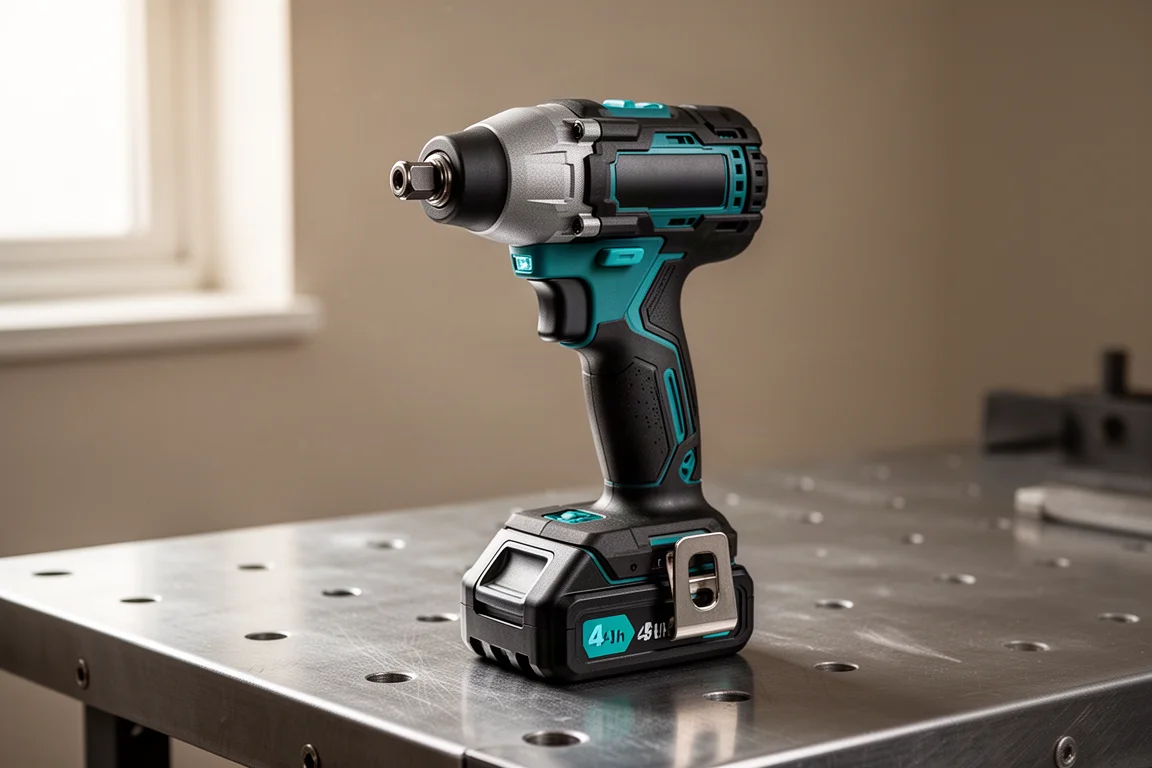
The Flex Quick Eject is the current torque champion on paper, advertising 2,500 inch-pounds from a smaller package than the Kobalt. In practice, it made all that power in a hurry, snugging fasteners up quickly with 4,450 impacts per minute. In reverse testing it posted 211 foot-pounds, beating the Milwaukee’s 181 and delivering more torque than some full-size compact impact wrenches. In forward runs it reached 205 foot-pounds, second only to the Kobalt’s 223.
Its weakness is thermal. During back-to-back max tests, the Flex overheated and shut down or made less power on subsequent runs, needing more than 20 minutes to recover. It clearly loves short, brutal bursts more than sustained abuse. For driving fasteners from zero torque, such as screws or small lag bolts, its high impact rate lets it lead early and drive quickly.
Like the Kobalt, it is only available as a kit, at $249, and it comes from the same parent company, Chervon. The two are close enough in performance and voltage to be somewhat interchangeable in practice, but the Flex is the more compact option at 4.69 inches, and it is the pick if you want maximum power in a shorter body and mostly work in shorter bursts.
Milwaukee M18 2853-20 Gen 3 Impact Driver
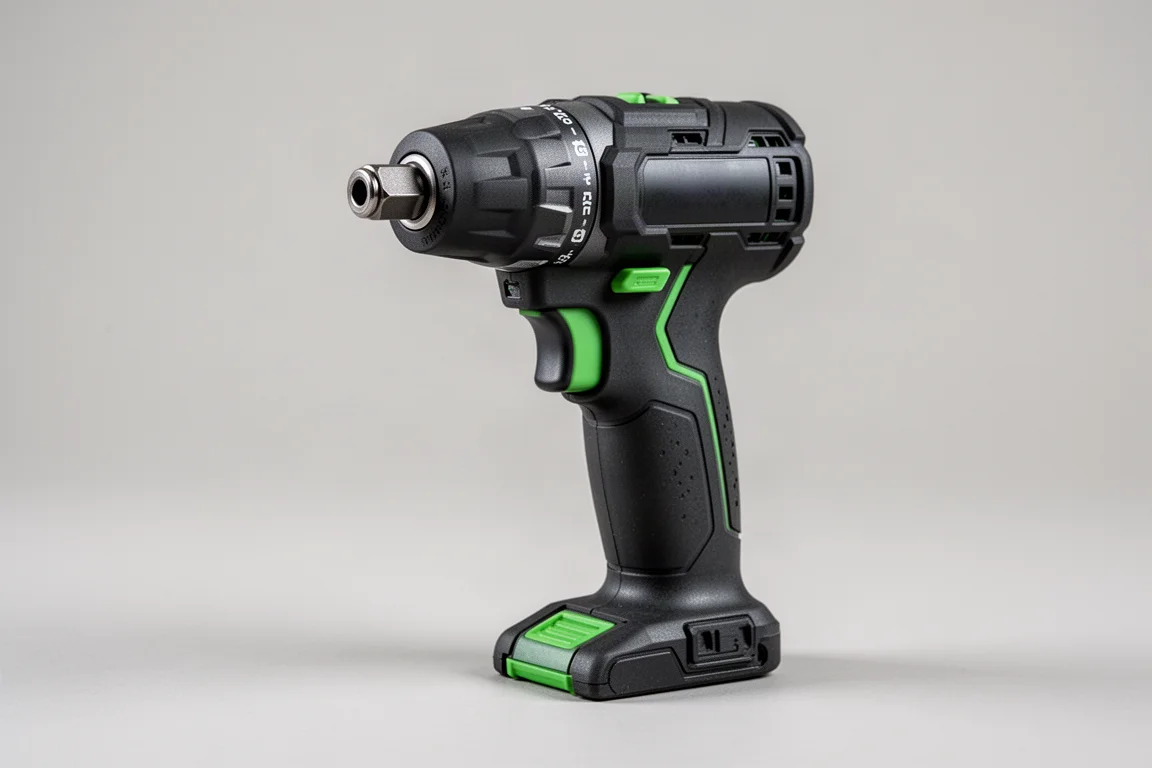
The Milwaukee M18 Gen 3 is the veteran of this group, a tool with a long-standing reputation for being trustworthy rather than headline-grabbing. It advertises 2,000 inch-pounds, and its five-second forward test landed at exactly 167 foot-pounds, which converts precisely to that 2,000 inch-pounds rating. Reverse testing produced 181 foot-pounds, and in the ten-second forward run it reached 188 foot-pounds. Those are solid, consistent numbers that never quite catch the Chervon-built pair above.
What the Milwaukee offers instead is the shortest body of the three full-power drivers here, at 4.59 inches, and 4,300 impacts per minute that give it a quick start on lighter fasteners. It also handled repeated testing without complaint, staying cooler than the Flex across runs. Its heavier torque output arrives early in the curve, which makes it a strong everyday driver for fastening work rather than a specialist breaker of frozen bolts.
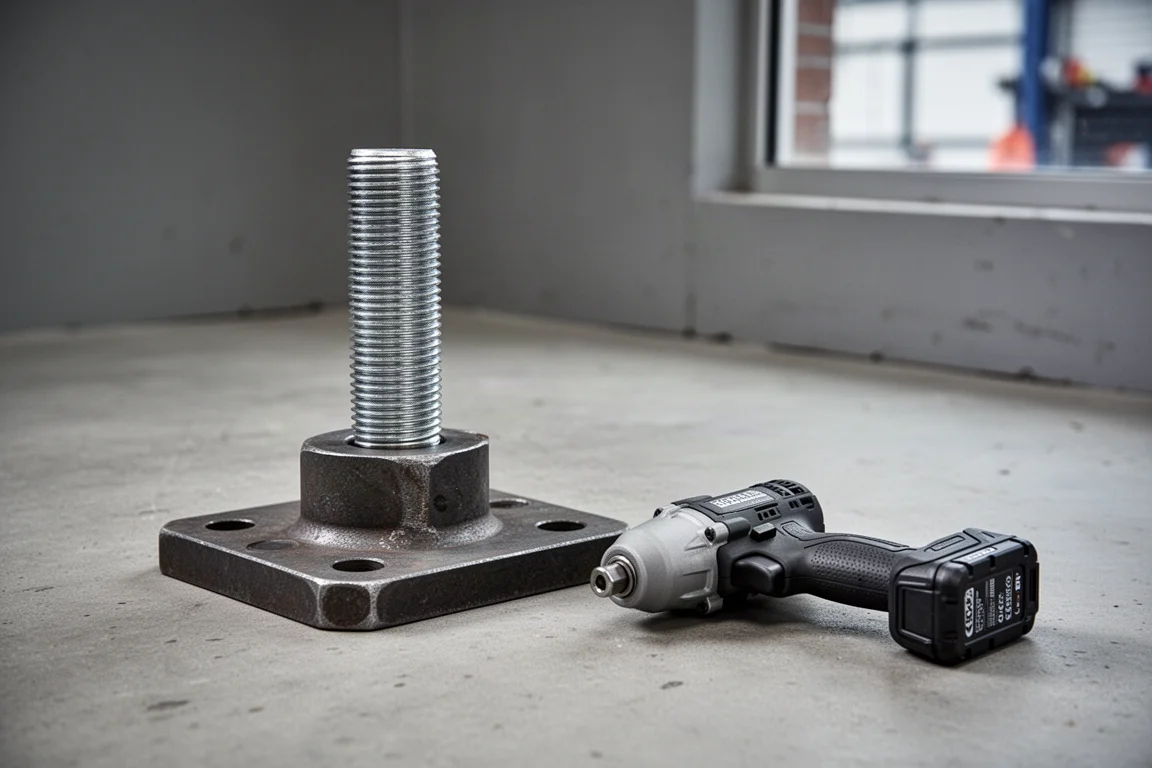
For buyers invested in the M18 platform, the Gen 3 remains an easy recommendation: compact, proven, and predictable, even if the newest claim-heavy rivals now out-measure it.
DeWalt DCF850B Atomic Impact Driver
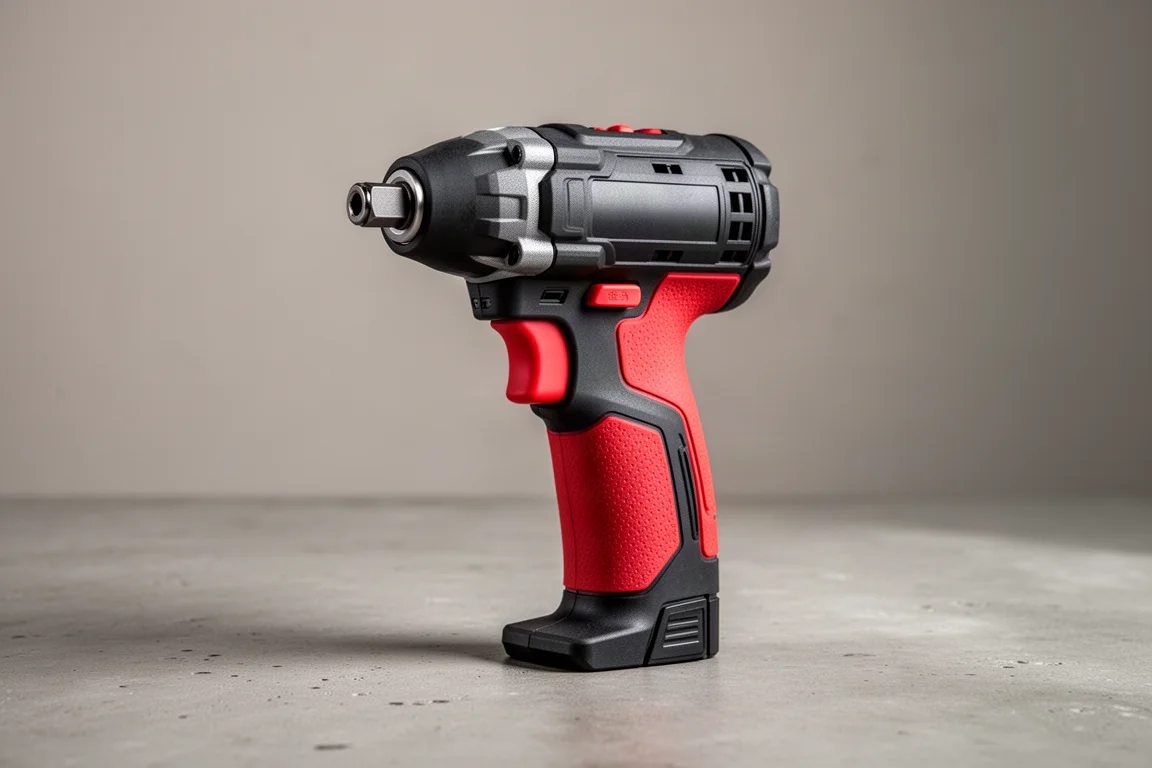
The DeWalt DCF850B Atomic is the shortest tool in this comparison by a wide margin, and its whole value proposition is mobility in tight spaces. It does not chase the 2,000-plus inch-pound claims of its rivals, and the combined ranking places it below the three larger drivers on power. What it delivers instead is a dramatically compact head that fits where longer tools simply cannot reach, a direction the whole industry is moving as housings shrink around modern battery technology.
It is sold as a bare tool, which matters if you already own DeWalt batteries. For a driver meant to live in a bag and get pulled out for finish work, cabinetry, and mechanical tasks in cramped spaces, the Atomic formula makes a lot of sense. It is the right choice when access, not torque, is the limiting factor.
Overall Buying Advice
Pick the Kobalt XTR if you want the most measured power per dollar and you regularly break loose tight or large fasteners; at around $179 for the kit, its performance is exceptional value, with the caveat of a longer, heavier body. Pick the Flex Quick Eject if you want similar maximum output in a shorter tool and mostly work in short bursts, accepting the $249 kit price and its tendency to overheat on repeated max runs. Pick the Milwaukee M18 Gen 3 for a compact, reliable daily driver in an established battery platform. Pick the DeWalt Atomic when tight access matters more than raw torque, especially if you already own DeWalt batteries.
Conclusion
Bench testing confirmed the internet’s suspicion: the Kobalt XTR and its Flex sibling are the torque leaders among consumer impact drivers, with the Kobalt edging ahead in sustained forward power and heat endurance while costing less. Milwaukee remains the safe, compact all-rounder, and DeWalt’s Atomic covers the other end of the spectrum entirely. Match the tool to your fasteners, and every one of these four has a clear reason to exist.
Further reading
Related Reviews
Power Tools
Best 1-Inch Pistol Impact Wrenches: Three Heavy-Duty Options Compared
We compare three 1-inch pistol impact wrenches, from a budget-friendly Harbor Freight model to a premium Caterpillar unit, to help you choose the right one.
Power Tools
Best 3/4-Inch Impact Wrenches 2026: Five Contenders Compared
We compare five 3/4-inch impact wrenches across price and performance, from a budget Amazon option to Snap-on's most powerful model yet.
Power Tools
Best Budget Cordless Tools 2026: Walmart Finds That Punch Above Their Price
We tested five cordless tools from Walmart, including a high-torque impact wrench that trades blows with Milwaukee and a $35 duster that outperforms its price class.