Power Tools
Snap-on CDR9050 vs Bosch GSB18V-1330CN: The Most Powerful Cordless Drills Tested
Two heavyweight 18V hammer drills go head to head on a brake dyno and power dyno, and the results shake up the rankings.
Introduction
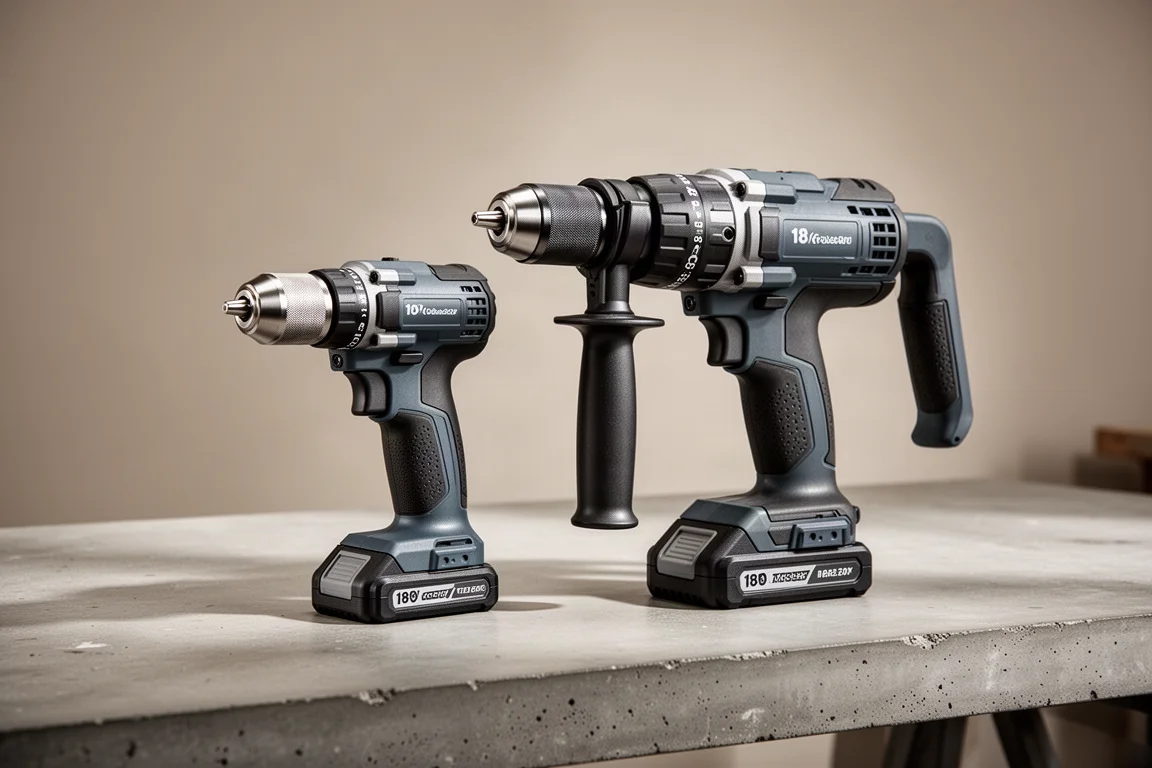
Two very different 18V hammer drills recently went through a custom brake dyno and a power dyno that measures watts out, and the results are worth paying attention to. One is the Snap-on CDR9050, a compact USA-made drill that costs just shy of a thousand dollars as a kit. The other is the Bosch GSB18V-1330CN, a Pro Factor drill that Bosch itself calls the most powerful drill in the world, retailing around 180 to 200 dollars bare and 240 to 265 dollars with a battery, depending on the kit.
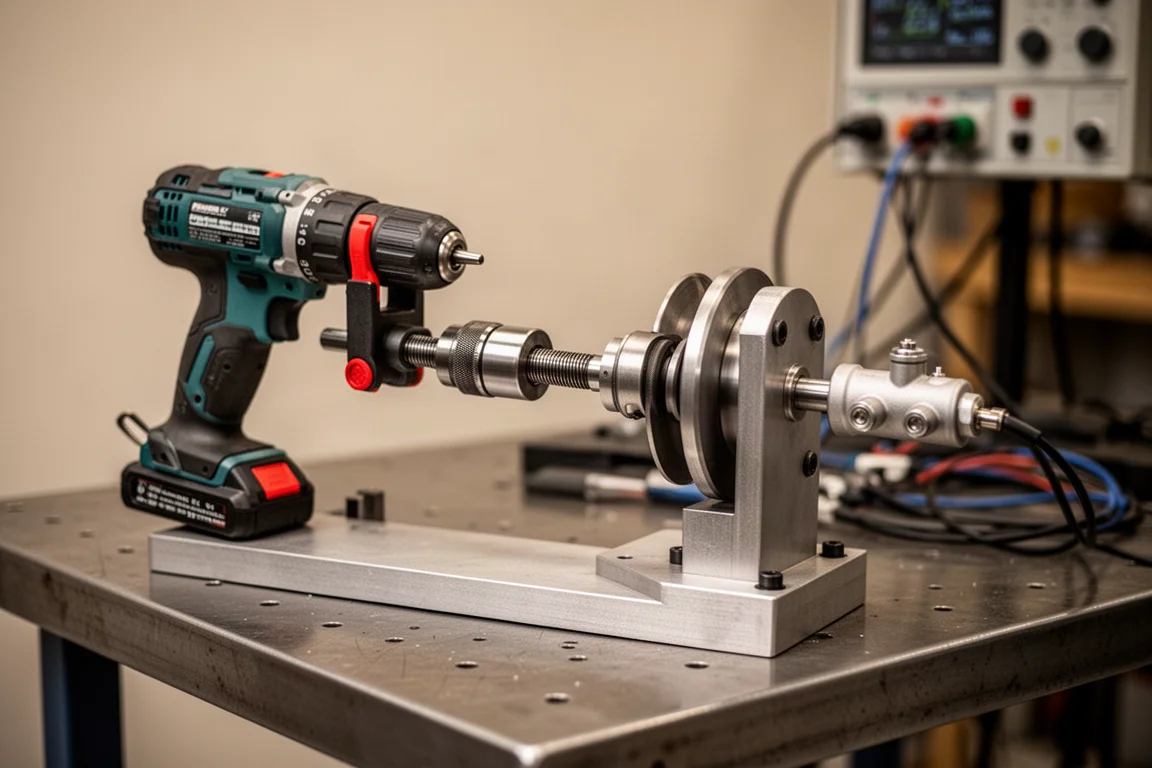
The testing method is refreshingly realistic: a 12 RPM gear-reduced motor slowly advances into a brake master cylinder, removing human error from torque measurement, plus high and low speed power runs that register watts out, which is basically the horsepower these drills generate.
Snap-on CDR9050: Compact and Honest
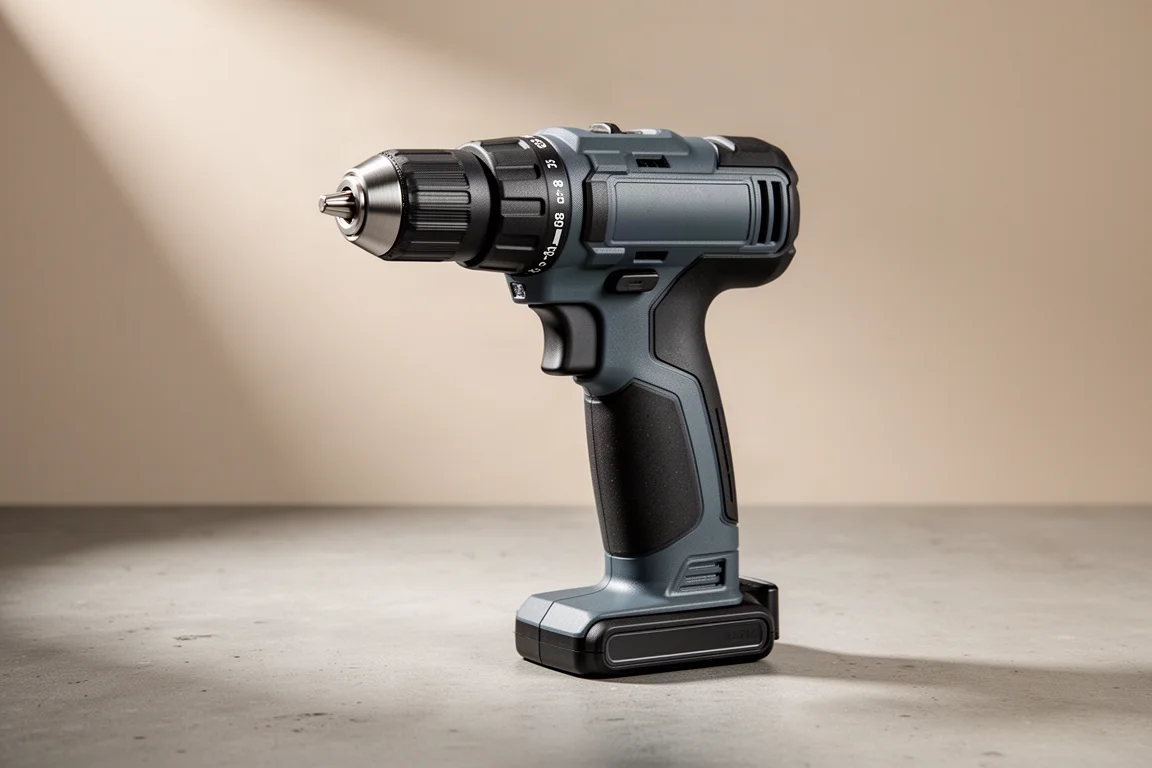
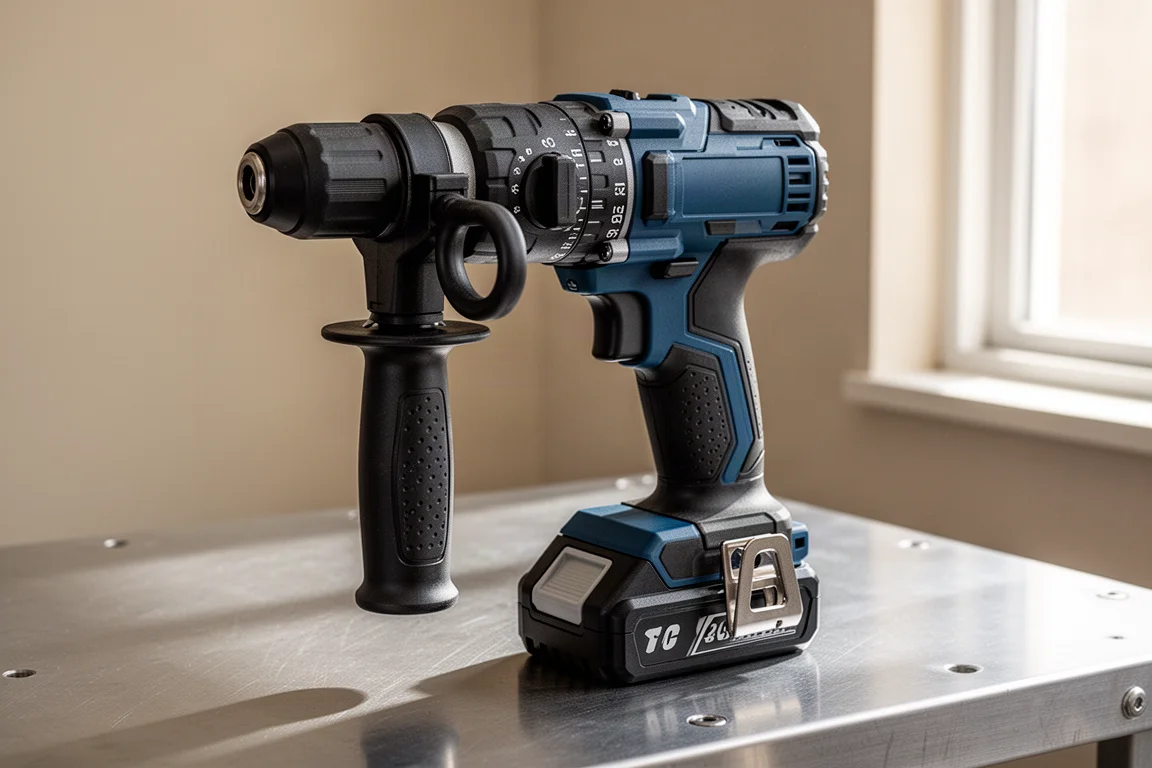
The CDR9050 is eight inches long, which matches the compact yardsticks most brands aim for, and it pairs the USA-made drill body with a nicely finished Japanese chuck. Its claimed torque is just 470 inch-pounds, the lowest rating seen on a full-size 18V drill, compared to the Milwaukee’s 1400 inch-pound figure. On the dyno, though, the Snap-on posted a median of 34.6 foot-pounds, roughly the same as a Milwaukee Gen 4 or the DeWalt DCD999 and DCD998. That honest spec sheet is genuinely refreshing in a category full of inflated numbers.
It is limited to a 5 amp hour battery at maximum, and with that battery it performed well beyond expectations in high speed, hitting around 900 watts and once reaching 920 before locking up, passing the Flex in turbo mode along with the Milwaukee and DeWalt. In low speed work, it put out 750 watts, beating everything except the Makita XGT. The main strikes against it are price at 770 dollars for a single-battery kit and the lack of anti-kickback protection, a feature several competitors offer.
Bosch GSB18V-1330CN: The Powerhouse
The Bosch is a bit longer and more bulbous than the top compact drills, but it packs a feature set that justifies the “most powerful” claim: toolbox app connectivity, anti-kickback that shuts the drill off when the bit catches, and built-in angle presets. Press a button when you have a level frame of reference, and a top light turns yellow near 45 degrees and green when you hit 45. For around 180 dollars bare, that is a strong rap sheet even before the performance numbers.
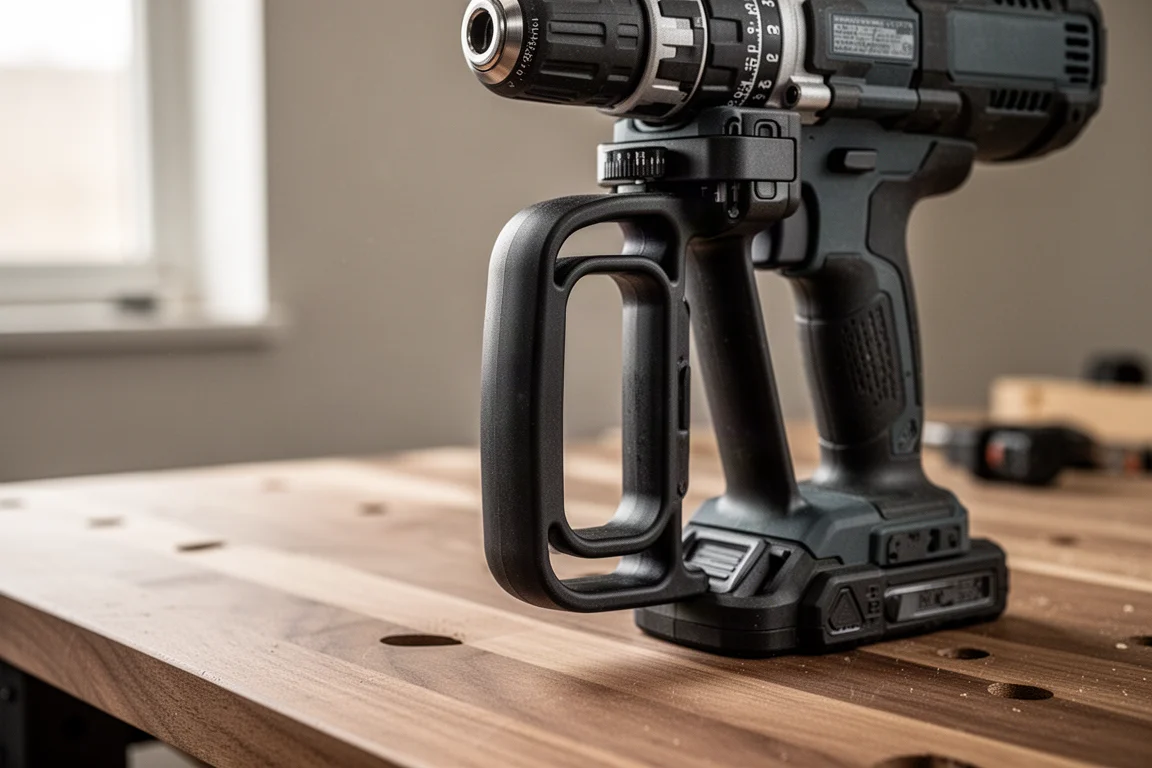
With its 4 amp hour battery, the Bosch registered 40.3 foot-pounds on the brake dyno, beating a Flex in turbo mode and making it the second-highest torque drill tested at that point. But with the 8 amp hour Pro Factor battery it is usually bundled with, it threw down 54.95 foot-pounds, beating both the Makita XGT and the Flex with its 6 amp hour stack, making it the torquiest drill on the market from what was tested. In running power, it set a new record at 1070 watts in high speed and 1020 watts in low, beating the Flex and Makita XGT in both. For about a hundred dollars less than the closest XGT kit, it is cheaper than a cordless mud mixer and an outright bargain on performance.
Battery Size Changes Everything
One of the clearest takeaways is how much battery capacity matters on drills specifically. The Snap-on simply stops at a 5 amp hour pack, so in battery-equal comparisons it gets doubled up in the rankings until something bigger arrives. The Bosch, meanwhile, thrives on extra cells to draw from: the 4 amp hour pack with one row of 21700s was surprisingly less impressive in high speed at 690 watts, but with the 8 amp hour pack it cranks past every other six to eight amp hour battery test result, not just in torque but in running power as well.
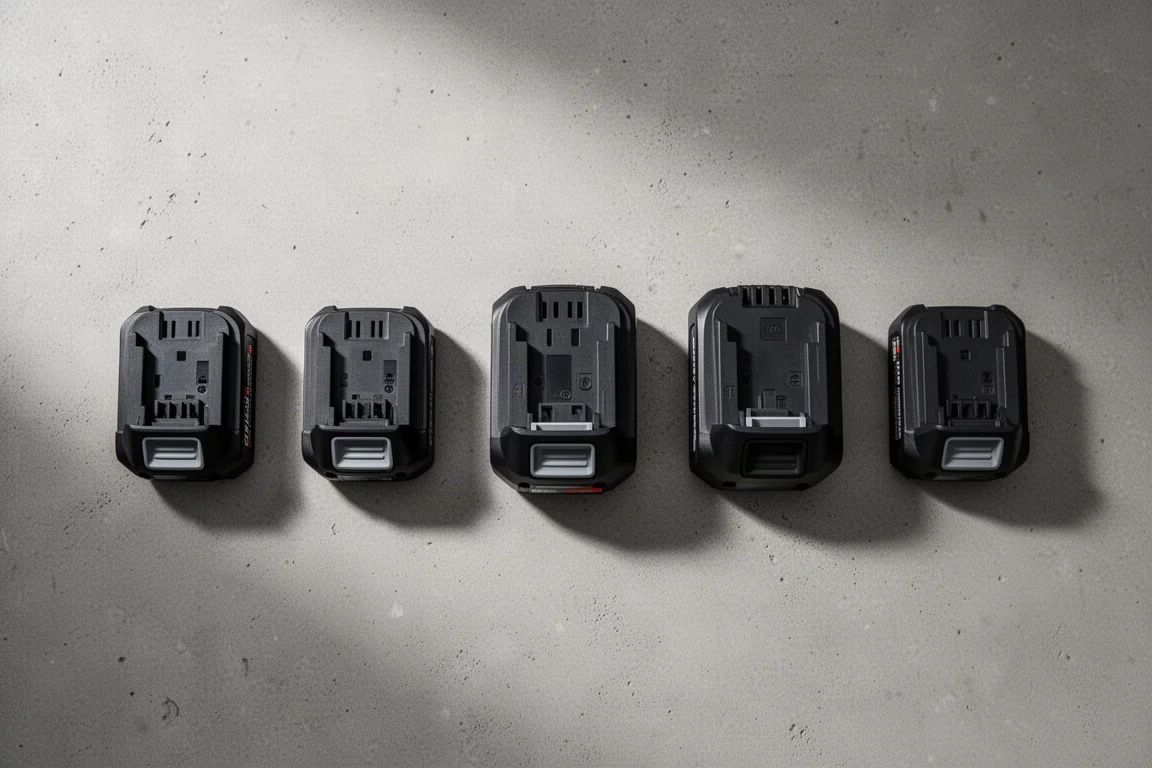
That said, the extra capacity brings weight, and both of these drills are marked down for weight in the overall rankings. On drills like these, though, the battery they crave may genuinely be a bigger one with more cells to share the load, unlike impact drivers and compact impacts where the extra weight is rarely worth it.
Overall Buying Advice
If you want the outright most powerful drill, the Bosch delivered 55 foot-pounds of twisting torque and over a kilowatt in both high and low speed, winning every measurable category. If you want a compact, honestly rated drill that performs well pound for pound, the Snap-on ranks second overall among drills with equivalent battery sizes, just below the most powerful DeWalt models, and its 34.6 foot-pounds and 900-watt high speed output are nothing to dismiss.
The Bosch takes second place overall on the full rank chart for three reasons: the Flex was only tested in turbo mode, the Bosch is a longer tool, and its 4 amp hour battery undersells it since it was designed for the 8 amp hour Pro Factor pack. With a 6 amp hour battery, it would likely hold the number one spot outright.
Conclusion
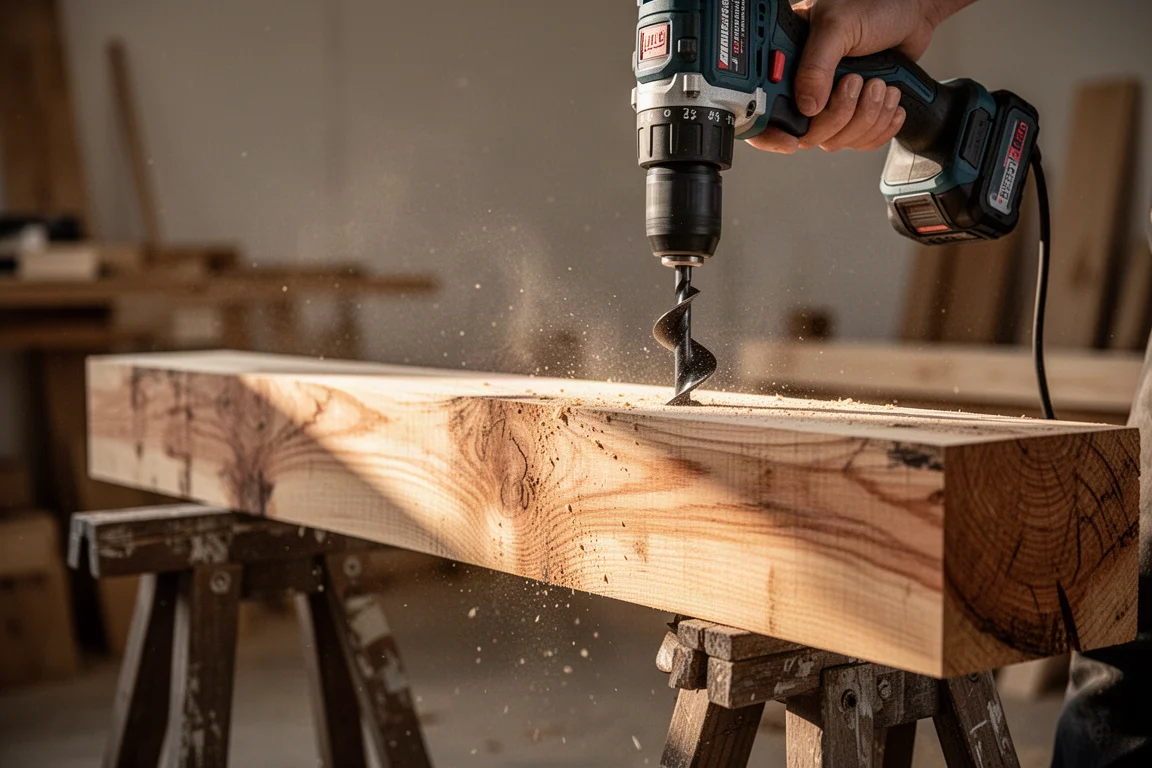
Bosch set out to make the most powerful drill in the world and, by every measurable figure here, it did. The Snap-on CDR9050 remains a genuinely good compact option if you value honest specs and warranty-friendly service, but the Bosch GSB18V-1330CN offers record-setting power and useful safety features at a fraction of the price, making it the easier recommendation for most buyers.
Further reading
Related Reviews
Power Tools
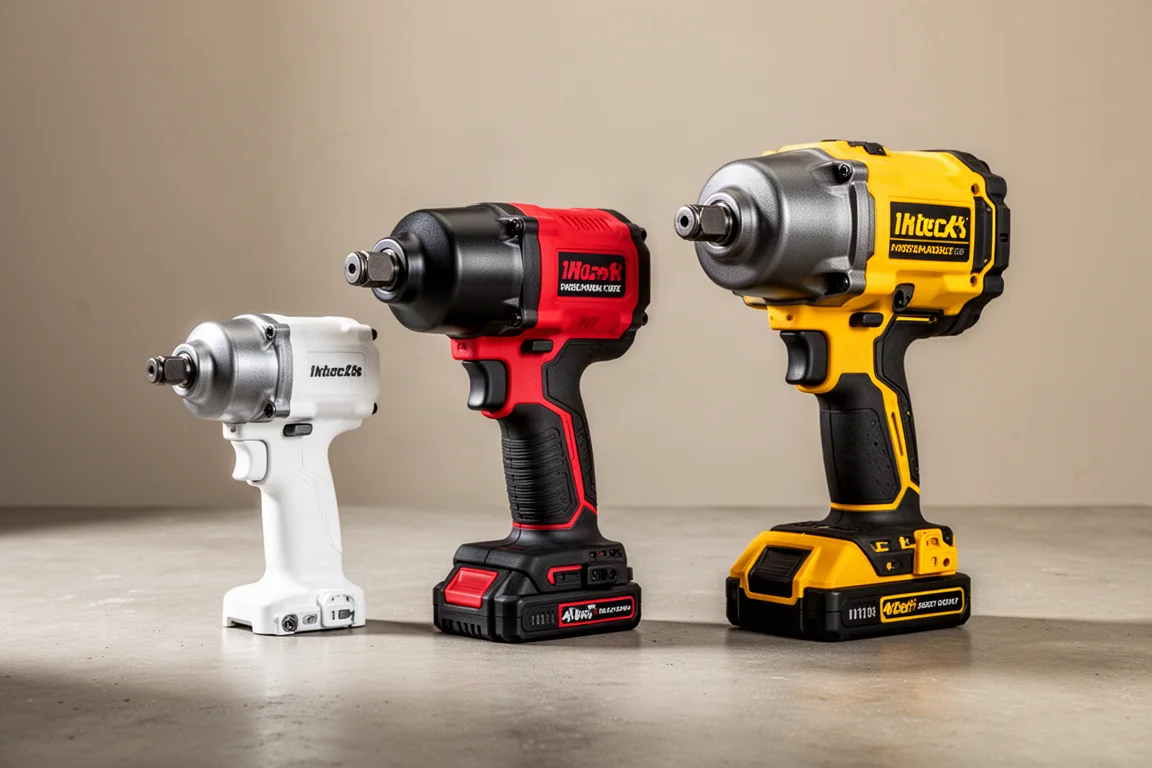
Best 1-Inch Pistol Impact Wrenches: Three Heavy-Duty Options Compared
We compare three 1-inch pistol impact wrenches, from a budget-friendly Harbor Freight model to a premium Caterpillar unit, to help you choose the right one.
Power Tools
Best 3/4-Inch Impact Wrenches 2026: Five Contenders Compared
We compare five 3/4-inch impact wrenches across price and performance, from a budget Amazon option to Snap-on's most powerful model yet.
Power Tools
Best Budget Cordless Tools 2026: Walmart Finds That Punch Above Their Price
We tested five cordless tools from Walmart, including a high-torque impact wrench that trades blows with Milwaukee and a $35 duster that outperforms its price class.