Fine Dining
Six of the World's Most Exclusive Restaurants: A Global Dining Journey
From an aquarium in Dubai to a two-seat Italian cabin, exploring six of the world's hardest-to-access fine dining destinations and what makes them worth the effort.
Introduction
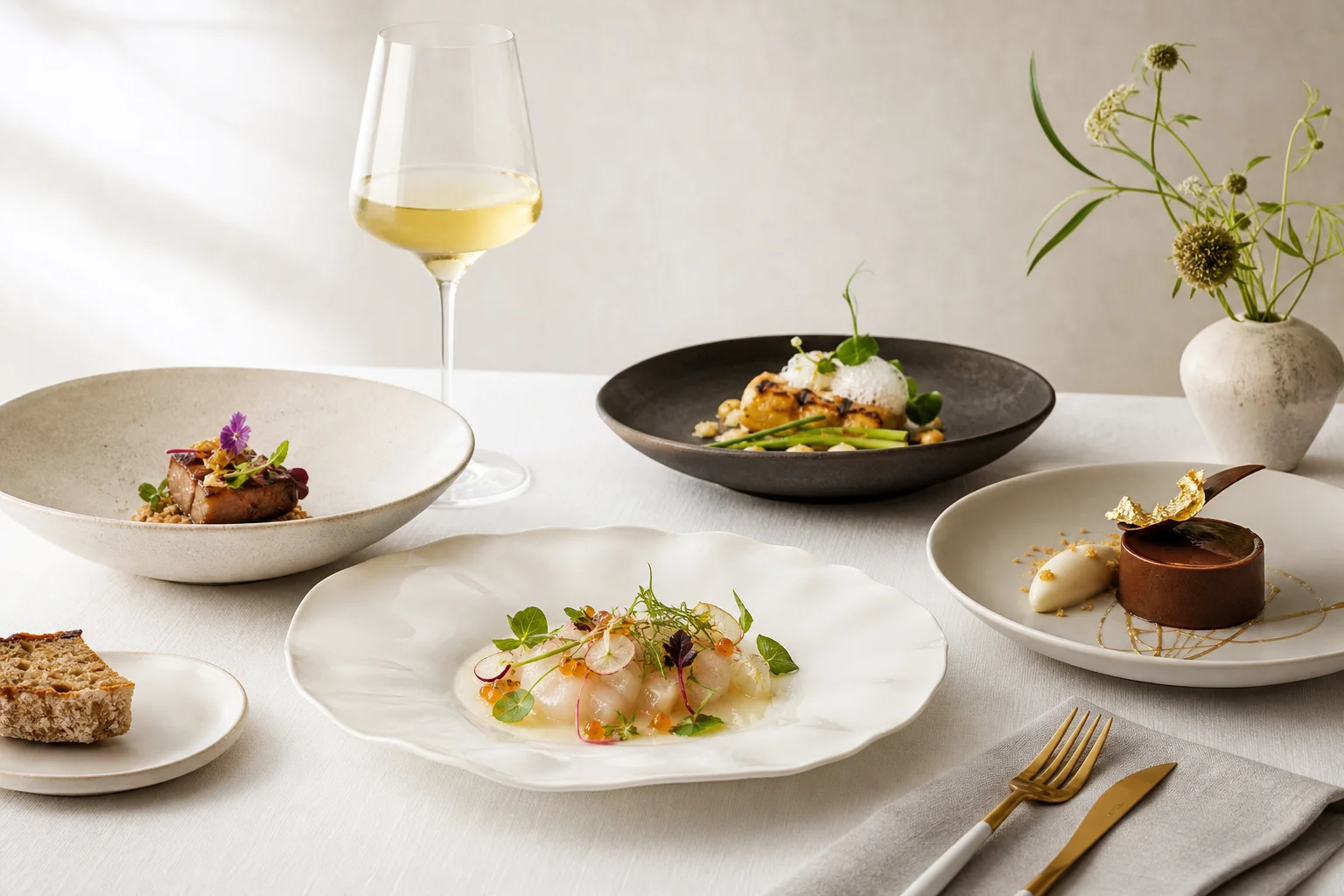
Some restaurants are so exclusive that securing a reservation requires more luck than skill. Whether hidden inside an aquarium, accessible only by personal chef invitation, or operating with just two seats in the entire establishment, these six destinations represent the pinnacle of fine dining exclusivity. Each offers a distinct culinary philosophy, from creative Indian cuisine to theatrical molecular gastronomy, and each demands something different from those seeking entry.
Masque: India’s Best Restaurant
Masque in Mumbai has held the title of India’s best restaurant for three consecutive years. The restaurant offers a ten-course creative tasting menu that showcases Indian ingredients and techniques in unexpected ways.
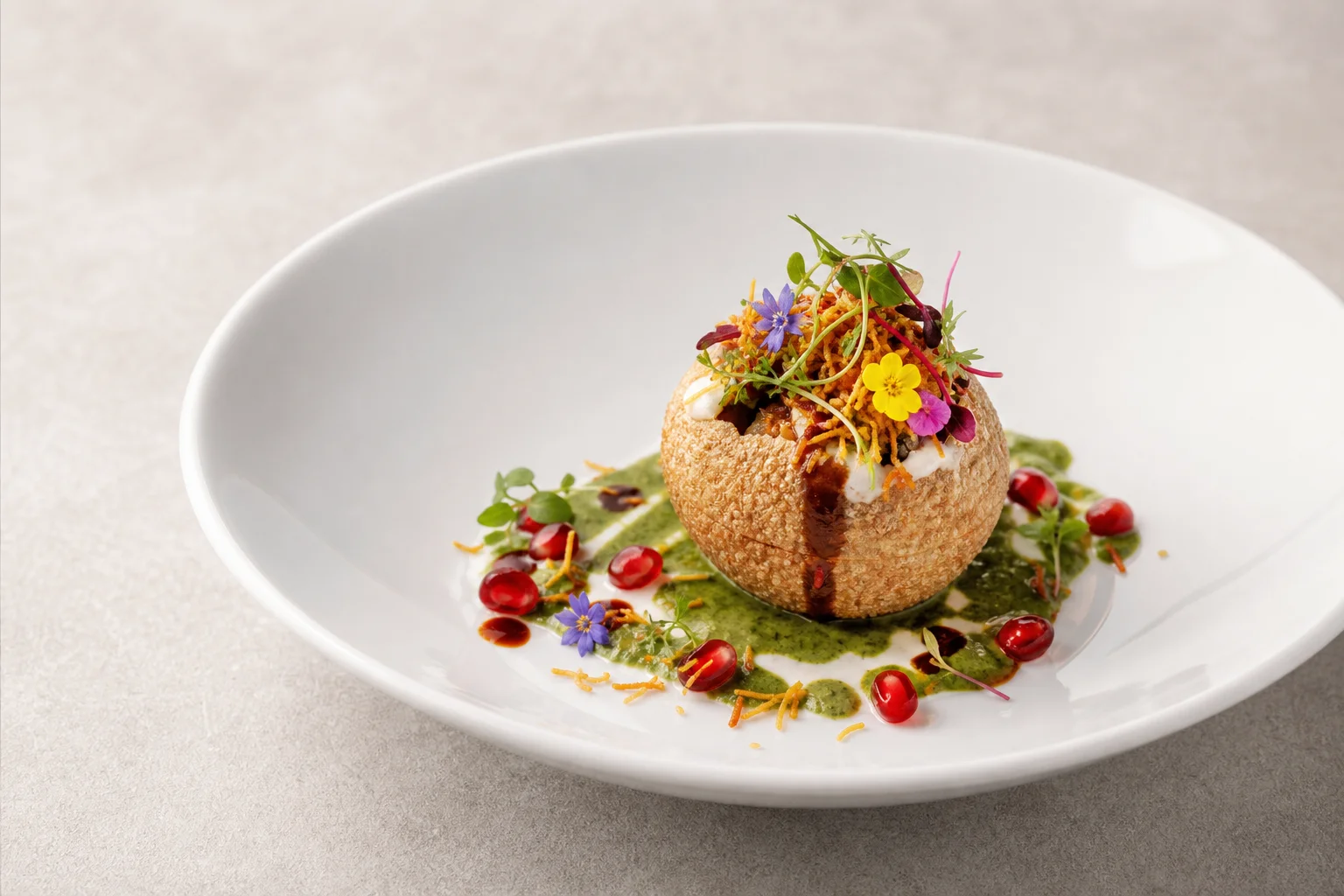
The opening course sets the tone immediately: a pani puri, India’s most famous street snack, reimagined with red fire ants from Chhattisgarh as garnish. The contrast between familiar street food and haute cuisine preparation defines much of the experience. Subsequent courses feature corn-based dishes with balanced yellow corn cream, a foraging-inspired plate with cactus, water chestnut, and prickly pear, and a mud crab topped with black rice dumplings and butter emulsion.
The kitchen invites guests into the preparation space for a palate-cleansing course of Indian olive sorbet with pomegranate seeds and chaat masala. A standout eighth course presents a golden dosa with curry, allowing diners to build their own bites. The final courses include a pre-dessert of seabuckthorn sorbet dipped in gongura chutney and white chocolate, followed by a cacao pod dessert filled with cashew and cacao nib base, custard apple, and milk chocolate mousse.
Ossiano: Dining in an Aquarium
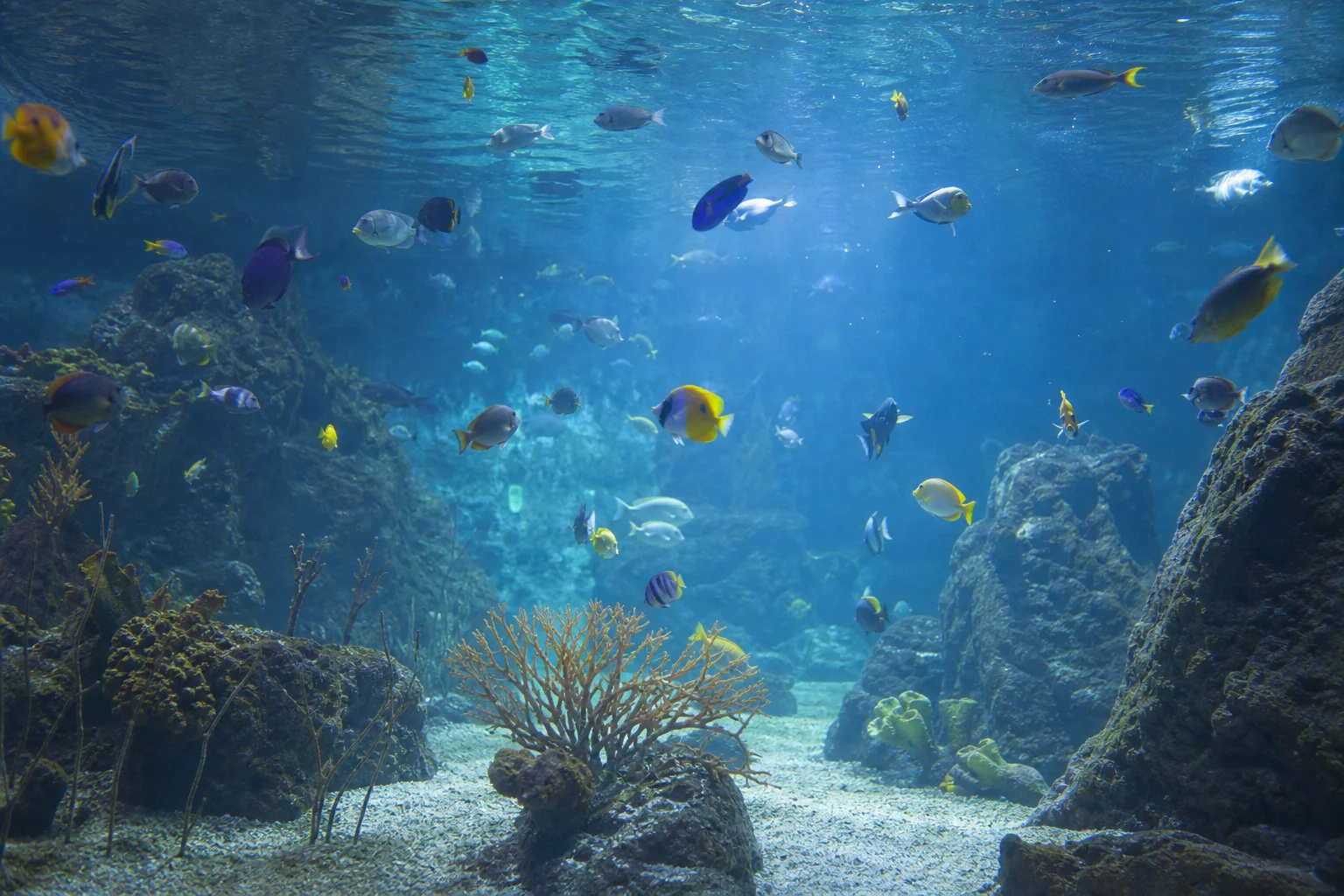
Ossiano in Dubai operates inside an aquarium containing 65,000 fish, making it one of the world’s most visually distinctive dining venues. This Michelin-starred seafood restaurant surrounds diners with marine life while serving a ten-course tasting menu.
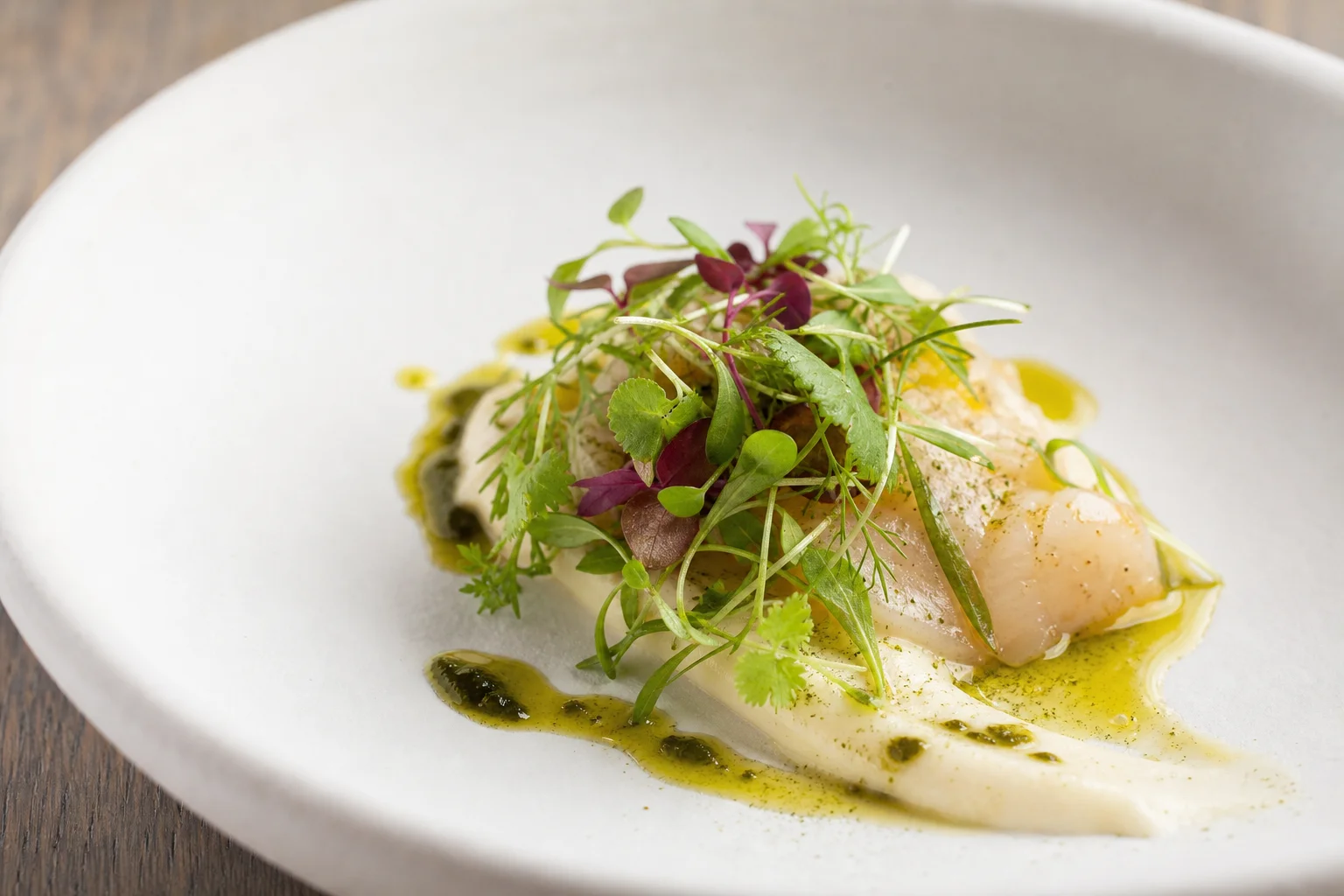
The menu opens with a spirulina meringue topped with prawn tartare, followed by an edible oyster shell containing oyster in multiple forms. A seaweed shell holds yellowtail with wasabi ice cream, a pairing that works better than expected. A spring-inspired course features pea, green curry, and geranium, while a raw scallop dish with white ingredients creates a snow-like presentation where each bite tastes entirely different.
Mid-meal courses include an octopus holding a cheese-filled pastry, a pistachio-forward olive, and a cod dish with sesame, garlic, and sea grapes. A lobster and tapioca pearl course arrives resembling a cappuccino in appearance. A langoustine course with lime leaf broth precedes a Mexican-inspired blue lobster wrapped in tortilla. The final savory courses present a choice between Moroccan lamb or croque monsieur, followed by an orange creamsicle-style dessert and a cacao mousse with chocolate crisps.
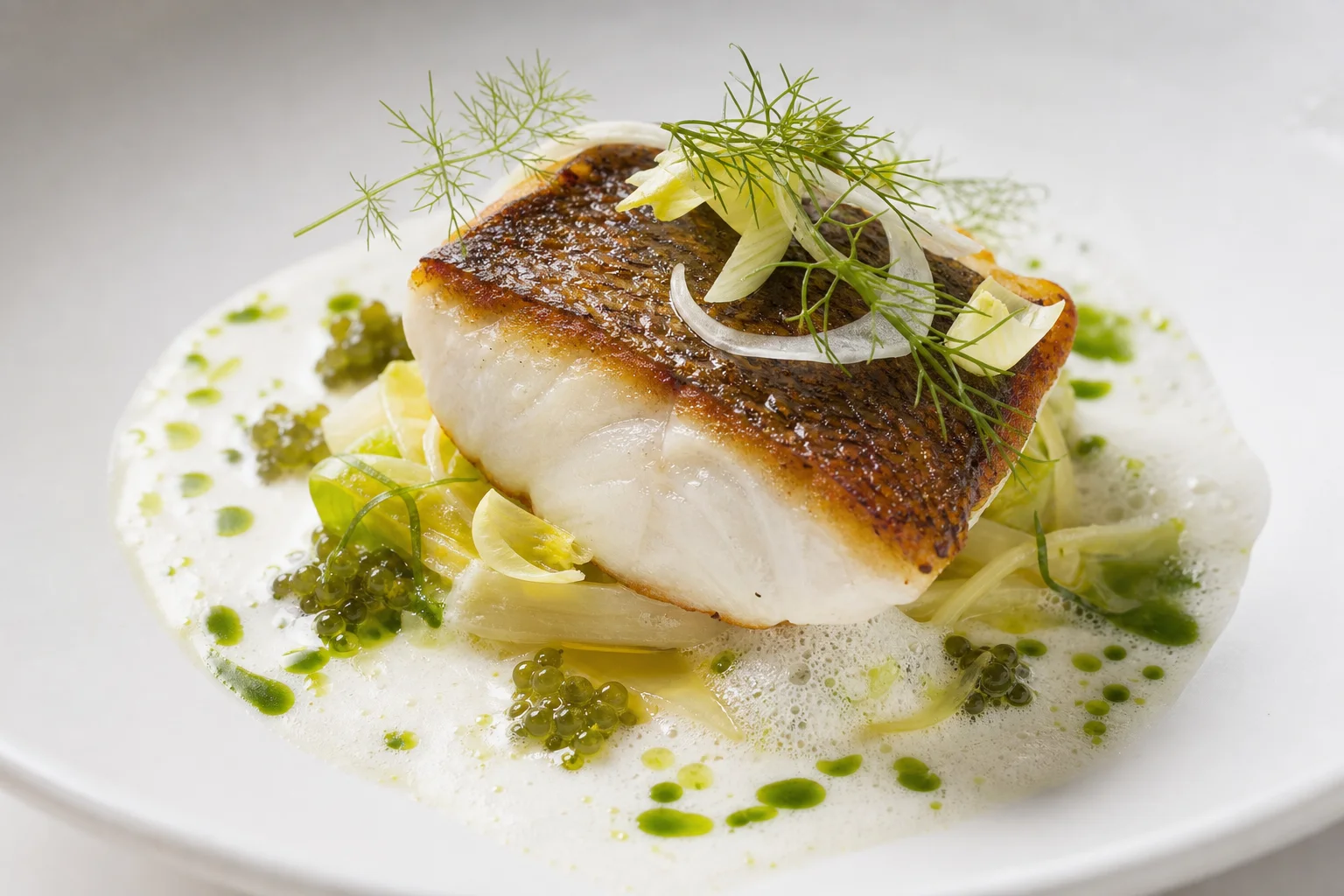
Joel Robuchon: Three Michelin Stars in Hong Kong
Joel Robuchon in Hong Kong represents the pinnacle of French fine dining, operated by a chef who holds more Michelin stars than any other chef in the world. The restaurant is famous for its silky mashed potatoes, prepared by a single dedicated staff member each day.
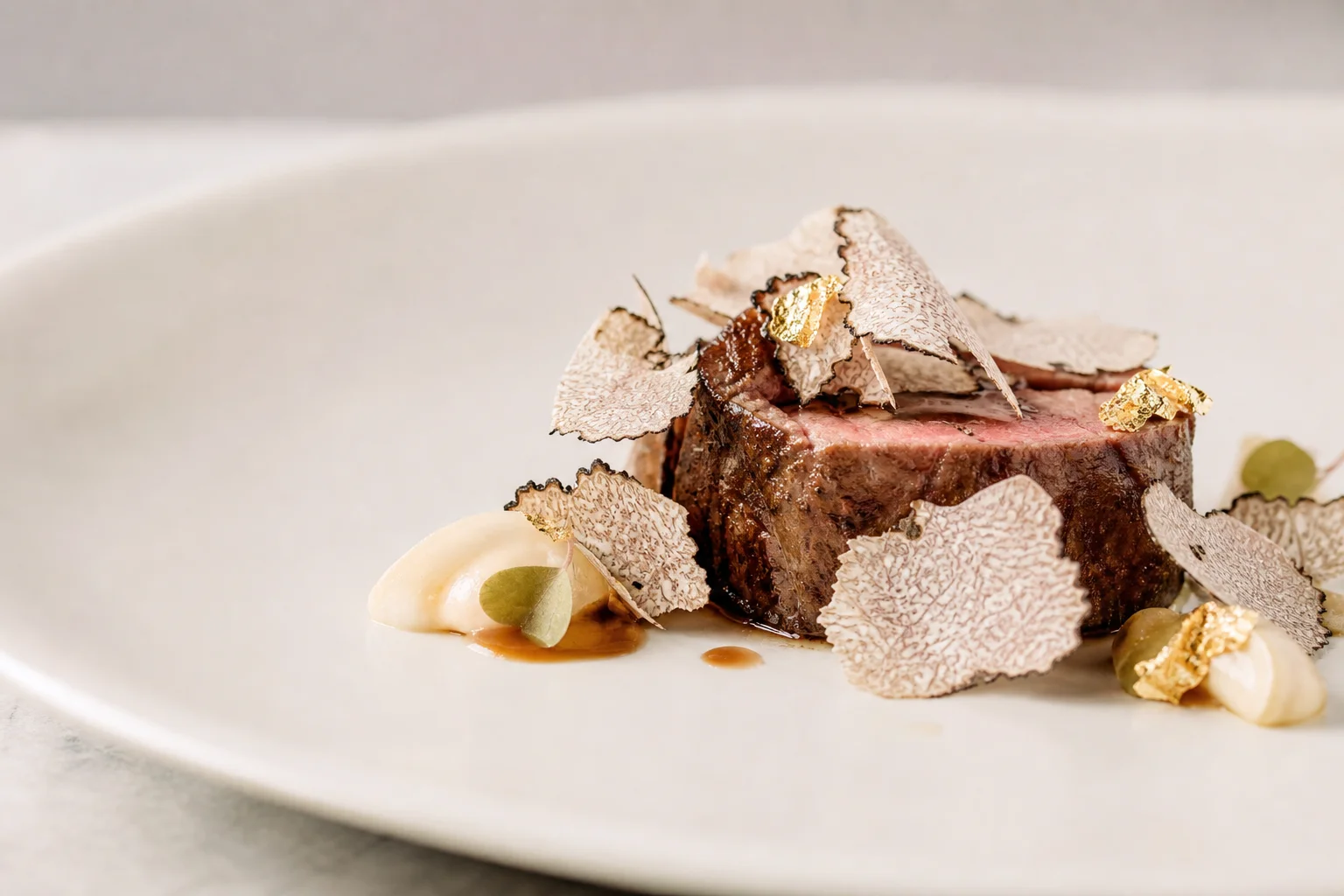
The meal begins with exceptional bread, including a tiny croissant and a crispy pastry with creamy uni and a hint of coffee. The first appetizer combines panko tomato with garlic, tomato, and transparent slices of jamón Iberico. The signature dish features caviar with king crab, gold leaf, and lobster gel.
A truffle salad with foie gras and white truffle shavings precedes a langoustine ravioli topped with foie gras sauce and black truffle. The pasta course offers both truffle pasta and lobster spaghetti with caviar. A miso-marinated cod with black garlic mayonnaise and wild matsutake mushroom follows, leading to the final savory course: quail with chestnuts and foie gras, served alongside the restaurant’s legendary mashed potatoes.
For dessert, diners receive two different presentations: one a passion fruit-shaped creation, the other a contrasting option. The passion fruit dessert stands out as an elegant creation that looks exactly like the fruit itself while delivering unexpected flavors.
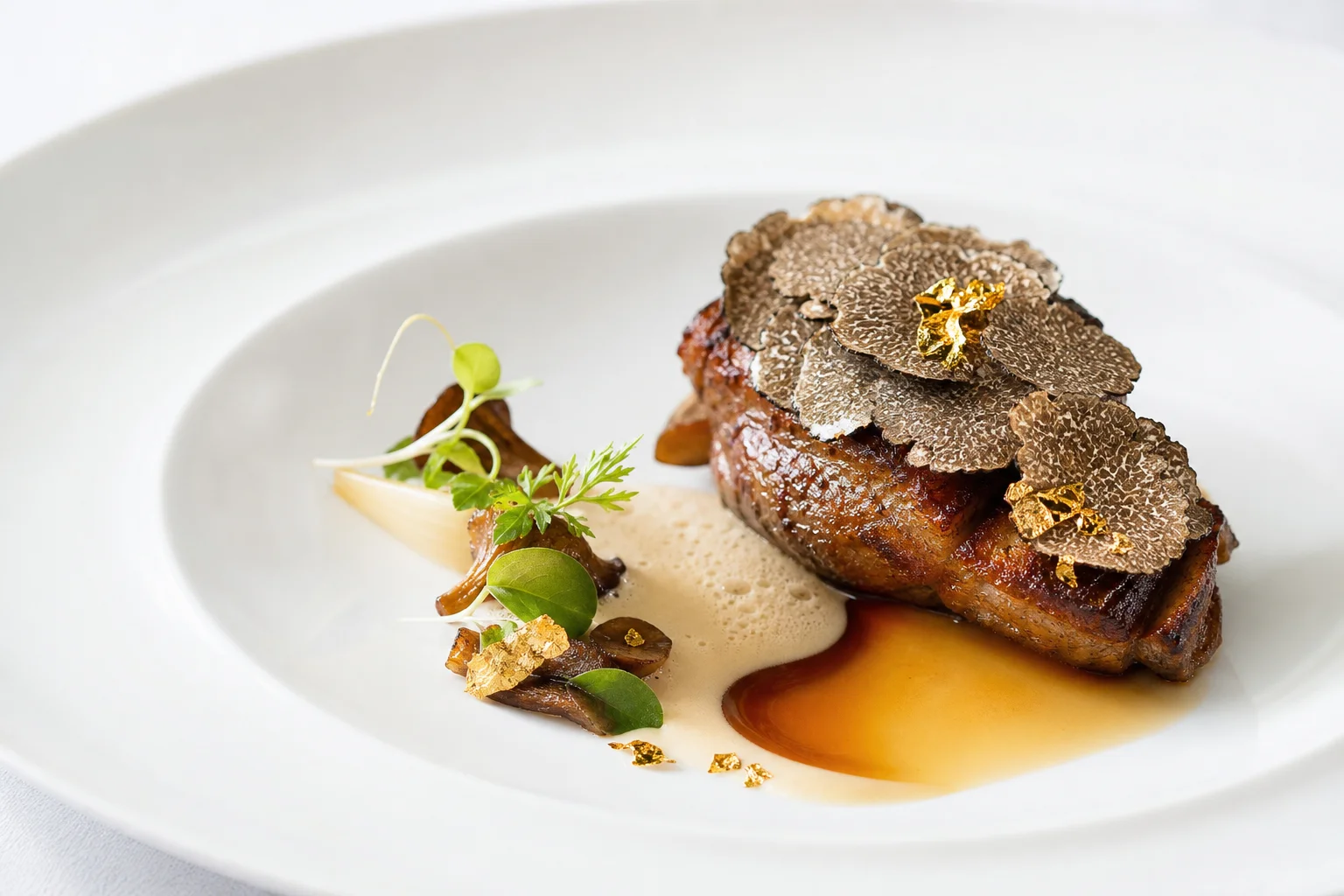
Sugalabo: Tokyo’s Invitation-Only Counter
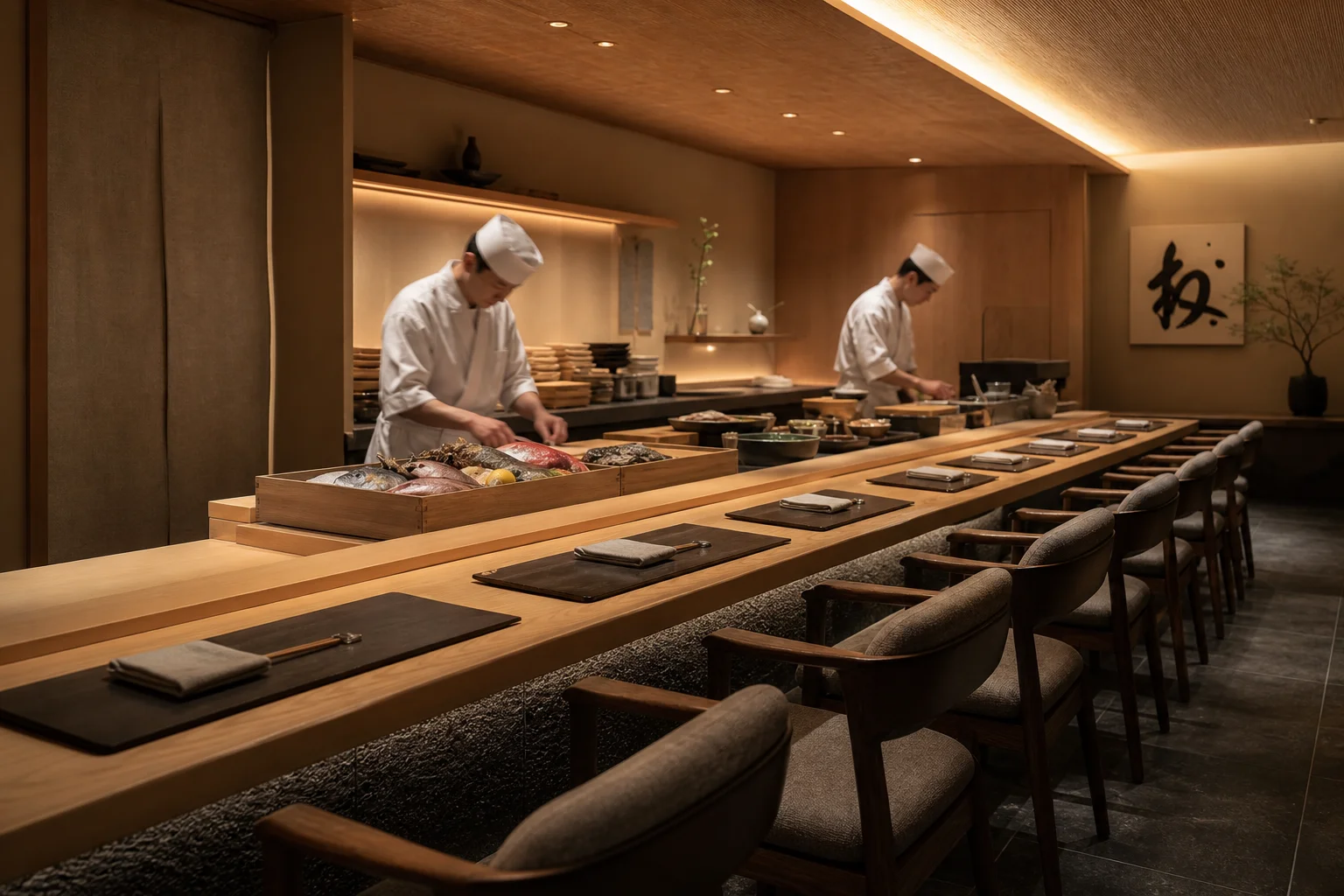
Sugalabo in Tokyo operates with only eight seats at a single counter, making it one of the world’s hardest reservations to obtain. Entry requires a personal invitation from the chef himself, and the only way to secure a spot is through connections or specialized booking services.
The meal showcases Japanese seasonality and technique. An aged potato, buried in snow for one year, arrives with salty caviar in a preparation described as one of the ten best bites of food possible. A mackerel fried in panko breadcrumbs with Japanese finger lime offers soft, flaky fish with creamy sauce and crunchy citrus.
A delicately wrapped rice ball with prosciutto and chestnuts demonstrates the kitchen’s precision. A carrot mousse with Hokkaido sea urchin and consommé showcases how complementary ingredients can elevate each other. A seasonal Japanese fish available only at this time of year arrives with peeled eggplant and a sauce made from the fish’s liver.
The kitchen presents Japanese snow crab with tempura-fried parsley root, creating a warm, comforting crab soup. A French blue lobster, three times more expensive than regular lobster, arrives with a sauce made from lobster heads and vanilla. The final savory course presents duck and foie gras Wellington with black truffle sauce. A cute rabbit-shaped rice course precedes dessert: Japanese milk ice cream with chestnut honey and angel hair chestnut paste, followed by hollowed eggs filled with cacao mousse.
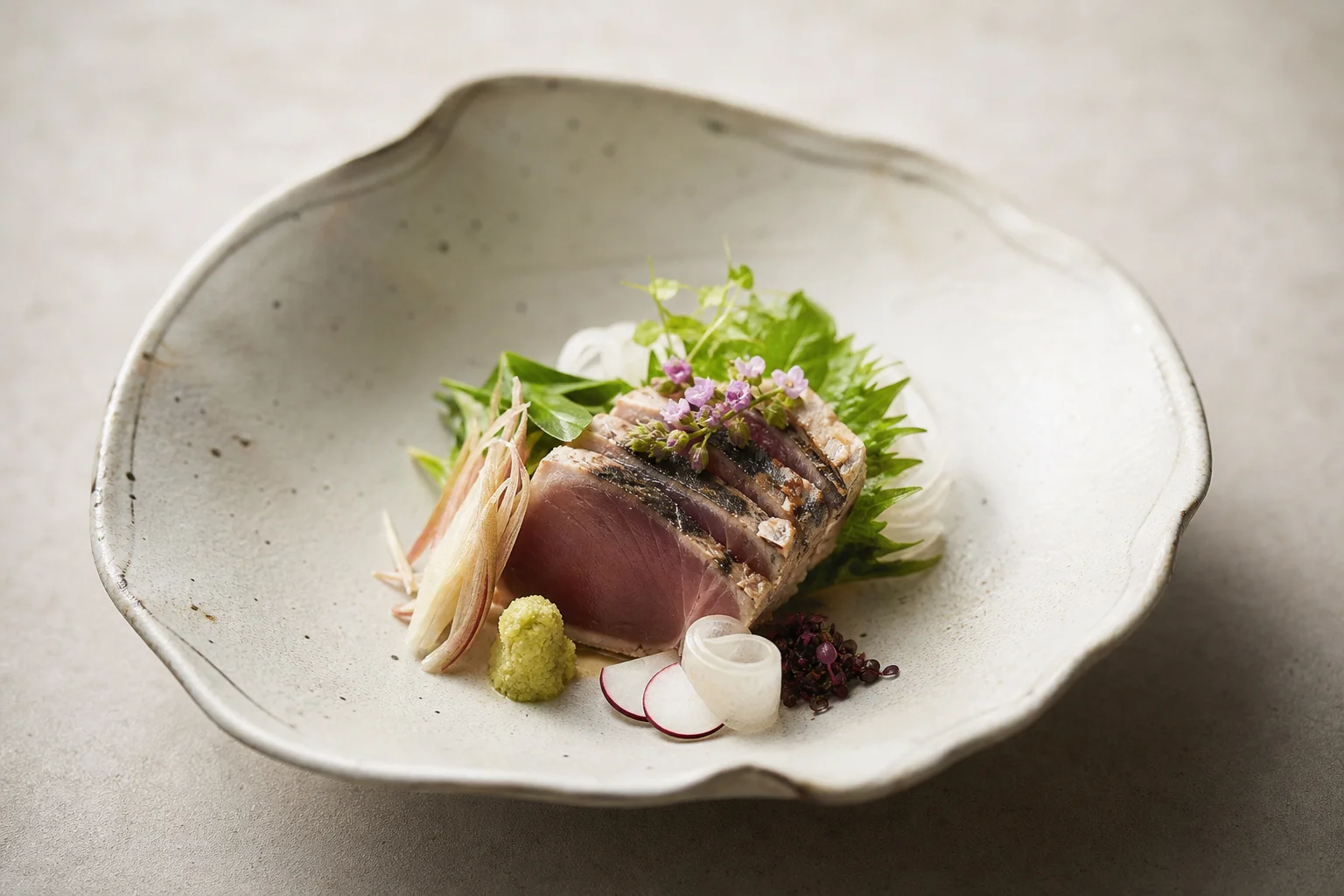
Solo per Due: The World’s Smallest Restaurant
Solo per Due in Italy operates as the world’s smallest restaurant, with only two seats and one table. The restaurant opens exactly at 9 p.m., no earlier and no later, and maintains an intimate, formal atmosphere with a crackling fireplace and piano music.
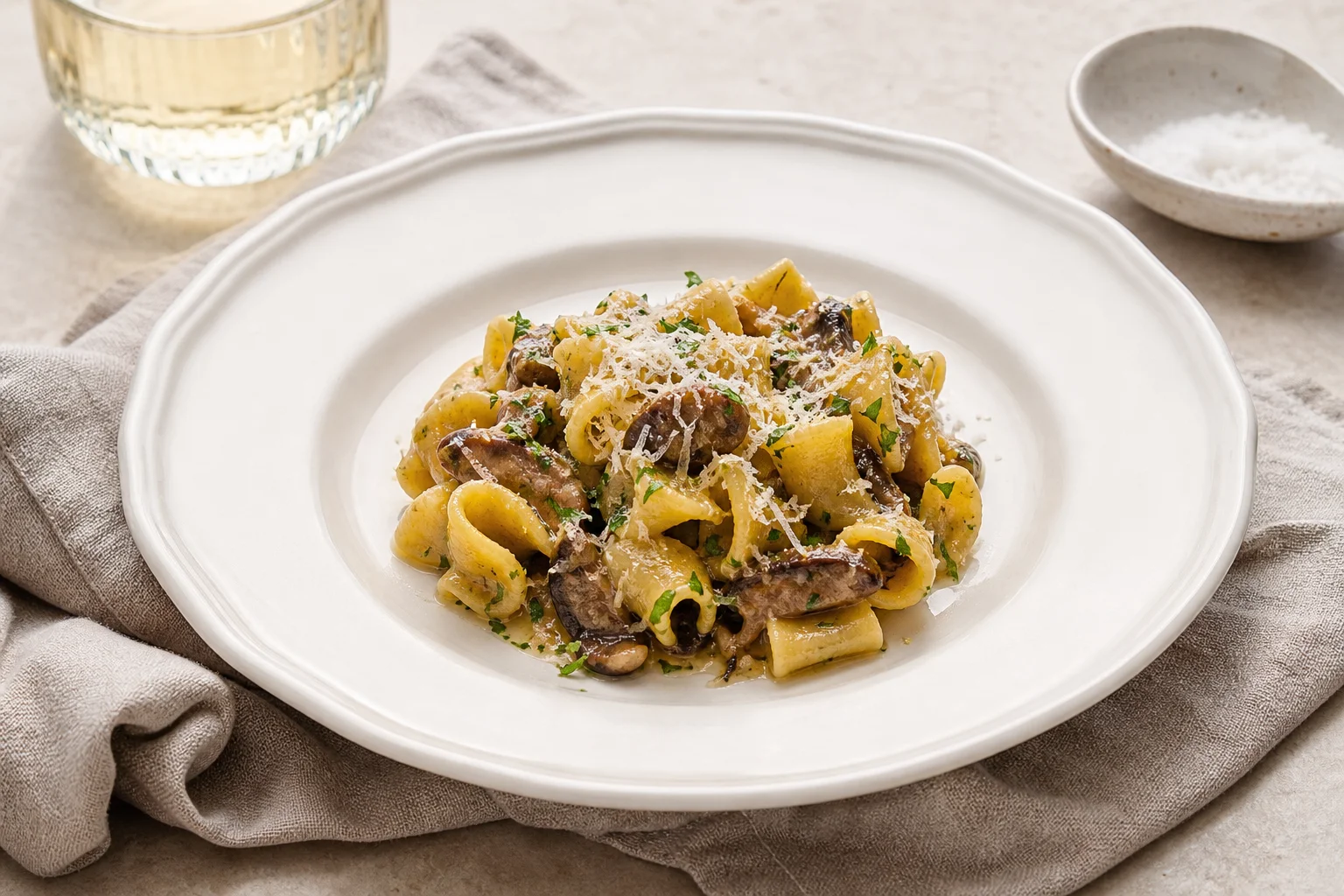
The meal begins with olives, cream cheese-stuffed fried dough, fresh buffalo mozzarella, and fried zucchini. The first appetizer features a crepe with ricotta cheese and spinach topped with Parmigiano cheese and fresh garden basil. Homemade tagliatelle with porcini mushrooms arrives almost fluffy and foamy, described as eating a cloud.
The main course presents a perfectly grilled steak with beautiful grill marks, followed by gently cooked fish with rosemary. A special cake arrives with a personalized message, creating an emotional moment during the meal. The restaurant’s philosophy centers on simplicity: high-quality ingredients prepared without unnecessary complexity, allowing each element to shine.
Alchemist: Seven Hours of Culinary Theater
Alchemist in Copenhagen ranks as the eighth best restaurant in the world and costs over $1,500 per person for a 50-course tasting menu and wine pairing. Reservations sell out in exactly three seconds, and the full experience spans seven hours across five distinct stages.
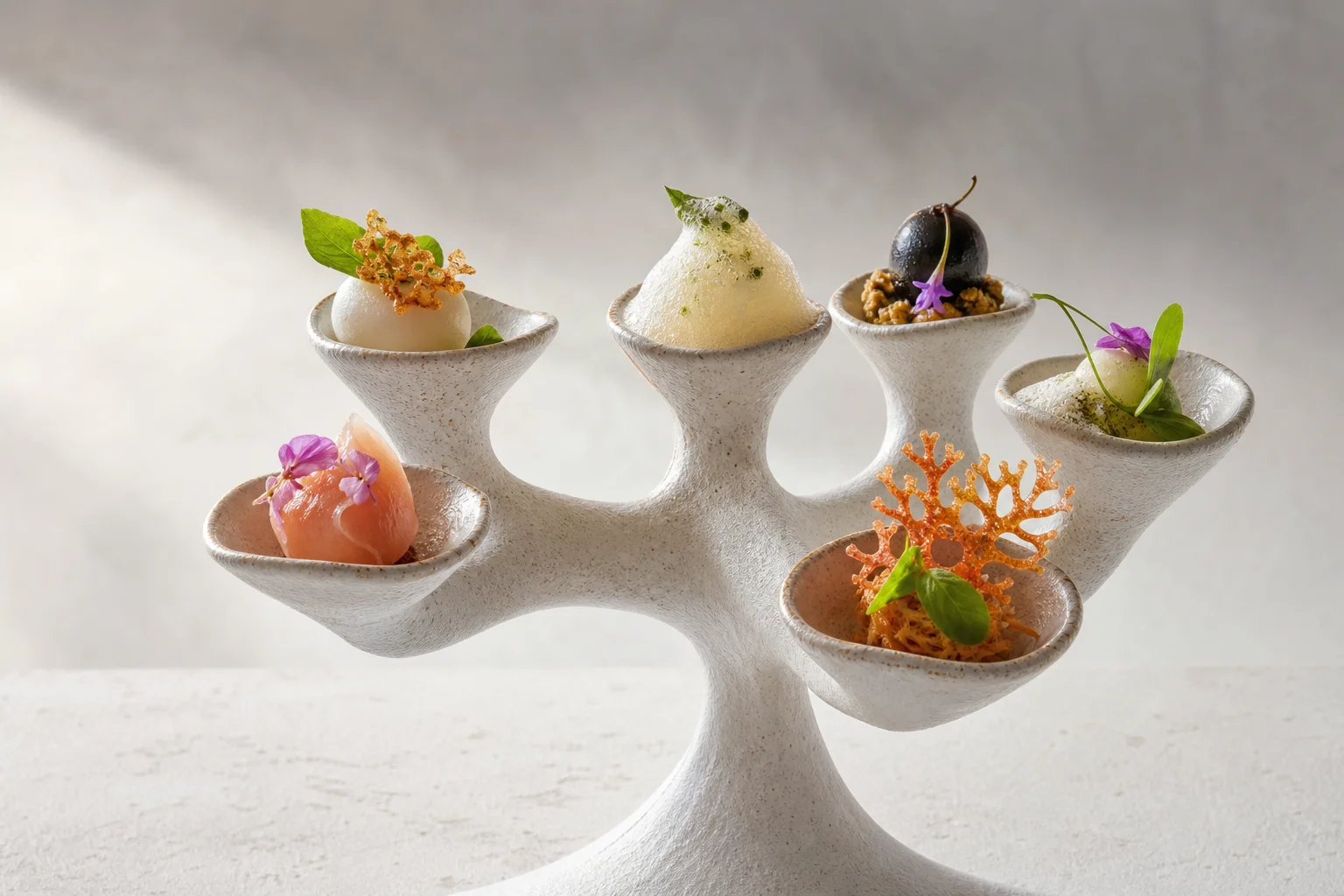
The experience begins in an art installation room featuring personalized art pieces with diners’ faces. The Test Kitchen stage opens with a daisy-shaped course that tastes like foam despite looking like an egg yolk. A smoky ball delivers creamy smoke, while butterfly servings use real edible butterflies. A cotton candy dumpling filled with acidic fresh vegetables demonstrates playful technique.
Space bread, made from two freeze-dried drops of soy sauce that expand dramatically, arrives alongside a perfect omelet that tastes like scrambled egg-flavored cream. The dome stage features a massive surrounding screen with changing visuals. An eyeball course supposedly based on the chef’s eye contains lobster, caviar, and fish eye gel.
Subsequent courses include fried lobster in a light, chewy pillow form with horseradish wasabi foam, plastic-textured potato chips representing ocean plastic, crab toast, and a white bean dip with the diner’s face printed on it. A tongue tartar course challenges diners, followed by a lamb brain served on a plate resembling a human head and brain.
A chicken head pressed and cooked to a crisp with caviar and fresh herbs demonstrates extreme technique. Air bread topped with egg yolk foam and Spanish ham precedes raw rabbit fillet rolled like a bouquet of flowers. A habanero cheese cornbread resembling a corn dog and curried chicken served on a fake chicken foot round out the savory courses.
Dessert includes a chocolate raspberry ice cream sandwich with visible rainbow effect, a Scream-shaped dessert that changes flavor from bottom to top, and a heart filled with deer blood. An outfit change leads to a paint-and-taste interactive section where diners paint while tasting different flavor experiences. The final three bites include an amber stone made of honey and ginger with an ant, a perfect almond with multiple almond preparations, and a final closing course.
Conclusion
These six restaurants represent different approaches to exclusivity and fine dining. Masque offers creative Indian cuisine in an accessible but highly competitive venue. Ossiano provides visual spectacle alongside seafood expertise. Joel Robuchon delivers classical French technique at the highest level. Sugalabo showcases Japanese precision and seasonality in an intimate setting. Solo per Due emphasizes simplicity and romance. Alchemist transforms dining into immersive theater.
Each requires different levels of effort to access, from competitive reservations to personal invitations to seven-hour commitments. The common thread is uncompromising attention to ingredient quality, technical skill, and the overall dining experience. For those seeking the world’s most exclusive tables, these destinations deliver on their reputations.