Telescopes
The Moon Through 10 Telescopes: What Beginner and Advanced Scopes Really Show
A side-by-side look at how the moon appears through ten telescopes, from small beginner refractors to a 12-inch Dobsonian, plus the mount that made it possible.
Introduction
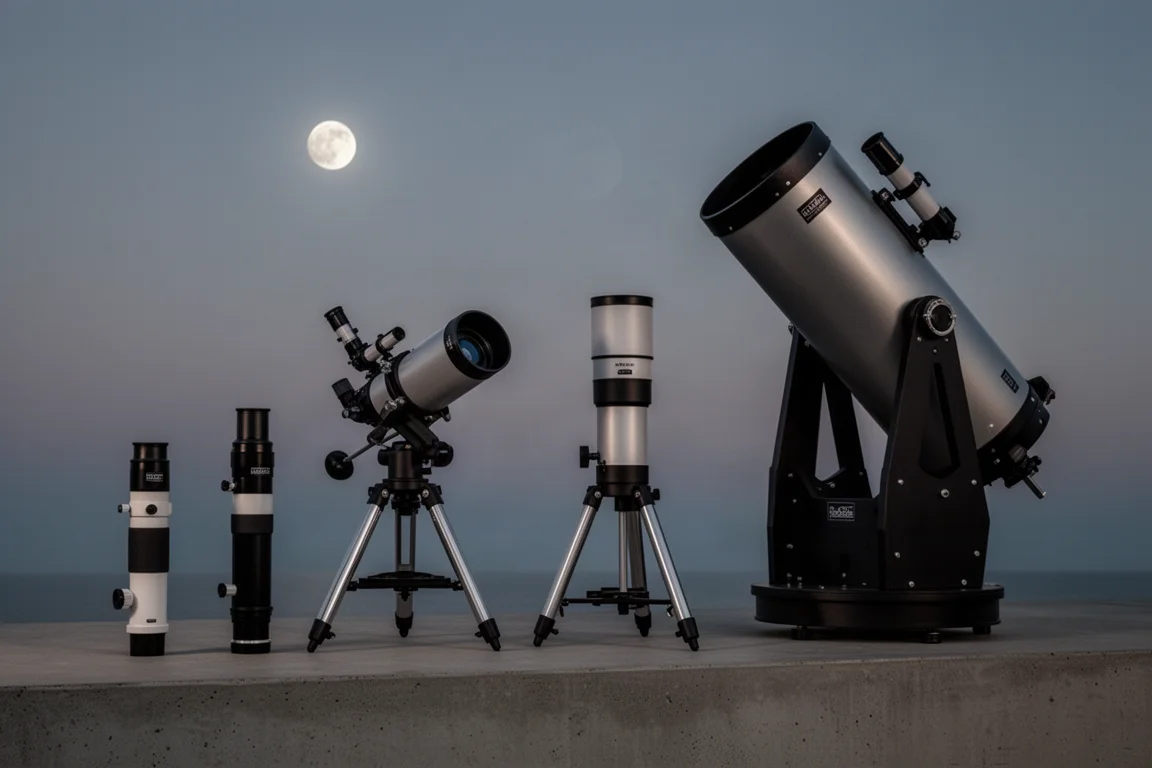
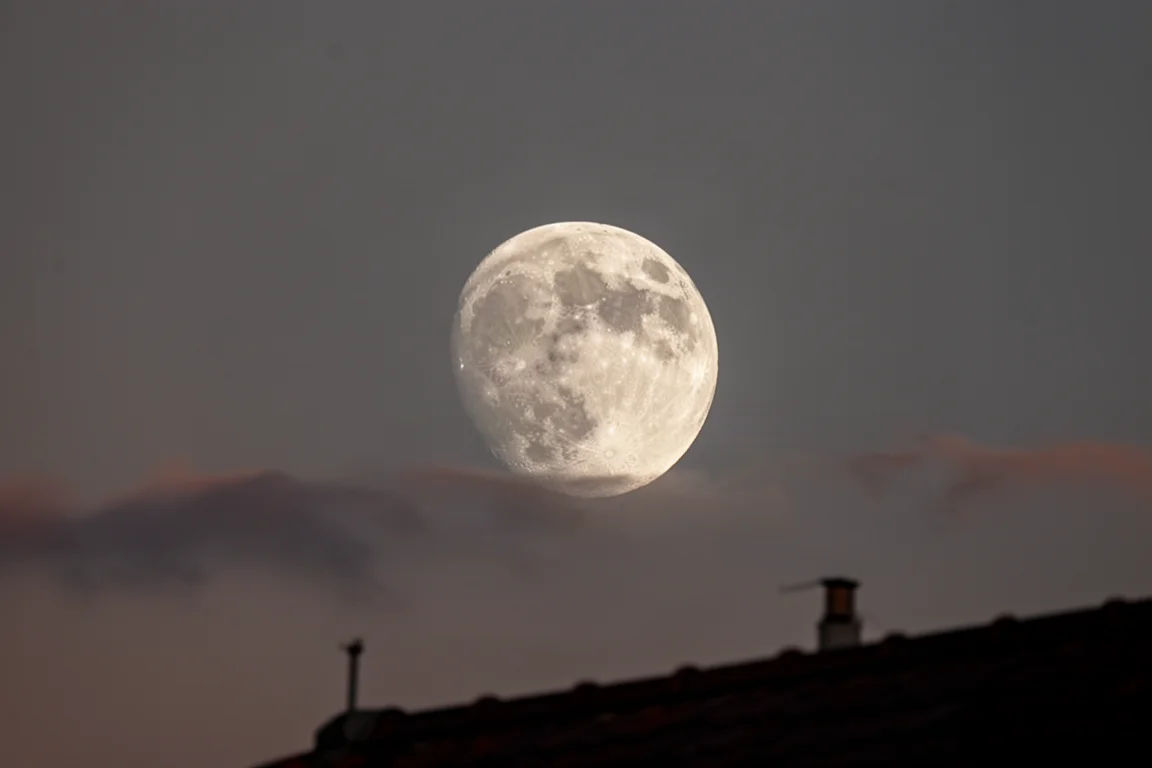
What happens when you line up ten telescopes and point every one of them at the same target? The answer, in short: the moon looks amazing in all of them. That is both the charm and the trap of lunar observing. The moon is by far the best and most exciting target for beginner stargazers, but it is a terrible target for comparing one telescope against another, because it looks good in almost anything.
A fairer comparison uses a star cluster, where you can check whether stars look clean and free of false color from the center of the field of view to the edge. Still, watching the moon drift through each telescope is a genuinely useful way to see what different optical designs and focal lengths deliver in practice, especially when every scope uses the same 25mm Plossl eyepiece and the same phone adapter for consistency.
The So-Called Hobby Killers
The first three telescopes in the lineup are commonly called hobby killers. That label is not really about the optics themselves; it comes mostly from the flimsy mounts they usually ship with. Post one of these on a forum and you will get a flood of comments telling you to avoid it. Even so, each of them can still show you the moon.
Celestron Travel Scope 60
Despite what marketing says, a telescope shaped like a spotting scope is not designed for space. It is designed for terrestrial viewing, and that is probably why these are so popular. Like a pair of binoculars, it is still perfectly capable of showing the moon, with craters visible once you adjust the brightness and zoom in on the phone.
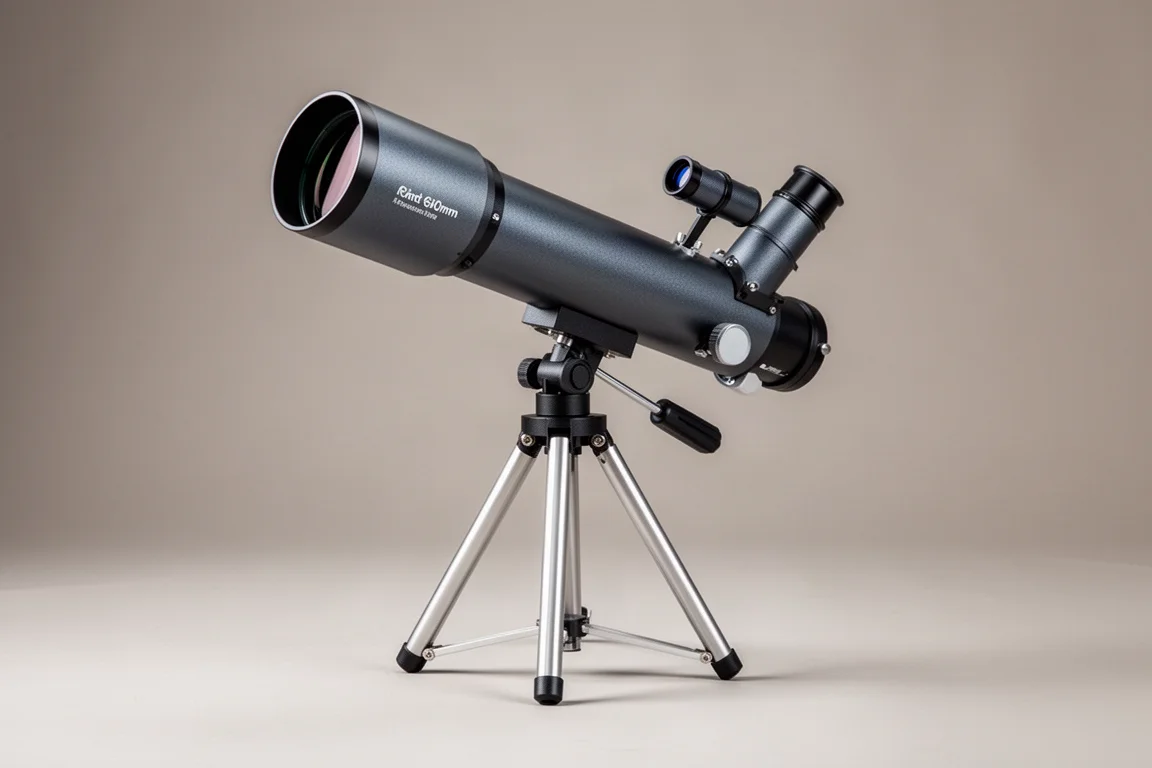
Celestron PowerSeeker 70 EQ
The optical tube itself delivered surprisingly good lunar detail in testing, with craters resolving nicely at phone zoom levels. The problem is the mount, which is infamous for being almost impossible to use smoothly, and that alone explains much of this telescope’s reputation.
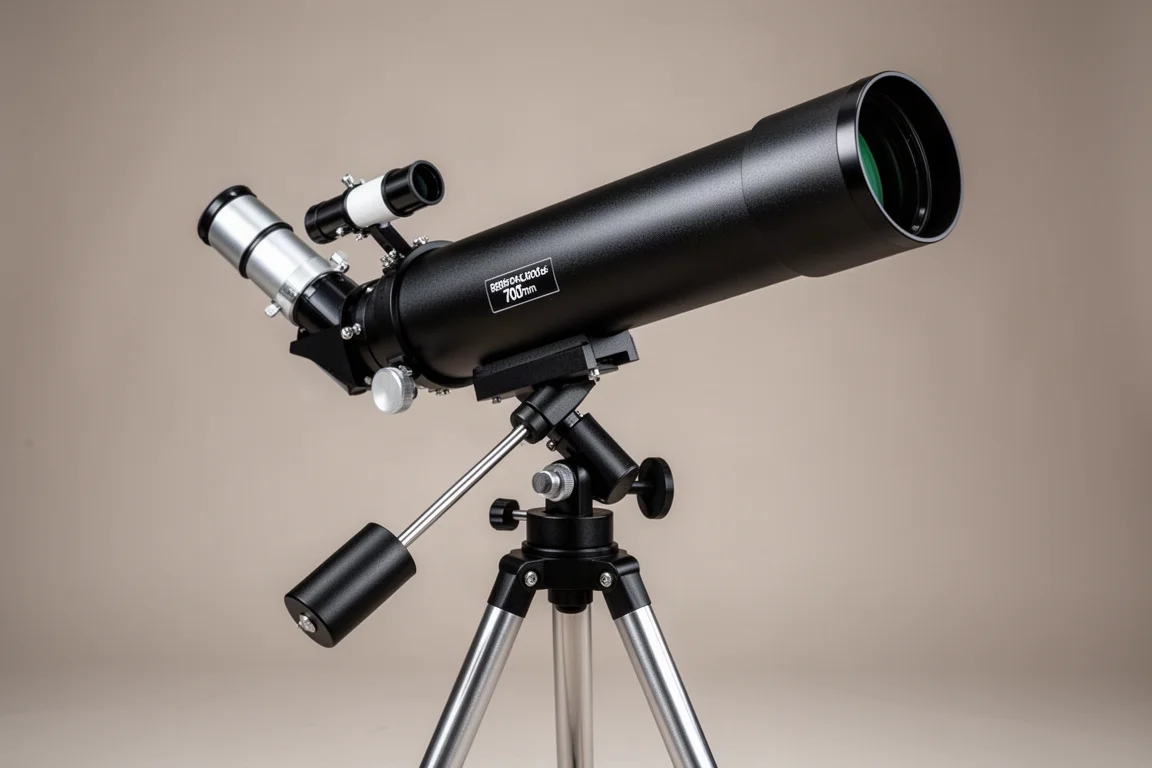
Celestron StarSense Explorer LT 114
This is a 114mm Newtonian with Bird-Jones optics, meaning a small extra lens inside the focusing assembly that doubles the magnification so higher numbers can be printed on the box, at the expense of optical quality. Note that Newtonian telescopes rotate the image 180 degrees, and on a fully manual mount the moon drifts across the field of view as the Earth rotates.
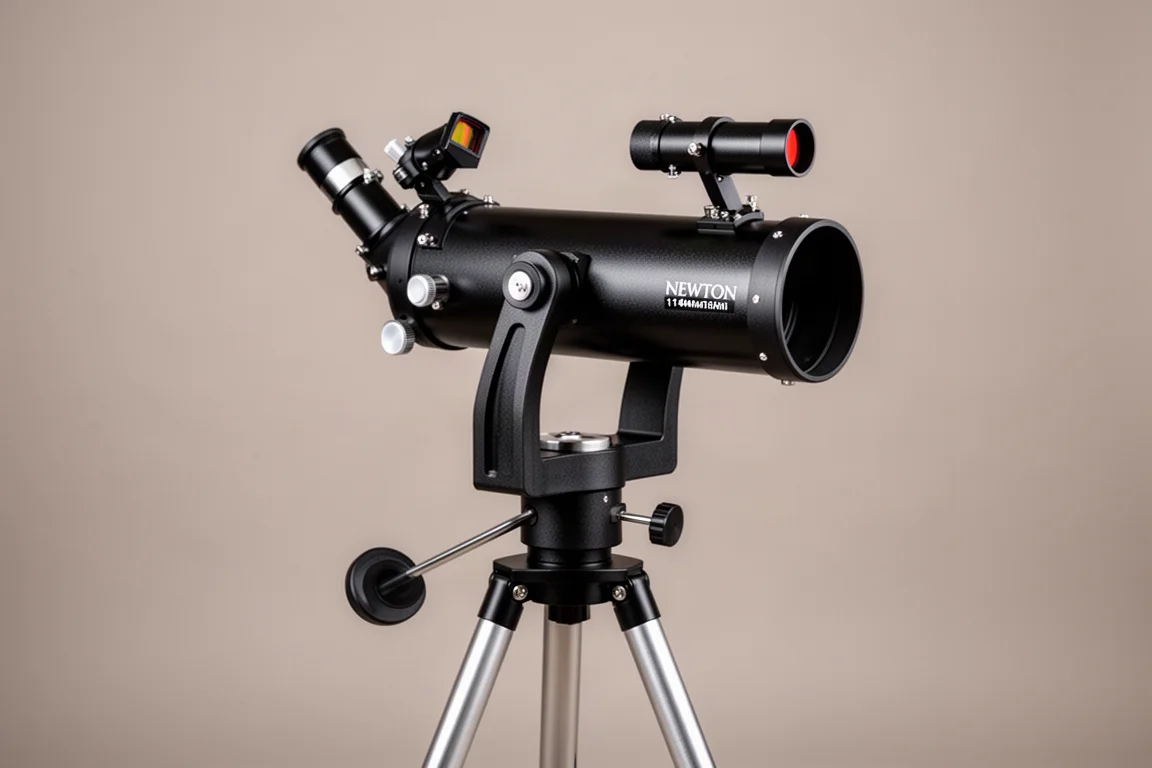
Common Beginner Telescopes Worth a Second Look
The middle batch included some telescopes that are genuinely well regarded: the classic 102mm refractor, sometimes found for under $200, which the observer actually likes; the 130mm Newtonian from Celestron, which shares its optics between the StarSense Explorer 130DX and the 130SLT; and a 127mm Maksutov from SVBony designed with the moon in mind.
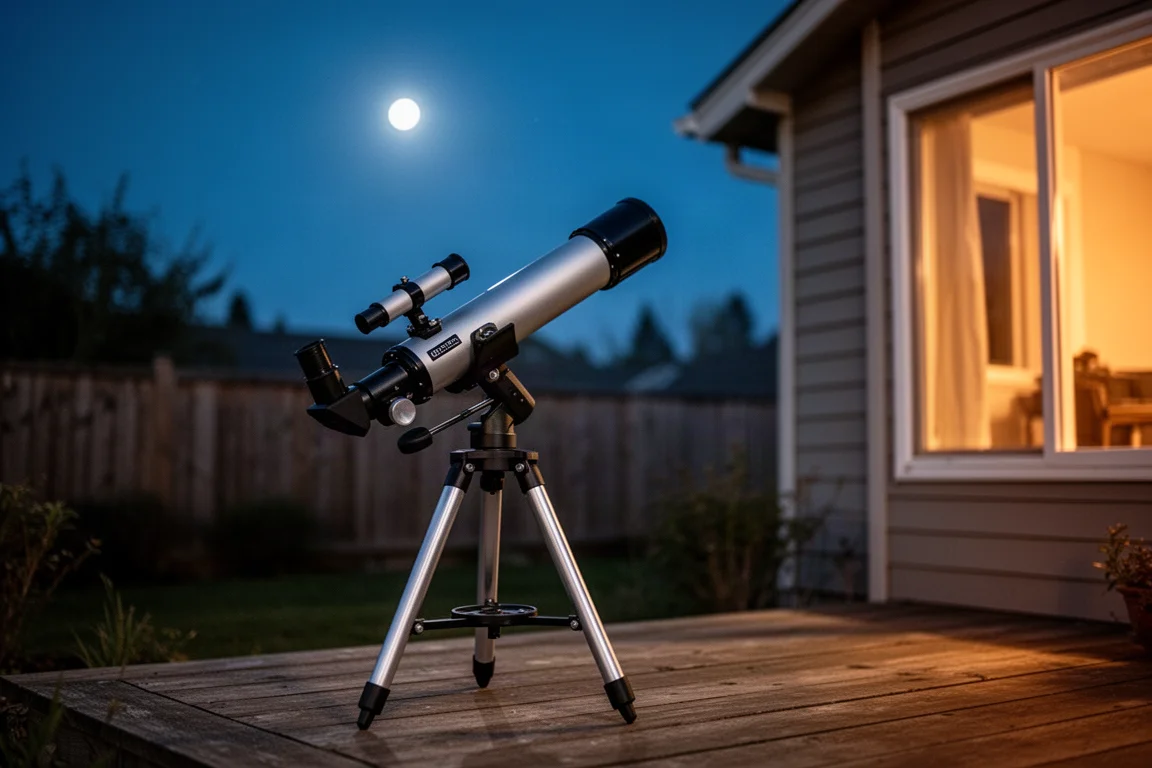
Celestron StarSense Explorer 130DX
The 130mm Newtonian showed roughly the same magnification as the 102mm refractor, and produced a very pleasant zoomed-in lunar view. Being a Newtonian, the image appears rotated 180 degrees. One nice aspect of a manual setup like this is that when you let go, all the movement you see is just the rotation of the Earth.
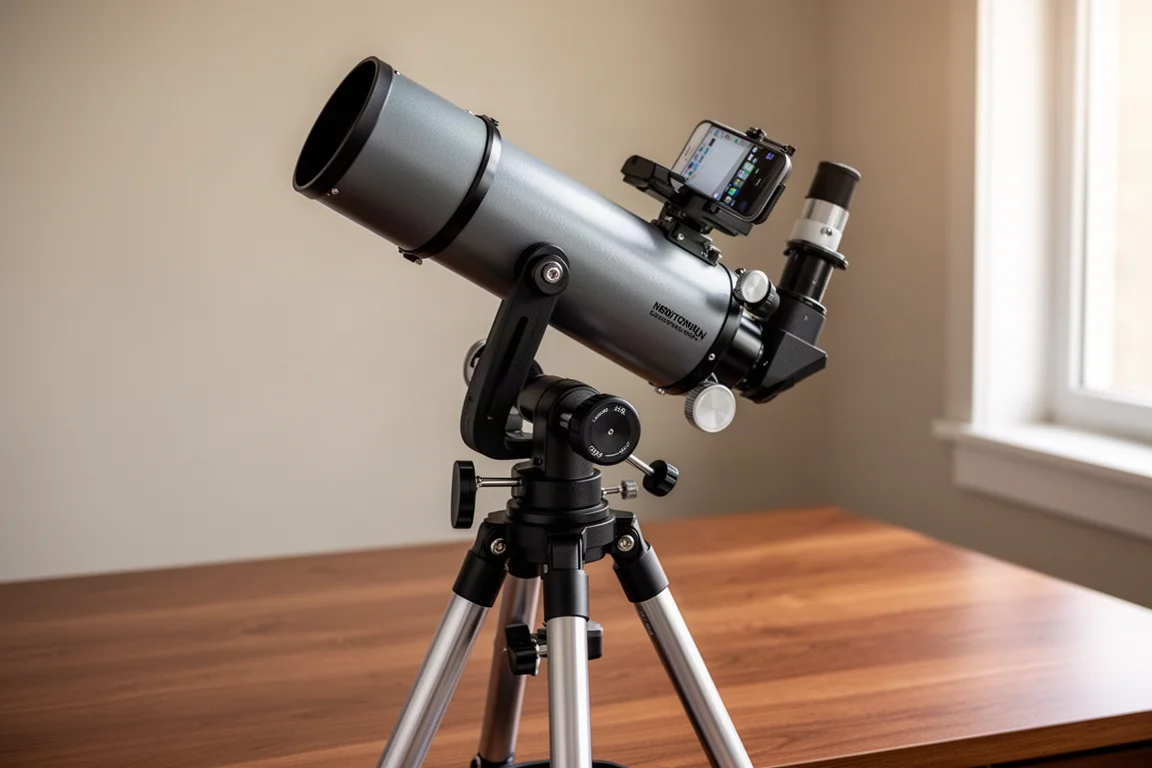
SVBony 127 Mak
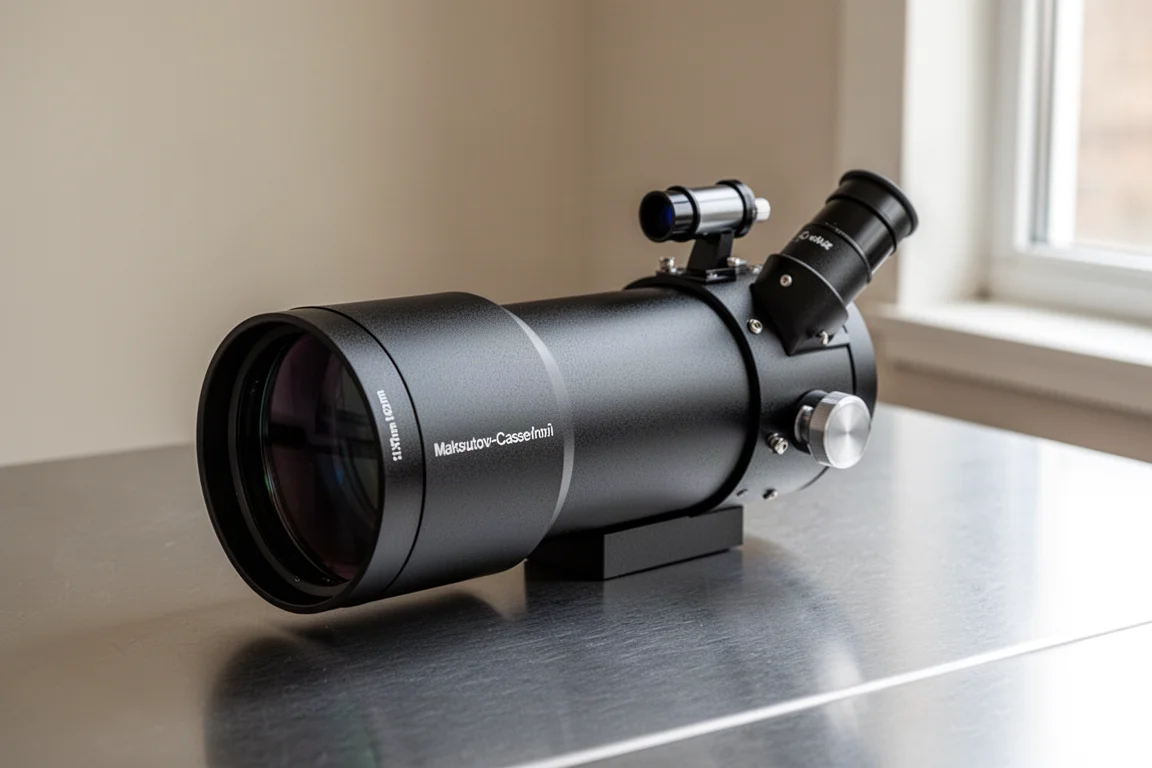
This is a telescope designed for the moon, and it showed. With serious focal length, the zoomed-in view revealed impressive crater detail, shimmering slightly in the unsteady atmosphere as the moon drifted across the field of view. Even pushed further on the phone, the image stayed striking.
The Big Guns: Larger Apertures and Longer Focal Lengths
The final configuration paired a C8, a 1000mm refractor, and an 8-inch Newtonian, which felt like what the test mount was really designed for.
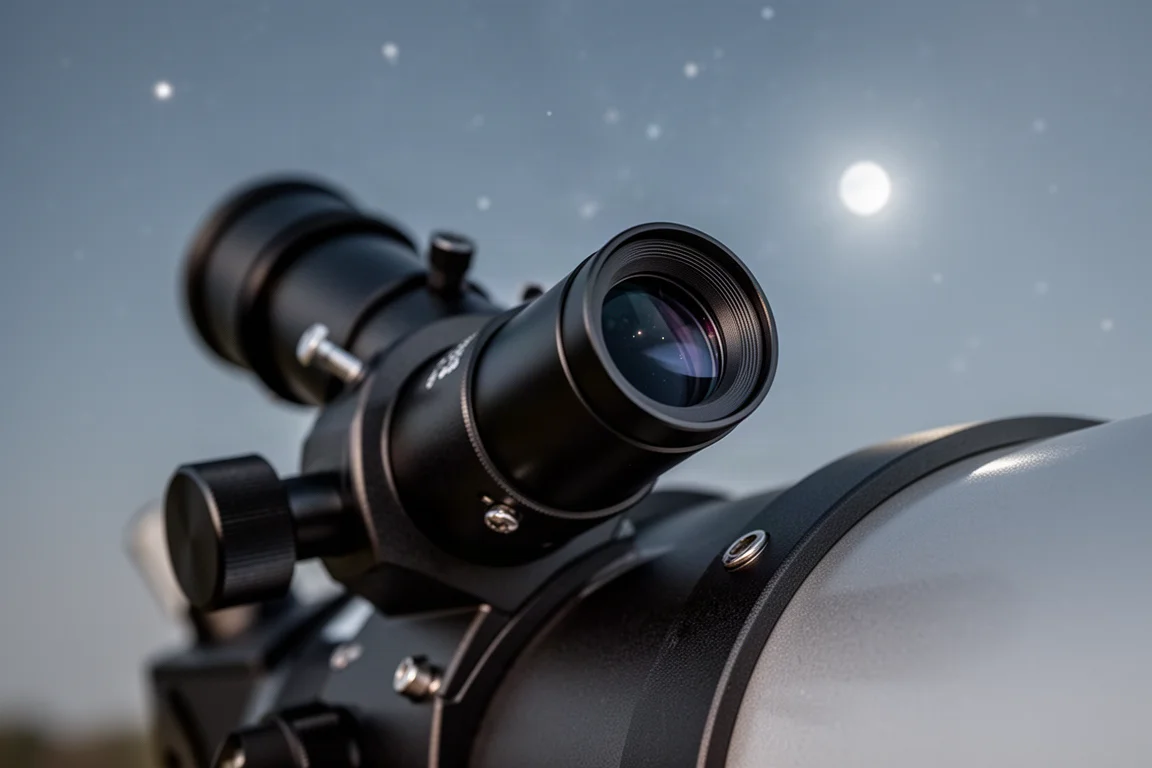
Celestron C8
The 8-inch Newtonian in this batch did not offer as much magnification as the Maksutov, because its focal length is shorter, but the larger aperture means that with an eyepiece you should be able to see more detail at high magnifications. Aperture is what ultimately buys you access to those higher powers.
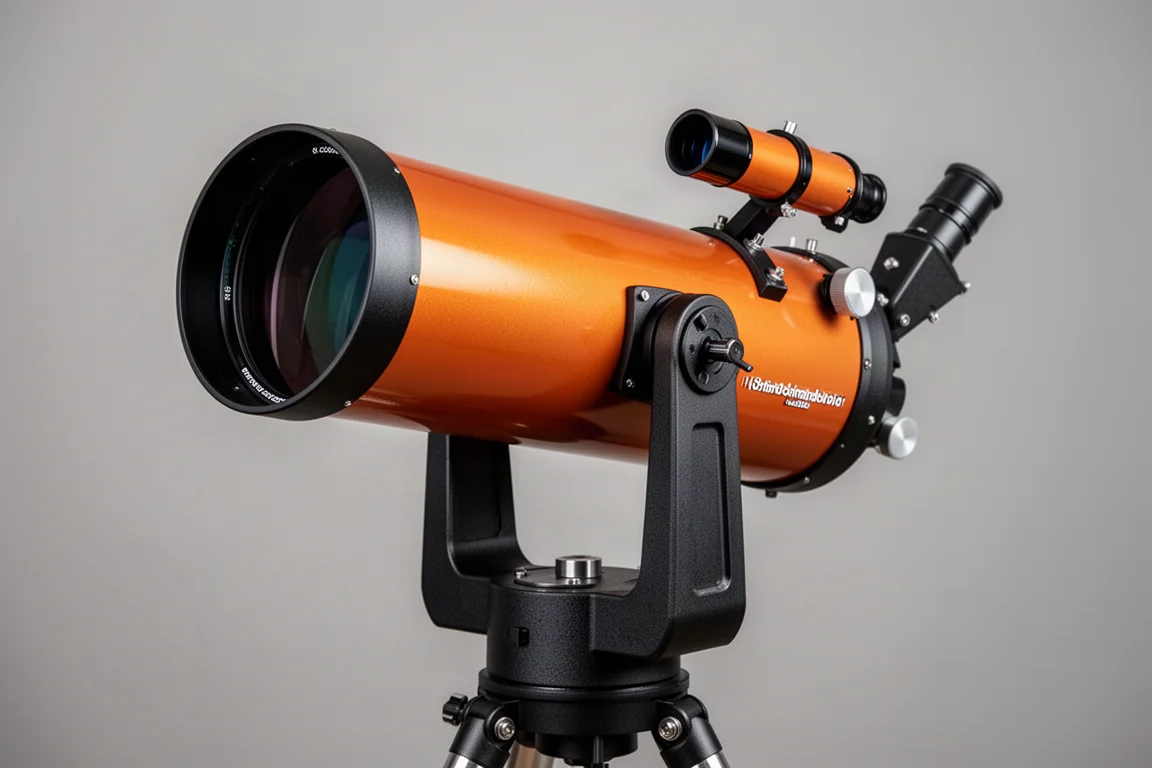
Explore Scientific FirstLight 1000mm Refractor
Some chromatic aberration was visible with this refractor at first, though pulling down the brightness largely tamed it. After refocusing, the zoomed view was described simply as a nice one: sharp, detailed lunar terrain with easy panning across the surface.
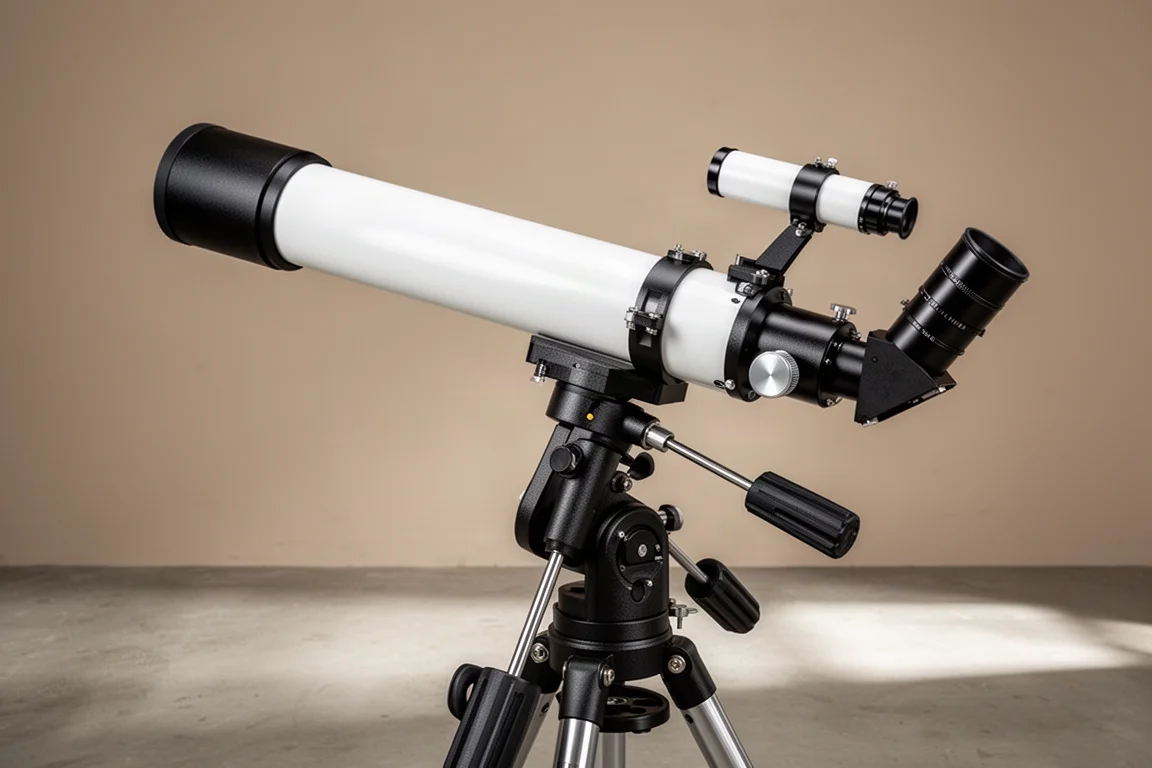
The Grand Finale: A 12-Inch Dobsonian
Telescope number ten brought its own mount, a Dobsonian, and needed no adapter rig to shine. Focusing took seconds, and the view was immediately beautiful. With a focal length of around 1500mm and a large aperture, the moon showed superb detail, and the smooth Dobsonian mount could be nudged with the slightest touch of a hand.
The honest way to get more from a scope like this is to swap eyepieces: using the same 25mm Plossl in every telescope kept the comparison consistent, but switching to a shorter focal length eyepiece unlocks higher magnifications at even higher quality.
The Mount That Held It All Together
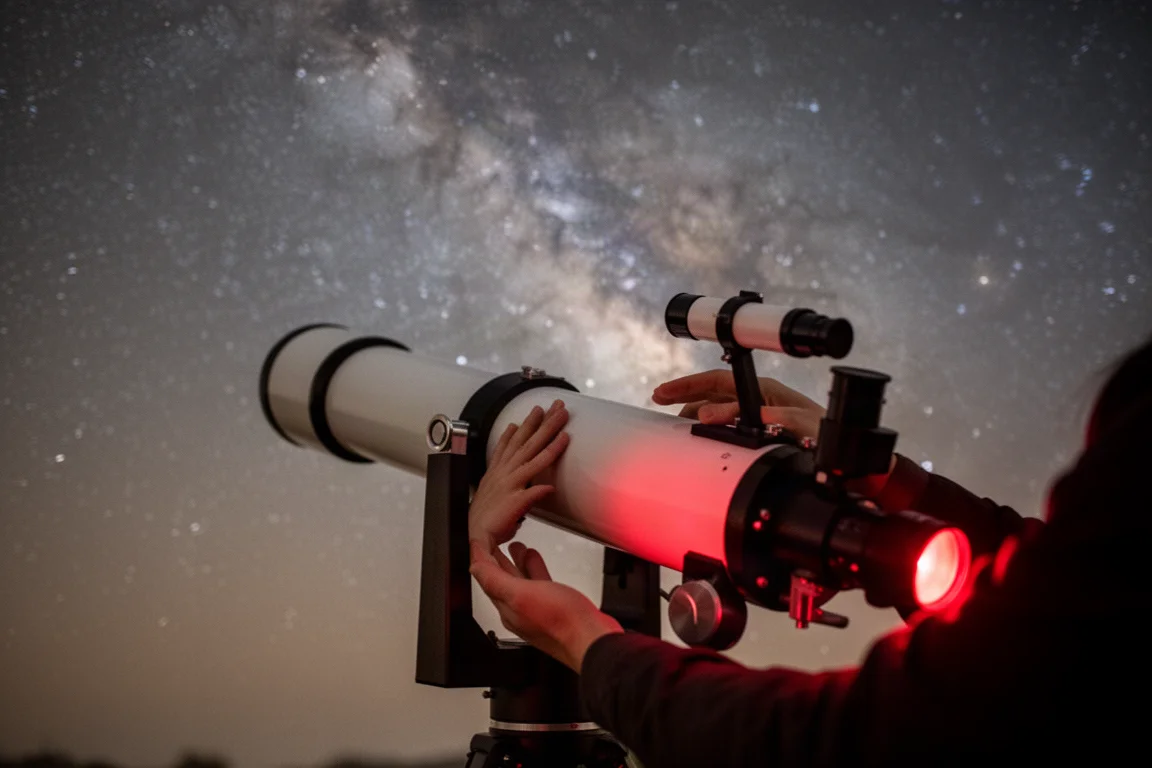
Almost none of these beginner telescopes came on mounts sturdy enough for stable viewing, let alone imaging. That is why the entire comparison ran on the Track the Stars TTS-160 Panther Light mount. There are no motors in the mount itself; it is purely for visual astronomy, moved by hand.
It pairs with an encoder setup and Sky Safari, so you can point the telescope anywhere in the sky and the app shows exactly where you are aiming, or select a target like a star or a comet and the app guides your push toward it. For anyone tired of shaky beginner mounts, this kind of push-to setup is a meaningful upgrade.
Buying Advice
If there is one lesson from watching the moon through ten telescopes, it is this: nearly any telescope will show you a beautiful moon, so do not buy based on lunar impressions alone. Judge telescopes on their mounts and on tougher targets like star clusters, where optical quality actually shows. And remember that whatever scope you choose, there are always new features to hunt for on the lunar surface as the phases change from day to day.
Conclusion
From a small travel refractor to a 12-inch Dobsonian, every telescope in this comparison delivered a rewarding view of the moon. The differences lie in detail, magnification headroom, and above all the mounts they come with. Choose the largest aperture and the sturdiest mount your budget allows, and the moon will reward you on every clear night.
Further reading
Related Reviews

Telescopes
Sightron SJ75 UF and Sky-Watcher HS125: Two Telescopes Worth Watching
A look at two notable telescopes from a recent camera and optics expo: a sharp new astrograph from Sightron Japan and a compact fast reflector from Sky-Watcher.

Telescopes
SV503 102ED Review: A Budget 102mm Refractor That Surprises
The SV503 102ED is an affordable 102mm doublet refractor that delivers surprisingly decent star shapes and a smooth focuser, despite some chromatic aberration and light falloff.

Telescopes
SVBony MK127 Review: A Compact Maksutov-Cassegrain That Surprises
The SVBony MK127 is a 127mm Maksutov-Cassegrain telescope with a unique 0.65x reducer, making it a versatile option for visual astronomy and even some deep-sky imaging.