Running Gear
Monthly Running Kit Roundup: Fueling, Shorts, Socks and Singlets Worth a Look
Seven running products tested over the past month, from ultra-friendly energy gels to race-day singlets and trail shorts with serious storage.
Introduction
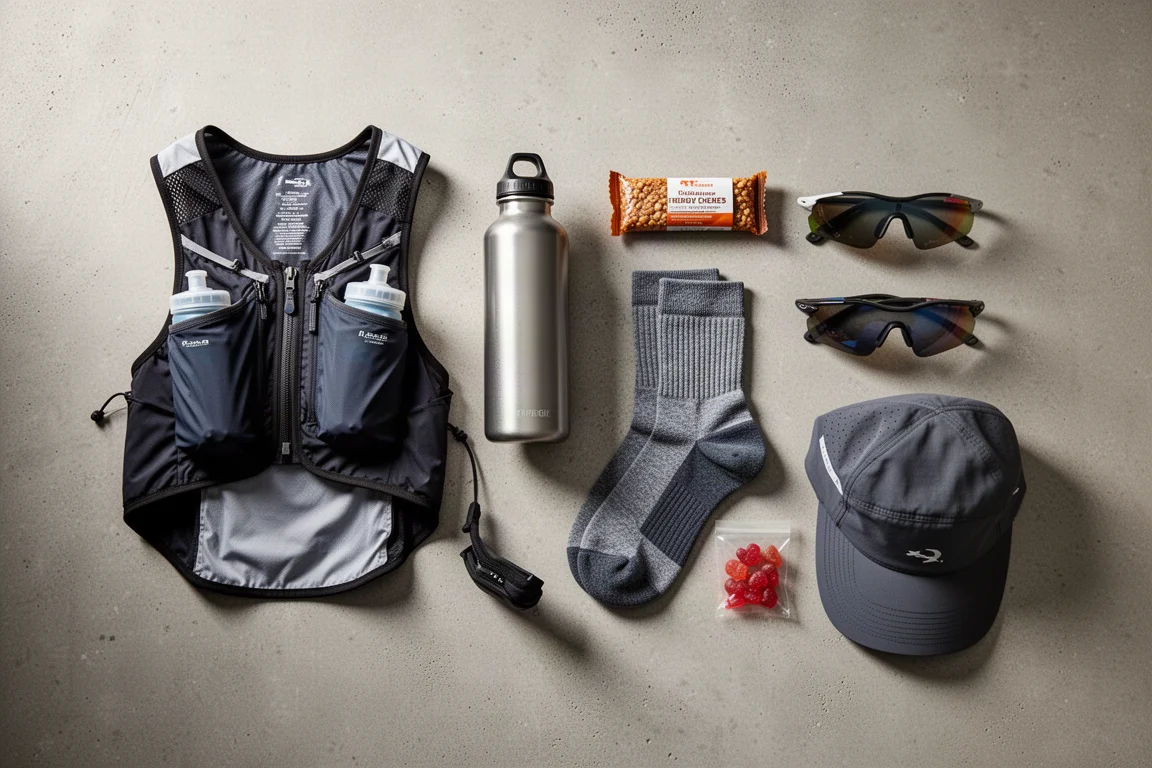
Each month we round up the kit, accessories and tech that have been in testing but have not yet made it into a dedicated review. This month’s batch covers a wide spread: ultra fueling that went the distance over 100 miles, biker-style running shorts from a small Sheffield brand, race-focused shorts and a singlet from an ambitious newcomer, two very different pairs of running socks, and a lightweight trail short from ASICS. Here is what stood out, and who each item is really for.
Torque Energy Gels
Fueling a 100-mile race is all about keeping options open, and these Torque energy gels proved a welcome change of pace during a recent 100-miler. They are soft, zingy little sweets rather than a traditional gel, with a citrus sharpness that cuts through the usual sweetness. They are not as chewy as shot blocks or some ultra chews, and they held their shape well even when crammed into a race pack.
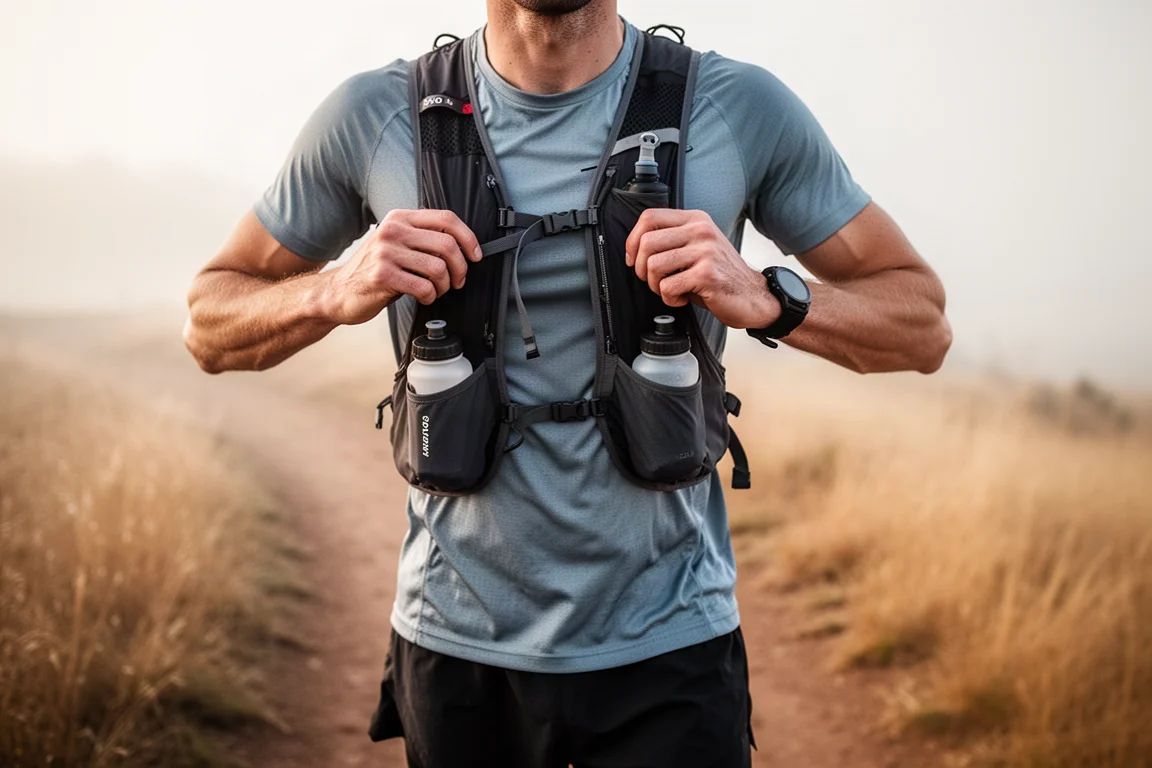
The real value showed up late in the race. From around mile 50, with a delicate stomach, a whole gel at once was not going to sit well. Being able to eat these small 5-gram carb sweets gradually over time took real pressure off. Each pack delivers 30 grams of carbs, and the small packs are very belt-and-vest friendly. You could just eat Haribo, but as a soft chew to mix into your fueling rotation, these are excellent.

Bimble and Bolt Super Strider Shorts
Bimble and Bolt is a Sheffield-based company run by founder Hannah. They have previously made socks and leggings, and running shorts are the natural next step. The Super Strider shorts come in 6-inch and 8-inch options, in colors including wine, teal, violet, midnight blue and black.
The practical details are strong. There are huge side pockets with plenty of space for a large phone and multiple gels, plus a zip section at the back. The high, structured waistband is a genuine highlight, especially for anyone returning to running after a C-section or who simply prefers a higher rise. On a very soggy test run there was no chafing at all, and without any rubber strip around the legs they did not ride up.
Two small caveats: the back zip pocket was a little tricky to open on the move, so it is not ideal for race-effort access, and the fabric felt slightly itchy at first, though that faded with wear and washing. At around £40-44 they sit at the lower end of good-quality biker-style running shorts, which makes them solid value.

Nadao Velocity X Running Shorts
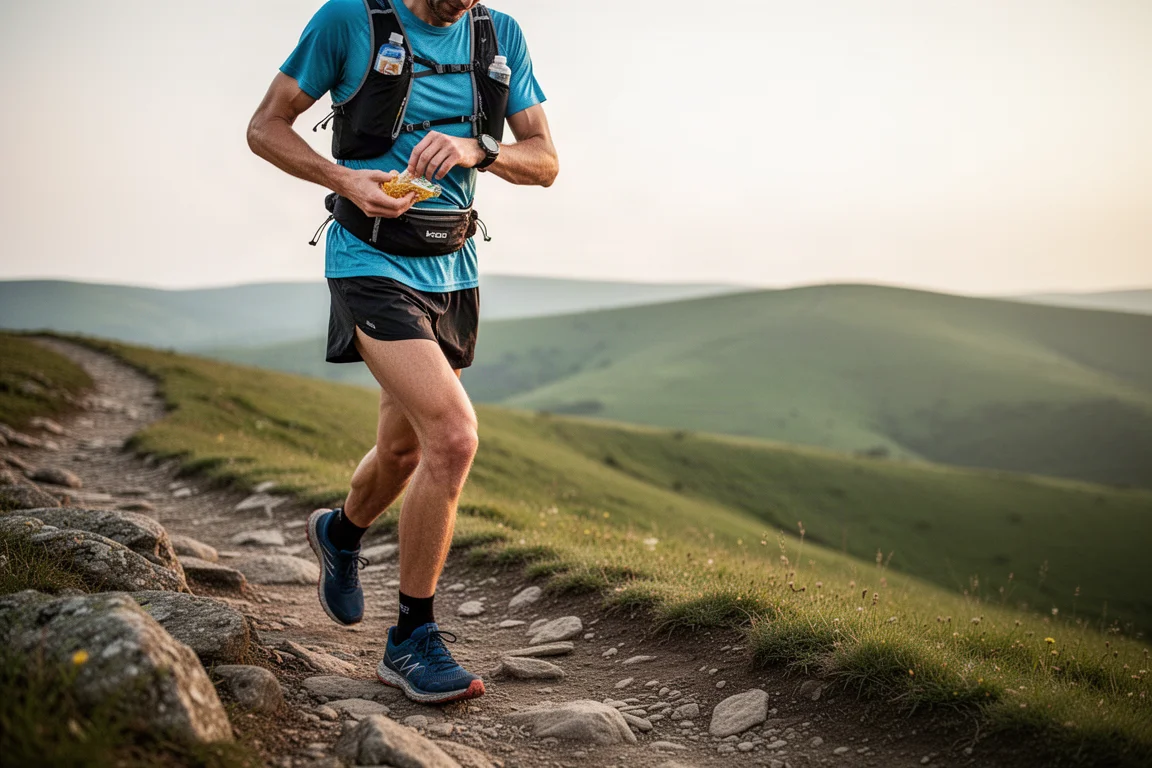
Nadao is a Chinese company clearly aiming at the high-performance end of running, and the Velocity X 4-inch shorts are designed for racing. They are built to carry a 250ml soft flask, five to six energy gels, a big-screen phone and more, with extra storage in the waistband as well as the side pockets. For long-distance race days, the storage claim holds up in practice.
They are very short, essentially racing hot pants, but the ribbed texture of the material feels less revealing than it looks and does not show every line. Silicon anti-slip dots around the legs keep them from slipping at all. They genuinely feel like a race-day garment and performed well on a fast 5k effort.
The big issue is sizing. Because Nadao runs small, a UK size 10 needed a large in the shorts, and large is the biggest size made. That limits who can wear them, which is a real shame for otherwise well-executed race kit.

Nadao Key Flow Racing Singlet
The Key Flow racing singlet pairs naturally with the Velocity X shorts and shares the same speed-first philosophy. It is seamless, extremely light, with small perforations the brand calls tiny wind tunnels, and it sits high on the hip so it trends toward a cropped look without quite getting there. The colors are fun and the feel is slick and floaty.
In hot conditions it kept things cool and comfortable, and it has earned a place in future race-day plans. The same sizing caveat applies though: a medium was the right call for a not-particularly-broad build, so again, sizing will limit some buyers. If Nadao can sort that out, this is a brand worth keeping an eye on.
Monkey Sox Ultra Geo Sport Socks
Monkey Sox is a husband-and-wife team with a story behind the product: the husband’s MS diagnosis led them to create intentionally mismatched but complementary socks, reflecting the coordination challenges MS brings. They feature a little monkey on the back and are made in small batches in Portugal, with a share of profits going to MS charities.
On performance, the Ultra Geo sport socks in ankle length have a nice thick toe, a double layer around the ankle that keeps them firmly in place, a cushioned footbed, and a breathable mesh-mix panel across the top of the foot that keeps things cool. They survived a very wet seven-mile run with no chafing, no slipping, and mud washed out of them easily. The seamless toe box adds to the comfort.
At £7 they are pricey for a single pair, and there has been some slight bubbling at the toe so far. But if you want a good-quality, good-looking sock while supporting a small company with a meaningful ethos, they are easy to recommend.

Smartwool Athlete Edition Run Crew Socks
Smartwool makes genuinely high-quality socks that last, with real thought put into pressure points and how the fabric is woven. The Athlete Edition Run Crew socks are a dark, understated colorway and strike a very good balance of cushioning and breathability, working well with more than just one category of shoe.
The features stack up sensibly: mesh venting areas for airflow, a seamless toe to reduce blister risk, and a 4 Degree Elite fit system that holds the sock in place across the foot without slippage or rubbing. The brand also lists a two-year guarantee on its socks, worth checking on the website for the exact terms.
They feel soft and supportive from the first wear, have handled hot conditions without problems, and have produced no blisters in recent testing. They are expensive, with an RRP around £25, but they can be found for less in various colorways, which makes them much better value if you shop around.

ASICS Fuji Trail Shorts
The ASICS Fuji Trail shorts are built for trails first, but they work well beyond them. Storage is the headline: multiple elasticated areas for gels and snacks, a rear zip pocket intended as a phone holder (large phones may not fit, so check yours), a side carabiner for clipping a packed-up jacket, and small side straps for tying on extra bits.
The fabric is lightweight and thin with a short pant-style liner rather than a full leg liner. They sit closer to the leg than the baggy style some runners prefer, but they are stretchy and loose enough to feel very comfortable, and the lean cut works well. On test they were used for plenty of road running too, simply because they felt lighter and more comfortable than dedicated road shorts.
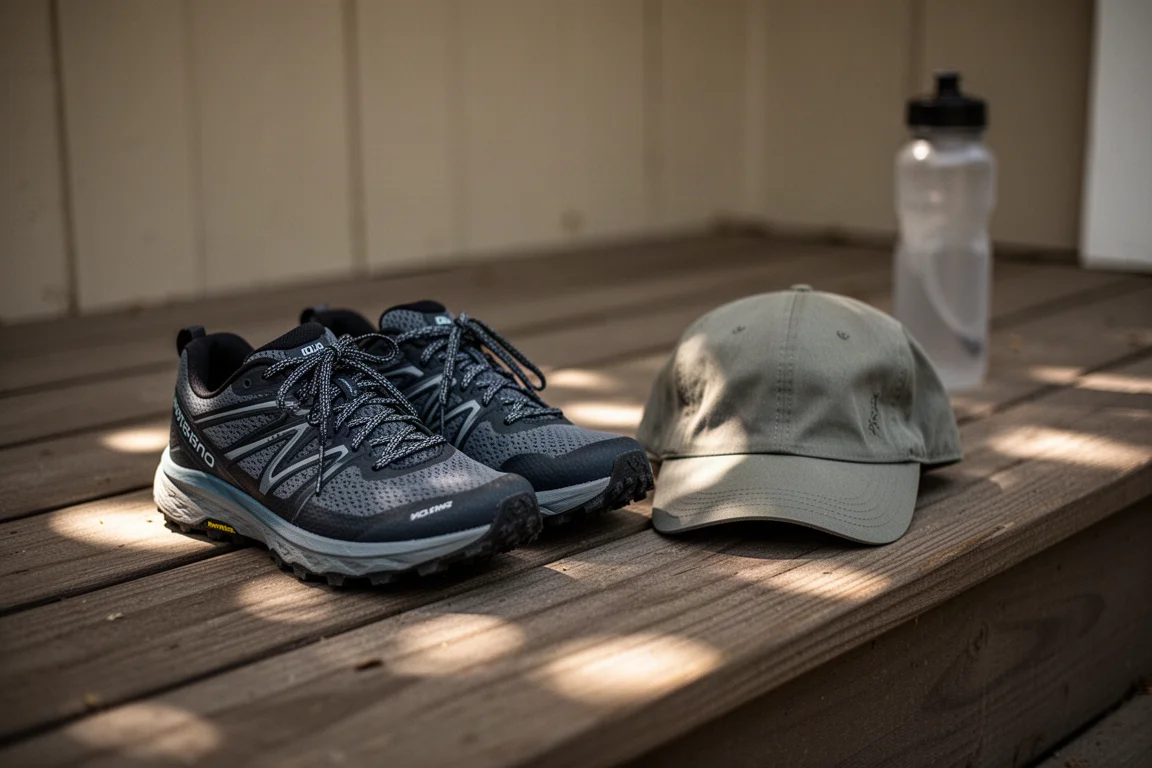
If you want one solid, durable pair of shorts that covers trails, race-day gel storage and everyday training, the Fuji Trail range is proving to be some of ASICS’s most reliable running kit right now.

Overall Buying Advice
Match the gear to the run. For ultra fueling flexibility, the Torque gels earned their place over 100 miles. For everyday training with real pocket space and a forgiving waistband, the Bimble and Bolt Super Striders are strong value. Nadao’s Velocity X shorts and Key Flow singlet are genuine race-day options if the sizing works for you. For socks, the Monkey Sox Ultra Geo wins on story and stay-put fit, while the Smartwool Run Crew is the more conventional, durable all-rounder. And the ASICS Fuji Trail shorts are the versatile pick that covers trails and road in one.
Conclusion
This month’s roundup covers a lot of ground, but a few themes stand out: storage is becoming the differentiator in shorts, small brands are competing seriously on comfort, and the right fueling option can make or break a long race. Whichever item matches your next block of training, each of these earned its spot through genuine use rather than spec sheets alone.
Further reading
Related Reviews
Running Gear
Best Running Caps 2026: Nine Tested Options for Summer and Winter
A comprehensive guide to nine running caps tested across different conditions, from lightweight summer options to waterproof winter choices.
Running Gear
Best Running Caps: A Guide to Summer and Winter Options
A comprehensive review of nine running caps for different conditions, styles, and preferences, from lightweight summer options to waterproof winter choices.
Running Gear
Best Running Gear 2026: Five Picks That Earn Their Place
Five running upgrades covering heart rate, audio, fuelling, carrying and weather protection, with the trade-offs worth knowing before you buy.