Running Gear
Monthly Running Kit Roundup: Fueling, Apparel and Carry Gear Worth a Look
Nine pieces of non-shoe running kit we kept reaching for this month, from high-carb fueling to winter gloves, leggings, jackets and a commute-friendly running pack.
Introduction
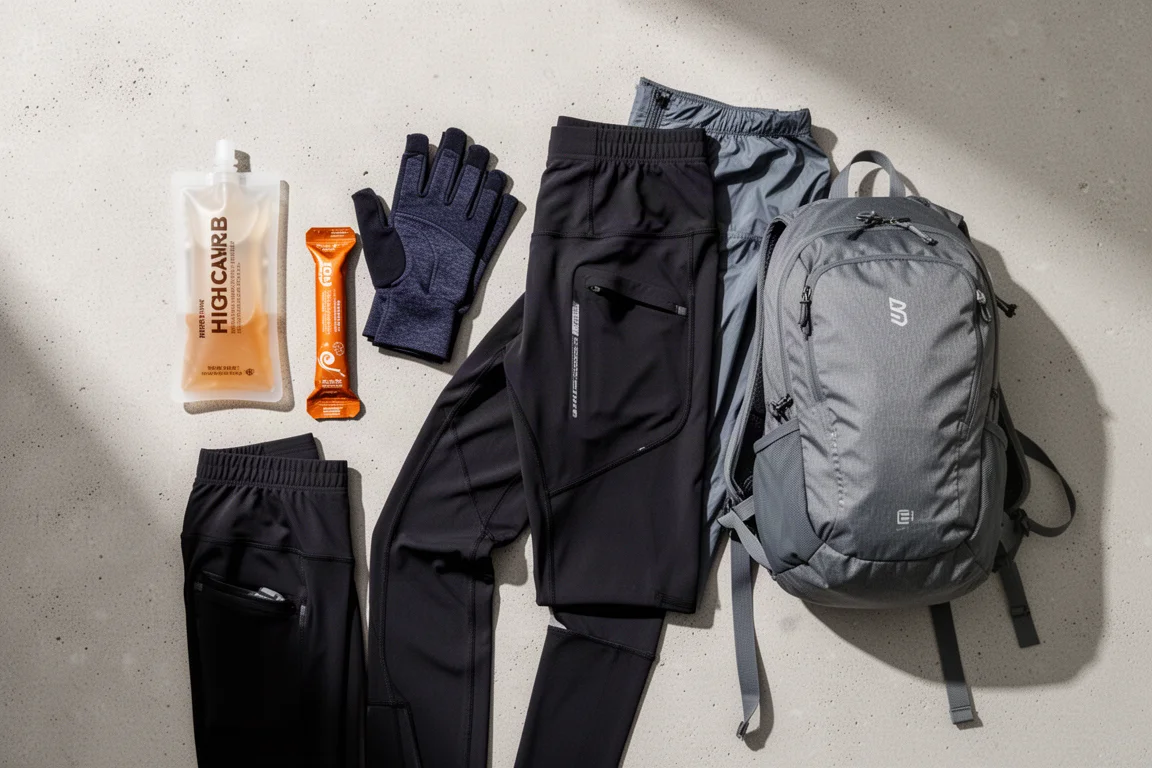
Once a month we round up the running kit that isn’t shoes: the fueling, gloves, tops, shorts and packs that earned a place in our regular rotation. This month’s list covers a lot of ground, from high-carb race fueling and natural energy gels to a two-in-one glove system, storage-heavy leggings, a women’s-first running pack and a few very reliable pieces of apparel.
Fueling: OTE Super Carbs Drink and Gels
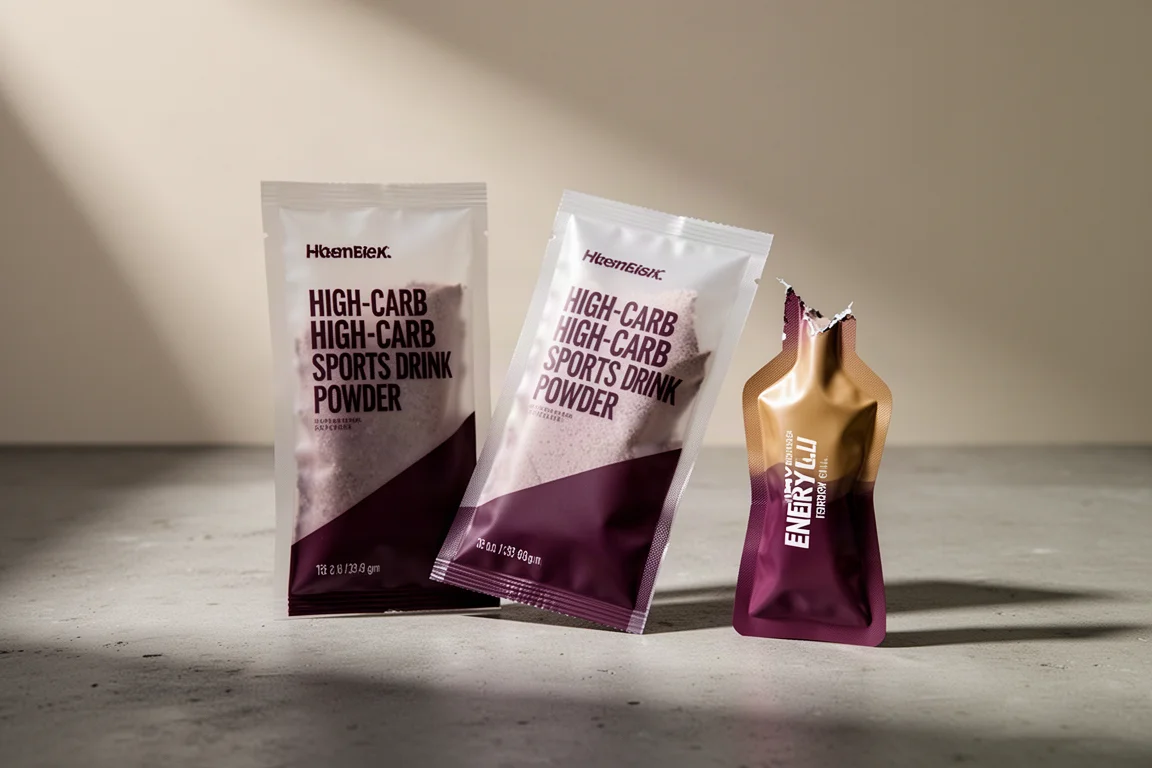
The OTE Super Carbs range covers both a high-carb gel and a high-carb drink, and both are aimed at runners who want to take on a lot of carbohydrate during long efforts, such as the 60 to 80 grams per hour many marathoners aim for. The gels deliver 40 grams of carbs each using a fructose and glucose mix to make large carb loads easier to absorb, and they come in a couple of flavours. They work well in training, though gels of this size can be hard on some stomachs on race day.
The standout for us is the Super Carbs drink: 90 grams of carbs per 500ml serving, the same as the best-known hydrogel drink on the market, and like it, the mix forms a hydrogel in the stomach so carbs are absorbed more steadily. In practice that means feeling fueled without feeling over-full or sickly. Unlike the market leader it comes flavoured, with blackcurrant and lemon and lime options, and it adds electrolytes for hydration. At £30 for 10 servings it is also slightly cheaper than the equivalent drinks, and the gels come in at £43.20 for a pack of 24 mixed flavours. For drinkers, this is the strongest alternative we have come across, and easier on the stomach than some competitors.

Protein Rebel Maple Ignite Gel
The Protein Rebel Maple Ignite is a pure maple syrup energy gel, made from Canadian maple syrup blended with a little sea salt for electrolytes. Because it is syrup rather than a maltodextrin gel, there is none of the usual sticky texture, and it goes down easily without needing much water, which is a real plus mid-run.
Each 36g tube gives you 24 grams of carbohydrates, 110mg of sodium, 90mg of potassium, plus 27mg of calcium, some iron, manganese and antioxidants. They are delicious, but very sweet, so they work best alongside other fueling rather than as your only gel. On a long ultra effort they were perfect when we wanted a big hit of sugar, though a full marathon’s worth of them might get overpowering. At £1.99 per gel, dropping to £1.44 in bigger multi-packs, they are a welcome addition to the natural fueling shelf.

Honey Stinger Mini Waffles
For ultras, slow long-haul plods, or what can only be described as a mid-run picnic, the waffle is king among running snacks. These bite-sized mini waffles are essentially mini stroopwafles: wild honey sandwiched between two thin, crispy waffle wafers. They are thin, crumbly, gooey and chewy in all the right ways, not too dry, and easy to eat without much water, though ideally you still have a drink to hand.
Each mini waffle packs around 6 grams of carbs, which makes them ideal for topping up small amounts of carbohydrate rather than taking one big hit. They also make a great pre-run snack. A pack holds about 18 minis for just under 8 dollars, and we have never managed to stop at just one, which says everything.

Tracksmith NDO Gloves
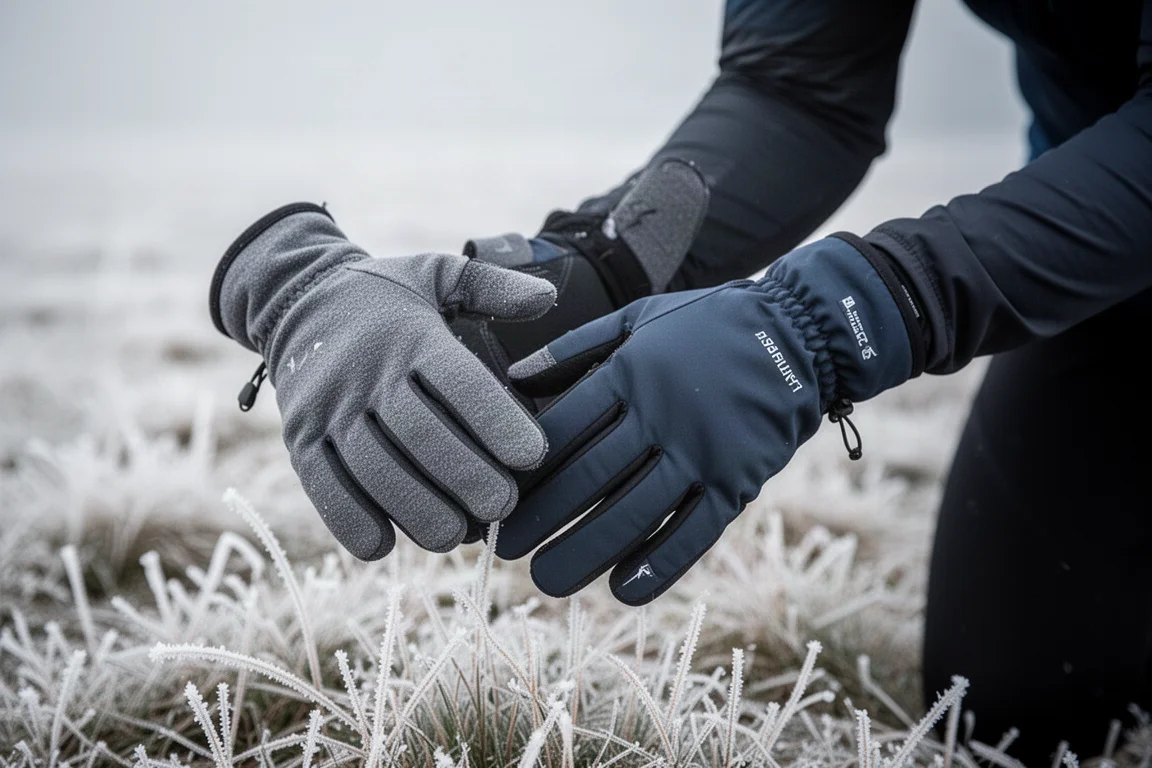
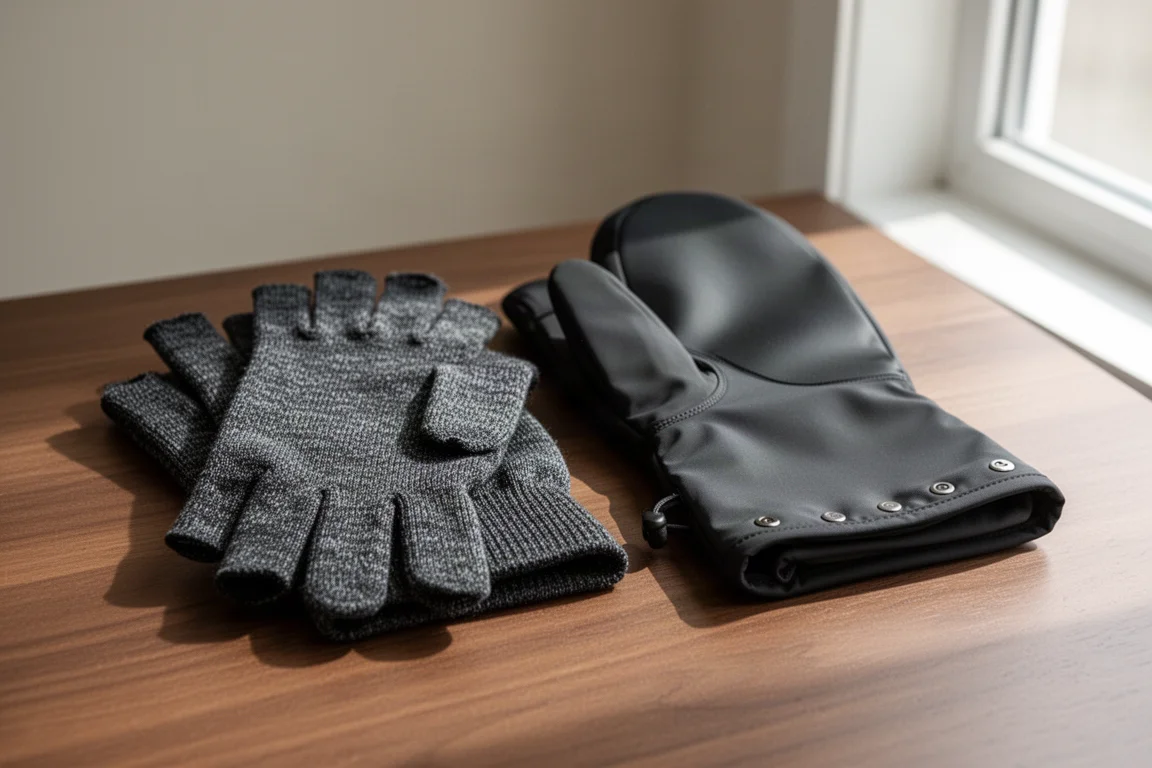
The Tracksmith No Days Off gloves are a two-in-one glove and mitten set, and at £60 or $58 they are not cheap. What you get, however, is effectively two layers that cover you for the whole winter. The liner gloves are soft and lightweight, slightly thicker than a pure liner, with touchscreen-friendly pads on the thumb and index fingers. They handle most cold days comfortably right down to around freezing.
On top of those, the windproof and very water-resistant mittens make a huge difference when an icy wind blows, blocking it entirely and warming the hands immediately, and they come off easily when you turn with the wind so you don’t overheat. The mittens use magnets to hold them together, there is reflective material throughout, and the set is well made enough that the price feels defensible. One fitting note: they run slightly large, so consider sizing down, as the extra fingertip length makes the touchscreen pads harder to use.
Nike Go Leggings
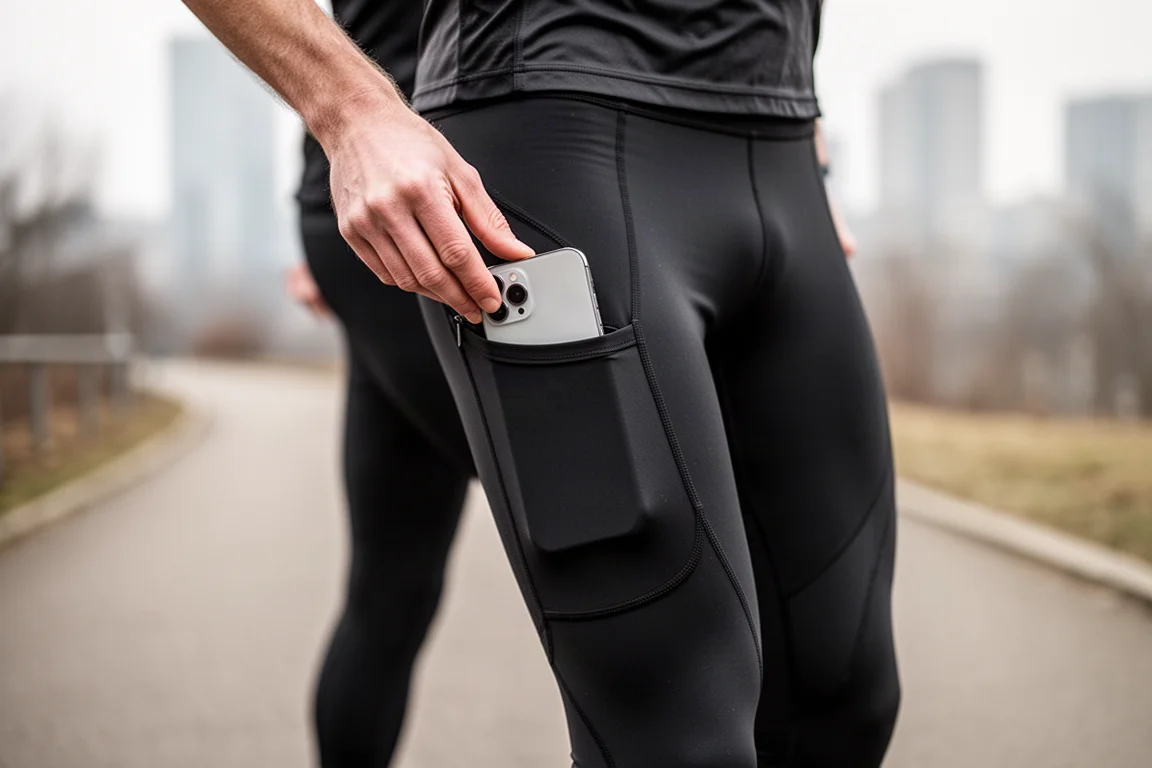
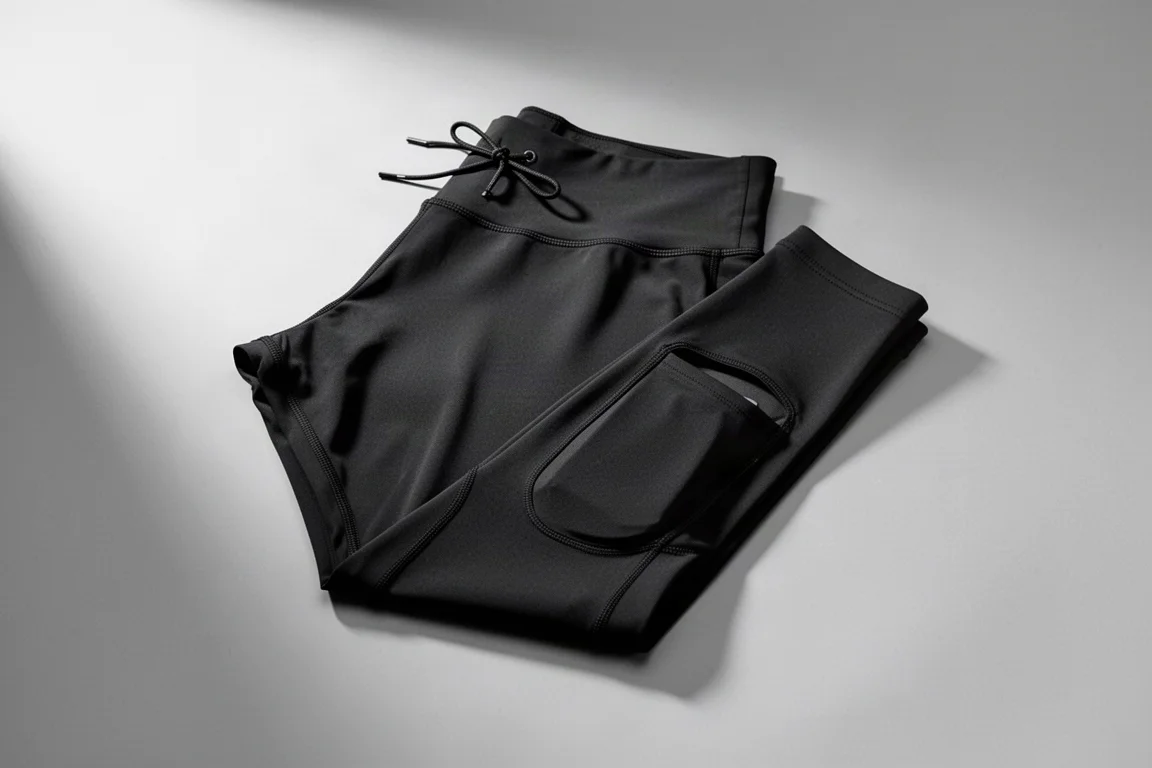
The Nike Go leggings are a firm-support running short-style legging aimed at people who want storage on long runs without carrying a belt. The pocket setup is genuinely useful for marathon training: a large back pocket that fits a phone, small waistband pockets for keys and lip balm, and two big drop-in pockets on the legs, one of them zipped so nothing falls out.
There are small touches that show thought, like the toggle on the waistband drawstring that tightens and releases easily instead of the usual knot that works loose or jams in the wash. The rise is high, the fit is compressive without feeling restrictive, and they stayed put through long runs with no riding up or down. At £60 or $65, in sizes XS to XL, they rate as one of the most comfortable and practical pairs we have tested.
Osprey Tempest 20
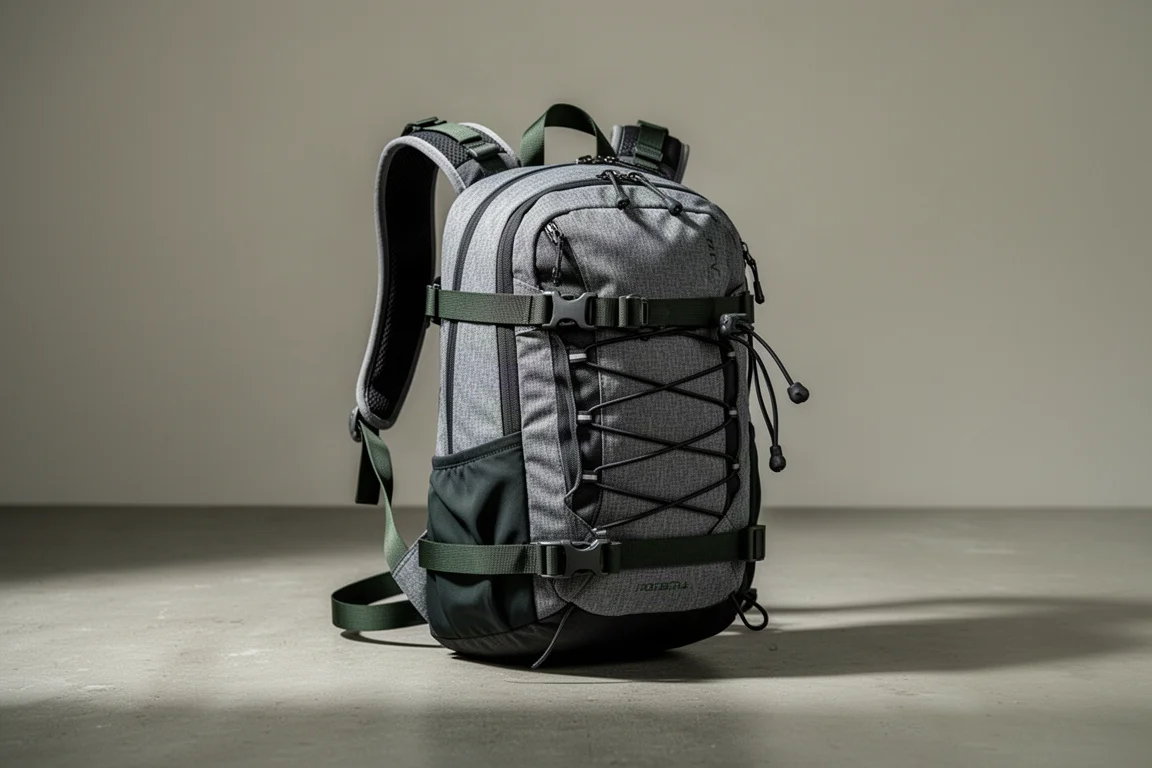
The Osprey Tempest 20 stands out because Osprey builds a women’s line, and the fit reflects it: chest straps sit where they should on a shorter torso instead of riding up awkwardly, a common complaint with packs designed around taller, broader frames. The 20L version here is priced at £130 and comes in XS, S and M/L sizes, with a smaller Tempest 9 available if you want less volume.
It easily swallowed a laptop, a change of clothes and the rest of a commuting load, and the compression pulls flatten the bag down when it is not full, so nothing bounces against your back. Back support, straps and fit are all customisable, there is a chest strap, a waist strap and pockets everywhere, and after a month of run-commuting it has become the default grab-and-go pack. The main gap is a dedicated laptop sleeve, but otherwise it makes running with cargo genuinely easier.

Under Armour Run Anywhere Pullover
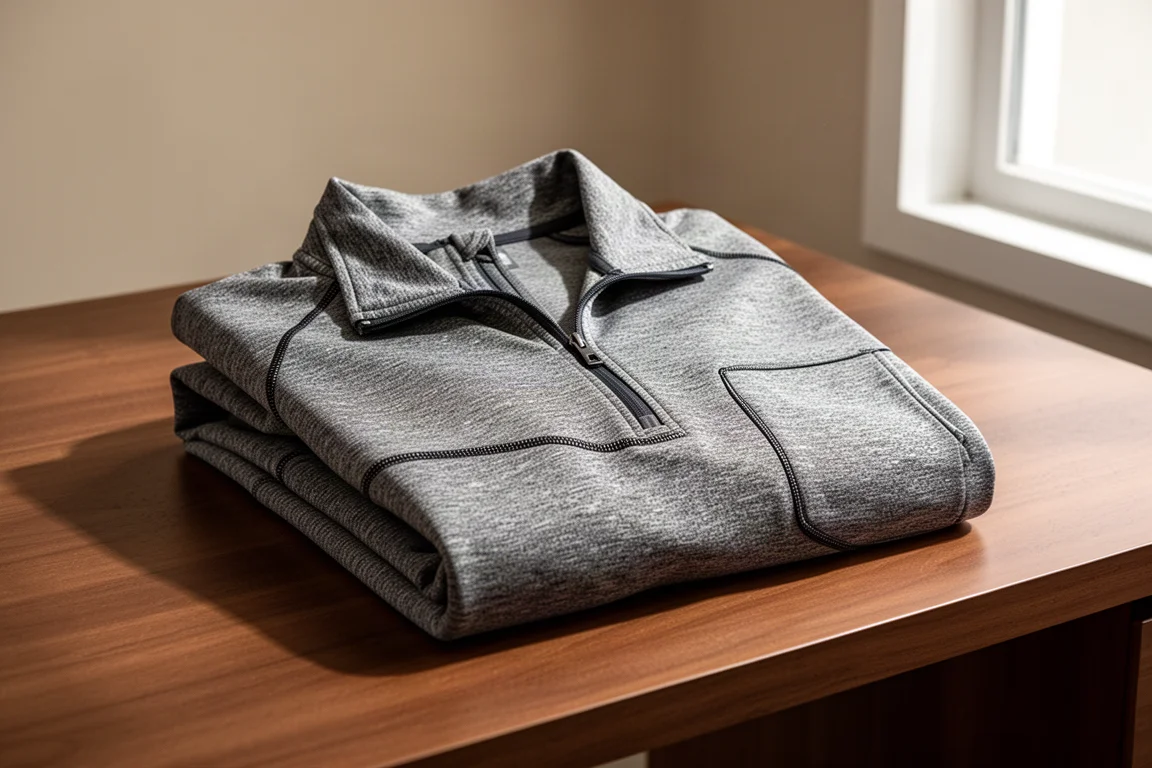
The Under Armour Run Anywhere pullover sits somewhere between a jacket and a fairly thick running base layer, with a front zip and enough fabric to keep you warm on colder easy days when you are not working up much of a sweat.
The relaxed, loose fit makes it comfortable, and unlike many running tops it has a kangaroo pocket at the front for warming your hands, plus a separate inner pocket for stashing keys. There is no hood, which is worth noting if you rely on one for warmth, but the design is sharp enough that it works as an everyday layer around town too. Best used with a t-shirt underneath on the coldest days.
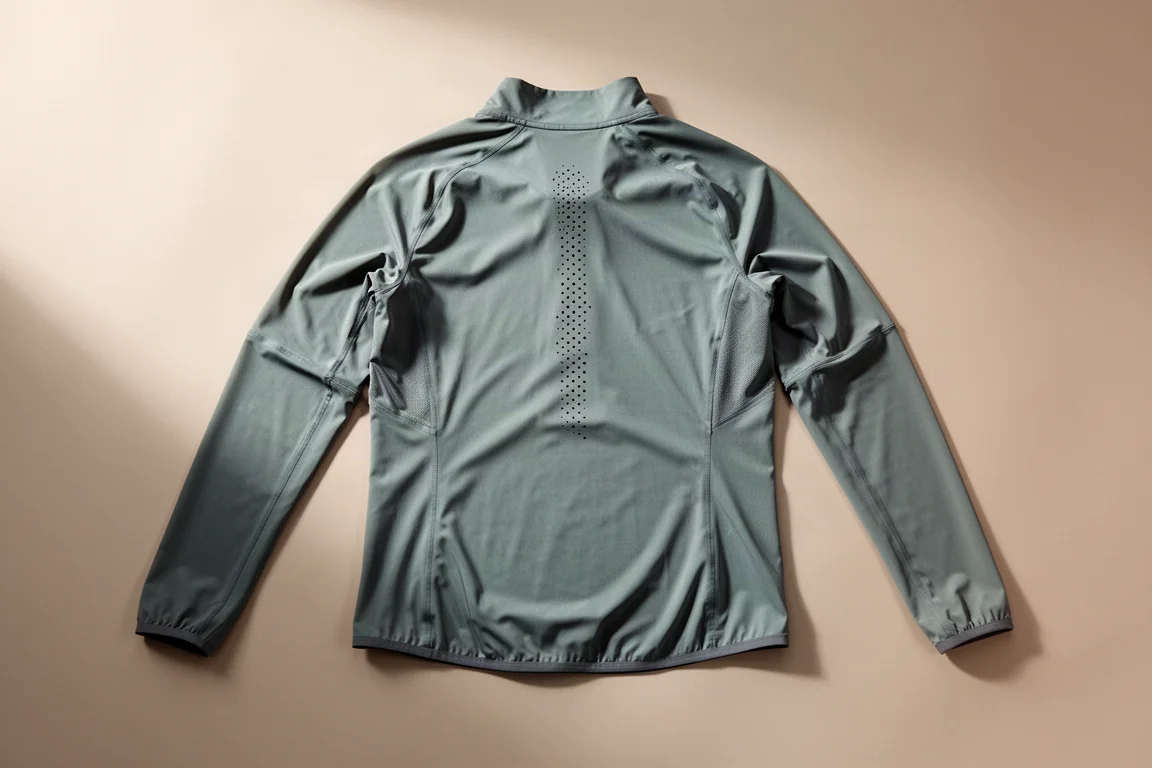
Soar Flow Jacket
The Soar Flow jacket is a very thin, very lightweight layer with laser-cut ventilation sections in the back, designed for that spring-into-summer window when you need a little protection but not much warmth. It will not keep you warm, it just takes the edge off a nippy morning, and for runners who overheat easily it is a great fit for exactly that role.
It has no hood, no pockets and few other features, which is entirely the point: this is a minimal, comfortable, good-looking jacket for marginal conditions. The trade-off is price. As with most Soar kit, part of what you pay for is the design, so it is an investment rather than a bargain.
New Balance Impact Run Short Sleeve
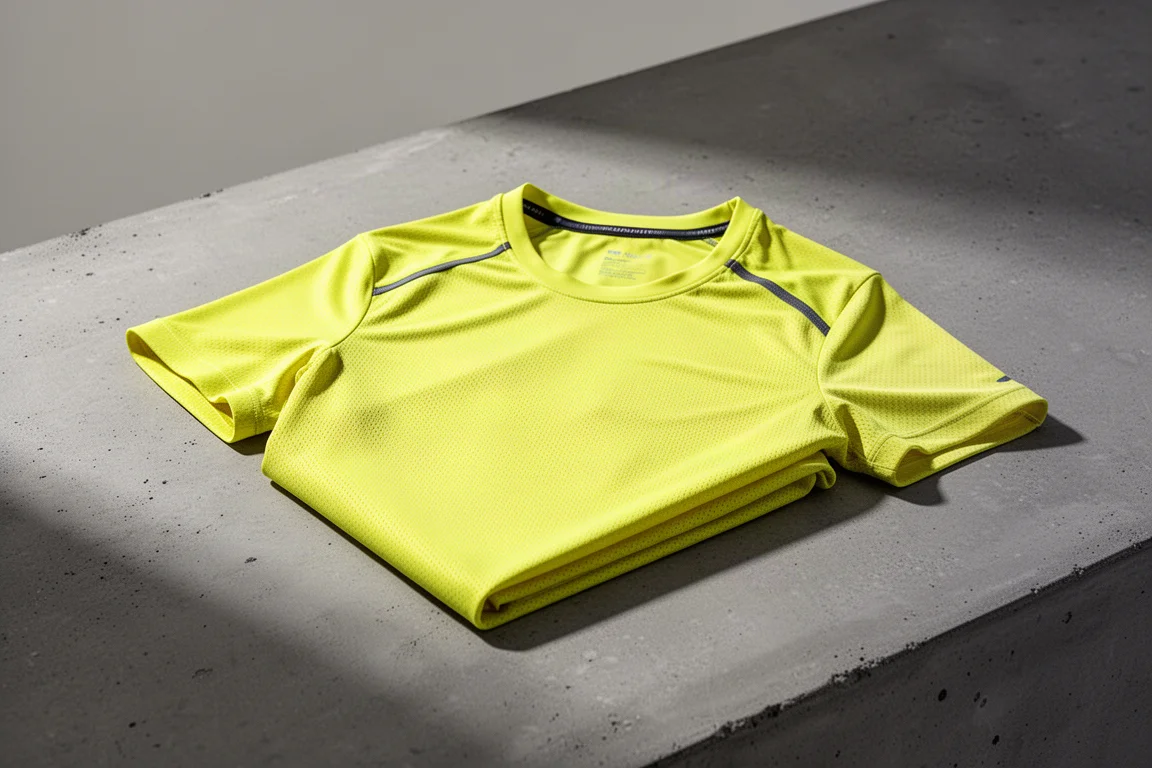
The New Balance Impact Run short sleeve is a long-standing staple the brand refreshes every year, often used for marathon designs, and it remains one of the best all-round running tops available. It is lightweight, thin and very breathable, ideal in warmer weather, and older versions have proven genuinely durable: one previous edition has been in regular use for around four years and still looks close to perfect.
The fit is the real strength. It is cut so it fits well through the chest and arms without being tight around the stomach, avoiding the restrictive feel of many running tops. At £38 it is not the cheapest top out there, but it is the one we keep recommending to people choosing their first race top.
Conclusion
This month’s kit falls into three broad buckets: fueling you can trust on long efforts, cold-weather hand protection that actually adapts, and apparel and carry gear that solve specific annoyances like bouncing packs and nowhere to put your phone. None of these are impulse buys, but each one earns its place by removing a real friction point from running. If you are building out your non-shoe kit, start with the piece that solves the problem you complain about most.
Further reading
Related Reviews
Running Gear
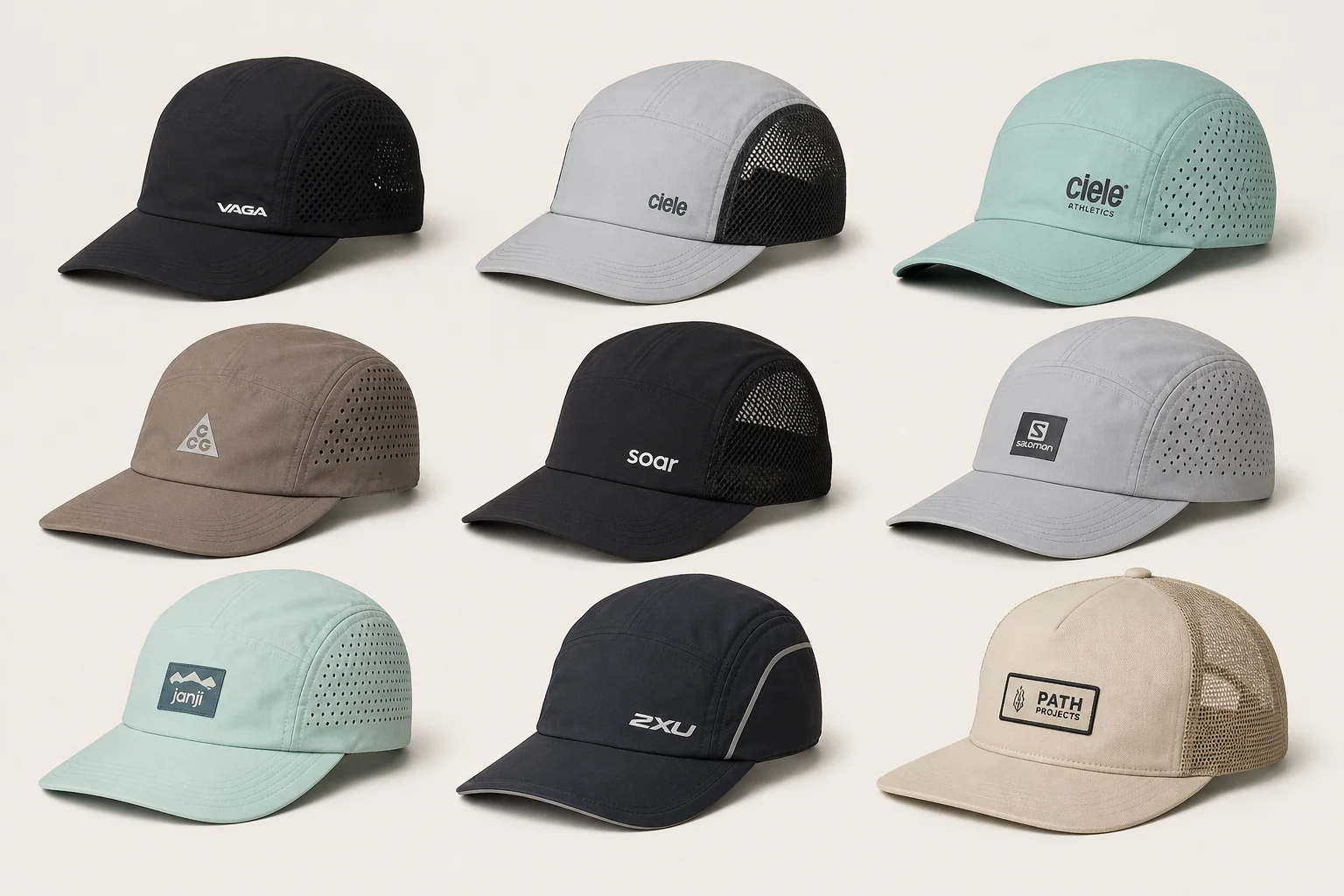
Best Running Caps 2026: Nine Tested Options for Summer and Winter
A comprehensive guide to nine running caps tested across different conditions, from lightweight summer options to waterproof winter choices.
Running Gear
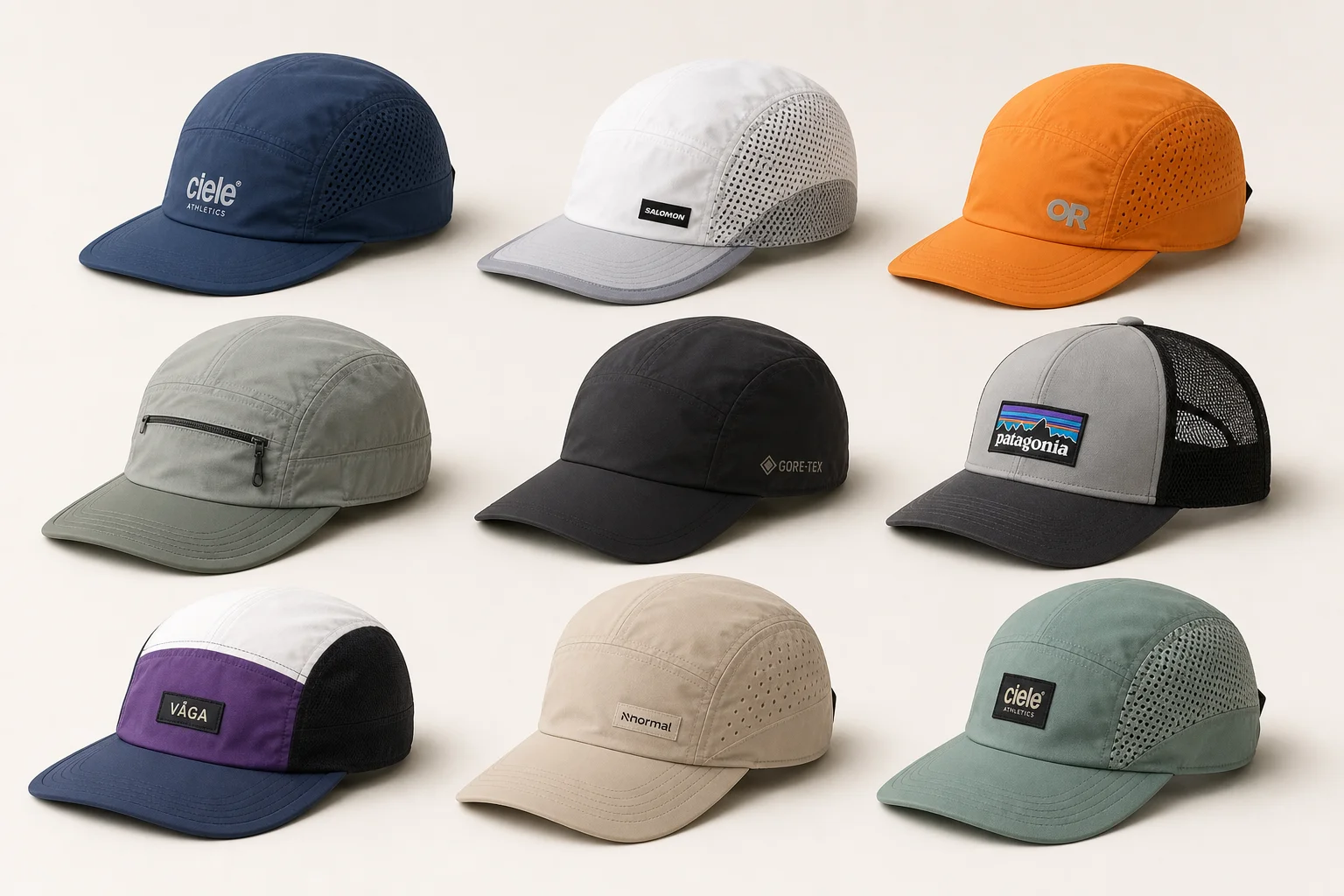
Best Running Caps: A Guide to Summer and Winter Options
A comprehensive review of nine running caps for different conditions, styles, and preferences, from lightweight summer options to waterproof winter choices.
Running Gear
Best Running Gear 2026: Five Picks That Earn Their Place
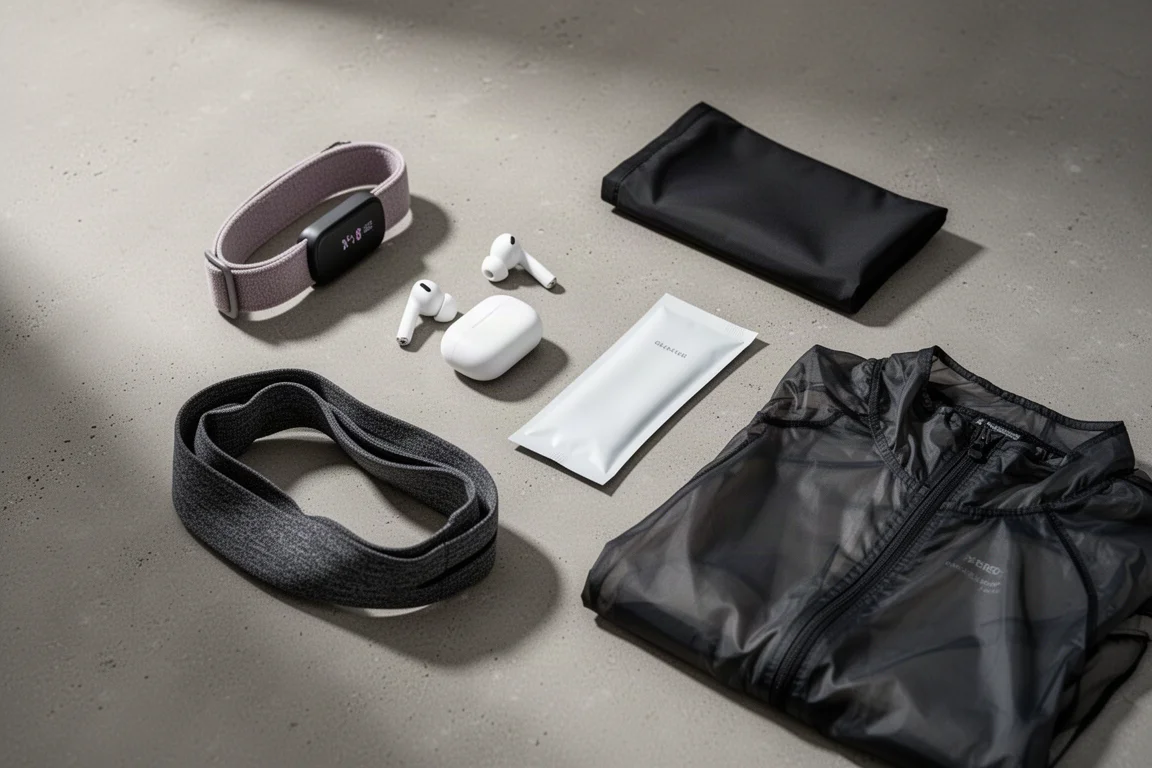
Five running upgrades covering heart rate, audio, fuelling, carrying and weather protection, with the trade-offs worth knowing before you buy.