Running Gear
Monthly Running Gear Roundup: 8 Tested Picks for Autumn 2026
Eight pieces of running gear tested over the past month, from everyday socks and running belts to a windproof vest and ultra fuel pouches.
Introduction
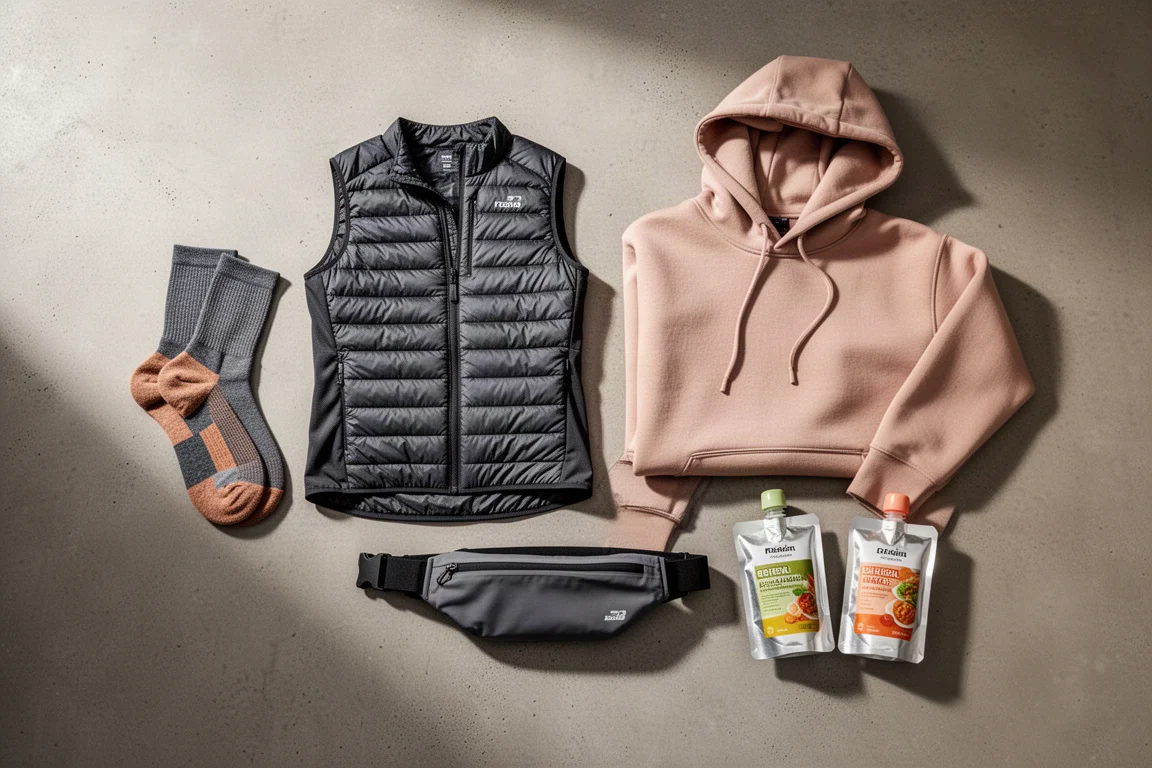
This monthly roundup collects eight pieces of running gear that earned their place through weeks of real testing. The picks cover the full range of what runners actually buy: everyday socks, running underwear, fuel, cold weather outerwear, anti-blister socks, a running belt, a windproof vest, and a transitional hoodie. Some are cheap and cheerful, one or two are investment pieces, and all of them did their job well.
Everyday Workhorse: Under Armour Dry Run Cushion Socks
If you keep your best socks for race day, you still need a big-mileage pair that can take a hammering without costing the earth to replace. The Under Armour Dry Run Cushion socks are exactly that: simple, fairly basic, and reliable. They offer mid-level cushioning with extra protection in the heels and just under the toes, plus seamless toes that help keep blisters at bay. Moisture control worked well in testing, and the cuffs stay up nice and tight. At $30 for a three-pack, you get a lot of performance for the money.
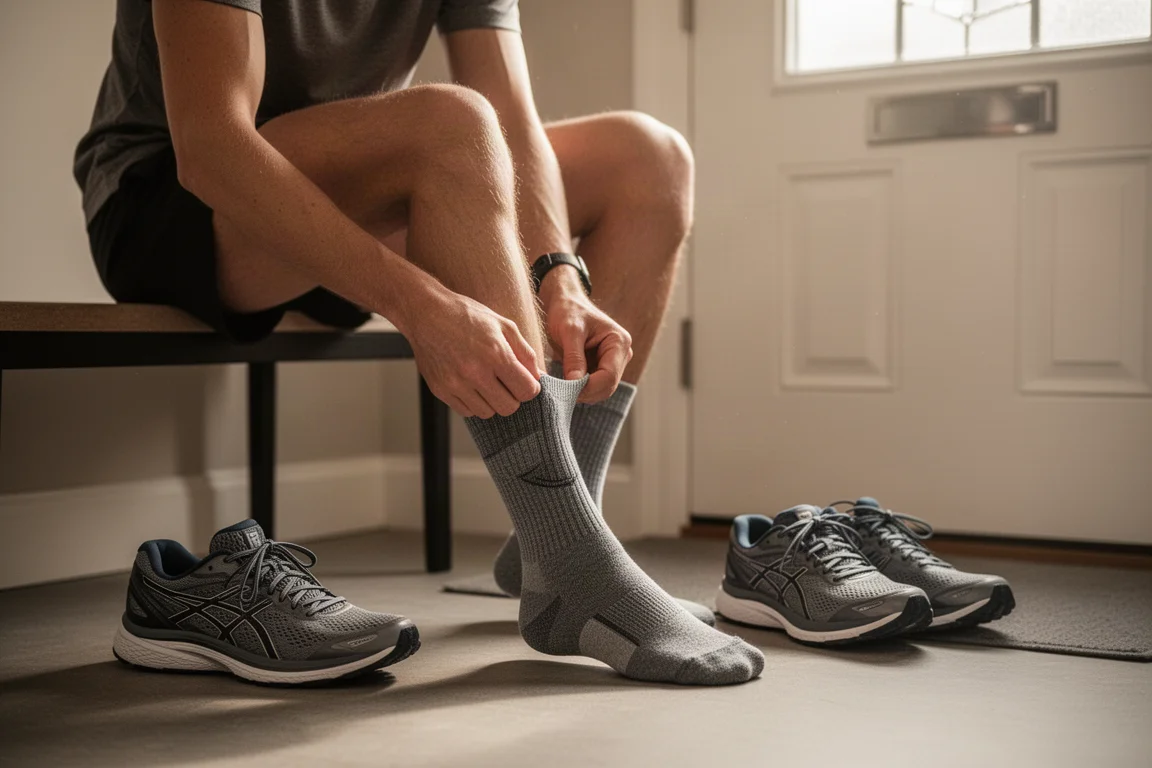
For everyday training mileage, these are hard to beat on value and durability.
Do-It-All Base Layer: Reebok 6-inch Performance Boxers
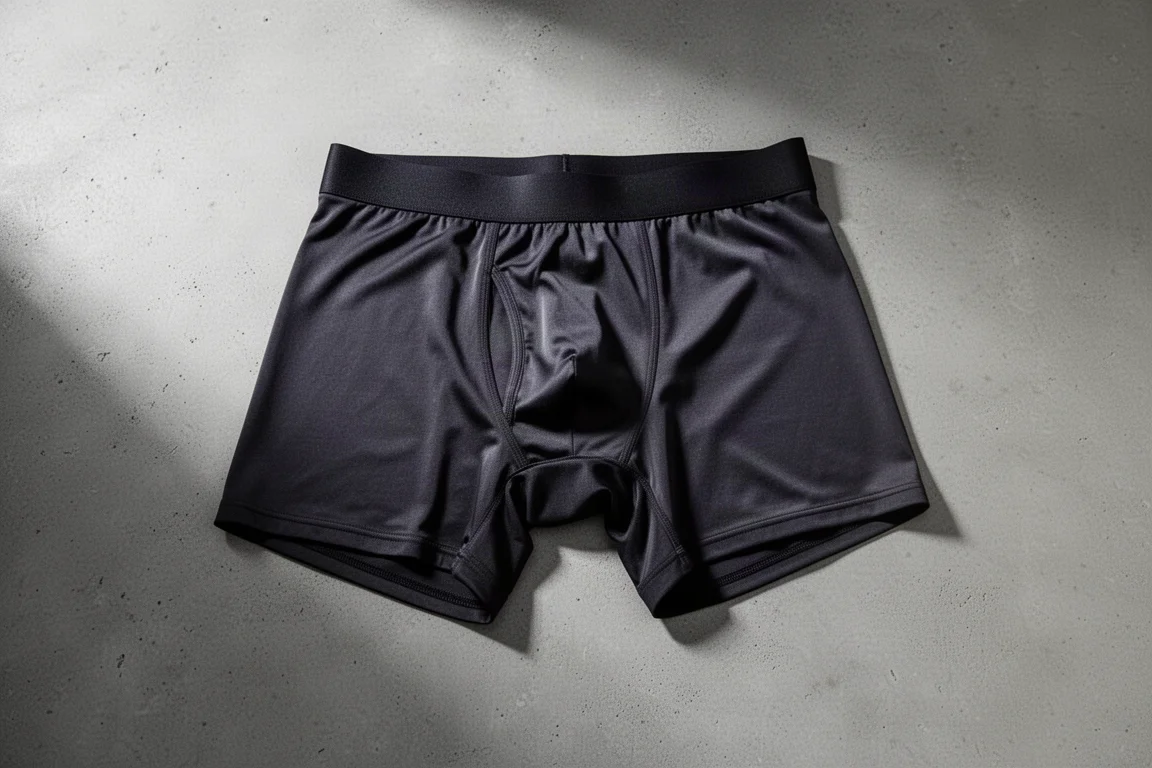
Running underwear is an underrated category, and these 6-inch Reebok performance boxers are a do-it-all basic that handles most things, even doubling as everyday wear. The smooth, silky fabric is a polyester and elastane blend with a similar feel to comparable 6-inch technical boxers from other brands. The fit is simple and reliable, comfortably covering running, riding, lifting, and HIIT sessions. There is a reinforced mesh pouch for extra support and flat seams to help prevent chafing, though the thin main fabric means these are best kept to shorter runs rather than a full marathon. Three pairs cost £15, which is solid value.
Convenient Pre-Run Fuel: Supernatural Fuel Pouches
Made in small batches in Devon from blitzed-up real food ingredients like nuts, basmati rice, maple syrup, and apple, Supernatural fuel pouches are a bit like baby food pouches but far tastier. Flavours include apple and cinnamon, oats, banana and maple syrup, and cranberry and cashew. Carb content varies from around 24g to 30-plus grams depending on the flavour.
These suit ultra runners especially well, but they also work as a quick pre-run hit when you are short on time for breakfast before a marathon, staying in a hotel without breakfast access, or heading out for an afternoon run. A box of 24 costs just under £50, around £2 per pouch, and the 12-month shelf life means you can stock up and keep them ready. You could absolutely make something similar at home to save money, but the convenience is hard to argue with.

Cold Weather Pick: Asics Road Winter Jacket
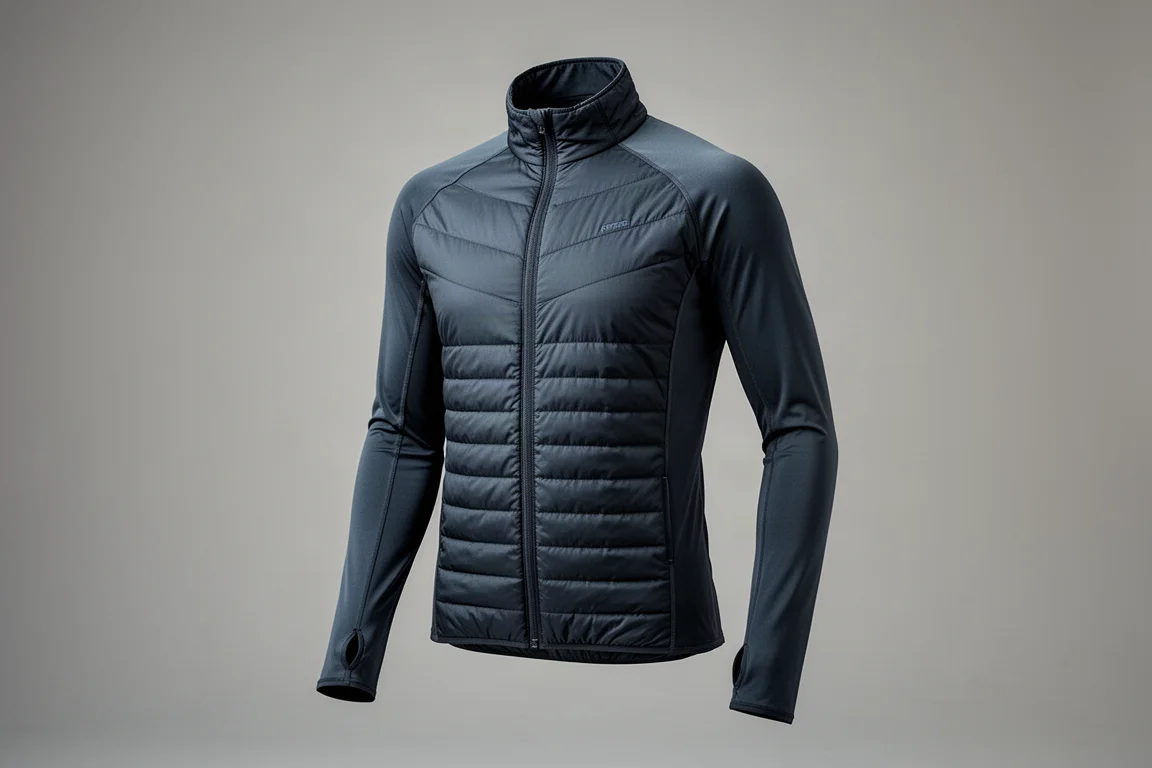
This is a jacket for the coldest of winters, built with padding around the front and back like a gilet, with little padding on the arms. It keeps the core genuinely warm and is very comfortable to wear, enough that it works as a casual jacket too. The feature list is strong: side pockets that work well, two elasticated rear pockets for gels on big cold-weather trail runs, and a clever rear venting system with a pulley so you can reach back and open the vents without hunting for a zip, then pull them closed again. There are thumb holes on the sleeves and thin, stretchy ventilated side panels for mobility.

It is fairly breathable for a thick jacket and also wind-resistant and water repellent. The one caveat: it runs warm, so it is best saved for when temperatures approach freezing rather than mild autumn days.
Blister Defence: SealSkinz Anti-Blister Socks
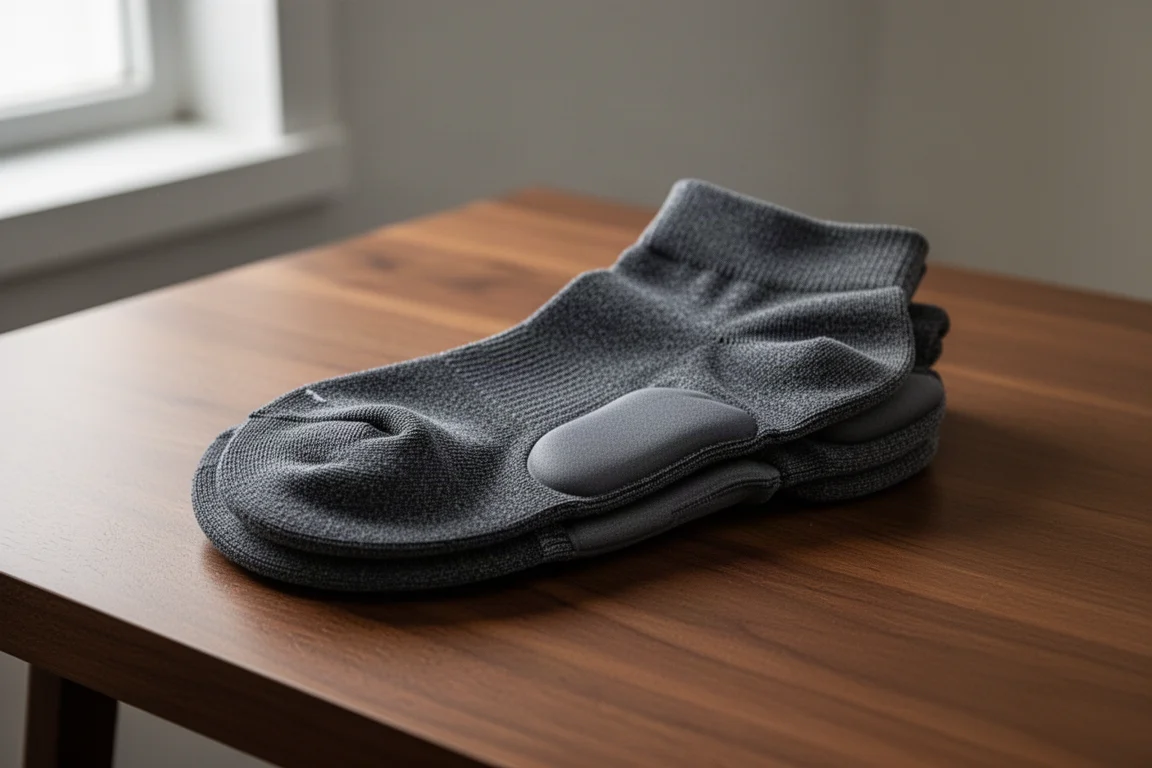
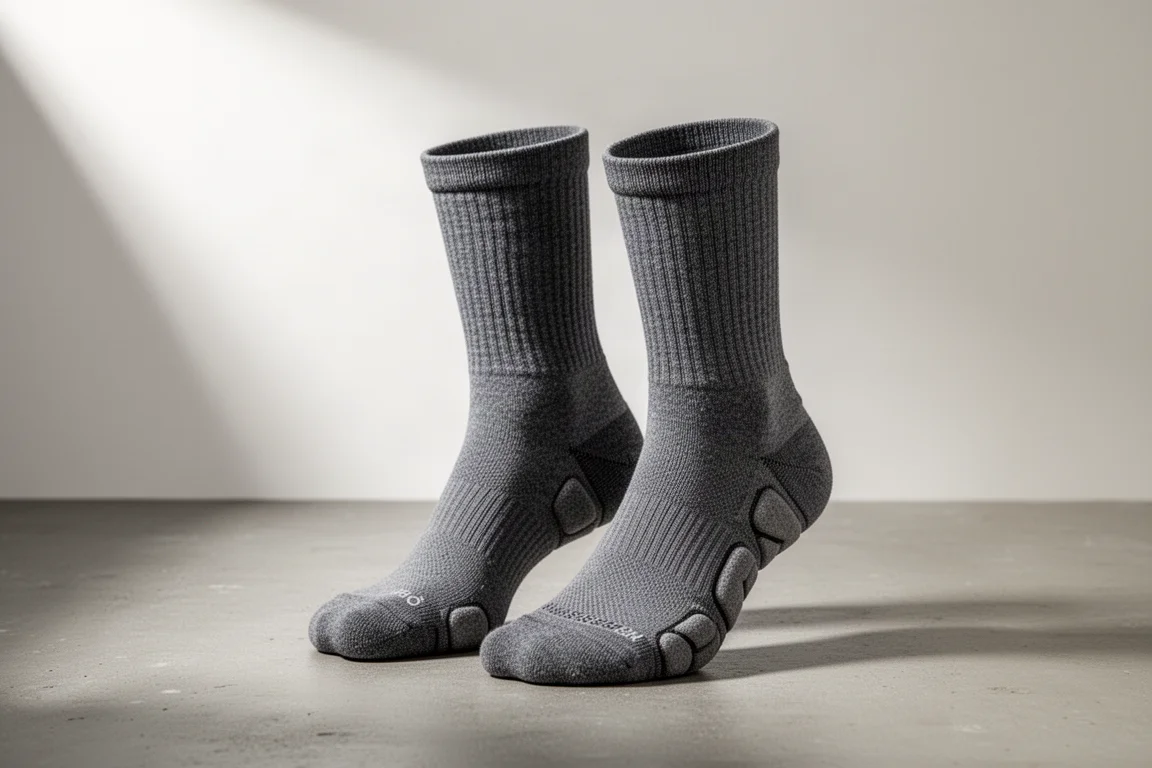
These double-layer anti-blister socks use padding concentrated specifically in the blister-prone areas rather than across the whole foot, with the rest of the sock soft and comfortable. That targeted padding is what helps stop blisters, and they are genuinely comfortable to wear. Two things to know: they are quite thick, so feet can get hot in warm weather, making them a better cold-months pick unless you are doing a slow comfortable run. And the bulk can fill up shoes with a tight fit, so they are not ideal for racing in snug race shoes. If your shoes have a bit of room, which most cushioned daily trainers do, they work very well. For runners who blister often, these are a strong option.
Best Running Belt: SPIbelt Original
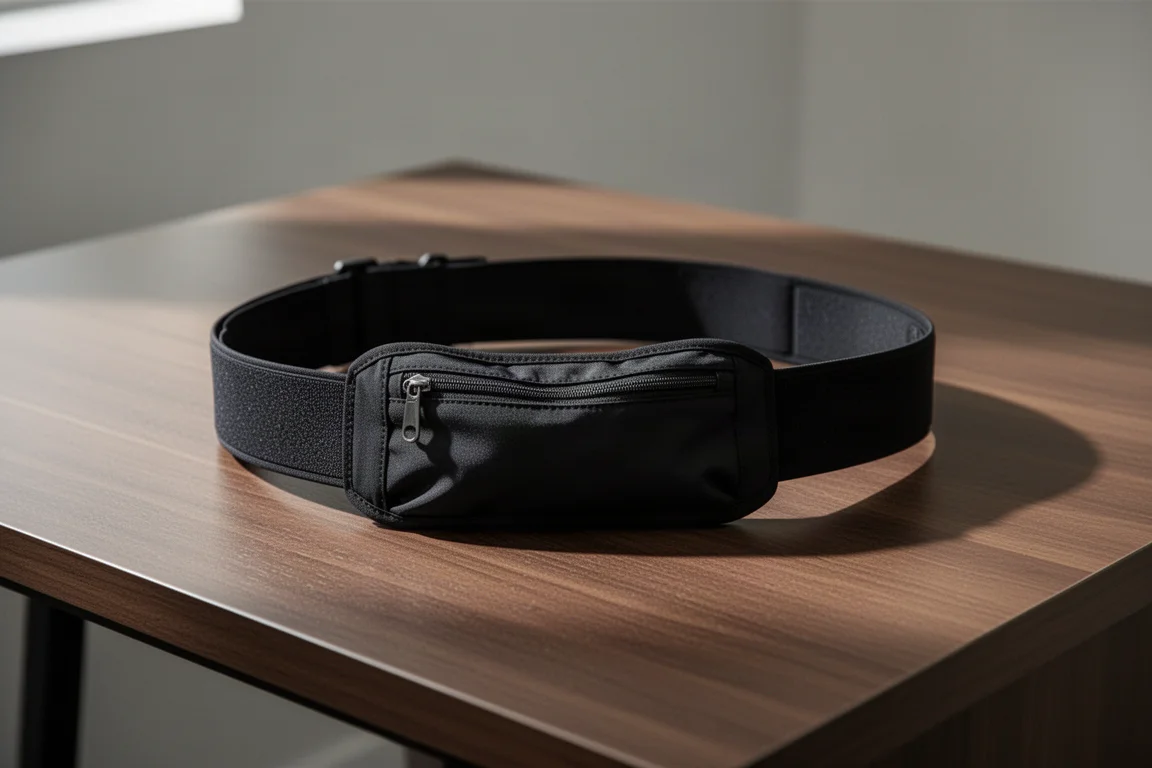
Not new or groundbreaking, but arguably the best running belt tested. It costs £29 or $27 and regularly shows up in sales. The original version has one large main pocket that easily swallows a big smartphone, plus cards, keys, and a few gels. The adjustable belt tightens so it does not jump around, and once set, it stays in that fixed position run after run. Wear it at the front of your waist or in the small of your back for faster sessions where it will not bounce at all.
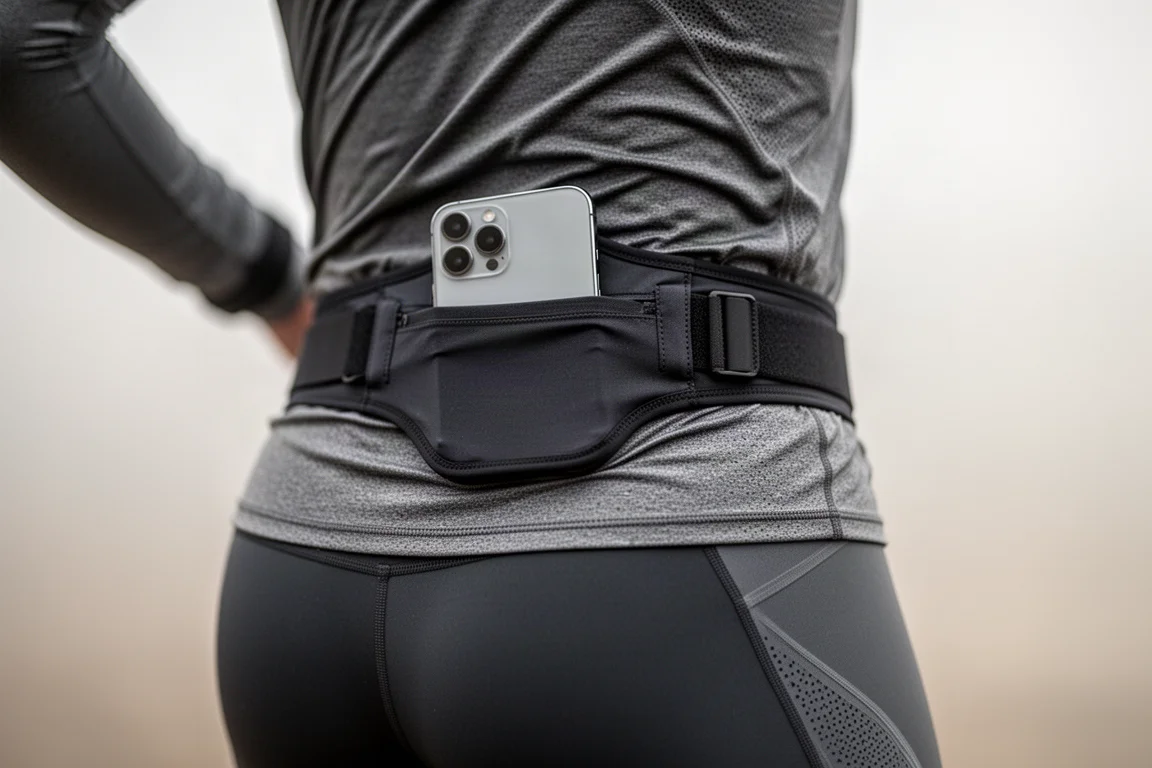
It is a clear cut above very cheap running belts in comfort and durability, and in winter it slides neatly beneath a rain jacket, unlike shorts with exposed thigh drop-in pockets.
Windproof Warmth: Gore Wear C5 Windstopper Vest
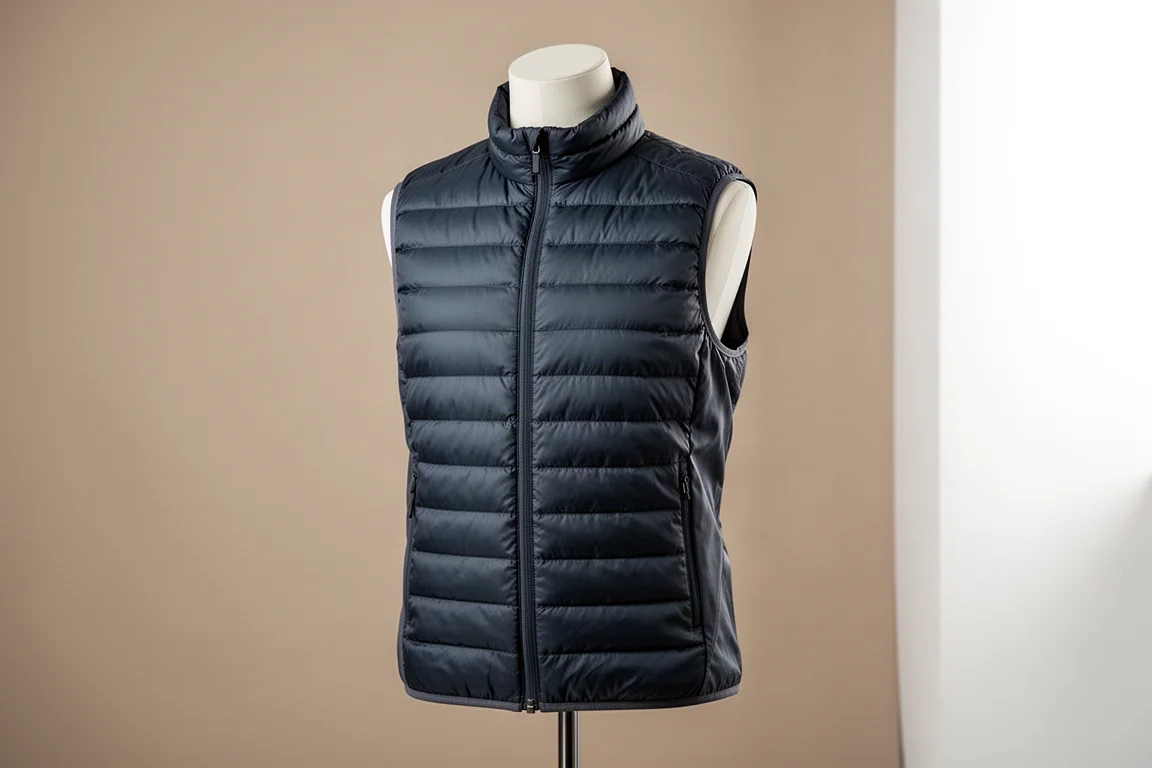
For transitional seasons, a gilet is hard to beat: it makes you feel warm and cosy without overheating, and it is easy to cool down because the front opens and the armholes vent well. This Gore Windstopper vest uses PrimaLoft insulation for a slightly puffy feel, yet once on it is extremely lightweight and breathes well. It is not fully waterproof but will keep most rain off your core unless you are out in something really heavy, and it blocks wind very effectively, which matters most when cold winds start rolling in.
It has earned the top spot in an extensive gilet collection. The catch is the price: around £180 or $200, which is a lot for a vest. Gore typically runs end-of-season sales on previous season’s kits, so it may be worth waiting for a discount if you are interested.
Transitional Layer: Path Projects Pyrenees T10 Hoodie
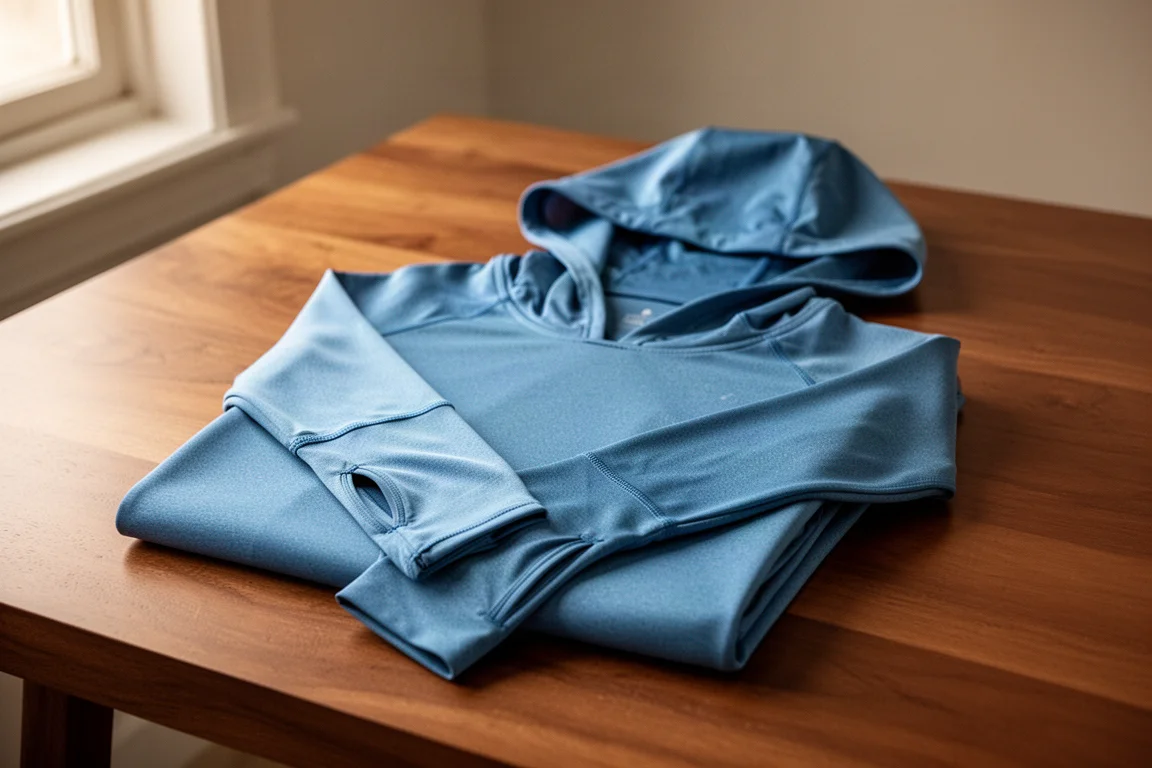
Path Projects leans slightly athleisure in general, and this hoodie is great crossover gear: a nice lightweight casual hoodie that is also a genuinely good running top. It fills that gap between a long sleeve tee and a full jacket, a little warmer than the tee without being overbearing. The fabric is very comfortable, soft, and lightweight, with a hole on the left sleeve so you can tuck your watch in and still see your stats with fingers tucked into the thumb holes.

Pitched as a trail running top with sun protection, it works just as well as an autumn and winter running top anywhere, and it looks good enough to wear after your run too. It costs £61 or $78 and comes in a couple of colors.
Overall Buying Advice
If you are upgrading on a budget, start with the Under Armour socks, Reebok boxers, and SPIbelt, all of which deliver well above their price. If blisters are your nemesis, the SealSkinz socks are worth a look for the colder months. For fuel, Supernatural pouches are a convenient pre-race solution with a long shelf life. On outerwear, the Path Projects hoodie covers the in-between season, the Gore vest handles wind on cold days if the price works for you, and the Asics jacket is the one to reach for when it is truly freezing.
Conclusion
This month’s picks show that good running gear does not have to be complicated. Simple, well-executed basics like the SPIbelt and Under Armour socks earn their place alongside cleverly designed pieces like the Asics jacket and Gore vest. Match the gear to the weather and the run you actually do, and each of these has a clear job it does very well.
Further reading
Related Reviews
Running Gear
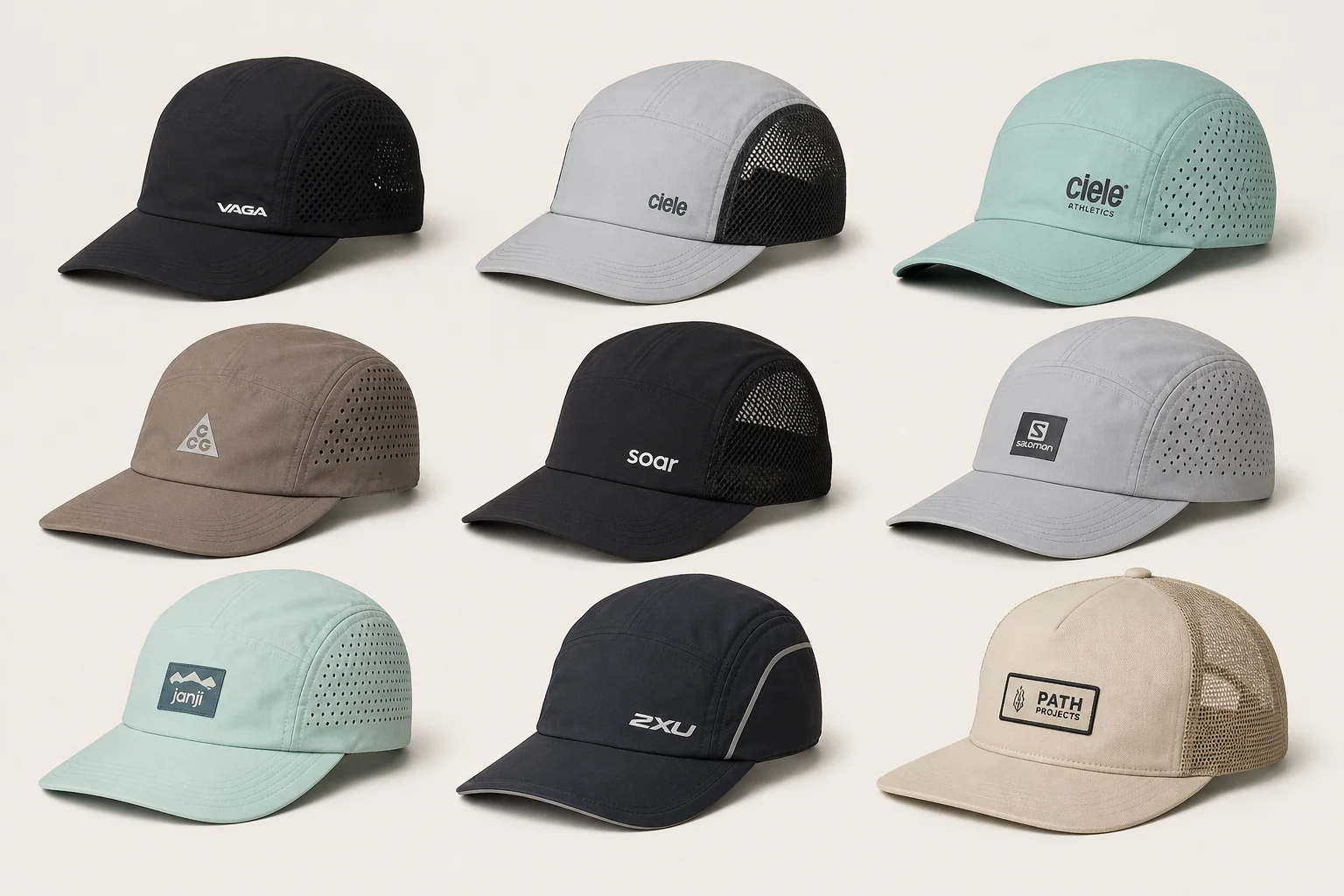
Best Running Caps 2026: Nine Tested Options for Summer and Winter
A comprehensive guide to nine running caps tested across different conditions, from lightweight summer options to waterproof winter choices.
Running Gear
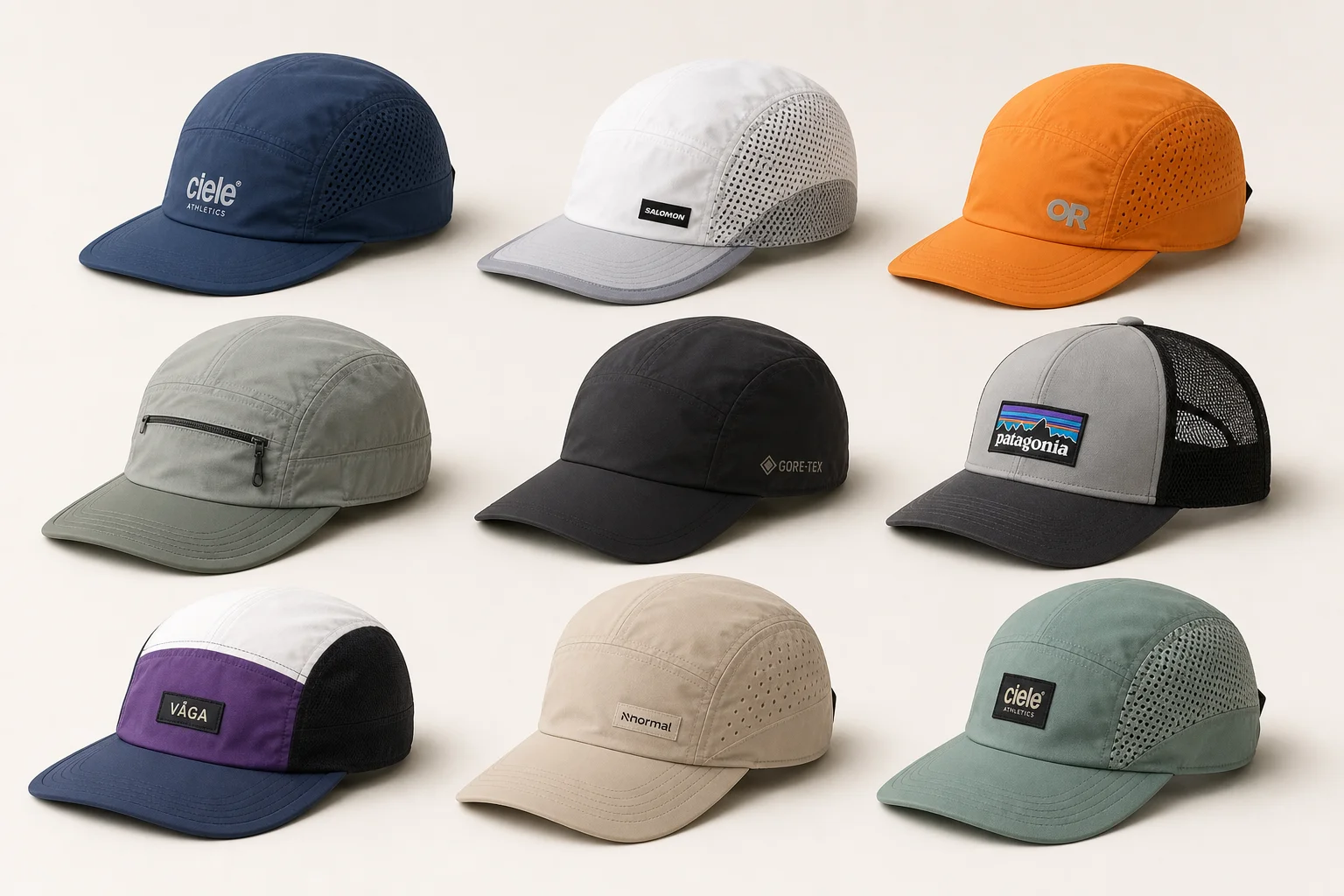
Best Running Caps: A Guide to Summer and Winter Options
A comprehensive review of nine running caps for different conditions, styles, and preferences, from lightweight summer options to waterproof winter choices.
Running Gear
Best Running Gear 2026: Five Picks That Earn Their Place
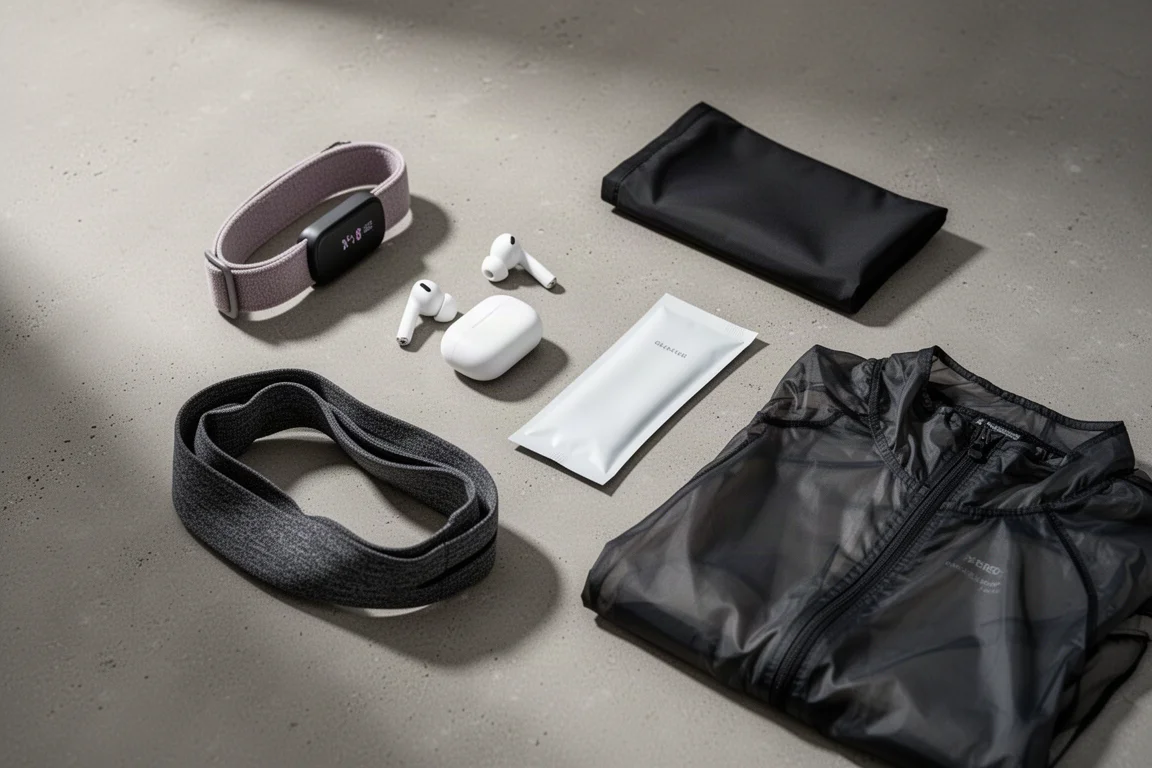
Five running upgrades covering heart rate, audio, fuelling, carrying and weather protection, with the trade-offs worth knowing before you buy.