Kitchen Knives
Monolith Knives Apex Bunka Review: Handmade DNA in a Batchmade Knife
Monolith Knives' first batchmade series brings Takafu Aomi super steel, brass, and Virginia walnut to a wider audience. Here is how the Apex Bunka performs in real cutting tests.
Introduction
Monolith Knives has spent over a decade building its reputation one handcrafted custom knife at a time. The Apex line marks a new chapter: the workshop’s first batchmade series, produced in small runs to bring its craftsmanship to more cooks without compromise. We take a close look at the Apex Bunka to see whether that custom DNA truly carries through.
Unboxing and First Impressions
The knife arrives in a Monolith Knives branded cardboard box filled with crinkle-cut paper shred, and the packaging is genuinely protective. It would be difficult to damage this knife in transit. A thick cardstock information card with a die-cut silhouette of Virginia, where the workshop is located, is a classy touch.
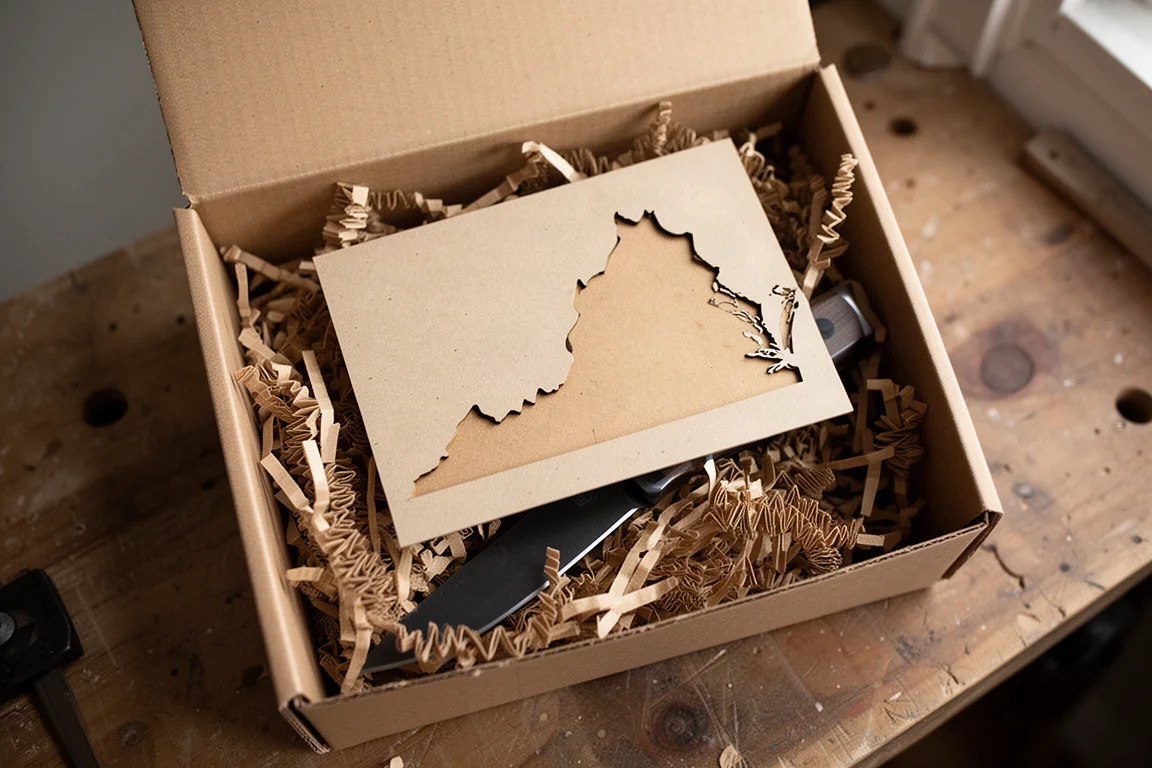
The walnut and brass handle arrives in good condition thanks to stabilization, though the saya arrived dry, which is easy to fix with a few layers of mineral oil and beeswax.
Design, Materials, and Build
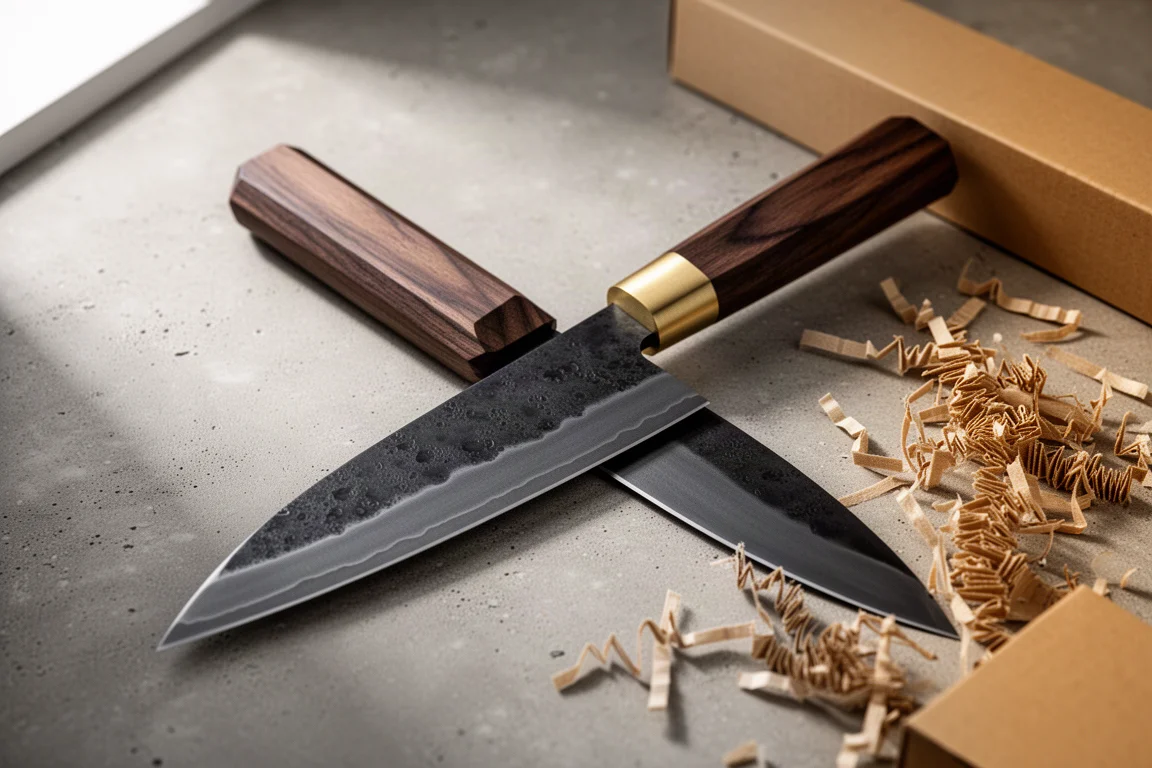
Each Apex blade is forged from Takafu Aomi super steel clad in stainless for extra protection, with a distal taper for balance and performance. The octagonal handle is made of local Virginia walnut with a CNC-machined brass ferrule, connecting to the blade through a new handle system designed for strength, precision, and longevity.
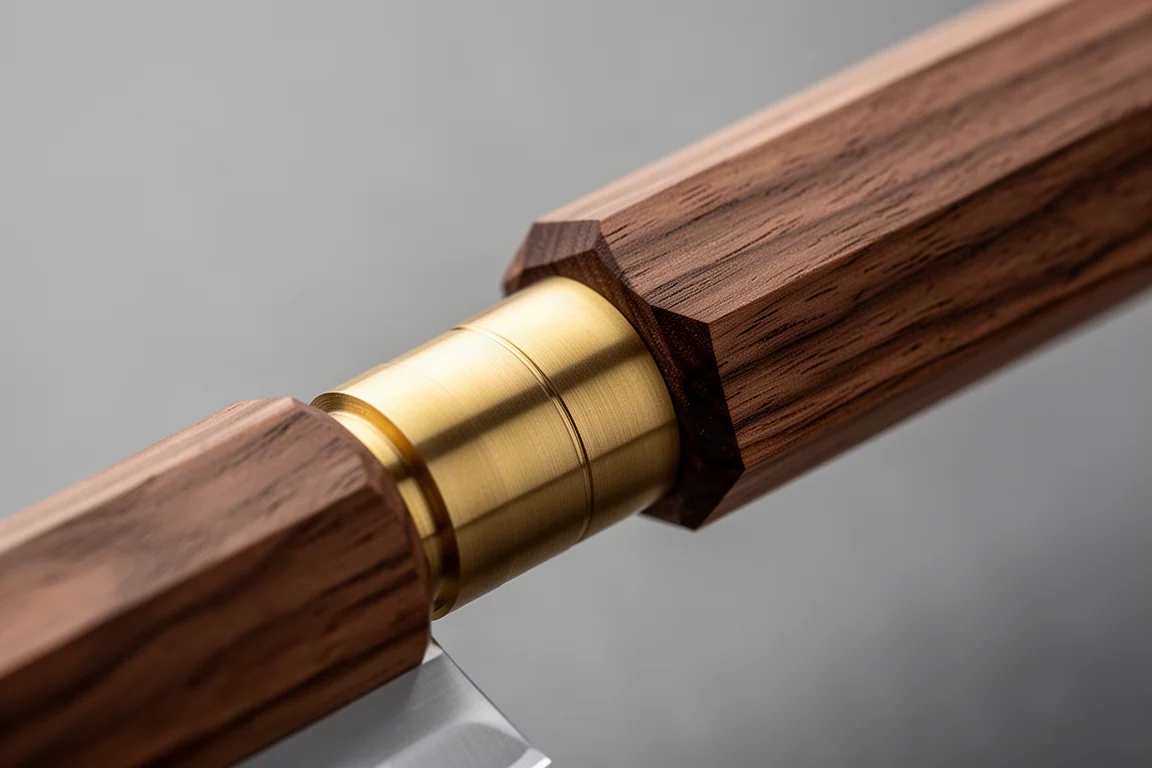
At 184 millimeters of blade length, the Bunka has the same belly height as a 215 millimeter comparison knife while weighing just 7 grams more at roughly half the spine thickness right out of the handle. Much of that heft likely comes from the brass ferrule, which suits anyone who likes a knife with presence. The spine tapers from 3 millimeters above the heel to 2 millimeters at the K-tip junction, a 30 percent reduction.
The finish work is where this blade shines. There is an even amount of exposed etched core steel on both sides, a super thick kurouchi finish with vertical scallop hollows to reduce drag, and a crisply stamped logo. The K-tip looks deadly sharp.
Cutting Performance: Onion, Shallot, and Garlic
The edge is screaming sharp. The red onion test produced a very clean lateral cut and a smooth dice with a nice gliding feel. On the shallot, the steep slope of the K-tip made precision cuts a real joy, producing a fine small dice with ease.
Then came the garlic, where things went downhill: the edge is sharp enough that it drew blood during a fast slice, a first. That says more about the edge than anything else. Handle it with respect.
Cutting Performance: Carrot, Salumi, Cucumber, and Potato
On the carrot, geometry was excellent with no wedging, and the blade sliced cleanly enough to hear the difference. Using the tip to square off the carrot revealed some unwanted thickness behind the K-tip junction, but only right at the very tip.
On prosciutto, the blade length worked against it, and the extra drag of a tall blade on salumi made it a poor match. A longer, thinner slicing profile would serve that task better. The cucumber test focused on food release on a highly moist vegetable, and the tip proved robust enough to be dragged across the board, that delicate balance between fragile and thin done well.
The yellow potato test looked at sharpness, drag, and food suction, and a quick attempt at rocking the knife confirmed this shape is more of a hybrid between a traditional bunka and a santoku than a true rocker. Compared to other bunkas, the tip angle and edge flatness differ noticeably, though it is clearly not a santoku either.
Nitpicks Worth Knowing
None of these would turn us away from the knife, but they are worth hearing. On the right side of the blade there is a small indentation near the tip, possibly from reprofiling. The kurouchi, while deep and rich in color, has some unattractive bubbles as if a coat of lacquer was overheated. The brass bolster can scratch easily, so remove any rings on your knife hand.
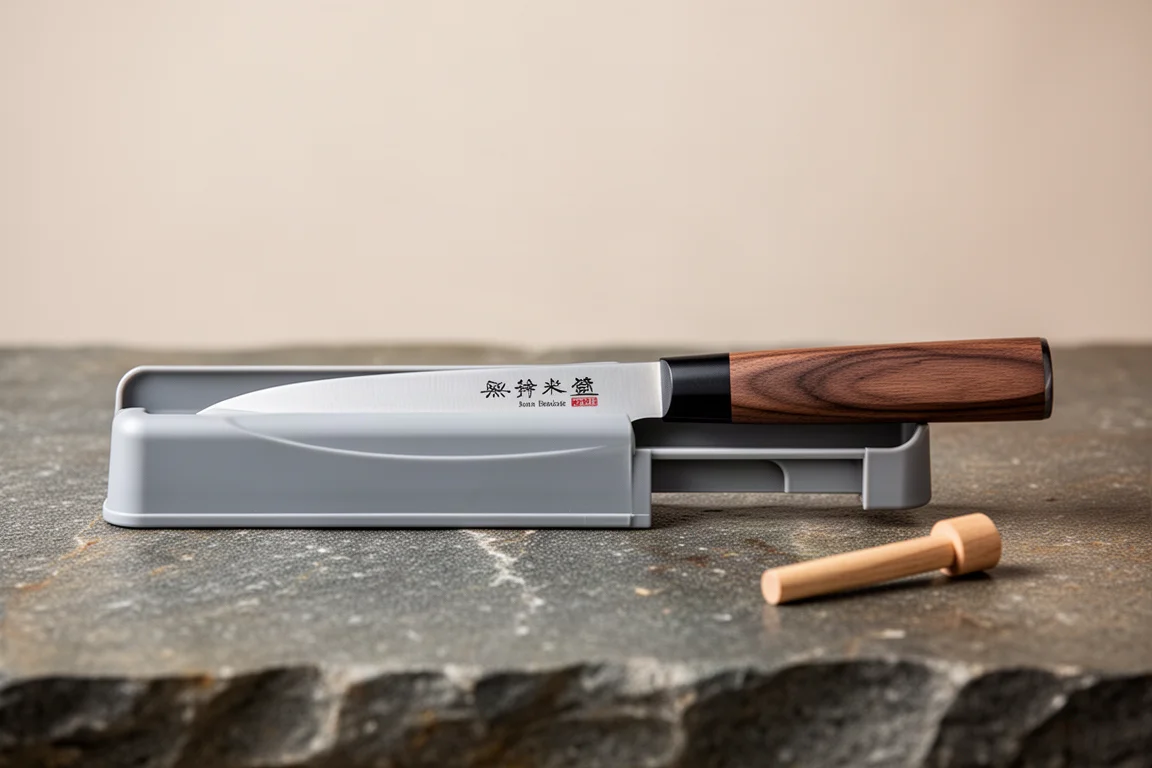
The biggest one: the saya is not a snug fit. A snug, made-for-the-knife saya should be the standard, and a simple blade guard would have been a better alternative since it protects the edge without letting it move around and dull. The screw-on saya pin is also unusual. It is extremely well machined, but professional chefs will dislike the time it takes to unscrew, and unlike a standard pin, losing the end piece means no easy substitute. For everyone else, having a saya included is nice value for money.
Who the Apex Bunka Is For
This knife is for anyone who wants to support a US-made knife from a maker with more than ten years of experience. It also suits those who like a Japanese-style handle with the weight and heft of a Western knife, fans of the K-tip, and anyone who wants a production-level knife that does not compromise on edge sharpness, with build quality that rates around a 9 out of 10.
Worth noting: the Apex series also includes a 8.5 inch, 215 millimeter Gyuto released alongside this Bunka, which would likely handle long, thin slicing tasks like prosciutto better. Both should already be available on the Monolith Knives website.
Conclusion
The Apex Bunka proves Monolith’s custom DNA carries into batchmade production: superb sharpness, thoughtful materials, and striking finish work, held back only by a loose saya and a few small finish quirks. For the right cook, it is an easy recommendation.
Product link
View more details for Monolith Knives Apex Bunka
This product is mentioned in the review. Check the specifications, options, and compatibility before buying.
View more details for Monolith Knives Apex BunkaFurther reading
Related Reviews

Kitchen Knives
Best Chef's Knives 2026: 27 Popular Options Tested and Ranked
A comprehensive review of 27 chef's knives ranging from $18 to $380, with honest assessments of handle comfort, blade balance, and real-world performance.

Kitchen Knives
Best Chef's Knives Under $75: Two Tested Recommendations
Two practical 8-inch chef's knives that balance sharpness, comfort, and durability without premium pricing.

Kitchen Knives
Best Chef's Knives 2026: 27 Options Tested and Ranked
A comprehensive review of 27 chef's knives ranging from $18 to $380, with honest assessments of handle design, balance, blade profile, and real-world performance.