Gravel Bikes
Mondraker Arid Carbon R vs Parlee Taos: A Gravel Bike Head-to-Head
Two progressive gravel bikes with 50 mm tire clearance, light carbon builds and aero touches go head to head on geometry, components and technical trail capability.
Introduction
Gravel has had a big year. Tire widths have grown, race-focused bikes have picked up aerodynamic shaping and more evolved geometry, and the category has widened to take in bikepacking machines and trail-capable full-suspension options. Several ranges moved forward noticeably, including Rondo’s radical-looking route bike, Wilier’s quick Rave SLR, Cannondale’s Topstone and SuperX, and familiar favourites such as the Santa Cruz Stigmata and Giant’s Revolt and Revolt X.
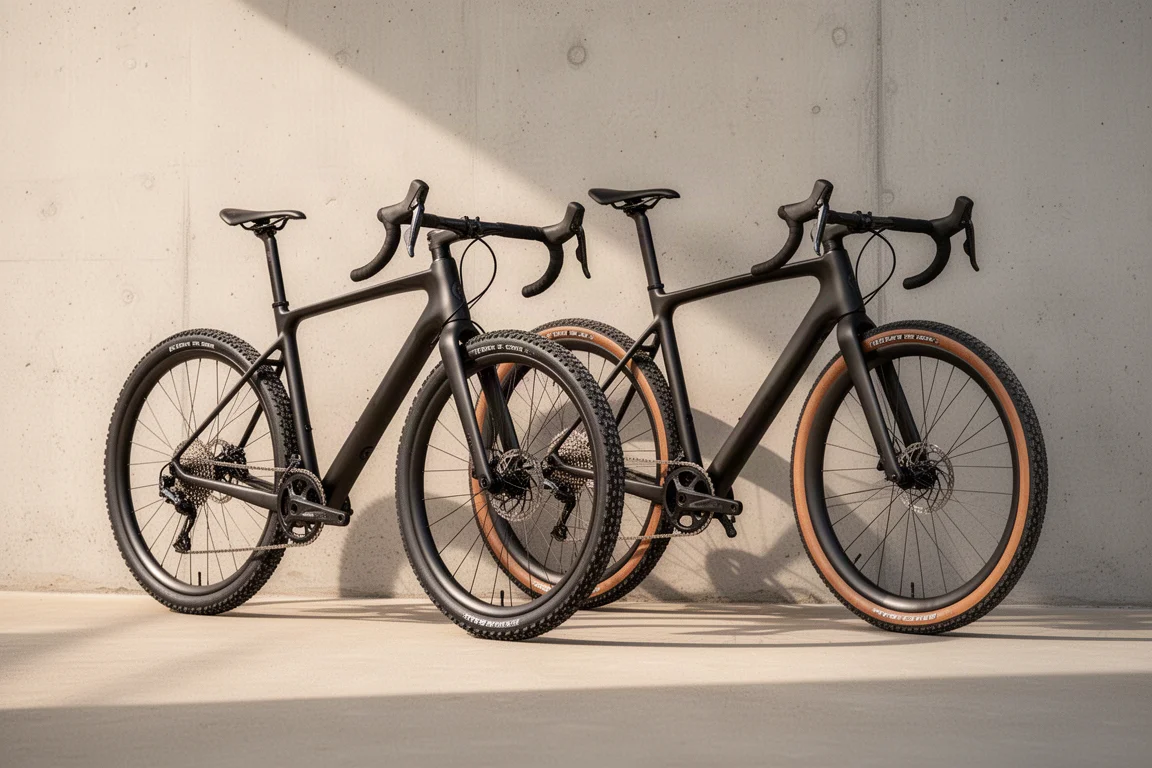
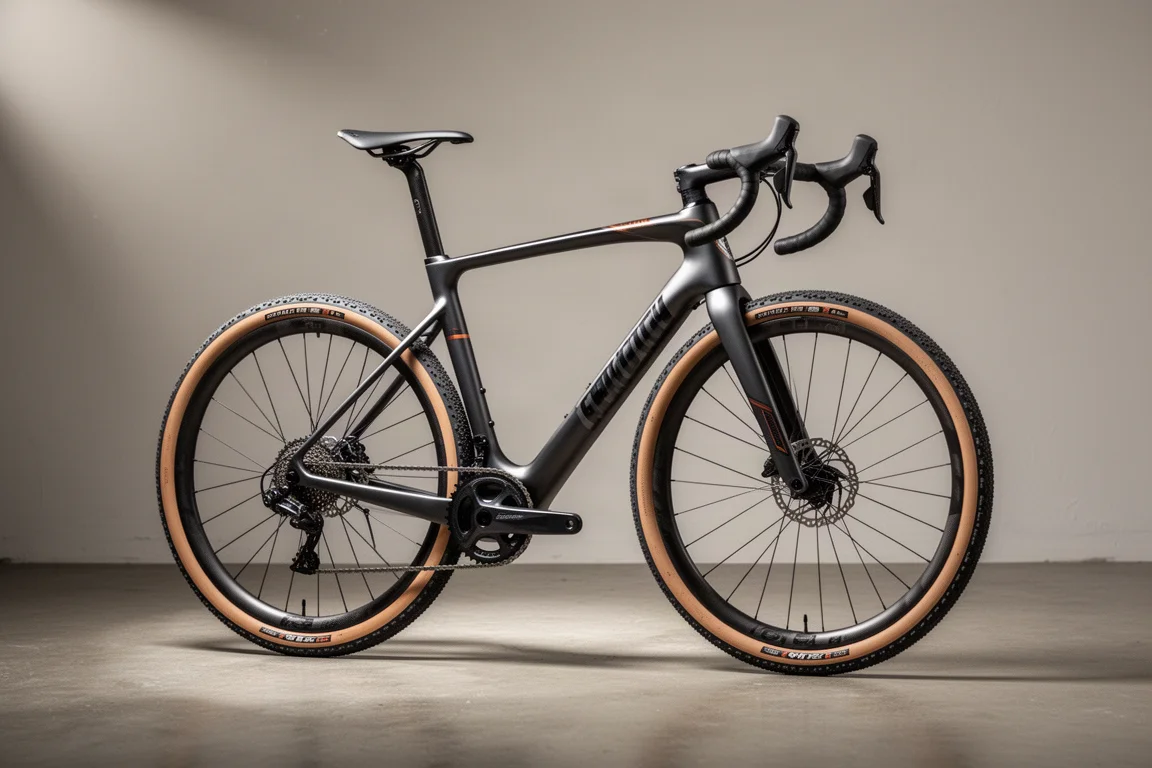
Two bikes stood out above the rest of the field: the Mondraker Arid Carbon R and the Parlee Taos. Both bring progressive geometry that gives them genuine technical-trail handling, both are built light while offering 50 mm tire clearance, and both nod towards aerodynamics while keeping an anywhere-goes outlook.
This comparison looks at what each bike is built for, how they differ in geometry and component choice, and which one makes more sense depending on the riding you actually do.
What These Two Gravel Bikes Have in Common
Before the differences, it is worth noting how much the two frames share. Both accept 50 mm tires. Both use a UDH rear dropout and derailleur hanger, which keeps the frame current with modern transmission standards. Both run a threaded T47 bottom bracket, and both are suspension corrected. Down tube storage is present on each, which makes both genuinely bikepacking friendly rather than merely trail curious.
Both bikes are also built around SRAM’s Force AXS groupset, and both will ship with the newer E1 generation of Force AXS. That brings an updated shifter shape, a new chainset, and in the case of the Arid a new rear derailleur and cassette. The change should lighten both builds slightly while improving ergonomics and braking.
Weights land close together as well, with the Parlee Taos at 8.82 kg and the Mondraker Arid Carbon R at 9.09 kg.
The shared numbers matter because they set the baseline: neither bike gives away tire volume, mounting options or drivetrain compatibility to the other. The decision comes down to geometry detail, component choice, and how each one behaves once the surface stops being polite.
Mondraker Arid Carbon R: A Focused Technical Off-Roader
Mondraker designed the Arid around arid terrain: rocky, loose and rutted ground where traction can be minimal and staying on line takes real work. The frame is built for that brief. There is stiffness at the bottom bracket and the head tube, and a distinctive rear end where a spar-like triangulated seat stay to seat tube junction adds compliance, helped by the carbon layup underneath the finish.
Cables and hoses run fully internally, which keeps them clear of bikepacking bags and snags while contributing to aero efficiency. Mounts are generous: top tube mounts, three bottle mounts, triple fork mounts and down tube storage. A UDH rear dropout future-proofs the frame, and the threaded T47 bottom bracket keeps servicing straightforward. One notable limitation is that the Arid is designed for one-by drivetrains only.
On paper the geometry looks unpromising for tarmac. Reach is long at 423 mm, paired with an 80 mm stem, and stack is relatively low at 613 mm. The head angle is slack at 70 degrees, and with a 45 mm fork offset and a 45 mm tire, trail measures a long 83 mm. Bottom bracket height is 269 mm.
That front end does mean the Arid takes a little more effort to steer through fast road corners, where the slack angle and big tires can bring on a touch of understeer, and it feels like it needs a bit more work to hold speed. It is still capable of being hustled along at a decent pace on tarmac. Where the relaxed geometry really pays off is on low-traction steep climbs: the long fork and relaxed head angle let the front tire track and stay settled over ruts and lumps, which makes the Arid a strong companion on dirt and tight uphill singletrack.
Build details include Mavic Allroad Pro Carbon SL wheels at a claimed 1,521 g with a 25 mm internal width, wrapped in 45 mm Maxxis Reaver tires. The cockpit is Mondraker’s own OnOff equipment: a semi-integrated 80 mm stem and the OnOff S9 GR carbon bar, which has a 16 degree flare, a compact drop and flattened tops, in a 46 cm width on the large frame. A Fizik Terra Argo X5 saddle sits on an own-brand carbon seatpost. Gearing is a 10-44 cassette with a 40 tooth chainring.
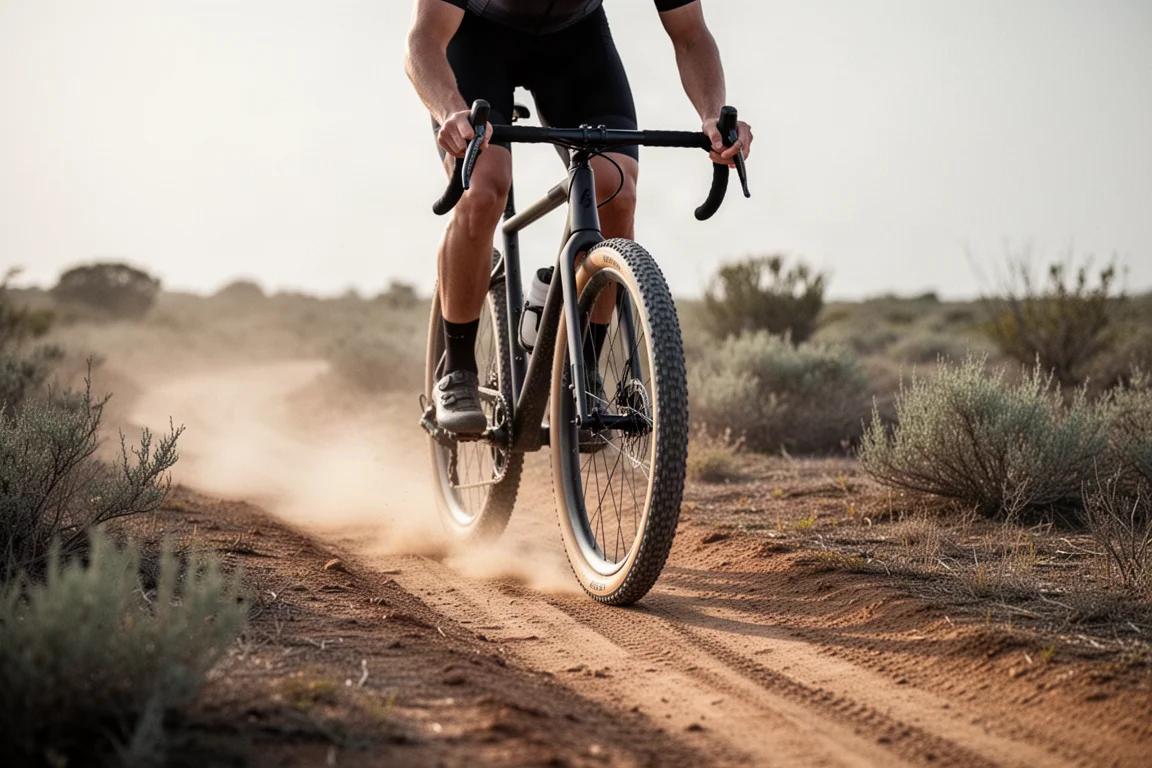
On smoother gravel and tarmac the Arid cannot quite hold the pace of the Parlee Taos. Once the terrain turns wild, though, it shows both its capability and its appetite for technical riding. Through tight turns, drops and rooty off-camber sections it felt the tamer of the two, and it is the more focused off-roader of the pair. Pedal strikes are a real possibility on rough ground given the 269 mm bottom bracket height.
Parlee Taos: The Versatile All-Rounder
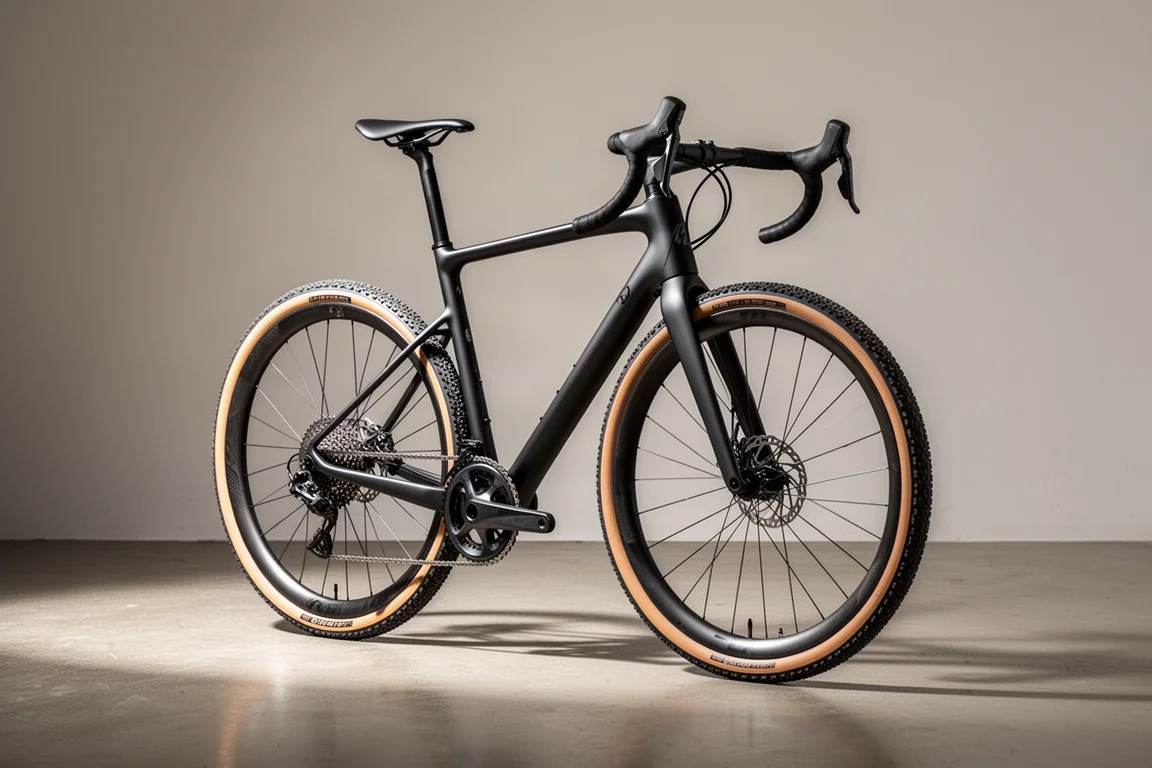
Parlee is a Massachusetts based carbon frame builder with a decade of gravel experience behind it, and the Taos is its latest take on the genre. Compared with its predecessor the frame is longer, with a massively sloping top tube, a slacker head angle, 50 mm tire clearance and a torsionally stiffer construction that nonetheless delivers more compliance. Parlee describes it as its fastest yet most forgiving gravel bike.
The frame uses a monocoque construction blending unidirectional carbon fibers, with a claimed weight under 980 g for a size 56. It is left in a raw carbon finish with just a coating of wax, which makes cosmetic damage easy to live with: chips and scratches can be buffed out and rewaxed rather than repainted.
Geometry is close to the Mondraker but not identical. Reach is 417 mm with a 90 mm stem, and stack is slightly higher at 620 mm. The head angle is a little slacker at 69.5 degrees, and the fork’s flip chip allows either a 45 mm or a 51 mm offset, producing 85 mm or 81 mm of trail depending on setup. Bottom bracket height sits a couple of millimeters above the Arid’s.
Like the Arid, the Taos gets down tube storage, a UDH rear dropout, a threaded T47 bottom bracket and suspension-corrected geometry. The key differences are 2x drivetrain compatibility and a fork with a flip chip dropout. The chip lets you steepen the head angle and shorten trail, which makes the Taos noticeably more road friendly than a pure gravel race bike.
Rolling stock follows a wide, deep aero approach: Zipp 303 XPLR S wheels, 54 mm deep with a 32 mm internal width, fitted with 45 mm Goodyear gravel tires developed with Zipp. On that wide rim the tires measure closer to 48 mm at typical pressures. The cockpit is FSA’s K-Force AGX carbon bar with an FSA SMR2 90 mm stem. The bar is 42 cm wide with a 25 degree flare that pushes it out to 46 cm at the drops, and a subtle rise from the stem adds to the slightly more upright position. An Ergon SR Allroad Core Pro carbon saddle completes the build.
Gearing takes a mullet approach: Force shifters and chainset paired with an XO Eagle AXS transmission derailleur and cassette, giving a 10-52 cassette with a 42 tooth chainring. That is a very wide spread, with a bottom gear low enough to keep pace with road riders on tarmac.
The payoff is a bike that feels quick on smoother gravel roads, double track and tarmac, much more so than the Arid. It is not up with the most aerodynamic gravel bikes on tarmac, but it is the far superior all-rounder. It flows beautifully through twists and turns, though it asks for a little more attention than the Arid on steeper sections and tighter, narrower turns.
Geometry and Handling Compared
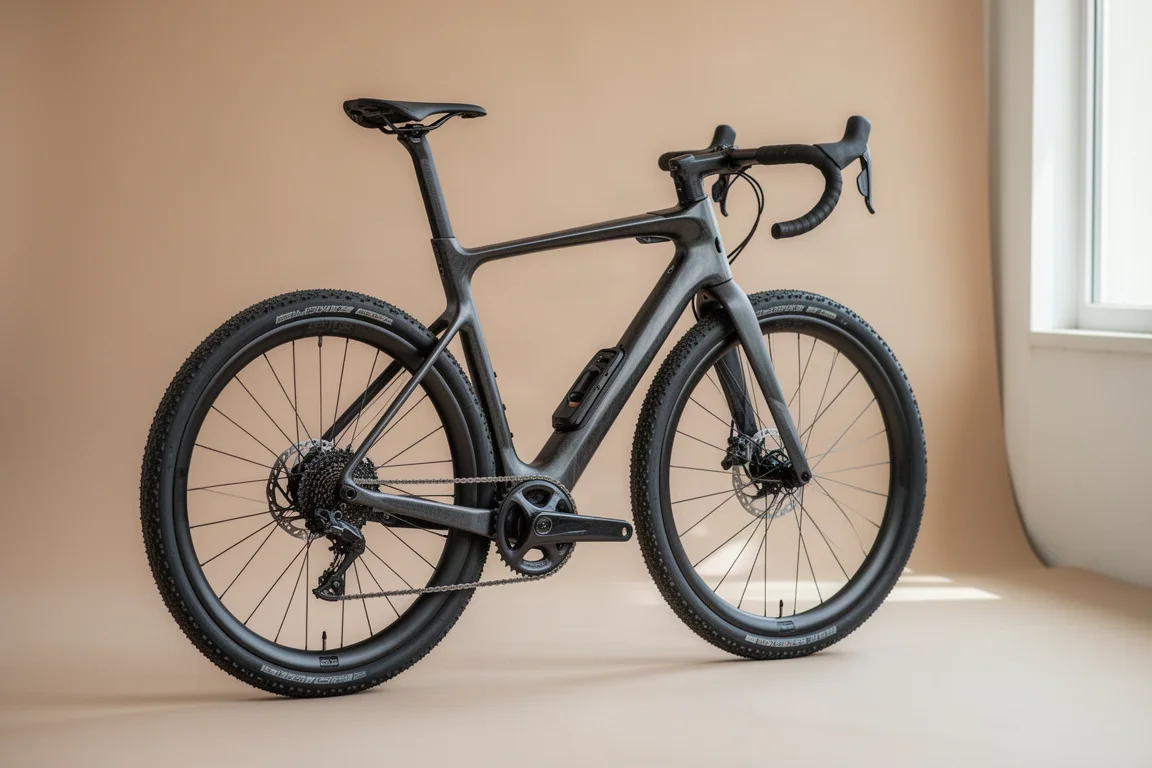
The two bikes are pitched somewhat differently, yet their geometry is remarkably close. The Mondraker takes its inspiration from mountain bike forward geometry with a 423 mm reach, while Parlee goes slightly shorter at 417 mm. Because the Arid is designed around an 80 mm stem and the Taos around a 90 mm one, the on-bike reach of the two ends up only about 4 mm apart.
Stack separates them a little more: 613 mm on the Arid against 620 mm on the Taos, which is part of why the Parlee feels marginally more upright. Both use slack head angles to cope with rough surfaces, 70 degrees on the Arid and 69.5 degrees on the Taos, and both figures shape the trail that drives steering response.
Fork offset is where Parlee’s flip chip earns its keep. The Arid runs a 45 mm offset with a 45 mm tire for 83 mm of trail. The Taos can run the same 45 mm offset for 85 mm of trail, or switch to 51 mm for 81 mm, sitting either side of the Mondraker. Combined with narrower tires, that shorter offset setting is what lets the Taos be roadified a little more than a pure gravel machine.
The honest summary is that there is not much to choose between them on geometry alone. The Parlee’s flip chip is the one feature that opens up a genuinely different ride character.
Wheels, Tires and Gearing
Component philosophy diverges more clearly than geometry. Mondraker takes a classic gravel approach with Mavic’s low-profile Allroad Pro Carbon SL wheels, claimed at 1,521 g, and a 25 mm internal width. Maxxis Reaver tires in 45 mm come up a little narrower on that rim than they would on a wider one. The Mavic wheels ride with a lightness and zip that suits dry summer gravel particularly well.
Parlee goes wide and deep with the Zipp 303 XPLR S, a 54 mm deep aero rim with a 32 mm internal width. The 45 mm Goodyear tires grow to roughly 48 mm on that rim, adding volume and a broader footprint. It is a setup aimed at speed on smoother surfaces without giving up float on loose ground.
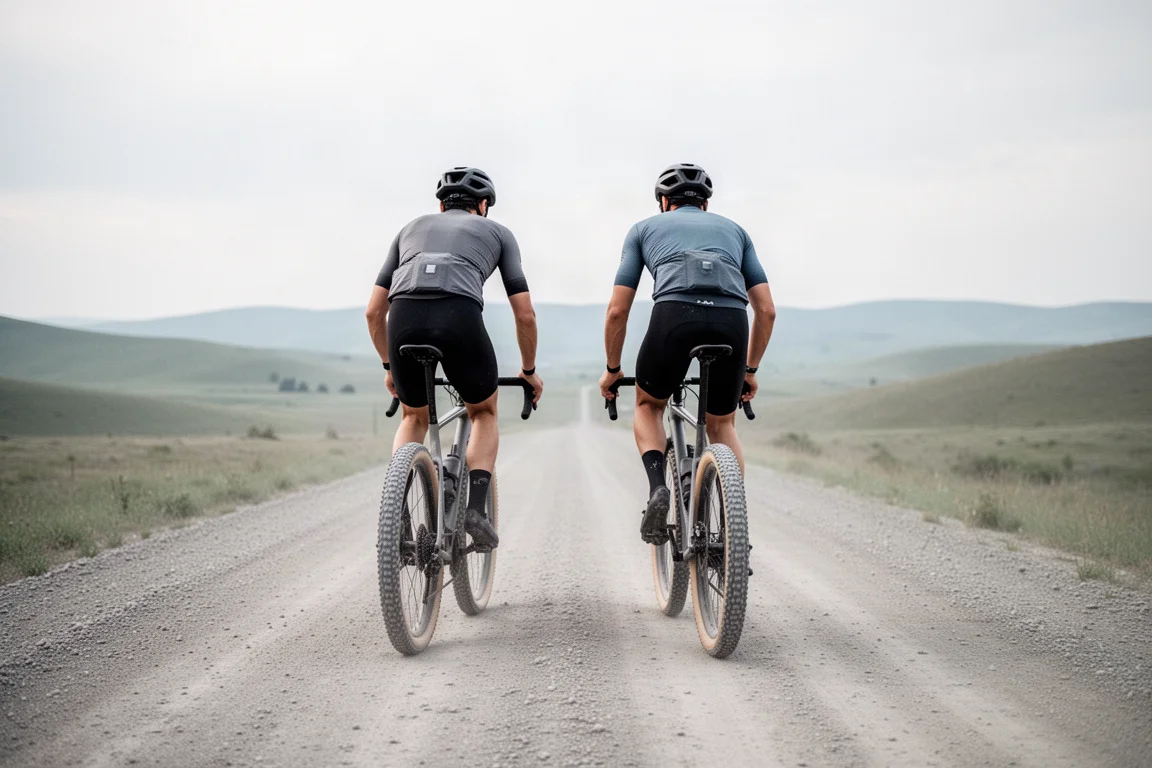
Gearing reflects the same split in intent. The Arid runs a standard and broad 10-44 cassette with a 40 tooth chainring. The Taos runs a mullet setup with a 10-52 cassette and a 42 tooth chainring, which gives it a wider spread and a lower bottom gear. In practice, neither bike leaves you hunting for a gear on the steepest off-road ramps.
Both builds are expected to move to the newer E1 generation of SRAM Force AXS, which brings lighter component weights, better ergonomics and better braking. Buyers should therefore see slightly lighter and more refined bikes than the earlier Force generation.
Technical Terrain and Traction
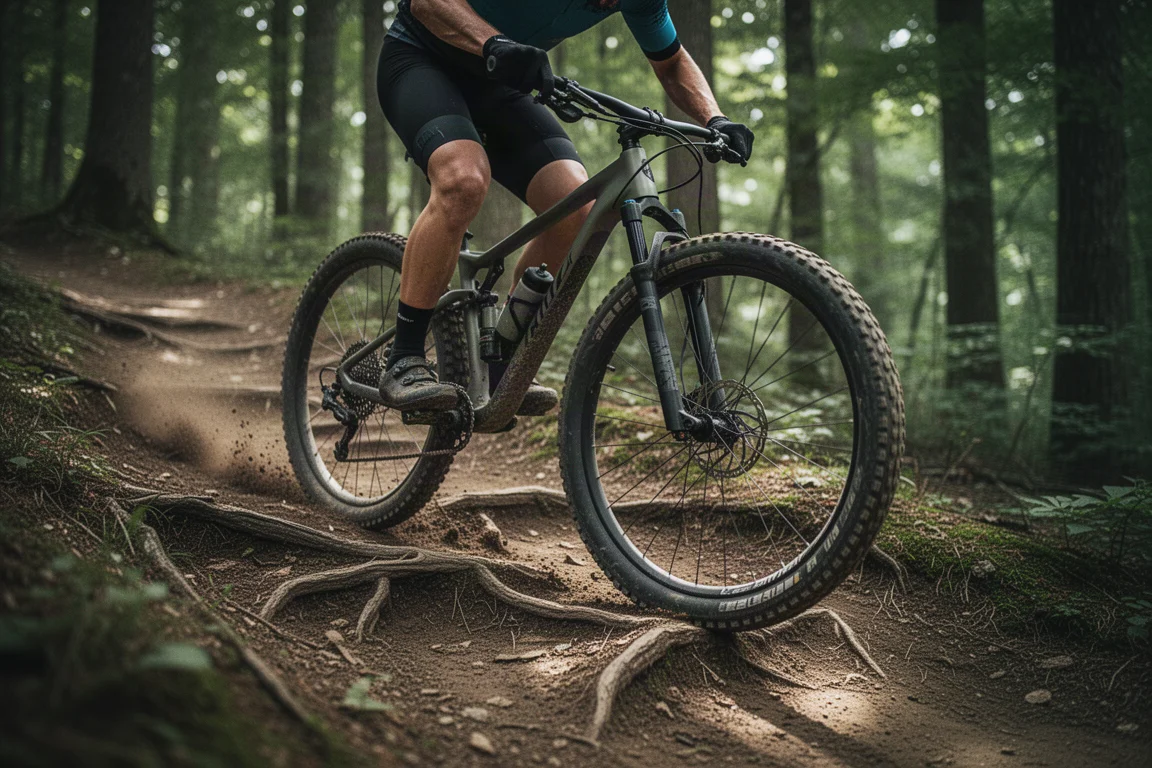
Both bikes were ridden well beyond typical gravel duty, and the fact that they felt confident enough to take onto pure mountain bike trails says a lot about their handling. On a tight, twisty descent with natural sweeping turns, both impressed, but the Arid had the edge. It felt that bit tamer through tight turns, drops and rooty off-camber sections, while the Taos flowed beautifully but demanded a little more attention on steeper, narrower turns.
A lower bottom bracket than a mountain bike is what gives both bikes their stability on gravel roads, but it can be a liability on technical ground. The Arid’s 269 mm bottom bracket height is only a couple of millimeters below the Taos’s, and a pedal strike is easy to provoke through rooty, rocky singletrack on either bike. For context, mountain bike bottom bracket heights commonly sit around 310 mm or more. A dropper post would add useful maneuverability on steeper drops for both.
Where the Arid pulls ahead in the rough is front-end composure. Its long fork and relaxed head angle keep the front tire tracking over ruts and lumps on low-traction climbs, which makes tight uphill singletrack far less of a fight. The Taos counters with a frame and fork that roll over hardened tractor tracks and water bar ruts smoothly, saving the energy that lesser bikes drain away.
Overall Buying Advice
Choose the Parlee Taos if you want one bike that covers the widest possible range of riding. It is light and agile enough to race, stable and comfortable enough to bikepack, and with the fork flip chip it can be set up to feel considerably more road friendly. It is also the quicker of the two on smoother gravel, double track and tarmac, and the mullet gearing gives it a wider range with a lower bottom gear. It is not as aerodynamic as the fastest aero gravel bikes on tarmac, but it is the more versatile proposition overall, and it can plausibly double as an endurance bike.

Choose the Mondraker Arid Carbon R if your priority is technical off-road capability. Its longer and lower ride position makes it feel most at home where gravel bikes arguably should not go, and it is simply one of the most capable gravel bikes around when the trail gets tight, rooty and steep. You pay a small penalty in efficiency on smooth gravel and tarmac, and you give up 2x compatibility, but the reward is a more focused off-roader.
The Parlee Taos is the more expensive of the two, and that is a fair consideration. The flip side is that the extra spend buys a broader range of usable capability, which is where the Taos edges out the Arid in this comparison. The Arid, however, is very close behind and remains the better pick for riders whose version of gravel leans towards the roughest, loosest terrain they can find.
Conclusion
Both of these bikes sit at the front of the gravel field for the same reasons: progressive geometry that handles technical trails, light builds with 50 mm tire clearance, and aero touches that do not compromise their go-anywhere character.
The Parlee Taos wins by a narrow margin because versatility is its defining trait. A flip chip in the fork, 2x compatibility, a lighter frame and quicker manners on smoother surfaces make it the more adaptable choice. The Mondraker Arid Carbon R is the more specialized machine, and for riders who care most about control on rocky, loose and rutted ground, that specialization is exactly the point.
Further reading
Related Reviews
Gravel Bikes
3T Exploro Ultra Review: A Fast Gravel Bike Built for Big Tyres
A close look at the 3T Exploro Ultra, an aero carbon gravel bike designed around wide tyres, with road-like handling, a 980 g frame and genuine rough-terrain capability.
Gravel Bikes
3T Extrema Italia Review: Aero Gravel Speed With Room for 57 mm Tires
The 3T Extrema Italia pairs an aero frame with huge tire clearance, Italian-made carbon and a more comfortable ride than the RaceMax. Here is what to know before buying.
Gravel Bikes
3T Race Max 2 Italia Review: An Aero Gravel Race Bike Made in Italy
A closer look at the second-generation 3T Race Max 2 Italia, covering its aero updates, ride character, tire clearance, internal storage and who it suits.