Travel Backpacks
5 Minimalist Travel Backpacks Tested: Real Capacity vs the Specs
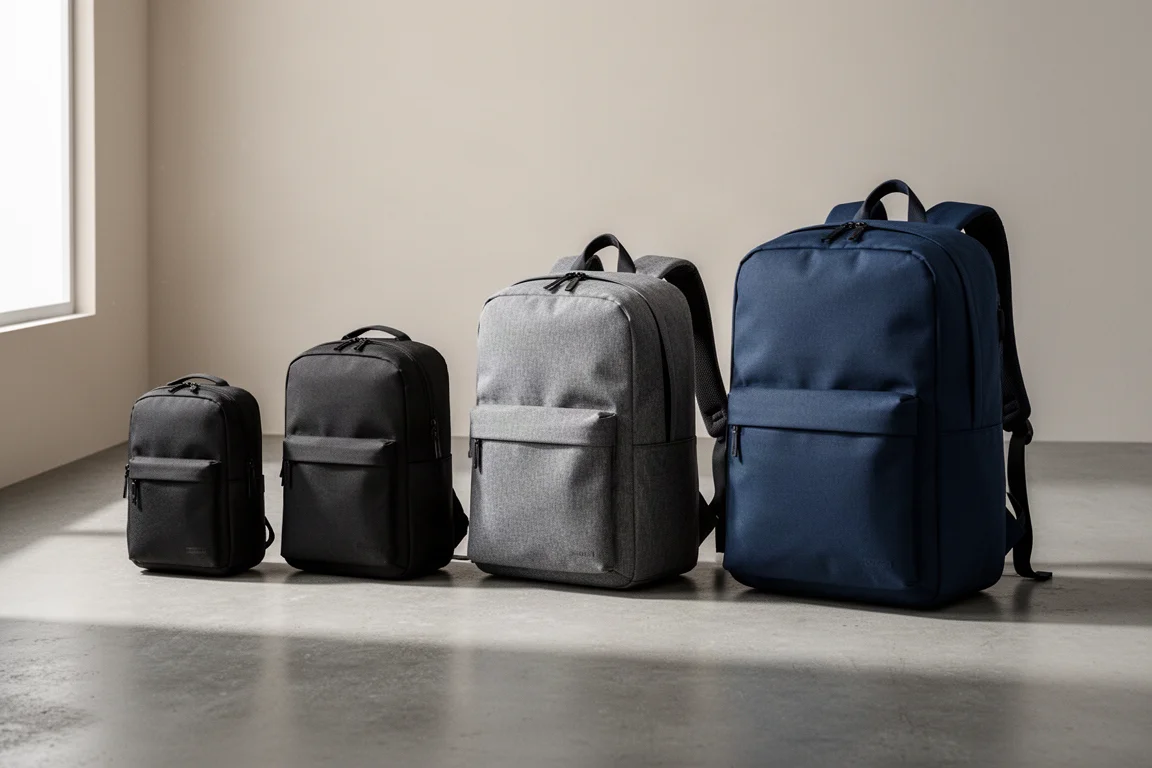
We filled five popular minimalist travel backpacks with packing peanuts and the same load of gear to see how their real-world capacity compares to the listed specs.
Introduction
Listed capacity numbers on travel backpacks rarely tell the whole story. Some bags count exterior pockets in their totals, some come up short once you measure them, and some quietly hold more than the tag suggests. To find out which minimalist travel backpacks actually deliver, we tested five popular options using the same method: filling each bag with packing peanuts, then transferring them into a container marked in 10-liter increments. After that, we packed each one with the exact same set of gear to see how much it realistically holds and how comfortable it carries.
Real Capacity vs Listed Specs
The capacity test produced some eye-opening gaps between marketing and reality. The Ula Dragonfly lists a total of 30 liters with the exterior pockets included, but the main compartment alone is listed at 21.7 liters. Measured with packing peanuts, the main compartment actually came out around 25 liters, a little above the estimate, which matches the feeling that this bag holds more than its numbers suggest.
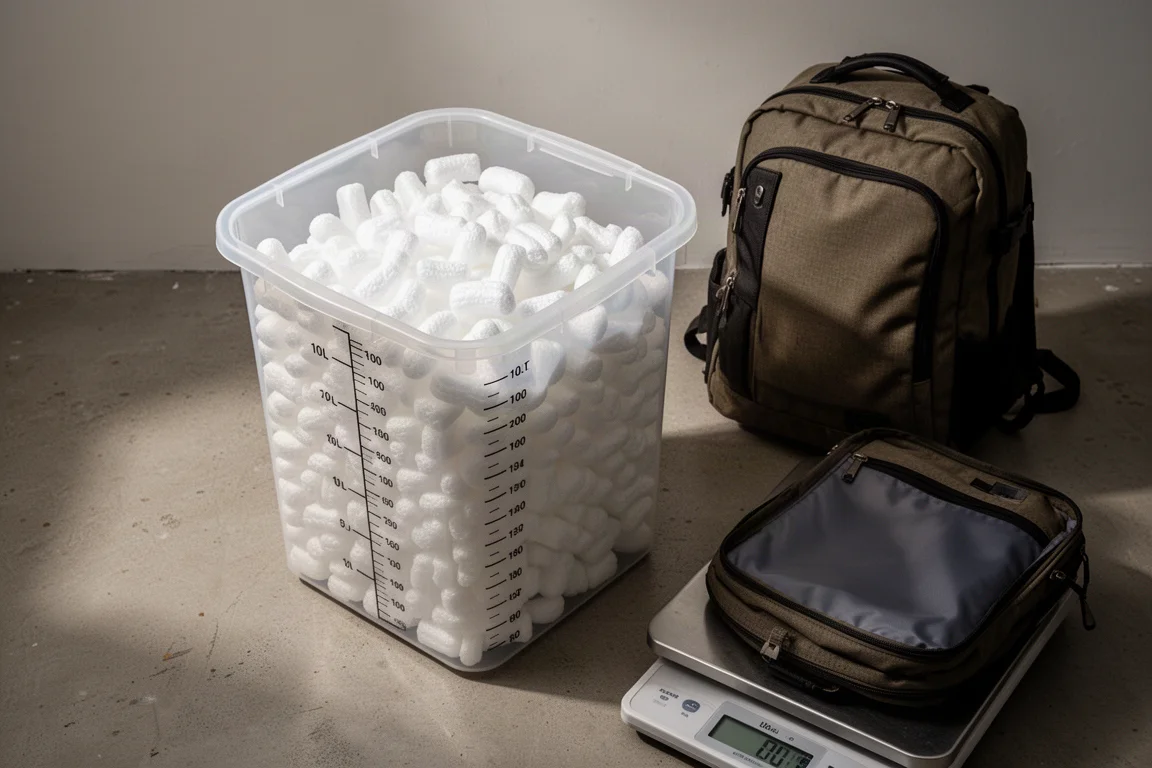
The Cabin Zero Military 28 goes the other way. It is listed at 28 liters but measured closer to 23, meaning the bag with the bigger number on paper can actually hold less than some smaller-listed rivals. The Osprey Daylight 26+6 claims 26 liters expanding to 32, but unexpanded it measured around 23, and expanded around 29, so it never truly reaches the claimed 32-liter maximum.
The REI Ruckpack 28 measured about 25 liters, a few liters short of its listing, partly because a packed-in rain fly takes up some space. The Patagonia Black Hole 32 was the most accurate of the group, measuring around 30 liters against a claimed 32, and it remained the largest bag tested.
Cabin Zero Military 28
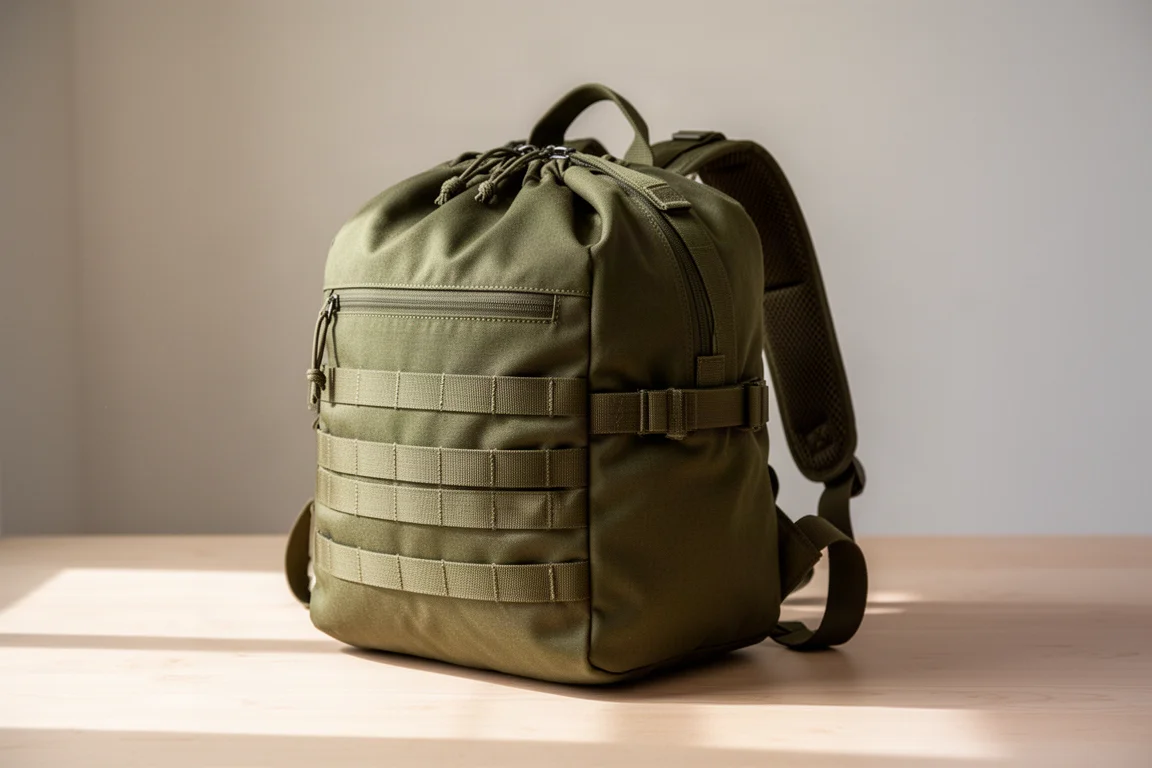
The Cabin Zero Military 28 measured around 23 liters, noticeably short of its 28-liter listing, but it packs better than that number suggests. It is essentially one large main compartment, which makes loading gear unusually easy, and there is very little interior organization, so nearly all of the usable capacity goes straight into gear rather than pockets and dividers.
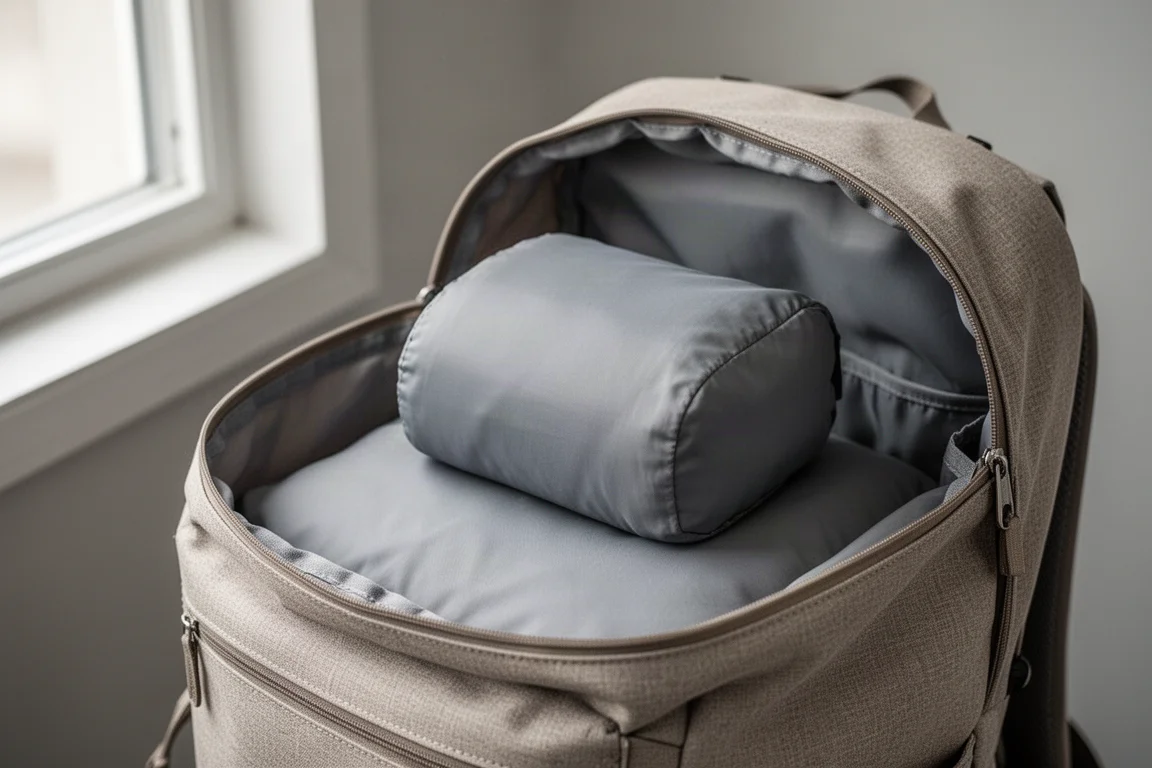
For the packing test, the same load went into every bag: two pairs of pants, four t-shirts, a long-sleeve shirt, one pair of shorts, four pairs of underwear, three pairs of socks, sandals, a toiletry kit, a packable day pack, a towel, sunglasses, and a synthetic puffy jacket in Eagle Creek compression cubes, plus minimal electronics including a charger, battery pack, cable, earbuds, and an e-reader. All of it fit into the main compartment, with electronics in the front pocket. Fully packed, it weighed about 5.4 kg, roughly 12 pounds. It carries comfortably, partly because the small size limits how much weight you can load, and partly thanks to a very comfortable carry system.
REI Ruckpack 28
The REI Ruckpack 28 measured around 25 liters, a couple of liters more than the Cabin Zero despite both being listed at 28. As a top-loading bag with a slimmer profile, it packs differently: the packing cube goes in lengthways rather than sideways, leaving an arm-width gap along the side that is just enough for the smaller cube. The puffy jacket sits at the bottom with the rest of the gear stuffed in at the top.
Sandals would normally go in the outer pockets, though those pockets are not counted in the listed volume. With everything in the main compartment and electronics in the top lid pocket, the bag was not quite full, leaving room at the top for perhaps another toiletry bag or a light jacket. Fully packed, it weighed 5.5 kg, about 12.2 pounds. The shoulder straps fit well with decent padding, back padding is good, and a small hip belt strap is available if needed. It is one of the more comfortable packs in this group.
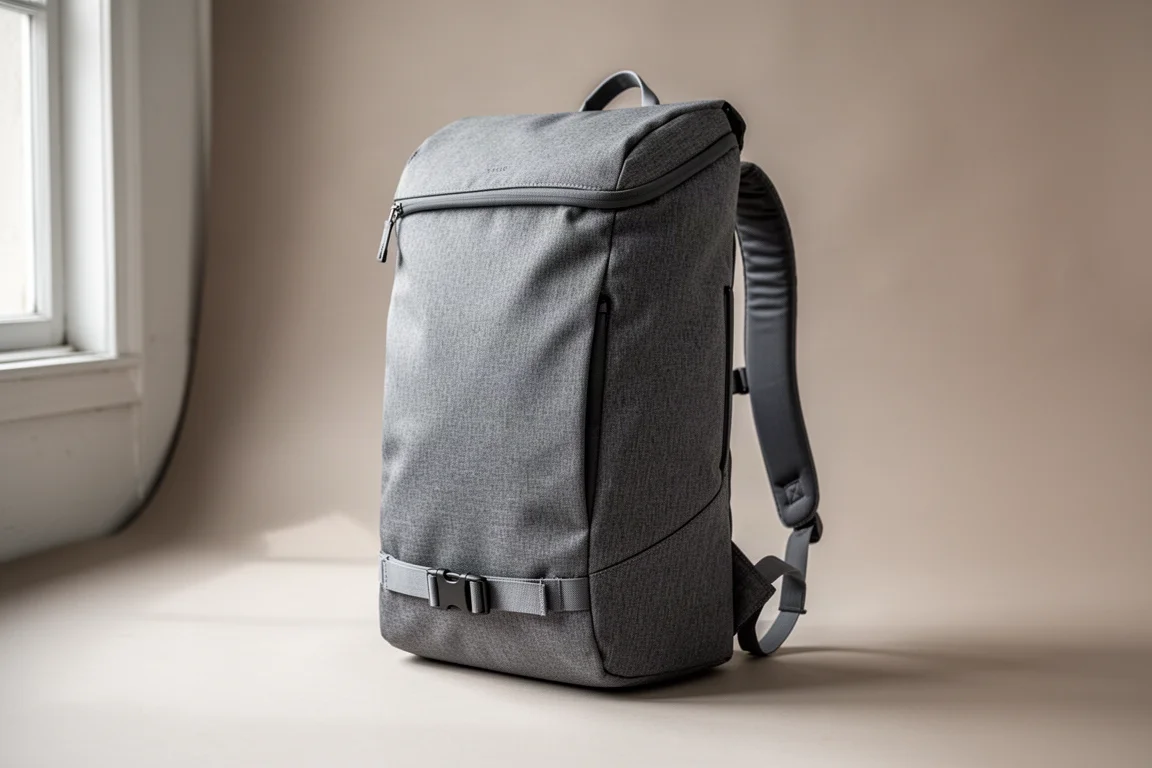
Ula Dragonfly
The Ula Dragonfly packs almost identically to the Ruckpack despite a listed main compartment of just under 22 liters. The packing cube went in lengthways, bulky items fit along the side, and the rest of the gear piled on top, with electronics in the top pocket. Even with the same load, there was extra room left at the top.
The real story is the exterior storage. The side stretch pockets are enormous, easily holding two 17-ounce water bottles per side, and there is a giant front stretch pocket that could also take two bottles, plus a rear bungee strap for an extra jacket or towel. Adding roughly five or six liters of outside capacity to the 25-liter main compartment puts the total around 30 liters.
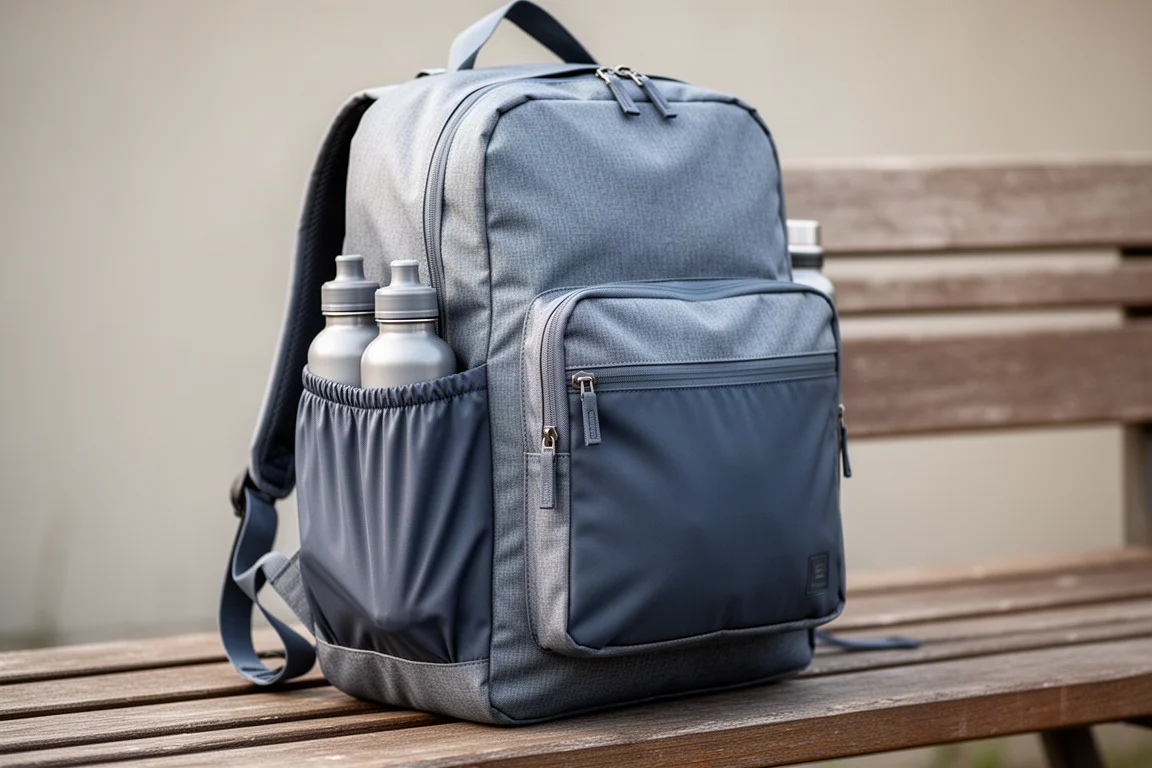
Fully packed, it weighed 5.4 kg, about 12 pounds. It is one of the more comfortable travel backpacks here: the straps are thinner but wide, which helps distribute weight, back padding is decent, and the bag’s shape simply sits well against the back.
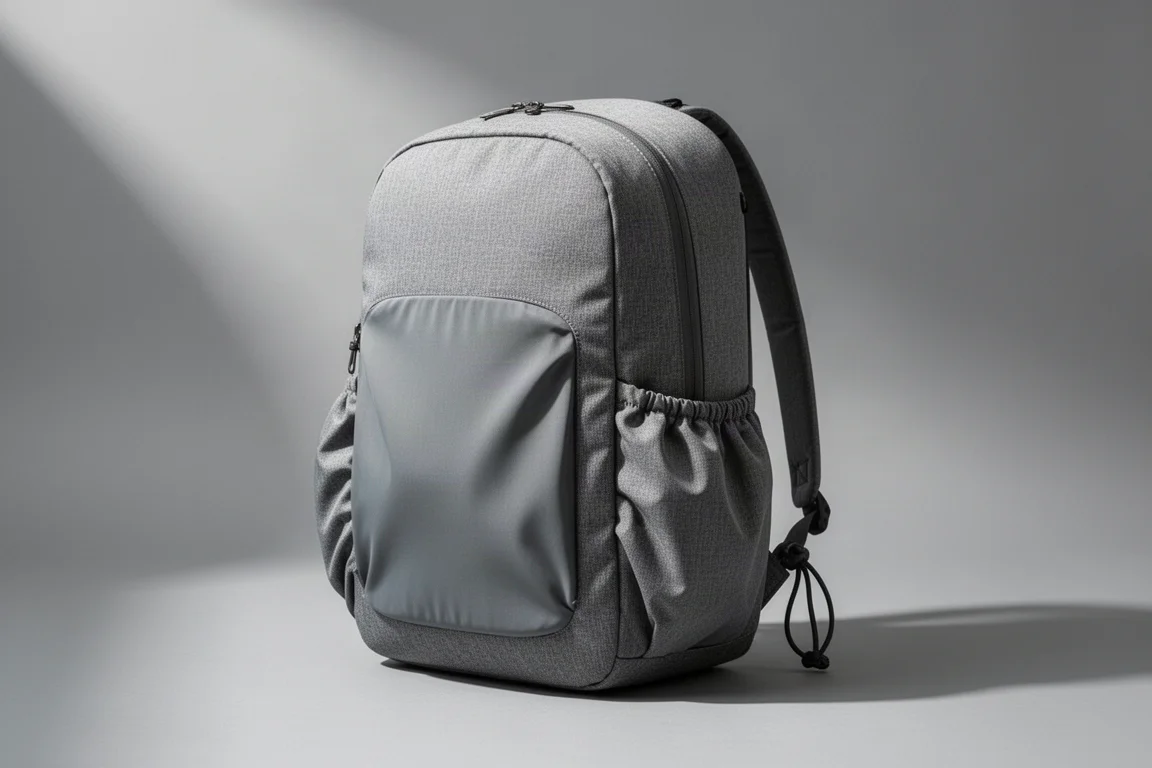
Osprey Daylight 26+6
The Osprey Daylight 26+6 measured around 23 liters unexpanded and about 29 expanded, so the listed 32-liter maximum is optimistic. Its packing style is quite different from the others: a clamshell design with two distinct compartments. The main compartment holds most of the capacity, while the lid side is thin when unexpanded but is where all the expansion happens, working almost like a built-in packing cube.
Bulky items go in the main two sections, and a separate external zipper provides access to the main compartment where the laptop sleeve sits, with a short top pocket for electronics. Fully packed, it weighed the same 5.4 kg, about 12 pounds, matching the Cabin Zero and the Dragonfly. Even so, there was decent room remaining, especially at the top, perhaps around five liters of extra space.
It is not an uncomfortable pack, but it has the thinnest straps of the group, and its shorter, boxier shape tends to feel more rounded on the back when expanded.
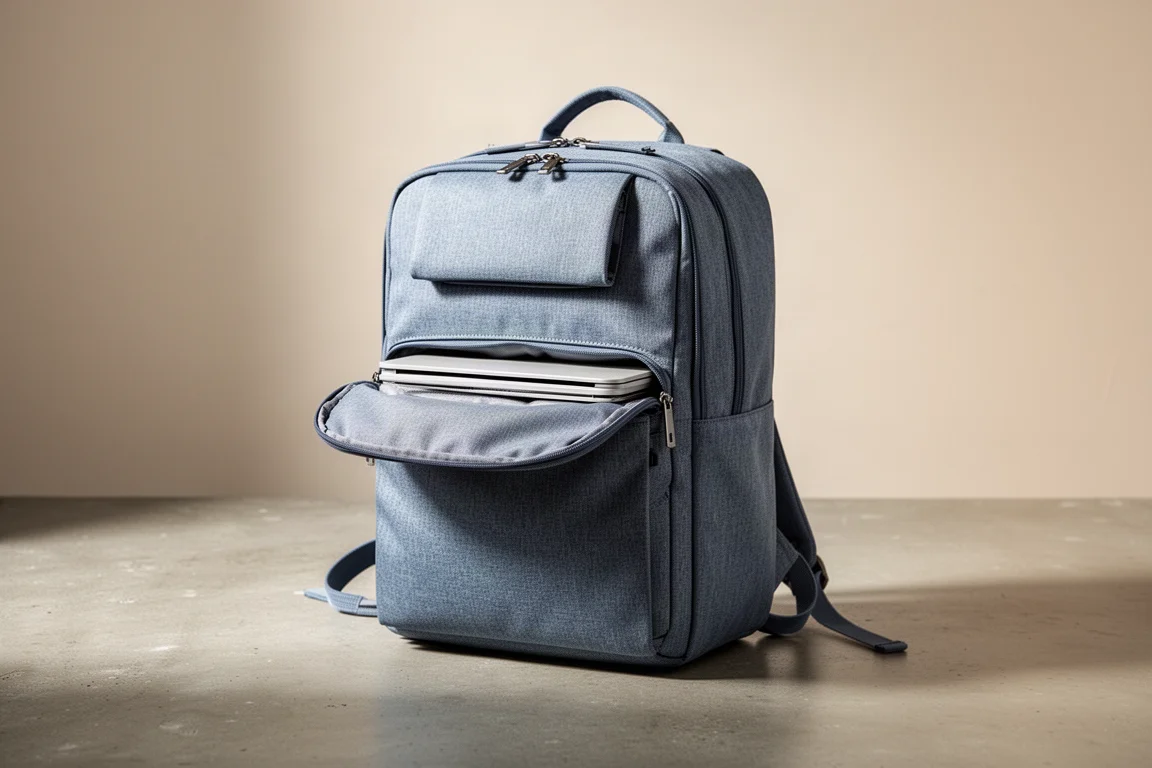
Patagonia Black Hole 32
The Patagonia Black Hole 32 is listed at 32 liters and measured around 30, making it both the most accurate and the largest bag in the group. Its shape is almost identical to the Ruckpack, so it packs the same way: the same gear in the main compartment, a dedicated laptop and tablet sleeve that held the e-reader, and electronics and sunglasses in the top lid pocket.
Fully packed, it weighed 5.4 kg, about 12 pounds, in line with the rest. It is clearly the largest bag packed out, with the bottom full and quite a lot of extra room at the top of the main compartment.
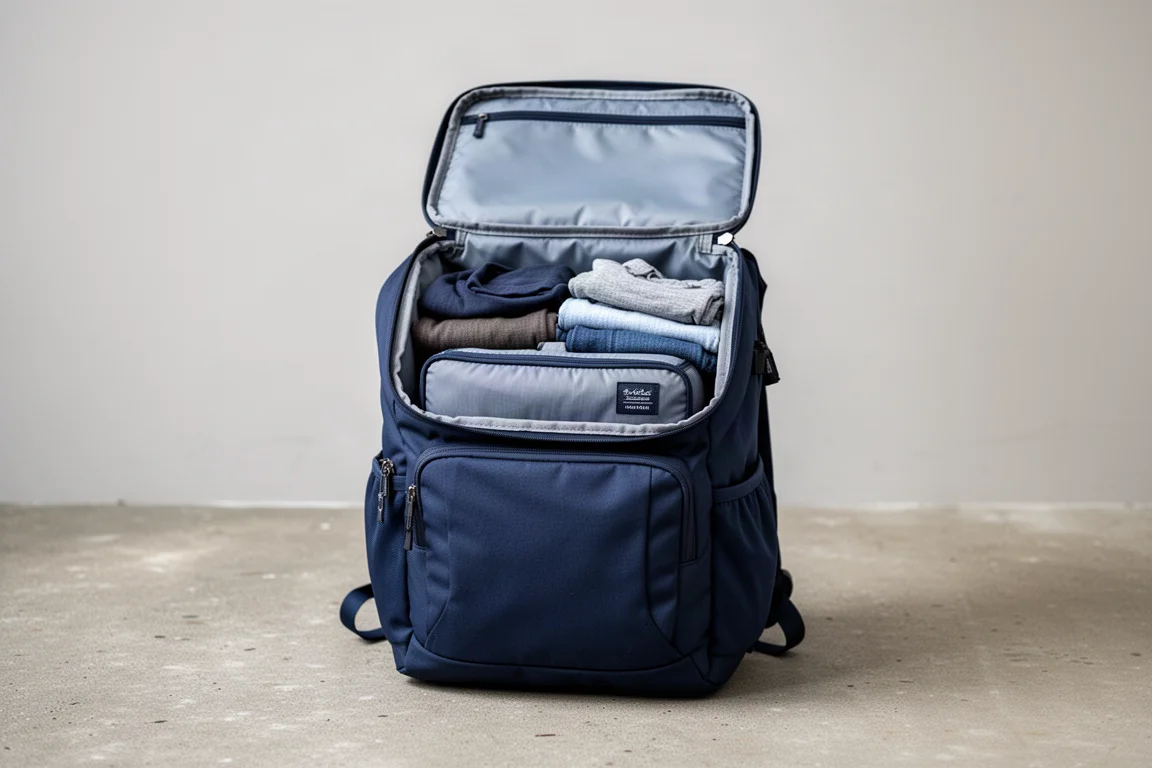
The straps are about as thin as the Daylight’s, but this bag sits a little better on the back, being taller and skinnier with slightly better weight distribution. Even so, the Dragonfly, Cabin Zero, and Ruckpack remain the comfort winners in this comparison.
Which One Should You Buy
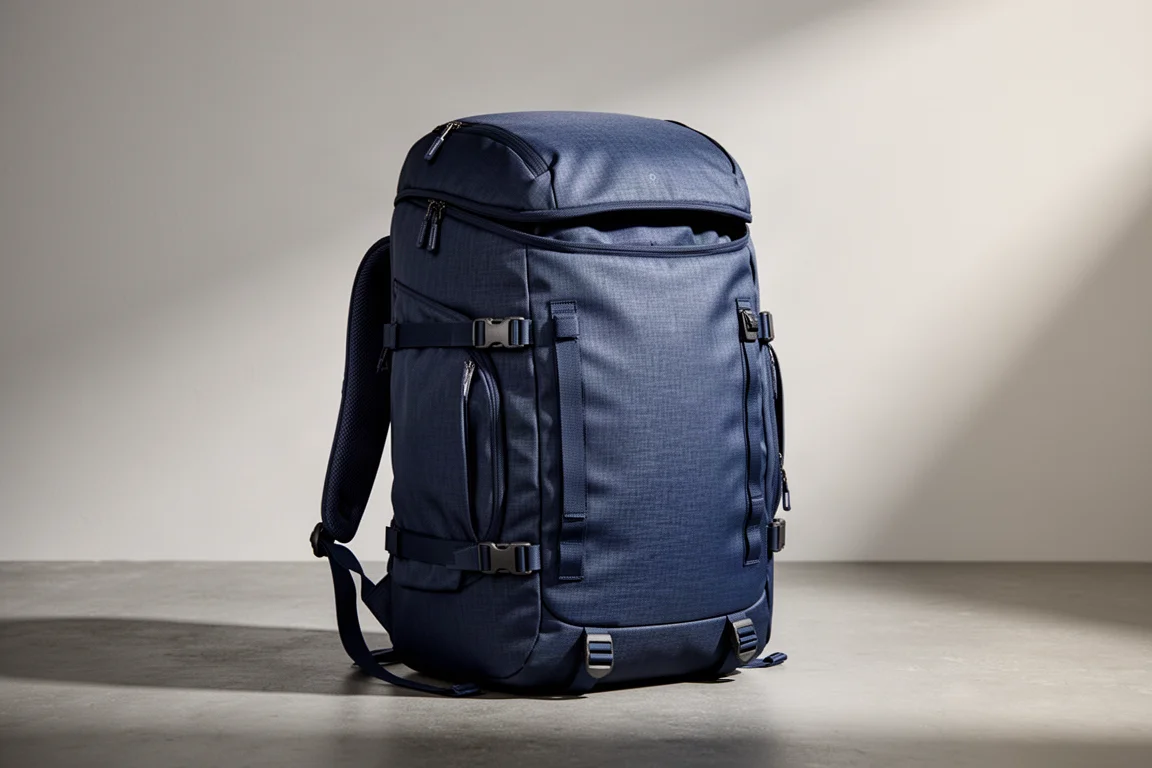
If honest, usable volume matters most, the Patagonia Black Hole 32 offers the largest measured capacity and the most accurate spec sheet, plus a dedicated laptop sleeve. If comfort per liter is the priority, the Ula Dragonfly, Cabin Zero Military 28, and REI Ruckpack 28 all carry a full load well, with the Dragonfly adding impressive exterior storage and the Ruckpack offering good padding and a small hip belt. The Osprey Daylight 26+6 is the most expandable but also the least refined carrier. Matching the bag to how you pack matters as much as the numbers: top-loaders favor cube-style packing, while clamshells suit travelers who want compartments that open flat.
Conclusion
Measured against the specs, none of these five minimalist travel backpacks is quite what the label says, but each earned its place in a different way. The Dragonfly over-delivers on usable space, the Black Hole is the most honest and the largest, the Ruckpack balances comfort with capacity, the Cabin Zero packs simply and comfortably, and the Daylight offers expansion flexibility at the cost of carry comfort. Weigh your priorities against those trade-offs and you will land on the right bag.
Further reading
Related Reviews
Travel Backpacks
Outdoor Vitals Dakota UL Review: One 45L Pack for Travel and Backpacking
A practical look at the Outdoor Vitals Dakota UL, a 45 liter pack that opens like luggage, carries a laptop, and converts for trail use with a removable frame and detachable hip belt.
Travel Backpacks
Outdoor Vitals Koda UL Review: One Bag From Terminal to Trail
A hybrid travel and backpacking pack with a sleek carry-on shape and a frame tuned for all-day comfort under a real multi-day load.
Travel Backpacks
Outdoor Vitals Kota UL Review: One Pack for Flights, Cars, and Backcountry Camps
A close look at the Outdoor Vitals Kota UL, a travel-first backpack designed to stay comfortable under backpacking loads and still slide into an overhead bin.