Everyday Carry
Building a Minimal EDC Kit: The Pouches and Pocket Tools That Made the Cut
A lightweight everyday carry kit built around the Victorinox Compact, Rovyvon A8, and a head-to-head test of five carry pouches to find the best fit.
Introduction
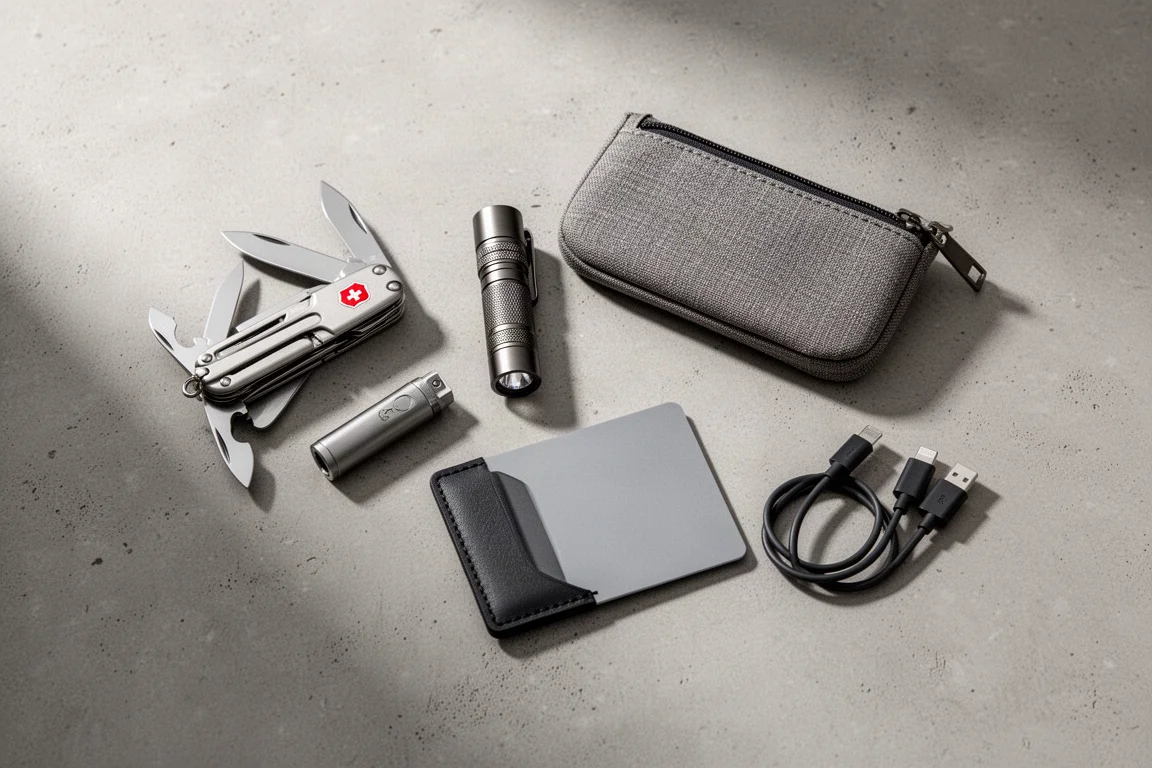
The goal here is simple: a minimal essential carry that combines everything needed when leaving the house into one lightweight, compact kit. No more grabbing a dozen separate items on the way out the door. Everything below fits into a single small pouch, and if more capacity is needed, the pouch drops into a sling bag or backpack.
Getting there took hours of testing different pouches and carry combinations. Here is what made the final cut, and which pouches came out on top.
The Core Essentials
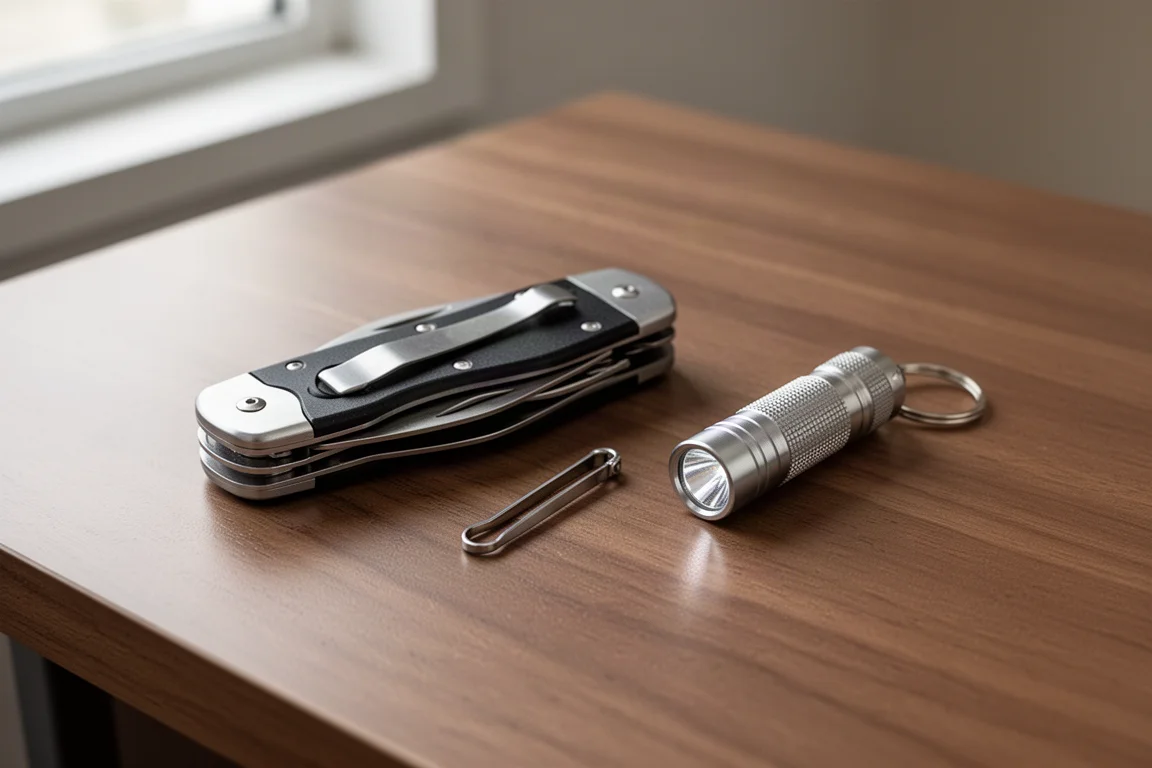
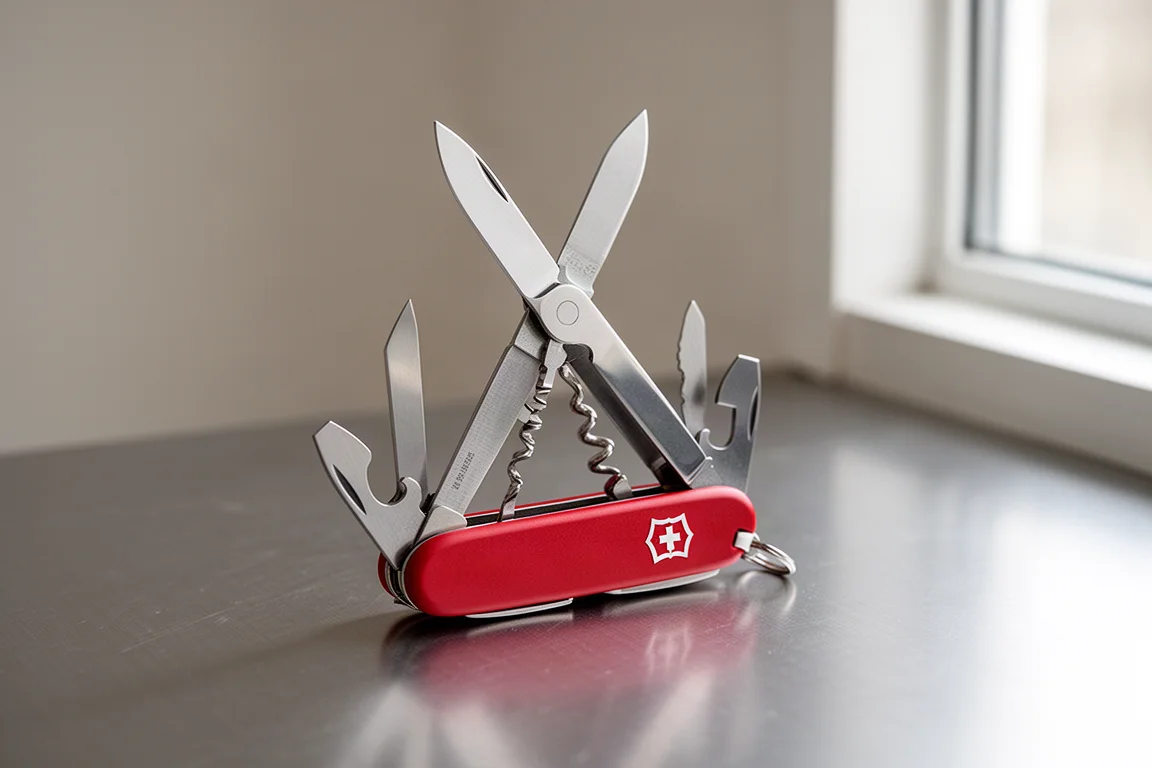
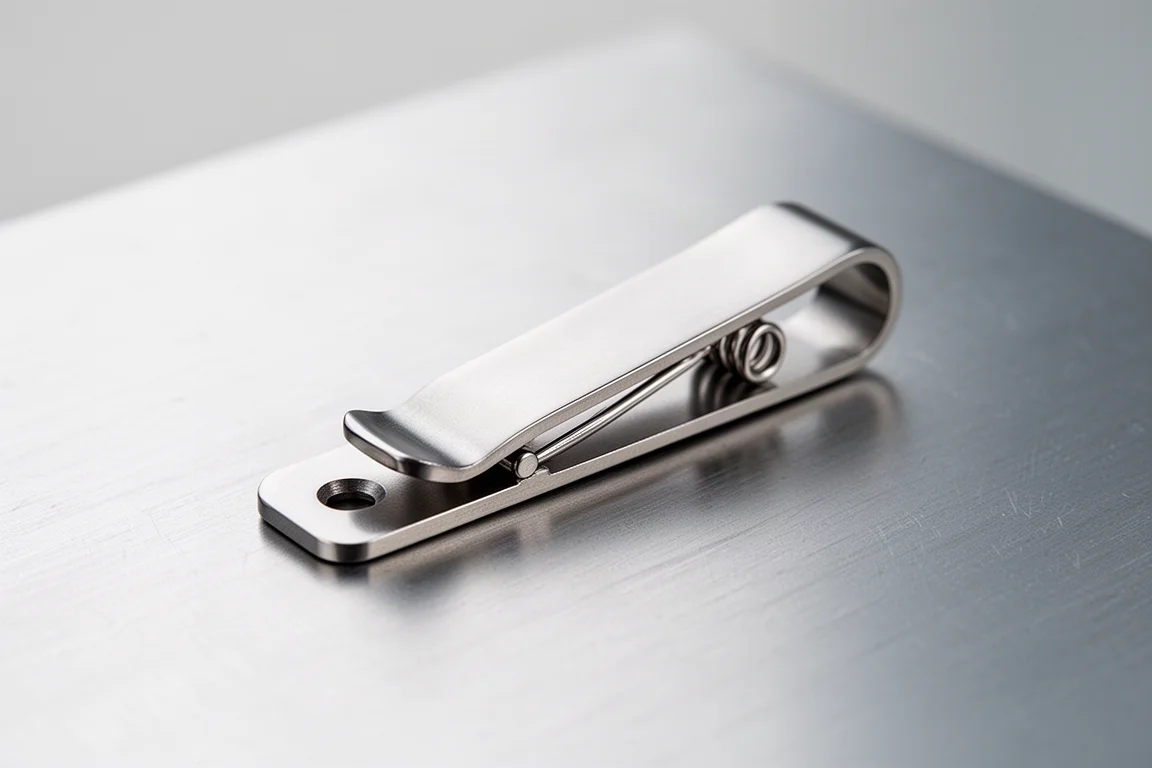
The knife of choice is the Victorinox Compact. It remains unbeaten as an everyday carry choice thanks to its compact two-layer size and low weight, offering a slip joint knife that is legal in most places, Victorinox’s excellent full-size-feeling scissors, and a practical selection of other tools. Loose pocket carry works well with a KeySmart Clip, which stops the knife dropping to the bottom of the pocket and makes it easier to grab, though it works best with jeans rather than lighter clothing. A pouch solves that gap.
The wallet carries backup cards, a debit card for cash withdrawals, ID, a card finder, some folded cash, and a list of emergency contacts. It is a genuinely minimal wallet that has proven itself over many months of use.
Two small additions cost almost nothing in weight or bulk: a titanium tube holding basic meds (pain, allergy, and diarrhea relief), plus a couple of plasters and an antiseptic wipe in a flexible credit card sleeve. A credit card sized Fresnel magnifying lens rounds it out, allowing reading without glasses in an emergency while doubling as a magnifier the rest of the time.
The Everyday Flashlight
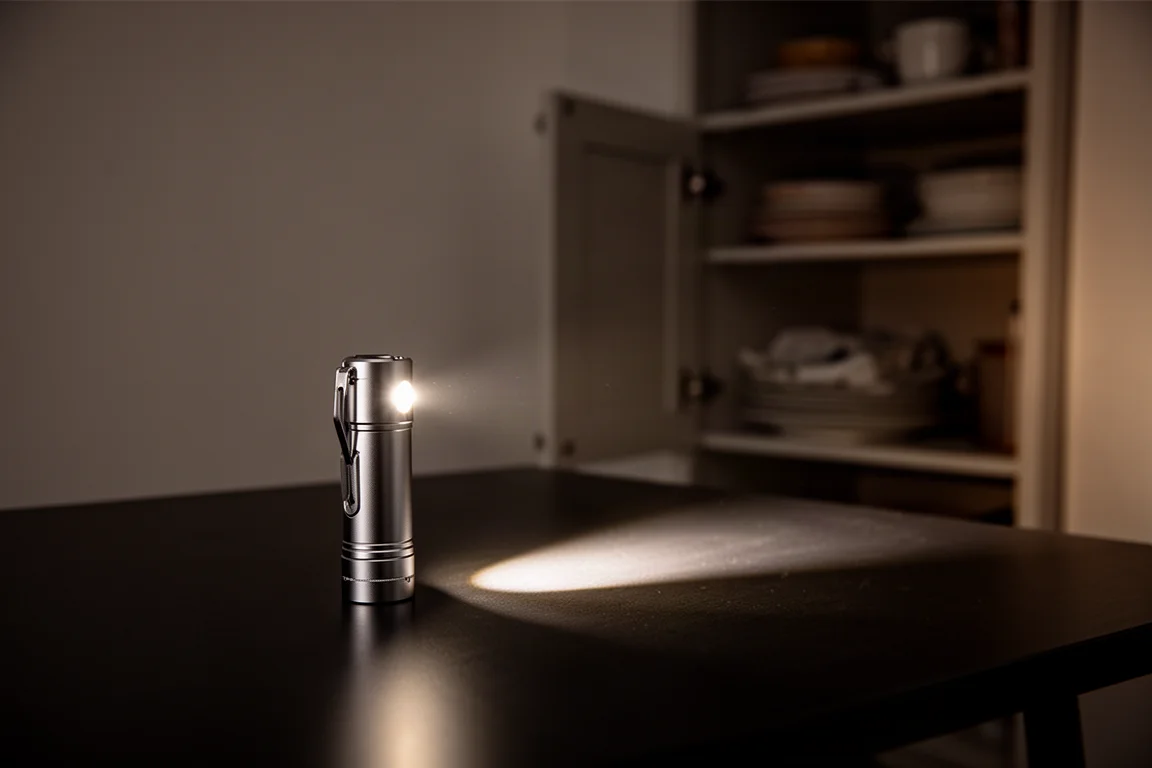
The Rovyvon A8 stays on as the everyday carry flashlight. It gets used daily, not just at night: making small print easier to read, lighting up gloomy cupboards and badly lit drawers, or lighting the road ahead if caught out after dark.
It is small and light with a super bright maximum output of 650 lumens, along with a red side light that can serve as an emergency bike light, a soft white light capable of lighting up a room, and a UV light mainly used to check bank notes. It charges via USB-C with good run times.
A New Contender: Wuben X2 Pro
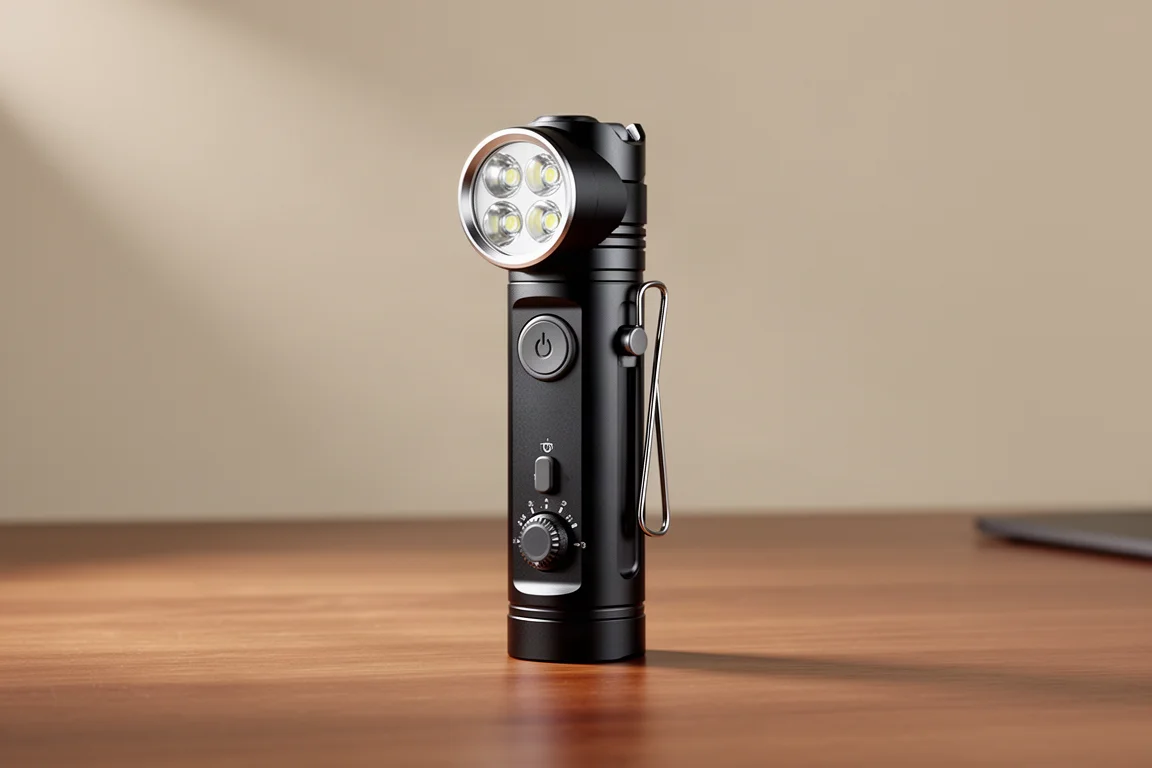
The original Wuben X2 earned a place among last year’s favorite gear, and the new X2 Pro updates nearly everything. A new three-position slider switches between lockout, side light, and main light, alongside a rotary control and a push switch. The main light uses a four-LED composite lens system that transitions from spot to flood via the rotary control, stepping from a 15-lumen low with 90 hours of run time up to a 400-lumen high, with a 1,500-lumen turbo mode on double press.
The side light goes from a 1-lumen moonlight level lasting over 200 hours up to 400 lumens, can angle up and down, and comes in either a multicolor version with red light and dual-color flashing modes or a UV version. The biggest improvement is the battery: instead of the original’s non-replaceable cells, the X2 Pro takes cheap, easily replaceable batteries, including standard alkaline batteries, which is great for power cuts or travel. Build quality is excellent aluminium at a reasonable 135g with batteries, and it should retail around $70, heavily discounted during its crowdfunding launch.
Cables and Charging
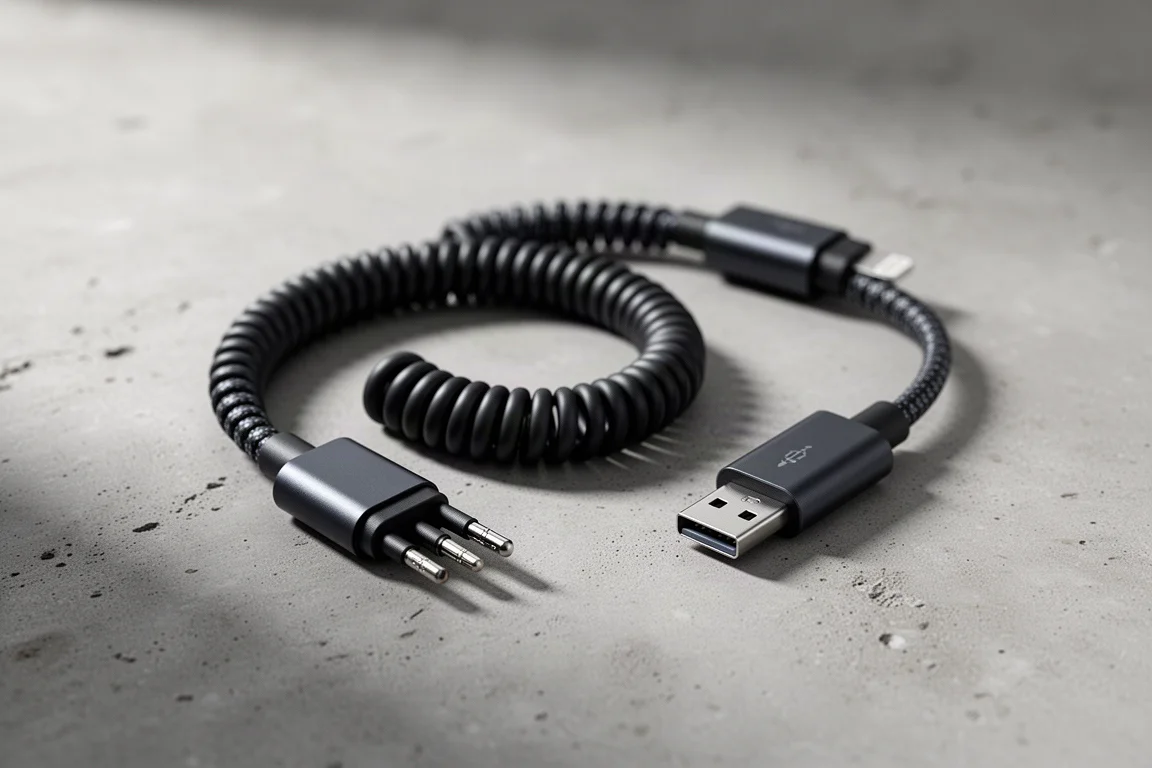
A power bank is too bulky for this kit, but the inCharge 6-in-1 cable earns its place. If a phone is unexpectedly dying, there is a good chance of finding a USB socket somewhere, or even borrowing a brief charge from another phone. The cable covers USB-A and USB-C on the input side, with micro-USB, Lightning, and USB-C outputs, covering virtually every option.
Pouches That Did Not Quite Work
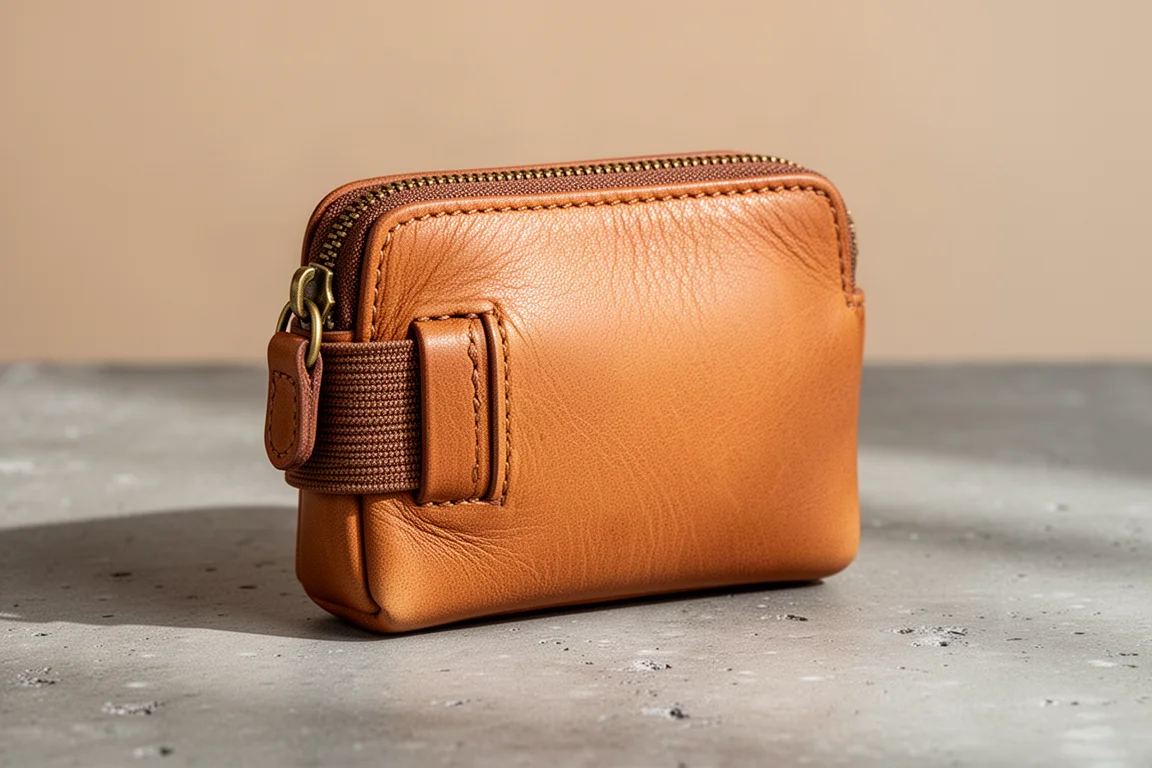
Finding the right pouch proved harder than expected. The Gal Leather EDC wallet-style pouch, at around £27 or $35, has good quality and an interesting elasticated leather pen loop. Everything technically fits, but it is a squeeze, the contents fall out when opened, and the coarse zip gets in the way. A nice pouch, just not for this use.
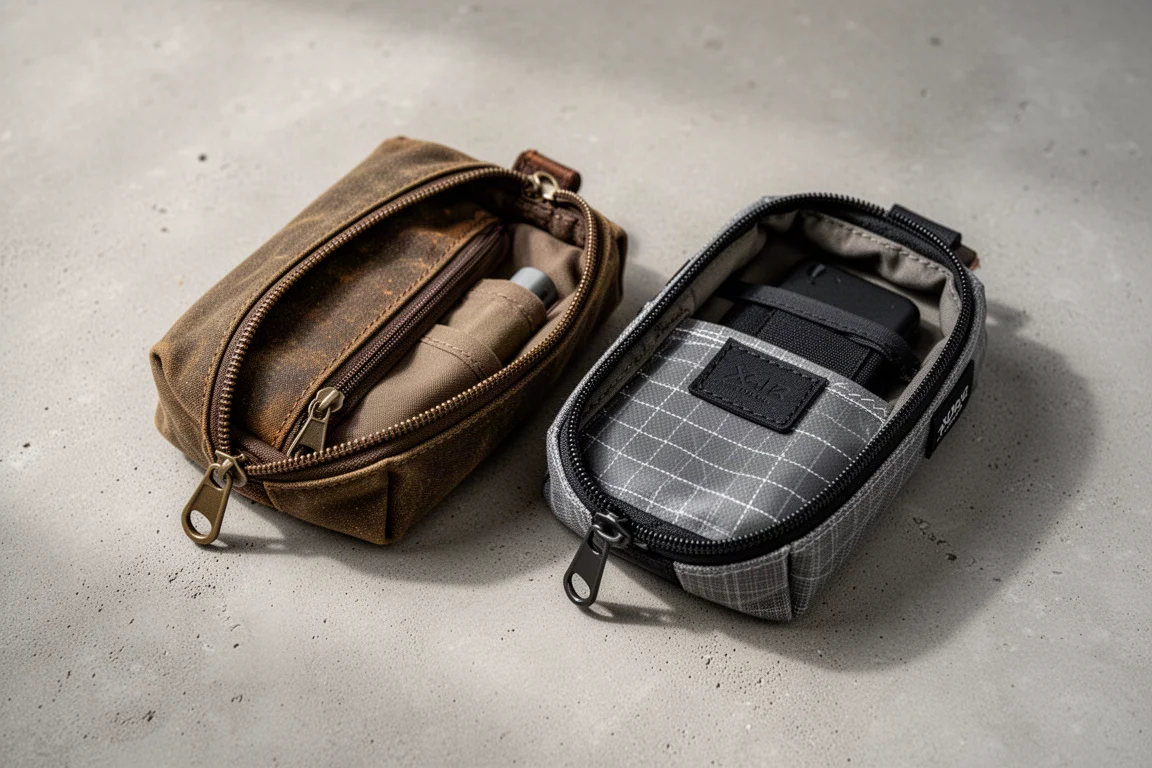
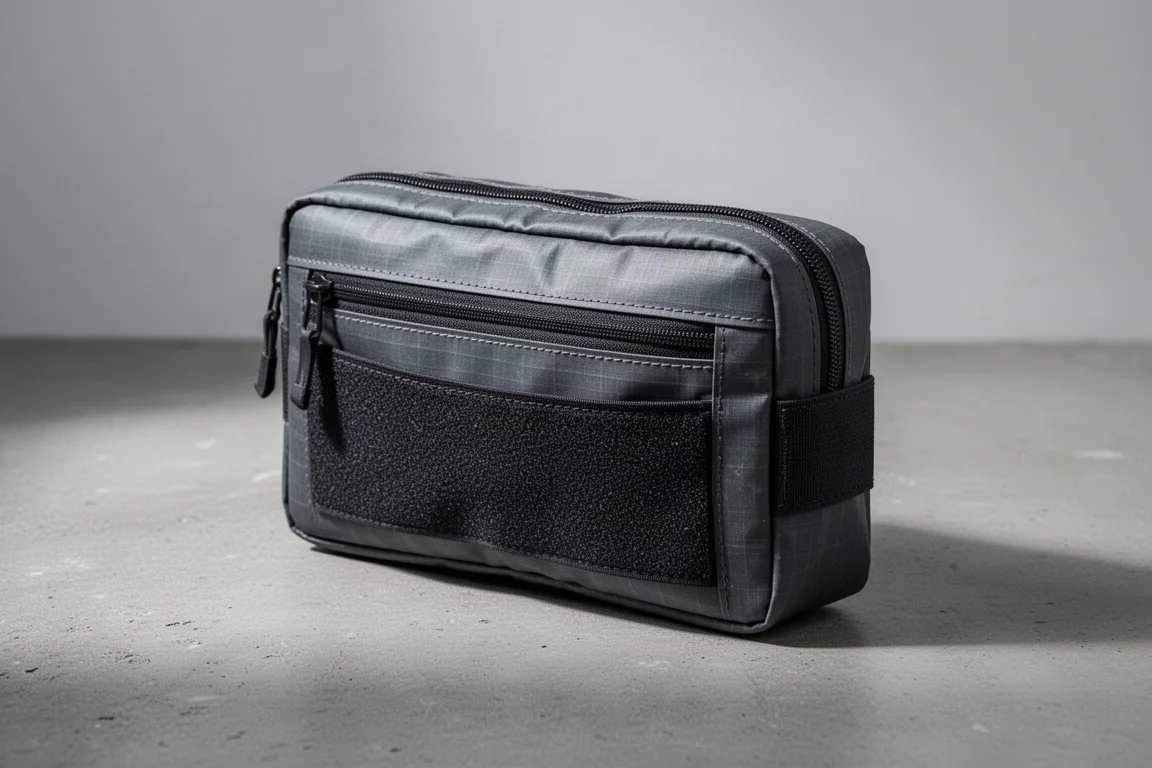
The Viperade V15 Mini EDC Pouch, around £30 or $30 in the X-Pac version, has solid build quality with a zip pocket, external pockets, and webbing loops. But access is a big problem: everything fits in the zip pocket yet retrieval is awkward, and putting the knife and torch in the external pockets puts pressure on the cards inside.
The Topo Designs Micro Pouch, bought for under £15, is simply one compartment at 5 by 3.5 inches, and that extra width makes all the difference. It does a good job, though a divider would help, and it has always been hard to get hold of.
The Alternative: Alpaka Zip Card Holder
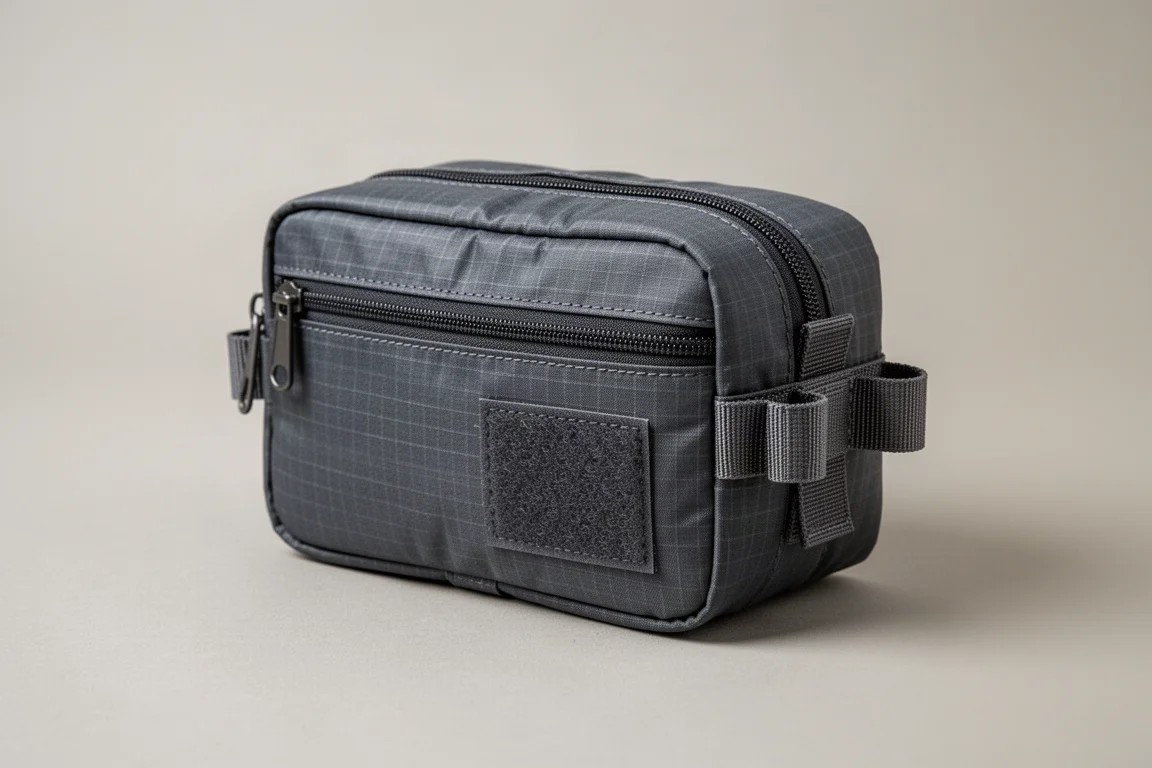
Before settling, it was worth testing the Alpaka Zip Card Holder. It is the same size as the Zip Pouch but adds external sleeves: one below the front zip for something like a multitool, and two on the back for a pen and a credit card.
The trade-off is clear. The double layering needed for the sleeves reduces flex, making the interior tighter and access more difficult. Items with volume in the sleeves restrict what fits inside by at least the same amount. Items in the sleeves are quicker to grab, but easier to lose, and the pouch becomes less comfortable in a pocket. The pricier version at around £40 or $50 also loses the smoother pocket-friendly lines of the original.
Why the Alpaka Zip Pouch Won
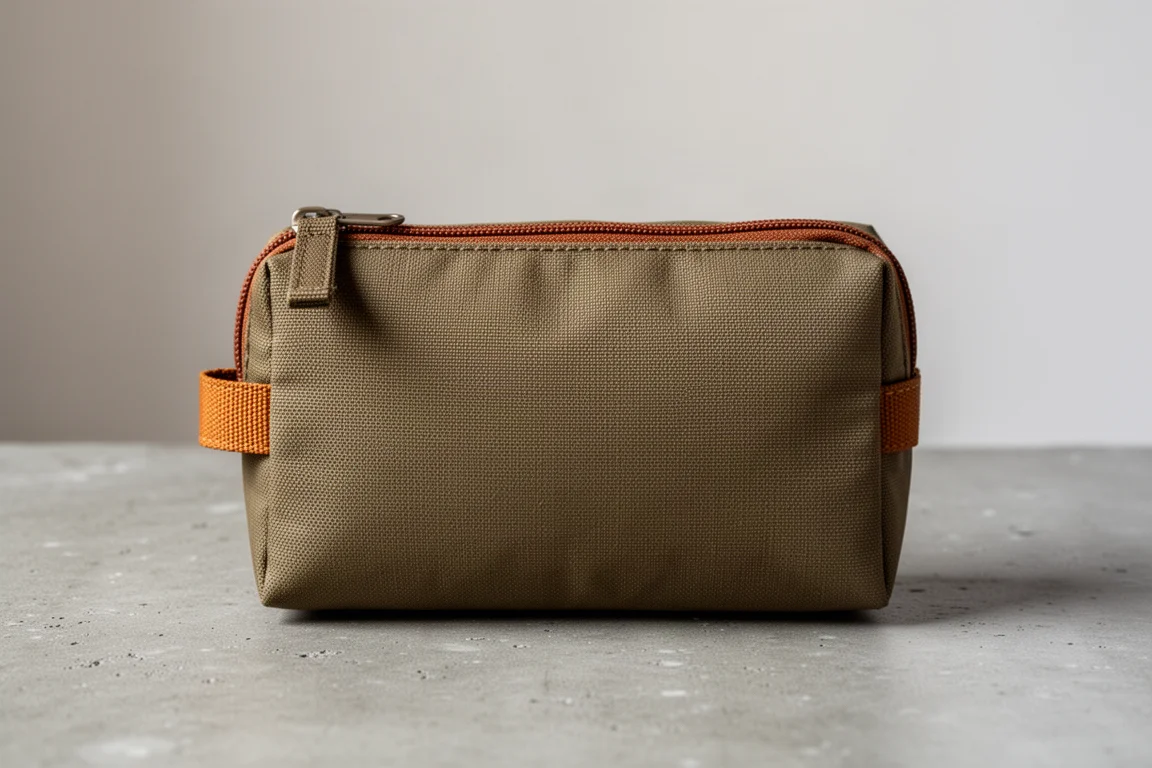
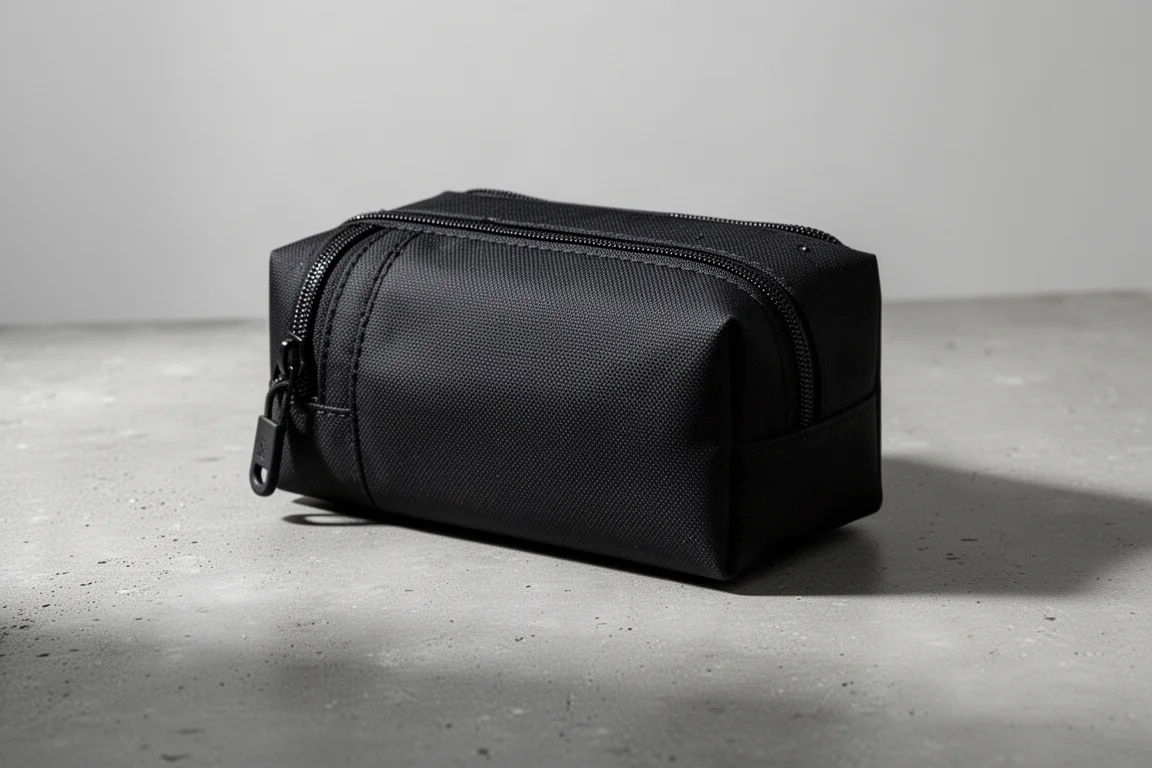
At around £25 or $30, the Alpaka Zip Pouch measures 5 by 3.25 inches, made from tough waterproof X-Pac sailcloth with YKK water-resistant AquaGuard zippers and hypalon zip pulls. The main compartment is lined and divided in two, with a zip pocket on one side, RFID protection for the contents, and consistently excellent quality.
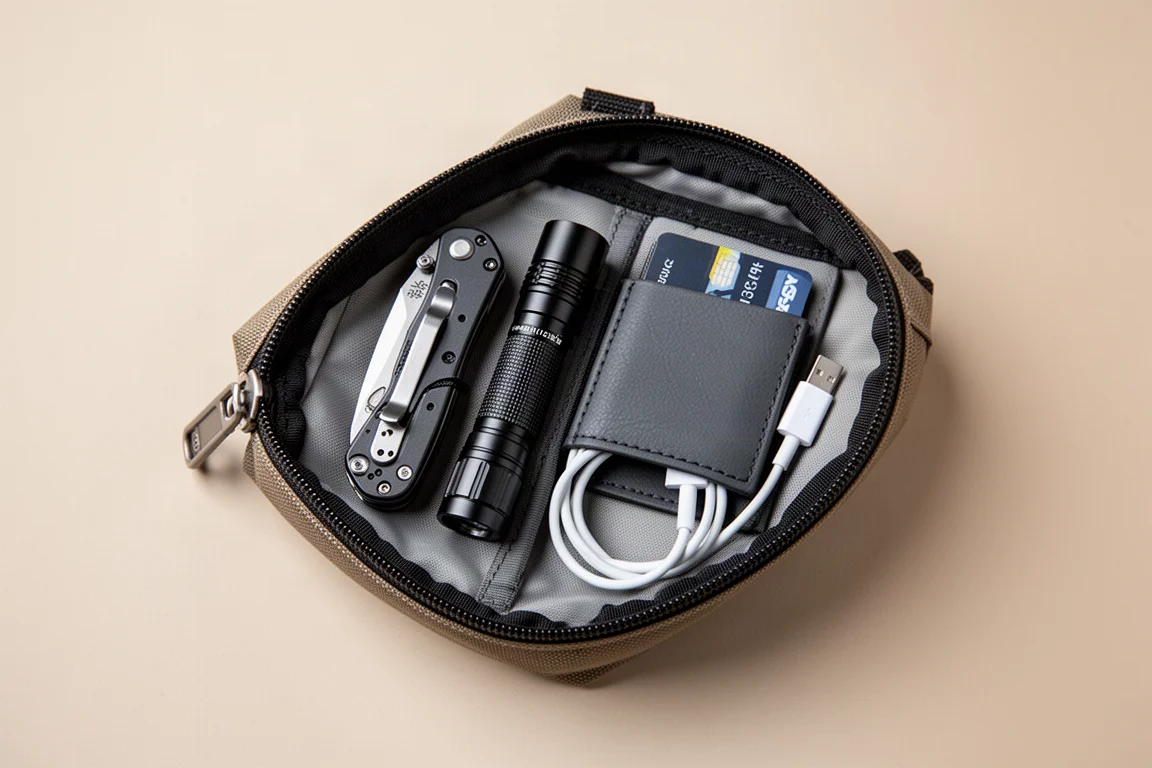
Everything fits with room to spare: cash and coins in the side pocket, wallet contents on one side of the divider, the meds tube, cable, and Compact on the other, with the flashlight positioned vertically at the end. The knife, light, and cards are all easily accessible, and a house key attaches to a small webbing loop with elastic cord for quick access. Alpaka also offers a Fidlock quick-release system for around £30 that holds the pouch super securely and reattaches magnetically, though it is more situational than essential. With around ten color options, great quality, and a fair price, it is the easy winner.
Conclusion
A minimal EDC kit only works when every item earns its place by weight and bulk, and the pouch matters just as much as the contents. The Victorinox Compact and Rovyvon A8 remain proven everyday picks, the Wuben X2 Pro is an exciting new option for anyone wanting more from a pocket light, and after testing five pouches, the Alpaka Zip Pouch offers the best balance of access, protection, and comfort. If a flatter house key frees up space, a slim titanium pen makes an excellent final addition.
Further reading
Related Reviews

Everyday Carry
Everyday Gear That Deserved a Second Look
A roundup of solid everyday carry items: watches, pens, a pencil, a knife, and a smart ring that each earned a place on the table.

Everyday Carry
KORE Tactical Bifold Wallet Review: A Durable Everyday Carry Option
A close look at the KORE Tactical Bifold Wallet, a reinforced nylon wallet with magnetic closure and room for cards, cash, and IDs.

Everyday Carry
Krabby Wallet Review: A Slim, Simple Carry That Has Stood the Test of Time
A closer look at the Krabby Wallet, a slim canvas and elastic design with a loyal following and a simple, functional approach to everyday carry.