Hand Tools
Milwaukee vs Snap-on Wrenches: A Close Look at Finish Quality
A hands-on comparison of Milwaukee 14 and 15 wrenches against a Snap-on, focusing on chrome finish, surface detail, and build consistency.
Introduction
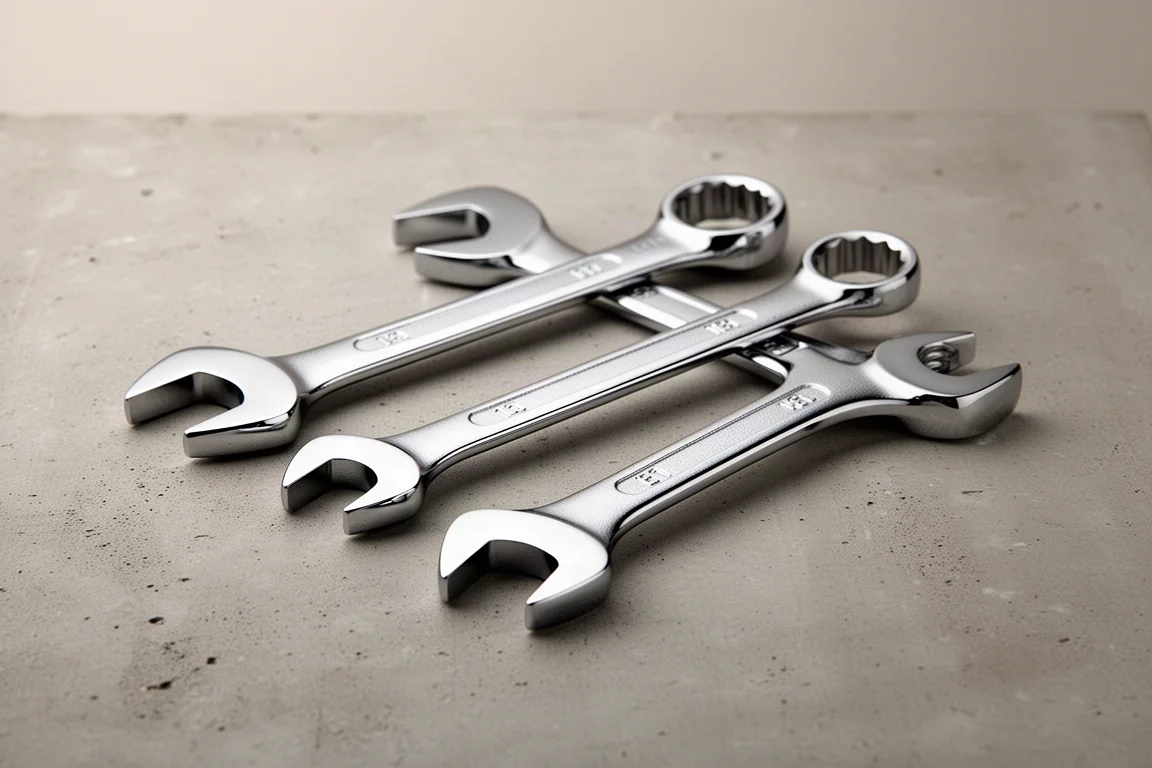
Not all chrome finishes are created equal. A side-by-side inspection of two Milwaukee combination wrenches (the 14 and 15) and a Snap-on wrench reveals some clear differences in surface quality, plating consistency, and overall attention to detail. If you are choosing between these brands, understanding those differences can save you disappointment down the line.
Evaluation Criteria
The comparison focuses on the things you can actually see and feel on a well-used tool: the evenness of the chrome plating, the sharpness of stamped edges and machining detail, and whether the surface shows imperfections such as gouges, dents, or odd filler-like material. Finish quality matters because it affects corrosion resistance over time and how the tool feels in the hand.
Snap-on Wrench: Benchmark Finish
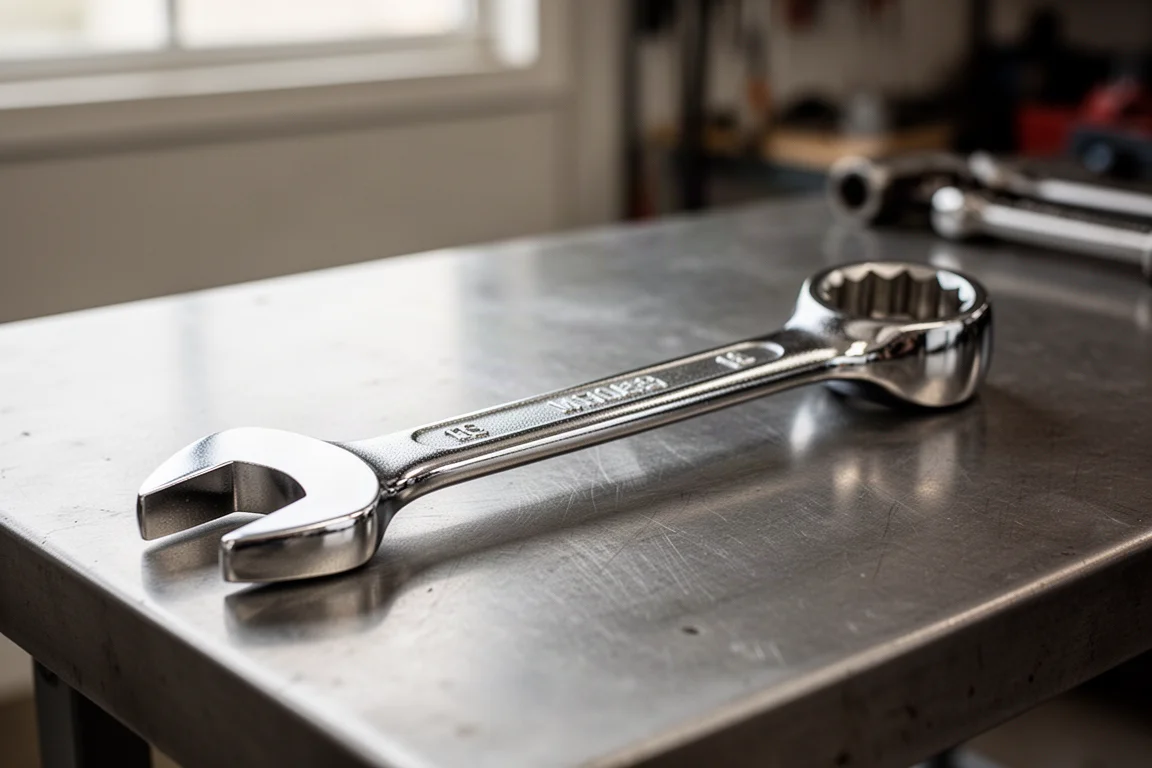
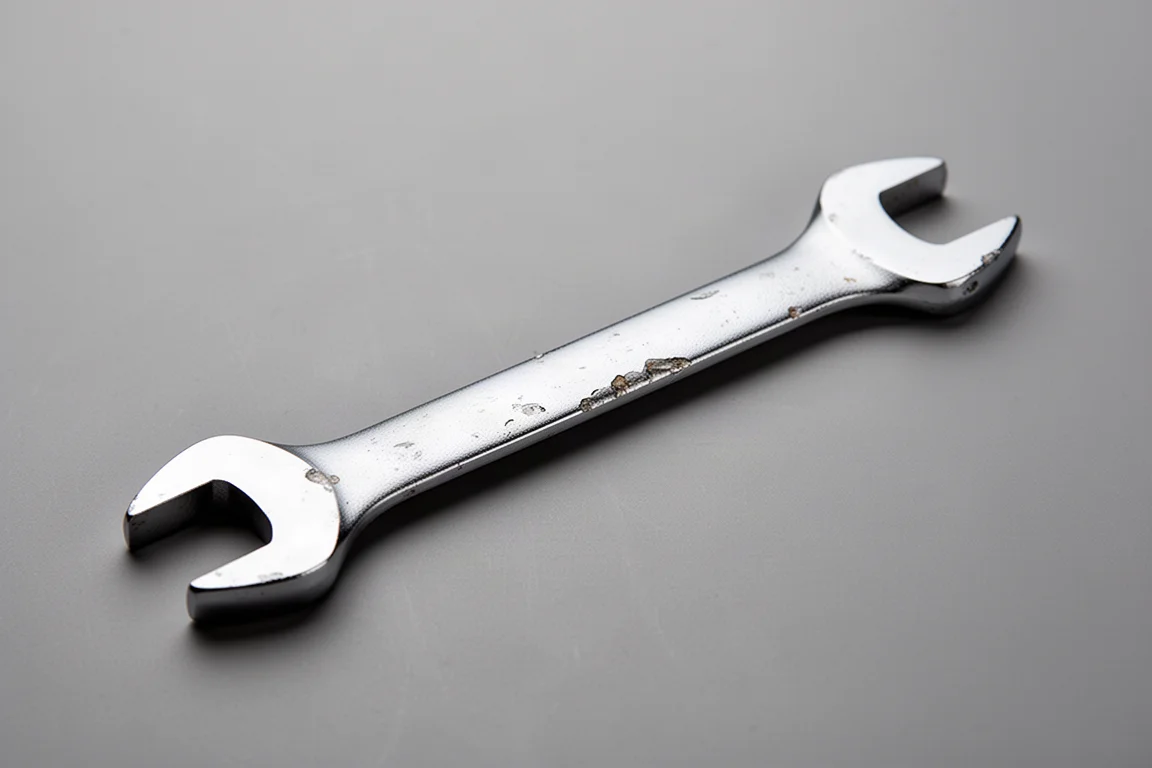
The Snap-on wrench, despite being an older and well-used tool, holds up remarkably well under magnification. The chrome is clean and even across the entire surface, with sharp, crisp detail throughout. Even on a wrench that has clearly seen plenty of work, the finish looks stellar, which is a strong sign of well-executed plating and polish work from the factory.
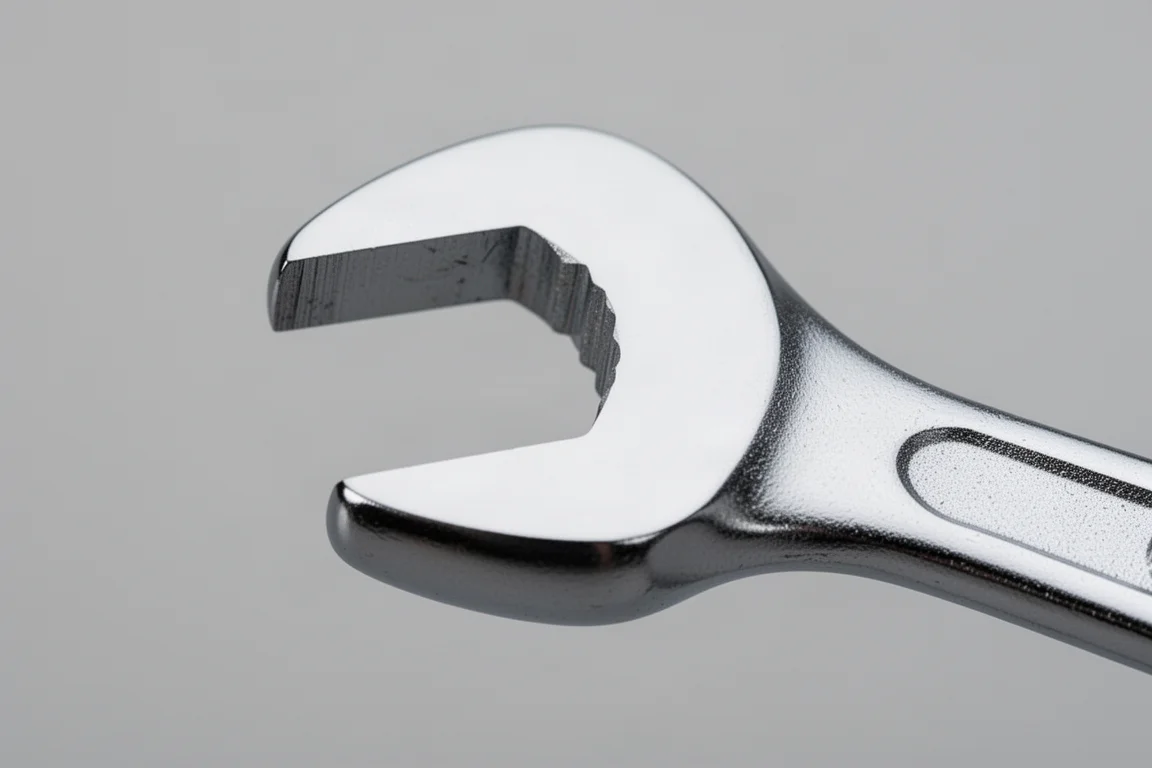
If finish consistency is your top priority, this is the wrench that sets the standard in this comparison.
Milwaukee 14 Wrench: Solid but a Step Behind
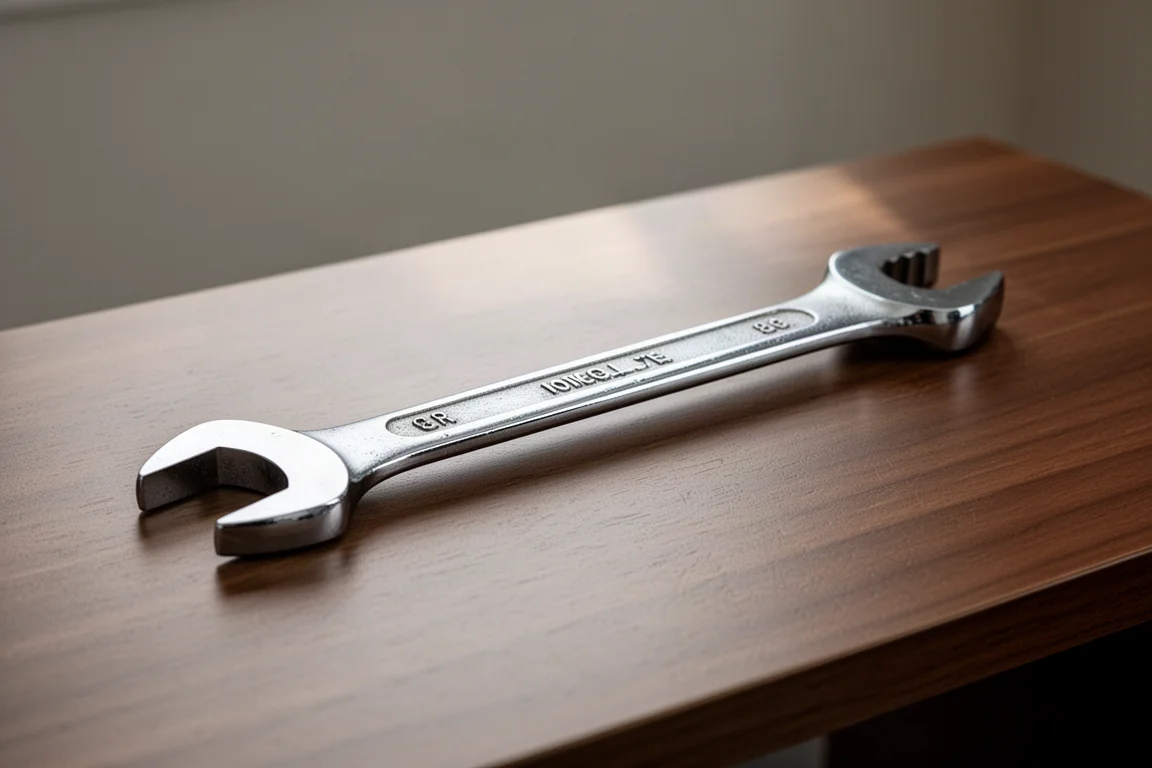
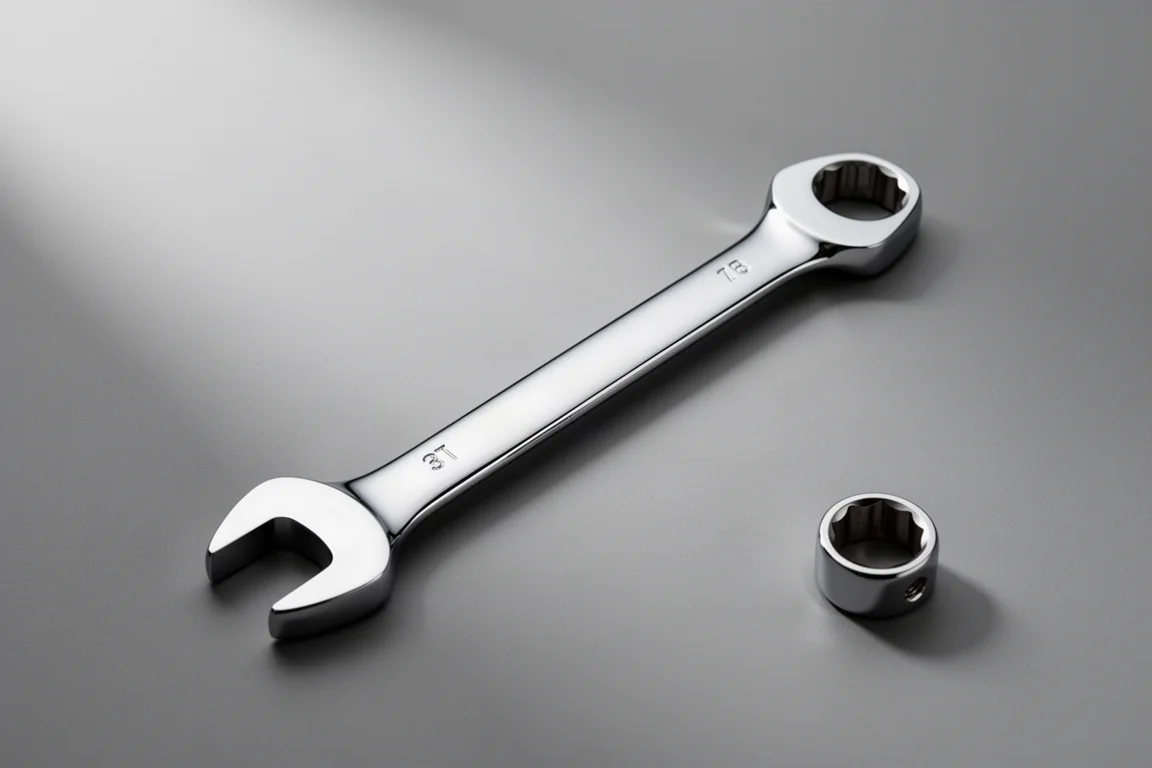
The Milwaukee 14 is a pleasant surprise at first glance. It is nice and shiny with heavy chrome, and you really don’t see any major imperfections across the surface. Under closer inspection, however, the detail work is not quite as sharp as the Snap-on. Edges and stamped features lack the same crispness, and the overall feel is slightly less refined.
For general use, the 14 is a perfectly serviceable wrench with a respectable finish. It simply doesn’t match the benchmark set by the competition when you look closely.
Milwaukee 15 Wrench: Inconsistencies Worth Knowing
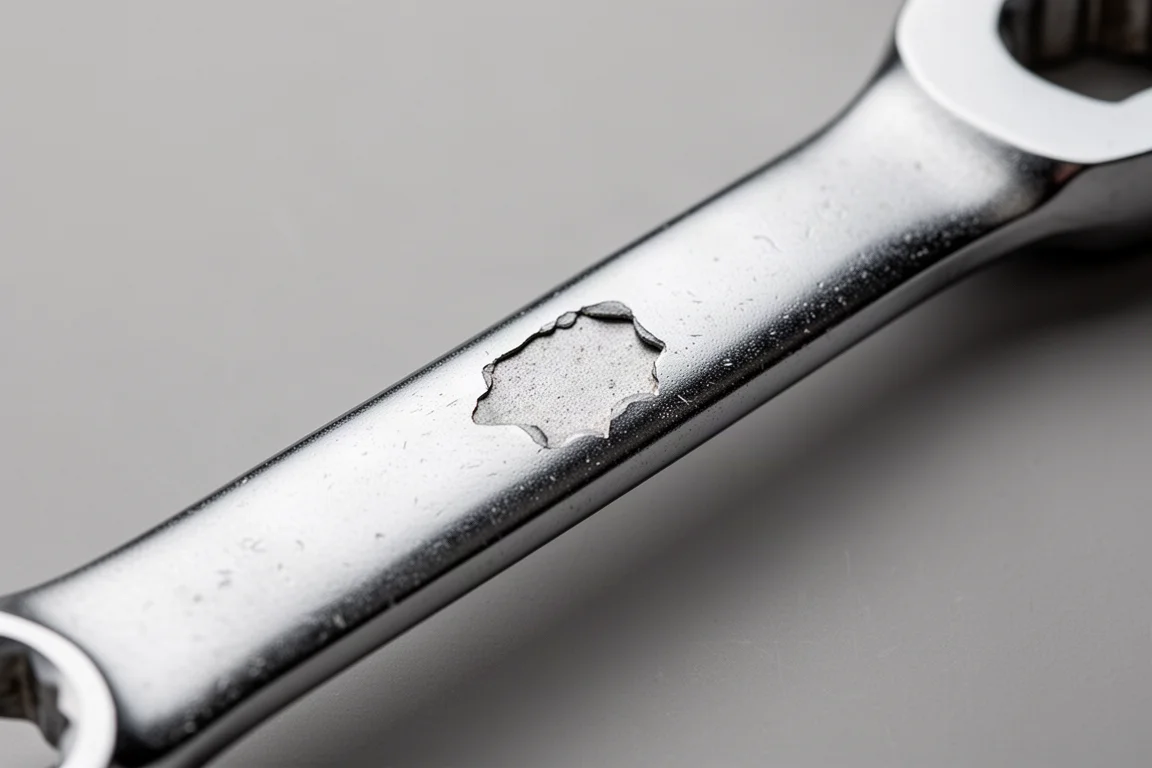
The Milwaukee 15 tells a different story. There is a visible chunk of the chrome finish messed up on the handle. It is not a scratch; the plating itself simply isn’t finished properly in that spot, appearing missing or gouged rather than scratched or polished over.
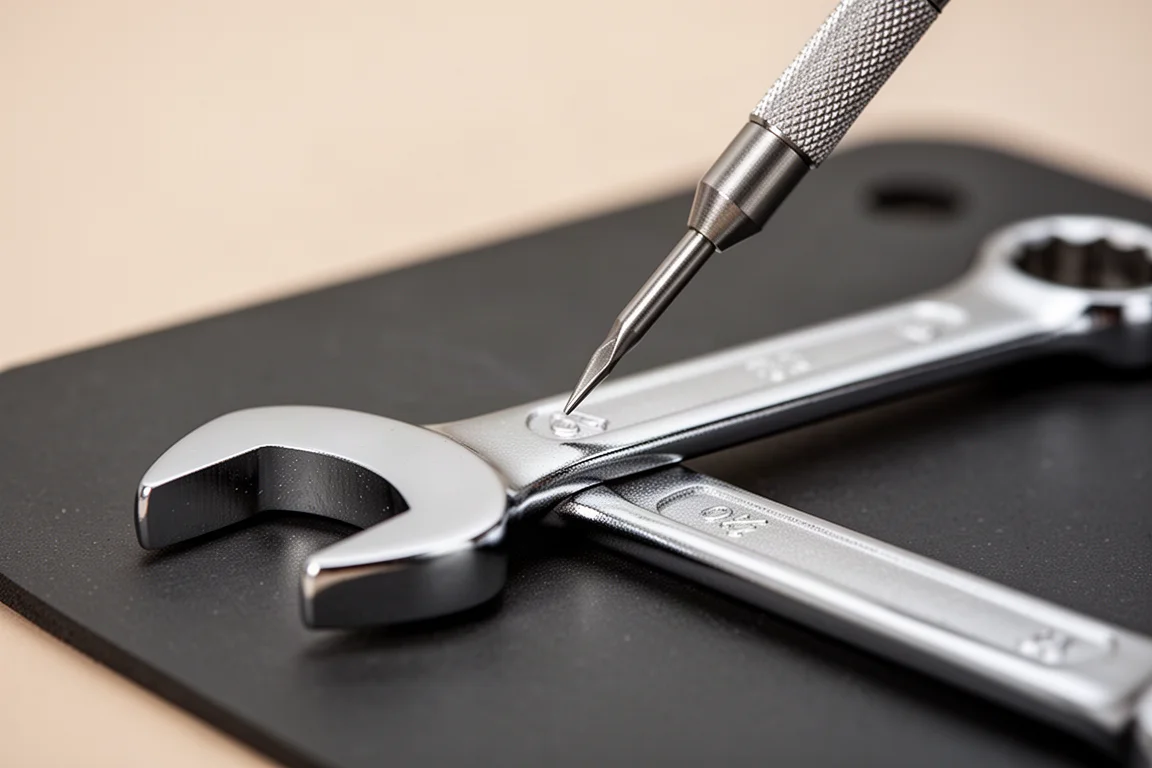
Closer inspection turns up more quirks. Small indentations run along the inside edges of the wrench, and on one side there is an area that looks as though some kind of transparent filler was used. Probing that spot with a small pick broke out a strange, plasticky-looking material, revealing smoother chrome underneath. It is unclear exactly what the substance is, but its presence in a finished tool is unusual, and the overall feel of this wrench is rougher than the others.
If you buy a Milwaukee wrench, inspect it carefully on arrival rather than assuming every unit is finished the same way.
Overall Buying Advice
Based on this comparison, the Snap-on wrench is the clear pick if flawless finish work and long-term surface durability are what you value, even in a used tool. The Milwaukee 14 is a reasonable budget-friendly alternative with a mostly clean, heavy chrome finish, though the detail is a step behind. The Milwaukee 15 is the one to approach with caution: plating flaws, small dents, and filler-like material make it a rougher tool overall.
Whichever way you go, take a moment to check the finish when your wrench arrives. Small plating issues are easy to spot early and easy to return, but much harder to deal with after the tool has been in your box for a year.
Conclusion
Snap-on’s finish work remains the benchmark, with clean, sharp chrome that survives years of use. Milwaukee’s 14 is a decent, shiny alternative with minor sharpness compromises, while the 15 shows the kind of plating and consistency issues worth inspecting for before you commit. Match your choice to how much finish quality matters in your daily work.
Further reading
Related Reviews
Hand Tools
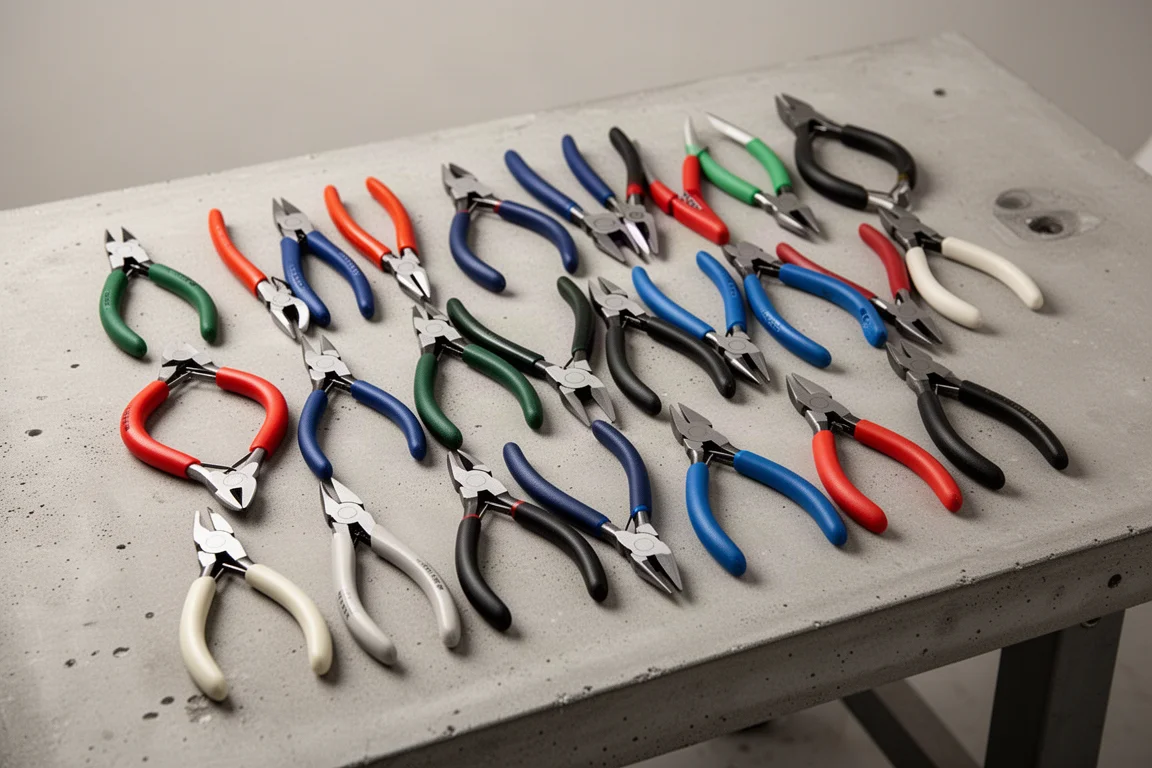
Best Diagonal Cutters 2026: 16 Pliers Tested for Cutting Power and Durability
We put 16 diagonal cutters through nail, screw, drill bit, and hex key tests to find the best value picks for your toolbox.
Hand Tools
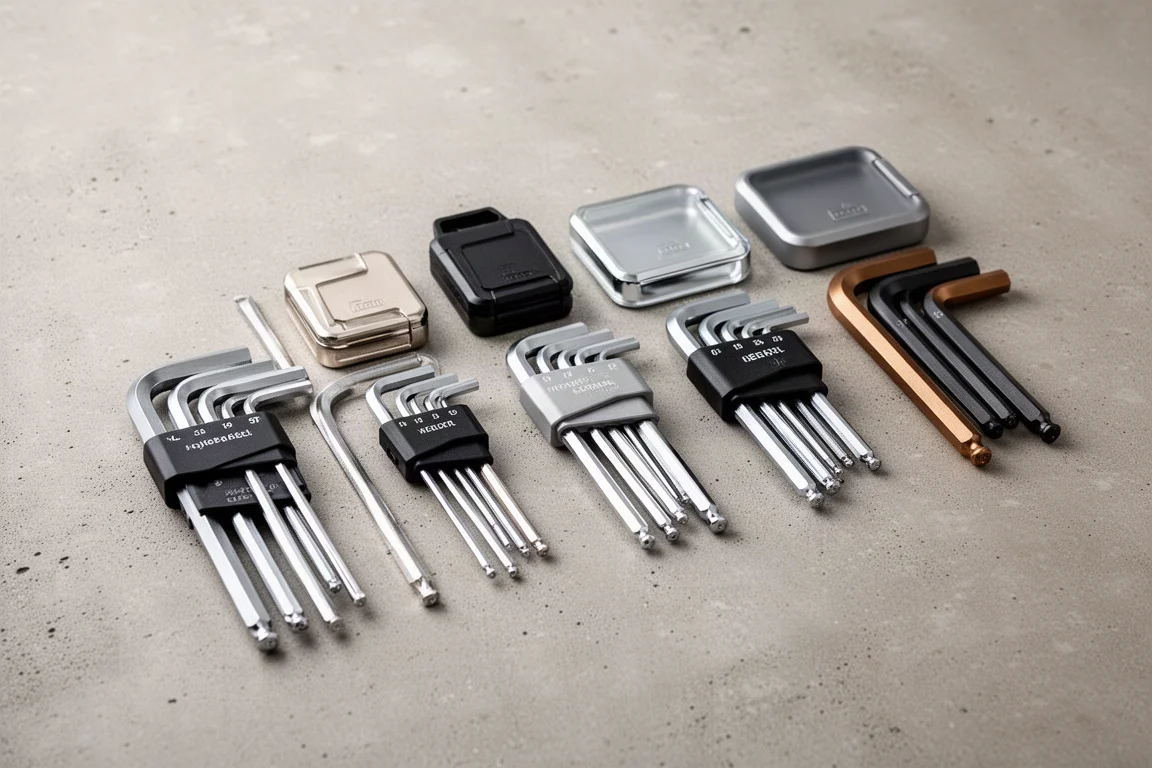
Best Hex L Key Sets 2026: Nine Sets Tested for Real-World Torque
Nine hex L key sets from budget to premium, tested for torque, fit, and durability. See which sets deliver real performance and which ones to skip.
Hand Tools
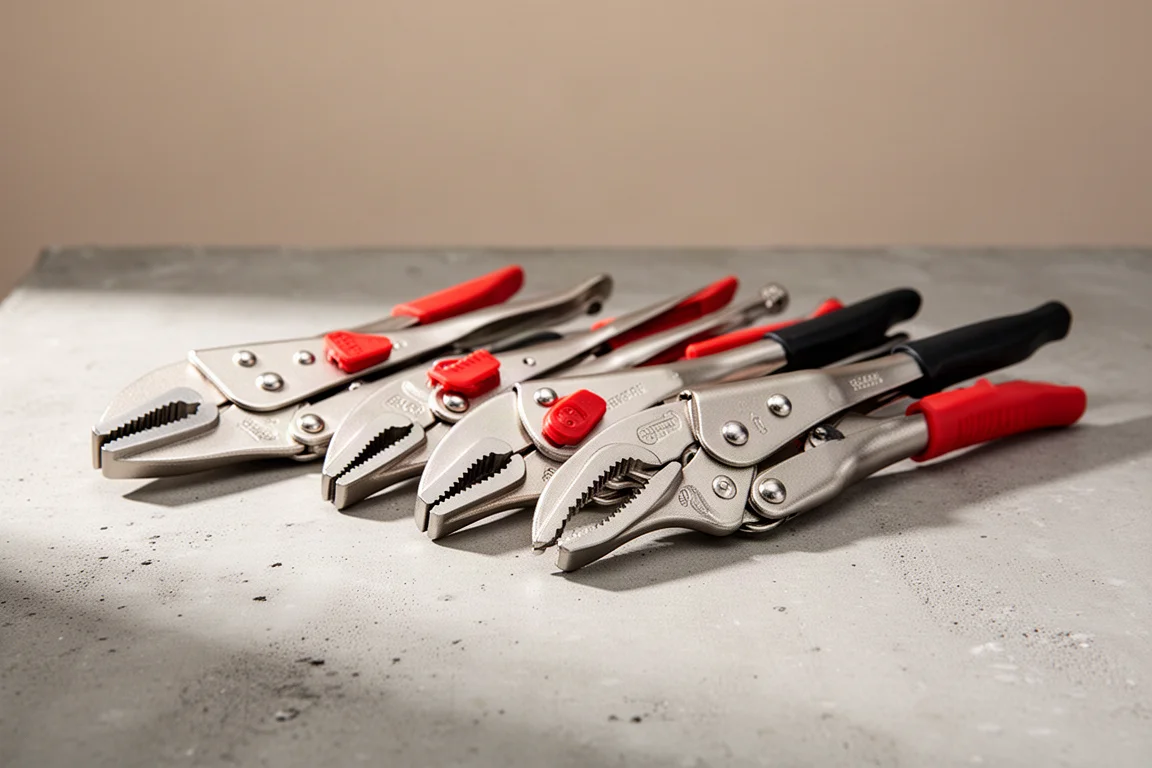
Best Locking Pliers 2026: Top Picks Tested for Grip and Durability
We tested 18 brands of 10-inch locking pliers for grip strength, jaw bite, build quality, and ease of release to find the best options for tough jobs.