Hand Tools
Milwaukee vs Klein Tubing Cutter: Two Compact Cutters Compared
A close look at two small tubing cutters that slice through soft tubing, fuel line, plastic, and more, with clear trade-offs on grip, spring strength, and locking mechanism.
Introduction
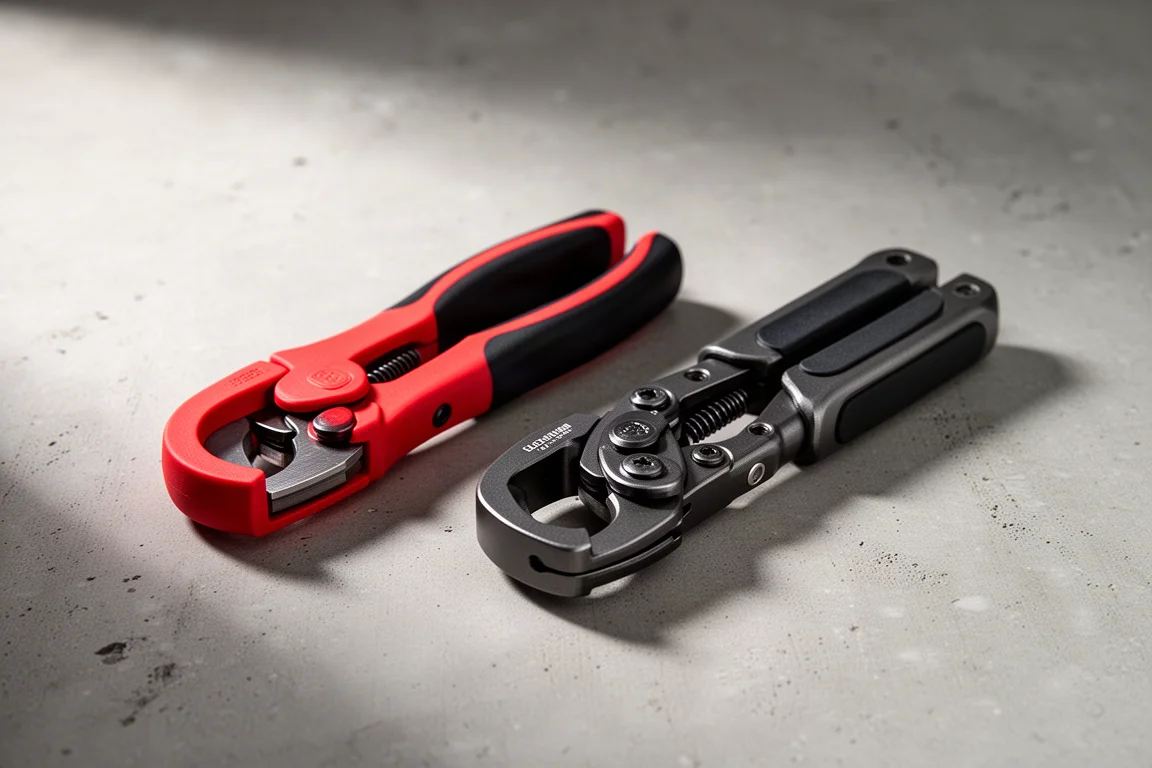
Small tubing cutters rarely get much attention, but the good ones earn a permanent spot in a tool bag. Two compact options stand out for this kind of work: the Milwaukee tubing cutter and the Klein tubing cutter. Both are scissor-style cutters designed for soft tubing, both open up to roughly an inch in diameter, and both sell replacement blades. This comparison looks at where each one excels and where each could use refinement.
The Milwaukee Tubing Cutter
The Milwaukee tubing cutter has a long-standing reputation, and the original version is widely regarded as one of the best on the market. That original has been discontinued, so the current version is the one most buyers will find. It remains an excellent tool, though it made some changes worth understanding.
The current model adds a lanyard tether point, which is sensible on a tool like this. However, it drops the over-molded grip of the original, which made the tool noticeably easier to hold, especially with wet hands. Anyone cutting into PEX or working in wet conditions will appreciate that older grip. It also removed a hidden reworking groove that many owners never knew existed, a change that makes sense since an exposed razor-sharp blade tip in a crowded tool bag is a real hazard.
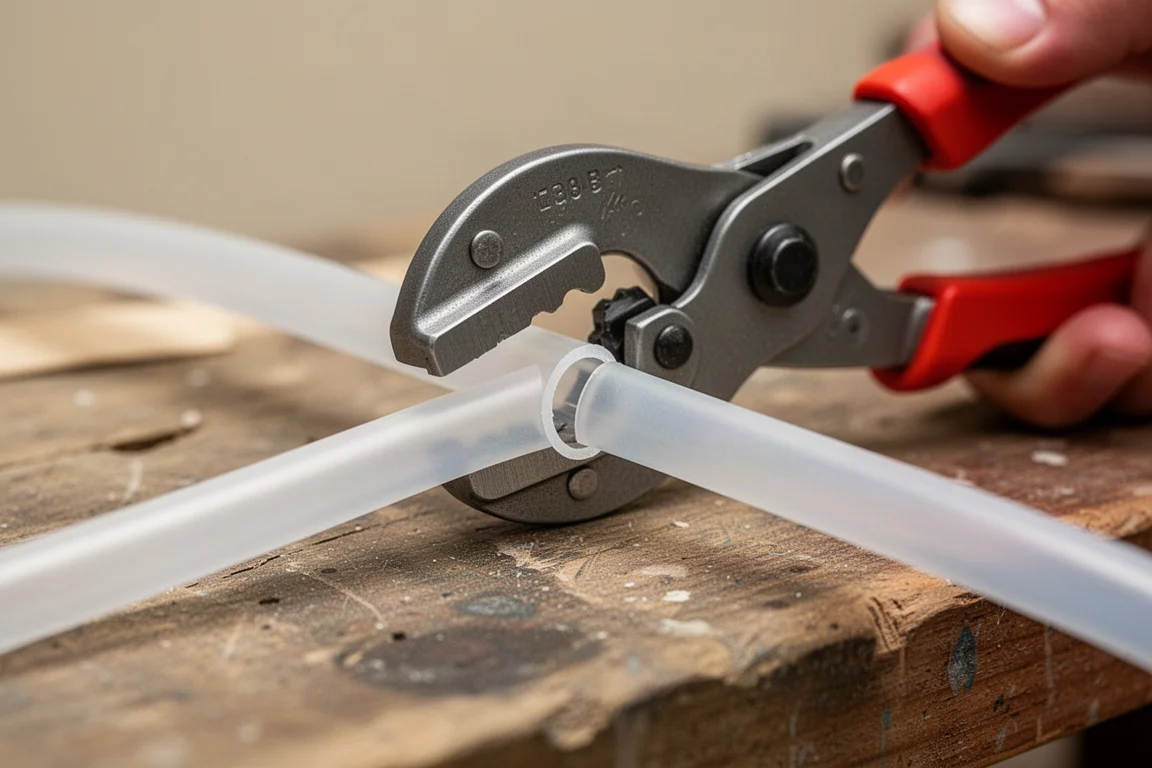
On the plus side, the spring inside the Milwaukee feels stronger than its competitor’s, which helps the tool stay open under resistance. The locking mechanism also takes real effort to disengage, so it is unlikely to flick open while being pressed into a tool bag. The lower jaw uses less material, which gives the handle a lighter feel. Replacement blades are available, though Milwaukee blades will not fit the competing cutter due to different screw hole spacing.
The Klein Tubing Cutter
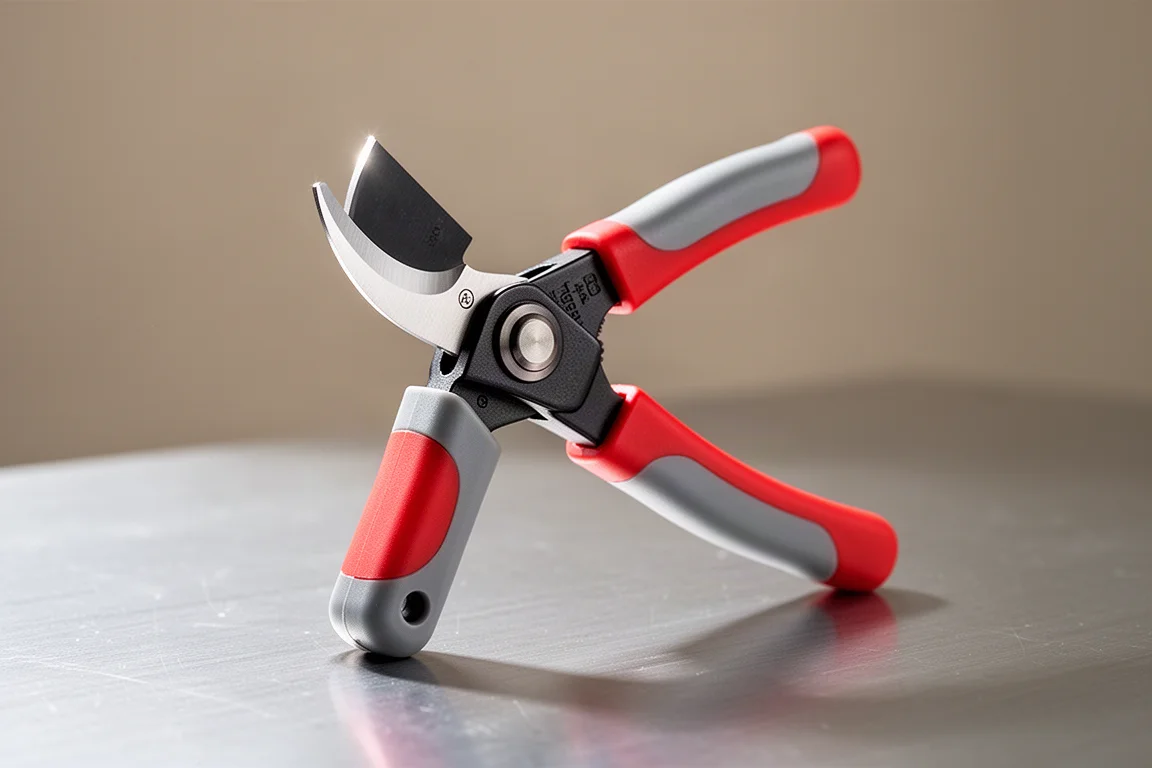
The Klein version costs around 30 dollars and is available off the shelf at Lowe’s. A larger version for bigger cuts or PVC also appears online, while this one targets softer tubing. In practice, the temptation is to cut everything with it: plastic, wood, and anything else that fits in the jaws. Replacement blades are sold separately and are easy to swap.
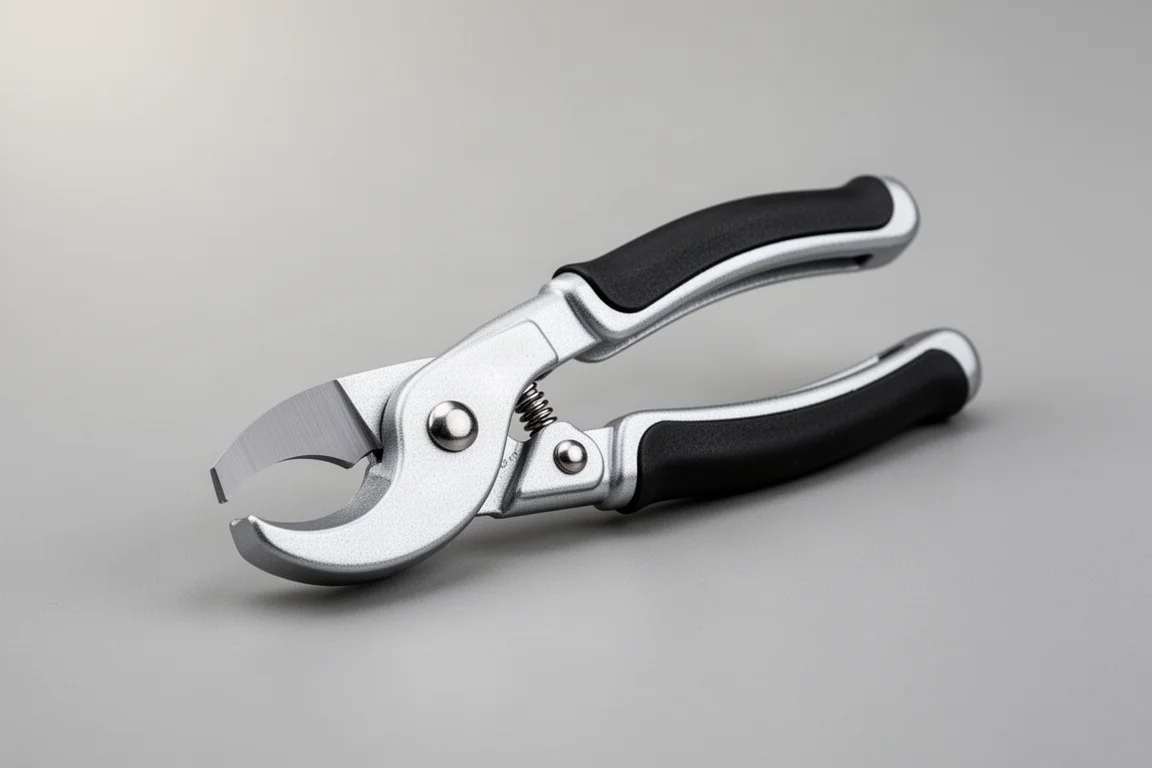
Its handle is an aluminum-bodied design with a rubbery texture that fits the hand well, sitting between a hard plastic grip and a full over-mold. The handle is shorter than the Milwaukee’s, but that turns out to be a non-issue: in real cutting work, the hand naturally chokes up close to the jaws for precision, so the extra handle length goes unused. There is more mass near the lower jaw than on the Milwaukee, giving it a slightly heavier feel overall.
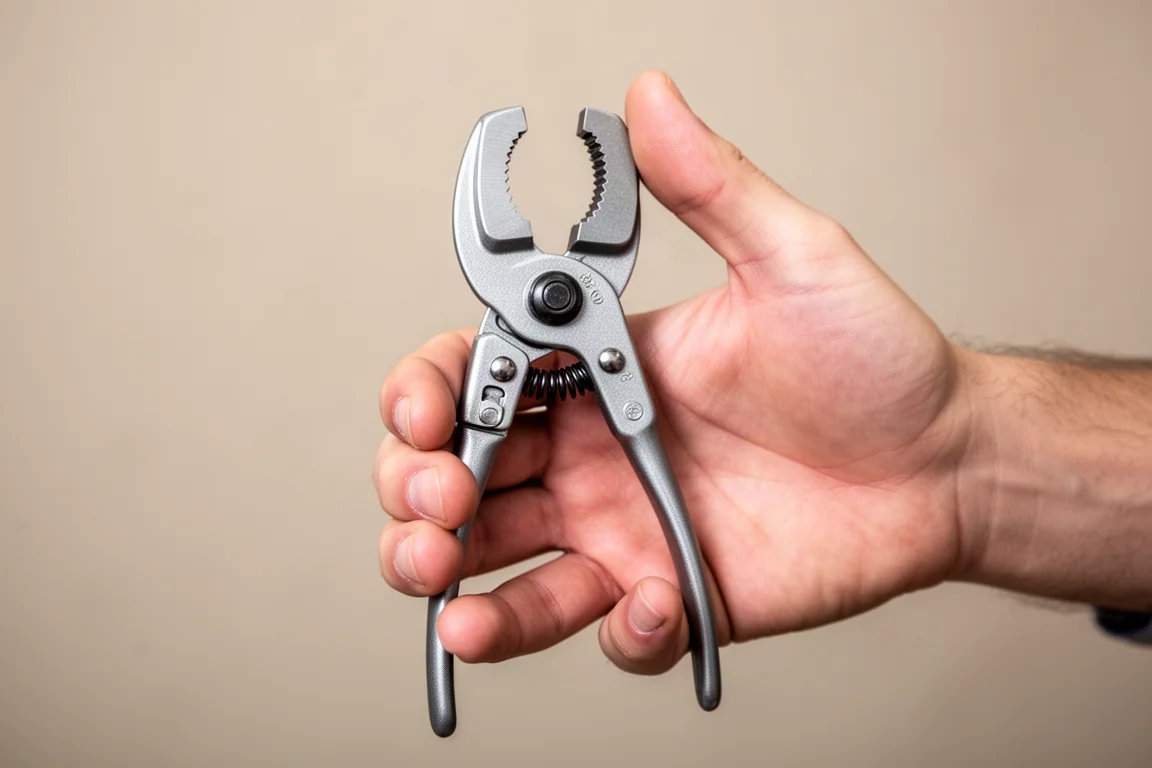
The main weaknesses are the spring and the lock. The spring is a bit weak, and combined with the slightly slippery grip, opening the jaws fully around a one-inch tube demands more fingers and more care. The locking switch sticks up prominently, moves with little resistance, and has a large target, which means it can be kicked open by accident when the cutter is pressed into a bag. A rework of that switch would go a long way.
Cutting Performance
In actual cutting, both tools do the job well. Straight cuts come down to lining the tubing up in the groove and slicing cleanly. On reinforced fuel line, both cutters slice through beautifully with a sharp blade. Soft plastic tubing is trivial for either.
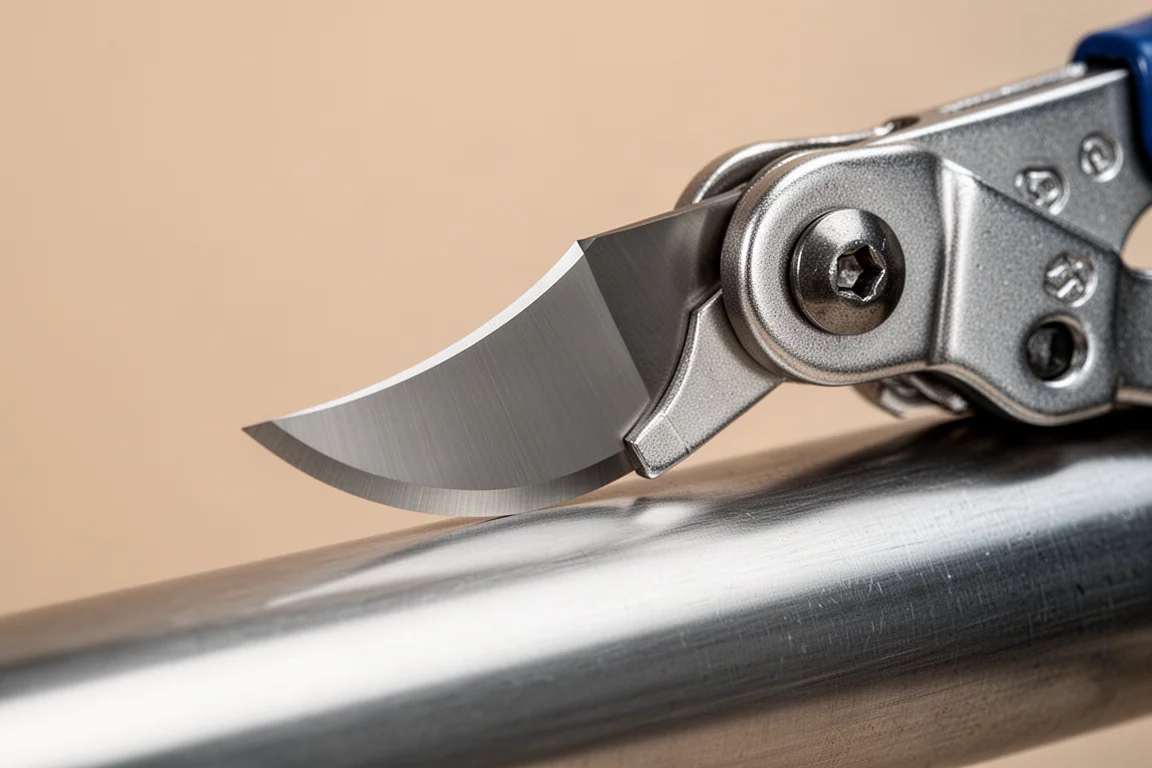
One subtle difference appeared in testing: the scoop geometry on the Milwaukee has noticeably more depth, which may contribute to consistently straighter cuts. With the Klein, keeping the tubing perfectly centered takes a little more attention, and cut angle can vary slightly depending on approach. Neither flaw is deal-breaking, but the Milwaukee holds a small edge in cut consistency.
Blades and Maintenance
Both cutters accept replaceable blades, which is essential on any tool with an exposed cutting edge. Note that the blades are not interchangeable between brands: the screw hole positions differ enough that a Milwaukee blade will not come close to fitting the Klein. Budget for fresh blades periodically, since a worn blade needs extra force and produces rougher cuts. On the Klein, the rubberized handle inserts appear to be removable, so future grip upgrades or third-party alternatives are at least plausible.
Which One Should You Buy
If you can still find the original Milwaukee, it remains the benchmark thanks to its over-molded grip. Between the two currently available options, the choice comes down to priorities. The Milwaukee offers a stronger spring, a more secure lock, and slightly better cut consistency. The Klein offers a comfortable rubbery grip, a shorter and more controllable handle, and an easier-to-find retail shelf at a friendly price. Honestly, both are outstanding cutters, and either one will serve well for soft tubing, PEX, fuel line, and general odd-job cutting.
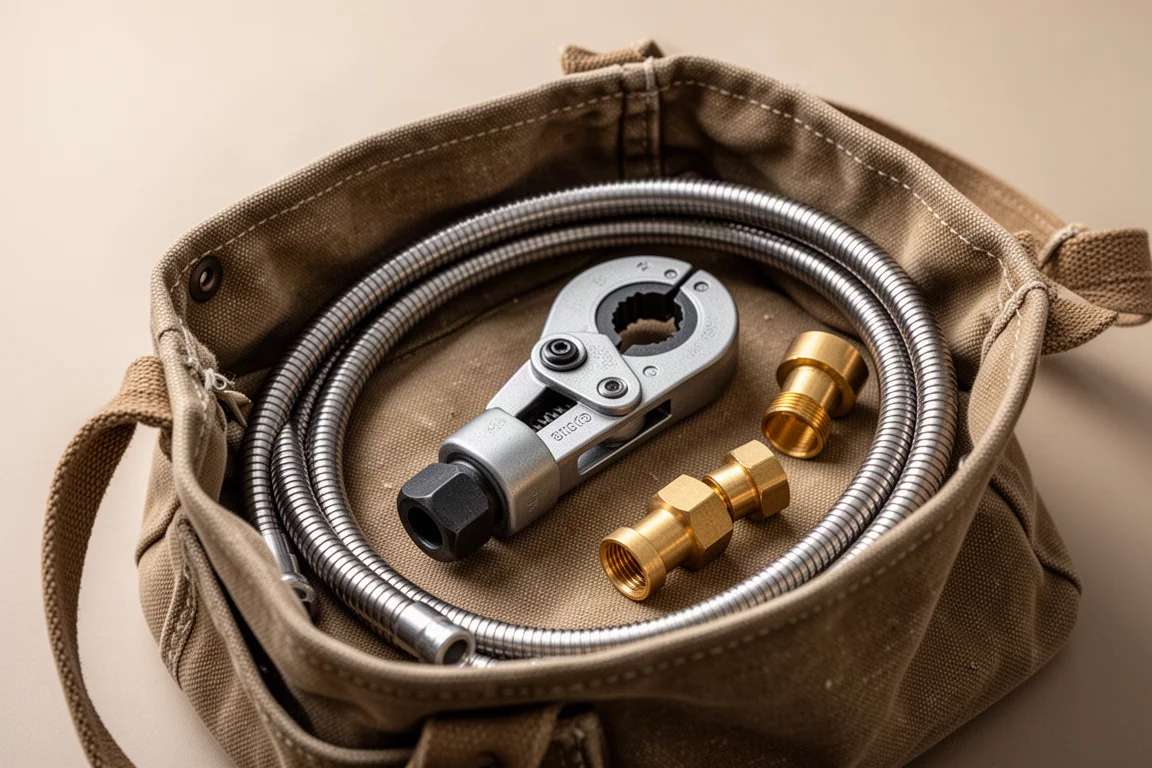
A tip for either tool: lock it closed and store it tip-down in the bag. With fresh blades and a little care, both will handle far more than the tubing they were designed for.
Conclusion
The Milwaukee tubing cutter remains the refined choice with better spring resistance, locking security, and cut depth geometry. The Klein tubing cutter is a strong, affordable alternative with a comfortable grip that mainly needs a reworked lock switch and a slightly stronger spring. Either way, this category of small cutter punches far above its size, and both are easy to recommend.
Further reading
Related Reviews
Hand Tools
Best Diagonal Cutters 2026: 16 Pliers Tested for Cutting Power and Durability
We put 16 diagonal cutters through nail, screw, drill bit, and hex key tests to find the best value picks for your toolbox.
Hand Tools
Best Hex L Key Sets 2026: Nine Sets Tested for Real-World Torque
Nine hex L key sets from budget to premium, tested for torque, fit, and durability. See which sets deliver real performance and which ones to skip.
Hand Tools
Best Locking Pliers 2026: Top Picks Tested for Grip and Durability
We tested 18 brands of 10-inch locking pliers for grip strength, jaw bite, build quality, and ease of release to find the best options for tough jobs.